Sometimes all it takes is the right pot in the right spot to completely transform how your outdoor space feels.
Whether you have a sprawling backyard, a cozy patio, or a narrow front porch, outdoor flower pot ideas are one of the fastest, most flexible ways to add color, texture, and personality — without committing to a full landscaping overhaul.
But not all pot setups are created equal. Some look dated. Some topple over in the first summer storm. And some just never seem to come together the way you pictured them on Pinterest.
The ideas below are different — they’re practical, they’re current, and most importantly, they work in real outdoor spaces, not just styled photo shoots.
11 Eye-Catching Outdoor Flower Pot Ideas That Feel Fresh and Modern
Here are 11 outdoor flower pot ideas that feel genuinely fresh and modern, along with tips for making each one work in your yard.
1. Stack Multiple Pots for a Tiered Display
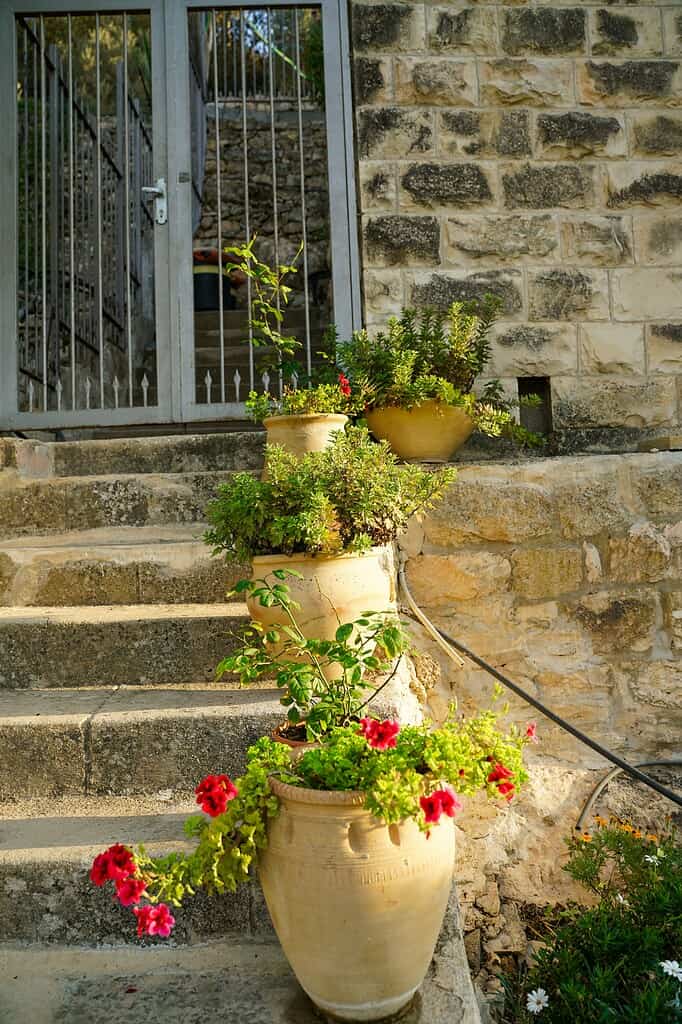
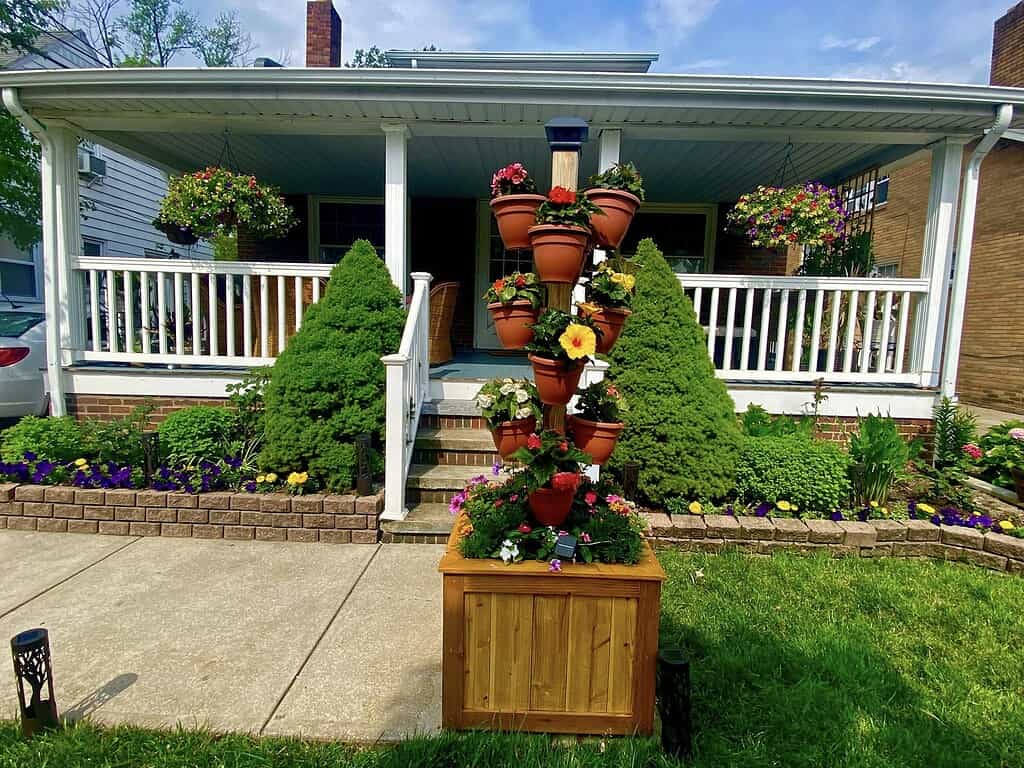
Tiered pot arrangements create instant visual height without needing a raised bed or garden wall.
The trick is to use containers of graduating sizes — a large pot at the base, a medium one in the middle, and a compact pot on top — and fill each with flowers at different growth heights.
This works especially well on front steps, beside a gate, or at the end of a garden path. Choose a cohesive color palette across all three pots so the display reads as intentional rather than cluttered.
Try trailing petunias in the top tier and fuller geraniums or salvias in the base.
2. Go Bold with Black Matte Planters
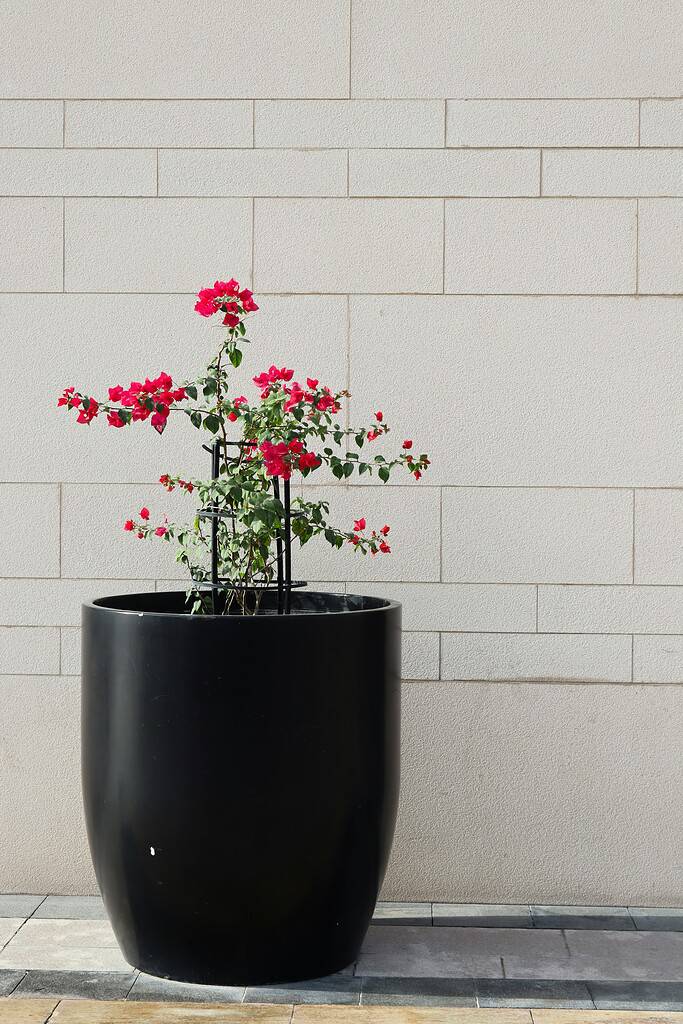
Black matte planters have become one of the most popular choices in modern outdoor design — and for good reason.
They create a strong, clean contrast against green foliage and brightly colored blooms, and they photograph beautifully.
Whether you use fiberglass, powder-coated metal, or ceramic, the matte finish keeps the look elevated without being formal.
Pair black pots with bold warm tones — orange marigolds, red zinnias, or dusty pink cosmos — for a high-impact combination. If your space leans more minimal, white or chartreuse foliage plants against matte black are equally striking.
You can read more about growing marigolds for maximum color impact if you want an easy, reliable bloom for this look.
3. Embrace the Cottage-Style Cluster
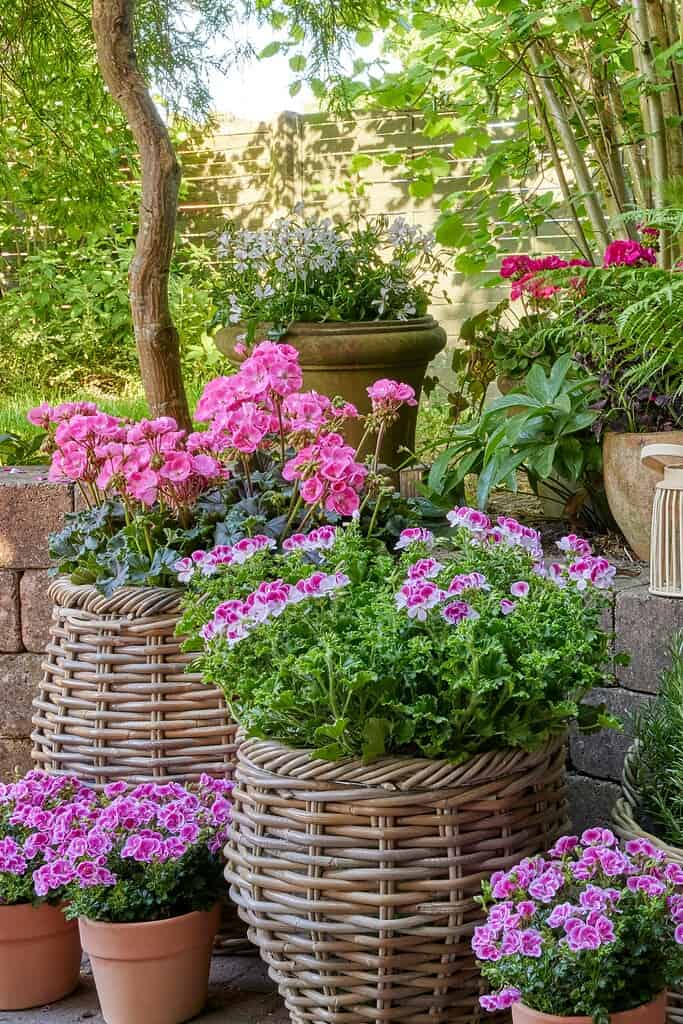
Cottage-style pot groupings feel effortless, but there’s actually a bit of method behind the magic. Group an odd number of pots together (3, 5, or 7) in varying heights, materials, and textures.
Think weathered terracotta alongside glazed ceramic and a simple galvanized metal pail.
Fill them with a loose, romantic mix of flowers — lavender, sweet alyssum, trailing lobelia, and climbing nasturtiums. This approach works brilliantly along a fence line or tucked beside a garden bench.
If you love this aesthetic, check out these dreamy cottage garden design ideas to extend the look beyond your pots.
4. Use a Single Statement Urn or Oversized Pot
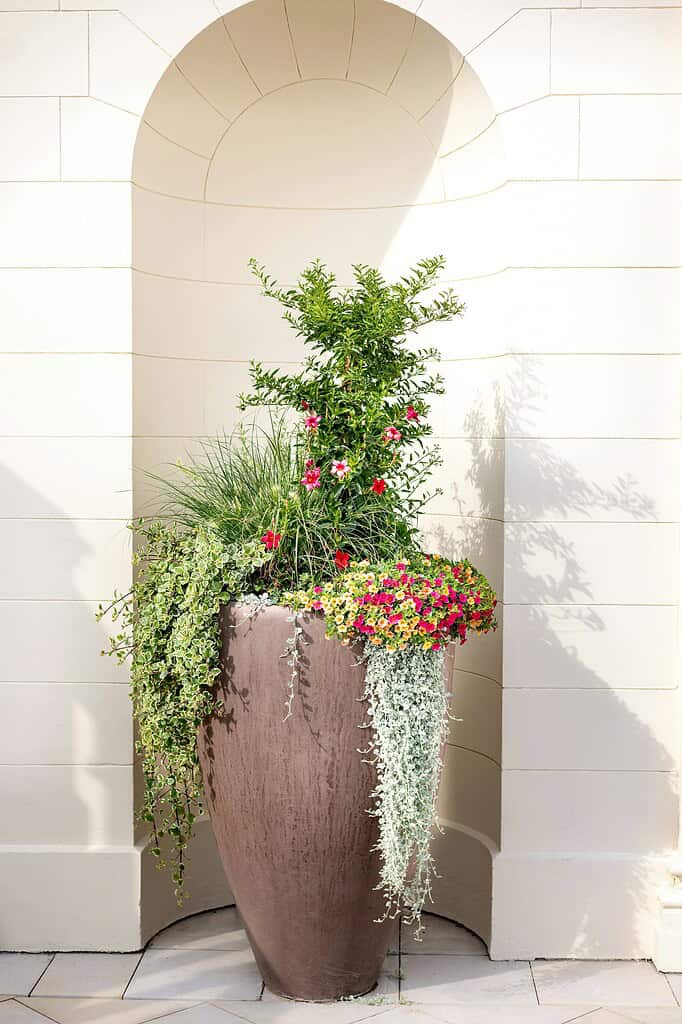
When in doubt, go big. A single, well-chosen oversized pot or classic urn planted with a bold arrangement can anchor an entire outdoor seating area or entrance.
This is one of those outdoor flower pot ideas that works whether your style is traditional, Mediterranean, or modern farmhouse.
For the planting itself, follow the “thriller, filler, spiller” formula:
- Thriller — a tall, dramatic focal point like a cordyline, canna lily, or tall dahlia
- Filler — medium-height plants that round out the arrangement, such as petunias, calibrachoa, or impatiens
- Spiller — trailing plants that cascade over the sides, like sweet potato vine, bacopa, or ivy
5. Mix Textures with Concrete, Wood, and Ceramic
One of the easiest ways to make a pot display feel curated rather than accidental is to deliberately mix materials.
Pair a sleek concrete planter with a weathered wooden trough and a hand-painted ceramic bowl. The contrast between rough and smooth, matte and glossy, natural and crafted gives the arrangement depth.
This mixed-material approach also pairs beautifully with a textured backdrop.
If you have a stone patio or gravel path, these pots will feel right at home — especially combined with some river rock landscaping elements nearby for a cohesive, layered look.
6. Create a Monochromatic Color Scheme
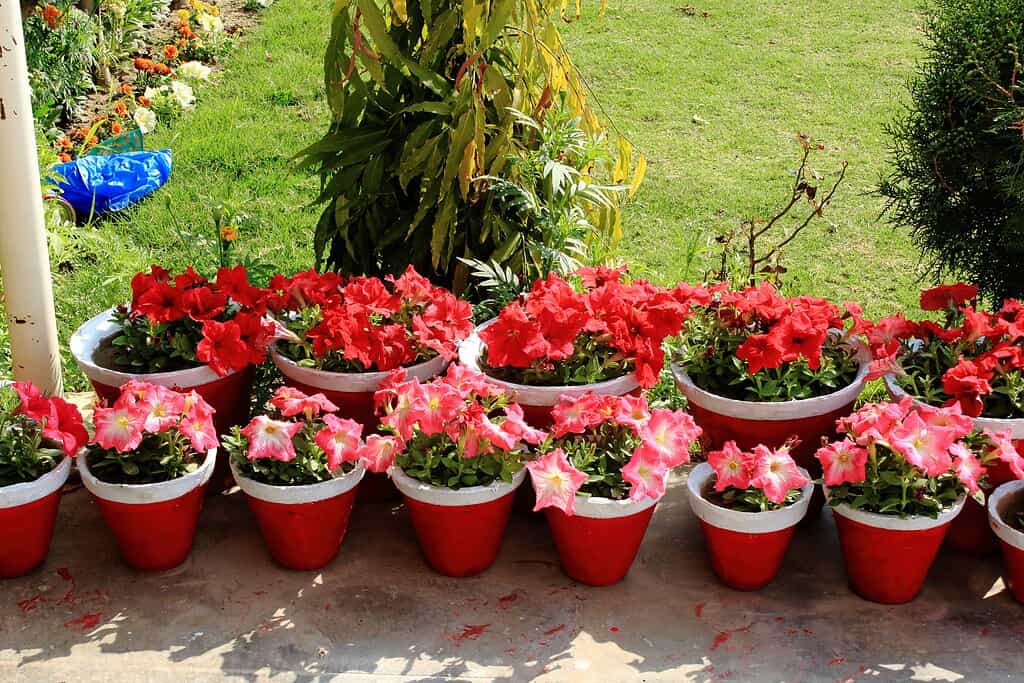
Rather than mixing every color you love, try committing to a single color family across all your pots in one area. An all-white and silver display using white petunias, dusty miller, and white salvia looks crisp and elegant.
An all-coral and peach palette using impatiens, begonias, and snapdragons feels warm and inviting.
Monochromatic displays are particularly effective on patios and decks where you want the plants to complement the space without competing with furniture or flooring.
For a full patio refresh, these budget-friendly DIY paver patio ideas pair beautifully with a well-thought-out potted plant scheme.
7. Try a Hanging Flower Wall or Vertical Tower
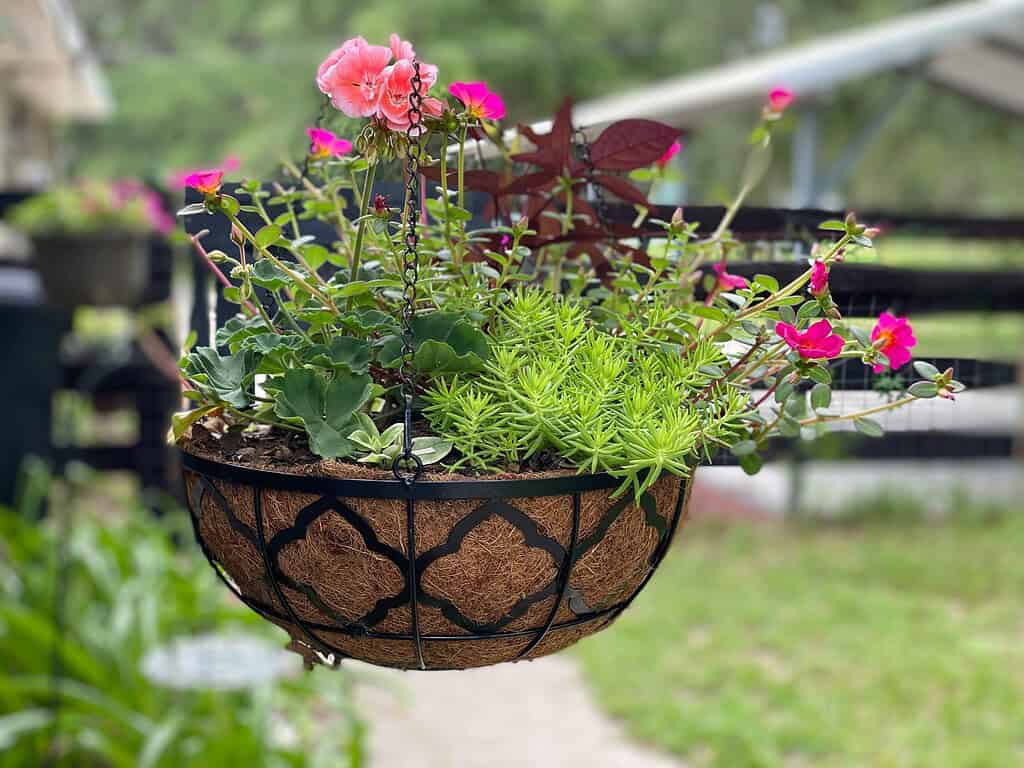
When horizontal space is limited — on a balcony, a narrow side yard, or a fence line — think vertically.
Hanging pot systems, wall-mounted planters, and tiered tower planters let you grow a surprising amount of flowers in a small footprint.
For a flower wall, mount a grid of small wall planters and fill each with a different variety — mixing trailing and upright growth habits for visual interest.
Tower planters work especially well with petunias, strawberry begonias, and pansies. Keep in mind that vertical setups dry out faster, so daily watering in summer is usually necessary.
8. Repurpose Old Containers for a Rustic-Modern Look
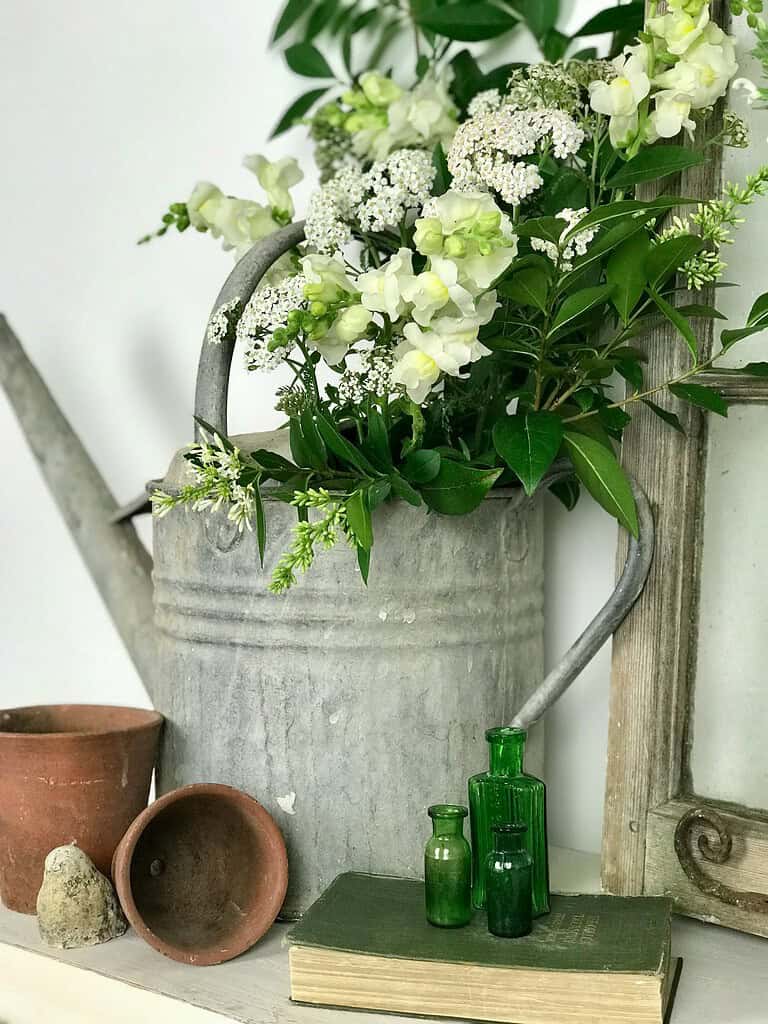
Old watering cans, vintage milk churns, wooden crates, worn-in galvanized tubs — these items make surprisingly beautiful planters when paired with the right flowers.
The key is keeping the planting itself fresh and full so the container looks intentional rather than abandoned.
Drill drainage holes in any repurposed container before planting. This type of creative approach also connects naturally to a broader DIY garden aesthetic — if you enjoy this repurposed style, you’ll likely love these backyard garden ideas that are easy to copy this season.
9. Line a Pathway with Low, Repetitive Plantings
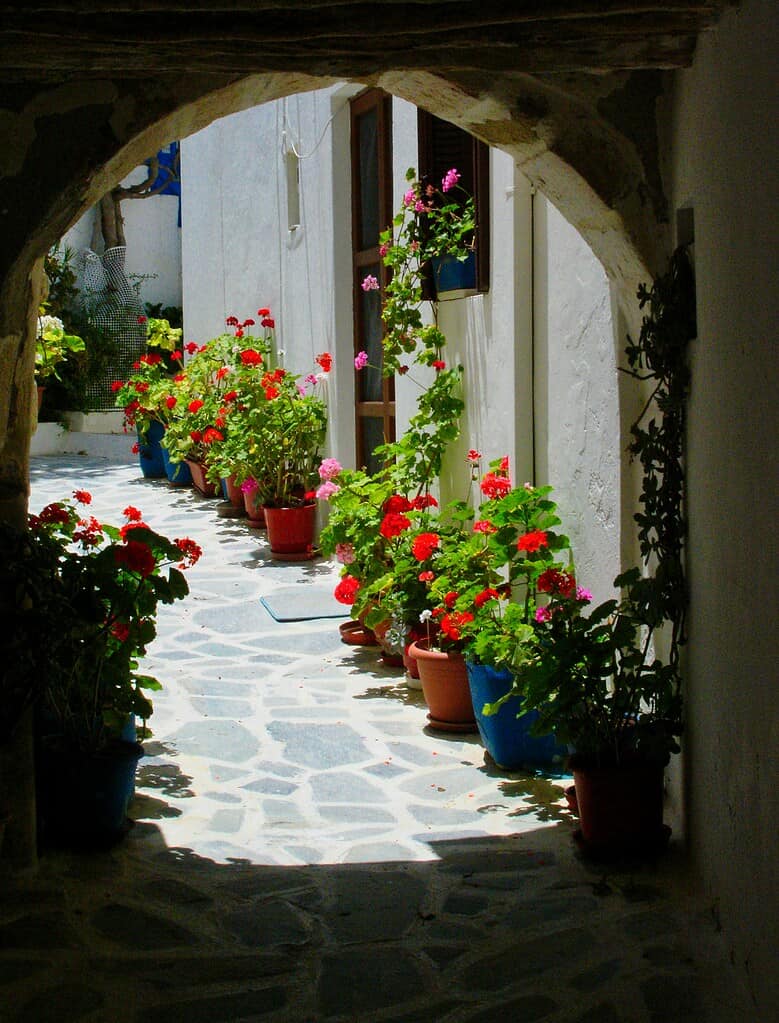
Repeating the same pot and plant combination along both sides of a walkway or driveway creates a formal, structured look that photographs like a professional landscape design.
You don’t need expensive pots — simple terracotta or matching black nursery pots work just as well when the planting is consistent.
Choose compact, tidy plants like boxwood balls, lavender, dwarf agapanthus, or low geraniums that won’t flop over or grow unevenly.
This kind of structured container planting also complements walkable ground cover plants between stepping stones for a complete pathway look.
10. Go High-Impact with a Trailing Bloom Display
Trailing flowers are one of the most underrated tools in container gardening.
When planted in a tall pot or raised pedestal, long cascading varieties like bacopa, calibrachoa, ivy geranium, or sweet potato vine create a lush, waterfall effect that’s genuinely eye-catching from across the garden.
Place trailing displays somewhere elevated — on a column, a pot pedestal, or atop a low retaining wall — so the cascading effect can really show.
If you’re wondering which plants handle full outdoor sun the best for these setups, this guide to full sun container plants is a great place to start.
11. Build a Dedicated Container Garden Corner
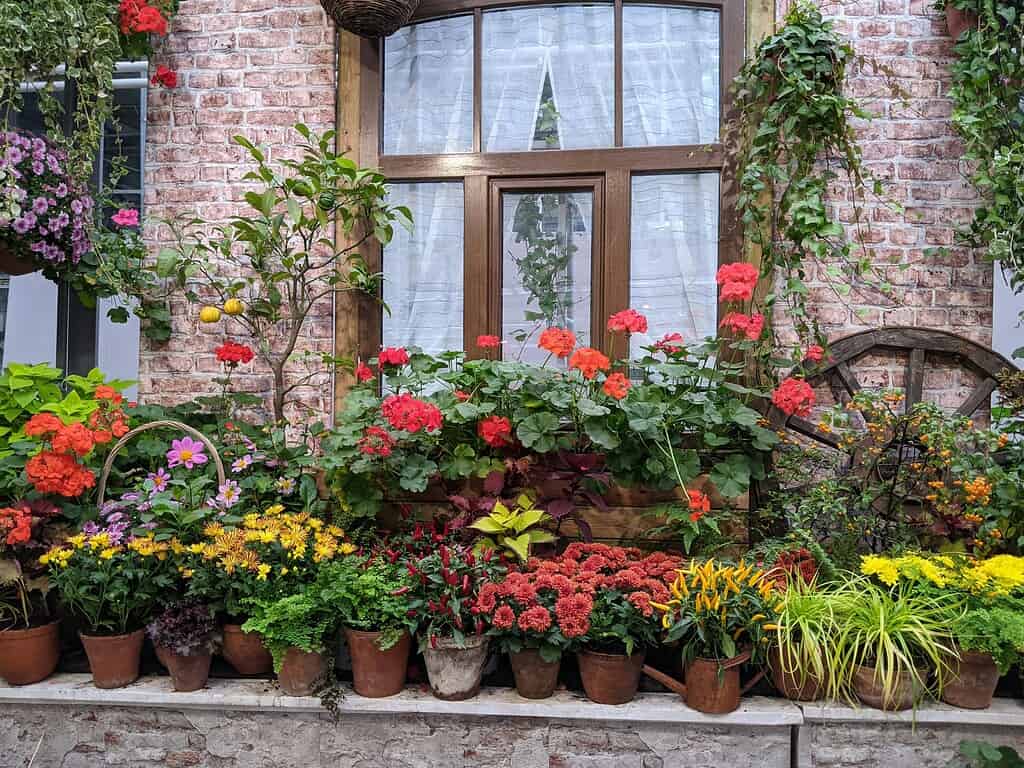
Instead of scattering pots across your yard, consider dedicating one corner of your outdoor space entirely to containers.
Group together 6–10 pots of varying sizes, create a layered arrangement with taller pots at the back and shorter ones in front, and treat it like a living garden display that evolves with the seasons.
This approach works beautifully in small backyards, on patios, or in any space where in-ground planting isn’t possible. Add a small trellis, a decorative stake, or a garden light to make the corner feel complete.
If you’re also looking to freshen up the rest of your backyard, these easy backyard vegetable garden ideas can help you make the most of every square foot.
Garden Planner
The 22-page planner timed to your county's real frost dates. Planting windows, monthly checklists, and a harvest log you'll fill with pride by August.
Your Free 22-Page Garden Planner
Built for your exact ZIP code — planting dates, harvest log, and a month-by-month plan. 15-second sign-up.
How to Choose the Right Pot Material for Outdoors
The container material you choose affects more than just aesthetics — it directly impacts how your plants grow, how heavy the setup becomes, and how well it survives temperature swings.
Here’s a quick breakdown of the most common options:
- Terracotta — Classic, breathable, and affordable. Dries out quickly, which is great for drought-tolerant plants but requires more frequent watering in heat. Can crack in freezing temperatures.
- Fiberglass — Lightweight and incredibly versatile. Can mimic the look of concrete, stone, or ceramic without the weight. Ideal for large statement pots that need to be moved.
- Glazed ceramic — Retains moisture longer than terracotta, which means less frequent watering. Heavier but very durable in mild climates. Frost can cause cracking in colder zones.
- Concrete or hypertufa — Long-lasting and frost-resistant. Heavy, so best placed in a permanent spot. Adds a modern, industrial feel that works well with contemporary gardens.
- Metal (galvanized or powder-coated) — Stylish and weather-resistant, but can heat up quickly in direct sun, which may damage roots. Line the interior with burlap or shade cloth if placing in very hot spots.
- Wood or corten steel — Great for a natural or rustic-modern look. Wood can rot over time without a liner; corten steel develops a beautiful rust patina that many gardeners deliberately seek out.
The Best Flowers to Grow in Outdoor Pots (And What Actually Looks Good)
Choosing the right flowers makes or breaks a container display.
Some varieties are simply better suited to pot life than others — they grow well in confined roots, tolerate heat and dryness, and bloom reliably all season. Here are the top performers:
- Petunias — The workhorse of container gardening. Long-blooming, available in nearly every color, and both upright and trailing varieties exist.
- Calibrachoa (Million Bells) — Tiny petunia-like flowers that cascade beautifully. Incredibly prolific and low-maintenance.
- Geraniums (Pelargonium) — Classic, reliable, and drought-tolerant once established. Great for hot, sunny spots.
- Begonias — Excellent for partial shade pots. Wax begonias are almost indestructible; tuberous begonias produce large, showy blooms.
- Marigolds — Bold, cheerful, and heat-loving. They also deter pests, making them useful near edible container gardens.
- Lavender — Adds fragrance and structure to a pot. Needs excellent drainage and full sun to thrive.
- Zinnias — Fast-growing, heat-tolerant, and available in vivid colors. Great for adding a pop of late-summer color.
For a broader look at what blooms beautifully through the warmer months, this roundup of stunning summer flowers for a lively garden covers many varieties that translate perfectly to container growing.
Miss it by a week and you lose the crop. The free 22-page planner pins down your exact dates — last frost, first frost, and the weekly steps between — so you plant on the days that actually work for your ZIP.
Free Planting Guides for This Article
Get exact planting dates, frost schedules, and growing tips for your zone:
How to Keep Your Outdoor Flower Pots Looking Good All Season
Even the most beautiful pot arrangement can go downhill fast without a little maintenance.
The good news is that container gardens are actually easier to maintain than in-ground beds — you just need to stay consistent with a few basics.
- Water deeply and consistently. Pots dry out faster than garden beds, especially in summer heat. Water until it drains from the bottom, not just until the surface looks wet. In peak summer, most outdoor pots need watering daily.
- Feed every 1–2 weeks. Container plants exhaust the nutrients in their potting mix quickly. A balanced liquid fertilizer every 10–14 days keeps blooms coming and foliage lush.
- Deadhead spent blooms. Removing old flowers prevents the plant from putting energy into seed production. For most annuals, regular deadheading extends blooming by weeks.
- Refresh tired plants mid-season. If a plant starts to look leggy or exhausted by July, cut it back by one-third. Most annuals will flush out with new growth within two weeks.
- Check drainage holes regularly. Roots sitting in waterlogged soil will rot. Make sure drainage holes haven’t become blocked by roots or debris.
Container gardening also integrates well with broader outdoor design decisions.
If you’re thinking about the full picture of your outdoor space, this piece on rock garden landscaping ideas shows how pots and hardscape can work together beautifully.
Ready to Refresh Your Outdoor Space? Start with Just One Pot
You don’t need a massive budget or a total garden redesign to make your outdoor space feel better.
One well-placed pot, planted with intention and maintained through the season, can genuinely transform how you experience your yard, patio, or porch.
Start with whichever idea from this list feels most aligned with your space and your style. Tiered displays if you have steps or levels to work with.
A statement urn if you want instant drama. A cottage cluster if you love that relaxed, romantic look. And once you see how much a single great pot can do, the rest tends to follow naturally.
Which of these outdoor flower pot ideas are you most excited to try? Drop a comment below — we’d love to hear what you’re planning this season!
Best gardening planner I've used in 10 years — and I keep coming back to it every season.
How Hard Is It to Garden in Your County?
Every county has a unique Gardening Difficulty Score based on frost risk, soil quality, drought, altitude, and climate trends. Find yours — plus personalized frost dates, planting calendars, and soil data.
Check Your County's Score →Plan Your Garden With Confidence!

Ever start planting… and then realize halfway through that things feel a little scattered?
A simple plan changes everything.
When you sketch your layout first, you can see what fits, what flows, and what actually makes sense for your space. It saves time, money, and a whole lot of second-guessing later.
Our free Garden Planner helps you map out beds, organize plant spacing, rotate crops, and keep track of seasonal tasks – all in a clean, printable format you can actually use.
Whether you’re designing a low maintenance front yard or planning your full homestead garden, this gives you a clear starting point.
Less chaos. More clarity. A garden that works.
Frequently Asked Questions
What’s the best potting mix for outdoor flower pots?
Always use a high-quality potting mix — not garden soil, which compacts in containers and drains poorly. Look for a mix that includes perlite or vermiculite for drainage, and consider adding a slow-release granular fertilizer at planting time.
For large pots, filling the bottom third with lightweight filler (like crushed empty plastic bottles) before adding soil reduces weight and cost without affecting plant performance.
How do I stop outdoor flower pots from tipping over in wind?
For lightweight pots in exposed areas, add weight at the base by placing a few rocks or a layer of gravel in the bottom before filling with soil. You can also use pot feet or non-slip mat pads beneath pots to stabilize them on hard surfaces.
For very tall or top-heavy arrangements, consider staking the main plants or grouping multiple pots together — clustered pots brace each other naturally.
How often should I fertilize outdoor flower pots through the growing season?
Container plants typically need feeding every 10 to 14 days with a balanced liquid fertilizer during the active growing season (spring through early autumn).
Unlike in-ground beds, potted plants can’t access nutrients from the surrounding soil, so regular feeding is essential. If you notice pale leaves or reduced blooming, increase feeding frequency before looking at other causes.
Can I leave terracotta and ceramic pots outside over winter?
In USDA zones 7 and warmer, most pots can stay outside through winter with minimal risk. In colder zones, terracotta and glazed ceramic are vulnerable to frost cracking — water in the pot walls freezes, expands, and splits the material.
Move them to a shed, garage, or covered area before the first hard frost, or choose frost-proof fiberglass, concrete, or resin alternatives for permanent outdoor placements in cold climates.
How many plants should I put in a single outdoor pot?
For a full, lush look right away, plant more densely than you would in a garden bed — roughly 1.5 to 2 times the typical in-ground spacing. A 12-inch pot can comfortably hold 3–5 annual flowers.
A large 18–24 inch pot can support 6–9 plants when following the thriller-filler-spiller formula. The key is using good-quality potting mix and feeding consistently so plants aren’t competing for limited nutrients.
Level Up Your Garden
Our most popular gardening guides