If you’ve been dreaming about pulling a cold glass of fresh milk from your own goats every morning, you’re not alone.
Dairy goats have become one of the most popular additions to backyard homesteads and small farms — and for good reason. They’re manageable in size, productive, and endlessly rewarding once you understand what they actually need.
This guide is designed to take you from zero to confident. Whether you’re starting with raw land or a small backyard setup, you’ll find everything you need to know about choosing the right breed, building a safe and comfortable shelter, feeding a balanced diet, and establishing a consistent milking routine that keeps your does producing at their best.
If you’re also thinking beyond dairy and want a bigger picture of goats on the homestead, be sure to check out our complete guide to goat farming — it covers everything from meat breeds to raising kids for sale. But for now, let’s focus on getting fresh milk on your table.
Why Dairy Goats Are One of the Best Homestead Animals
Dairy goats punch well above their weight when it comes to homestead value. Unlike cows, they don’t require acres of pasture, industrial-sized barns, or a tractor to manage their feed.
A pair of does can fit comfortably on a suburban lot and supply a family with more milk than most people expect.
Here’s why so many homesteaders committed to building a truly self-sufficient lifestyle turn to dairy goats first:
- Fresh milk daily — A productive doe in milk can give you 1 to 3 quarts of milk per day, depending on the breed and her stage of lactation.
- Milk for cheese, butter, and yogurt — Goat milk makes exceptional soft cheeses, creamy yogurt, and rich butter, all from the same animal you’re already caring for.
- Natural garden fertilizer — Goat manure is one of the best organic fertilizers you can put on a vegetable garden. It’s lower in nitrogen than chicken manure, so it won’t burn plants.
- Easy to handle — Even beginner homesteaders with no livestock experience can learn to manage dairy goats safely. They’re far easier to physically handle than cattle.
- Lower feed costs than cows — Goats are browsers by nature. They thrive on hay, pasture, and forage, and their daily feed cost is a fraction of what you’d spend on a dairy cow.
Garden Planner
The 24-page planner timed to your county's real frost dates. Planting windows, monthly checklists, and a harvest log you'll fill with pride by August.
Your Free 24-Page Garden Planner
Built for your exact ZIP code — planting dates, harvest log, and a month-by-month plan. 15-second sign-up.
Best Dairy Goat Breeds for Beginners
These five breeds are consistently recommended for beginners because they strike the best balance between productivity and manageability.
1. Nigerian Dwarf
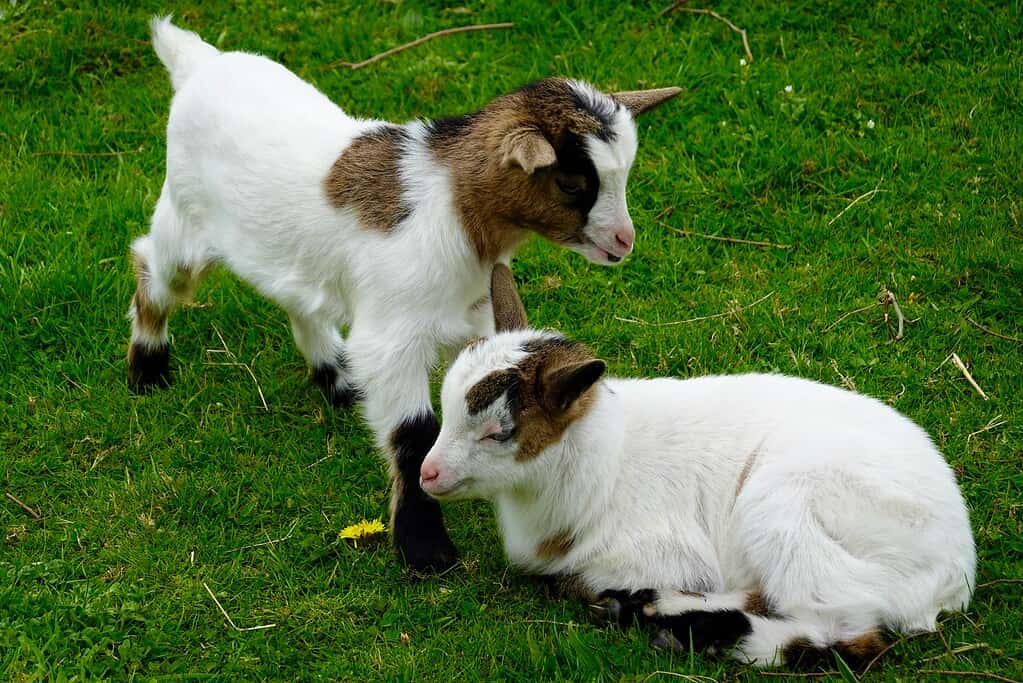
Don’t let the small size fool you. Nigerian Dwarfs produce surprisingly rich milk with a high butterfat content — perfect for cheese and soap making.
They’re gentle, easy to house in a smaller space, and breed year-round, which means more consistent milk production. They’re ideal for backyard setups and first-time goat owners who want to start small.
2. Nubian
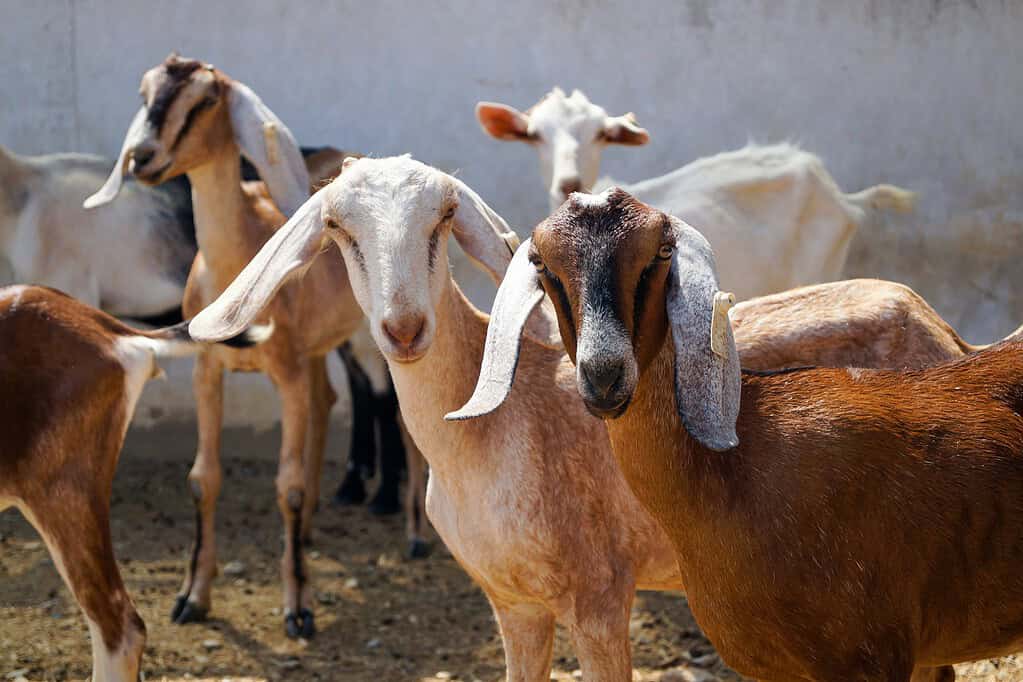
Nubians are the most recognized dairy breed in the United States. Their long, floppy ears are immediately recognizable, and their milk has the highest butterfat content of the full-sized breeds.
They can be vocal, but their calm temperament makes them a beginner favorite. A well-fed, high-producing Nubian doe can give 1 to 2 gallons of milk per day at peak production.
3. Alpine
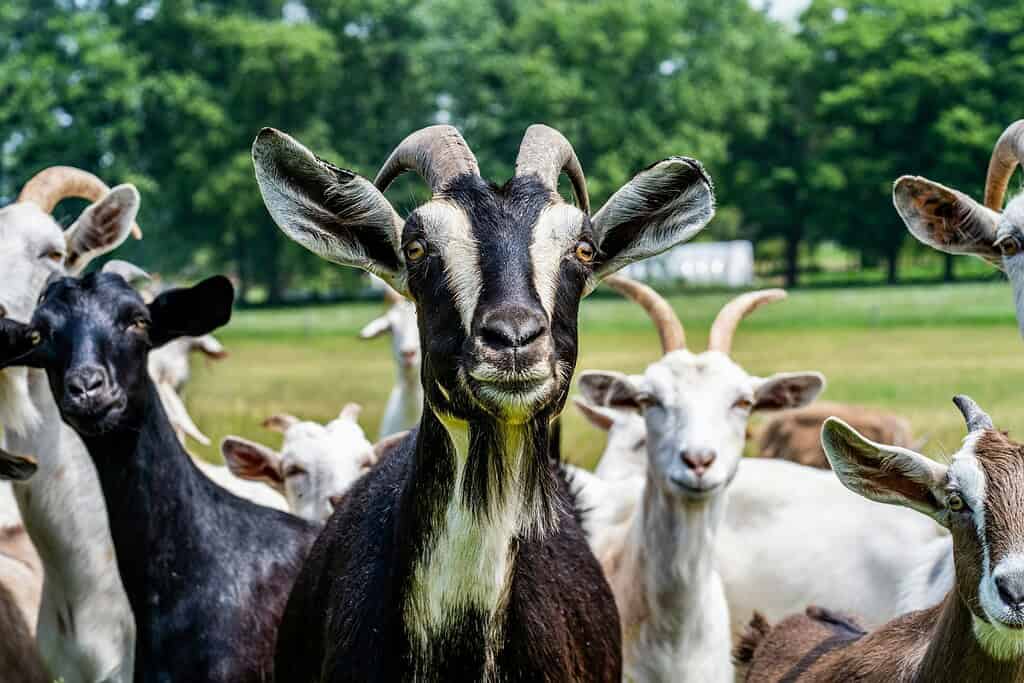
Alpine goats are hardy, adaptable, and productive. They handle cold weather particularly well, which makes them a strong choice for homesteaders in northern climates.
Their milk has slightly lower butterfat than Nubians but is produced in higher daily volumes, making it excellent for fluid milk and soft cheeses.
4. LaMancha

LaManchas are widely regarded as the calmest dairy breed in existence.
They’re known for their almost-absent external ears (a defining breed characteristic), steady temperament, and consistent milk production with good butterfat levels.
If you want a goat that is genuinely easy to work with from day one, the LaMancha is worth serious consideration.
5. Saanen

Saanens are the Holsteins of the goat world — large, white, and prolific. A well-managed Saanen can produce up to a gallon of milk per day.
They are gentle and easy to train for milking but do best in cooler climates and can struggle in intense summer heat without shade and cooling strategies in place.
How Much Space Do Dairy Goats Actually Need?
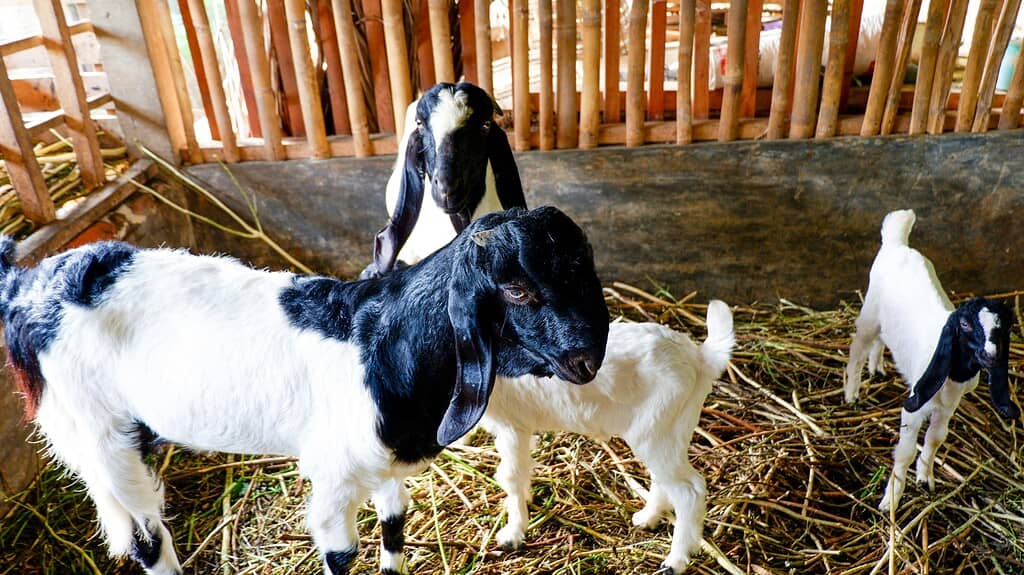
This is one of the first questions beginners ask — and the answer is more encouraging than most people expect. You do not need a large farm to keep dairy goats well and humanely.
As a general rule of thumb:
- Minimum indoor shelter space: 10–15 square feet per goat inside the structure
- Outdoor browse and exercise space: At least 200 square feet per goat, though more is always better
- For a starter herd of 2–3 does: A quarter to a half acre is workable for housing, a small paddock, and a hay storage area
If you’re working with a half-acre homestead layout, a small dairy goat setup is absolutely achievable alongside a vegetable garden and a flock of chickens.
The key is smart zoning — keeping goats away from garden areas and planning a rotational grazing system if your space is limited.
One thing that catches beginners off guard: goats are world-class escape artists.
No matter how much space you give them, they will test every inch of your fence. Getting the enclosure right before animals arrive is essential.
Miss it by a week and you lose the crop. The free 24-page planner pins down your exact dates — last frost, first frost, and the weekly steps between — so you plant on the days that actually work for your ZIP.
Setting Up Goat Housing and Fencing
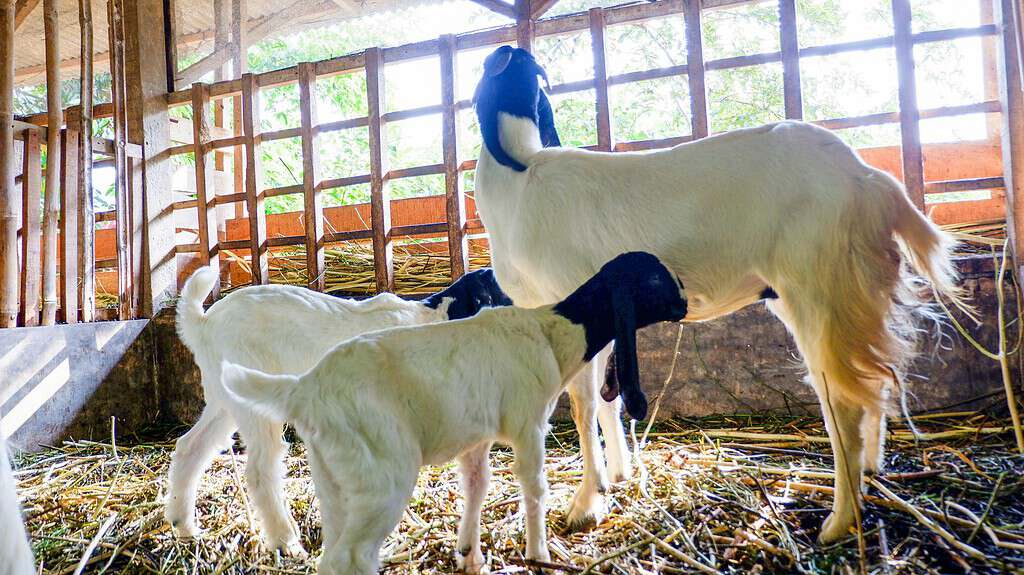
Your shelter doesn’t need to be fancy, but it does need to check three non-negotiable boxes: dry, draft-free, and predator-proof.
A simple three-sided shed works well in mild climates, while colder regions need four walls, deep bedding, and passive heat retention from the animals’ own body heat.
Shelter essentials to have in place before your goats arrive:
- Elevated sleeping platforms or deep-bedded straw for warmth and comfort
- Good ventilation near the roof without cold drafts at goat level
- A separate kidding pen for does that are close to freshening
- A hay rack mounted off the ground to reduce waste and fecal contamination
- Secure latches on every door and gate — goats can open standard hook-and-eye latches easily
On fencing: Goats test fences constantly and persistently. Standard 2×4 welded wire works as a baseline, but many experienced goat keepers prefer woven field fence or electric net fencing for browse areas.
The minimum recommended height is 4 feet for standard breeds and 5 feet for larger or more athletic animals.
For a thorough breakdown of hardware, mesh types, and setup options, the resource on the best goat fencing kits, feeders, and play structures is well worth reviewing before you buy a single post.
What to Feed Your Dairy Goats
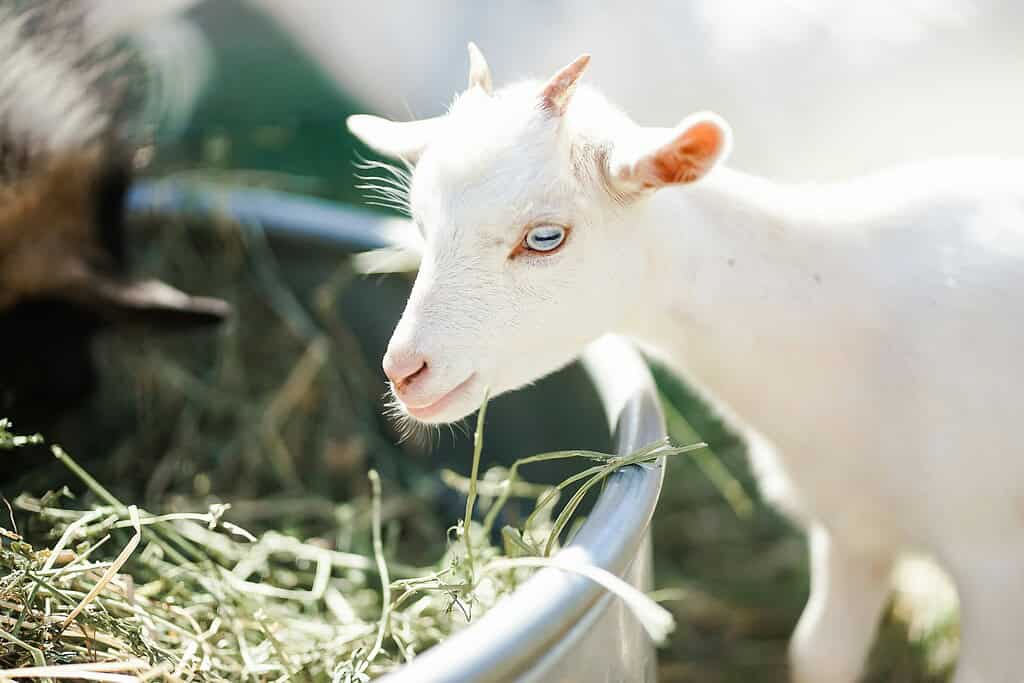
Feeding dairy goats well is one of the highest-leverage things you can do for milk production and long-term herd health.
A doe that isn’t eating enough — or isn’t getting the right balance of nutrients — will drop production quickly and become more vulnerable to illness.
The core of a dairy goat’s diet breaks down like this:
- Grass hay (free choice): Timothy, orchard grass, or meadow hay should always be available. Alfalfa hay can be offered in smaller amounts and is especially beneficial for does in milk due to its higher protein and calcium content.
- Dairy grain ration: Milking does need additional energy. Feed approximately 1 pound of grain for every 2–3 pounds of milk produced daily. Use a grain specifically formulated for dairy goats, not generic livestock pellets.
- Loose goat minerals (free choice): Always provide a loose mineral blend formulated for goats. Selenium, copper, and zinc deficiencies are common and cause serious health problems that are entirely preventable.
- Baking soda (free choice): Helps buffer rumen pH, especially when grain content is higher. Let goats self-regulate their intake.
- Fresh, clean water at all times: A milking doe can drink 3–5 gallons of water per day in warm weather. Water intake is directly tied to milk production — never let water run out.
Browse — shrubs, weeds, and tree branches — is a natural part of a goat’s diet and keeps them mentally engaged. However, browse alone is never sufficient for a milking doe.
Always supplement with quality hay and appropriate grain.
Best gardening planner I've used in 10 years — and I keep coming back to it every season.
How the Milking Process Works
Before a doe produces milk, she must “freshen” — which simply means she has given birth to kids. A doe is typically bred around 7–8 months of age and carries her pregnancy for 150 days (approximately 5 months).
After kidding, she will begin producing milk in earnest within the first 24–48 hours.
Most beginners choose to allow kids to nurse freely for the first few days to ensure they receive colostrum, then separate the kids overnight and milk the doe in the morning.
This gives you a daily milk supply without abruptly weaning the kids or causing them unnecessary stress.
A basic milking routine looks like this:
- Bring the doe to the milking stand and offer a small portion of grain to keep her occupied and calm.
- Wipe the udder clean with a warm, damp cloth and pre-dip teats with a teat dip solution. Dry thoroughly before milking.
- Strip the first few squirts from each teat into a strip cup. This removes the milk nearest to the teat opening, which has the highest bacterial load.
- Milk completely — never leave milk behind in the udder. Incomplete milking signals the body to reduce production over time.
- Post-dip teats immediately after milking to close the teat canal and protect against mastitis.
- Strain the milk through a fine-mesh filter into a clean, sanitized stainless steel container and refrigerate immediately.
Consistency matters more than anything else in a milking routine.
Try to milk at the same times each day, roughly 12 hours apart. A doe that is milked erratically will drop production and become uncomfortable and stressed between milkings.
Daily and Seasonal Goat Care Routines
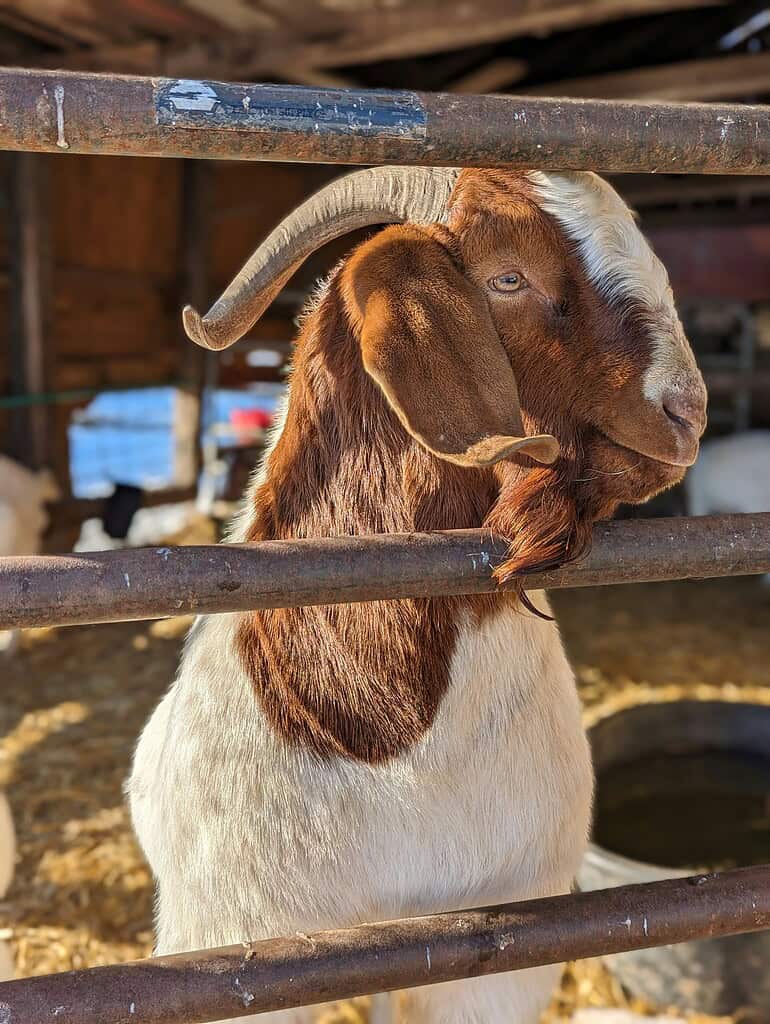
Dairy goats thrive on routine. Here’s what a basic daily care schedule looks like for a small beginner herd:
- Morning: Milk does, refresh water, check hay supply, and observe each animal closely for any signs of illness or injury
- Midday: Recheck water (especially important in summer), offer browse or enrichment if goats are confined to a dry lot
- Evening: Second milking, restock hay, secure shelter, and do a final head count
Monthly and seasonal care tasks to schedule in:
- Hoof trimming every 4–6 weeks to prevent overgrowth and foot problems
- FAMACHA scoring and fecal egg counts for parasite monitoring (see the health section below)
- CDT vaccination annually for every animal in the herd
- Drying off does 6–8 weeks before their next expected kidding date
- Winter preparation — insulated water buckets, extra bedding, wind-blocking shelter modifications
Winter care in particular deserves dedicated planning.
If you’re homesteading in a cold climate, the strategies covered in our guide on keeping your homestead running smoothly through winter apply directly to your goat operation — from water management to shelter insulation and livestock health checks during extreme cold snaps.
- Tomatoes
- Peppers
- Beans
- Squash
- Cucumbers
- Basil
Keeping Dairy Goats Healthy: Parasite Control and Common Issues
Internal parasites — particularly barber pole worm (Haemonchus contortus) — are the number one cause of goat death in most regions of the United States.
This is not an exaggeration, and it’s one of the most critical things a new goat owner needs to understand before bringing any animals home.
The FAMACHA system uses eye membrane color to estimate a goat’s anemia level as a proxy for barber pole worm burden.
Learning to score your animals using this system means you only deworm the animals that truly need it, which preserves dewormer efficacy and prevents the rapid resistance development that blanket-treating the whole herd causes. Ask your vet to walk you through it at your first farm visit.
Natural parasite management strategies also play a supporting role.
Using food-grade diatomaceous earth as part of your parasite management approach is something many homesteaders incorporate alongside conventional dewormers, particularly for external parasites and as a mineral-dense feed additive.
Other common health issues every beginner should know about:
- Mastitis: Bacterial inflammation of the udder, most often caused by poor milking hygiene. Consistent teat dipping pre- and post-milking is your primary prevention tool.
- CAE (Caprine Arthritis Encephalitis): A viral disease spread through infected colostrum and body fluids. There is no cure, so only purchase animals from tested, CAE-negative herds.
- Foot rot and foot scald: Bacterial infections caused by prolonged exposure to wet or muddy conditions. Regular hoof trimming and dry housing dramatically reduce the risk.
- Enterotoxemia (overeating disease): Potentially fatal and common in young, rapidly growing kids. Entirely preventable with annual CDT vaccination.
- Bloat: Can occur when goats consume too much lush pasture or grain at once. Knowing how to use a stomach tube is a worthwhile skill to have before you need it.
Establish a relationship with a local large animal vet before you ever have an emergency.
Ask specifically about their experience with small ruminants — goat care is a specialty and not all large animal vets are equally comfortable with it.
How Hard Is It to Garden in Your County?
Every county has a unique Gardening Difficulty Score based on frost risk, soil quality, drought, altitude, and climate trends. Find yours — plus personalized frost dates, planting calendars, and soil data.
Check Your County's Score →Your First Dairy Goat Starter Checklist
Before your does arrive home, make sure every item on this list is in place. Scrambling to find teat dip or a strip cup at 6 AM on your first morning is not the experience you want.
- Secure shelter with dry bedding (straw or wood shavings)
- Predator-proof fencing — minimum 4 feet high, fully tested before animals arrive
- Hay feeder mounted off the ground and initial hay supply (minimum 2-week supply on hand)
- Loose goat minerals in a dedicated covered feeder
- Fresh water source with backup (heated bucket if you’re in a cold climate)
- Milking stand — store-bought or homemade, with a stanchion head catch
- Stainless steel milking pail and fine-mesh milk strainer
- Teat dip solution (pre- and post-dip) and strip cup
- Basic first aid kit — digital thermometer, wound spray, electrolytes, syringes, and needles
- CDT vaccine and an appropriate dewormer on hand
- Large animal vet contact saved and confirmed before you need them
If you’re new to livestock in general, investing in a few solid reference books will make your first year dramatically smoother.
Our round-up of essential homesteading books for beginners includes several titles that cover small ruminant care in detail — they’re worth having on your shelf before your goats come home.
Start Milking Your Own Goats — Here’s Your Next Step
Raising dairy goats is one of the most satisfying things you can add to a homestead.
The learning curve is real — especially when it comes to parasite management, milking hygiene, and seasonal care — but it levels off quickly once you’ve been through a full cycle with your herd.
The biggest mistake most beginners make is waiting until everything is perfect before they start. It never will be.
Buy two well-tempered does from a tested, disease-negative herd, set up a simple shelter with solid fencing, and learn as you go. The goats will teach you more than any book can.
Whether your goal is total dairy self-sufficiency or just a supply of fresh, wholesome milk for your household, a small herd of dairy goats can get you there faster than you think. The first step is simply deciding which breed fits your space and lifestyle — and then committing to it.
Have you raised dairy goats before, or are you just getting started? Drop a comment below — we’d love to hear which breed you chose, what surprised you most, and what you wish someone had told you before your first does came home.
Ready to Design Your Dream Garden Bed?
Feeling inspired to build something beautiful?
If you’re ready to go beyond just one garden bed and truly design a space that feels intentional, productive, and charming, I put together something special for you.
Inside 101 Garden Bed Ideas, you’ll find creative layouts, raised bed designs, space-saving solutions, and inspiring setups you can actually recreate in your own yard – whether you’re working with a tiny backyard or a full homestead.
Start planning your dream garden today.

Frequently Asked Questions
How long does a dairy goat stay in milk after kidding?
Most dairy goat breeds will produce milk for approximately 10 months following freshening before production naturally tapers off. Many producers then “dry off” the doe 6–8 weeks before her next expected kidding date to give her body a rest and allow the udder to regenerate.
Some does — particularly Alpines and Saanens — are capable of milking through for up to two years without being rebred, though production will gradually decline over that time.
Do you have to pasteurize goat milk before drinking it?
Raw goat milk from a healthy, well-managed herd is consumed by many homesteaders without pasteurization, but it does carry real risk. Pathogens like Listeria, Brucella, and Salmonella can be present even in visibly clean milk.
If you choose to drink raw milk, milking hygienically, chilling immediately to below 40°F, and testing your herd regularly for diseases like CAE and Brucellosis will significantly reduce that risk. Pregnant women, young children, the elderly, and immunocompromised individuals should always use pasteurized milk.
Do dairy goats need a companion, or can you start with just one?
Goats are highly social herd animals and genuinely do not thrive in isolation. A single goat will become chronically stressed, excessively vocal, and often destructive without a companion. Plan to keep a minimum of two goats at all times.
They don’t need to be the same breed or even the same sex — a doe paired with a wether (castrated male) is a common and practical option for beginners who aren’t ready to manage breeding cycles just yet.
How do you stop a goat from kicking or stepping in the milk bucket?
This is one of the most common frustrations new milkers run into. A well-built milking stand with a stanchion head catch holds the doe still and gives her grain to focus on, which solves the problem in most cases.
For does that remain fidgety, a hobble — a simple fabric loop around the back legs — can be used temporarily while the goat is learning the routine. With consistent daily milking, the vast majority of does settle down and walk willingly to the stand within a few weeks of starting.
Can people who are sensitive to cow’s milk drink goat milk instead?
Goat milk does contain lactose, so it is not lactose-free. However, many people who are sensitive to cow’s milk find that goat milk is much easier on their digestion.
This is thought to be due to differences in protein structure (goat milk is predominantly A2 casein, while most commercial cow milk contains A1 casein), smaller fat globules that are easier to break down, and a naturally higher proportion of short- and medium-chain fatty acids.
If you’re lactose-intolerant, fermented goat dairy products — yogurt, aged cheese, and kefir — are generally better tolerated than fresh fluid milk because the fermentation process significantly reduces lactose content.
Level Up Your Garden
Our most popular gardening guides