You don’t need acres of land to grow a thriving vegetable garden.
Whether you’re working with a tiny urban lot, a suburban backyard, or even just a patio, the right strategies can dramatically increase how much food you harvest from the space you have.
Learning how to start gardening as a beginner is the first step — and it’s easier than most people think.The secret isn’t just planting more — it’s planting smarter.
From using vertical space to choosing the right companions for your crops, small backyard vegetable gardens can outperform much larger plots when set up correctly.
In this guide, you’ll find 15 practical and easy ideas that real homesteaders use to grow more food in less space.
15 Easy Backyard Vegetable Garden Ideas to Maximize Every Square Foot
These 15 easy backyard vegetable garden ideas will help you make the most of your space while creating a garden that is both practical and productive.
1. Build Raised Garden Beds for Better Control
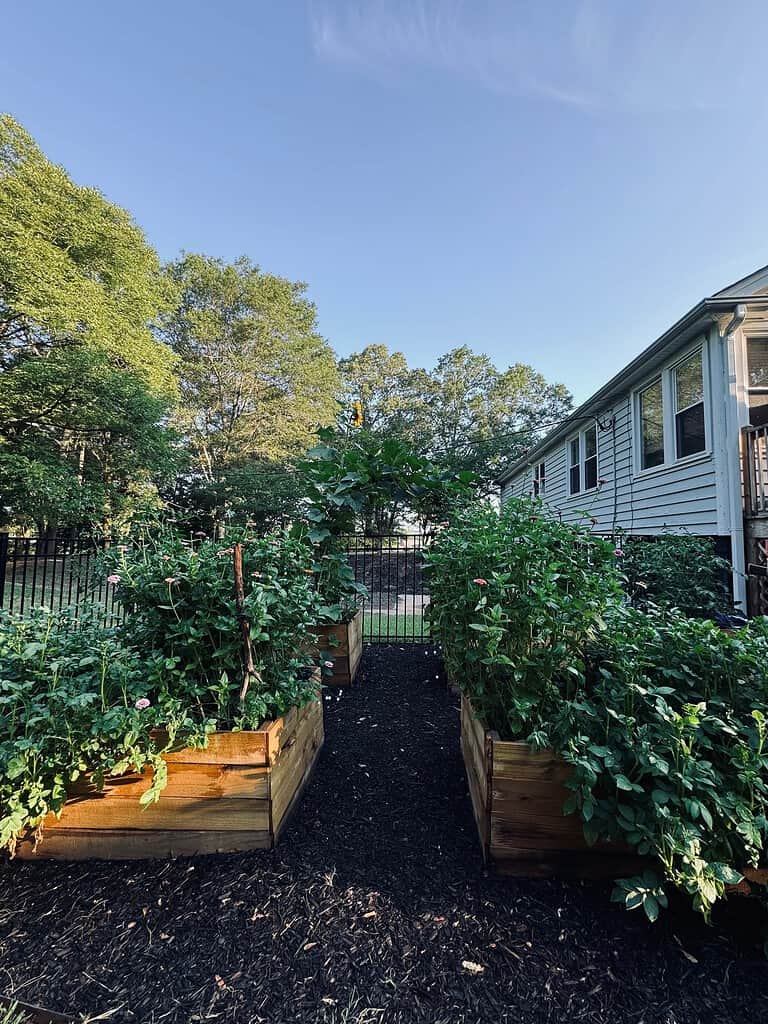
Raised beds are one of the most effective tools for small-space gardening.
By building up rather than digging down, you get warmer soil earlier in the season, better drainage, fewer weeds, and the ability to customize your soil mix for whatever you’re growing.
A 4×8 foot raised bed can produce a surprising amount of food when planted intensively.
Metal raised garden beds are a popular option for durability and a clean, modern look that holds up season after season.
2. Use Vertical Space With Trellises and Towers
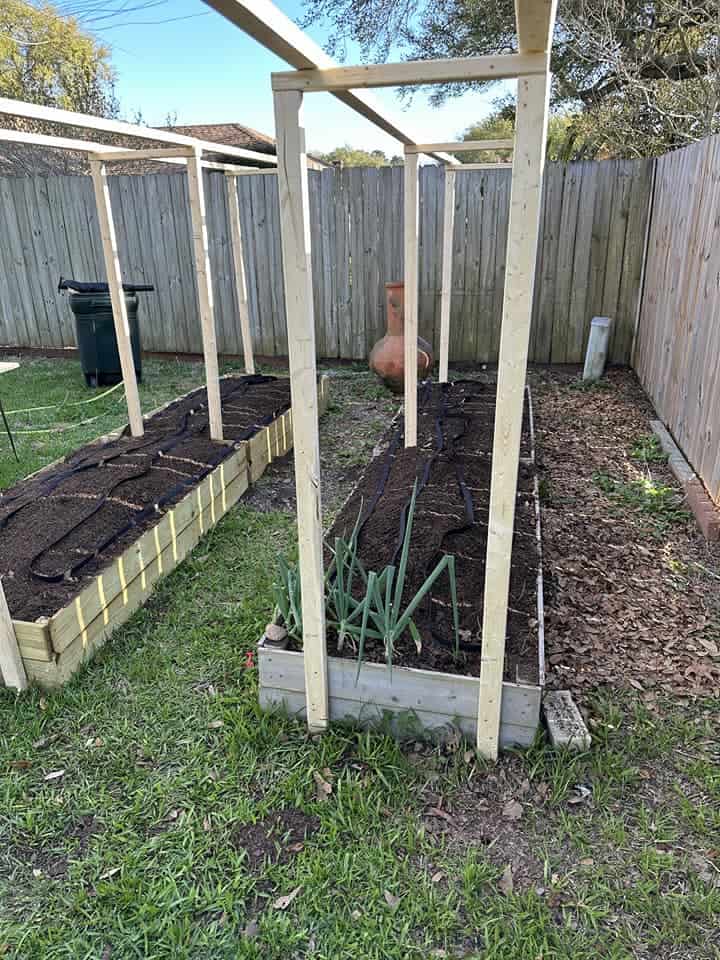
Going vertical is one of the smartest moves a small-space gardener can make.
Crops like cucumbers, pole beans, peas, and small squash varieties all grow beautifully on trellises, saving valuable ground space for other vegetables.
A simple trellis along a fence or a freestanding A-frame structure can double or even triple your growing capacity without adding a single square foot of footprint.
Explore easy garden trellis ideas to find a style that fits your layout and budget.
3. Try Square Foot Gardening for Dense Planting
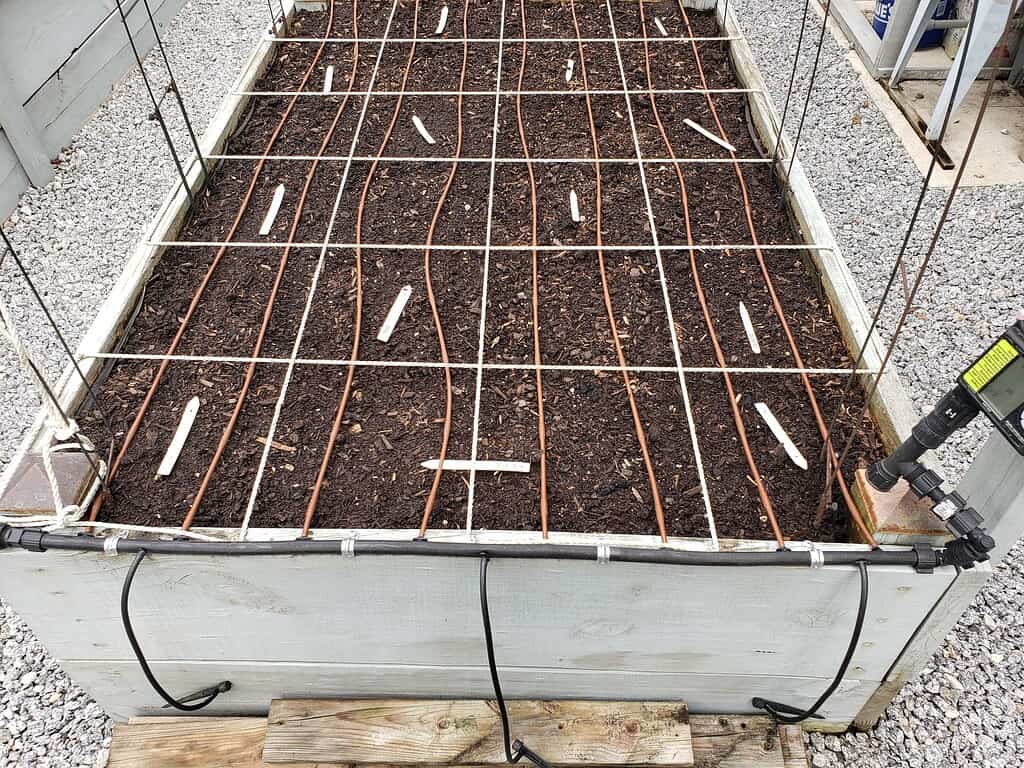
Square foot gardening is a method that divides your bed into a grid of one-foot squares, with each square dedicated to a specific crop based on its spacing needs.
This eliminates wide rows and wasted space, and it makes planning and rotating crops much easier.
A single 4×4 bed divided into 16 squares can hold 16 different crops simultaneously — a game-changer for small backyards.
A vegetable planting calendar can help you time each square for continuous harvests all season long.
4. Grow Vegetables in Containers and Buckets
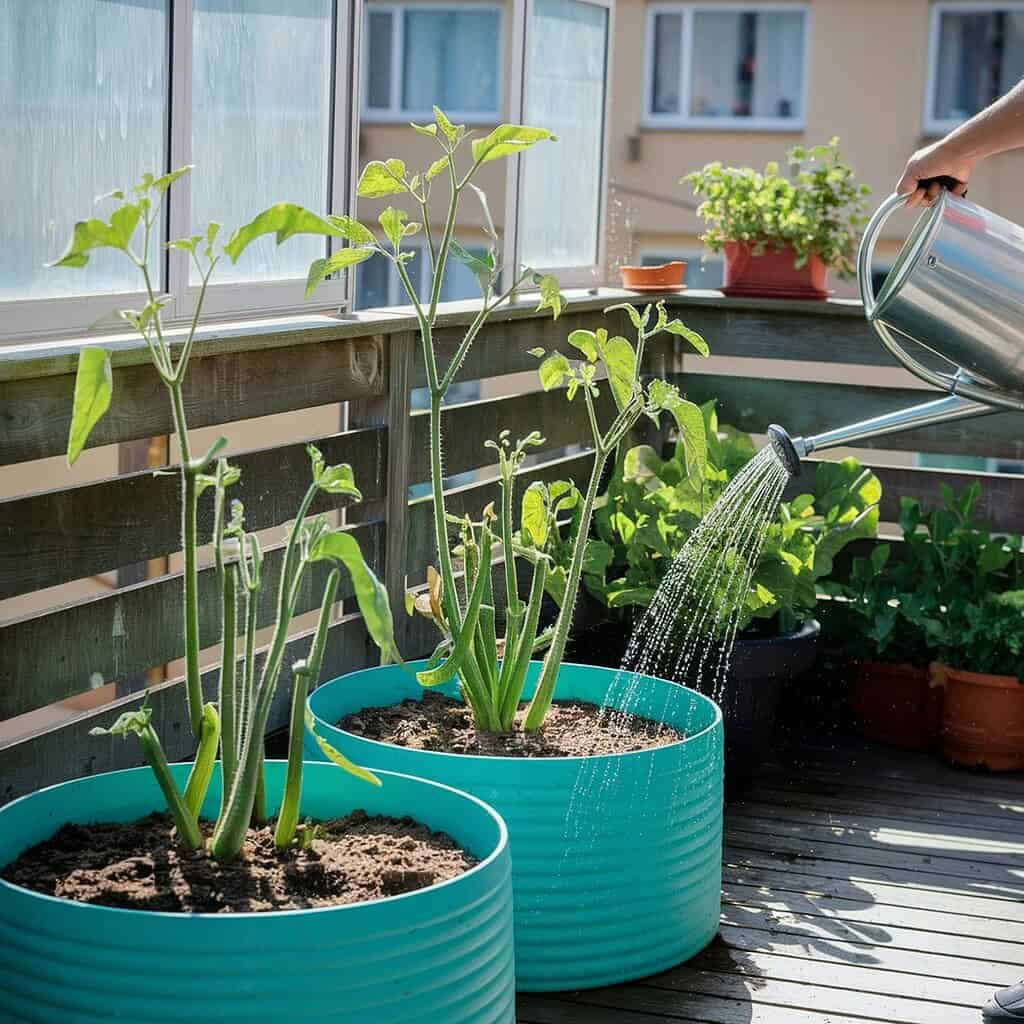
Containers aren’t just for flowers. Tomatoes, peppers, lettuce, herbs, and even root vegetables like carrots and beets thrive in pots, grow bags, and buckets.
Container gardening gives you the flexibility to move plants to follow the sun, bring frost-sensitive crops indoors, and garden on patios, balconies, or any paved surface.
Bucket gardening is a particularly budget-friendly way to get started with container growing, even in the tightest spaces.
5. Practice Companion Planting to Boost Yields
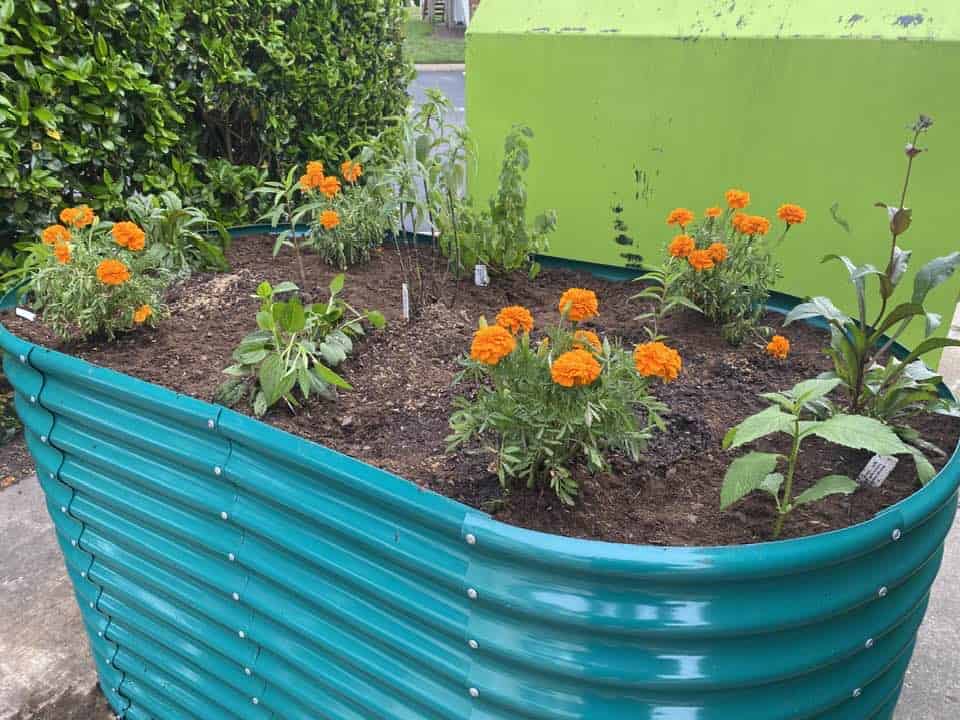
Companion planting means growing mutually beneficial plants side by side.
The classic “Three Sisters” combination of corn, beans, and squash is a perfect example — corn provides a structure for beans to climb, beans fix nitrogen into the soil, and squash leaves shade the ground to retain moisture and suppress weeds.
Beyond tradition, companion planting helps deter pests naturally and can improve the flavor of certain crops.
Knowing the best companion plants for cucumbers is a great place to start if you're new to this technique.
6. Succession Plant for a Non-Stop Harvest
Instead of planting all your seeds at once and ending up with a glut followed by nothing, succession planting staggers your sowings every two to three weeks.
This keeps beds producing continuously through the season rather than all at once.
Fast-growing crops like lettuce, radishes, and spinach are perfect for succession planting because they can be harvested and replanted multiple times between slower crops.
Check out what to plant in June for fast-growing summer crops that are ideal for succession schedules.
7. Maximize Your Space With Interplanting
Interplanting — also called intercropping — involves growing fast-maturing crops in between slower-growing ones.
For example, you can tuck radishes or lettuce between tomato transplants. By the time the tomatoes need the full space, the quick crops will already be harvested.
This technique squeezes every week of growing season out of your beds and ensures no inch of soil sits idle.
8. Use Grow Bags to Maximize Flexible Growing Space
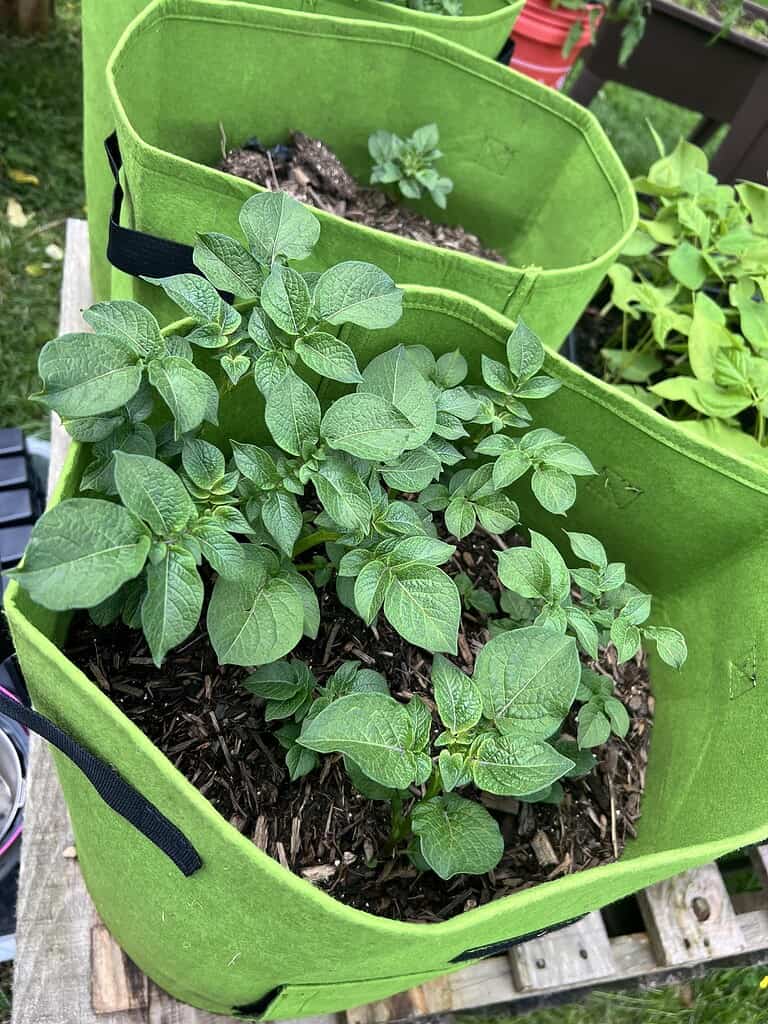
Grow bags are one of the most underrated tools for small-space vegetable gardening.
Made from breathable fabric, they promote healthy root development through air pruning, prevent waterlogging, and can be moved around your yard to chase sunlight or protect plants from frost.
You can grow tomatoes, peppers, potatoes, lettuce, and even dwarf fruit trees in grow bags.
They stack neatly when empty, cost far less than building permanent raised beds, and let you garden on concrete, gravel, or any surface where digging is impossible.
Grow bags are especially useful for renters or anyone who can’t permanently modify their yard.
Bucket gardening offers similar flexibility at an even lower cost — and both approaches can be set up in an afternoon with almost no tools required.
9. Plant Fast-Growing Vegetables for Quick Wins
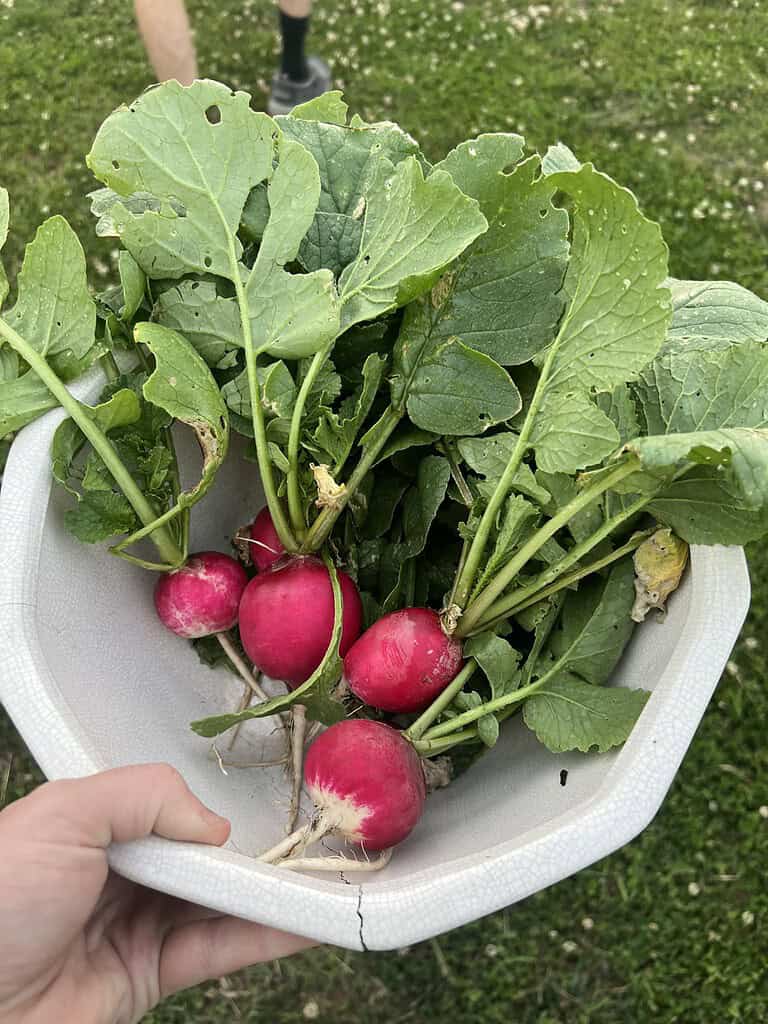
Some vegetables go from seed to table in as little as 3 to 4 weeks.
Radishes, arugula, green onions, baby spinach, and microgreens are all rapid producers that can fill gaps between slower crops and keep your kitchen supplied with fresh food.
Growing these quick producers also boosts your confidence as a new gardener — there’s nothing quite like pulling up your first batch of radishes just a few weeks after sowing.
How to grow spinach successfully is a great primer for adding leafy greens to your fast-harvest rotation.
10. Use Mulch to Save Water and Suppress Weeds
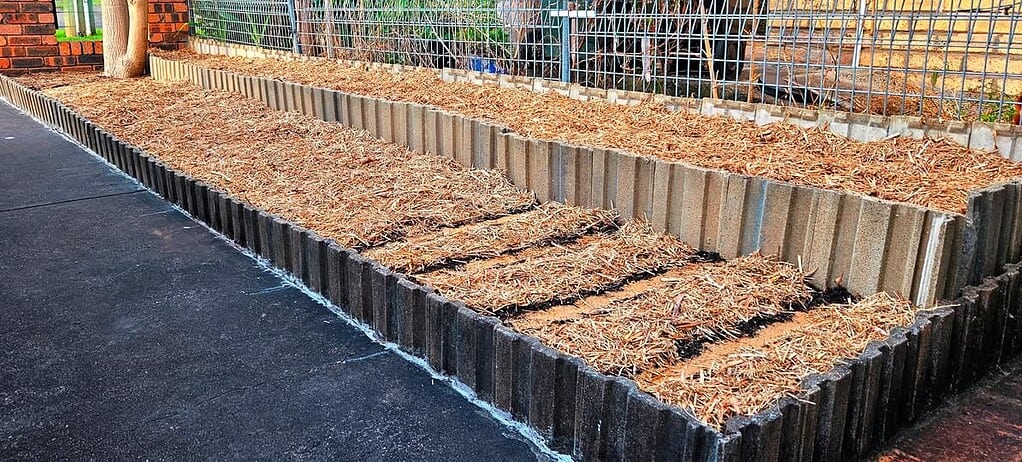
Mulching your vegetable beds is one of the highest-return low-effort things you can do for your garden.
A two to three inch layer of straw, wood chips, or shredded leaves retains soil moisture, moderates soil temperature, and dramatically reduces the time you spend weeding.
In a small garden, every square foot matters — and mulch ensures that square footage stays productive instead of being taken over by weeds.
Understanding the different soil types and how they respond to mulch will help you choose the right material for your beds.
11. Grow Herbs Alongside Your Vegetables
Herbs are compact, high-value plants that earn their place in any small vegetable garden. Basil planted near tomatoes improves their flavor and repels aphids.
Dill attracts beneficial insects. Mint (kept in a pot to control spreading) deters pests throughout the garden. Beyond their functional benefits, herbs mean you always have fresh seasoning steps away from your kitchen.
Once you harvest more than you can use fresh, drying herbs at home is a simple food preservation skill that helps nothing go to waste.
12. Water Smarter With Drip Irrigation for Consistent Yields
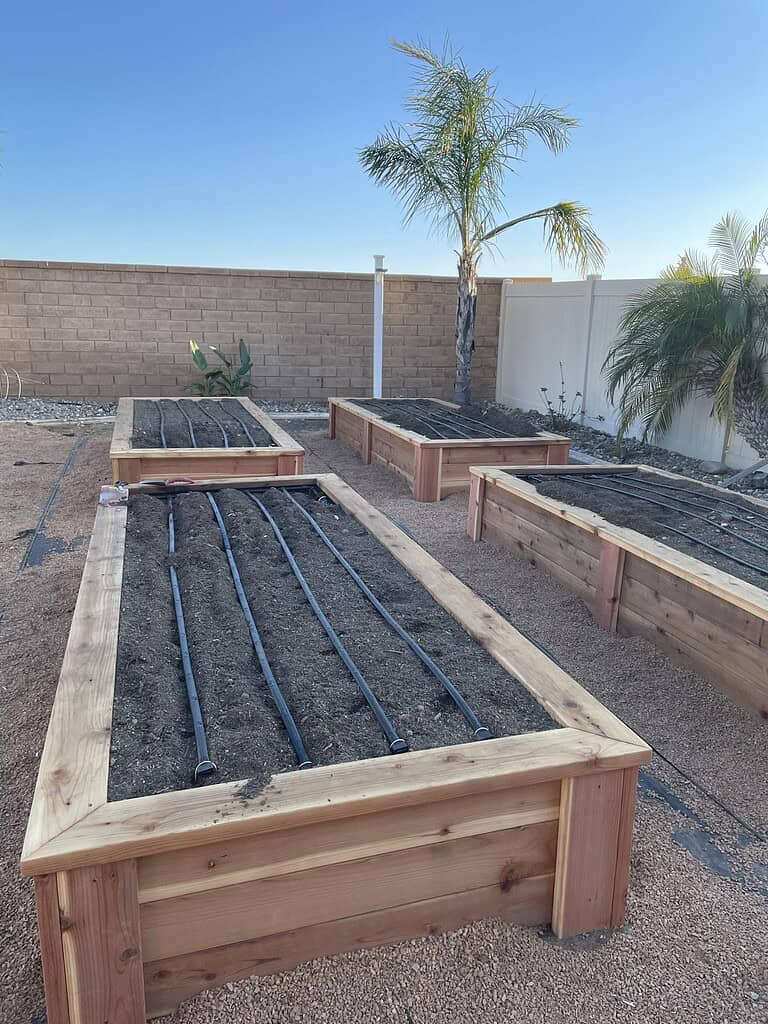
In a small backyard garden, inconsistent watering is one of the biggest reasons plants underperform.
Installing a simple drip irrigation system or soaker hose on a timer delivers water directly to the root zone, reducing evaporation and keeping plants consistently hydrated without daily effort.
Consistent moisture means faster growth, better yields, and far fewer problems with stress-related diseases.
13. Design Your Garden Layout Intentionally
A little upfront planning pays enormous dividends in a small garden.
Mapping out which crops go where based on sun exposure, water needs, height, and spacing ensures that every plant has what it needs to thrive without competing with its neighbors.
Taller crops like corn or staked tomatoes belong on the north side so they don’t shade shorter plants.
Learning how to design a small garden intentionally is one of the most impactful skills you can develop as a backyard grower.
14. Grow Productive Vining Crops Like Squash and Cucumbers
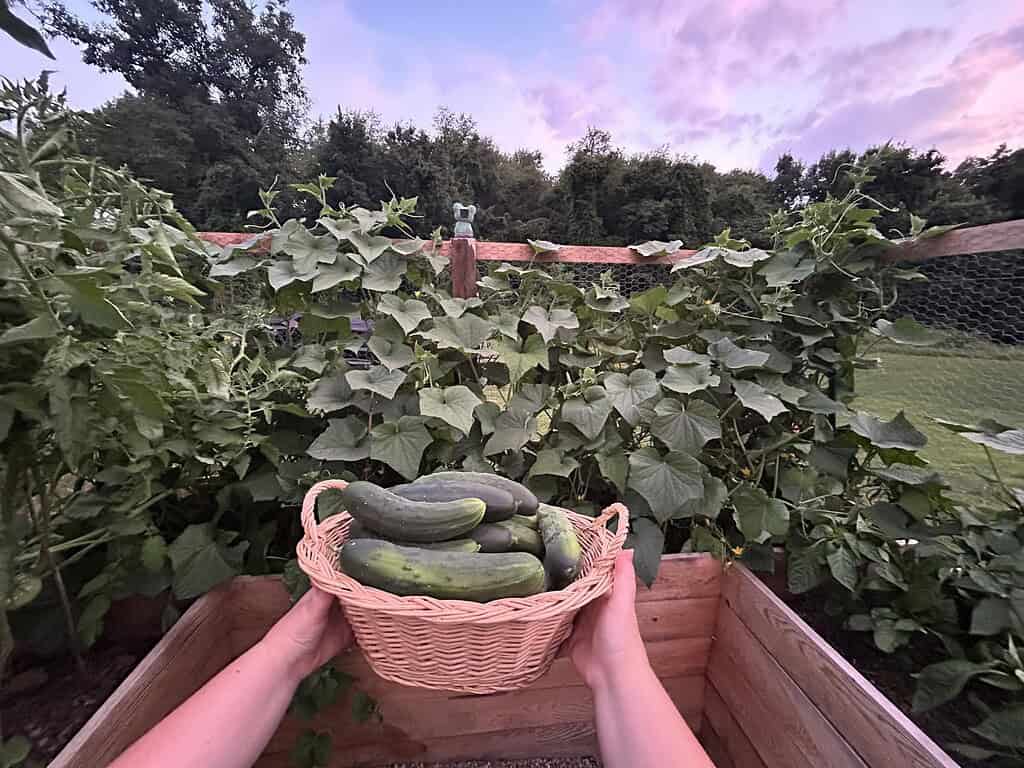
Vining crops are incredibly productive for the space they occupy — especially when trellised vertically.
Cucumbers, zucchini, and squash are among the highest-yielding vegetables in a home garden, but they sprawl aggressively if left on the ground.
Training them up a trellis or fence keeps them contained and makes harvesting much easier.
How to grow squash successfully gives you everything you need to get a big harvest from these space-efficient vines.
15. Extend Your Growing Season With Cold Frames and Row Covers
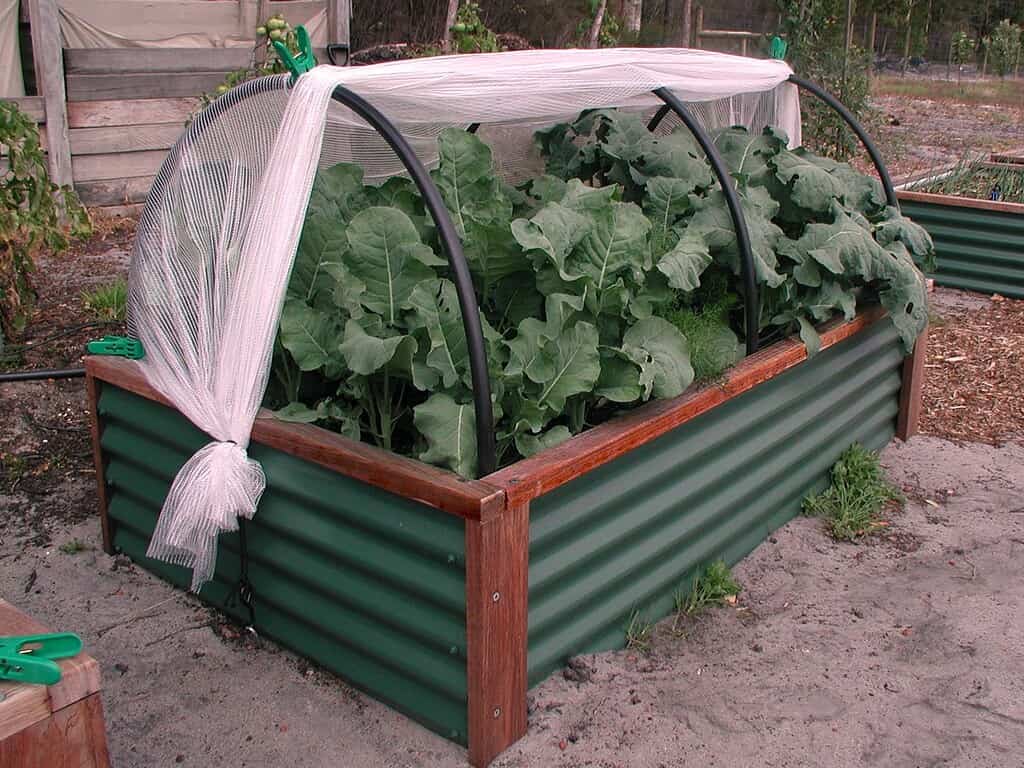
One of the most effective ways to grow more food in less space is to grow for more of the year.
Cold frames and row covers are simple, low-cost season-extension tools that protect plants from frost and keep soil warm, allowing you to start crops earlier in spring and continue harvesting well into fall or winter.
A cold frame is essentially a bottomless box with a transparent lid — placed over your raised bed or in-ground plot, it captures solar heat and creates a microclimate several degrees warmer than the surrounding air.
Row covers, made from lightweight spun fabric, drape directly over plants and provide frost protection while still allowing light and rain through.
Together, these tools can add weeks or even months to your productive growing season without requiring any extra garden space.
Garden Planner
The 22-page planner timed to your county's real frost dates. Planting windows, monthly checklists, and a harvest log you'll fill with pride by August.
Your Free 22-Page Garden Planner
Built for your exact ZIP code — planting dates, harvest log, and a month-by-month plan. 15-second sign-up.
Why Small-Space Vegetable Gardens Can Outperform Larger Plots
It might seem counterintuitive, but small backyard gardens often produce more food per square foot than large traditional gardens. The reason comes down to attention and intensity.
When your entire growing space is compact, it’s easy to stay on top of watering, fertilizing, pruning, and harvesting. Neglect — which is the enemy of productivity — is much less likely when your garden is manageable in size.
Larger gardens often lead to underperforming sections that get overlooked, soil compaction from foot traffic, and overplanting in some areas while others sit empty.
A well-maintained 100-square-foot raised bed can easily outproduce a 500-square-foot traditional row garden that isn’t tended as carefully.
The ideas in this list all work together toward that goal — more intentional use of space, better soil, smarter plant combinations, and continuous harvests.
If you want inspiration for how it all comes together visually, 15 backyard garden ideas you'll actually want to copy this season is a great place to find creative layouts you can adapt for your own space.
Free Planting Guides for This Article
Get exact planting dates, frost schedules, and growing tips for your zone:
How to Start Your Backyard Vegetable Garden This Season
Starting a backyard vegetable garden doesn’t require a perfect plan or a big budget. The most important step is simply to begin.
Pick one or two ideas from this list that feel most achievable for where you are right now — whether that’s setting up a single raised bed, buying a few containers, or installing a trellis along an existing fence.
Focus on choosing vegetables your household actually eats and enjoys. There’s no point in growing an abundance of kale if nobody in your house eats it.
Start with a short list of reliable producers — tomatoes, zucchini, beans, lettuce, and herbs — and expand from there as your confidence grows.
What to plant in April is a helpful starting point if you’re planning your first garden bed and want low-effort crops with big, reliable results.
Once you’ve made your plant selections, think about soil.
Healthy soil is the single most important factor in vegetable garden success, and it’s something many beginners overlook in favor of buying more seeds or plants.
A rich, well-draining growing medium — whether in a raised bed or a container — will consistently outperform poor soil in even the most ideal climate conditions.
Miss it by a week and you lose the crop. The free 22-page planner pins down your exact dates — last frost, first frost, and the weekly steps between — so you plant on the days that actually work for your ZIP.
Start Growing More From Your Backyard Today
Growing your own food in a small backyard space is one of the most rewarding things you can do as a homesteader.
The combination of fresh, nutritious produce steps from your kitchen, the satisfaction of growing something from seed, and the money saved at the grocery store makes every effort worthwhile — even when things don’t go perfectly.
The 15 ideas in this guide are tried-and-tested techniques used by homesteaders at every level, in backyards of every size, all over the world.
Pick one, start small, stay consistent, and watch how quickly your confidence — and your harvests — grow.
Have you tried any of these backyard vegetable garden ideas? Which strategies have worked best for your space? Drop your experience, questions, or favorite garden hacks in the comments below — we’d love to hear what’s growing in your backyard!
How Hard Is It to Garden in Your County?
Every county has a unique Gardening Difficulty Score based on frost risk, soil quality, drought, altitude, and climate trends. Find yours — plus personalized frost dates, planting calendars, and soil data.
Check Your County's Score →Ready to Design Your Dream Garden Bed?
Feeling inspired to build something beautiful?
If you’re ready to go beyond just one garden bed and truly design a space that feels intentional, productive, and charming, I put together something special for you.
Inside 101 Garden Bed Ideas, you’ll find creative layouts, raised bed designs, space-saving solutions, and inspiring setups you can actually recreate in your own yard – whether you’re working with a tiny backyard or a full homestead.
Start planning your dream garden today.

Best gardening planner I've used in 10 years — and I keep coming back to it every season.
Frequently Asked Questions
What vegetables grow best in a small backyard garden?
The best vegetables for small backyard gardens are those that produce heavily relative to the space they need.
Tomatoes, pole beans, cucumbers, zucchini, peppers, lettuce, spinach, and herbs all deliver excellent yields in compact spaces.
Avoid sprawling crops like pumpkins or sweet corn unless you’re specifically growing them vertically or using dwarf varieties.
Focus on high-yield, fast-maturing, or vertically-growing varieties for the most return from every square foot.
How do I improve poor soil in a small backyard garden?
The quickest way to improve poor native soil is to avoid it altogether by building raised beds filled with a quality growing mix — typically a blend of topsoil, compost, and perlite or vermiculite.
For in-ground gardens, amending with several inches of compost worked into the top 12 inches of soil makes a significant difference over one to two seasons.
Adding organic matter consistently every year through compost, aged manure, or cover crops builds long-term soil health that keeps improving year after year.
How much sun does a backyard vegetable garden need?
Most fruiting vegetables — tomatoes, peppers, cucumbers, squash, and beans — require a minimum of 6 to 8 hours of direct sunlight per day to produce well.
Leafy greens like lettuce, spinach, kale, and herbs can tolerate 4 to 6 hours of sun and even benefit from partial afternoon shade in hot climates.
Before deciding where to locate your garden beds, observe how the sun moves across your backyard at different times of day and through the season to identify your sunniest spots.
How often should I water a small backyard vegetable garden?
Most vegetable gardens need about 1 to 1.5 inches of water per week, either from rainfall or supplemental irrigation.
Rather than watering shallowly every day, deep watering two to three times per week encourages roots to grow deeper into the soil, making plants more drought-resilient.
Raised beds and containers dry out faster than in-ground gardens, so they typically need more frequent watering.
Installing a simple drip irrigation system or soaker hose on a timer is one of the best investments you can make for consistent, efficient watering in a small garden.
Can I grow vegetables year-round in a backyard garden?
Yes, with the right crops and season-extension tools, most backyard gardeners can grow food for at least 9 to 10 months of the year — and in many climates, year-round.
Cold-hardy crops like kale, spinach, carrots, garlic, and certain lettuce varieties survive light frosts without protection.
Row covers, cold frames, and low tunnels extend the growing season by several weeks on each end.
In milder climates, winter gardening with brassicas, root vegetables, and overwintered greens is entirely practical and requires very little extra effort once set up.
Level Up Your Garden
Our most popular gardening guides