Your backyard has more potential than you might think.
Whether you’re working with a compact urban plot or a sprawling suburban yard, the right garden ideas can completely transform the space into something you’ll actually use and enjoy all season long.
From raised beds packed with vegetables to fragrant herb corners and shady reading nooks, backyard gardening is one of the most rewarding ways to spend your time outdoors.
The good news? You don’t need a massive budget or a professional landscaper.
These 15 backyard garden ideas are practical, beautiful, and absolutely copy-worthy — no matter your experience level or yard size.
15 Backyard Garden Ideas Worth Trying This Season
Below you’ll find 15 of the best backyard garden ideas curated for real homesteaders and gardeners who want results without the overwhelm.
Each idea is achievable this season with the right planning and a little elbow grease.
1. Build Raised Garden Beds for Easy, Productive Growing

Raised garden beds are one of the most popular backyard garden setups for good reason — they offer better drainage, warmer soil in early spring, and fewer weeds.
You can build them from untreated cedar, galvanized metal, or even reclaimed wood.
Fill them with a quality mix of compost, topsoil, and perlite, and you’ll have a growing powerhouse right in your backyard.
If you're weighing your options on materials, check out this honest breakdown at The Truth About Metal Raised Garden Beds (Before You Buy One) before making your decision.
2. Create a Dedicated Herb Garden Corner
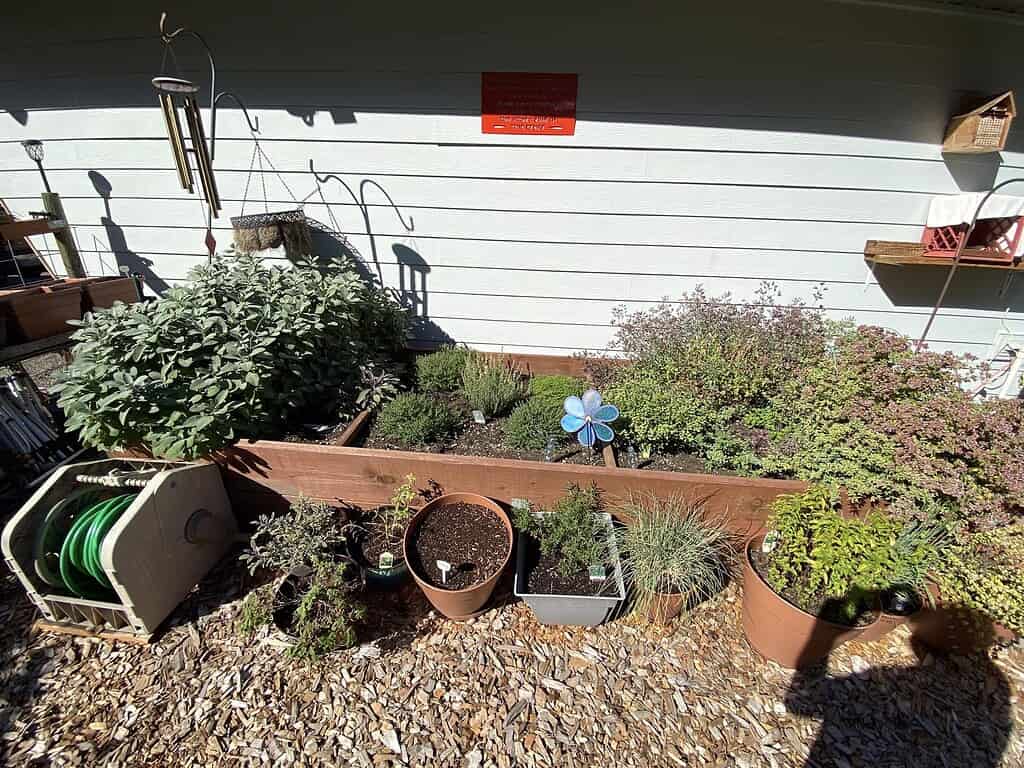
A small herb garden tucked into a sunny corner of your backyard is one of the most useful additions you can make.
Grow rosemary, basil, thyme, mint, chives, and parsley in neat clusters or staggered containers. Not only do they smell wonderful, but you’ll have fresh herbs just steps from your kitchen all season long.
Once your herbs are thriving, you’ll want to preserve the harvest. Learn the best methods in How to Dry Herbs at Home (Easy, Reliable Methods That Preserve Flavor).
3. Add a Trellis for Vertical Growing Space
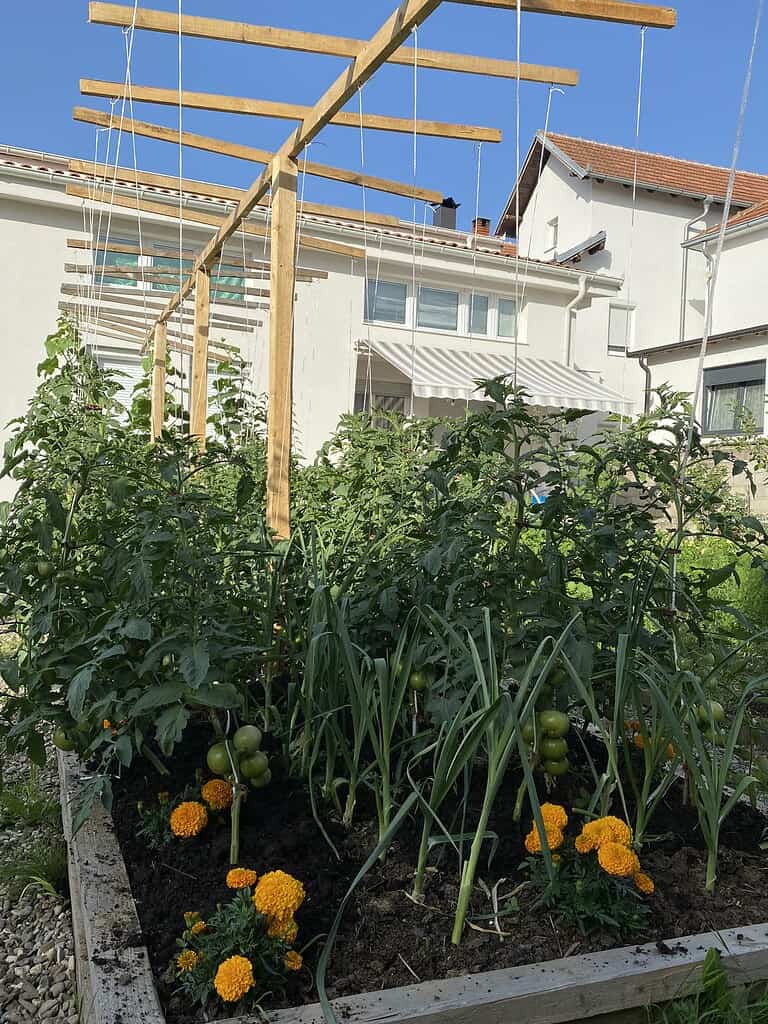
Don’t let your vertical space go to waste.
A well-placed garden trellis allows you to grow climbing plants like cucumbers, beans, peas, and even flowering vines without taking up precious ground space.
Trellises also add visual structure and height to a flat garden bed, making your backyard look intentional and lush.
Get inspired with some of our favorite designs at 12 Easy Garden Trellis Ideas You'll Want to Copy ASAP.
4. Design a Cottage-Style Flower Garden
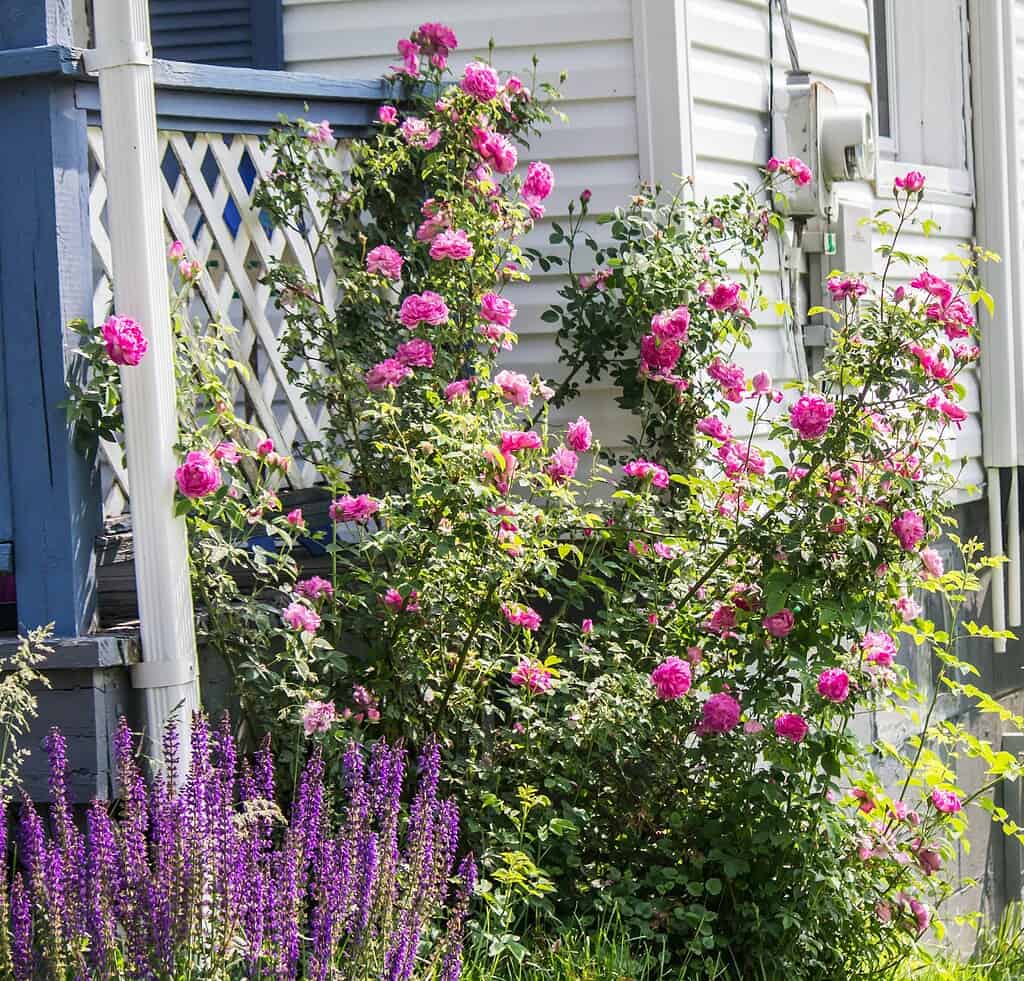
If you want your backyard to feel like a stroll through the English countryside, a cottage garden is the answer.
Layer roses with lavender, catmint, foxglove, and echinacea for a soft, romantic look that blooms across multiple seasons.
The key is to embrace a slightly wild, layered approach rather than rigid symmetry.
5. Install a Rock Garden for Low-Maintenance Beauty
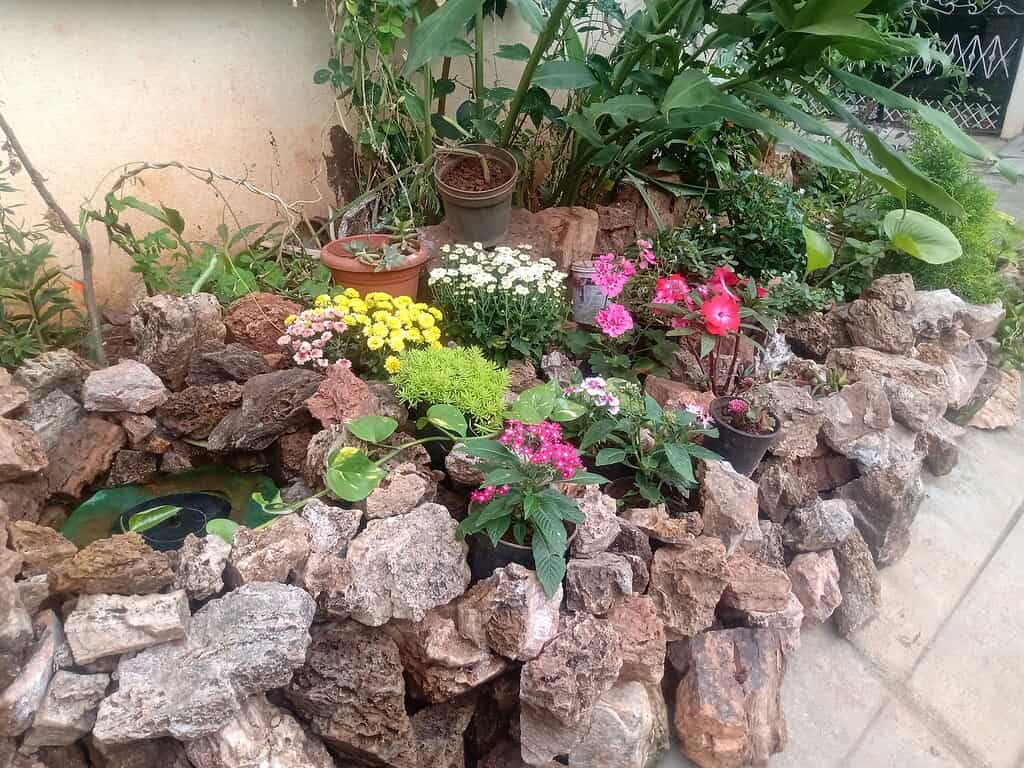
Rock gardens are the ultimate low-maintenance backyard solution.
Use a combination of ornamental grasses, succulents, creeping groundcovers, and decorative stones to create a landscape that’s visually stunning yet requires minimal watering and upkeep.
They’re especially effective on slopes or dry patches where other plants struggle.
See exactly how to pull this off beautifully in 11 Rock Garden Landscaping Ideas So Good You'll Want to Redo Your Whole Yard.
6. Grow a Container Garden on Your Patio or Deck
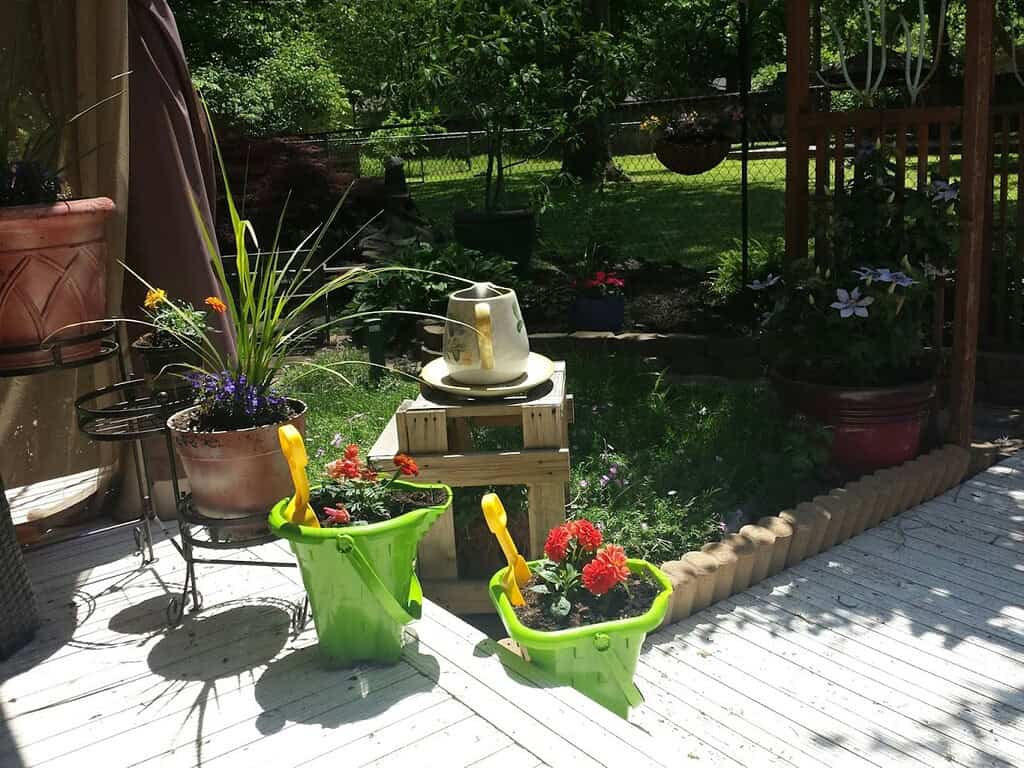
Container gardening is one of the most flexible backyard garden ideas — you can grow almost anything in pots, from tomatoes to strawberries to marigolds.
Cluster containers of different heights for an impactful display, or line them along a fence or railing. The best part? You can move them as the seasons change or as the sun shifts.
For plant recommendations that thrive in containers, visit 12 Gorgeous Patio Plants That Are Surprisingly Easy to Grow.
7. Set Up a Shade Garden Under Trees
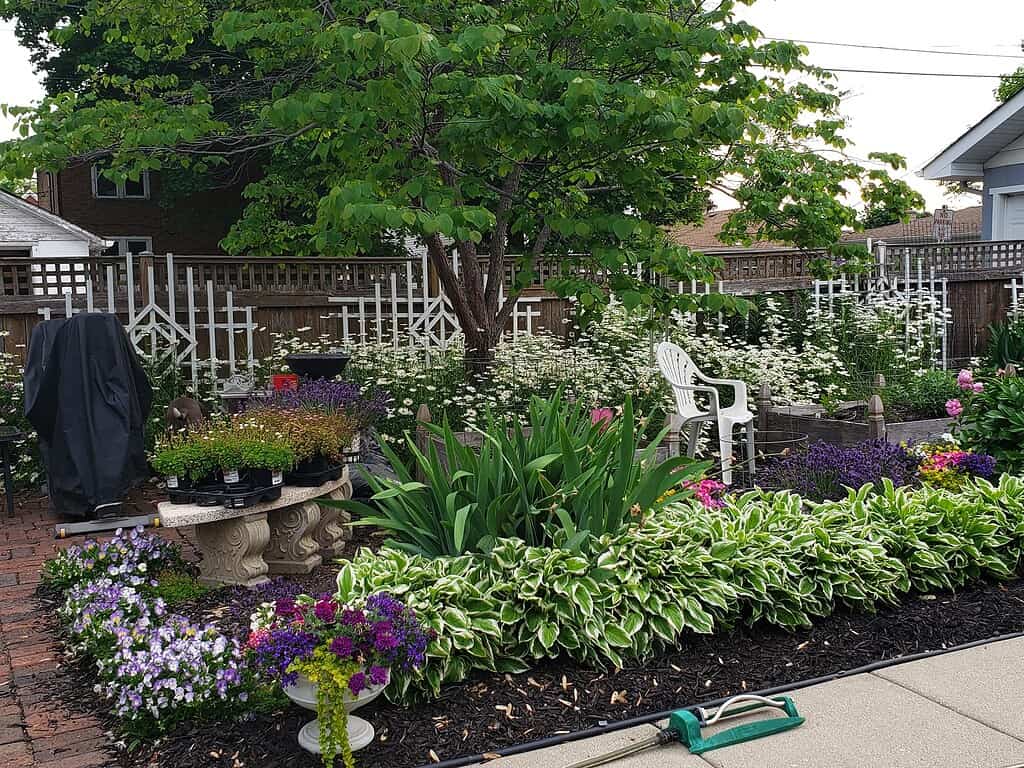
That dark, shady patch under a mature tree doesn’t have to be a problem area.
Shade-tolerant plants like hostas, astilbe, ferns, bleeding heart, and impatiens can turn it into one of the most serene corners of your backyard. A shade garden also tends to stay cooler in summer heat, making it a pleasant place to sit and relax.
Get a full guide to the best shade-loving plants and design ideas at 12 Beautiful Shade Garden Ideas You'll Want to Copy.
8. Plant Along Your Fence Line
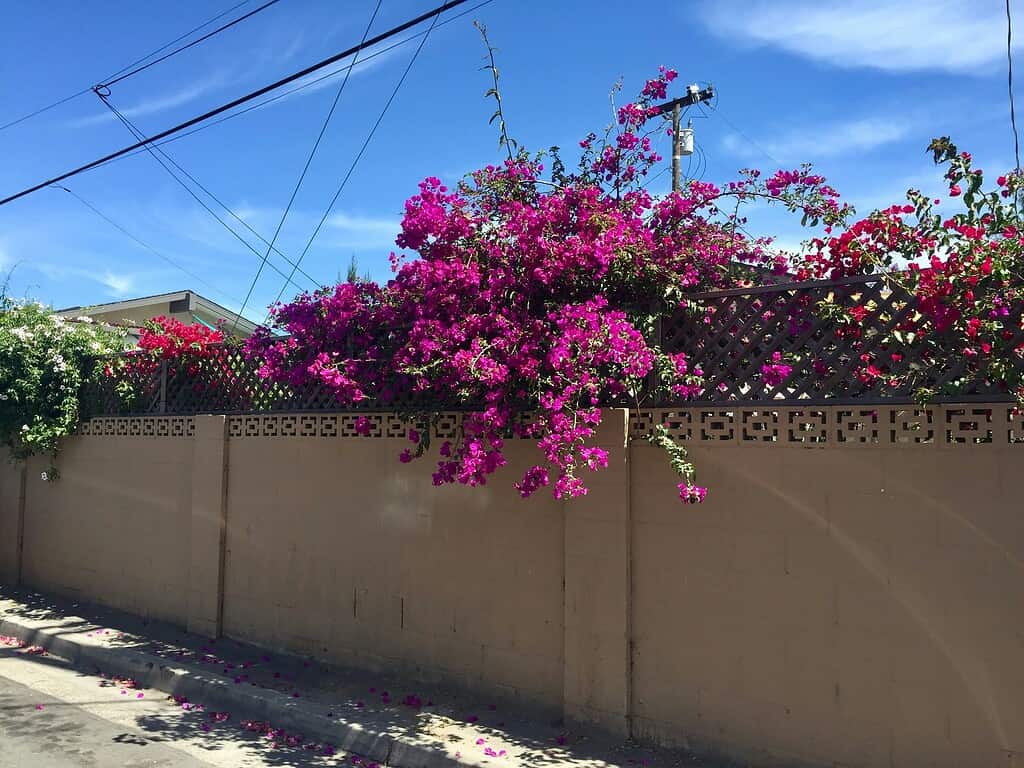
A bare fence is a missed opportunity. Use your fence line as a living backdrop by planting tall ornamental grasses, flowering shrubs, climbing roses, or even espaliered fruit trees.
This approach adds privacy, beauty, and a natural boundary to your yard without major construction.
For fence-line planting that makes a statement, see 12 Jaw-Dropping Ways to Landscape Along Your Fence.
9. Add a Water Feature to Attract Wildlife and Calm the Senses
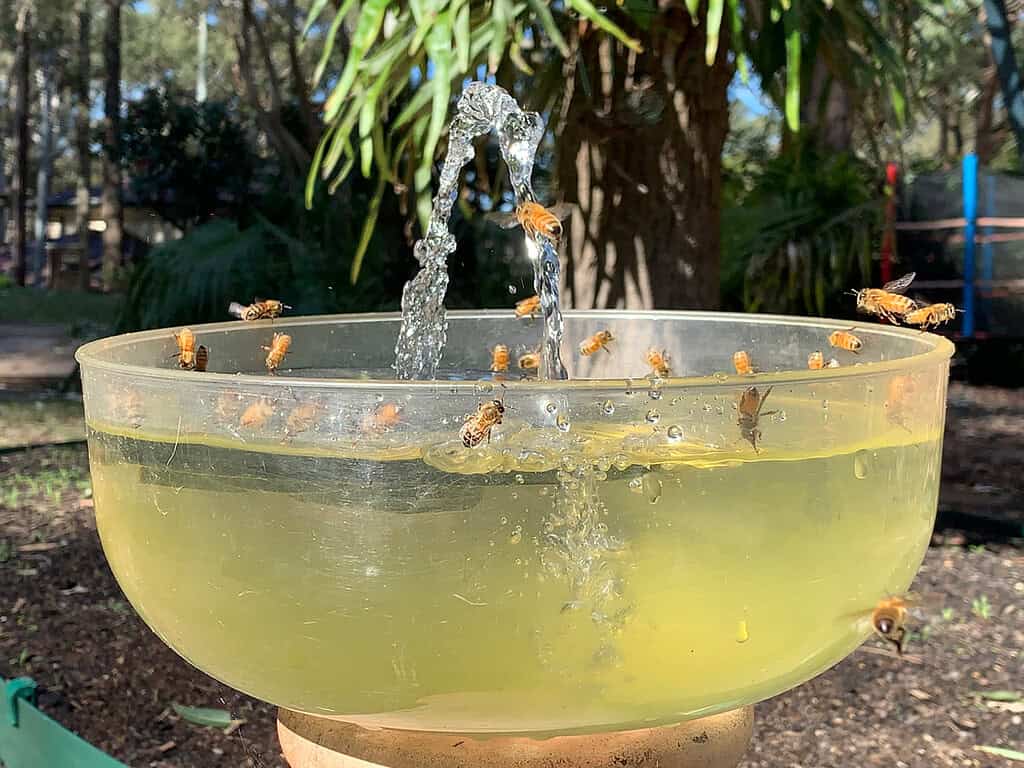
A water feature — whether a bubbling fountain, a birdbath, or a small pond — instantly elevates a backyard garden.
The sound of running water creates a peaceful atmosphere, while the moisture and movement attract birds, butterflies, and beneficial insects.
Even a small solar-powered fountain in a container can make a significant difference in how your garden feels.
Explore beautiful options for every budget in 11 Gorgeous Outdoor Water Fountains You'll Want Right Now.
10. Create a Pollinator Garden to Support Bees and Butterflies
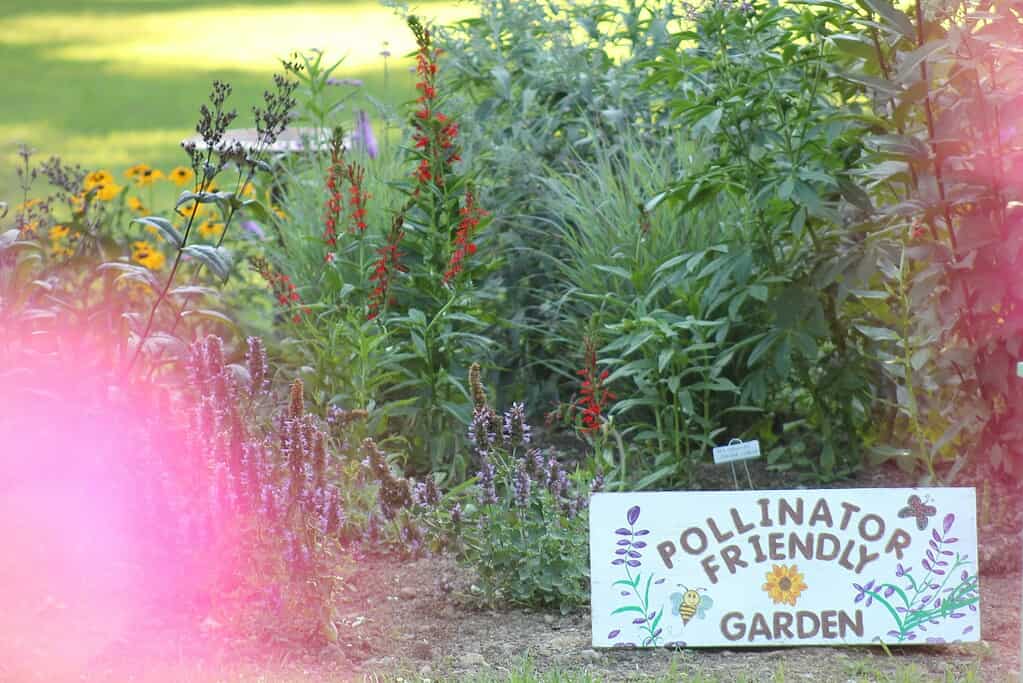
A pollinator garden isn’t just good for the environment — it’s good for your entire backyard ecosystem.
Plant native wildflowers, lavender, echinacea, black-eyed Susans, and marigolds to create a haven for bees, butterflies, and hummingbirds.
These beneficial visitors will also help pollinate your vegetable garden, boosting your overall harvest.
Learn how to grow one of the best pollinator-friendly flowers easily at How to Grow Marigolds: Complete Guide to Healthy Flowers.
11. Build a Garden Path for Structure and Charm
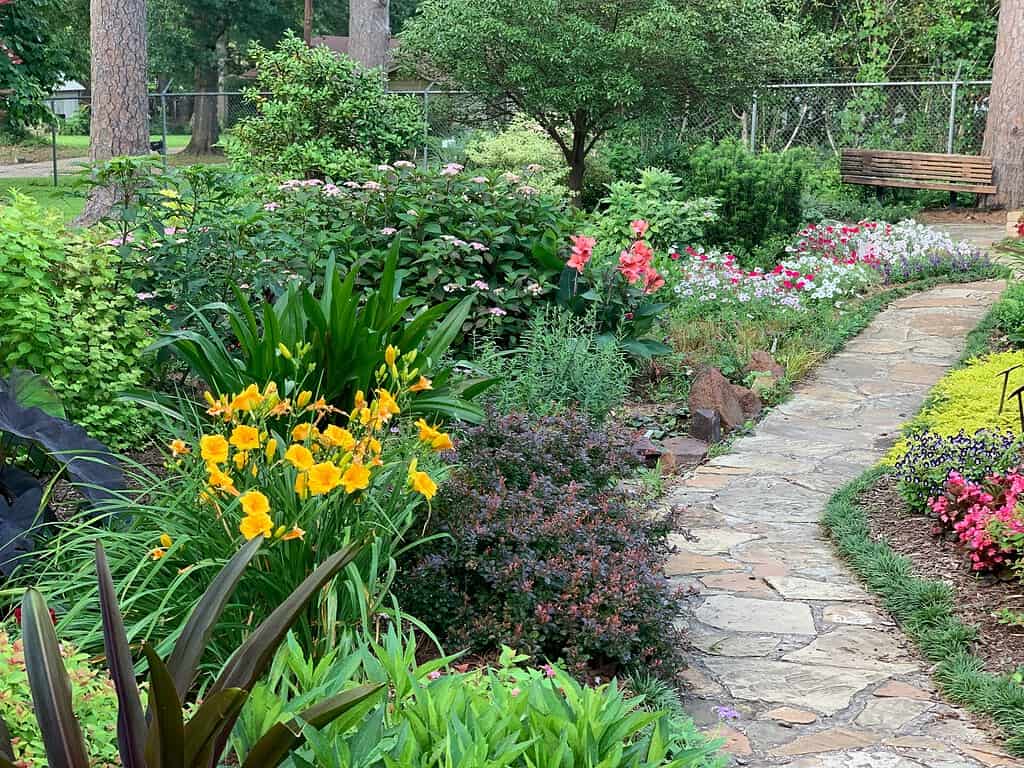
A winding garden path does more than guide your feet — it creates a sense of discovery and flow in your backyard.
Use flagstone, gravel, stepping stones, or reclaimed bricks to define areas and add visual interest. Border the path with low-growing plants like creeping thyme, lobelia, or alyssum for a soft, inviting look.
12. Incorporate a Flowering Tree as a Garden Focal Point
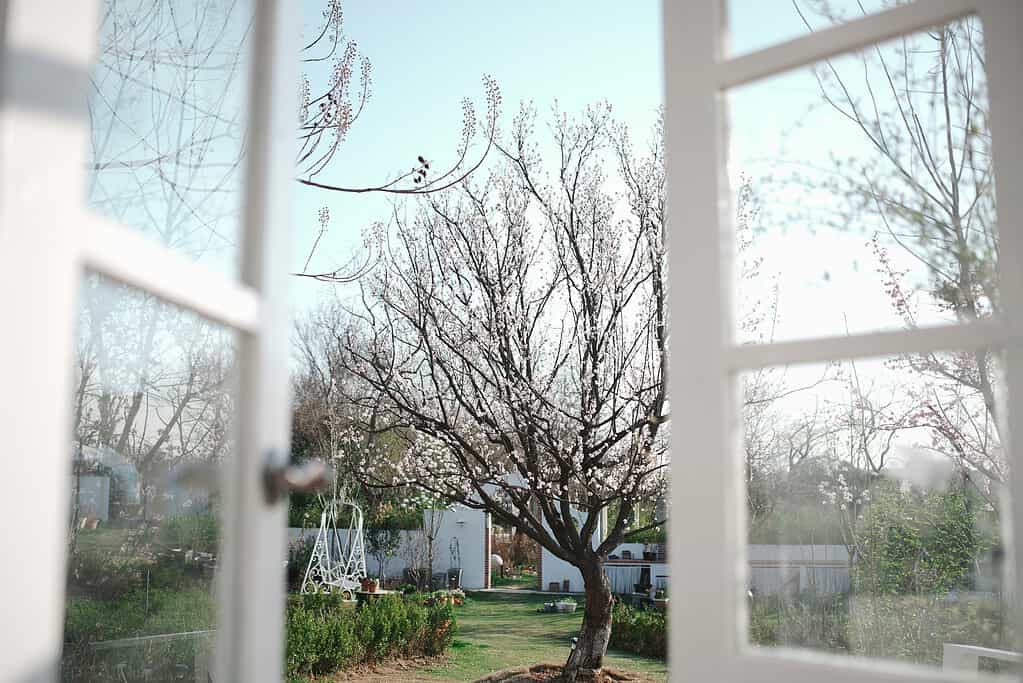
A single flowering tree can anchor your entire backyard design.
Think cherry blossom, crabapple, dogwood, or magnolia — each provides stunning seasonal color, dappled shade, and a vertical element that ties the garden together. Plant one near a seating area for maximum impact and seasonal enjoyment.
Discover which flowering tree is right for your yard in 10 Beautiful Flowering Trees That Bring Your Yard to Life.
13. Try a Themed Vegetable Garden Layout
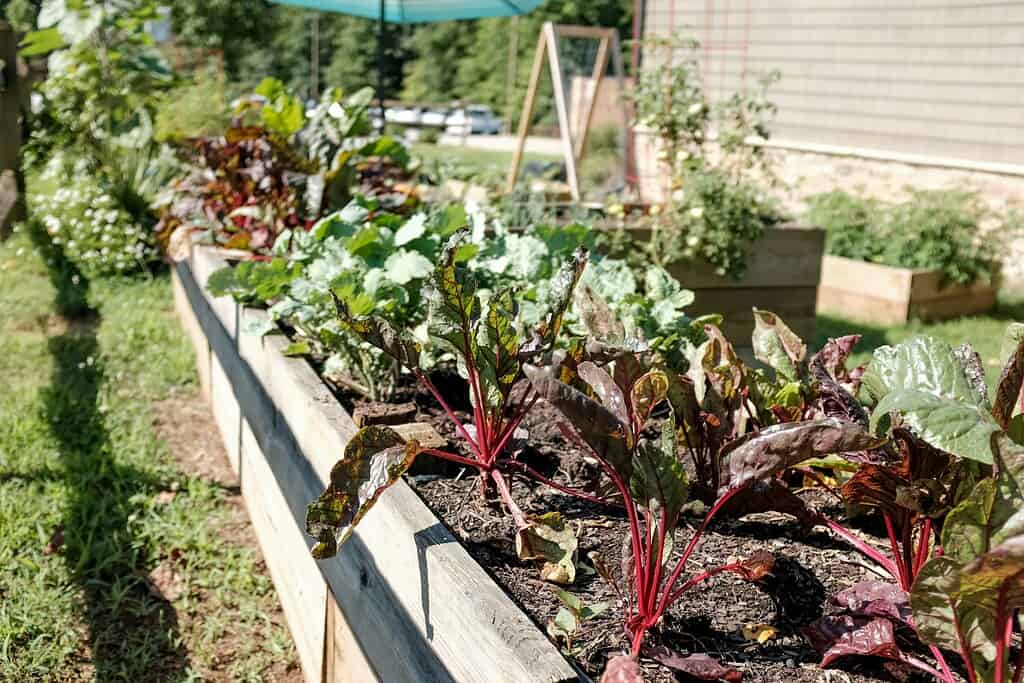
Give your vegetable garden a clear structure with a themed layout — pizza garden, salsa garden, or a cut-flower-and-veggie combo.
Themed gardens are easier to plan, more visually appealing, and give you a harvest that fits directly into how you actually cook.
They also make great conversation starters when guests visit your backyard.
Need help planning when to plant everything? Use Your Go-To Vegetable Planting Calendar for a Productive Garden to stay organized all season.
14. Add a Garden Shed for Storage and Style
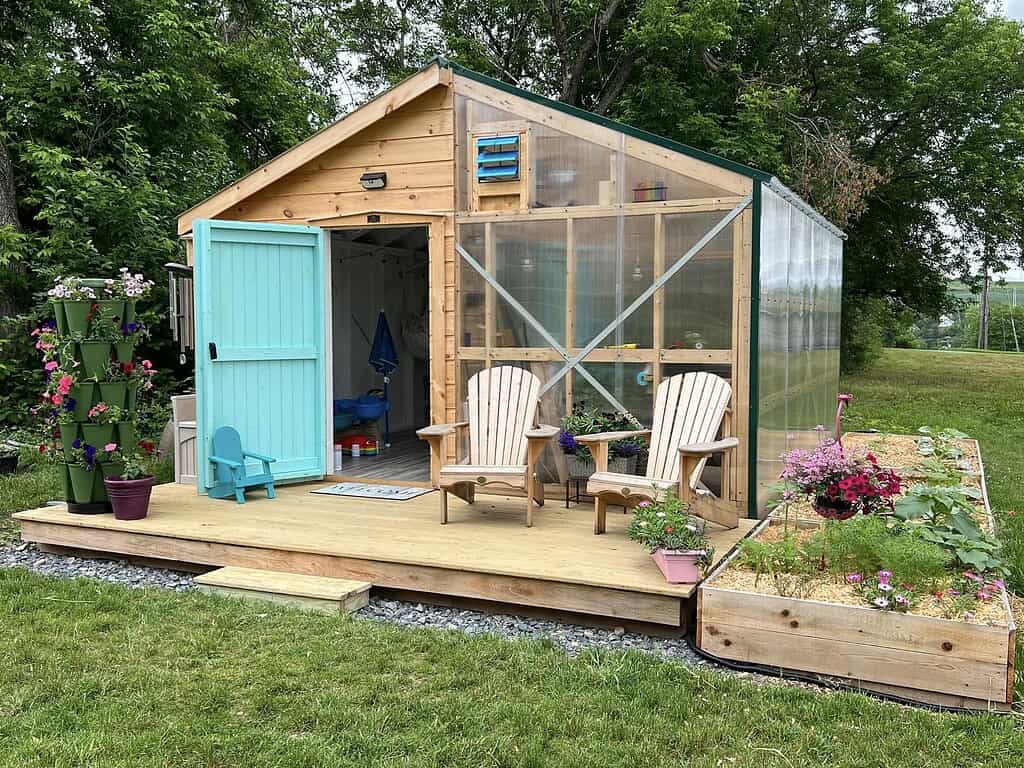
A well-designed garden shed is both practical and charming. Beyond storing tools and supplies, a shed can serve as a potting station, a mini greenhouse, or even a creative retreat.
Choose a design that complements your home’s exterior, add window boxes with flowers, and let climbing plants soften the exterior for a cottage-garden feel.
Browse stunning shed styles that look as good as they function in 11 Backyard-Worthy Garden Shed Ideas You'll Be Obsessed With.
15. Transform Your Backyard Into a Full Outdoor Oasis
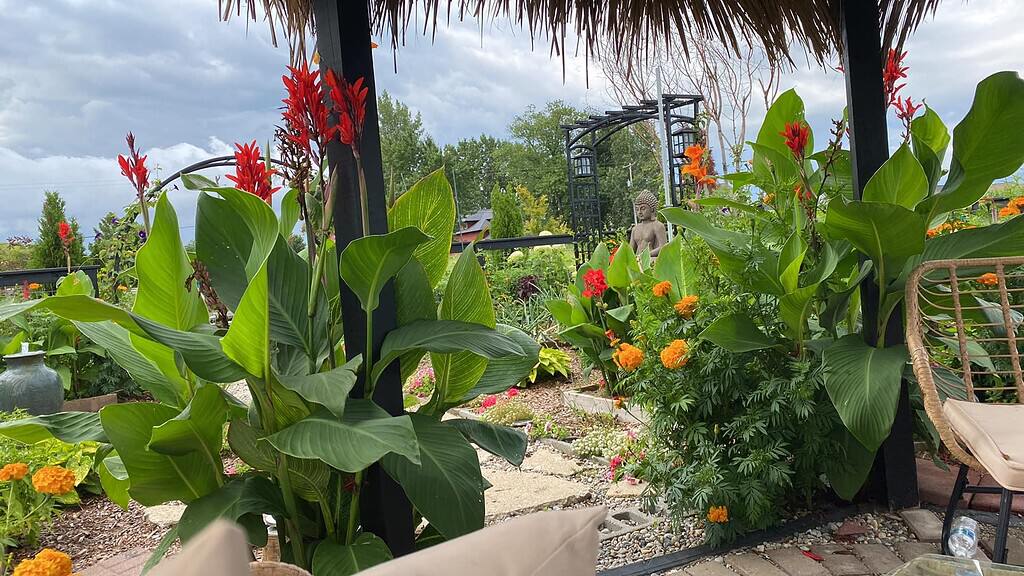
Why not think bigger and turn your entire backyard into a cohesive retreat?
Combine seating areas, lush plantings, a water feature, garden lighting, and defined pathways to create a space that feels like an extension of your home.
The goal is a backyard you genuinely want to spend time in — not just admire from the window.
Get a comprehensive vision for your backyard transformation with How to Create a Backyard Oasis You'll Never Want to Leave.
Garden Planner
The 24-page planner timed to your county's real frost dates. Planting windows, monthly checklists, and a harvest log you'll fill with pride by August.
Your Free 24-Page Garden Planner
Built for your exact ZIP code — planting dates, harvest log, and a month-by-month plan. 15-second sign-up.
How to Choose the Right Garden Ideas for Your Space
Not every backyard garden idea will suit every yard — and that’s perfectly fine. The key is to start by assessing what you’re actually working with.
Consider your sun exposure first.
Most vegetables and flowering plants need at least six hours of direct sunlight, while shade gardens thrive in spots that receive filtered light.
Walk your yard at different times of the day and notice where the sun lands and where it doesn’t.
Next, think about soil quality.
Poor, compacted, or clay-heavy soil is a common obstacle, but it’s one that’s easily overcome with raised beds or container gardens.
Before planting anything directly into the ground, do a simple soil test to understand your pH levels and nutrient content.
If you’re not sure what type of soil you’re dealing with, check out this helpful Easy Guide to the Different Soil Types to get started on the right foot.
Water access is another practical consideration.
The closer your garden is to a water source, the easier it will be to maintain during dry spells. Finally, think about how much time you realistically want to invest each week.
A low-maintenance rock garden or perennial border requires far less ongoing work than a full vegetable patch, so be honest about your schedule before committing.
Free Planting Guides for This Article
Get exact planting dates, frost schedules, and growing tips for your zone:
Start Your Backyard Garden This Season
Every one of these 15 ideas is achievable with the resources you already have or can easily access. Start with one or two that excite you most, get your hands in the soil, and let momentum carry you forward.
Backyard gardening has a way of snowballing in the best possible way. You start with a small raised bed, then add a trellis, then realize you want a pollinator corner near the fence, and before you know it, your backyard is the outdoor space you always dreamed of. The important thing is to start.
Whether you’re a total beginner or a seasoned homesteader looking for fresh inspiration, these backyard garden ideas are your starting point.
Pick your favorite, gather your supplies, and make this the season your backyard truly comes to life.
We’d love to hear which backyard garden idea you’re most excited to try this season!
Drop a comment below and share your plans, questions, or photos — your experience might just inspire a fellow gardener to get started too.
Miss it by a week and you lose the crop. The free 24-page planner pins down your exact dates — last frost, first frost, and the weekly steps between — so you plant on the days that actually work for your ZIP.
How Hard Is It to Garden in Your County?
Every county has a unique Gardening Difficulty Score based on frost risk, soil quality, drought, altitude, and climate trends. Find yours — plus personalized frost dates, planting calendars, and soil data.
Check Your County's Score →Ready to Design Your Dream Garden Bed?
Feeling inspired to build something beautiful?
If you’re ready to go beyond just one garden bed and truly design a space that feels intentional, productive, and charming, I put together something special for you.
Inside 101 Garden Bed Ideas, you’ll find creative layouts, raised bed designs, space-saving solutions, and inspiring setups you can actually recreate in your own yard – whether you’re working with a tiny backyard or a full homestead.
Start planning your dream garden today.

Frequently Asked Questions
How do I deal with poor soil in my backyard before planting a garden?
If your native soil is compacted, clay-heavy, or nutrient-poor, you have a few solid options. The easiest fix is to build raised beds or use containers filled with a premixed garden soil blend.
If you want to improve your existing ground-level soil, incorporate several inches of compost, aged manure, and perlite each season — it will take a year or two, but the results are worth it.
A simple at-home soil test kit can tell you your pH and nutrient levels so you can amend precisely rather than guessing.
What are the best fast-growing plants to fill a new backyard garden quickly?
If you want visible results within a single season, prioritize fast-maturing plants like radishes, lettuce, spinach, basil, bush beans, zucchini, sunflowers, and marigolds.
These plants can go from seed to harvest or full bloom in just four to eight weeks, which means you’ll see real progress quickly and stay motivated to keep gardening.
How do I keep garden pests under control without using harsh chemicals?
Organic pest control starts with healthy soil and healthy plants — stressed plants attract more pests.
Beyond that, plant marigolds throughout your beds as a natural deterrent, introduce beneficial insects like ladybugs and lacewings, use row covers for vulnerable crops, and hand-pick larger pests like hornworms in the early morning.
Neem oil and insecticidal soap sprays are effective, safe options for soft-bodied insects like aphids and whiteflies when needed.
Can I have a productive backyard garden if my yard gets limited sun?
Absolutely. While most vegetables prefer full sun (six or more hours), many leafy greens like lettuce, spinach, kale, and chard perform well in partial shade (three to six hours).
Herbs like mint, parsley, and cilantro also tolerate lower light levels. In shadier spots, lean into ornamental shade plants like hostas, ferns, and astilbe for beauty without the sun requirement.
What’s the best way to water a backyard garden efficiently to avoid waste?
The most efficient watering method is drip irrigation or soaker hoses, which deliver water directly to the root zone and reduce evaporation significantly.
Water early in the morning — ideally before 9 a.m. — so plants can absorb moisture before the heat of the day. Avoid overhead watering in the evening, which encourages fungal disease.
Mulching around your plants with straw, wood chips, or shredded leaves also dramatically reduces how often you need to water by locking in soil moisture.
Level Up Your Garden
Our most popular gardening guides