You’ve seen them in magazines. You’ve saved them on Pinterest. And now, looking out at your yard, you’re wondering why your outdoor space can’t look like that.
The answer is simpler than you think: a rock garden.
Rock gardens are one of the most underrated landscaping moves a homeowner can make. They’re low-maintenance, drought-tolerant, visually striking, and endlessly customizable.
Whether you have a sloped backyard, a sun-blasted front yard, or a tiny corner that’s been neglected for years, rocks and the right plants can completely transform that space.
If you’ve been toying with the idea of adding more structure and texture to your landscape, check out our guide on front yard landscaping ideas for more inspiration on where to start.
11 Rock Garden Ideas to Transform Your Outdoor Space
If you’re ready to dive into rocks, here are 11 rock garden ideas that are so good, you’ll want to redo your whole yard.
1. The Alpine Meadow Rock Garden
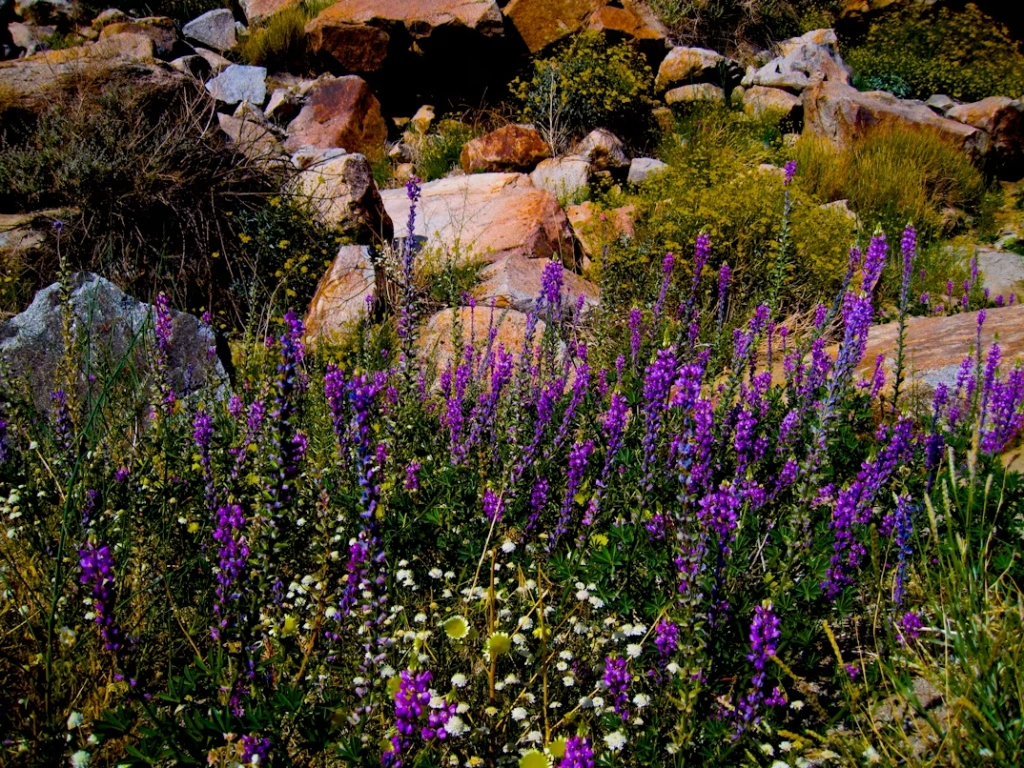
Inspired by the rugged beauty of mountain landscapes, the alpine meadow rock garden uses large boulders, smaller stones, and drought-tolerant plants like sedums, creeping phlox, and alpine asters to mimic a natural high-altitude scene.
The key is layering rocks at varying heights with pockets of soil tucked between them for planting.
This style works especially well on sloped yards where erosion can be an issue — the rocks hold the soil in place while the plants fill in beautifully over time.
If you’re already working with a slope, pair this idea with some of the jaw-dropping ways to landscape along your fence to create a cohesive outdoor aesthetic.
2. The Dry Creek Bed Rock Garden
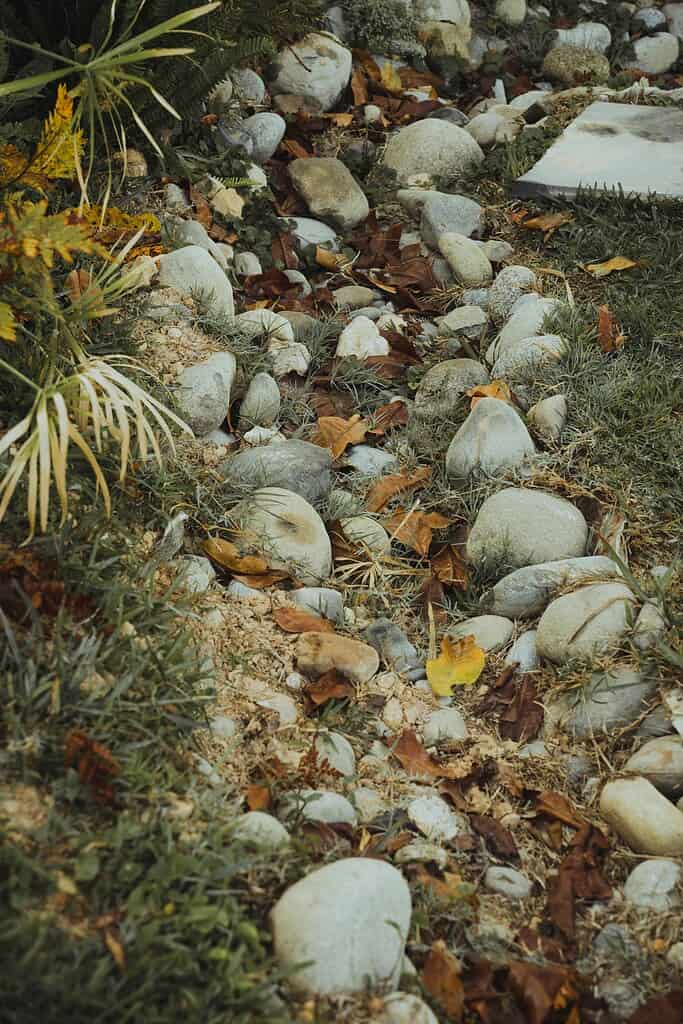
A dry creek bed is one of the cleverest rock garden ideas because it serves double duty: it looks stunning and helps manage water drainage across your yard.
Using smooth river rocks, pebbles, and occasional flat stepping stones, you can create the illusion of a flowing stream winding through your landscape.
Plant ornamental grasses, black-eyed Susans, or lavender along the edges to soften the look and attract pollinators.
This style pairs seamlessly with pollinator garden ideas — your creek bed becomes a living ecosystem, not just a decorative feature.
3. The Succulent and Stone Garden
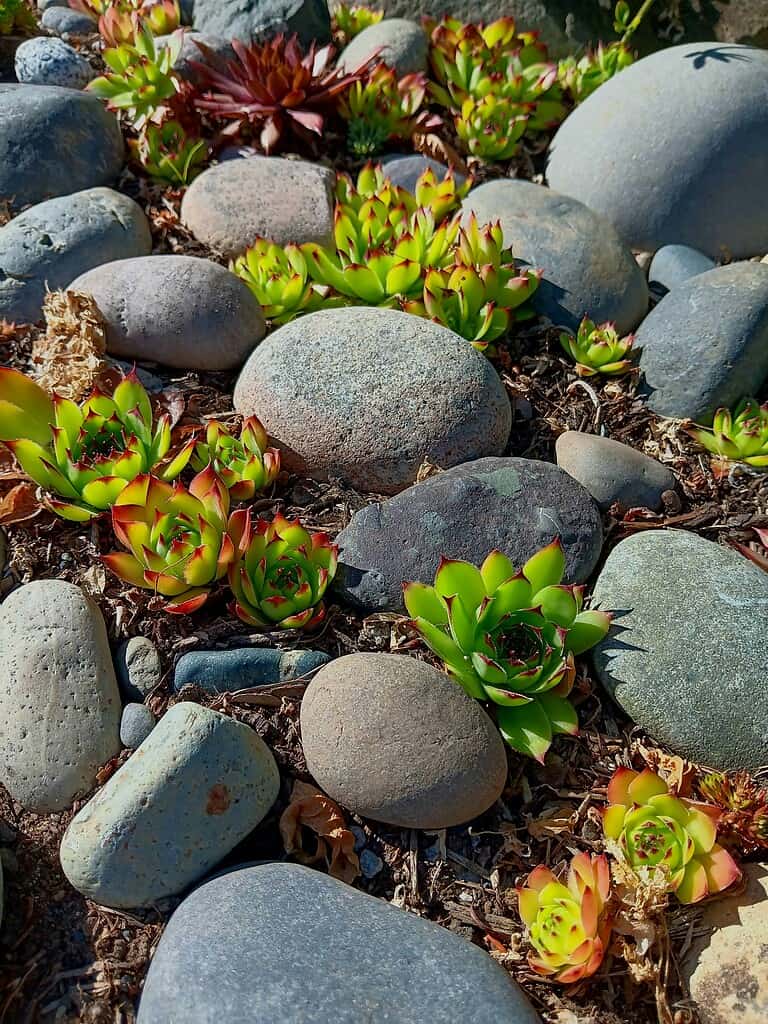
If you’re in a hot, dry climate (or just want the look of one), a succulent and stone garden is practically maintenance-free once established.
Use a variety of flat rocks, gravel mulch, and decorative stones as the base layer, then tuck in colorful succulents like hens-and-chicks, echeveria, and agave for year-round texture and color.
This style works in raised beds, ground-level patches, or even repurposed containers.
For more on designing beautiful garden beds with structure and personality, take a look at these succulent garden designs that can spark even more ideas for your space.
4. The Cottage-Style Rock Border Garden
Not every rock garden needs to be rugged or minimalist. A cottage-style rock border softens hardscaping with lush, flowering plants tucked between and around stones.
Think moss roses, catmint, thyme, and foxglove spilling over and between irregularly shaped rocks. The effect is romantic, intentional, and effortlessly charming.
Use this style along a pathway, around the base of a tree, or as a border to define garden zones.
Pair it with some of the loveliest easy rose garden ideas for any yard to create a truly dreamy cottage aesthetic.
5. The Japanese Zen Rock Garden
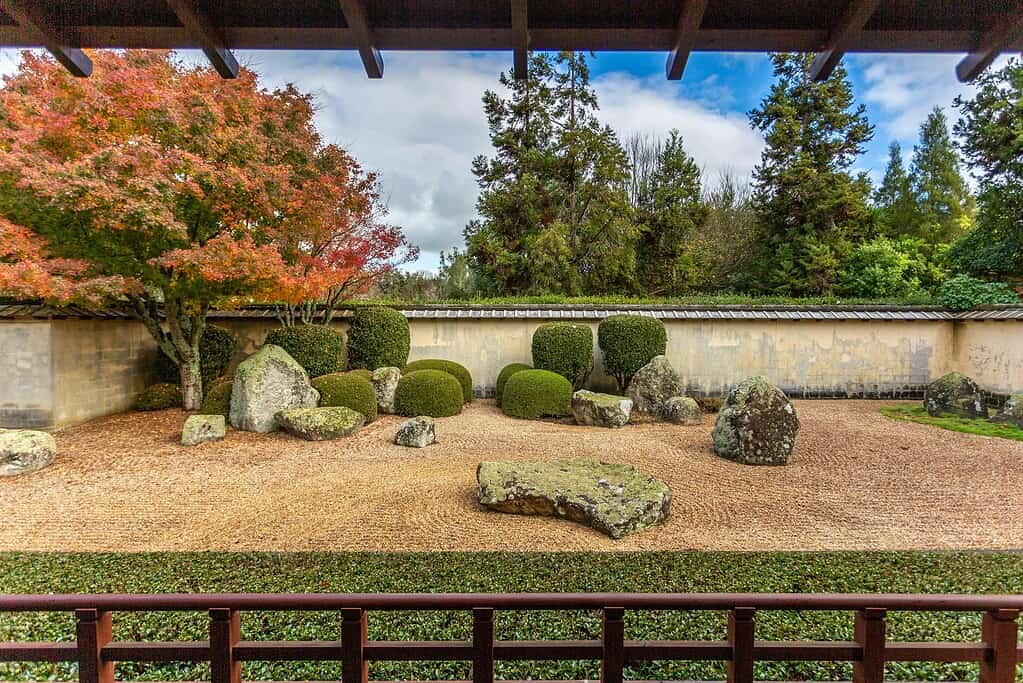
Few garden styles are as serene and intentional as the Japanese Zen rock garden, also called a karesansui.
These minimalist gardens use carefully raked gravel or sand to represent water, with strategically placed rocks symbolizing islands or mountains.
They’re designed for contemplation and calm. Add a simple wooden bench, a bamboo water feature, or lantern-style stones to complete the aesthetic.
Zen gardens are especially powerful in small spaces — a backyard corner, a side yard, or even a raised platform garden.
If you love the idea of a dedicated outdoor sanctuary, you might also enjoy these prayer garden ideas for creating a peaceful retreat in your own backyard.
6. The Wildflower and Rock Meadow Garden
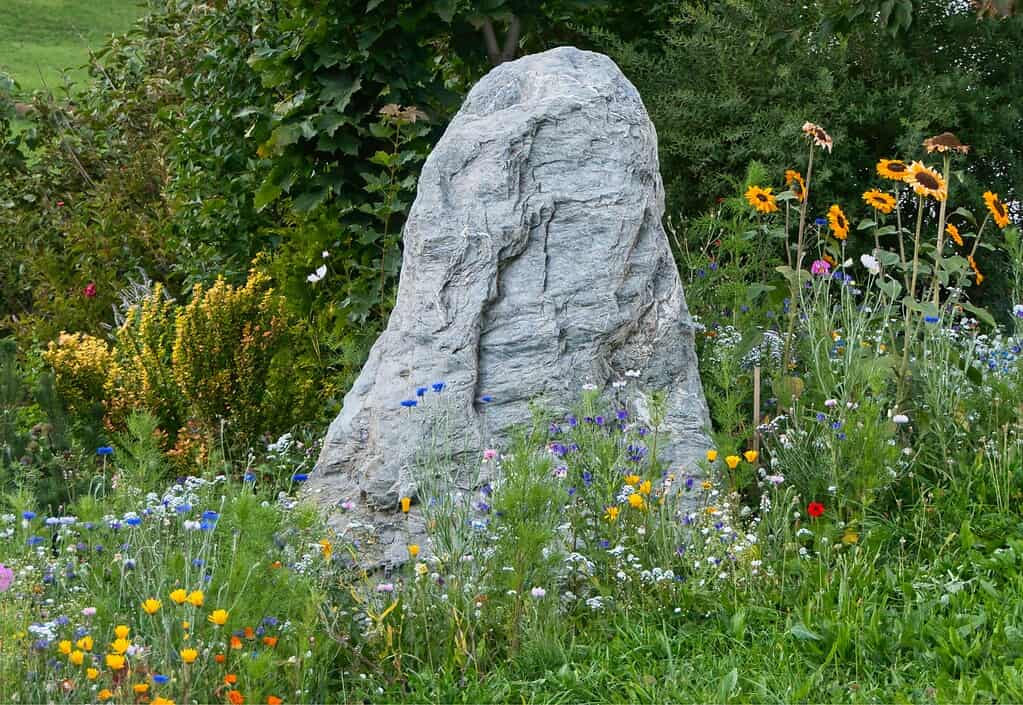
If manicured doesn’t appeal to you and you’d rather have something that feels alive and wild, the wildflower and rock meadow garden is exactly what you’re looking for.
Scatter native wildflower seeds throughout a rocky landscape to create a naturalistic scene that changes with the seasons.
Coneflowers, black-eyed Susans, native grasses, and butterfly weed all thrive in rocky, well-draining soil and require minimal intervention once established.
This style is also fantastic for wildlife. For more help choosing the right flowers to bring color and movement to your yard, explore this guide on spring flowers that pair beautifully with naturalistic rock settings.
7. The Raised Rock Garden Bed
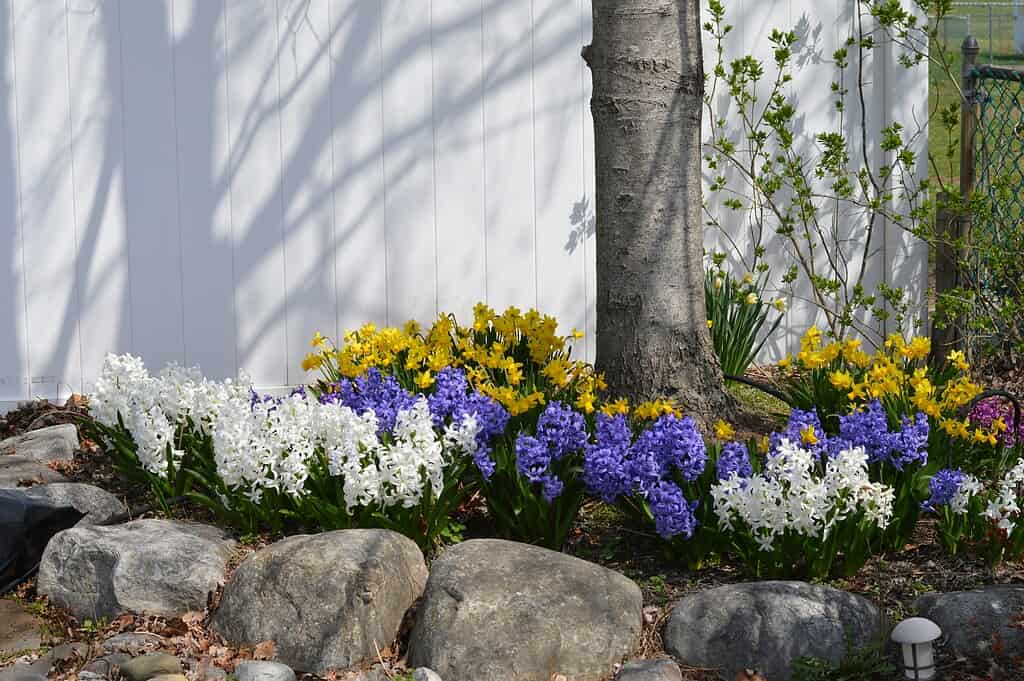
If you want the rock garden look with better control over soil quality and drainage, a raised rock garden bed is an ideal solution.
Use stacked stones — flagstone, fieldstone, or even reclaimed brick — to build low retaining walls, then fill the interior with a mix of sandy, well-draining soil and your choice of plants.
This gives you full control over where the garden sits, how deep the soil goes, and what grows inside it. It’s also a fantastic option for gardeners with mobility concerns, since the elevated height reduces bending.
For more inspiration on building beautiful raised structures, visit our collection of 30 raised garden bed ideas that cover every style and budget.
8. The Shade Rock Garden
Most people assume rock gardens are meant for full sun, but a shade rock garden can be just as stunning.
Under a tree canopy or along a north-facing wall, use mossy rocks, smooth river stones, and shade-tolerant plants like ferns, hostas, astilbe, and bleeding heart to create a lush, moody garden that feels like a secret woodland corner.
Moss is especially magical in shaded rock gardens — it clings to stones and fills in gaps with a rich green carpet that thrives in low light.
If you love the idea of a cool, leafy retreat, these shade garden ideas offer even more ways to make the most of those darker spots in your yard.
9. The Pathway Rock Garden
Turn a plain garden path into a living work of art by lining it with rocks and planting low-growing ground covers between the stones.
Creeping thyme, woolly thyme, ajuga, and sedum are all excellent choices for filling the gaps between stepping stones and along the borders of a pathway.
The plants soften the hardscape, release fragrance when walked on (especially thyme), and create a beautiful tapestry of color and texture underfoot.
This idea works in a front yard, backyard, or even leading to a garden shed.
If you’re considering expanding your pathway planting approach, you’ll love this article on how to grow and care for creeping thyme — one of the best rock garden plants you can grow.
10. The Hillside Rock Garden
A sloped yard is a gift in disguise when it comes to rock gardening.
A hillside rock garden uses gravity to your advantage — large anchor rocks at the base and progressively smaller rocks as you move up the slope create a natural, stable look that also prevents erosion.
Plant drought-tolerant, deep-rooted species like ornamental grasses, lavender, and creeping juniper to hold the soil between rocks. The layered look of a hillside garden is visually dramatic from a distance and incredibly satisfying to design.
If you’re also thinking about how to add more structure and definition to your landscape edges, our guide on garden edges and borders is a great complement to any hillside rock design.
11. The Water Feature Rock Garden
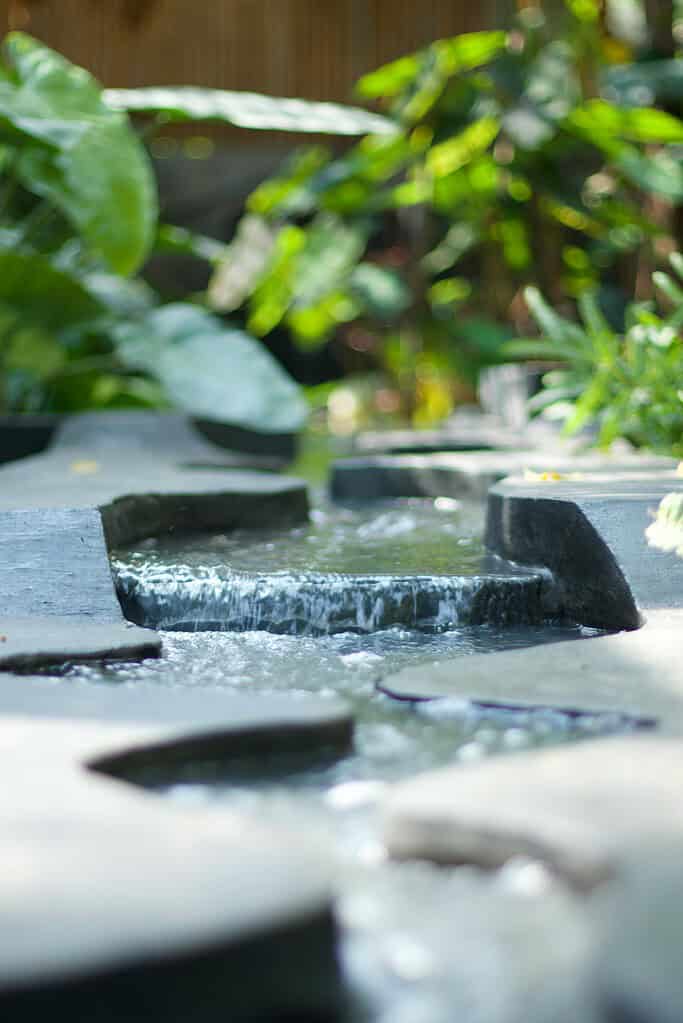
Combining a water feature with a rock garden elevates both elements to something truly spectacular.
A small recirculating pond or fountain surrounded by natural stones, ornamental grasses, and moisture-loving plants like irises and astilbe creates a multisensory garden experience — the sound of water, the texture of stone, the movement of plants in the breeze.
Even a simple DIY solar fountain tucked among rocks can completely change the atmosphere of your outdoor space.
For more ways to add water and life to your yard, explore these DIY solar water fountains that pair perfectly with a rock garden setting.
Garden Planner
The 22-page planner timed to your county's real frost dates. Planting windows, monthly checklists, and a harvest log you'll fill with pride by August.
Your Free 22-Page Garden Planner
Built for your exact ZIP code — planting dates, harvest log, and a month-by-month plan. 15-second sign-up.
The Best Plants for Rock Gardens
The plants you choose will make or break your rock garden.
The best rock garden plants are those that thrive in well-drained, often nutrient-poor soil and can tolerate some drought. Here’s what works exceptionally well across most rock garden styles.
Creeping phlox is a spring showstopper, cascading over rocks in waves of pink, purple, and white. Sedums come in dozens of varieties — low-growing and high — and offer texture, color, and almost zero maintenance.
Hens-and-chicks (Sempervivum) are classics for good reason: they propagate themselves, require almost no water, and look beautiful year-round.
Lavender is another excellent choice for rock gardens with good sun, adding fragrance, structure, and pollinator appeal. If lavender is something you’d like to incorporate more of throughout your yard, this guide on how to plant lavender will walk you through everything you need to know for success.
For shaded rock gardens, ferns, hostas, and moss are your best allies.
And for a wildflower or meadow-style garden, native plants like coneflower, black-eyed Susan, and ornamental grasses provide movement, color, and habitat.
Focus on full sun drought-tolerant plants for open, sunny rock garden spots that receive minimal water during summer months.
How to Design a Rock Garden That Actually Looks Natural
The biggest mistake beginners make with rock gardens is placing rocks randomly or in perfectly symmetrical arrangements that look forced and artificial.
In nature, rocks don’t line up in rows or sit flat on the surface — they angle, overlap, and partially bury themselves into the soil.
To replicate this, tilt your rocks slightly as you place them and bury one-third of each rock underground. This anchors them visually and mimics how stones actually settle in natural landscapes.
Group rocks in odd numbers — threes and fives — rather than evens. Odd-numbered groupings feel more organic. Vary the sizes dramatically, placing the largest stones first as your focal points and building outward with progressively smaller rocks.
Leave intentional planting pockets between stones rather than trying to crowd plants in after the fact.
Think about sight lines too. Your rock garden should look good from where you most often view it — a kitchen window, a patio seating area, the end of a driveway.
Design it as a composition, not just a pile of stones. If you want help thinking through how the whole yard fits together, this resource on how to plan your backyard landscaping is a great starting point before you move a single stone.
Miss it by a week and you lose the crop. The free 22-page planner pins down your exact dates — last frost, first frost, and the weekly steps between — so you plant on the days that actually work for your ZIP.
Free Planting Guides for This Article
Get exact planting dates, frost schedules, and growing tips for your zone:
Rock Garden Maintenance: Less Work Than You Think
One of the biggest appeals of a rock garden is how little maintenance it requires compared to a traditional flower garden.
Once established, most rock garden plants need only occasional watering during prolonged dry spells, a light annual trim, and removal of any weeds that try to sneak into gravel areas.
Spreading landscape fabric beneath your gravel or pea stone layer before planting will dramatically reduce weed pressure over the long run.
Unlike traditional mulched garden beds that need fresh mulch every year, a rock garden essentially mulches itself. The stones retain heat, moderate soil temperature, and reduce moisture evaporation — all without any effort on your part.
Over time, as your plants spread and fill in the gaps, even weed pressure decreases naturally.
The most maintenance-intensive moment is actually the initial setup — hauling rocks, amending soil, and getting plants established. After that first season, a rock garden rewards you with beauty and almost no ongoing work.
If you’re looking for other ways to reduce yard maintenance while keeping things beautiful, these low-maintenance front yard garden design tips pair perfectly with the rock garden philosophy.
Start Your Rock Garden Today: Your Yard Deserves This Glow-Up
There’s a reason rock gardens have stood the test of time across cultures and continents — from ancient Japanese Zen gardens to English cottage borders to American xeriscapes.
They’re beautiful, they’re practical, and once you build one, you’ll wonder why you waited so long.
The best part? You don’t need to overhaul your entire yard to get started. Pick one spot — a neglected corner, a sloped section, a strip along your fence — and try one of the 11 rock garden ideas from this list.
Let that first project inspire the next one. Before long, that “one rock garden” becomes the defining feature of your whole outdoor space.
Whether you’re drawn to the serenity of a Zen-inspired garden, the wildness of a meadow rock landscape, or the elegance of a water feature rock garden, the possibilities are genuinely endless.
Which of these rock garden ideas are you most excited to try? Drop a comment below and let us know — we’d love to see your rock garden transformation!
Best gardening planner I've used in 10 years — and I keep coming back to it every season.
How Hard Is It to Garden in Your County?
Every county has a unique Gardening Difficulty Score based on frost risk, soil quality, drought, altitude, and climate trends. Find yours — plus personalized frost dates, planting calendars, and soil data.
Check Your County's Score →Plan Your Garden With Confidence!

Ever start planting… and then realize halfway through that things feel a little scattered?
A simple plan changes everything.
When you sketch your layout first, you can see what fits, what flows, and what actually makes sense for your space. It saves time, money, and a whole lot of second-guessing later.
Our free Garden Planner helps you map out beds, organize plant spacing, rotate crops, and keep track of seasonal tasks – all in a clean, printable format you can actually use.
Whether you’re designing a low maintenance front yard or planning your full homestead garden, this gives you a clear starting point.
Less chaos. More clarity. A garden that works.
Frequently Asked Questions
How much does it cost to build a rock garden?
The cost of building a rock garden varies widely depending on the size, the type of rocks you choose, and whether you hire help or do it yourself.
A small DIY rock garden using locally sourced stones can cost as little as $50–$200 in materials, while a larger professionally designed installation with imported boulders and specialty plants can run several thousand dollars.
The biggest cost is typically the rocks themselves — check local landscaping suppliers, stone quarries, and even online classifieds for free or affordable stone in your area.
Can I build a rock garden on flat ground?
Absolutely. While rock gardens look especially dramatic on slopes, they work just as well on flat ground. On level terrain, focus on creating height variation by using larger rocks as focal points and mounding the soil slightly beneath and around them to create gentle undulation.
Raised rock garden beds on flat ground are also an excellent option — they give you that layered, textured look without needing natural slope. The key on flat ground is ensuring good drainage so plant roots don’t sit in pooling water.
What’s the difference between a rock garden and a gravel garden?
A rock garden typically features larger stones, boulders, and rocks as primary structural elements, with plants growing between and around them.
A gravel garden, on the other hand, uses fine gravel or crushed stone as the dominant surface material, often with plants emerging through a gravel mulch layer.
Both styles are low-maintenance and drought-friendly, but rock gardens tend to have more visual drama and height variation, while gravel gardens often feel more open and minimalist. Many of the best gardens incorporate both elements together.
How do I stop weeds from growing in my rock garden?
The most effective way to prevent weeds in a rock garden is to lay a permeable landscape fabric beneath your gravel or stone layer before placing rocks and planting.
This blocks most weed seeds from establishing in the soil below. Planting densely so that desirable plants fill in gaps quickly also naturally crowds out weeds over time.
For the occasional weed that does appear, hand-pull while the soil is moist to get the root out cleanly. Avoid chemical herbicides near ornamental plants, as runoff can damage or kill your rock garden plantings.
Do rock gardens work in cold climates?
Yes — in fact, many classic rock garden plants are specifically alpine species bred for harsh, cold, mountainous conditions. Plants like creeping phlox, sedums, hens-and-chicks, and snow-in-summer are incredibly cold-hardy and thrive in rock garden settings even in USDA zones 3 or 4.
The key in cold climates is choosing plants rated for your hardiness zone and ensuring excellent drainage so roots don’t freeze in waterlogged soil over winter. Rocks also help insulate soil and regulate temperature fluctuations, which benefits plant roots during freeze-thaw cycles.
Level Up Your Garden
Our most popular gardening guides