Basil is one of the easiest herbs to grow, but it earns its keep beyond the kitchen.
Planted in the right company, it quietly protects and supports the vegetables around it, masking their scent from pests and pulling in the insects that hunt them.
Most companion-planting advice is a recycled list of the same pairings, repeated without explaining why they work, or whether they actually do. This guide is different.
Below are 12 companions that genuinely earn their spot, the science (and folklore) behind each one, a placement rule almost no chart mentions, and a short list of plants to keep far away.
If you are still dialing in the plant itself, our guide on how to grow basil like a pro covers soil, watering, and pruning.
The 12 Best Basil Companion Plants
Here are 12 of the best basil companion plants to grow together in your garden for better growth, pest control, and overall plant health.
1. Tomatoes
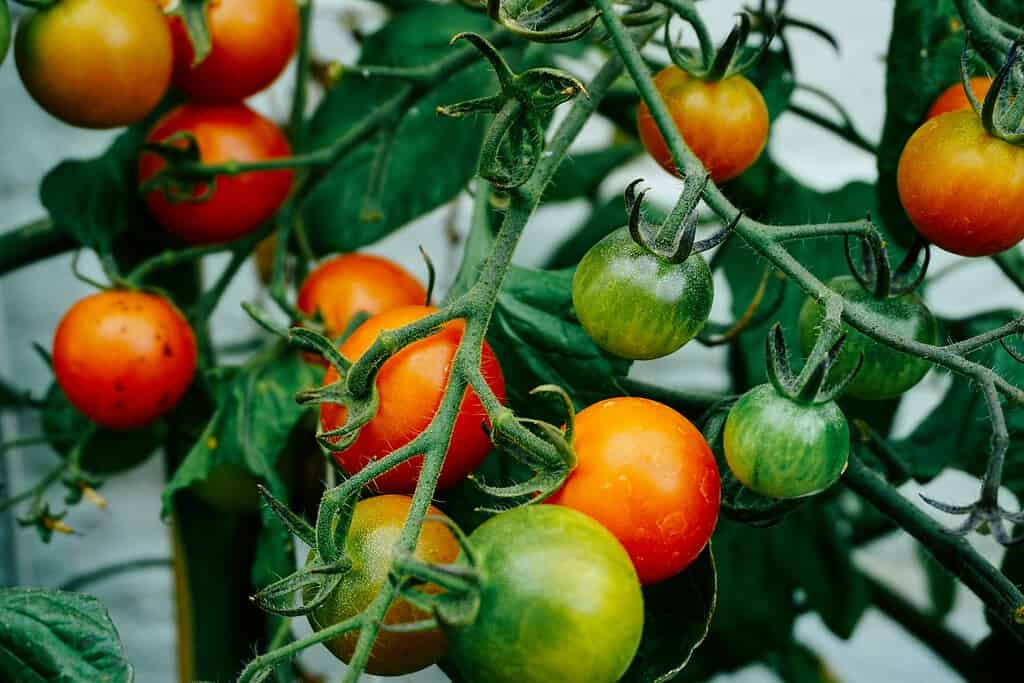
The classic pairing works because both want full sun, warm soil, and steady moisture.
Basil releases volatile organic compounds (VOCs), aromatic oils that mask the scent tomato pests use to find their host, lowering pressure from thrips, whiteflies, aphids, and the moths behind tomato hornworms.
One honest caveat: the popular claim that basil improves tomato flavor is shaky. A multi-year double-blind taste test at West Virginia University found no consistent difference, while a University of Florida lemon-basil trial had tasters preferring the companion-grown fruit.
Treat flavor as a possible bonus, and use just one or two basil plants per tomato.
2. Peppers (Sweet and Hot)
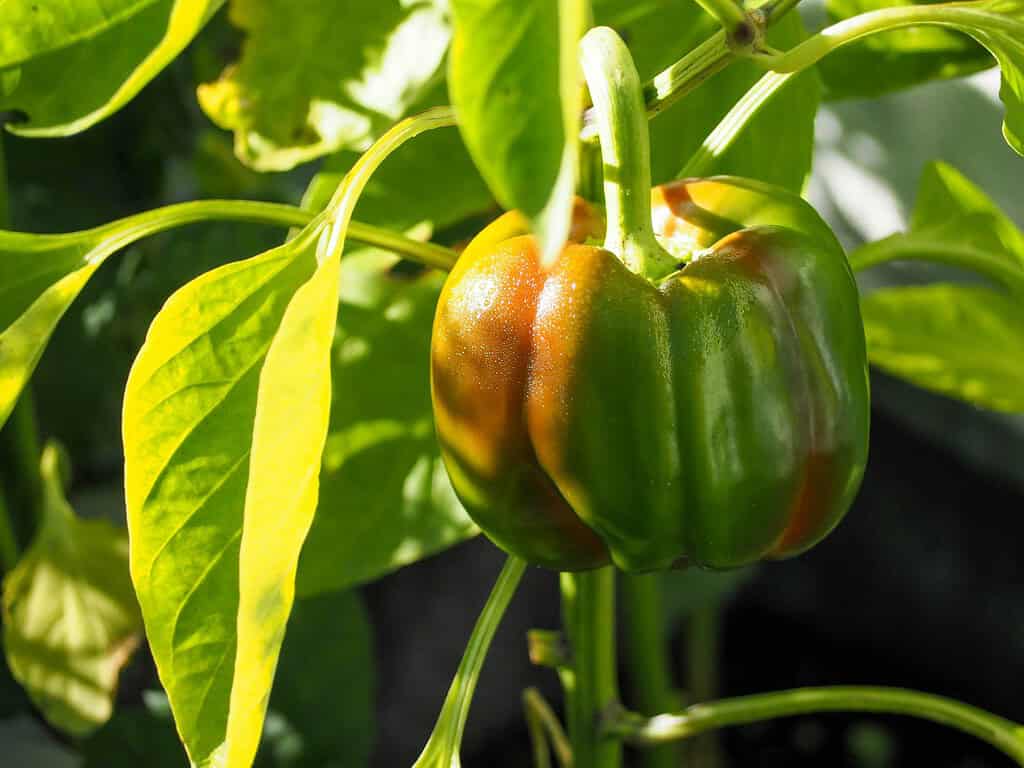
Peppers share basil’s love of heat, sun, and consistent water, making them low-drama neighbors.
The same scent-masking confuses the aphids and spider mites that colonize tender new growth, and basil’s bushy habit shades the soil over shallow pepper roots like a living mulch through midsummer heat. Plant basil along the sunny edge of the bed so it does not choke off airflow between plants.
3. Eggplant

Eggplant is a nightshade like tomatoes and peppers and leans on basil’s pest-masking the same way, especially against the flea beetles and aphids that riddle its leaves.
Because eggplant is a heavy feeder, give both rich soil and keep basil from crowding the base.
The logic that lands basil among the best eggplant companion plants applies here: aromatic cover plus shared growing conditions.
4. Asparagus
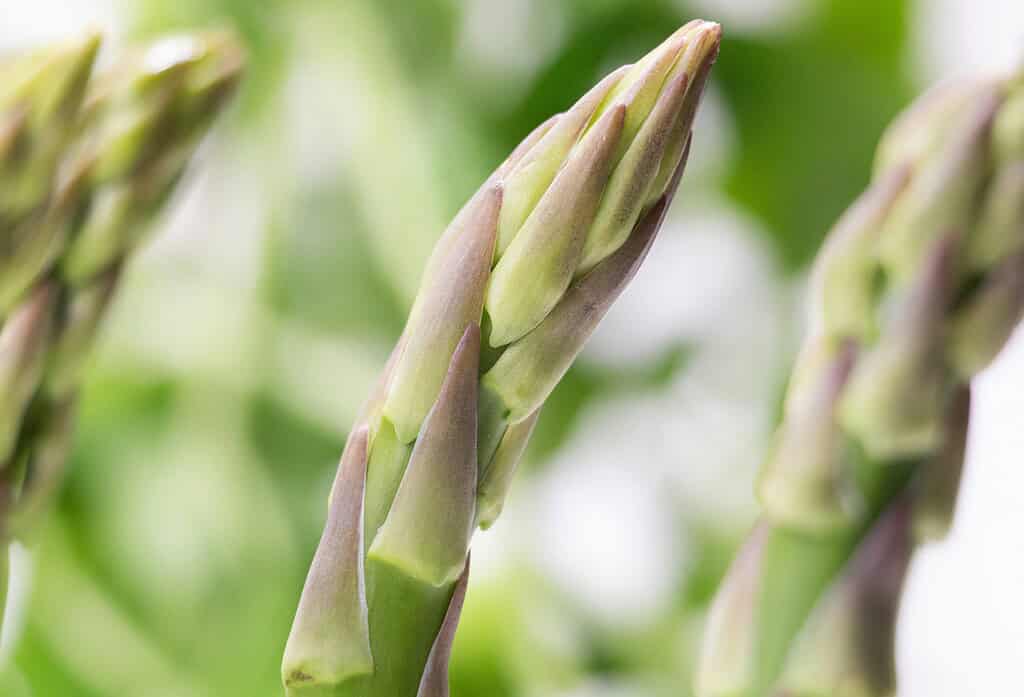
This is the pairing most lists mention but few explain.
Asparagus is a perennial harvested in spring, then left to fern out, leaving bare bed space all summer. Tucking annual basil into that gap puts the space to work.
The combination draws ladybugs that devour aphids, and basil is credited with repelling the asparagus beetle that chews tender spears. Keep basil toward the edge so you are not trampling the crowns.
5. Pole Beans
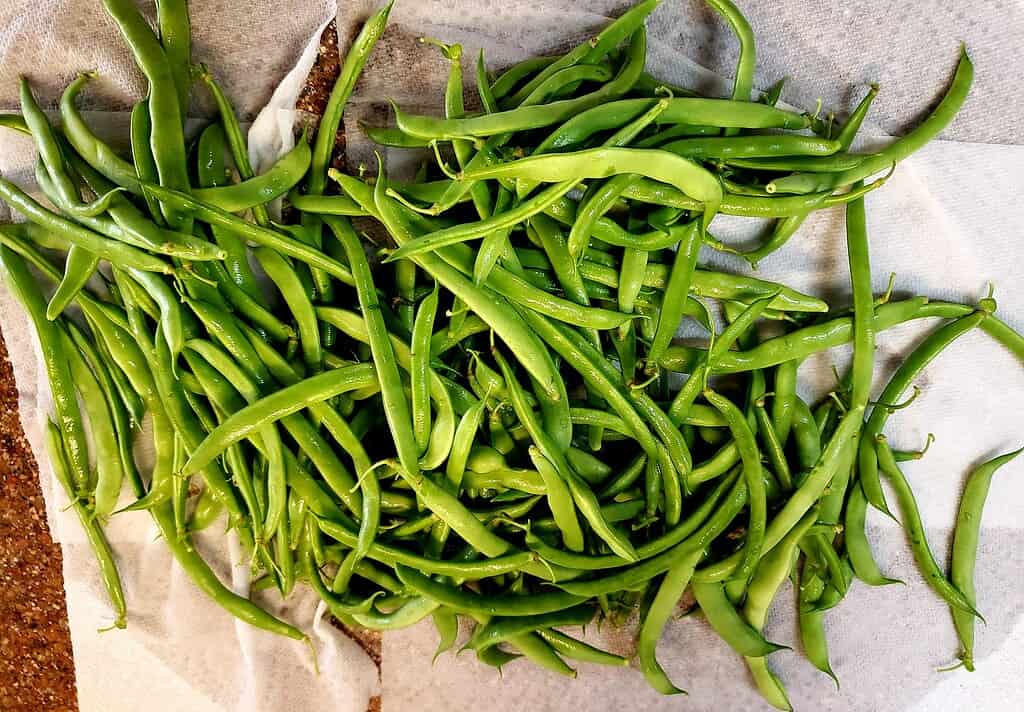
Beans and basil make an efficient team: beans fix nitrogen that feeds basil’s leafy growth, while basil’s oils help shield young bean seedlings from aphids and beetles in their vulnerable first weeks.
A few gardeners report mixed results, so give each plant elbow room. Planning a fuller legume bed? Our roundup of bean companion plants pairs neatly with this approach.
6. Lettuce and Leafy Greens

Here is a microclimate trick worth knowing. As summer heats up, lettuce bolts and turns bitter.
A taller basil plant casts light afternoon shade that keeps the soil cooler and buys extra weeks of tender greens before bolting sets in.
In return, low-growing lettuce works as a living mulch around basil’s base, holding moisture in. Plant lettuce on the shaded side of your basil for the strongest effect.
7. Root Vegetables (Beets, Radishes, and Carrots)
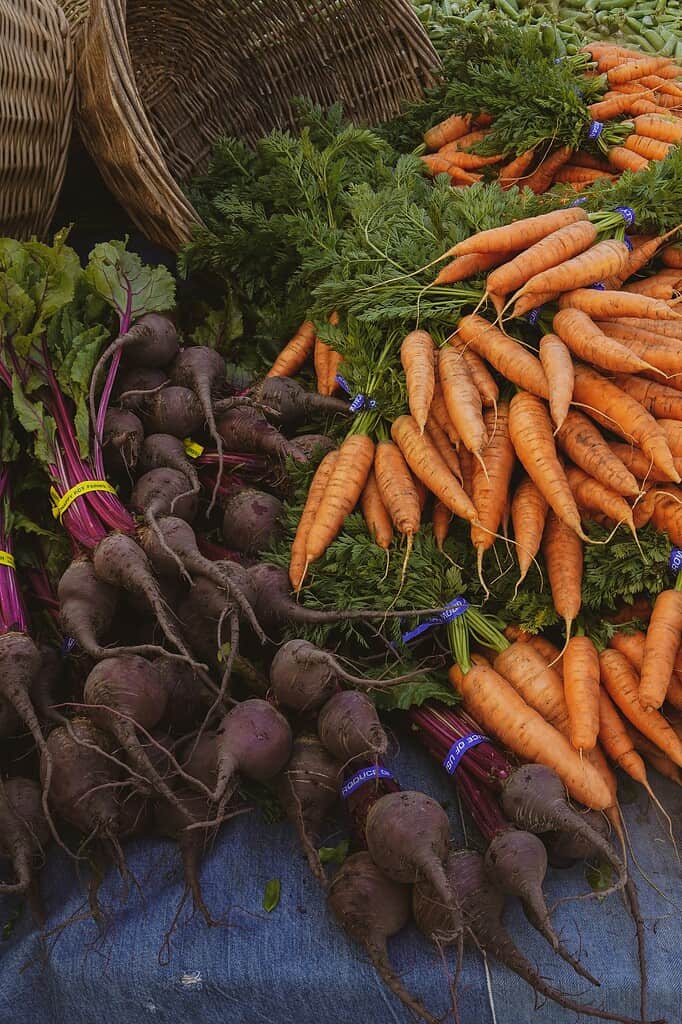
Root crops and basil rarely compete because they occupy different layers of the bed, roots below and basil’s foliage above.
Basil’s scent is also said to confuse the carrot fly, whose larvae tunnel into carrot roots.
Radishes are the secret weapon: they mature in three to four weeks, so you can sow them as quick placeholders between basil transplants and pull them before the basil fills out.
If you like that fill-the-gaps strategy, these other fast-growing vegetables work the same way.
8. Marigolds

Marigolds are the flower most worth your time, but the variety matters more than people think.
French marigolds (Tagetes patula) release a compound that suppresses root-knot nematodes in the soil and helps reduce thrips pressure above ground, a benefit not all marigolds share, so skip the dainty signet types if nematodes are your real problem.
For the strongest soil effect, some growers plant marigolds as a cover crop weeks ahead of the main crop, but simple interplanting still delivers continuous blooms that feed hoverflies and parasitic wasps.
9. Borage
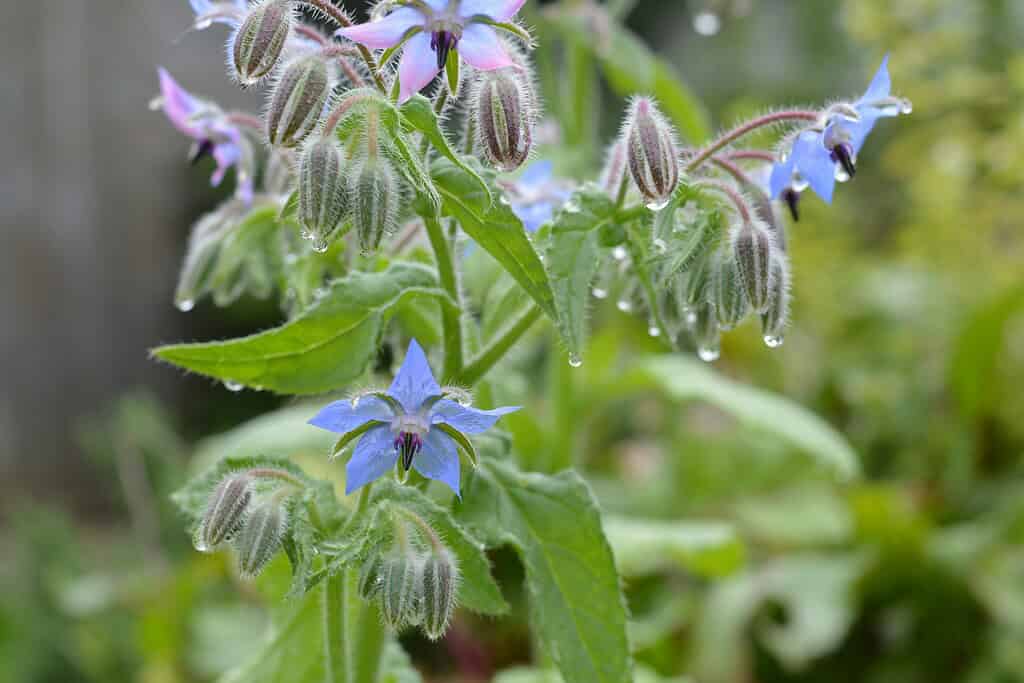
Borage is an underused star. Its deep roots act as a dynamic accumulator, drawing minerals up from the subsoil that become available to neighbors as its leaves break down.
The bright blue, star-shaped flowers are pollinator magnets and are credited with deterring tomato hornworms, handy when basil is guarding your tomatoes too.
As a bonus, the flowers are edible, with a light cucumber flavor that is lovely frozen into ice cubes or scattered over a salad.
10. Chamomile
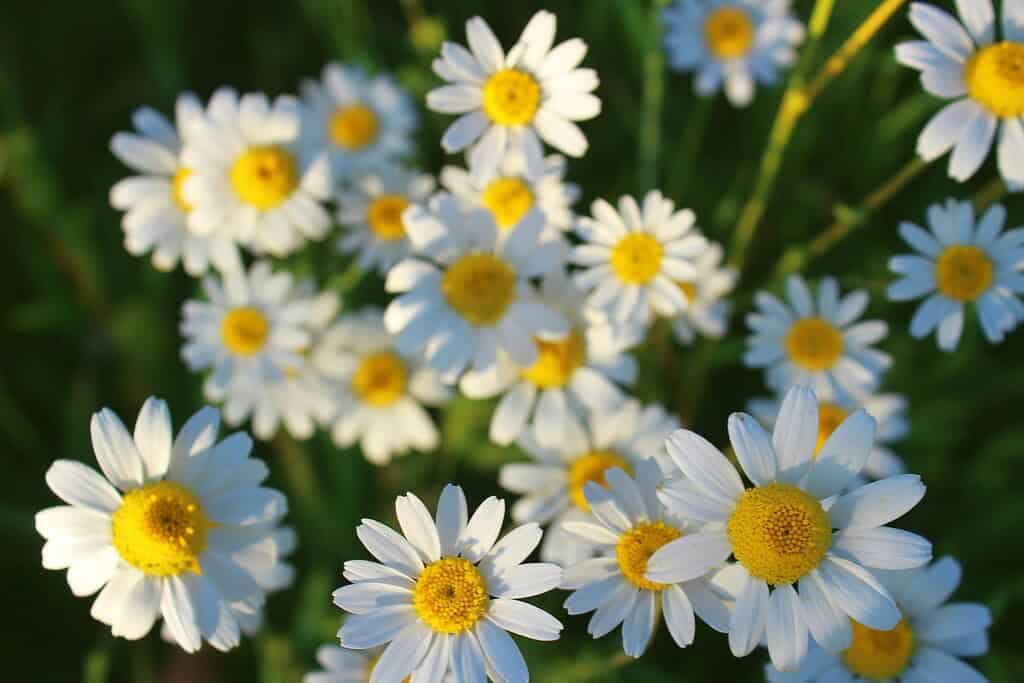
Basil is famously picky about herb neighbors, but chamomile is a genuine friend.
Its small flowers attract hoverflies and tiny parasitic wasps that prey on aphids, and generations of gardeners insist chamomile improves the vigor and aroma of nearby herbs.
It stays low and will not compete for light, which makes it an easy underplanting at the front of a basil patch.
11. Petunias
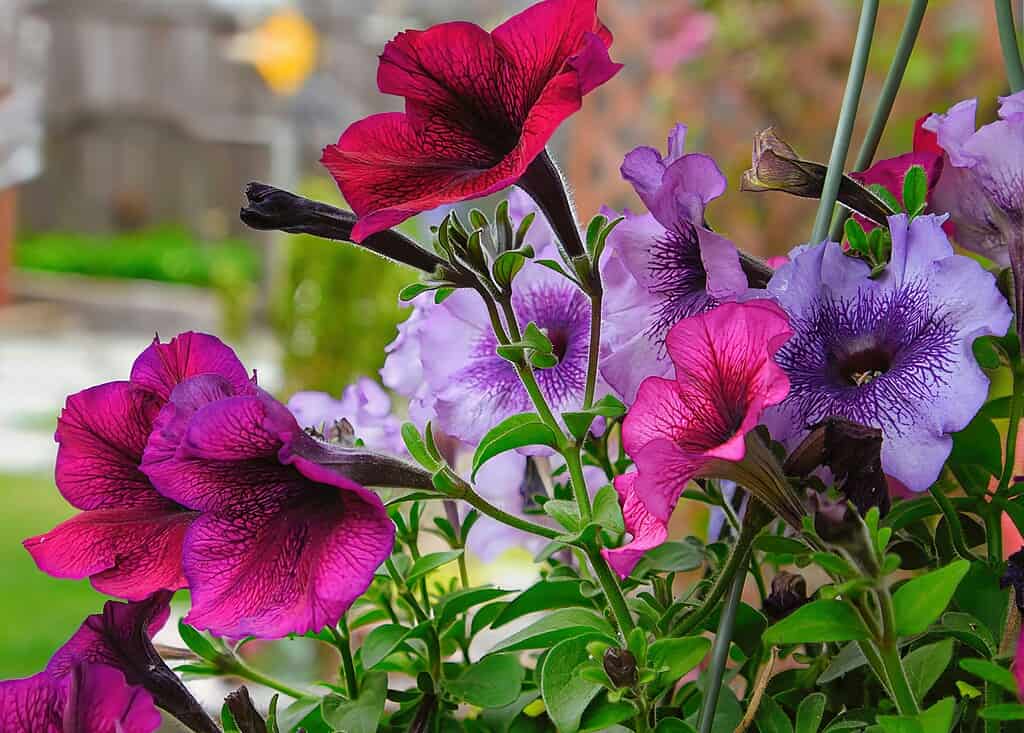
Petunias are the most overlooked entry on this list.
These cheerful annuals act as a natural repellent for several soft-bodied pests, including aphids, leafhoppers, and even asparagus beetles and tomato hornworms, which is exactly why old-timers tucked them throughout the vegetable garden.
They thrive in the same warm, sunny, well-watered conditions as basil and double as some of the most reliable summer flowers for a pollinator-friendly bed.
12. Oregano
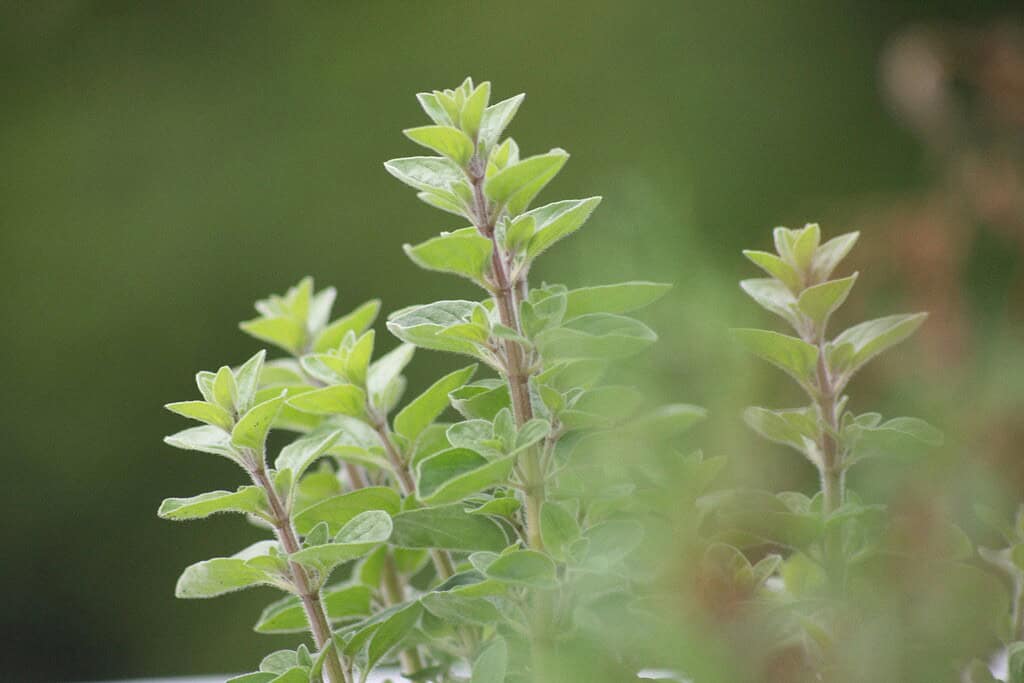
If you want a second herb beside your basil, oregano is one of the few that gets along, provided you give it the same regular water.
Oregano tolerates dry soil but, unlike rosemary or thyme, will not sulk in the moist conditions basil prefers.
Its low, sprawling growth shades the soil like a living mulch, and when allowed to bloom, its flowers pull in pollinators and predatory insects that patrol the whole bed.
Garden Planner
The 22-page planner timed to your county's real frost dates. Planting windows, monthly checklists, and a harvest log you'll fill with pride by August.
Your Free 22-Page Garden Planner
Built for your exact ZIP code — planting dates, harvest log, and a month-by-month plan. 15-second sign-up.
The Hidden Rule Most Companion Charts Skip
Most failed pairings have nothing to do with mysterious plant chemistry. They come down to mismatched needs. Basil wants consistently moist, fertile soil and a lot of sun.
Any plant that wants the same will usually thrive beside it; any plant that wants the opposite will struggle no matter what a chart promises.
That single rule predicts good basil companions better than any piece of folklore, and it is why thirsty, sun-loving crops like tomatoes, peppers, lettuce, and even strawberries all pair beautifully with basil, while drought-loving Mediterranean herbs do not.
The same principle is what makes basil such a strong performer in pots alongside other thirsty, sun-hungry picks like these sun-loving plants for containers.
Before you place anything next to basil, run it through this quick check:
- Sun: Basil needs six or more hours a day, so pair it with other full-sun plants.
- Water: Keep the soil evenly moist and avoid drought-tolerant neighbors that resent it.
- Feeding: Basil is a light-to-moderate feeder, so it will not starve heavy feeders like tomatoes nearby.
- Airflow: Never cram basil against a main stem; crowding traps humidity and invites downy mildew.
Plants You Should Never Grow Next to Basil
A few neighbors actively work against basil. Keep these at the other end of the garden, or in separate pots:
- Rue and sage: Rue releases growth-inhibiting compounds from its roots, and sage wants dry, lean soil, the opposite of what basil needs.
- Fennel: An allelopathic loner that releases chemicals which stunt most of its neighbors. Give it its own corner.
- Rosemary and thyme: Not enemies, just mismatched. These Mediterranean herbs want dry feet, so shared watering drowns one or starves the other. Pot them separately.
- Cucumbers: Cucumbers readily absorb the flavors of aromatic neighbors and compete hard for water; many growers report off-tasting fruit and lower yields when the two share a bed.
- Mint: Not toxic to basil, but aggressively invasive. Its runners will smother basil’s roots, so always keep mint contained in a pot.
Miss it by a week and you lose the crop. The free 22-page planner pins down your exact dates — last frost, first frost, and the weekly steps between — so you plant on the days that actually work for your ZIP.
Pinch or Let It Flower? Time Basil for Pest Control and Pollinators
Here is a strategy almost no companion chart mentions: basil’s pest-fighting oils and its pollinator benefits peak at different times, and you decide which one you get.
- Through peak season, pinch off flower buds as they form. Flowering redirects the plant’s energy and lowers the concentration of aromatic oils in the leaves, the very compounds doing the pest-masking. Pinching keeps both your harvest and your pest protection strong.
- Near the end of the season, let a few plants flower. Basil blooms are a rich nectar source for lacewings, hoverflies, and parasitic wasps, the beneficial predators that hunt aphids and caterpillars across your whole garden.
Placement matters just as much as timing.
Set basil about 10 to 12 inches from the base of your main crop, close enough for the scent to do its work, far enough to preserve airflow and reduce fungal disease.
If rigid rows are not your style, basil slots naturally into a looser, mixed planting like the chaos gardening method, where aromatic herbs are scattered among the vegetables on purpose.
Start Pairing Your Basil This Week
You do not need to redesign your garden to see the benefit. Pick one or two pairings from this list, basil with your tomatoes, a ring of petunias, a clump of borage, and tuck a few plants in this week.
Pinch the flowers through summer, let a couple bloom in fall, and keep your thirsty neighbors grouped together. Small, deliberate placements like these compound into a healthier, more productive bed by the end of the season.
Which basil pairing are you trying first, or do you have a combination that has worked wonders in your own garden? Drop it in the comments below; your tip might be exactly what another reader needs.
Best gardening planner I've used in 10 years — and I keep coming back to it every season.
How Hard Is It to Garden in Your County?
Every county has a unique Gardening Difficulty Score based on frost risk, soil quality, drought, altitude, and climate trends. Find yours — plus personalized frost dates, planting calendars, and soil data.
Check Your County's Score →Plan Your Garden With Confidence!

Ever start planting… and then realize halfway through that things feel a little scattered?
A simple plan changes everything.
When you sketch your layout first, you can see what fits, what flows, and what actually makes sense for your space. It saves time, money, and a whole lot of second-guessing later.
Our free Garden Planner helps you map out beds, organize plant spacing, rotate crops, and keep track of seasonal tasks – all in a clean, printable format you can actually use.
Whether you’re designing a low maintenance front yard or planning your full homestead garden, this gives you a clear starting point.
Less chaos. More clarity. A garden that works.
Frequently Asked Questions
Does the type of basil matter for companion planting?
Yes, more than most people realize. Any aromatic basil provides scent-masking, but the strongest-smelling varieties, Genovese, Thai, and especially holy basil (tulsi), give off more of the volatile oils that deter pests. Lemon and lime basil are milder but bring citrus notes that pollinators love. For pest protection, lean toward the boldest-smelling type you will actually use in the kitchen.
Can I plant basil and its companions in the same container?
Absolutely, as long as the pot is big enough and the companions share basil’s needs. A large container with a tomato or pepper in the center ringed by basil works well, since all of them want the same sun and water. Avoid mixing basil with drought-tolerant herbs in one pot, because someone always loses. Make sure the container drains freely so the steady moisture basil likes does not turn into root rot.
How close does basil need to be to actually protect a crop?
Scent-masking is a local effect, so proximity matters. Basil planted within roughly a foot or two of your main crop offers the most benefit; a single pot across the yard does little for your tomatoes. For a bed of several plants, interplant basil throughout rather than lining it up in one distant row, so the aromatic cover lands where pests are actually hunting.
Should I plant basil at the same time as my tomatoes and peppers?
Planting them together is ideal, since all three are warm-season crops that resent cold soil. Wait until nights stay reliably above 50°F (10°C). If your main crops are already established, you can still slip basil in later; it grows fast and catches up quickly. Just avoid transplanting tender basil into cold spring ground, where it will stall, yellow, and sulk for weeks.
Can basil companion planting replace insecticides?
No, and it helps to be realistic. Basil reduces pest pressure and supports beneficial insects, but it will not stop a serious infestation on its own. Think of it as one layer in a larger strategy that includes healthy soil, crop rotation, hand-picking big pests like hornworms, and regular monitoring. Used that way, companion planting can meaningfully cut how often you ever need to reach for a spray.
Level Up Your Garden
Our most popular gardening guides