Beans are workhorses in the homestead garden — they fix nitrogen in the soil, produce abundantly, and taste incredible fresh from the vine. But even the hardiest bean plant can use a little help.
That’s where companion planting comes in. The right plants growing nearby can deter pests, attract pollinators, suppress weeds, and even improve flavor — all without a drop of synthetic pesticide.
Homesteaders have been pairing beans with other plants for centuries, and for good reason — it works. Whether you’re growing bush beans in raised beds, pole beans on a trellis, or runner beans along a fence, there’s a companion plant on this list that will make your harvest better.
And if you’ve already discovered how well this strategy works for other crops, it’s equally powerful here — just like it does for improving eggplant harvests with the right plant neighbors.
15 Bean Companion Plants Homesteaders Swear By
1. Marigolds
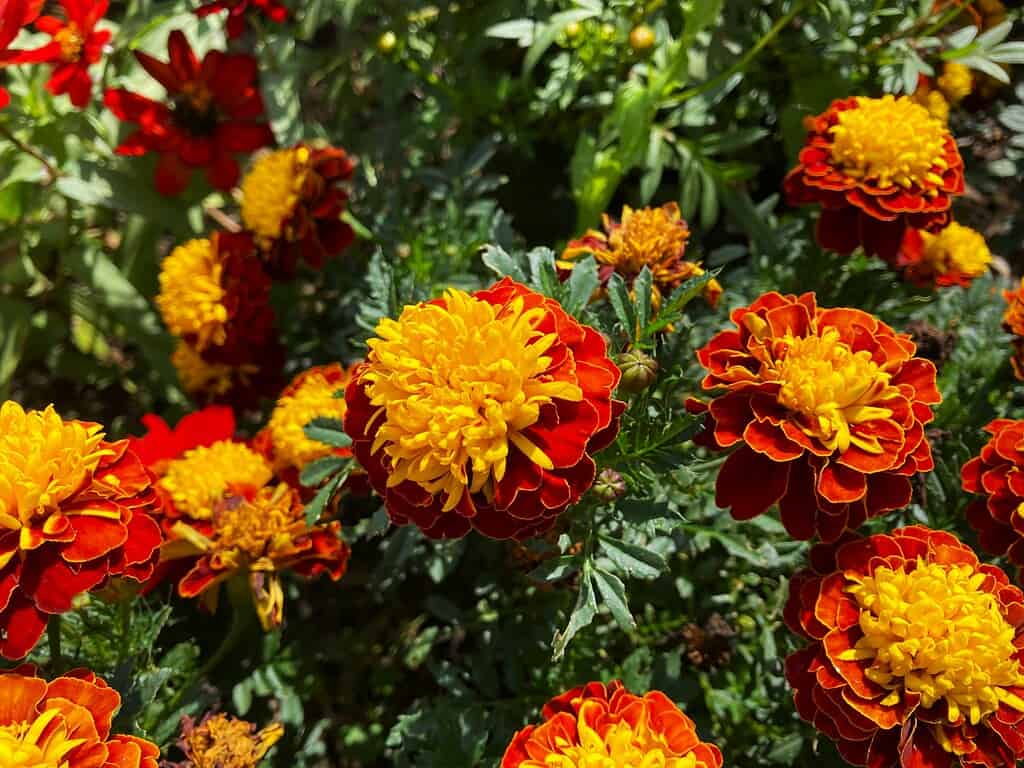
Marigolds are one of the most popular companion plants in any vegetable garden — and beans are no exception. Their strong scent confuses and deters aphids, whiteflies, Mexican bean beetles, and even soil nematodes.
French marigolds (Tagetes patula) are especially effective when planted along the border or interplanted directly within bean rows.
They also draw in ladybugs and parasitic wasps that prey on common bean pests. If you want to get the most out of this pairing, read our complete guide to growing and caring for marigolds for variety recommendations and seasonal tips.
2. Nasturtiums
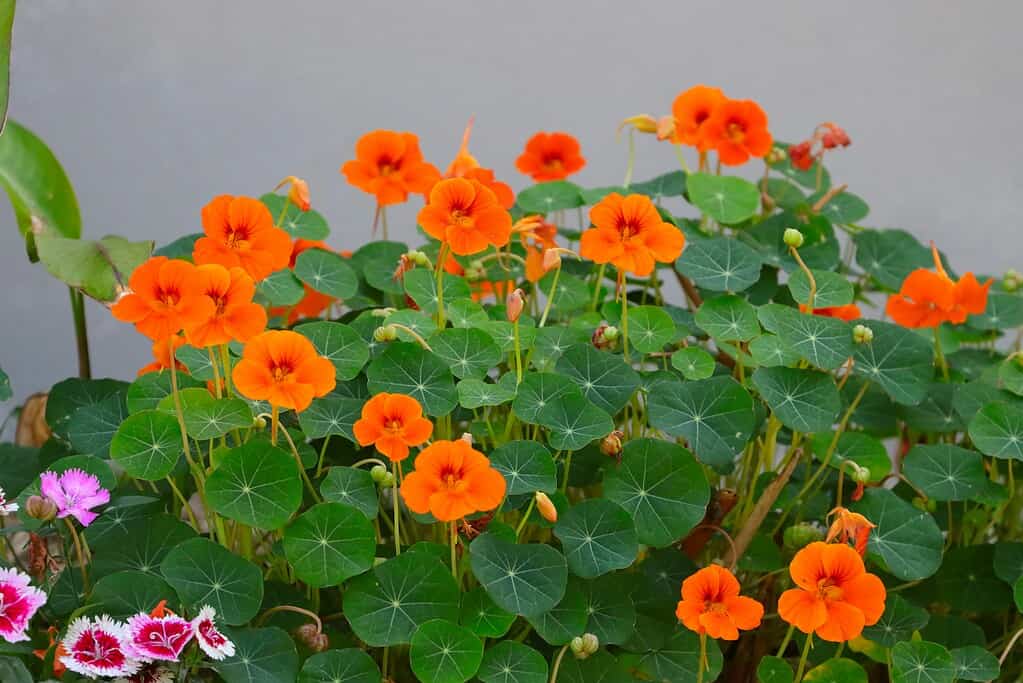
Nasturtiums are the ultimate trap crop. Aphids love them so much that they’ll abandon your beans entirely and flock to the nasturtiums instead. They’re easy to start from seed, bloom all season long, and the flowers are fully edible — a homesteader win on every front.
Plant them around the perimeter of your bean patch or tucked between rows. Their bright blooms also attract pollinators that improve pod set and overall yield.
3. Summer Savory
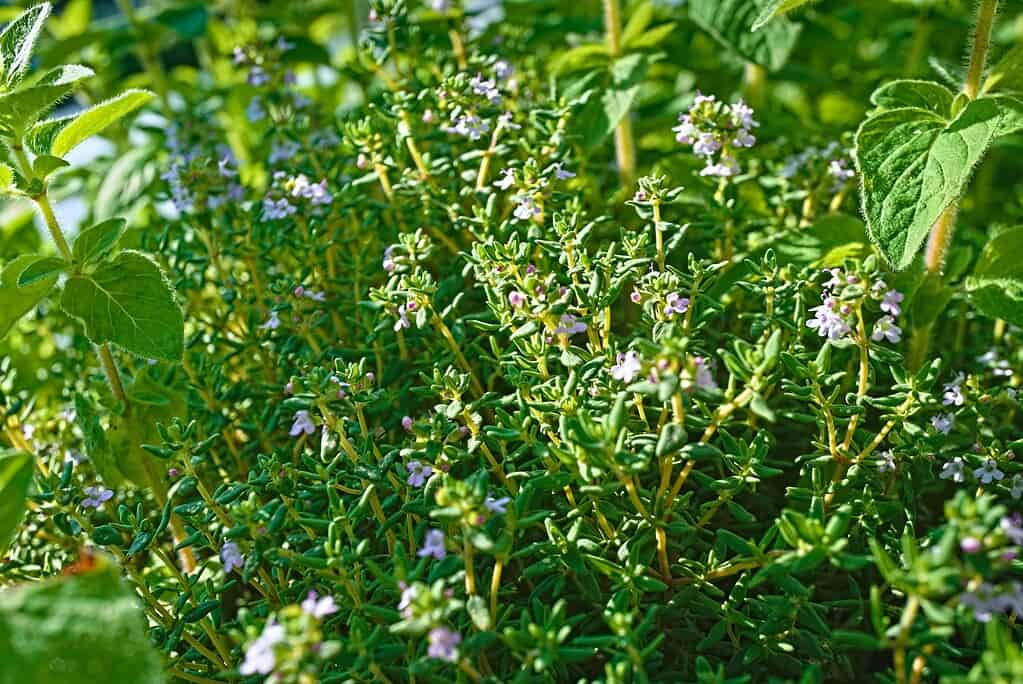
Summer savory has been called “the bean herb” for good reason.
It’s one of the oldest known bean companions, long credited with improving bean flavor and discouraging Mexican bean beetles from taking hold. Some homesteaders insist beans simply taste better when savory grows nearby.
It’s also a useful culinary herb on its own — you’ll be harvesting beans and savory at the same time, making this one of the most practical double-duty pairings on the list.
4. Carrots

Beans and carrots are a natural fit for interplanting. Carrots loosen the soil as they grow, improving drainage and aeration for bean roots.
In return, the nitrogen that beans fix into the soil feeds carrot growth. Since carrots develop underground and beans grow upward, they barely compete for space at all.
This pairing is especially smart for raised bed growers who want to squeeze maximum productivity out of every square foot.
5. Radishes
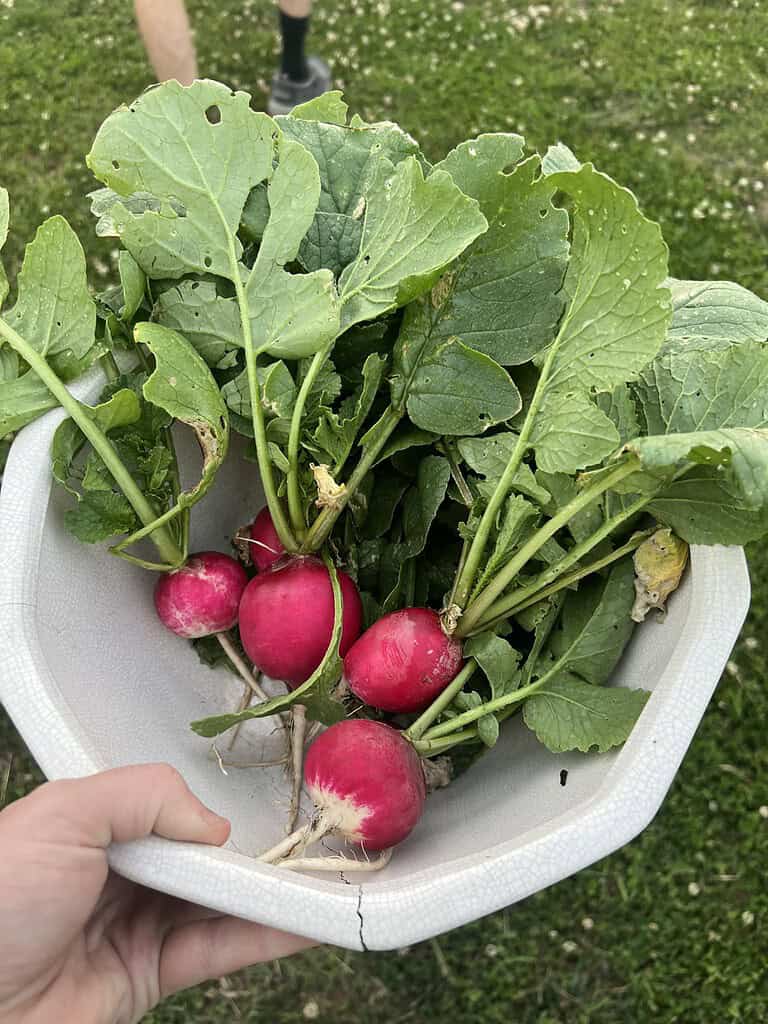
Radishes mature so quickly — usually in 25 to 30 days — that you can harvest them entirely before your beans hit their stride. While they’re in the ground, they help break up compacted soil, attract beneficial insects, and deter some common pests.
Leave a few radishes to bolt and flower, and you’ll bring in pollinators right when your beans need them most. It’s a fast, low-effort companion strategy that pays off twice.
6. Squash
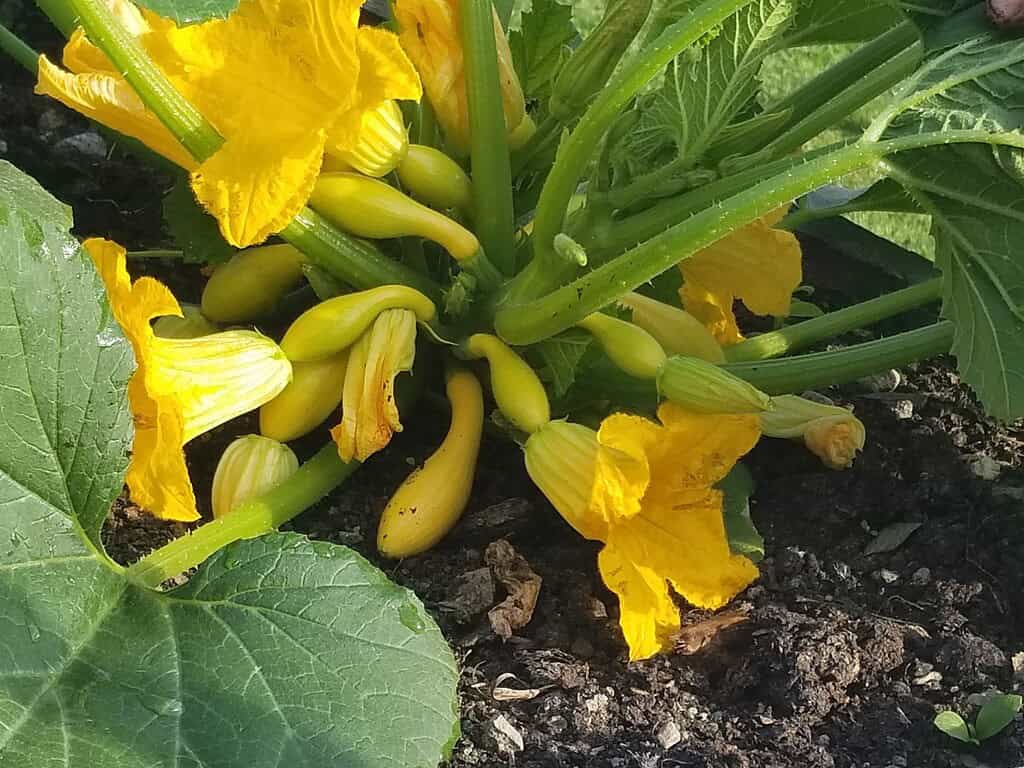
Squash is one-third of the legendary Three Sisters combination — corn, beans, and squash — developed by Indigenous farmers across North America.
Squash plays a critical ground-level role: its large, prickly leaves shade the soil, suppress weeds, and hold in moisture for its companions growing nearby.
Growing the Three Sisters is also a great way to build a more self-sufficient space, especially useful if you’re working on building a productive mini farm in a smaller footprint.
7. Corn
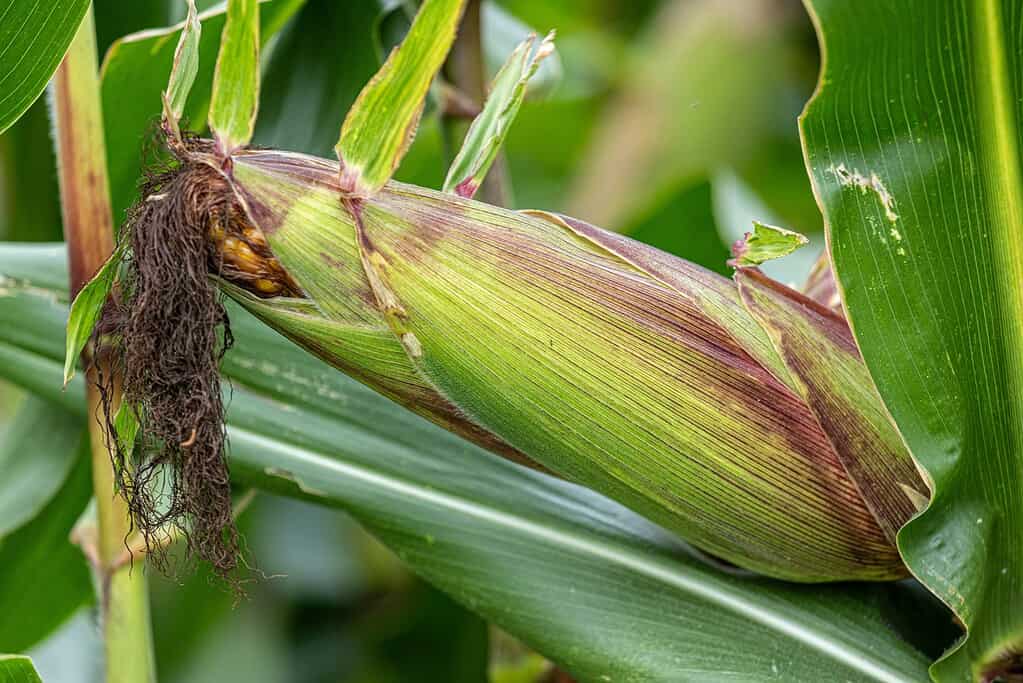
In the Three Sisters system, corn is the anchor. Its tall stalks give pole beans a natural structure to climb, which eliminates the need to build separate trellising.
Beans, in return, fix nitrogen that feeds the heavy-feeding corn. It’s a mutually beneficial arrangement that has worked for thousands of years.
If you’re growing pole beans and want to simplify your setup, planting them alongside corn is one of the most elegant solutions in the garden.
8. Basil
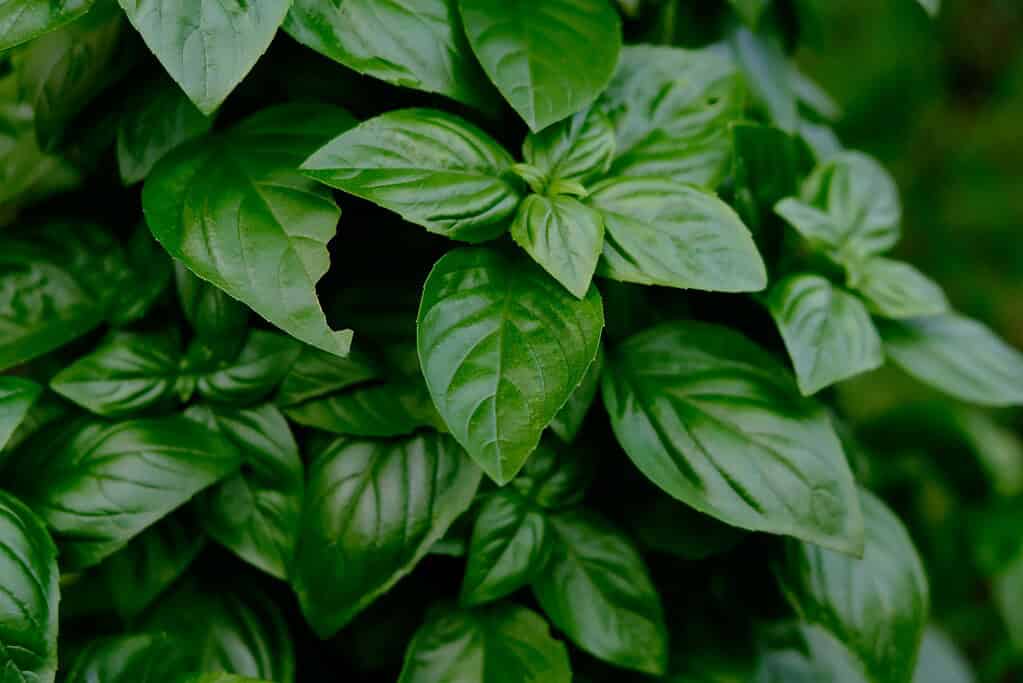
Basil is said to improve the flavor of nearby vegetables through its aromatic volatile oils — and it actively repels thrips, aphids, and whiteflies at the same time.
Planted close to beans, it may also deter mosquitoes and other flies that linger in the garden.
Harvest basil regularly to prevent bolting and make the most of every cutting.
If you end up with more than you can use fresh, here’s how to dry and preserve your herb harvest at home so nothing goes to waste.
9. Dill
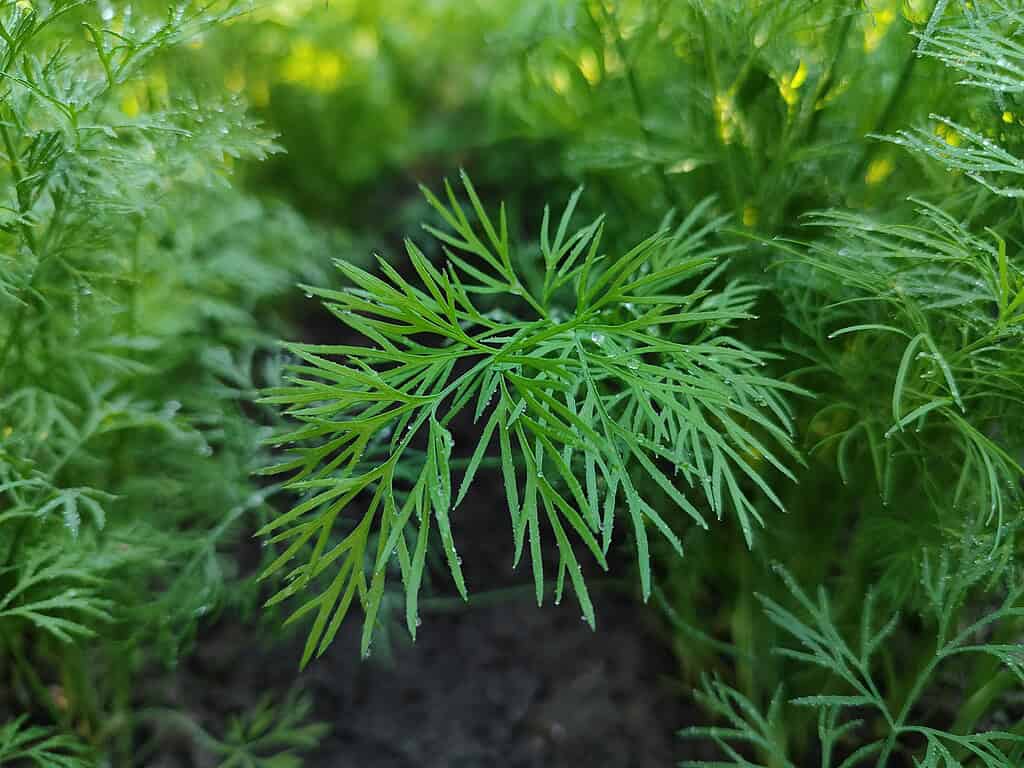
Young dill is one of the best insectary plants you can grow alongside beans. It draws parasitic wasps, hoverflies, and lacewings — all of which feed on the aphids, mites, and whiteflies that plague bean plants.
The key word is young, though. Mature dill that has gone to seed can inhibit bean germination and growth.
Harvest dill frequently throughout the season to keep it in its productive young stage, and use the trimmings fresh or dried throughout the year.
10. Rosemary
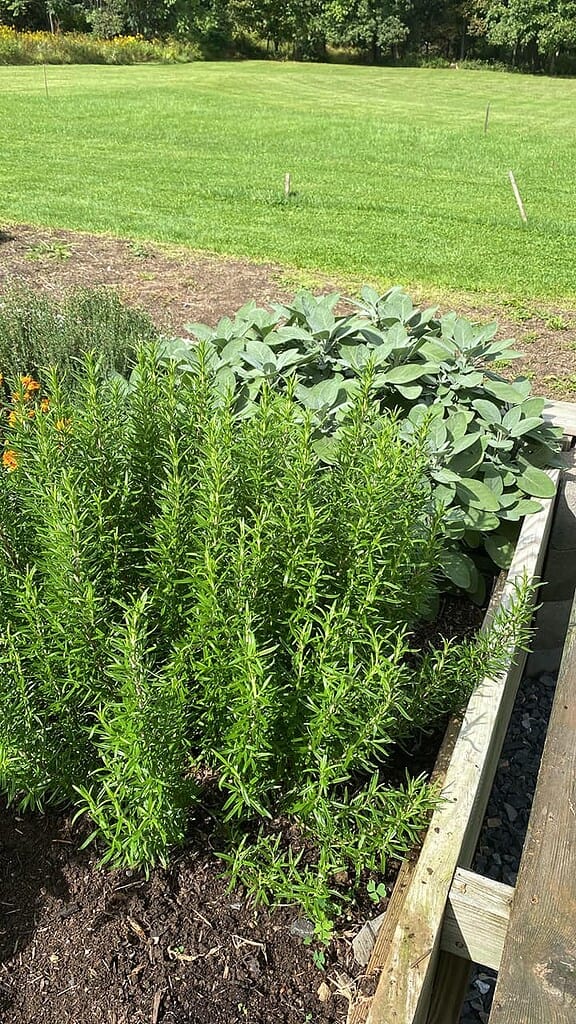
Rosemary’s intense woody fragrance acts as a natural pest disorienter. It confuses and repels bean beetles, cabbage moths, and carrot flies that might otherwise move through your garden.
As a perennial shrub, rosemary becomes a permanent fixture you can plan your bean rows around each season.
When it flowers in late spring and early summer, rosemary also becomes a magnet for bees and other pollinators — a bonus that benefits every plant in the vicinity.
11. Lavender
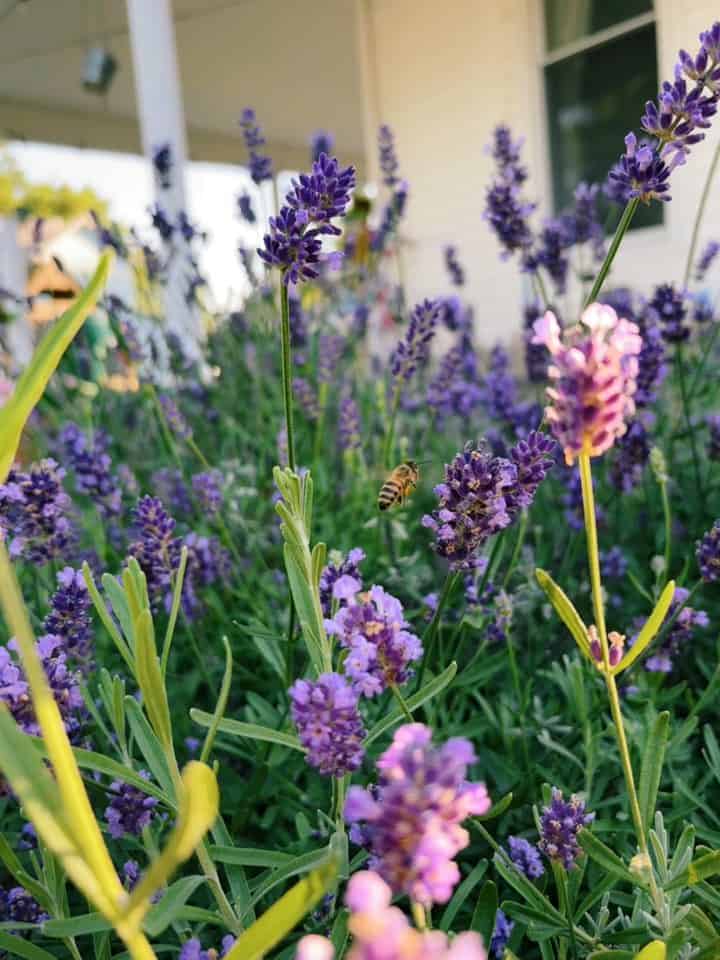
Lavender is a multi-tasker that both deters pests and attracts pollinators at the same time. Its scent repels many common bean insects while bees and butterflies flock to its flowers.
It’s also one of the most drought-tolerant companions on this list, meaning it won’t compete with beans for water during dry spells.
Plant lavender on the sunny perimeter of your bean patch where it gets full sun and excellent drainage — and enjoy the added benefit of having it close by for harvesting.
12. Chamomile
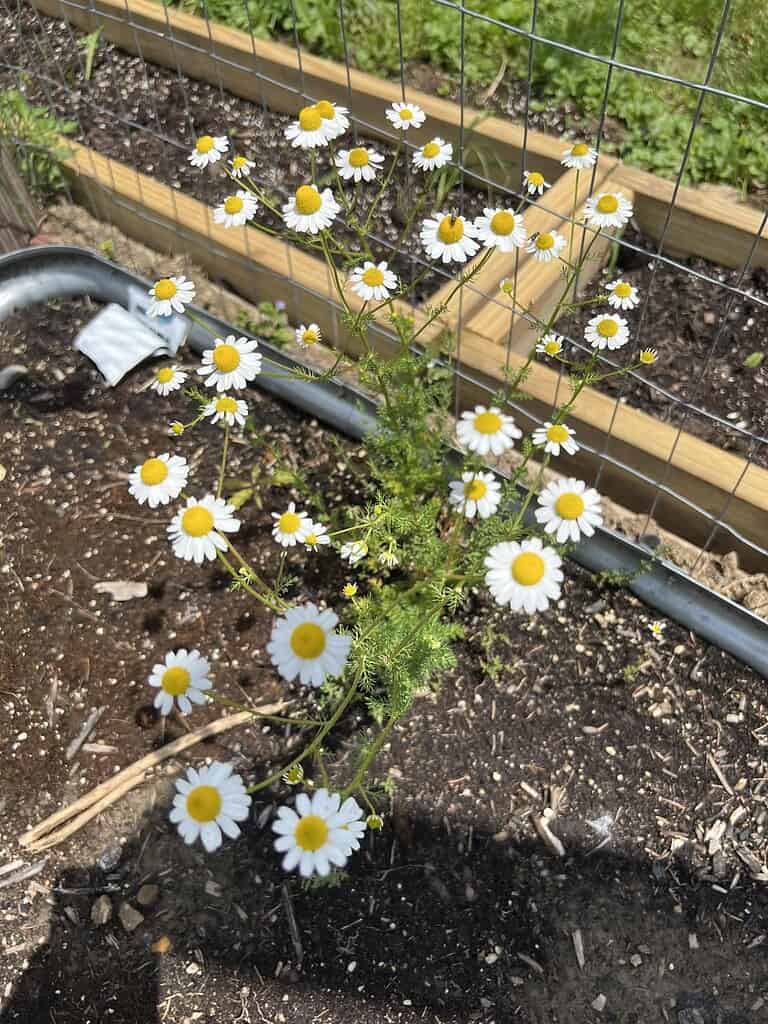
Chamomile is a gentle powerhouse of a companion plant. It accumulates calcium and potassium in its leaves and releases those nutrients back into the soil as it decomposes.
Its small, daisy-like flowers attract predatory wasps, hoverflies, and other beneficial insects that keep pest populations in check.
Plant a few chamomile plants at the edges of your bean rows. It establishes quickly, and you can harvest the flowers regularly for herbal tea — yet another homestead bonus.
13. Borage
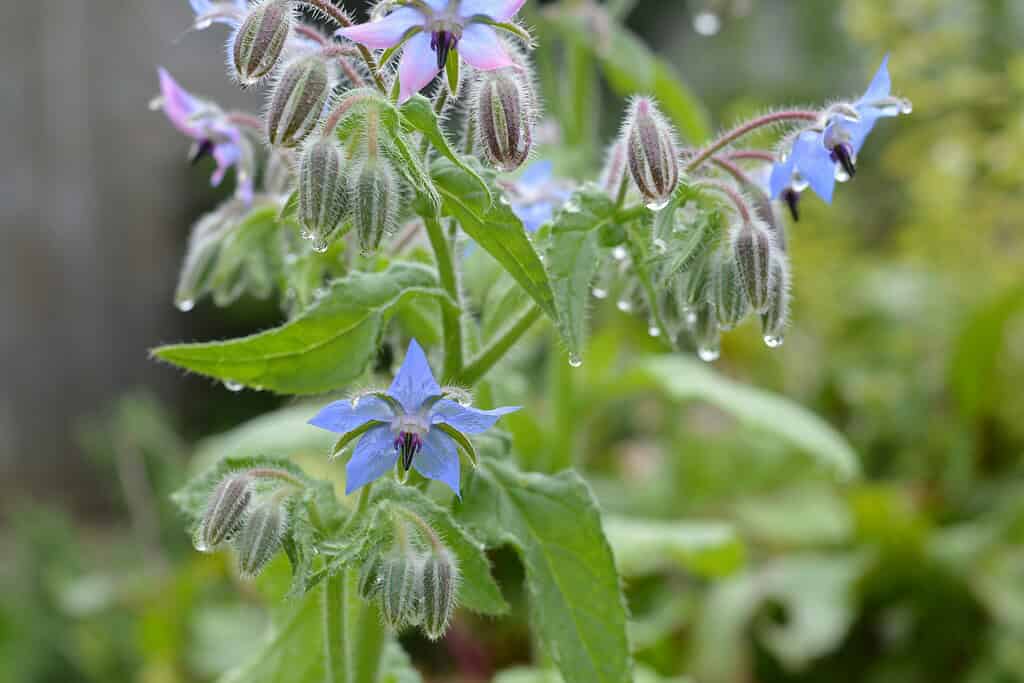
Borage is one of the most underrated companion plants in the homestead garden. It repels tomato hornworms and cabbage worms, attracts bees in large numbers, and is widely believed to improve the flavor of nearby vegetables.
The star-shaped blue flowers are also fully edible, making this as beautiful as it is functional.
Borage self-seeds readily, so once you plant it, it tends to return year after year. Just keep an eye on where it spreads to make sure it doesn’t crowd out neighboring plants.
14. Beets
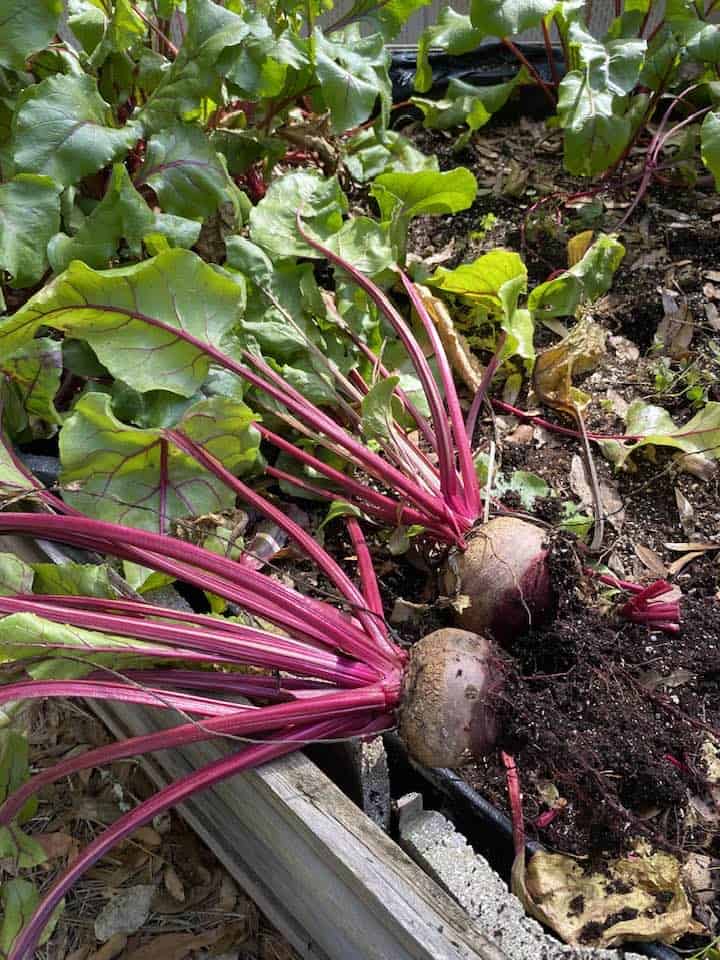
Beets and beans share garden space efficiently. Beets grow underground while beans reach upward, so there’s minimal competition for light or root space.
The light shade beans provide during the hottest part of the growing season actually benefits beets, helping to keep the soil cooler and reducing bolting.
One note: pair beets with bush beans rather than pole beans when possible, and keep garlic and other alliums out of the same bed to avoid nutrient conflicts.
15. Sunflowers
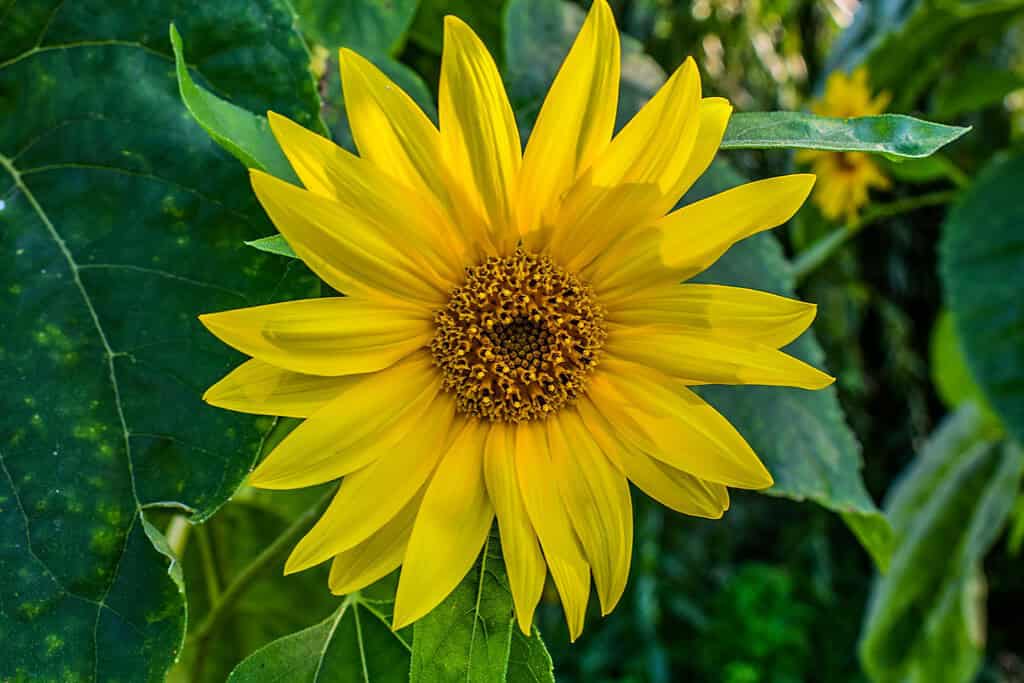
Sunflowers are bold, practical, and surprisingly effective companions for beans. Like corn, they can serve as a natural climbing structure for pole beans.
They also act as a sacrifice crop for aphids, drawing pests away from your bean plants. Their deep taproots break up compacted soil and pull nutrients closer to the surface for surrounding plants.
Plant sunflowers on the north side of your bean patch so they don’t block sunlight as they grow tall. As a bonus, you’ll have seeds to harvest and the birds will be very grateful come fall.
Garden Planner
The 22-page planner timed to your county's real frost dates. Planting windows, monthly checklists, and a harvest log you'll fill with pride by August.
Your Free 22-Page Garden Planner
Built for your exact ZIP code — planting dates, harvest log, and a month-by-month plan. 15-second sign-up.
Why Companion Planting Makes Your Bean Harvest Stronger
Beans are natural nitrogen-fixers, meaning they already bring something valuable to the soil.
But they’re also vulnerable to a long list of pests — bean beetles, aphids, spider mites, and whiteflies can all do serious damage if left unchecked.
Companion planting works with the garden ecosystem rather than against it, creating natural layers of protection and support that chemical inputs simply can’t replicate.
Here’s what the right companions actually do for your bean patch:
- Pest deterrence — Aromatic herbs and flowers confuse or repel insects that target bean plants by masking their scent or releasing compounds that insects find unpleasant.
- Beneficial insect attraction — Flowers like marigolds, chamomile, and borage draw in ladybugs, parasitic wasps, and hoverflies that feed on common bean pests.
- Pollinator support — More bees and butterflies visiting your garden means better pod set and heavier, more consistent yields.
- Soil enrichment — Companions like chamomile and borage accumulate minerals and release them as they decompose, slowly building soil fertility.
- Weed suppression — Dense, ground-level growers like squash and nasturtiums shade out weeds that would otherwise compete with your beans for water and nutrients.
This is one of the most effective low-effort strategies to grow more food in less space from your backyard vegetable garden — without adding chemicals, expensive inputs, or complicated systems.
What NOT to Plant Near Your Beans
Companion planting isn’t only about finding good pairings — it’s equally about knowing which combinations actively work against each other.
Beans are particularly sensitive to a few specific neighbors, and getting this wrong means poor germination, stunted plants, and more pest pressure, not less.
Keep these plants well away from your bean beds:
- Onions, garlic, leeks, and chives — Alliums are the number one enemy of beans. They inhibit bean growth and interfere with nitrogen fixation. Keep them on opposite ends of the garden.
- Fennel — Fennel is allelopathic, releasing compounds into the soil that suppress the growth of most vegetables, including beans.
- Peppers — Peppers and beans compete heavily for the same nutrients and tend to inhibit each other’s development when planted in close proximity.
- Mature dill — Young dill is a wonderful companion; mature dill that has bolted and gone to seed can suppress bean germination and slow growth.
- Kohlrabi — Like peppers, kohlrabi and beans are nutrient competitors that tend to stunt each other when planted too close together.
Even if you prefer a more relaxed, go-with-the-flow approach to planning your garden beds, it’s worth keeping these combinations in mind — the incompatible ones will undermine your entire patch without you realizing why.
Miss it by a week and you lose the crop. The free 22-page planner pins down your exact dates — last frost, first frost, and the weekly steps between — so you plant on the days that actually work for your ZIP.
Free Planting Guides for This Article
Get exact planting dates, frost schedules, and growing tips for your zone:
How to Lay Out Your Bean Companion Planting Bed
Knowing which plants pair well with beans is only half the battle — how you arrange them matters just as much.
A well-designed companion planting bed accounts for light direction, root depth, plant height, and growth timing to give every plant the conditions it needs to thrive.
A few layout principles that work well in practice:
- Border planting — Surround your bean rows with marigolds, nasturtiums, or lavender to create a pest-deterring outer ring that protects the whole patch.
- Interplanting — Tuck carrots, radishes, or beets between bean plants to use both vertical and below-ground space at the same time.
- Height layering — For pole beans, pair shorter companions like basil and chamomile at the base and taller companions like sunflowers or corn at the back (north side).
- Timing stagger — Plant fast-maturing companions like radishes at the same time as beans, and start slower companions like basil and dill indoors a few weeks earlier so they’re ready to transplant when beans go in.
For pole beans especially, have a solid trellis or support structure in place before your beans start climbing — this makes arranging companion plants at ground level much easier and avoids disrupting roots later in the season.
Try One New Companion This Season — Your Bean Harvest Will Thank You
You don’t need to overhaul your entire garden to start seeing results. Even adding a row of marigolds along one side of your beans or tucking a few nasturtiums near the border can make a real difference in pest pressure and overall yield.
Start small, observe what changes, and build your companion planting strategy from there.
The homesteaders who swear by these pairings didn’t get there overnight — they paid attention, experimented, and kept what worked. If you’re still mapping out what to direct sow this growing season, now is the perfect time to pencil in your companion plant combinations alongside your main crops.
Which companion plant are you most excited to try with your beans this year? Drop a comment below — we’d love to hear what’s working in your garden!
Best gardening planner I've used in 10 years — and I keep coming back to it every season.
How Hard Is It to Garden in Your County?
Every county has a unique Gardening Difficulty Score based on frost risk, soil quality, drought, altitude, and climate trends. Find yours — plus personalized frost dates, planting calendars, and soil data.
Check Your County's Score →Ready to Design Your Dream Garden Bed?
Feeling inspired to build something beautiful?
If you’re ready to go beyond just one garden bed and truly design a space that feels intentional, productive, and charming, I put together something special for you.
Inside 101 Garden Bed Ideas, you’ll find creative layouts, raised bed designs, space-saving solutions, and inspiring setups you can actually recreate in your own yard – whether you’re working with a tiny backyard or a full homestead.
Start planning your dream garden today.

Frequently Asked Questions
Do companion plants work the same way for bush beans and pole beans?
Most companion plants work for both bush and pole beans, but the layout differs. With pole beans, height layering matters more — you’ll want taller companions like corn or sunflowers for structural support and shorter companions like basil or chamomile at the base.
Bush beans are lower-growing and benefit more from perimeter planting and interplanting with shallow-rooted companions like radishes and carrots. Pest-repelling companions like marigolds and nasturtiums are equally effective for both.
Can I companion plant beans in containers or raised beds?
Yes — companion planting works well in both containers and raised beds, sometimes even better than in-ground planting because you have more control over soil quality and spacing.
In a raised bed, try tucking marigolds along the edges, interplanting carrots or radishes between bean plants, or setting a pot of basil nearby if space is limited. In very small containers, stick to shallow-rooted companions like herbs and edible flowers to avoid root competition.
How close do companion plants need to be to actually deter pests?
For aromatic companions to be effective at confusing or deterring pests, they generally need to be within 1 to 2 feet of your bean plants. Trap crops like nasturtiums can work from slightly farther out — 2 to 3 feet at the perimeter is usually enough.
Soil-level companions like carrots and radishes can be planted directly between bean rows at normal spacing. The key is leaving enough airspace between plants to prevent fungal disease while keeping companions close enough to do their job.
Should companion plants go in before, after, or at the same time as beans?
It depends on the companion. Fast-growers like radishes can be direct sown at the same time as or slightly before your beans. Herbs like basil and dill benefit from being started indoors 4 to 6 weeks before your last frost date so they’re ready to transplant when beans go in the ground.
Perennial companions like lavender and rosemary should already be established in the garden — they’re more of a permanent feature that you plan your annual bean rows around each season.
Do companion plants help specifically with Mexican bean beetle infestations?
Yes, and several companions on this list target them specifically. Summer savory is the most historically recognized deterrent for bean beetles, backed by centuries of homesteading tradition. Marigolds, nasturtiums, and rosemary also deter beetles through their aromatic oils, which disrupt the pest’s ability to locate its host plant.
The most important thing to know: companion plants work best as a preventative measure. Plant them at the start of the season before beetles appear for the best protection — they’re not a reliable cure once an infestation has already taken hold.
Level Up Your Garden
Our most popular gardening guides