If you have a sunny patio, porch, or balcony and want beautiful, no-fuss color all season long, you’re in the right place.
Container gardening in full sun has a reputation for being demanding, but the secret is simply choosing the right plants from the start. The right sun-lovers practically take care of themselves once they’re settled in.
Whether you’re brand new to container gardening or just tired of babysitting finicky plants, this list is your shortcut to a thriving, low-maintenance setup.
These 12 plants are tough, drought-tolerant once established, and stunning from late spring through fall. If you’re looking for more ways to liven up your outdoor space, check out these backyard garden ideas for even more seasonal inspiration.
12 Low-Maintenance Sun-Loving Plants for Containers
These plants share a few key traits: they love full sun (6+ hours daily), tolerate heat, don’t demand constant watering, and bounce back even when life gets busy.
Most also double as gorgeous summer flowers that keep blooming week after week without much intervention.
1. Marigolds (Tagetes spp.)
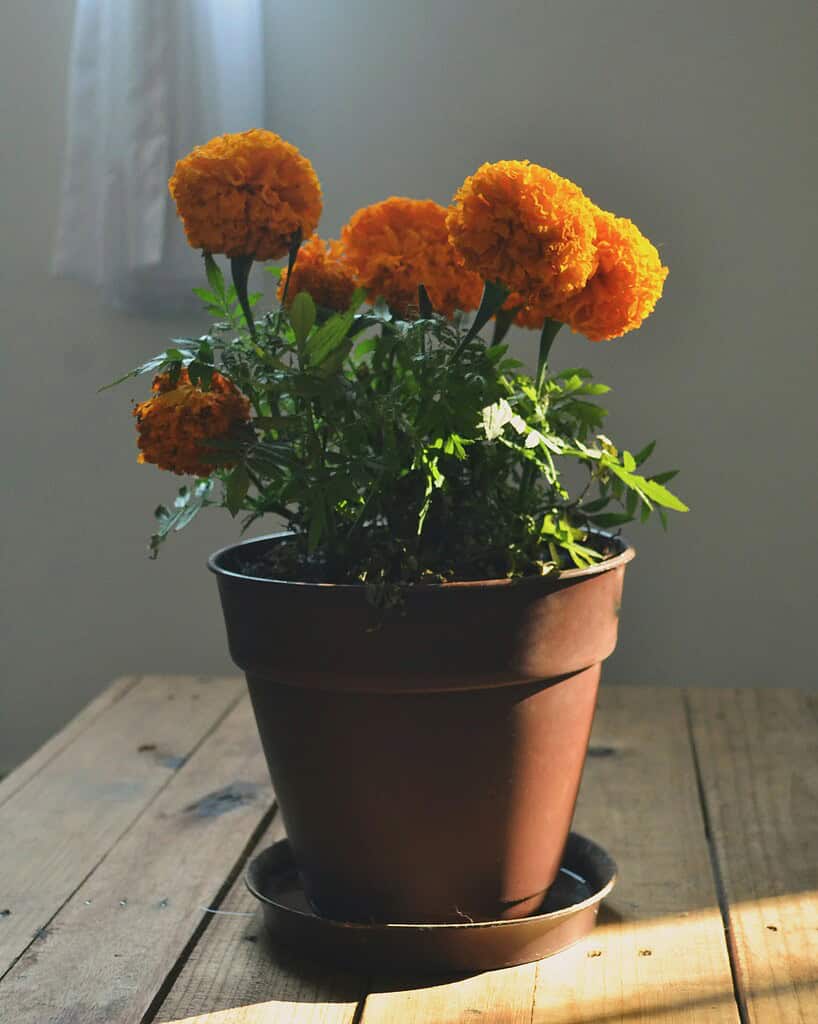
Marigolds are arguably the most forgiving sun-loving container plant you can grow.
They bloom from spring until the first hard frost, repel common pests, and need almost no extra attention beyond deadheading spent blooms.
- Sun: Full sun (6–8 hours)
- Watering: Once the top inch of soil is dry
- Best container size: 6–12 inch pots
- Bonus: Natural pest deterrent for neighboring plants
For a deep dive into getting the most out of these bright beauties, this complete guide to growing marigolds from seed to bloom covers everything you need to know.
2. Lavender (Lavandula spp.)
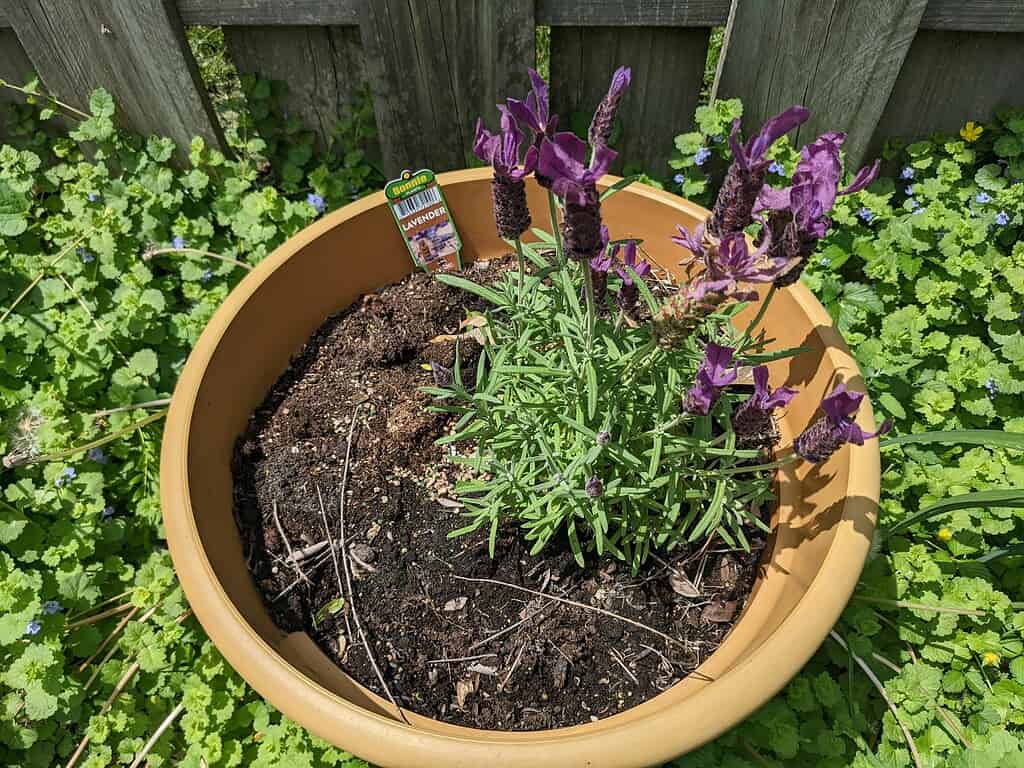
Lavender thrives in hot, dry conditions and loves being slightly root-bound in a container.
It fills your patio with fragrance, attracts pollinators, and asks for very little in return — making it one of the best sun-loving container plants for low-effort gardeners.
- Sun: Full sun
- Watering: Very low — allow soil to dry completely between waterings
- Best container size: 12–16 inch pots with excellent drainage
- Bonus: Deer-resistant and beautifully fragrant all season
3. Portulaca / Moss Rose (Portulaca grandiflora)
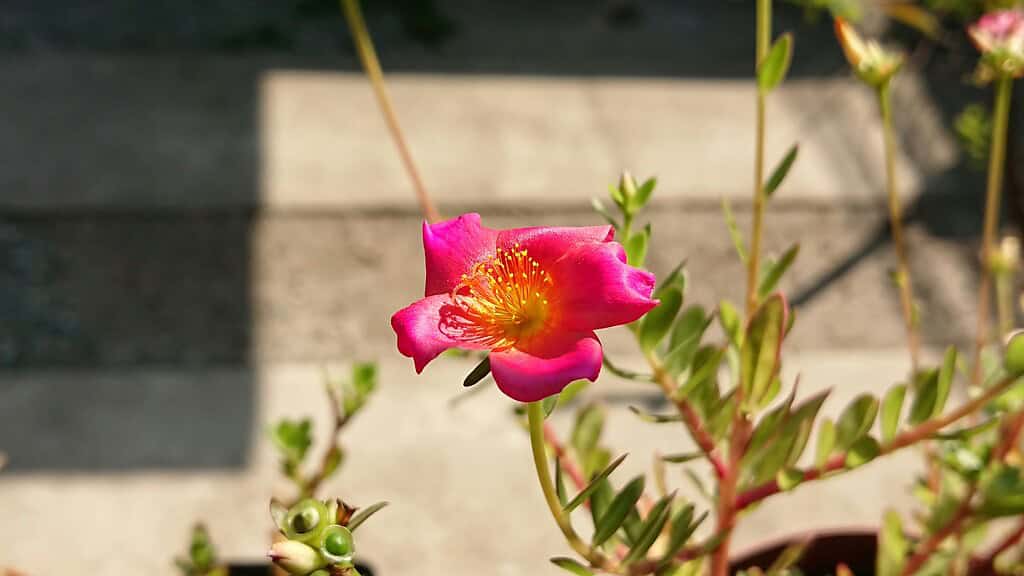
Few plants are as heat- and drought-proof as portulaca. Its succulent-like leaves store water, its blooms open wide in full sunshine, and it practically seeds itself from season to season.
Planted in a shallow container, it becomes a low carpet of vivid, crepe-paper blooms.
- Sun: Full sun — blooms actually close on overcast days
- Watering: Minimal — handles neglect better than almost any other plant
- Best container size: Shallow 6–8 inch pots or window boxes
- Bonus: Cascades beautifully over pot edges
4. Geraniums (Pelargonium spp.)
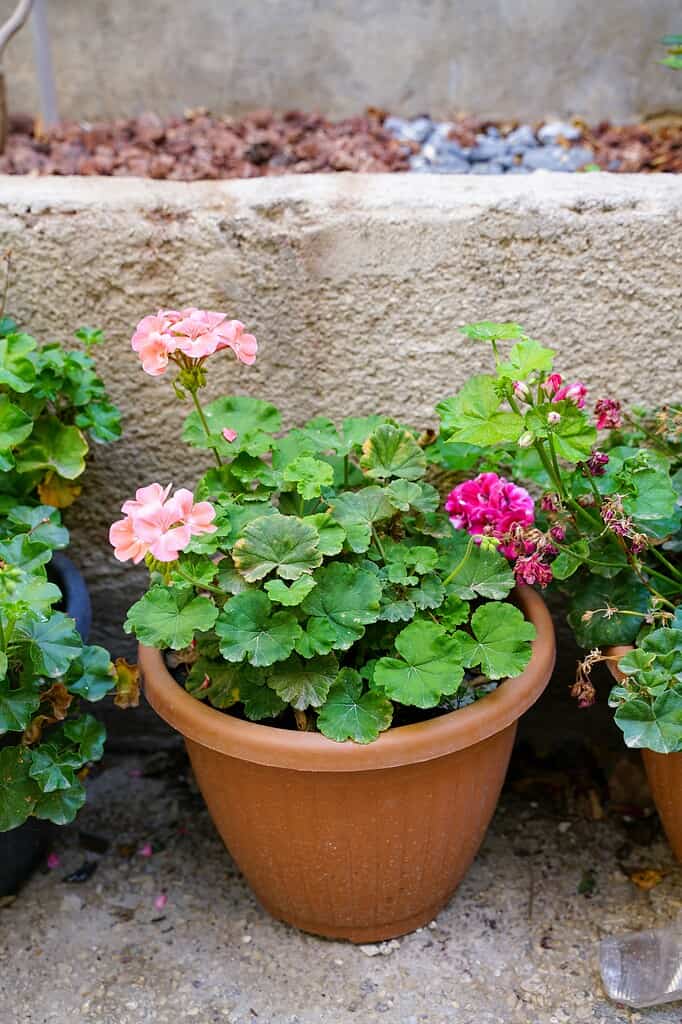
Garden geraniums are a classic container staple for good reason.
They bloom relentlessly, come in a wide range of colors, and actually prefer to dry out slightly between waterings — which means you’re doing them a favor by skipping a day.
- Sun: Full to partial sun
- Watering: Low to moderate
- Best container size: 10–14 inch pots
- Bonus: Can be overwintered indoors and replanted each spring
5. Lantana (Lantana camara)
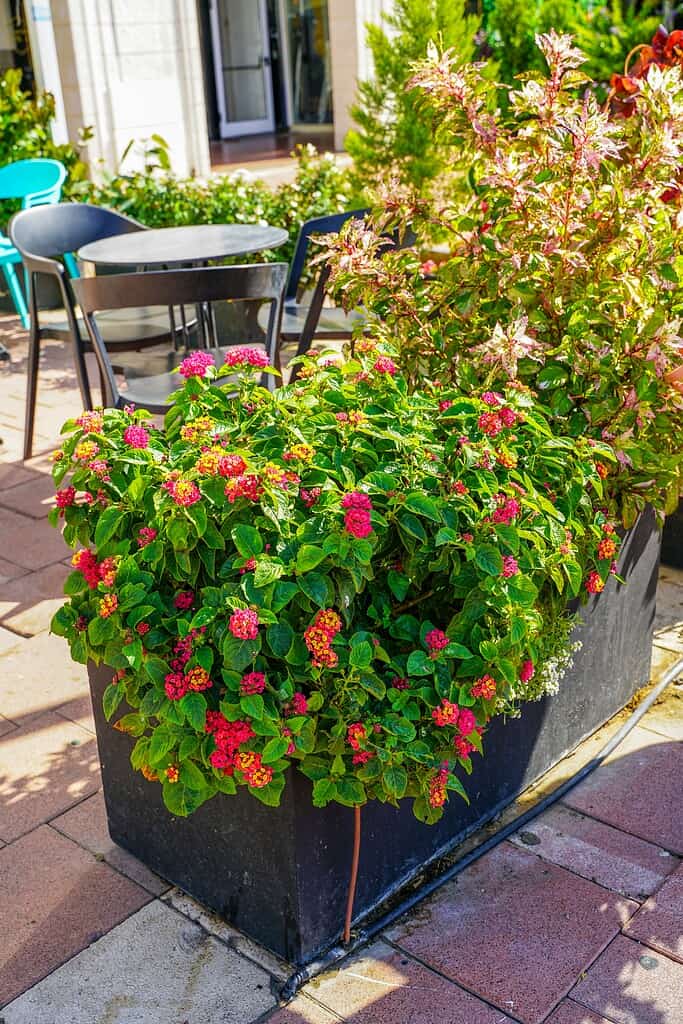
Lantana is one of the toughest flowering container plants around.
It shrugs off scorching heat, blooms continuously in multicolored clusters, and draws butterflies and hummingbirds from across the neighborhood.
- Sun: Full sun
- Watering: Low once established — genuinely drought tolerant
- Best container size: 12–18 inch pots
- Bonus: Deer-resistant and a top pollinator magnet
6. Petunias (Petunia × hybrida)
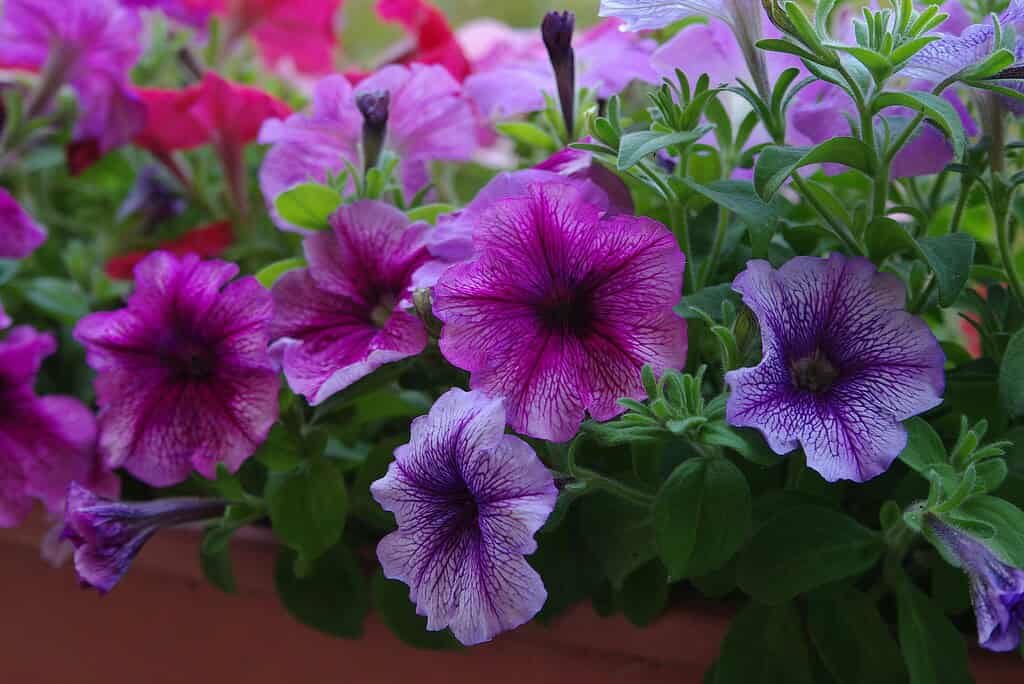
Few container plants deliver as much visual impact with so little effort as petunias. Wave varieties trail dramatically over pot edges while upright types form full, compact mounds of color that stay tidy all season.
- Sun: Full sun for best blooming
- Watering: Moderate — don’t let them dry out completely in peak heat
- Best container size: 10–16 inch pots or hanging baskets
- Bonus: One of the longest-blooming annuals available at garden centers
7. Calibrachoa / Million Bells (Calibrachoa spp.)
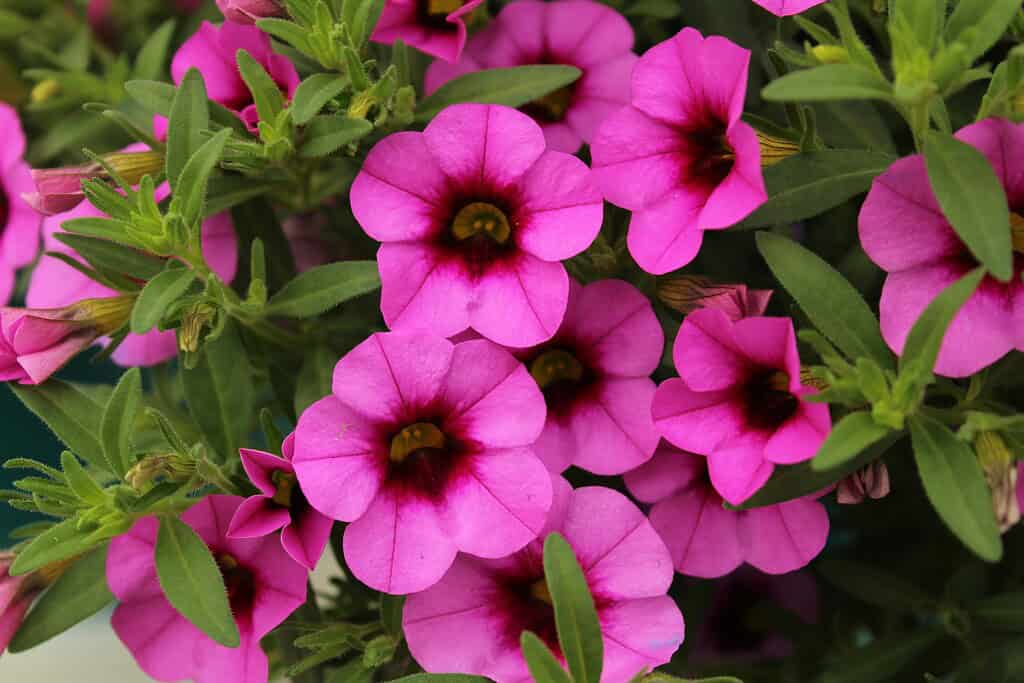
Calibrachoa looks like a miniature petunia but blooms even more profusely and needs almost no deadheading. It’s the perfect low-effort trailing plant for hanging baskets and window boxes placed in the hottest spots on your patio.
- Sun: Full sun
- Watering: Moderate — self-cleaning with no deadheading required
- Best container size: Hanging baskets or 10–14 inch pots
- Bonus: Blooms nonstop from spring to first frost
8. Salvia (Salvia spp.)
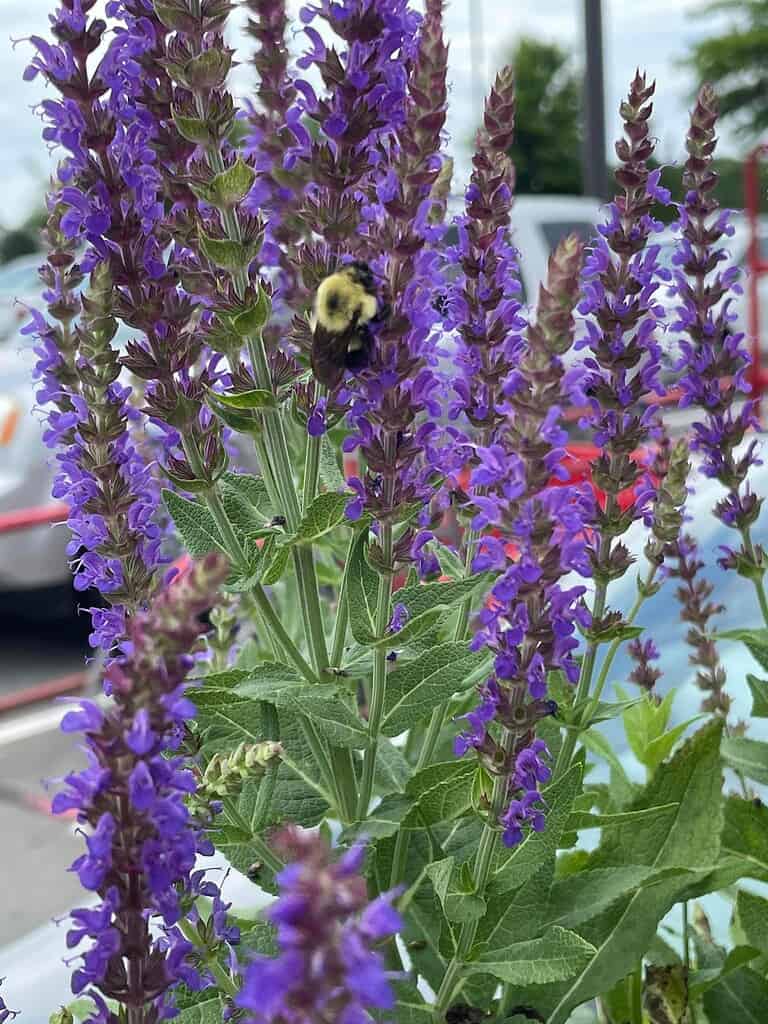
Annual and perennial salvias are standout performers in hot, sunny containers. Their upright flower spikes add height and vertical interest, their aromatic foliage keeps pests away, and they’re among the most reliable bloomers all summer long.
- Sun: Full sun
- Watering: Low to moderate — drought tolerant once established
- Best container size: 12–16 inch pots
- Bonus: Hummingbirds and butterflies love it
9. Verbena (Verbena × hybrida)
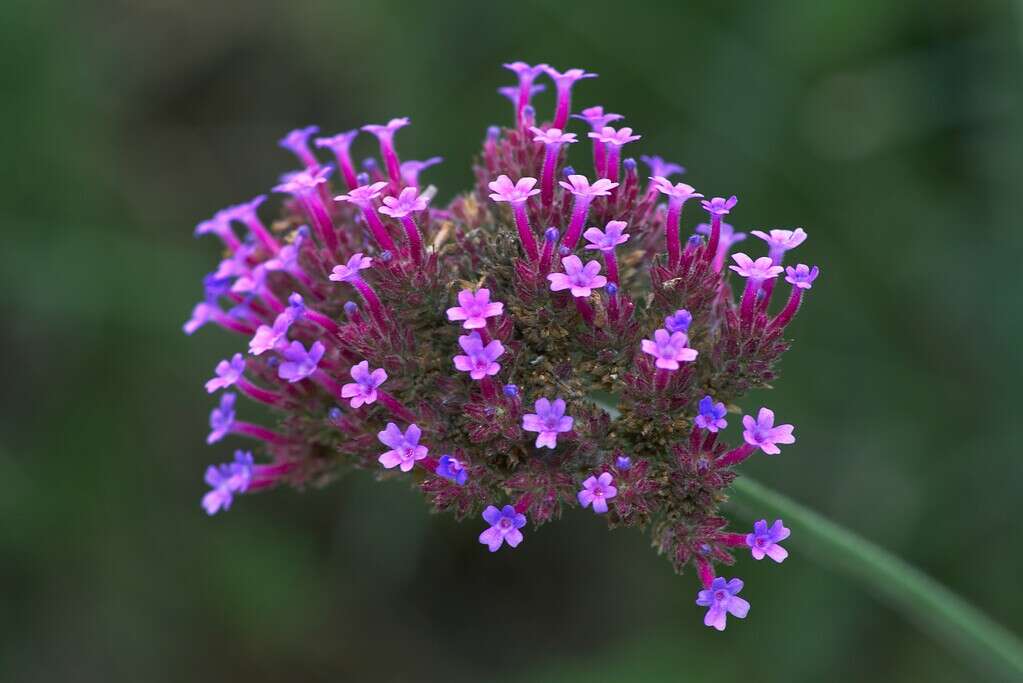
Verbena clusters are small but mighty. They spread and trail gracefully over pot edges and keep blooming in heat that would stop other flowers cold. They’re a fantastic choice for the hottest, sunniest spots on your property.
- Sun: Full sun
- Watering: Moderate — let soil partially dry between waterings
- Best container size: 10–14 inch pots or trailing baskets
- Bonus: Excellent heat and humidity tolerance
10. Sedum / Stonecrop (Sedum spp.)
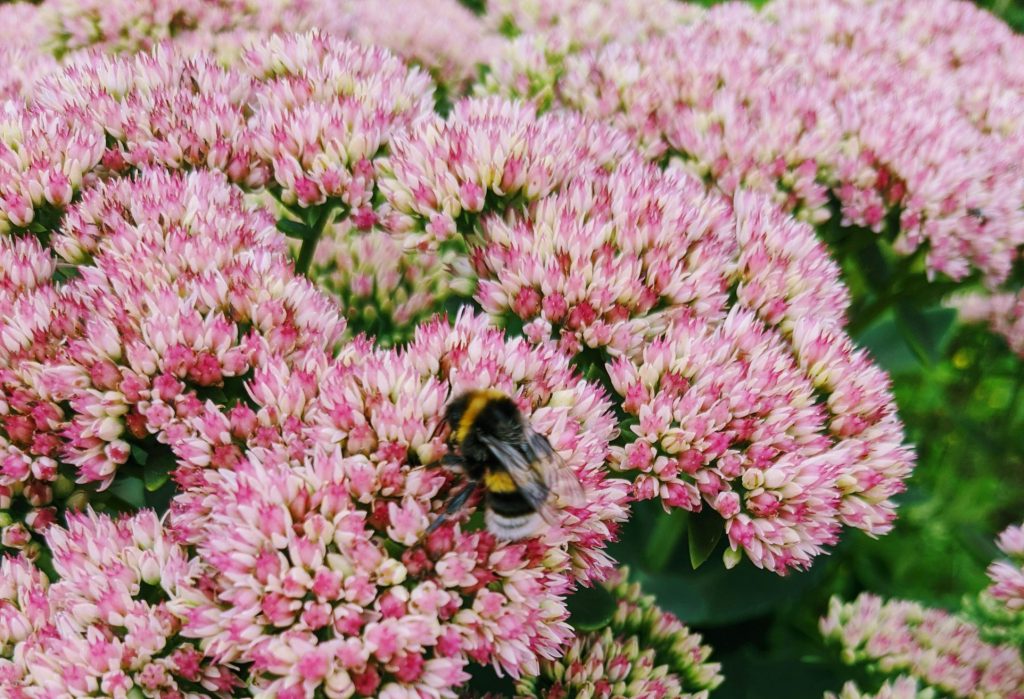
If you’re looking for a truly hands-off container plant, low-growing sedums are your answer.
These succulents store water in their thick leaves, thrive on neglect, and look stunning in terracotta pots, rock-style containers, or mixed succulent arrangements.
- Sun: Full sun to light shade
- Watering: Very low — once every 1–2 weeks in summer is usually enough
- Best container size: Shallow 6–10 inch pots with gritty, well-draining soil
- Bonus: Works beautifully in mixed succulent containers
11. Vinca / Periwinkle (Catharanthus roseus)
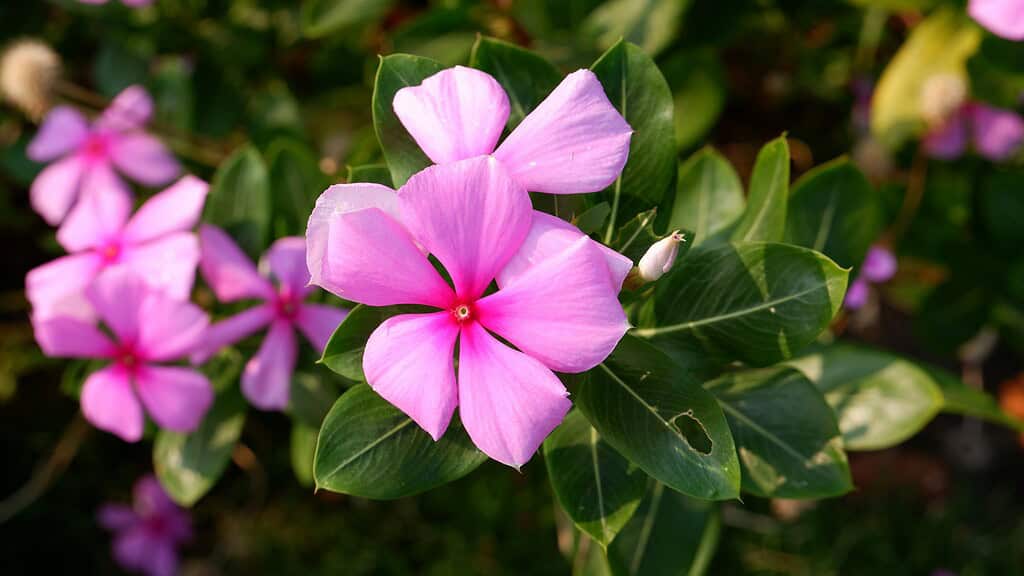
Annual vinca is built for punishing summer heat. It blooms continuously without deadheading and actually performs better as temperatures climb — the opposite of most flowers that sulk in the heat.
- Sun: Full sun
- Watering: Low to moderate — extremely heat tolerant
- Best container size: 10–14 inch pots
- Bonus: Self-cleaning — no deadheading required at all
12. Agapanthus / Lily of the Nile (Agapanthus spp.)
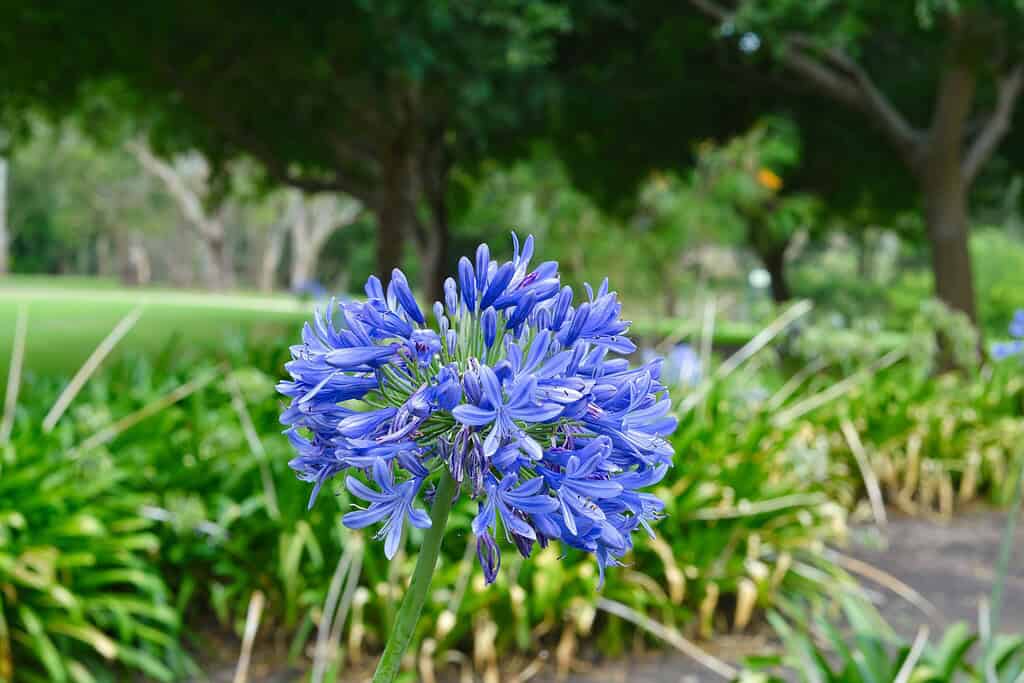
Agapanthus is a bold, architectural container plant that rewards a little benign neglect.
It produces dramatic clusters of blue or white flowers on tall stems, loves being root-bound, and only needs dividing every few years — making it one of the most long-lived options on this list.
- Sun: Full sun to light partial shade
- Watering: Low to moderate — reduce watering in winter
- Best container size: 14–18 inch pots — actually blooms better when slightly root-bound
- Bonus: A single well-established container can become a stunning multi-year showpiece
Garden Planner
The 22-page planner timed to your county's real frost dates. Planting windows, monthly checklists, and a harvest log you'll fill with pride by August.
Your Free 22-Page Garden Planner
Built for your exact ZIP code — planting dates, harvest log, and a month-by-month plan. 15-second sign-up.
How to Pick the Right Container for Sun-Loving Plants
The wrong pot can undermine even the most heat-tolerant plant. Before you buy anything, here’s what to keep in mind:
- Drainage holes are non-negotiable. Sun-loving plants hate soggy roots. Every container must have at least one drainage hole, no exceptions.
- Material matters in the heat. Terracotta pots breathe well and dry out faster — ideal for lavender, sedum, and geraniums. Plastic and glazed pots retain moisture longer, which suits petunias and verbena better.
- Bigger isn’t always better. Some plants (like agapanthus) actually bloom more when slightly root-bound. Match pot size to the plant’s natural preference rather than defaulting to the largest available.
- Light-colored containers stay cooler. On a blazing summer patio, dark pots can overheat roots. Opt for lighter shades or place dark pots where they’ll get some afternoon shade.
For fresh, creative ways to display your containers and transform your outdoor space, these outdoor flower pot ideas are full of modern inspiration that goes far beyond the standard terracotta look.
The Best Potting Mix for Sun-Loving Container Plants
Never use straight garden soil in containers — it compacts quickly, drains poorly, and suffocates roots. Here’s how to build or choose the right mix for sun-loving container plants:
- Start with a quality potting mix (not garden soil). Look for bags labeled “container mix” or “potting soil” with perlite or bark already blended in.
- Add extra perlite or coarse sand for drought-tolerant plants like lavender, sedum, and portulaca — aim for about 20–30% grit by volume for excellent drainage.
- Use moisture-retaining amendments like coconut coir for thirstier plants such as petunias and verbena, especially in hot, dry climates.
- Mix in a slow-release fertilizer at planting time. This feeds your plants steadily for 3–4 months so you’re not scrambling to fertilize every few weeks.
If you’re planning to tuck edible plants alongside your flowers, you might enjoy learning how to grow fresh basil in containers — it does surprisingly well in full sun right alongside ornamentals like marigolds and verbena.
Miss it by a week and you lose the crop. The free 22-page planner pins down your exact dates — last frost, first frost, and the weekly steps between — so you plant on the days that actually work for your ZIP.
Free Planting Guides for This Article
Get exact planting dates, frost schedules, and growing tips for your zone:
Watering Strategies That Actually Work in Full Sun
Full-sun containers dry out faster than in-ground plants — sometimes dramatically so on hot days. But with the right habits, you can cut watering frequency while keeping plants genuinely thriving.
- Water deeply, not frequently. When you do water, soak the soil thoroughly until water runs out the drainage holes. Shallow sips lead to shallow roots and heat-stressed plants.
- Check the soil, not the calendar. Stick your finger an inch into the soil. If it’s dry, water. If it’s still moist, wait. This is especially important for drought-tolerant plants like lavender and sedum that suffer in consistently wet soil.
- Water in the morning. Morning watering gives leaves time to dry before evening (reducing fungal problems) and means plants are fully hydrated before afternoon heat peaks.
- Use saucers strategically. Saucers can act as a small water reservoir during heat waves, but empty them between regular waterings to prevent root rot from prolonged sitting water.
- Consider self-watering containers for the sunniest spots. The built-in reservoir wicks water upward as needed — a genuine game-changer for busy homesteaders and gardeners.
For a complete look at keeping everything in your outdoor space thriving through the hottest months, this complete summer garden guide covers watering, feeding, and seasonal maintenance from spring setup through fall cleanup.
Simple Habits That Keep Sun-Loving Containers Looking Great All Season
Low-maintenance doesn’t mean zero-maintenance. A few quick weekly habits keep everything looking great from May through October without turning container care into a second job.
- Deadhead regularly — or choose self-cleaners. Removing spent blooms encourages fresh flowers on plants like marigolds and geraniums. Plants like calibrachoa and vinca take care of themselves — no pinching needed.
- Feed monthly once slow-release runs out. A liquid balanced fertilizer every 3–4 weeks keeps heavy bloomers like petunias and lantana firing on all cylinders through the second half of summer.
- Refresh tired containers mid-season. If plants start looking leggy by late July, cut them back by a third. Most will bounce back with a flush of fresh growth and blooms within 2–3 weeks.
- Group containers together. Clustering pots creates a slightly higher-humidity microclimate that benefits many plants, makes watering faster, and looks more intentional and designed.
These same principles work beautifully when you’re combining containers with in-ground beds — take a look at these backyard vegetable garden ideas for smart ways to mix containers and raised beds in any size space.
If you’re after a more relaxed, naturalistic look overall, pairing your containers with a cottage garden design around your patio or porch creates a beautifully layered, magazine-worthy effect without a lot of extra work.
Best gardening planner I've used in 10 years — and I keep coming back to it every season.
How Hard Is It to Garden in Your County?
Every county has a unique Gardening Difficulty Score based on frost risk, soil quality, drought, altitude, and climate trends. Find yours — plus personalized frost dates, planting calendars, and soil data.
Check Your County's Score →Ready to Fill Your Containers? Pick One Plant and Start This Week
The best container garden is the one you actually start. You don’t need all 12 plants at once — pick one or two from this list, grab the right pot and a quality potting mix, and get them into some sunshine.
Once you see how little these sun-lovers ask of you while giving so much back, you’ll find yourself making room for more.
Container gardening in full sun is genuinely one of the most rewarding and forgiving styles of gardening there is.
The plants on this list were chosen specifically because they thrive on a little neglect, bounce back from intense heat, and keep performing long after other plants have given up for the season.
Which of these sun-loving plants are you planning to grow in containers this season? Drop your picks in the comments below — and if you’ve had great success with a heat-tolerant container plant that didn’t make this list, we’d love to hear about it!
Plan Your Garden With Confidence!

Ever start planting… and then realize halfway through that things feel a little scattered?
A simple plan changes everything.
When you sketch your layout first, you can see what fits, what flows, and what actually makes sense for your space. It saves time, money, and a whole lot of second-guessing later.
Our free Garden Planner helps you map out beds, organize plant spacing, rotate crops, and keep track of seasonal tasks – all in a clean, printable format you can actually use.
Whether you’re designing a low maintenance front yard or planning your full homestead garden, this gives you a clear starting point.
Less chaos. More clarity. A garden that works.
- Beans
- Carrots
- Beets
- Lettuce
- Spinach
- Brassicas
Frequently Asked Questions
Can I mix different sun-loving plants in the same container?
Yes — and it often produces the most stunning results. The key is pairing plants with similar sun and water needs. A reliable formula is “thriller, filler, and spiller”: one tall focal plant (thriller), a mounding bloomer in the middle (filler), and a trailing plant that cascades over the edge (spiller). For example, salvia + geraniums + calibrachoa makes a beautiful, low-effort combination that thrives in full-sun containers all season.
How often should I fertilize sun-loving container plants?
Container plants need more frequent feeding than in-ground plants because nutrients leach out with every watering. If you mixed a slow-release fertilizer into your potting mix at planting time, you can skip liquid feeding for the first 8–12 weeks. After that, a balanced liquid fertilizer applied every 2–4 weeks keeps plants producing flowers through the rest of the season. Drought-tolerant plants like lavender and sedum prefer lean soil and need far less fertilizer than heavy bloomers like petunias and lantana.
Why do my container plants wilt in the afternoon even after I water them in the morning?
Afternoon wilting in full sun is often temporary and doesn’t always mean your plant is dehydrated. During peak heat (typically 1–4 PM), plants in direct sun can lose water through their leaves faster than their roots can replace it, causing a brief midday droop. If the plant perks back up by evening, it’s fine. If it’s still wilted after the sun eases, the soil may genuinely be too dry — or the container may be too small, causing roots to overheat. Shade cloth over pots during the hottest weeks, or moving containers to a spot with afternoon shade, can help prevent this cycle entirely.
Do any of these plants come back every year, or do I need to replant each spring?
It depends on your climate. Most of the plants on this list are grown as annuals in colder regions but behave as perennials in warmer zones (USDA zones 9–11). Lavender, agapanthus, and perennial salvias can stay in their containers year-round in mild climates. Geraniums can be overwintered indoors and replanted in spring. Marigolds, portulaca, petunias, vinca, verbena, and calibrachoa are annuals in most regions — though portulaca often self-seeds. Low-growing sedum varieties are frequently hardy perennials depending on your specific zone, so check the label before assuming it won’t return.
What is the most common mistake people make with sun-loving container plants?
Overwatering is by far the most common problem — even for plants sitting in full sun all day. People see heat and assume thirsty, but many sun-loving plants (especially lavender, portulaca, sedum, and lantana) are native to dry, well-draining environments and actively suffer in consistently wet soil. The second most common mistake is planting in a container without adequate drainage holes. No matter how drought-tolerant a plant is, pooled water at the bottom of a pot will eventually cause root rot. Always check for drainage before you plant, and when in doubt, add more perlite to your potting mix.
Level Up Your Garden
Our most popular gardening guides