If you’ve ever stood in a garden center staring at perfectly labeled seed packets, wondering how to plan every square inch of your plot before a single seed goes in the ground, you’re not alone — and you’re definitely overthinking it.
What if the secret to a thriving, low-stress garden wasn’t a meticulous plan at all, but a beautiful, intentional kind of controlled chaos?
Welcome to chaos gardening — the approach that lets nature do much of the heavy lifting while you step back, relax, and actually enjoy your garden.
Whether you’re a complete beginner or a seasoned homesteader burned out by rigid planting schedules, this guide will show you how to embrace the mess and grow more than you ever expected.
What Is Chaos Gardening (and Why Is It Having a Moment)?
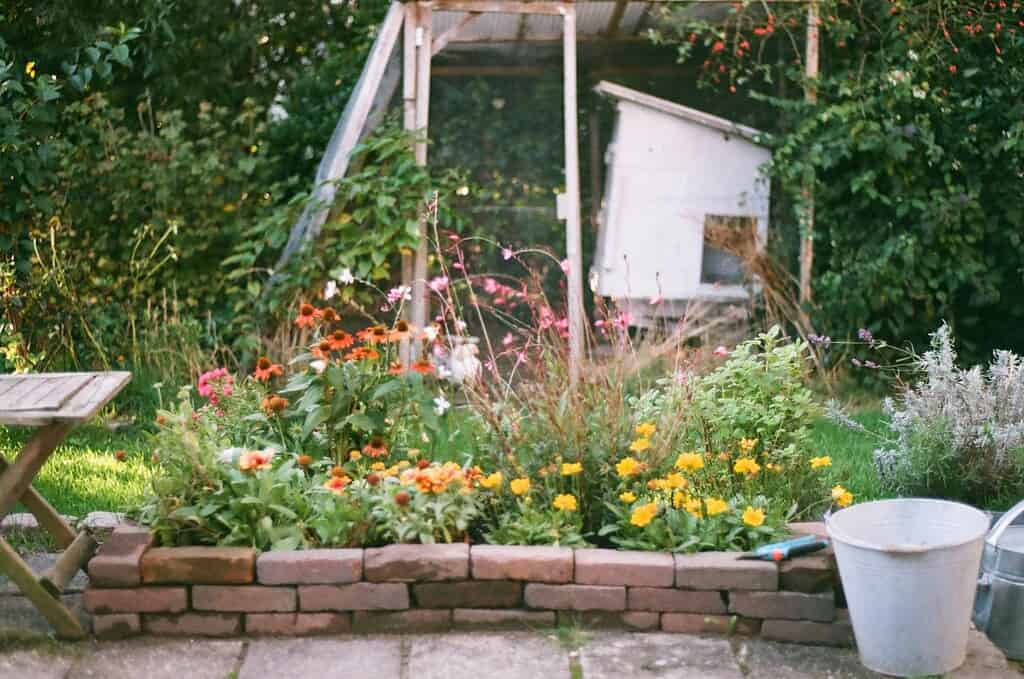
Chaos gardening is the practice of intentionally mixing plants together in loose, unstructured combinations – tossing seeds where they feel right, layering different species in the same bed, and letting self-seeding plants spread where they will.
It’s inspired by the way plants grow in nature: layered, interwoven, and mutually supportive.
It’s not neglect. It’s not laziness. It’s a mindset shift. Instead of fighting your garden into submission, you’re working with the natural tendencies of plants.
The result? Beds that are biodiverse, resilient, and surprisingly productive — without the pressure of getting everything perfectly planted in rows.
If you’re just getting started with growing your own food, you might also want to check out our guide to urban gardening for beginners, which covers how to grow food even in the smallest of spaces — a perfect pairing with the chaos gardening mindset.
Garden Planner
The 24-page planner timed to your county's real frost dates. Planting windows, monthly checklists, and a harvest log you'll fill with pride by August.
Your Free 24-Page Garden Planner
Built for your exact ZIP code — planting dates, harvest log, and a month-by-month plan. 15-second sign-up.
The Real Difference Between Chaos Gardening and a Neglected Garden
This is where a lot of people get confused: chaos gardening is not an excuse to ignore your garden. The key difference is intention.
A neglected garden has weeds crowding out vegetables, poor soil, no water management, and plants competing without any thought behind their placement.
A chaos garden has wild beauty, but it’s thoughtfully seeded and lightly guided.
In chaos gardening, you’re still choosing what grows. You’re still amending your soil, watering when needed, and pulling invasive weeds that truly don’t belong.
You’re just skipping the rigid grid planning, the perfectly spaced rows, and the anxiety of doing everything “by the book.”
Think of it like painting with a wide brush instead of a fine-tipped pen. You still control the colors and the canvas — you just give yourself permission to be free with the strokes.
For more ideas on designing a productive yet relaxed outdoor space, take a look at our roundup of backyard garden ideas you'll actually want to copy.
Why Chaos Gardening Actually Works: The Science Behind the “Mess”
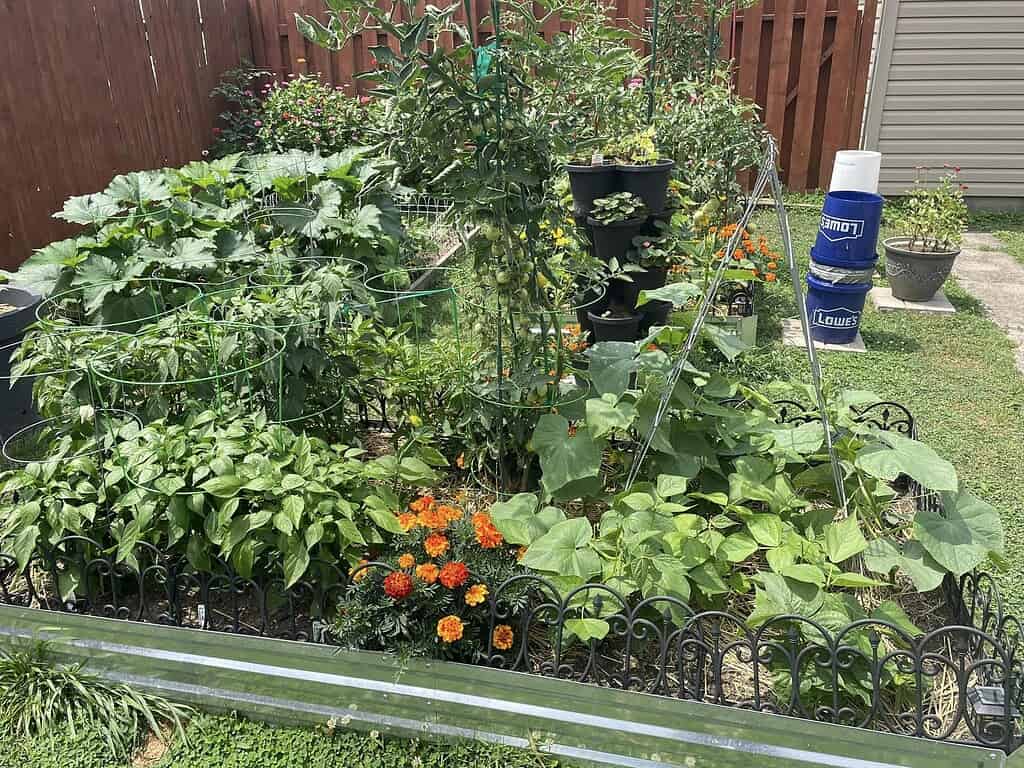
There’s real horticultural logic behind this seemingly haphazard approach. Here’s why chaos gardening produces such impressive results:
Biodiversity Builds Resilience
When you grow many types of plants together, you naturally build a more resilient ecosystem. Pests that decimate a monoculture struggle to spread through a mixed planting.
Beneficial insects — the ones that eat aphids and pollinate your vegetables — are drawn in by the variety. Disease is slower to travel. Your garden essentially builds its own defense system.
Self-Seeding Cuts Your Workload in Half
Many of the best chaos garden plants are prolific self-seeders.
Borage, calendula, nasturtiums, dill, and cilantro will drop seeds at the end of each season and come back stronger the following year — for free.
Once you establish these plants, your annual seed-buying bill drops dramatically.
Learning to save seeds is a closely related skill; our vegetable planting calendar can help you time harvests so you can collect seed at peak maturity.
Companion Planting Happens Naturally
When you mix plants freely, you stumble into companion planting combinations that actually work.
Tall sunflowers provide shade for heat-sensitive lettuce. Marigolds repel pests near your tomatoes. Borage improves the flavor of strawberries.
In a chaos garden, these pairings happen organically — and the results can be remarkable.
Miss it by a week and you lose the crop. The free 24-page planner pins down your exact dates — last frost, first frost, and the weekly steps between — so you plant on the days that actually work for your ZIP.
How to Start Your Own Chaos Garden: A Step-by-Step Approach
Ready to ditch the ruler and embrace the beautiful disorder? Here’s how to get started in a way that sets you up for success rather than genuine chaos.
Step 1: Choose Your Space (Any Space Will Do)
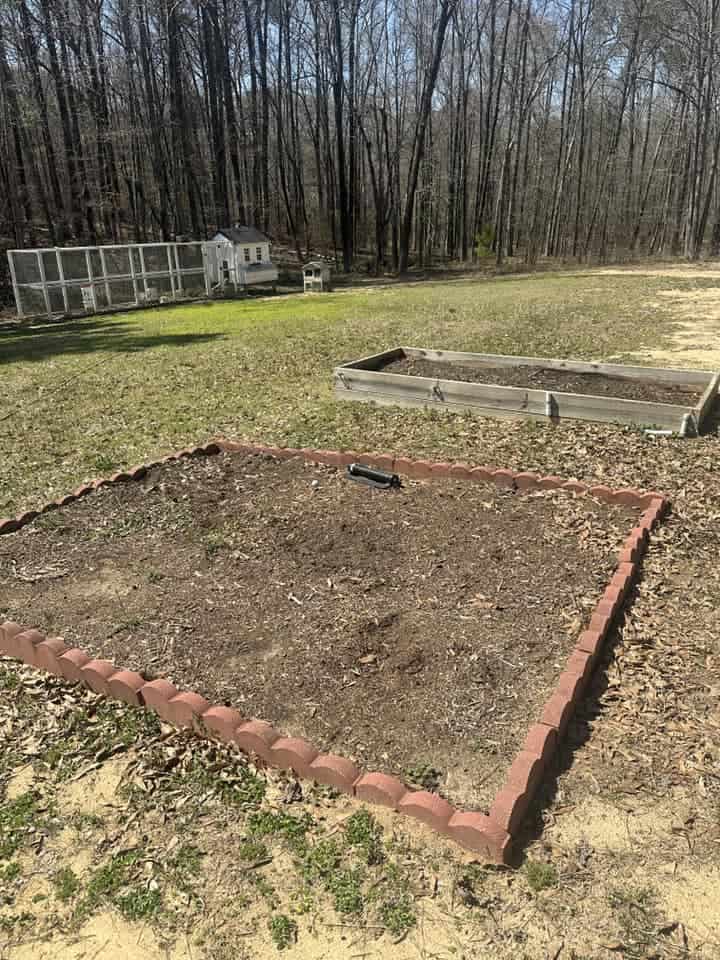
Chaos gardening works in raised beds, in-ground plots, large containers, and even buckets.
You don’t need a huge yard. A single 4×8 raised bed can support a wildly productive chaos garden.
If you're working with a small space, our beginner's guide to bucket gardening in small spaces shows how container gardening pairs beautifully with this approach.
Step 2: Start with Good Soil
Even chaos gardens need a strong foundation.
Before you toss a single seed, make sure your soil is rich in organic matter, drains well, and has a balanced pH. Amend with compost, aged manure, or worm castings.
The better your soil, the more forgiving your chaos garden will be when things don’t go exactly to plan — which, in this style of gardening, is the whole point.
Not sure what kind of soil you're working with? Our easy guide to the different types of soil breaks down everything you need to know about soil composition and how to improve it for better growing results.
Step 3: Pick Your Chaos Garden Seed Mix
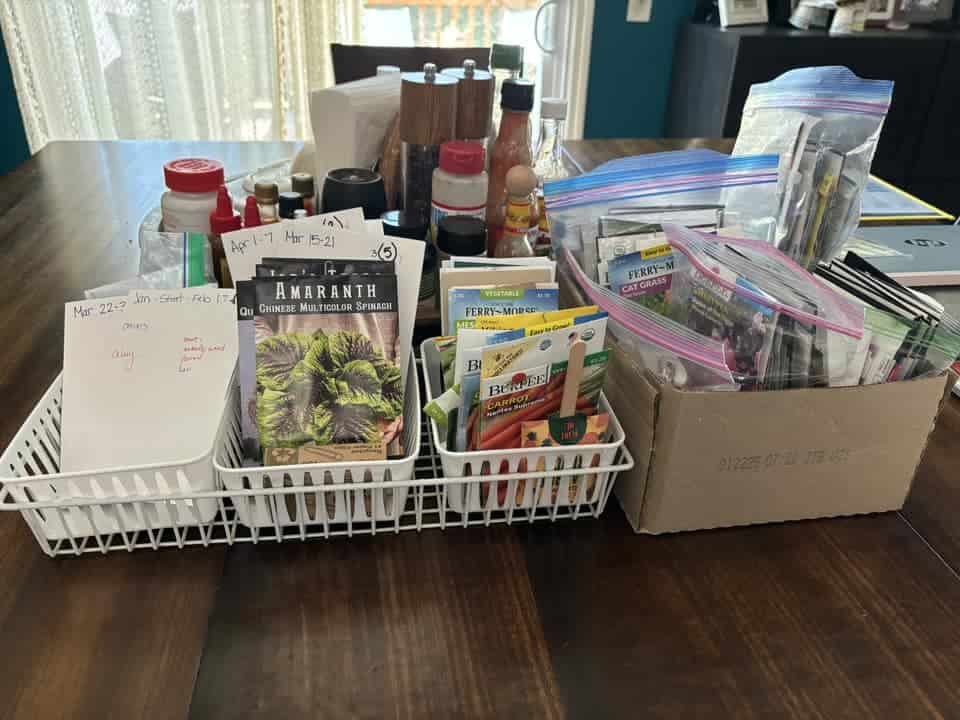
The magic of chaos gardening starts with your seed selection. You want a mix that includes:
- Edible flowers: Nasturtiums, borage, calendula, and chamomile. These attract pollinators, repel pests, and are edible — a triple win.
- Fast-growing vegetables: Radishes, lettuce, spinach, and arugula fill gaps quickly and can be harvested to make room for slower crops. Check out our full guide to growing spinach successfully for tips on maximizing leafy green production in mixed plantings.
- Climbing plants: Beans and cucumbers will find their way up whatever structure is nearby. Pair them with a trellis for a vertical layer. Our post on easy garden trellis ideas has plenty of inspiration for simple DIY support structures.
- Herbs: Dill, cilantro, basil, and parsley add culinary value and attract beneficial insects. Many are prolific self-seeders that will come back year after year.
- Statement plants: Sunflowers, zucchini, and squash add height and structure to the mix. Our guide to growing squash successfully walks you through what these heavy feeders need to thrive alongside other plants.
Step 4: Seed Scattering (Yes, Really)
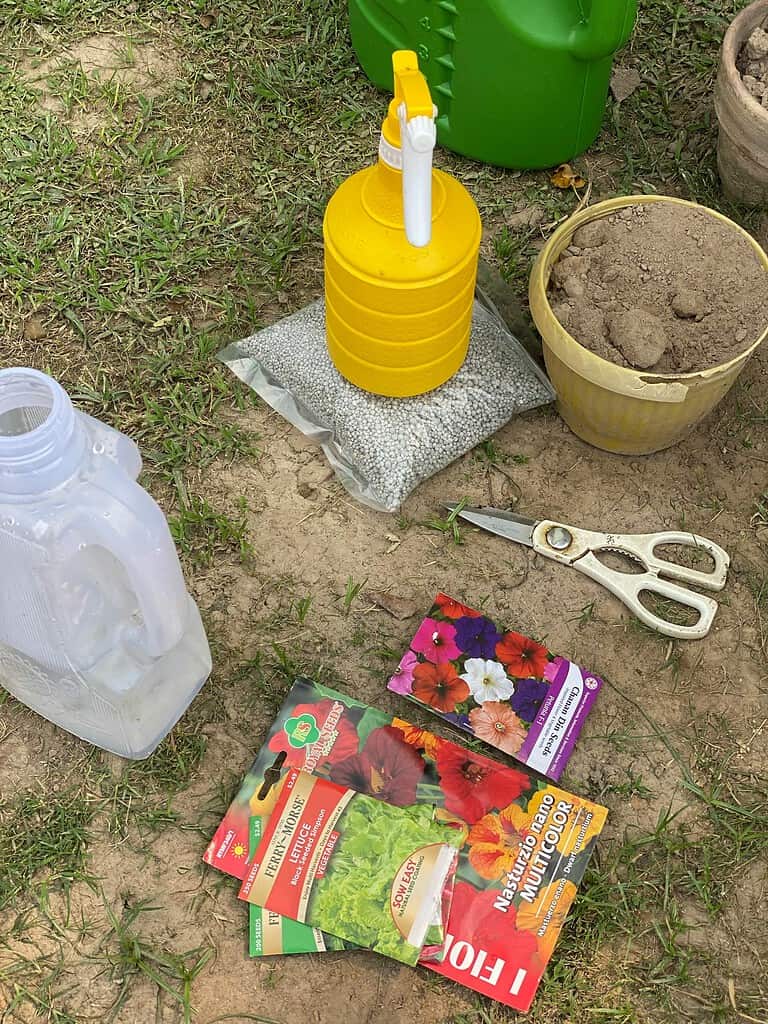
Here’s the fun part. Once your soil is prepped, take your seed mix and scatter it across the bed.
You can do this by hand, mixing seeds together in a bowl first and then broadcasting them across the surface. Rake lightly to cover seeds with a thin layer of soil, water gently, and wait.
You can also do targeted “zones” — scatter tomato seeds in one corner, herbs in another, and flowers along the edges — without worrying about exact spacing.
Nature will thin things out through competition, and you can help by removing the most crowded seedlings once they emerge.
Step 5: Let It Grow (and Guide, Don’t Dictate)
Once your chaos garden is up and growing, your job becomes observation and gentle guidance. Pull anything truly invasive or harmful. Water during dry spells.
Support heavy plants that need it. But resist the urge to over-manage. Let volunteers pop up. Let self-seeders spread. Let the garden find its own rhythm.
Free Planting Guides for This Article
Get exact planting dates, frost schedules, and growing tips for your zone:
The Best Plants for a Chaos Garden (and Why They Work)
Not all plants are chaos garden champions. The best ones share a few key traits: they’re easy to grow from seed, they tolerate competition well, they attract pollinators or repel pests, and many of them self-seed prolifically.
Here are the top performers:
Marigolds: The Pest-Repelling Workhorse
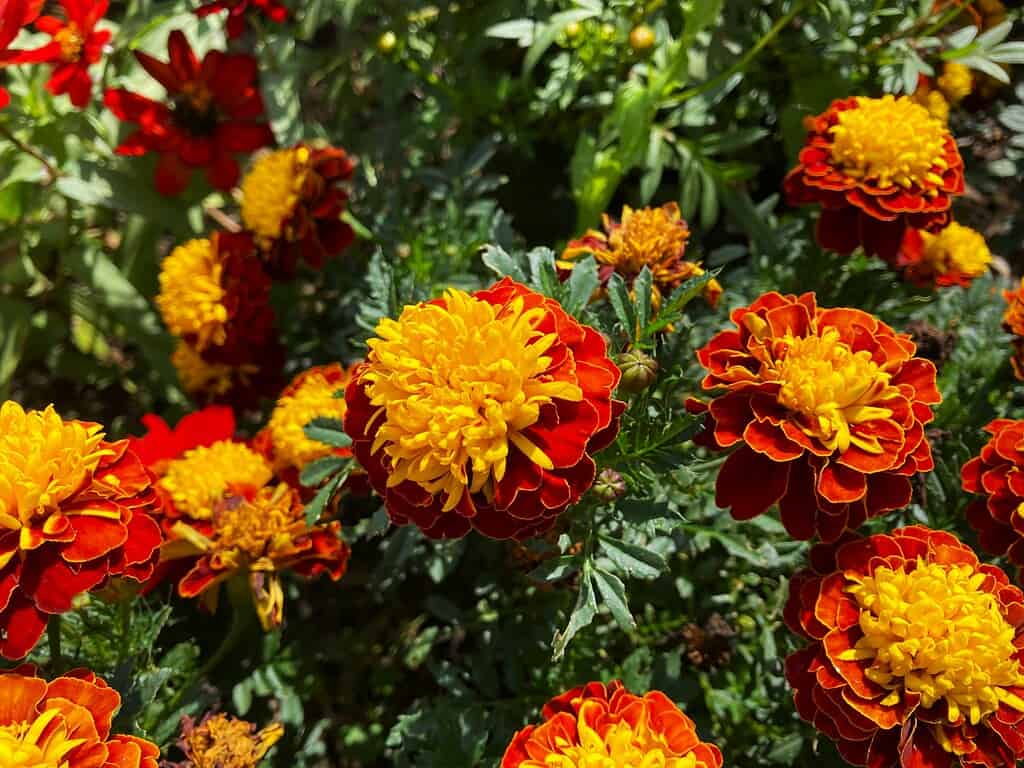
Marigolds are the undisputed kings and queens of the chaos garden.
They repel aphids, whiteflies, and nematodes. They attract butterflies and bees. They’re easy to grow from seed, bloom prolifically, and self-seed readily.
Our guide to growing gorgeous marigolds fast covers everything you need to get a head start on these hardworking flowers.
Creeping Thyme: The Living Mulch
Creeping thyme works beautifully as a ground cover between taller plants, suppressing weeds and keeping soil moisture in.
It’s aromatic, which confuses pests, and its small flowers attract pollinators all season.
Learn more about this versatile plant in our post on how to grow and care for creeping thyme in your garden.
Nasturtiums: The Edible Trap Crop
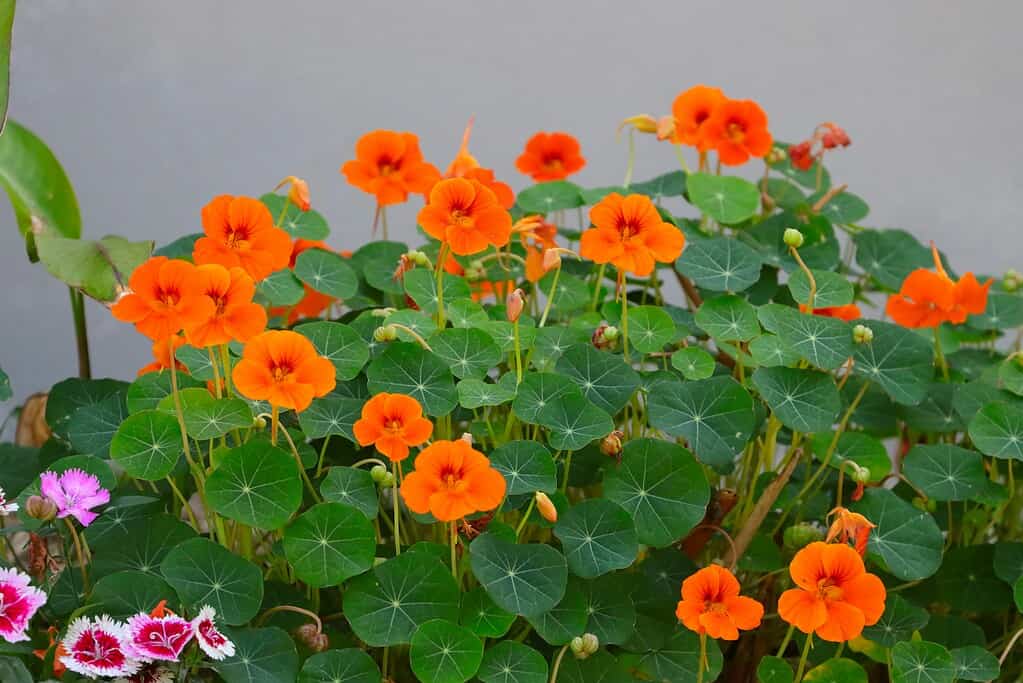
Nasturtiums are chaos garden royalty. They trail, climb, sprawl, and fill gaps with ease.
Aphids love them — which makes them a fantastic trap crop that draws pests away from your vegetables. The flowers and leaves are edible, with a peppery bite. Scatter them everywhere.
Borage: The Pollinator Magnet
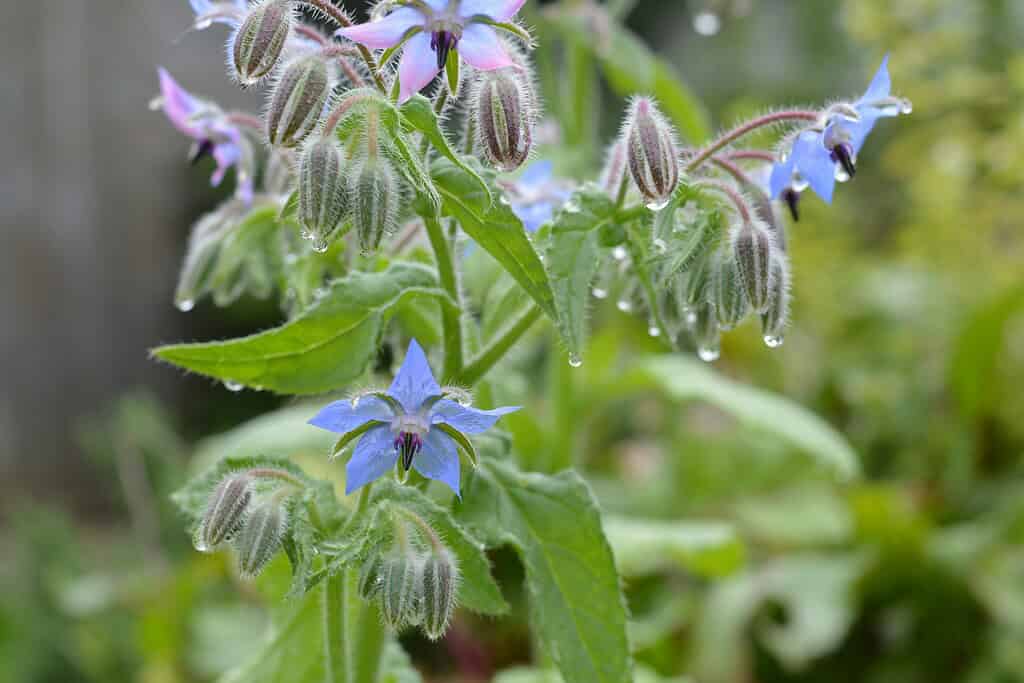
With its striking blue star-shaped flowers, borage is a pollinator powerhouse. It’s also said to improve the flavor of tomatoes and strawberries when planted nearby.
Borage self-seeds so aggressively that once you plant it once, you’ll have it forever — one of the true hallmarks of a chaos garden plant.
Sunflowers: The Vertical Anchor
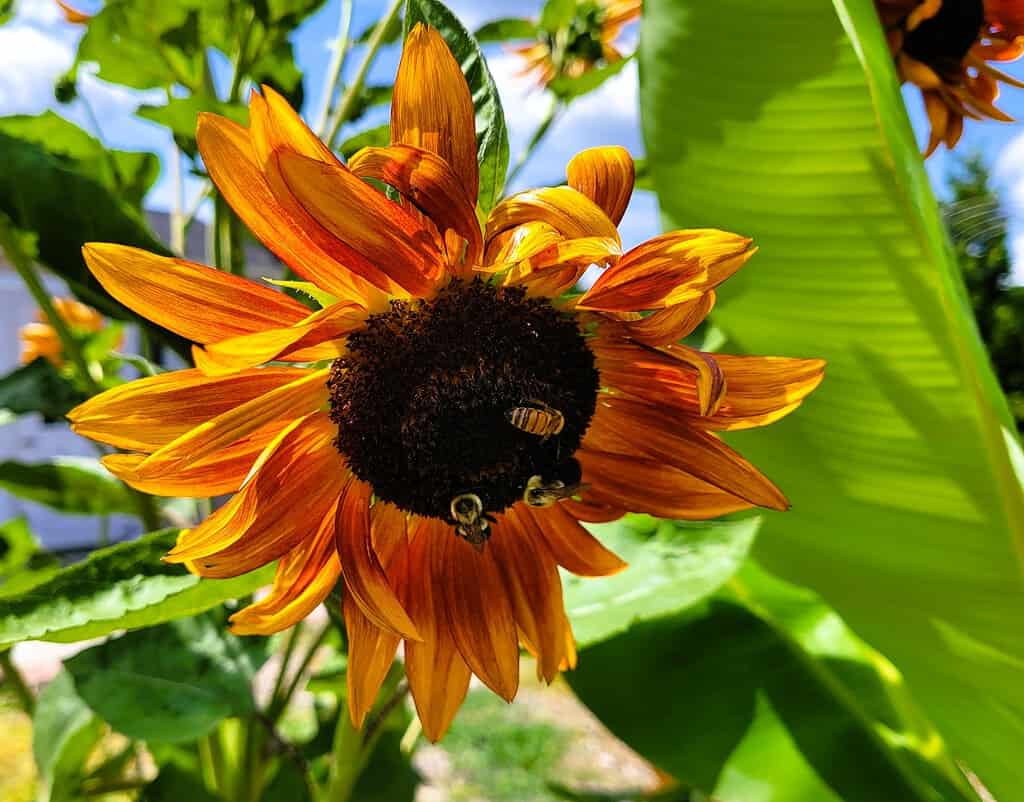
Every chaos garden needs some vertical drama, and sunflowers deliver. They attract birds (who eat pest insects), provide shade for heat-sensitive plants, and their heads can be harvested for seeds.
Their roots also help break up compacted soil, improving conditions for everything around them.
Pair sunflowers with climbing beans for a classic three-sisters-style pairing that works beautifully in a chaos setting.
Best gardening planner I've used in 10 years — and I keep coming back to it every season.
Common Chaos Gardening Mistakes (and How to Avoid Them)
Even in a style of gardening that celebrates imperfection, there are a few pitfalls worth avoiding:
Skipping Soil Prep
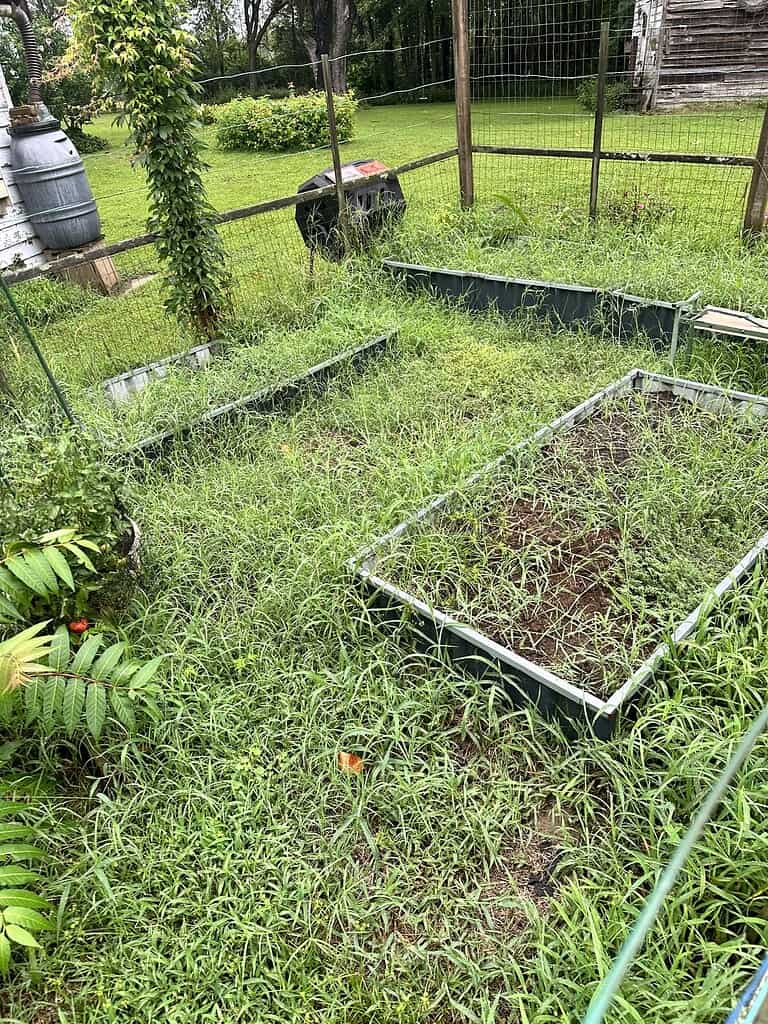
Chaos gardening doesn’t mean skipping soil prep. Poor soil is the single biggest reason chaos gardens fail.
If your plants are struggling in thin, compacted, or nutrient-depleted soil, no amount of “intentional wildness” will save them. Invest time in building great soil before you scatter a single seed.
Letting True Weeds Take Over
There’s a difference between a “volunteer” plant — something you planted that self-seeded and came back — and an invasive weed that will choke out everything else.
Know your local weeds and pull them before they set seed. Bindweed, ground elder, and couch grass will absolutely overtake a chaos garden if left unchecked.
Our post on how to get rid of slugs naturally in your garden also covers organic pest management approaches that work well in mixed plantings.
Overcrowding Without Thinning
Chaos gardens can get dense — that’s part of their charm. But if you never thin anything, even the most resilient plants will struggle for light and nutrients.
Once seedlings emerge, do a gentle pass and remove the weakest ones in any area where things are clearly too crowded. You don’t need to be surgical — just prevent complete gridlock.
Ignoring Water Needs
A chaos garden is lower maintenance, not no-maintenance. During dry periods, your plants still need consistent water — especially while they’re getting established.
Once your garden matures and the canopy closes over the soil, moisture retention improves dramatically. Until then, keep an eye on soil moisture and water accordingly.
Chaos Gardening for Homesteaders: Making It Work on a Larger Scale
If you’re running a homestead, chaos gardening can be a powerful tool for food production without the overhead of a perfectly managed market garden.
The key is applying chaos principles strategically across different growing zones.
Consider dedicating one section of your growing space to a dedicated chaos bed — a mix of flowers, herbs, and fast vegetables that you manage loosely.
This can serve as a living nursery for beneficial insects that will migrate into your more structured growing areas. Meanwhile, crops that need more precision (like corn, potatoes, or onions) can stay in their own organized space.
If you’re raising chickens alongside your garden, a chaos garden can also serve as a supplemental forage zone.
Letting chickens into the garden for short periods after the growing season helps them scratch up pests and fertilize the soil — a perfect synergy between your flock and your plants.
For more on integrating animals into your homestead setup, check out our guide to large chicken coop ideas to upgrade your backyard setup.
- Tomatoes
- Peppers
- Beans
- Squash
- Cucumbers
- Basil
How Hard Is It to Garden in Your County?
Every county has a unique Gardening Difficulty Score based on frost risk, soil quality, drought, altitude, and climate trends. Find yours — plus personalized frost dates, planting calendars, and soil data.
Check Your County's Score →What to Expect in Your First Season of Chaos Gardening
Your first season will be a learning experience, and that’s exactly as it should be. Here’s a realistic timeline of what to expect:
Weeks 1–3: The Waiting Game
After seeding, you’ll see a carpet of tiny seedlings emerging. Some will be your intentional plantings. Some will be early weeds.
This is a critical phase — resist the urge to pull everything unfamiliar. Give things a few days to show their true form before making decisions about what stays and what goes.
Weeks 4–8: The Surge
Things will start to take off quickly. Fast growers like radishes and lettuce will be ready to harvest.
Flowers will start blooming. The bed will begin to look intentionally wild — and you’ll start to see the magic of it. Pollinators will arrive. The soil surface will begin to be shaded, reducing weeds naturally.
Late Season: The Self-Sustaining Phase
By late summer or fall, your chaos garden will likely be producing heavily from multiple plants simultaneously. As things finish, allow the best specimens to go to seed.
These will be your next year’s plantings — for free. This is the moment the chaos garden philosophy really pays off: the garden starts to take care of itself.
Ready to Ditch the Rows? Start Your Chaos Garden This Weekend
Chaos gardening is a return to the way plants have always wanted to grow, and a genuinely practical approach for any homesteader who wants more food, more beauty, and less stress from their garden.
It rewards curiosity over rigidity, observation over obsession, and patience over perfection.
You just need good soil, a handful of the right seeds, and the willingness to let things unfold. So grab your seeds, find a patch of ground, and scatter something beautiful today.
Have you tried chaos gardening? We’d love to hear how it went for you — drop your experience, questions, or your favorite chaos garden plant combinations in the comments below! Your insights might be exactly what someone else needs to take the leap.
Plan Your Garden With Confidence!

Ever start planting… and then realize halfway through that things feel a little scattered?
A simple plan changes everything.
When you sketch your layout first, you can see what fits, what flows, and what actually makes sense for your space. It saves time, money, and a whole lot of second-guessing later.
Our free Garden Planner helps you map out beds, organize plant spacing, rotate crops, and keep track of seasonal tasks – all in a clean, printable format you can actually use.
Whether you’re designing a low maintenance front yard or planning your full homestead garden, this gives you a clear starting point.
Less chaos. More clarity. A garden that works.
Frequently Asked Questions
Can I do chaos gardening in containers or raised beds?
Absolutely — in fact, raised beds are one of the best environments for chaos gardening because you control the soil quality from the start.
Choose a mix of compact edible flowers, herbs, and small vegetables, and scatter them together.
The contained boundaries of a raised bed actually make it easier to manage the “beautiful chaos” without it spreading beyond where you want it.
Will chaos gardening work in a very hot or very cold climate?
Yes, with some plant selection adjustments. In hot climates, lean heavily on heat-tolerant species like marigolds, basil, nasturtiums, and sunflowers.
In colder climates, focus on cool-season self-seeders like calendula, borage, dill, and hardy lettuces.
The chaos gardening method is flexible by nature — your plant palette will look different depending on your zone, but the principles apply everywhere.
How do I know what’s a weed vs. a volunteer plant in my chaos garden?
The easiest way is to photograph your seedlings early and compare them against a plant ID app (like iNaturalist or PictureThis) or a reliable seedling identification guide.
Keep a list of what you planted so you can cross-reference. With experience, you’ll learn to recognize the seedlings of your most common chaos garden plants quickly.
When in doubt, let something grow a bit longer before pulling — most weeds reveal themselves within a week or two.
Do I need to replant every year, or does a chaos garden truly maintain itself?
A well-established chaos garden becomes increasingly self-sustaining over time, but it rarely becomes fully hands-off. In the first year, you’ll likely need to add seeds or starts to fill gaps.
By year two or three, prolific self-seeders will handle much of the replanting for you.
However, you’ll probably still want to introduce new varieties occasionally to keep the mix diverse and prevent any single plant from completely dominating the bed.
Is chaos gardening appropriate for growing food, or is it mainly ornamental?
Chaos gardening is absolutely appropriate for food production — it’s actually one of its greatest strengths.
Many homesteaders use it to grow herbs, edible flowers, leafy greens, and compact vegetables with far less effort than traditional row gardening requires.
The key is including enough edible plants in your seed mix from the start.
Over time, as the garden matures, you’ll find yourself harvesting continuously from multiple plants rather than having one big harvest of a single crop — which is ideal for a homestead kitchen.
Level Up Your Garden
Our most popular gardening guides