A half acre might not sound like much, but for a beginner homesteader, it is more than enough to grow real food, raise a small flock of chickens, build a composting system, and start living a more self-reliant life.
The key is not the size of the land — it is how you design and use it. With a smart layout, a half acre can produce hundreds of pounds of vegetables per year, supply your household with fresh eggs, and cut your grocery bills in a meaningful way.
If you are just getting started and wondering how to make the most of your property, this guide will walk you through the best half acre homestead layout plan built around simplicity, productivity, and long-term sustainability.
What Can You Really Do on Half an Acre?
Half an acre equals 21,780 square feet of usable land.
Once you account for your home, driveway, and any outbuildings, you are likely working with somewhere between 10,000 and 18,000 square feet of productive space. That is still a significant amount of room.
On that footprint, a well-organized beginner homesteader can realistically:
- run a large vegetable garden
- a small fruit orchard or berry patch
- a backyard chicken flock of 6 to 12 birds
- a composting system
- a rainwater harvesting setup
- a dedicated herb garden near the kitchen door.
The most important thing to understand early on is that a half acre homestead is not about doing everything at once — it is about building systems that work together over time.
If you are new to self-sufficient living, take a look at this complete guide to getting started with modern homesteading to understand the mindset and foundational skills before you break ground.
Garden Planner
The 22-page planner timed to your county's real frost dates. Planting windows, monthly checklists, and a harvest log you'll fill with pride by August.
Your Free 22-Page Garden Planner
Built for your exact ZIP code — planting dates, harvest log, and a month-by-month plan. 15-second sign-up.
How to Zone Your Half Acre Homestead
Zoning is the most powerful tool in homestead design. It simply means grouping the things you visit most often closest to your home, and placing the things that need less daily attention further away.
This saves time, energy, and effort — especially in the early years when you are still learning the rhythms of your land.
Zone 1 – The Home and Kitchen Garden
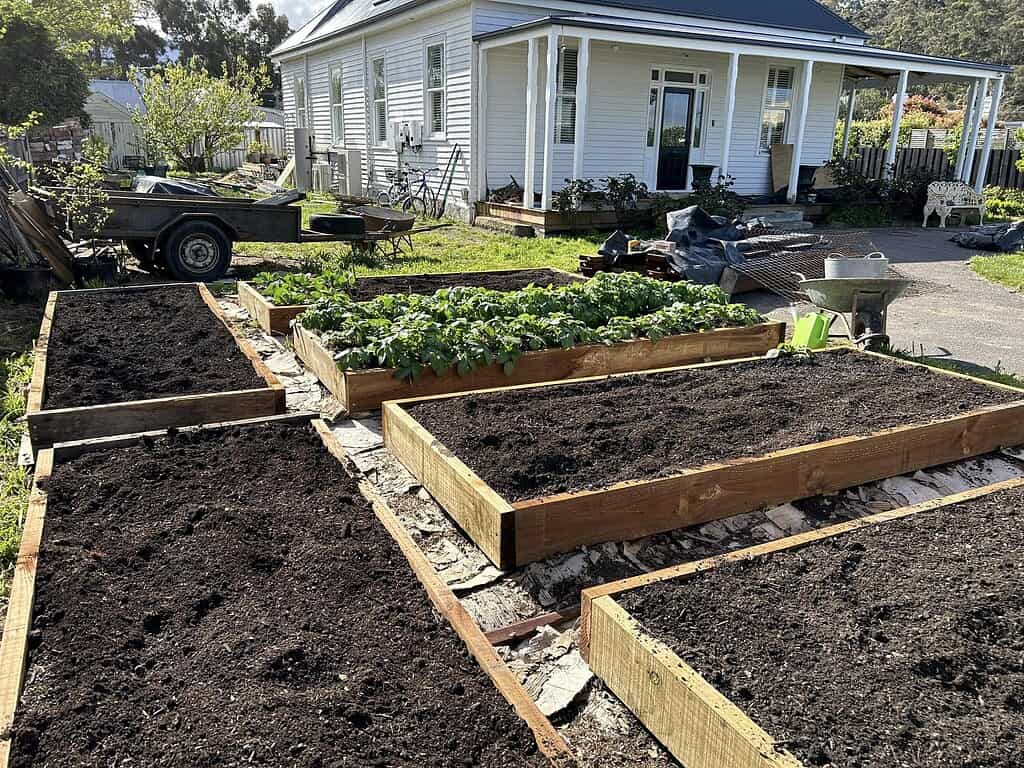
Zone 1 is the area immediately surrounding your back door — typically within 10 to 20 feet of the house.
This is where you plant the herbs and vegetables you reach for every single day: basil, parsley, chives, lettuce, cherry tomatoes, and peppers. Keep this zone small, tidy, and intensively planted.
A few raised beds or even containers work perfectly here. Because you pass through this zone multiple times a day, you will naturally water, harvest, and tend to it without making a special trip.
Zone 2 – The Main Vegetable Garden
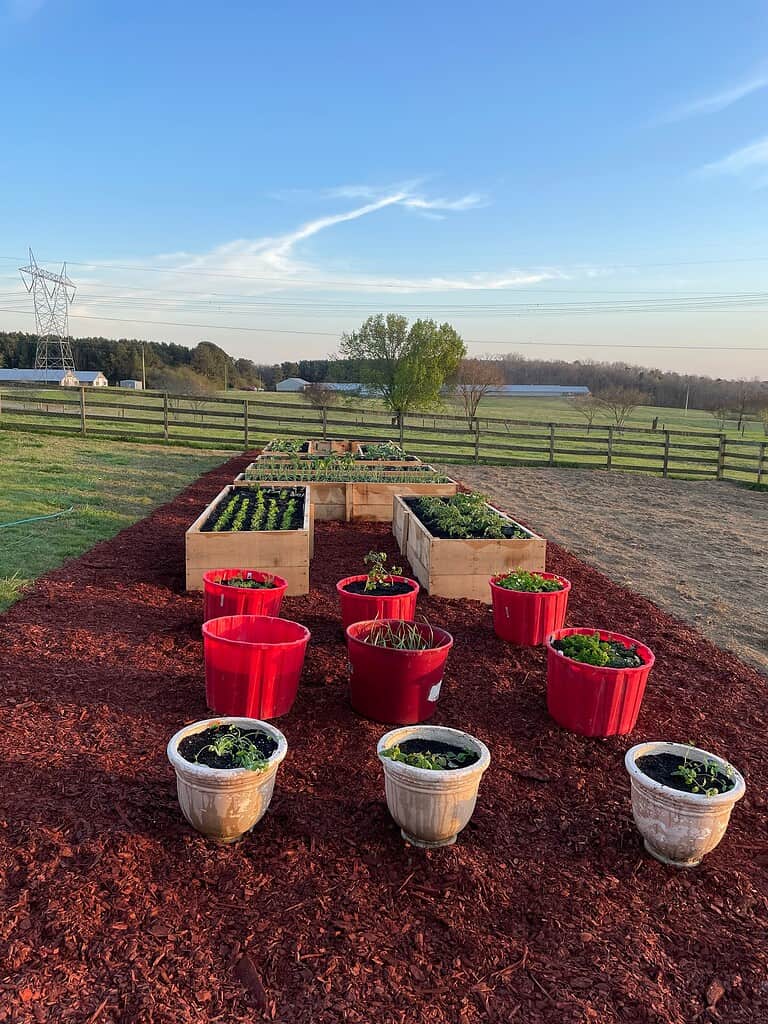
Zone 2 sits just beyond Zone 1 and is where your main food production happens. On a half acre, dedicate 1,500 to 3,000 square feet to your primary vegetable garden.
This is enough to grow squash, beans, tomatoes, cucumbers, broccoli, cabbage, and root vegetables like carrots, beets, and potatoes. Organize this area in clearly defined beds with wide paths between them so you can work without compacting the soil.
For layout inspiration, browse these creative garden bed layout ideas to find a configuration that fits your space and style.
Zone 3 – Orchard, Berry Patches, and Perennials
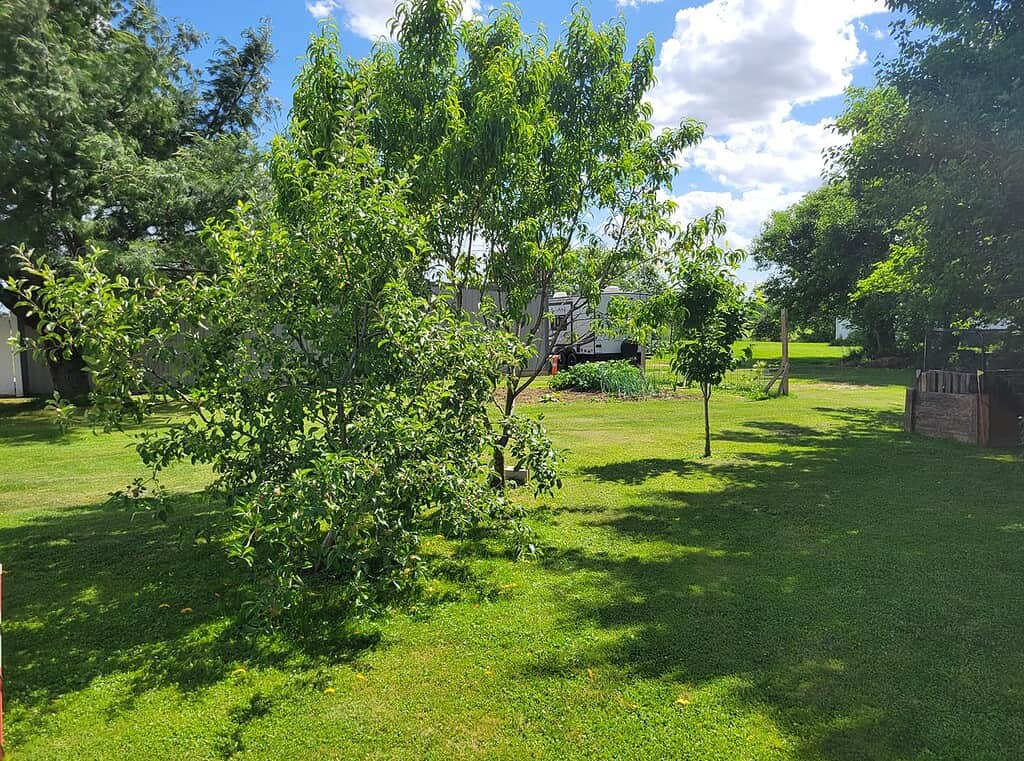
Zone 3 is for plants that do not need daily attention but reward you year after year.
On a half acre, you have room for 3 to 6 dwarf or semi-dwarf fruit trees — think apple, pear, cherry, or peach — along with rows of blueberries, blackberries, or raspberries.
Once established, perennial fruits require minimal labor compared to annual vegetables. Position your orchard on the north side of the property so it does not shade your vegetable beds. Interplant with flowering herbs like lavender and calendula to attract pollinators naturally.
Zone 4 – Livestock Area (Chickens and Small Animals)
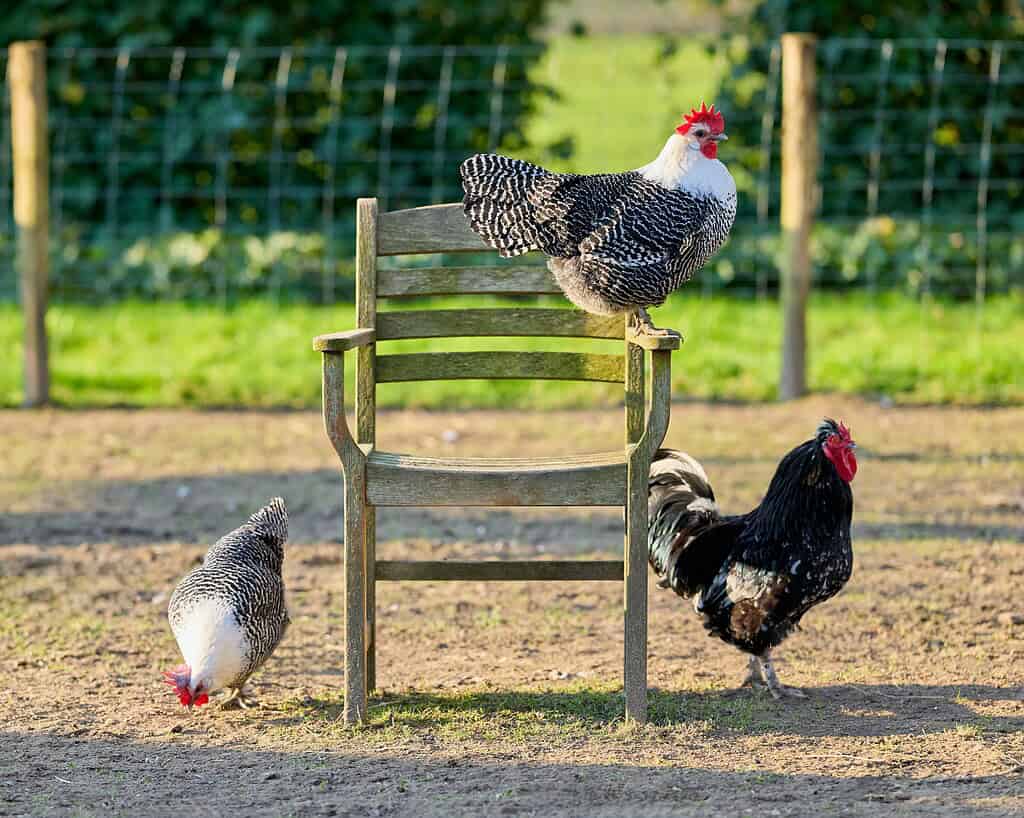
Zone 4 is your livestock area, set further from the house to manage noise and odor.
On a half acre, chickens are the ideal animal. A flock of 6 to 10 hens will supply a family with more eggs than they can eat, generate rich manure for compost, and help control garden pests.
Chickens need a minimum of 4 square feet of coop space and 10 square feet of outdoor run space per bird, so even a small corner of your property is enough.
If you want to integrate your chickens directly into your growing space, read this practical guide to a chicken coop garden setup that uses your flock to fertilize and maintain garden beds naturally.
Zone 5 – Compost, Storage, and Work Areas
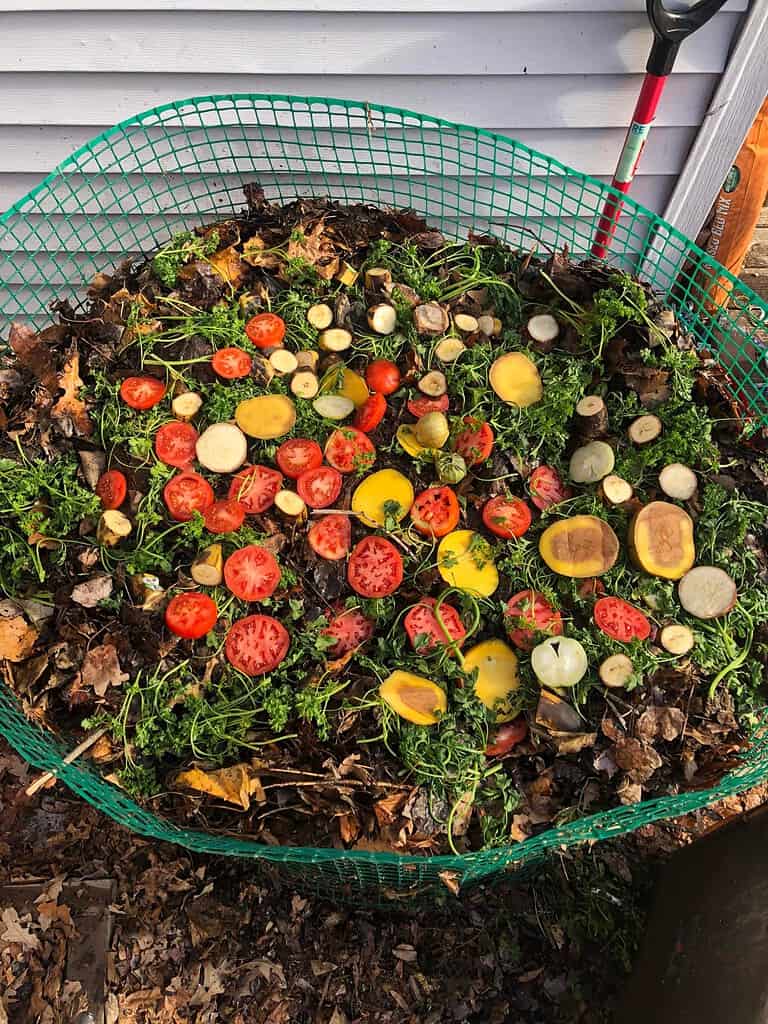
Zone 5 sits at the far end of the property and houses your compost bays, tool storage shed, woodpile, and any other infrastructure that does not need to look pretty.
Position your compost pile close to both the chicken coop and the vegetable garden — it will receive inputs from both and feed both in return.
A three-bay compost system works well on this scale: one bay for fresh material, one for actively breaking down material, and one for finished compost ready to use.
Raising Chickens on a Half Acre Homestead
Chickens are hands-down the best beginner livestock for a half acre. They are low-maintenance, inexpensive to feed, and remarkably productive.
A small backyard flock can produce 4 to 7 eggs per day during peak season, provide pest control throughout the garden, and contribute significant amounts of nitrogen-rich manure that will supercharge your compost.
For everything you need to know about keeping a flock healthy and productive, this detailed backyard chicken farming guide covers feeding, housing, health care, and seasonal management from start to finish.
When planning your coop, build for your future flock size — not your current one. Most beginners start with 6 chickens and quickly want more. A good rule of thumb is to build a coop that holds 50% more birds than you currently own.
If you want a budget-friendly way to get started, these step-by-step DIY chicken coop plans will walk you through building a solid, predator-proof structure without breaking the bank.
Miss it by a week and you lose the crop. The free 22-page planner pins down your exact dates — last frost, first frost, and the weekly steps between — so you plant on the days that actually work for your ZIP.
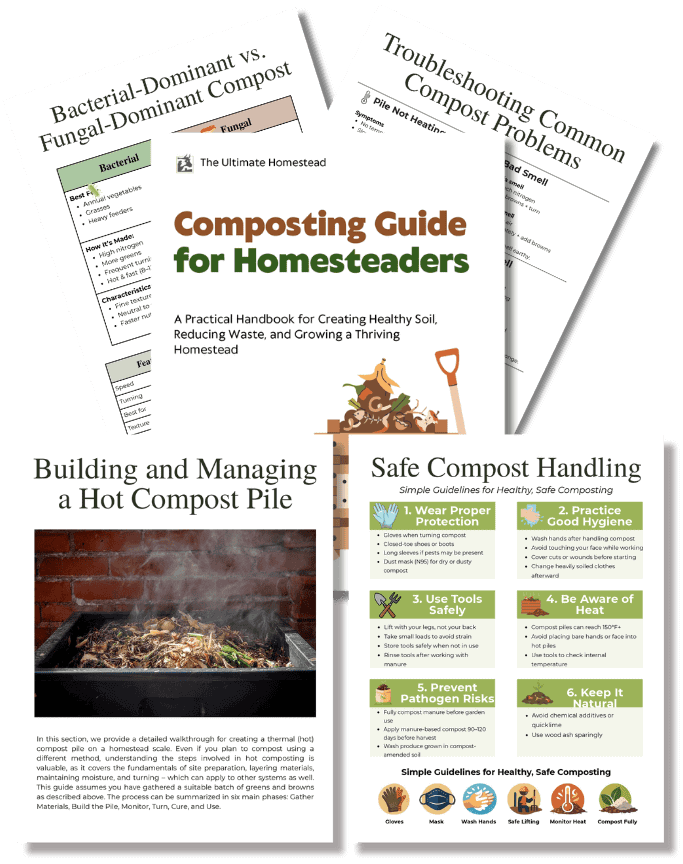
Setting Up a Compost System That Feeds Your Garden
A working compost system is the engine of a productive homestead. You will generate a surprising amount of organic material — kitchen scraps, garden waste, chicken bedding, and leaf litter.
A three-bay system using pallets or simple wire cages costs almost nothing to build and will produce enough finished compost to top-dress every bed in your garden twice per year.
One of the richest compost materials available to homesteaders with chickens is their manure. It is extremely high in nitrogen, but it needs to be managed properly before going into the garden.
Learn the right process in this helpful breakdown of composting chicken manure so you can use it safely and effectively without burning your plants.
Free Planting Guides for This Article
Get exact planting dates, frost schedules, and growing tips for your zone:
Water and Basic Infrastructure Planning
Water access is one of the most overlooked aspects of homestead layout planning.
Before you dig a single bed or build a coop, map out where your water lines run and identify the most efficient places to connect hoses or irrigation.
A basic drip irrigation system for the vegetable garden will save hours of hand-watering each week and dramatically reduce water waste.
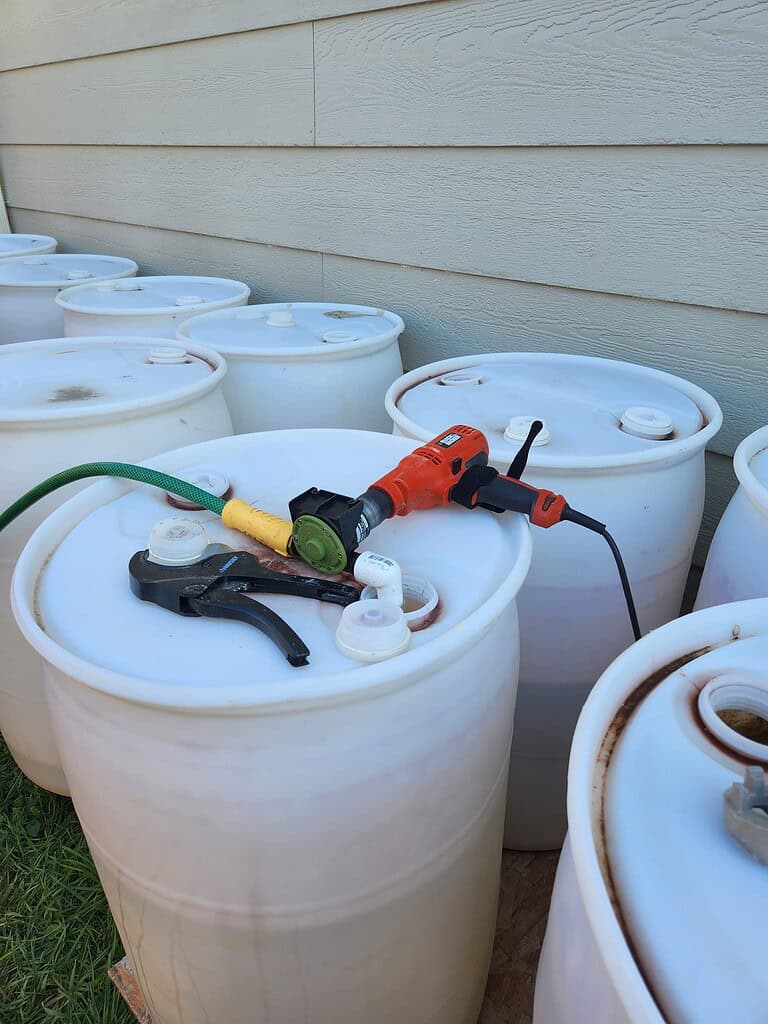
Consider adding at least one or two rain barrels connected to your downspouts. Collected rainwater is ideal for gardens because it is free of chlorine and naturally pH-balanced.
A single 55-gallon barrel can collect over 1,300 gallons of water per year in most climates — that is meaningful savings on your water bill. Position your barrels at the uphill end of your garden or on a raised platform so gravity does the work of moving water to your plants.
Best gardening planner I've used in 10 years — and I keep coming back to it every season.
Succession Planting to Keep Harvests Coming All Season
One of the most powerful strategies for maximizing a small homestead is succession planting — staggering your plantings so that as one crop finishes, another is ready to harvest. Without it, you end up with a glut of lettuce in May and bare beds in August.
With it, your garden produces steadily from the last frost of spring through the first frost of fall, and even into winter if you use cold frames or row covers.
A good succession planting system can triple the productive output of your existing beds without adding a single square foot of growing space.
To plan your schedule correctly and avoid gaps, use this detailed succession planting chart that shows you exactly when to sow, transplant, and follow up each crop throughout the growing season.
Building Your Half Acre Homestead on a Budget
The biggest mistake new homesteaders make is trying to do everything in the first year. You do not need a perfect layout from day one — you need a workable plan that you can build on over time.
Start with the basics: one or two raised vegetable beds, a small chicken flock, and a compost pile. Expand from there as you gain experience and confidence.
Sourcing materials locally is one of the best ways to keep costs down. Craigslist, Facebook Marketplace, and local farm stores often have free or cheap pallets, secondhand fencing, used lumber, and surplus seedlings.
You can also save significant money by starting many of your vegetables from seed rather than buying transplants.
Many of the skills and approaches used in small-space city growing translate directly to half-acre homesteading — for a broader look at budget-friendly, resource-efficient tactics, this urban homesteading guide is packed with practical ideas that work at any scale.
Prioritize permanent infrastructure first — fencing, water access, pathways, and soil building. These are the foundations that everything else depends on, and they are far easier and cheaper to install before you have raised beds and crops in the way.
After your infrastructure is solid, add your growing areas and livestock zones in phases rather than all at once.
- Beans
- Carrots
- Beets
- Lettuce
- Spinach
- Brassicas
How Hard Is It to Garden in Your County?
Every county has a unique Gardening Difficulty Score based on frost risk, soil quality, drought, altitude, and climate trends. Find yours — plus personalized frost dates, planting calendars, and soil data.
Check Your County's Score →Map Out Your Half Acre and Start Building Today
A half acre homestead is one of the most rewarding projects a beginner can take on. It is large enough to produce a real, meaningful amount of food, but small enough that one or two people can manage it without becoming overwhelmed.
The layout you choose in the beginning will shape how enjoyable and productive your homestead experience is for years to come, so it is worth taking the time to plan it well.
Start by sketching a rough map of your property. Mark your home, existing trees, water access points, and any permanent structures. Then use the zoning framework in this guide to assign areas for your kitchen garden, main vegetable beds, orchard, livestock, and compost.
From there, begin with one zone at a time — you will be amazed at how quickly your half acre transforms into a productive, thriving homestead.
Have you started planning your half acre homestead layout? Drop your questions, ideas, or photos in the comments below — we would love to see what you are working on and help you figure out your next step!
Plan Your Garden With Confidence!

Ever start planting… and then realize halfway through that things feel a little scattered?
A simple plan changes everything.
When you sketch your layout first, you can see what fits, what flows, and what actually makes sense for your space. It saves time, money, and a whole lot of second-guessing later.
Our free Garden Planner helps you map out beds, organize plant spacing, rotate crops, and keep track of seasonal tasks – all in a clean, printable format you can actually use.
Whether you’re designing a low maintenance front yard or planning your full homestead garden, this gives you a clear starting point.
Less chaos. More clarity. A garden that works.
Frequently Asked Questions
How many raised beds can I fit on a half acre homestead?
On a half acre with a house and outbuildings already occupying part of the land, most homesteaders can fit anywhere from 10 to 30 raised beds depending on their size. Standard 4×8 foot beds are the most manageable for beginners and allow you to reach the center of the bed without stepping on the soil.
With 15 to 20 beds of that size, you can grow a diverse, year-round supply of vegetables for a family of four. Leave at least 3-foot-wide paths between beds so you can move a wheelbarrow through comfortably.
Should I fence the entire half acre or just specific zones?
For most beginner homesteaders, fencing specific zones is more cost-effective and practical than fencing the entire property. At a minimum, fence your vegetable garden to keep out deer and rabbits, and fence a dedicated run for your chickens.
A perimeter fence around the whole property is a longer-term goal that makes sense once you have the budget for it — it will make managing free-range chickens and any future livestock much easier. Start with the most critical enclosed zones first and expand your fencing infrastructure as your homestead grows.
What is the best soil strategy for a brand new half acre homestead?
If you are starting with raw or poor soil, do not try to till and amend the entire area at once — focus your investment on the beds you will actually use in year one. The no-dig or sheet mulching method is an excellent way to convert lawn or compacted ground into productive garden space without expensive equipment.
Lay cardboard directly on the grass, cover it with 6 to 8 inches of compost and wood chips, and plant into that. The cardboard smothers weeds, the chips retain moisture, and the whole system breaks down into beautiful soil over the following months. Each year, top-dress with compost from your own system and your soil will continue to improve.
Can I keep goats or ducks on a half acre, or is it really just chickens?
Technically you can keep small goats or ducks on a half acre, but it comes with real trade-offs for beginners. Goats are browsers by nature and will eat or trample almost everything in reach — managing them without good fencing is a constant struggle.
Ducks are wonderfully productive for eggs and pest control, but they require access to water and create muddy, wet conditions that need daily management. If you are in your first one to three years of homesteading, chickens are almost always the better starting point.
Once you have your systems running smoothly, adding ducks to an established setup is a natural and manageable next step.
How long does it realistically take before a half acre homestead becomes self-sustaining?
Most beginner homesteaders begin producing meaningful amounts of food in their first full growing season, but true self-sufficiency — where your land provides a significant portion of your household’s food — typically takes three to five years of consistent work.
The first year is mostly about learning: understanding your soil, your local frost dates, your chickens’ behavior, and which crops perform well in your conditions.
By year two, you start optimizing.
By year three to five, if you have built good soil, maintained your compost system, and expanded your planting steadily, you can realistically supply 30% to 60% of your family’s food needs from your half acre. That is a remarkable and meaningful achievement for any beginner.
Level Up Your Garden
Our most popular gardening guides