If you’ve ever bitten into a sun-warm, freshly picked strawberry straight from your own garden, you already know there’s no comparison to anything sold in a plastic clamshell. Homegrown strawberries are sweeter, juicier, and grown the way you want – without mystery sprays or weeks-old freshness.
And here’s the good news: strawberries are one of the easiest fruits to grow at home, especially when you give them a raised bed to call their own.
The elevated setup gives them better drainage, looser soil, fewer pests, and warmer roots – which all add up to bigger, sweeter berries with way less hassle.
This guide walks you through everything you need to grow strawberries in raised beds successfully – from choosing the right variety and prepping your soil, to feeding, mulching, harvesting, and keeping pests away.
Whether you’re planting your very first strawberry crown or trying to revive a tired old patch, this is the complete playbook for sweet, juicy harvests year after year.
Why Raised Beds Are Ideal for Growing Strawberries

Strawberries are picky about exactly two things: drainage and warm soil.
Raised beds happen to deliver both better than almost any other setup, and that’s just the beginning. Here’s what makes them such a strong match for berries:
- Faster soil warm-up in spring – encourages earlier blooms and a longer harvest window.
- Excellent drainage – prevents the soggy soil that causes root rot, the #1 killer of strawberry plants.
- Total soil control – build the ideal slightly acidic, fluffy, compost-rich mix from scratch instead of fighting native clay or sand.
- Fewer weeds and easier picking – less bending, less competition, more berries.
- Built-in pest protection – elevation keeps slugs, snails, and burrowing critters at bay.
If you’re still deciding between a raised bed and growing in the ground, our complete breakdown on raised bed vs in-ground gardening is worth a read before you start digging.
Garden Planner
The 22-page planner timed to your county's real frost dates. Planting windows, monthly checklists, and a harvest log you'll fill with pride by August.
Your Free 22-Page Garden Planner
Built for your exact ZIP code — planting dates, harvest log, and a month-by-month plan. 15-second sign-up.
Choosing the Right Strawberry Variety for Your Raised Bed
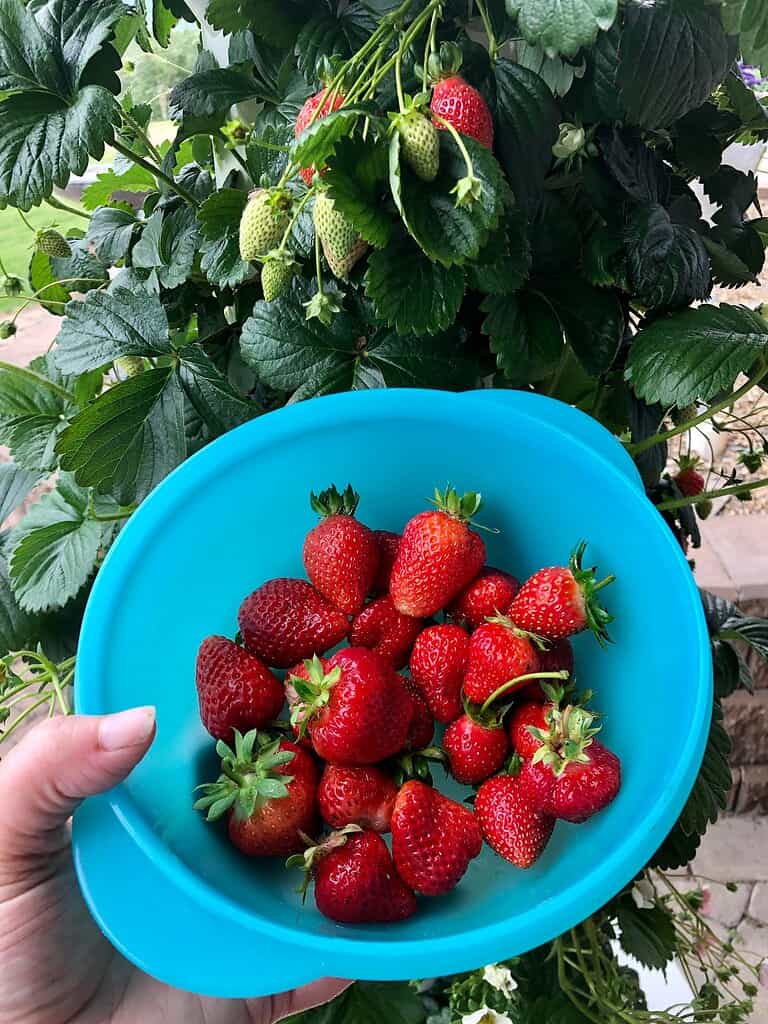
Not all strawberries are created equal, and the variety you pick will shape your entire harvest. There are three main types to know:
June-Bearing Strawberries
These produce one big, glorious flush of berries in late spring or early summer – usually over a 2 to 3 week window.
They’re the classic homestead strawberry, perfect if you want to make jam, freeze a big batch, or share with neighbors all at once. Popular picks include Honeoye, Allstar, and Jewel.
Everbearing Strawberries
Everbearing varieties give you two solid harvests – one in late spring and another in late summer or early fall. Smaller berries, but a longer overall season. Ozark Beauty and Quinault are reliable favorites here.
Day-Neutral Strawberries
Day-neutral types produce a steady trickle of berries from late spring all the way through fall, as long as temperatures stay between roughly 35 and 85 degrees.
They’re a fantastic match for raised beds because the bed buffers temperature swings and keeps them productive longer. Albion, Seascape, and Tristar are top performers.
If you’re tight on space and want fresh berries for your morning bowl of yogurt all season long, day-neutral varieties are the easiest win. For preserving and a single big haul, go with June-bearing.
Setting Up Your Raised Bed for a Strawberry Patch
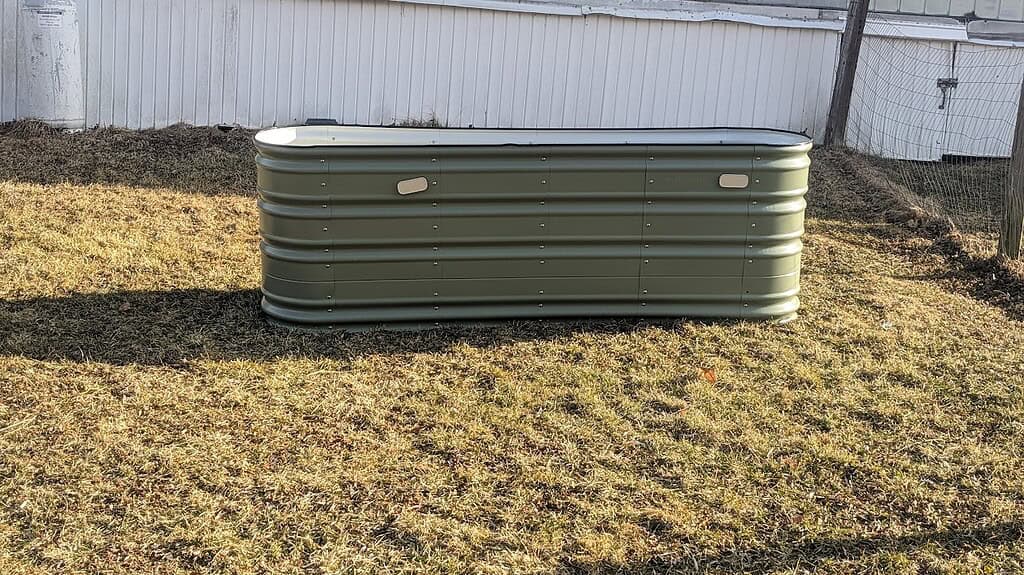
Strawberries don’t need a deep bed – their roots are relatively shallow, usually staying in the top 6 to 8 inches of soil. That said, a bed that’s at least 10 to 12 inches deep gives you better drainage and more room to layer in rich soil.
If you’re starting from scratch, an 8 to 12 inch deep bed in a sunny location is the sweet spot.
For materials, both wood and metal work well. Wood beds keep soil cooler in summer (a small bonus for strawberries during heat waves), while metal beds warm up faster in spring for an earlier start.
If you’re weighing your options, our honest review of metal raised garden beds covers the real pros and cons before you buy.
Before you start filling the bed, run through this quick site checklist:
- Sunlight: at least 6 to 8 hours of direct sun per day – non-negotiable for sweet, fully developed berries.
- Best location: morning sun with a little afternoon shade is ideal in hot climates.
- Bed depth: 8 to 12 inches minimum – deeper is even better for drainage and root room.
- Avoid spots where you’ve recently grown tomatoes, peppers, eggplant, or potatoes – they share soil-borne diseases that can wipe out your strawberry crop.
- Wind protection: a partially sheltered spot keeps blossoms intact and reduces moisture loss.
Miss it by a week and you lose the crop. The free 22-page planner pins down your exact dates — last frost, first frost, and the weekly steps between — so you plant on the days that actually work for your ZIP.
The Best Soil Mix for Sweet, Juicy Strawberries

If you take away one thing from this guide, let it be this: strawberries are only as sweet as the soil they’re grown in. Skimp on the soil, and you’ll get sour, watery, undersized berries no matter how perfect everything else is.
The ideal strawberry soil mix is light, fluffy, well-drained, and slightly acidic – aim for a pH between 5.5 and 6.8. Here’s a reliable blend that works beautifully every time:
- 50% high-quality topsoil – the structural backbone of your mix.
- 40% finished compost – for nutrients, microbial activity, and moisture retention.
- 10% perlite or coarse sand – to keep drainage sharp and prevent compaction.
- A handful of aged manure or worm castings per square foot – mixed in for slow-release nutrition all season.
For the full breakdown of how to layer and fill your bed efficiently (without wasting money on too much premium soil), check out our complete guide on how to fill raised garden beds.
It walks you through the lasagna-style method that works beautifully for berry crops.
How to Plant Strawberries in a Raised Bed (Step by Step)

Timing matters. In most regions, plant strawberries in early spring as soon as the soil can be worked. In warmer southern zones, fall planting actually works better, giving the plants time to establish before summer heat arrives.
You’ll most likely be planting bare-root crowns (the small, leafless plants you get in spring) or potted starts. Here’s exactly how to set them in:
- Soak bare roots in cool water for 20 to 30 minutes before planting to rehydrate them. Trim any roots that are longer than 4 to 5 inches.
- Dig holes 12 to 18 inches apart in rows about 18 inches apart. Give them room – crowded strawberries produce fewer, smaller berries and trap humidity that invites disease.
- Plant the crown at the right depth. This is the single most common mistake. Bury the roots fully, but the crown (where the roots meet the leaves) must sit right at soil level – not buried, not exposed. Too deep and the crown rots. Too shallow and the roots dry out.
- Water deeply right after planting to settle the soil around the roots, then keep the bed evenly moist for the first two to three weeks while the plants establish.
- Pinch off the first round of flowers in the first year. It feels brutal, but it forces the plant to put energy into roots and runners instead of fruit – and it pays off massively in year two with a much heavier harvest.
Best gardening planner I've used in 10 years — and I keep coming back to it every season.
Free Planting Guides for This Article
Get exact planting dates, frost schedules, and growing tips for your zone:
Watering and Mulching Your Strawberry Bed
Strawberries have shallow roots, which means they dry out fast – especially in a raised bed where soil sits exposed to sun and wind on multiple sides.
Aim for about 1 to 1.5 inches of water per week, delivered slowly and deeply rather than in light daily sprinkles. Consistent moisture during fruit development is what gives you plump, juicy berries instead of small, flavorless ones.
The best watering method by far is drip irrigation or a soaker hose laid right on the soil surface. It keeps water off the leaves and fruit (which prevents fungal disease) and delivers moisture exactly where the roots need it.
Setting one up takes a single afternoon – our walk-through on DIY drip irrigation for raised garden beds makes it surprisingly affordable and easy.
Once your plants are in, mulch is your best friend. Strawberries actually got their name from the traditional practice of mulching with straw, and there’s a good reason for it. A 2 to 3 inch layer of organic mulch does several jobs at once:
- Locks in moisture so you water less often.
- Smothers weeds before they steal nutrients and water.
- Regulates soil temperature through summer heat and surprise cold snaps.
- Keeps berries off the soil so they don’t rot or get nibbled by slugs.
Clean straw is the gold standard, but pine needles and shredded leaves work just as well. Avoid hay (it’s full of weed seeds) and grass clippings (they mat down and suffocate the crowns).
Feeding Your Strawberries for Maximum Sweetness

The sweetness of a strawberry isn’t just about variety or sun – it’s about balanced nutrition. Strawberries are moderate feeders that respond beautifully to organic, slow-release inputs.
At planting, work a generous layer of compost into the top few inches of your soil. Then feed lightly during the season with a balanced organic fertilizer – look for something with roughly equal NPK numbers (like a 5-5-5) or one slightly higher in phosphorus and potassium to support flowering and fruiting rather than leafy growth.
A homemade option works just as well, and our guide to DIY Miracle Grow alternatives shows you how to make a sweet-berry-friendly feed at home.
Avoid heavy nitrogen fertilizers – too much nitrogen produces lush green leaves but weak, flavorless fruit. A side-dressing of compost or worm castings every 4 to 6 weeks during the growing season is usually all your plants need to keep producing sweet, full-sized berries.
- Beans
- Carrots
- Beets
- Lettuce
- Spinach
- Brassicas
Common Pests and Problems (and How to Stop Them)
Strawberries are sweet, soft, and close to the ground – which makes them irresistible to a long list of garden visitors. Knowing your enemies in advance saves your harvest.
Slugs and Snails
Public enemy number one for strawberry growers.
They chew big ragged holes in ripening fruit, often overnight. The best defense is keeping berries up off the soil with a thick straw mulch and removing hiding spots like loose boards and damp debris around your bed.
For a complete approach, see our guide on how to get rid of slugs naturally – it covers the methods that actually work.
Birds
If you don’t cover your bed, expect to share most of your harvest with the local robin community. Lightweight bird netting draped over hoops is the simplest fix.
Make sure the netting is taut so birds don’t get tangled in it.
Fungal Diseases
Gray mold (botrytis) and leaf spot show up when humidity is high and air circulation is poor.
Prevent both by spacing plants properly, watering at soil level rather than overhead, and clearing out old leaves and debris at the end of each season.
Aphids and Spider Mites
Both can show up on strawberry leaves, especially in dry weather.
A strong spray of water knocks most of them off, and a homemade insecticidal soap handles bigger infestations without harming pollinators.
How Hard Is It to Garden in Your County?
Every county has a unique Gardening Difficulty Score based on frost risk, soil quality, drought, altitude, and climate trends. Find yours — plus personalized frost dates, planting calendars, and soil data.
Check Your County's Score →Harvesting and Renewing Your Strawberry Bed

A ripe strawberry is fully red from tip to shoulders, slightly soft, and pulls free from the cap with a gentle twist.
Pick in the morning when berries are cool, and use scissors or your fingernails to snap the stem rather than yanking – tearing damages the plant and shortens the berry’s shelf life.
A few quick harvesting rules that make a big difference:
- Pick every 1 to 2 days during peak season to catch berries at their best.
- Leave underripe berries on the plant – strawberries don’t ripen further after picking.
- Don’t wash until just before eating – wet berries break down fast in the fridge.
- Store unwashed berries in a single layer on a paper-towel-lined container for the longest fridge life.
After your main harvest is over, give the bed a refresh. Trim back the foliage to about 4 inches, top-dress with fresh compost, and remove any runners you don’t want to root.
Most strawberry plants stay productive for 3 to 4 years – after that, replace the older crowns with new runners or fresh plants to keep your harvest going strong.
If you want to keep stretching your homegrown food beyond the strawberry patch, our guide on building a mini farm in a small backyard is packed with ideas for layering more food crops into a small space.
Start Growing Sweeter Strawberries This Season!
Growing strawberries in raised beds isn’t complicated – it’s just a series of small, intentional choices that add up to massive flavor.
Pick a sunny spot, build great soil, mulch like you mean it, water consistently, and protect your harvest from the usual pests.
Do those things well and your raised bed will reward you with bowl after bowl of sweet, juicy berries you’d never trade for store-bought again.
Now over to you. Are you planting strawberries in a raised bed for the first time, or are you a seasoned grower with a tip that’s worked wonders in your own patch?
Drop a comment below and tell us about your strawberry-growing wins (or the mistakes you’ve learned from). Your real-world experience helps fellow gardeners grow smarter, sweeter harvests right alongside you!
Ready to Design Your Dream Garden Bed?
Feeling inspired to build something beautiful?
If you’re ready to go beyond just one garden bed and truly design a space that feels intentional, productive, and charming, I put together something special for you.
Inside 101 Garden Bed Ideas, you’ll find creative layouts, raised bed designs, space-saving solutions, and inspiring setups you can actually recreate in your own yard – whether you’re working with a tiny backyard or a full homestead.
Start planning your dream garden today.

Frequently Asked Questions
Can I grow strawberries in the same raised bed as vegetables, or do they need their own dedicated bed?
Strawberries can absolutely share a raised bed with the right companions – lettuce, spinach, bush beans, garlic, and herbs like thyme or borage all work well alongside them.
The catch is that strawberries are perennials and stay in the bed for several years, so you’ll want to plant them along one edge or in a dedicated section rather than scattered through annual rotation areas.
Avoid planting them next to tomatoes, peppers, eggplant, or members of the cabbage family, which compete heavily and share diseases.
How long do strawberry plants in a raised bed actually keep producing before they need to be replaced?
Most strawberry plants give you a strong harvest for about 3 to 4 years. The first year is usually a light crop while the plants establish, year two is your biggest harvest, and production gradually declines after year three.
The good news is that strawberries are self-renewing – they send out runners that root into new plants. By rotating in fresh runners and removing the oldest crowns each year, you can keep a strawberry bed productive almost indefinitely without ever buying new plants.
Will strawberries survive the winter in a raised bed, or do I need to bring them indoors?
Strawberries are cold-hardy and survive winter just fine in raised beds in most climates – usually down to USDA zone 4 without help. The main risk in a raised bed is that the elevated soil freezes harder and faster than ground soil, which can damage shallow crowns.
To protect them, mound a 4 to 6 inch layer of straw, leaves, or pine needles over the entire bed once temperatures consistently drop below freezing. Pull the mulch back gradually in early spring once new growth emerges.
Why are my strawberries small or misshapen even though the plants look healthy?
Small or oddly shaped berries usually point to one of three issues: poor pollination, inconsistent watering, or a boron or calcium deficiency. Lumpy, twisted berries are almost always a pollination problem – either there weren’t enough bees around when flowers opened, or temperatures were too cold or too hot during bloom.
Encourage pollinators by planting flowers nearby, and avoid using insecticides during bloom. If pollination looks fine but berries stay tiny, your plants may need more consistent moisture during fruit development or a top-dress of compost to boost trace minerals.
Can I grow strawberries from grocery store strawberries in my raised bed?
Technically yes, but it’s almost never worth the effort. Strawberry seeds are tiny, slow to germinate, and the resulting plants often won’t produce true to the parent variety – meaning the berries you get may be small, sour, or nothing like what you started with.
Most commercial strawberries are also hybrids bred for shipping, not flavor or home growing. You’ll get vastly better results buying certified disease-free crowns or runners from a reputable nursery in early spring. They establish faster, produce sooner, and give you the variety performance you actually want.
Level Up Your Garden
Our most popular gardening guides