Quail might be one of the most overlooked birds on the homestead. They are small, they lay eggs nearly every day, and they actually thrive in spaces where chickens or ducks would feel cramped and stressed.
But here is a truth not enough quail keepers talk about: the design of the coop matters more than the breed, the feed, or even the season.
A poorly built coop leads to skittish birds, dropped eggs, dirty shells, and frustrating losses to predators. A smart, thoughtful coop? You will see calm hens, clean eggs every morning, and a setup that practically maintains itself.
Whether you are raising quail for eggs, meat, or both, these 12 coop ideas are designed to keep your flock healthy and your egg basket full. Pick the one that matches your space, climate, and goals – and watch your quail thrive.
Why Your Quail Coop Design Directly Affects Health and Egg Production
The coop is not just a place to keep your birds – it is the single biggest factor in their daily wellbeing. Quail are highly sensitive to stress. A noisy environment, poor ventilation, or cramped conditions can shut down laying within a week.
On the flip side, a well-designed coop creates the calm, clean, predictable environment quail need to lay consistently. Air quality keeps respiratory issues at bay.
Proper flooring keeps droppings out of feathers. And quiet, secluded nesting nooks encourage hens to settle in and produce.
Before you start building or buying, it helps to understand exactly what these birds actually need to thrive. If you are new to quail keeping, our Beginner’s Guide to Quail Care, Housing & Feeding walks through the care basics that pair perfectly with any of the coop designs below.
Garden Planner
The 22-page planner timed to your county's real frost dates. Planting windows, monthly checklists, and a harvest log you'll fill with pride by August.
Your Free 22-Page Garden Planner
Built for your exact ZIP code — planting dates, harvest log, and a month-by-month plan. 15-second sign-up.
12 Best Quail Coop Ideas for Healthy Birds and High Egg Production
Below are twelve practical, tested coop designs ranging from compact urban setups to full-scale homestead builds. Each one solves real problems, supports healthy birds, and keeps egg production strong.
1. Stacked Wire Cage System
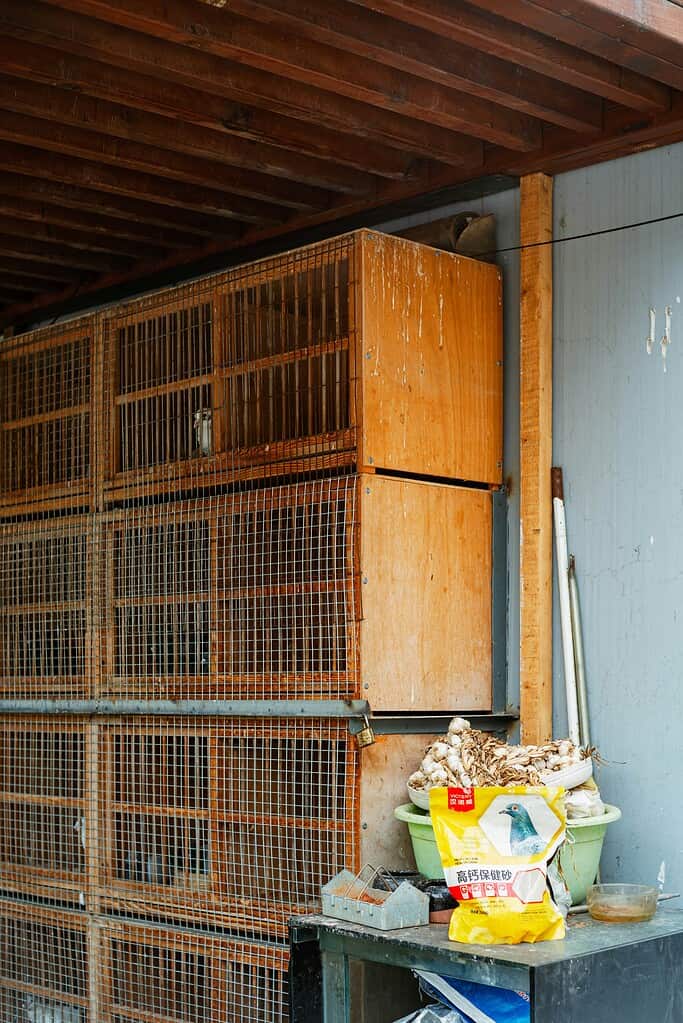
This is the gold standard for serious egg producers in tight spaces.
Multiple wire cages stack vertically, each with its own droppings tray, feeder, and waterer. The wire floor lets waste fall through cleanly, keeping eggs spotless and birds healthy.
You will typically see 3-4 levels stacked in a garage, shed, or barn. Each cage holds 4-6 quail comfortably with about 1 square foot per bird.
Cleanup takes minutes, ventilation is excellent thanks to the open wire design, and egg collection is as simple as sliding open a top hatch.
If efficiency is your priority, this design wins.
For more compact poultry housing inspiration that pairs well with stacked cage systems, our roundup of Small-Animal Housing Kits for Urban Homesteads covers options worth a look.
2. A-Frame Walk-In Coop
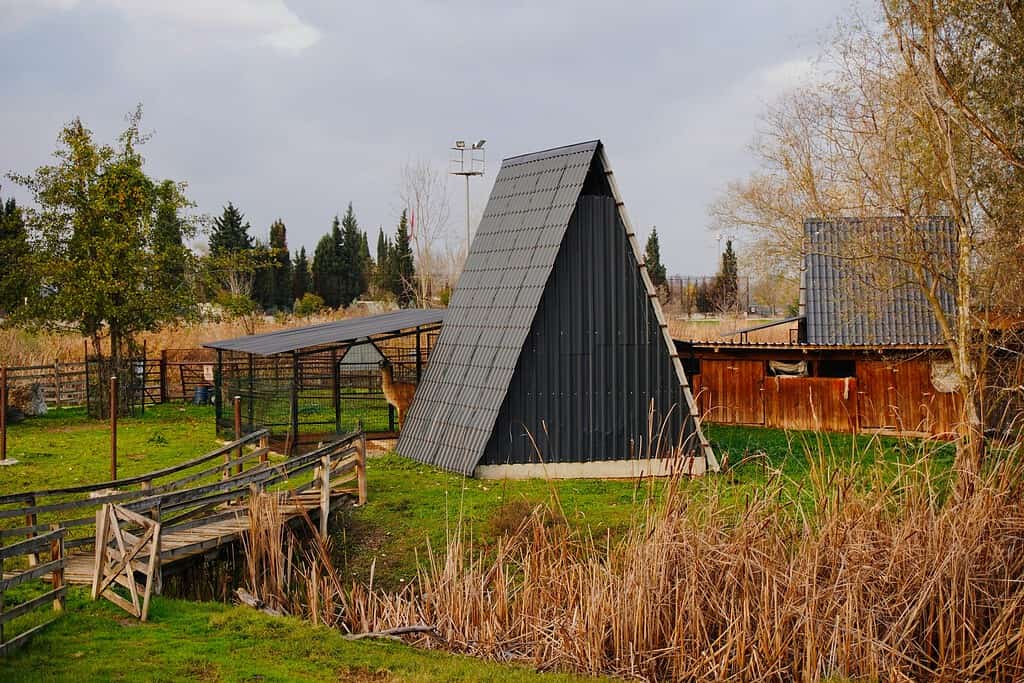
The A-frame design uses a triangular shape that sheds rain, snow, and debris naturally.
The pitched roof gives you good headroom on one side – perfect for walking in to collect eggs – while keeping the structure compact at the base.
Inside, you can fit a roosting area, a dust bath spot, and dedicated nesting nooks along the back wall. The peaked top creates excellent passive ventilation, and the slanted sides make it surprisingly predator-resistant.
This style works well for medium flocks of 12-20 birds. It is also one of the more affordable walk-in builds since the angled walls cut your material costs nearly in half compared to traditional rectangular coops.
3. Convertible Hutch and Run Combo
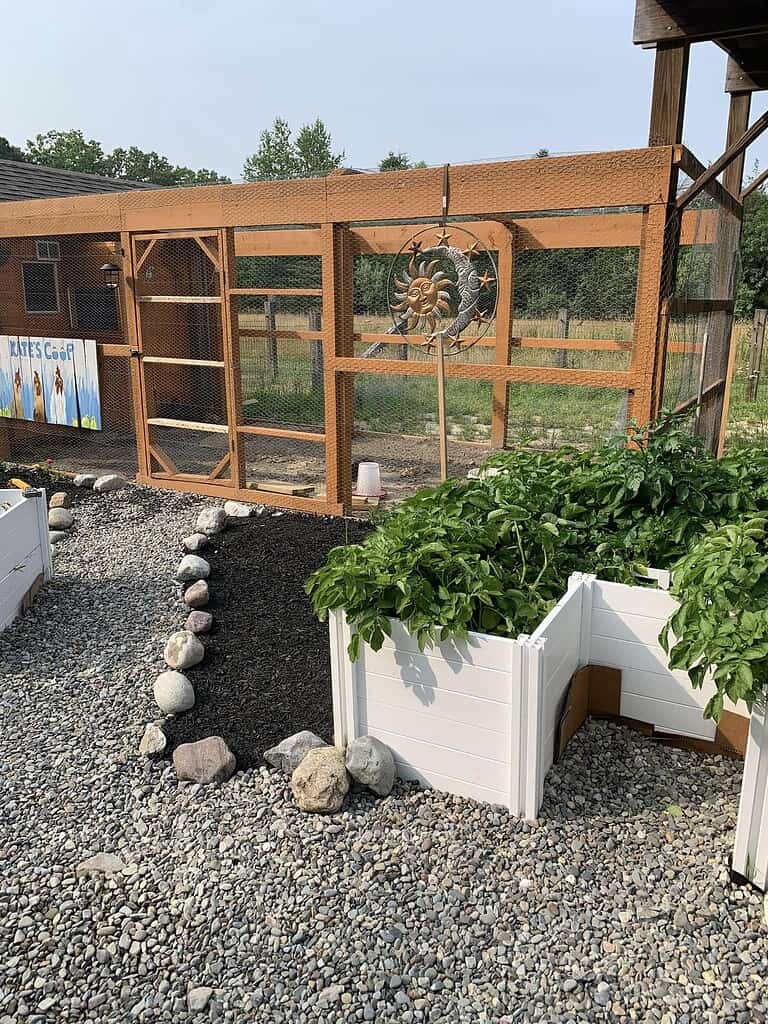
This design pairs an enclosed shelter with an attached open run, giving your quail the best of both worlds. They can hide and nest in the protected hutch, then step out to forage and dust bathe in the run section.
Build the hutch elevated about 2-3 feet off the ground and connect it to a ground-level run with a small ramp or hatch. The hutch keeps birds dry and warm; the run lets them stretch and exhibit natural behaviors that lower stress and lift egg production.
For ideas on integrating runs and outdoor access, our post on the 5 Best Chicken Tunnel Options for Every Backyard Flock offers concepts that scale down beautifully for quail.
4. Greenhouse-Integrated Quail Coop
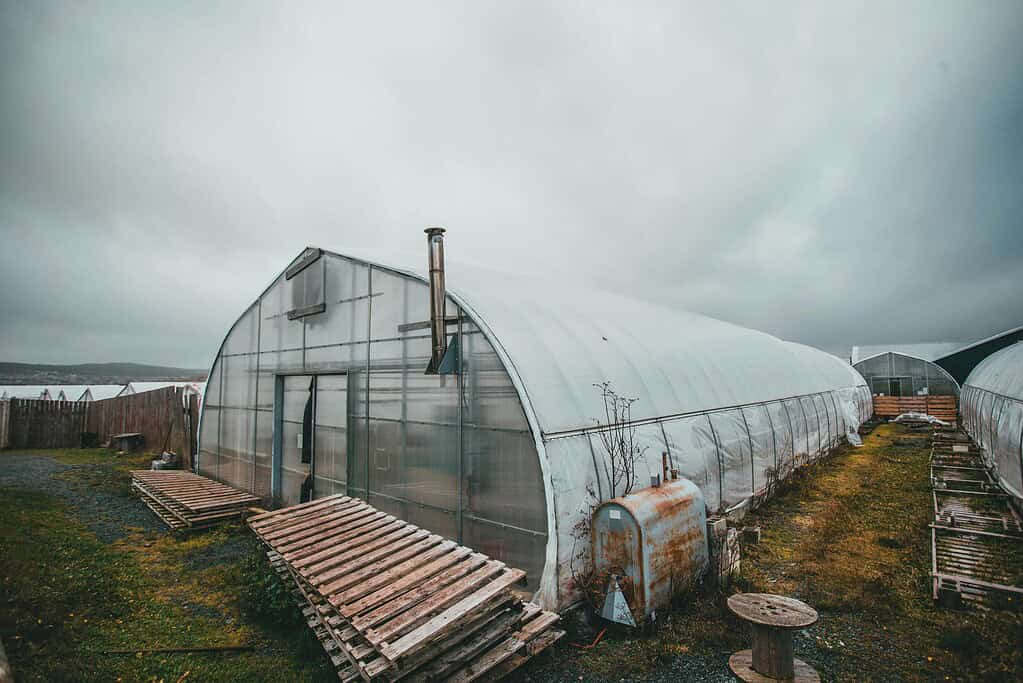
If you already have a greenhouse – or you are planning one – this combo is ridiculously efficient. The quail live below (or in a sectioned-off area), keeping the space warm in winter while their droppings feed the soil for nearby plants.
Use 1/4-inch hardware cloth for partitions and any open vents. Keep plants out of pecking range, and add LED lighting for cloudy seasons. The shared environment maintains stable temperatures, a win for both birds and crops.
This setup particularly shines in colder climates, where the greenhouse passively regulates the coop temperature. It is a true permaculture-style design that pulls double duty without doubling your daily workload.
5. Mobile Quail Tractor
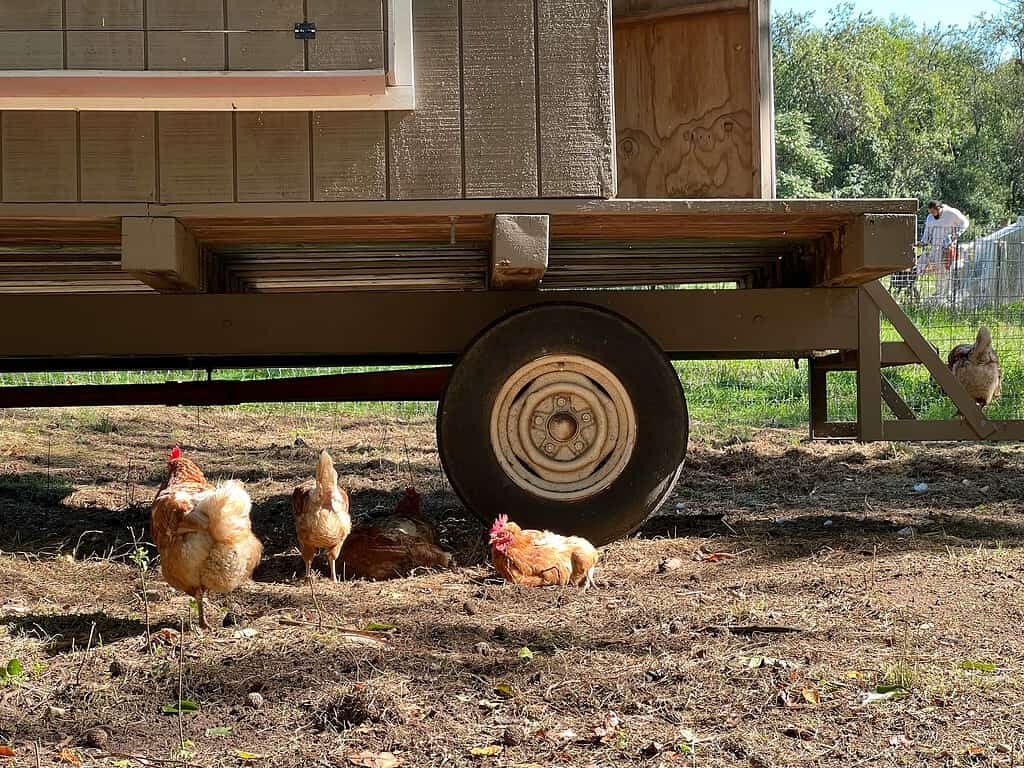
A quail tractor is a low, lightweight, wheeled pen you move every few days. Fresh ground, fresh bugs, less manure buildup – and your yard gets natural fertilization in the process.
These work best on flat, grassy areas with about 4-6 birds per setup. The base should be wire-bottomed for predator protection, with a closed shelter at one end where birds can rest, nest, and escape weather.
Tractors are perfect for homesteaders who want healthy, happy quail without the headaches of static cleanup.
If you like the rotational concept, you will find more movable backyard projects in our list of 30 Easy Homestead Projects You Can Actually Start This Week.
6. Repurposed Pallet Coop
Free wood pallets become solid, rustic-looking coops with a few hours of disassembly and creative thinking. The slatted sides allow natural ventilation, and the dimensions of standard pallets just happen to make excellent quail-sized walls.
Line the inside with hardware cloth – this is essential, since pallet gaps are predator-friendly. Add a metal roof for weather protection and a hinged top for easy egg collection.
This is the budget option, hands down. Expect to spend $30-50 if you reuse pallets and only buy hardware cloth, hinges, and roofing. It is surprisingly durable when assembled tightly and will house 8-12 birds comfortably.
7. Modular Breeder Pen Setup
If you are breeding quail or tracking lineage, a modular coop with separated pens lets you control exactly which birds pair up. Each pen houses one male with 3-4 females, with shared walls but no visual contact between groups.
This reduces aggression, keeps lines pure, and allows for selective breeding. Each module needs its own feeder, waterer, and nesting area, but the shared structure cuts down on total square footage and build cost.
It is not the prettiest design, but for serious breeders focused on egg color, size, or hatch rates, this layout is unbeatable.
It pairs perfectly with brooder setups – check out 10 DIY Brooder Box Ideas That Make Raising Chicks So Much Easier for next-step housing as your hatchlings grow.
8. Insulated Cold-Climate Coop
In areas where winter routinely dips below freezing, an insulated coop keeps your hens laying through the dark months instead of stalling out. Use rigid foam board between framed walls, then add interior plywood to keep birds from pecking the insulation.
Do not forget ventilation – even in winter, you need airflow at the top to prevent condensation and ammonia buildup. Add small windows or vents that can be partially closed during the coldest stretches.
A heated waterer is critical here, since frozen water will tank your egg production overnight.
For more winter strategies that protect both birds and infrastructure, our post on 22 Winter Homesteading Tips to Keep Your Home Running Smoothly is a good companion read.
9. PVC Pipe Frame Coop
PVC framing is lightweight, rust-proof, and surprisingly strong when assembled with cross-bracing. Cover the frame with 1/4-inch hardware cloth, add a tarp or corrugated panel roof, and you have a weatherproof coop you can build in a single afternoon.
This design is ideal for renters or anyone who might need to relocate the coop later. Disassembly is quick, and the materials do not rot or warp. Add solid panels on the windward side to block drafts.
It is not a forever-coop, but for a 2-3 year setup or a starter build, PVC delivers serious value. Many beginners use it as their first quail coop while they figure out exactly what they really need long-term.
10. Multi-Level Loft Coop
A loft-style coop adds vertical space that quail surprisingly love. Use lower levels for foraging and dust bathing, and an upper loft platform for roosting and nesting. Birds feel safer up high, and the design fits more flock in less ground area.
Use solid platforms (not wire) for the loft so eggs do not roll. Add small ramps between levels and tuck nesting spots into shadowed corners up top where hens feel hidden and safe.
It is a bit more carpentry-heavy than a basic hutch, but the egg production boost from happy, secure hens makes it well worth the effort. Some keepers report 15-20% more eggs after switching to multi-level designs – quail love their privacy.
11. Suburban Cottage Coop
If you are keeping quail in a backyard with curious neighbors (or a watchful HOA), the cottage-style coop blends in like a cute garden feature. Painted siding, a shingled roof, window boxes, and decorative trim help it look like decor instead of livestock housing.
Function still comes first: hardware cloth ventilation panels, a discreet egg-collection hatch, and a low-profile design that fits behind a privacy fence. Most cottage coops handle 6-10 birds without trouble.
For inspiration on making poultry setups visually appealing, you can borrow ideas from 9 Practical Chicken Coop Decor Ideas That Keep Hens Happy – many of the principles translate directly to quail housing.
12. Garden-Integrated Aviary Coop
This is the showpiece. A walk-in aviary with mesh sides, integrated planters, perches, and natural elements creates a living ecosystem where your quail will thrive. They get bug control, varied diet, and constant mental stimulation.
Plant herbs like mint, oregano, and thyme around (and partially within) the coop – they deter insects and freshen the air naturally. Add a sand pit for dust bathing and a few low logs or branches for cover.
This is the most ambitious design on the list, but the egg quality and bird health are unmatched.
Pair it with the principles in our guide on How to Build a Mini Farm in a Small Backyard Space and you have a serious, integrated productivity setup.
Must-Have Features Every Quail Coop Needs to Keep Birds Healthy
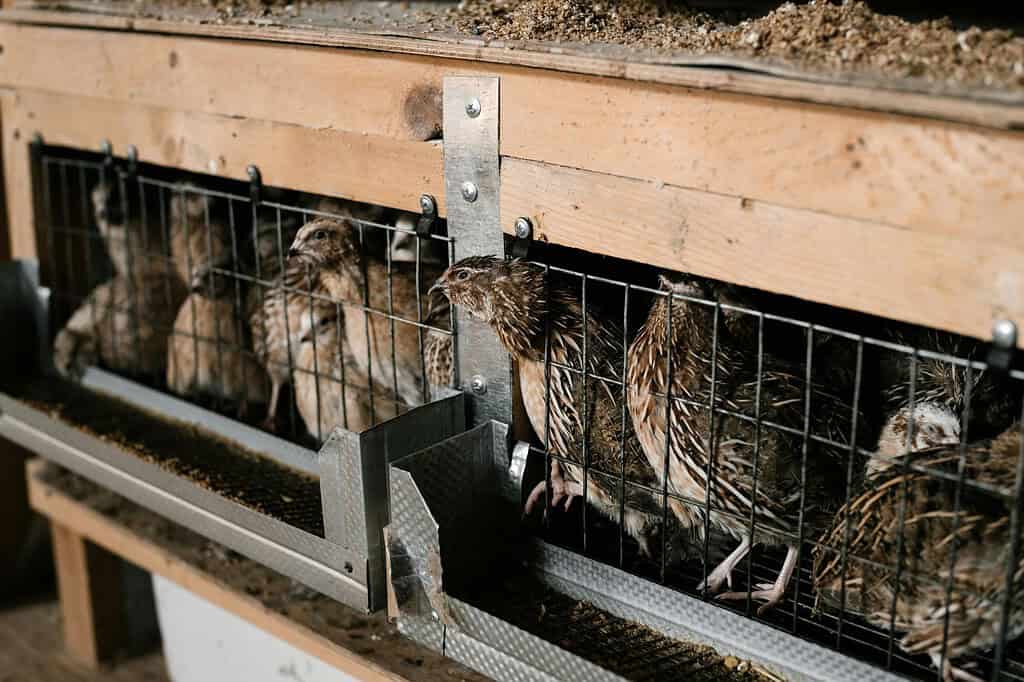
No matter which design you choose, certain features are non-negotiable.
Hardware cloth (1/4-inch on all sides, including the floor) blocks predators and prevents birds from squeezing out. Anything wider lets in rats, snakes, and weasels.
Ventilation matters more than people realize. Quail produce ammonia from their droppings, and trapped fumes lead directly to respiratory disease and dropped egg production. Aim for vents near the top of the coop that can be partially closed in winter.
Each coop also needs a dedicated dust bath area (a tray of sand and a bit of diatomaceous earth works perfectly) and quiet nesting nooks. Quail prefer privacy when they lay. Get those basics right and you are already ahead of most new keepers.
For more housing fundamentals tailored to small backyards, our roundup of 12 Small Chicken Coop Ideas Perfect for Tiny Yards covers principles that apply directly.
Miss it by a week and you lose the crop. The free 22-page planner pins down your exact dates — last frost, first frost, and the weekly steps between — so you plant on the days that actually work for your ZIP.
Free Planting Guides for This Article
Get exact planting dates, frost schedules, and growing tips for your zone:
How Smart Coop Design Boosts Daily Egg Production
Egg production is not just about feed and breed – the coop environment plays a massive role. Quail need 14-16 hours of light daily to maintain peak laying. In winter, that means supplemental LED lighting on a timer.
Temperature stability also matters. Quail lay best between 60 and 75 degrees Fahrenheit. Big swings stress them out and pause production. Insulation, ventilation control, and shaded summer spots all help maintain this range year-round.
Privacy is the third quiet factor. Hens that feel exposed will drop eggs randomly or stop laying. Tucked-in nesting boxes – dim, quiet, and consistent – signal safety and encourage daily output. Get these three dialed in and you can often double your daily egg count compared to a basic setup.
For more space-efficient ideas that maximize productivity, our post on How to Turn Your Tiny Backyard into a Homestead is full of layout strategies.
Common Quail Coop Mistakes That Hurt Both Birds and Egg Yield
The biggest mistake new quail keepers make? Using chicken wire instead of hardware cloth. Chicken wire keeps chickens in – it does not keep predators out. Raccoons can rip through it in seconds, and rats slip right between the gaps.
Overcrowding is a close second. Quail need at least 1 square foot per bird in cages and 1.5 to 2 square feet in walk-in setups. Pack them in tighter and you will see feather pecking, stress, dropped eggs, and disease spread fast.
Skipping the dust bath, ignoring ventilation, and placing the coop in direct sun without shade are all common, costly errors. Even the best coop design fails if these basics are not honored.
Anyone scaling up their backyard livestock can also benefit from the broader principles in our Modern Homesteading Guide to Self-Sufficient Living.
Best gardening planner I've used in 10 years — and I keep coming back to it every season.
How Hard Is It to Garden in Your County?
Every county has a unique Gardening Difficulty Score based on frost risk, soil quality, drought, altitude, and climate trends. Find yours — plus personalized frost dates, planting calendars, and soil data.
Check Your County's Score →Build Your Quail Coop This Week and Start Collecting More Eggs Right Away
The right quail coop transforms your homestead. Calmer birds, cleaner eggs, fewer losses, less daily work. Whether you go with a stacked cage system for serious production or a cottage-style setup for backyard charm, the key is matching the design to your space, your climate, and your goals.
Do not overthink it. Pick the design that fits your situation, prioritize hardware cloth and good ventilation, and build something you can actually maintain long-term. Your future self – and your hens – will thank you for it.
For more long-term homesteading inspiration that goes hand-in-hand with raising poultry, check out our complete guide to Urban Homesteading: Growing, Raising, and Living Sustainably in the City.
Which of these quail coop ideas matches your setup best? Are you already raising quail with a design that is working great, or struggling with one that is not?
Drop your experiences, questions, and coop photos in the comments below – your insights might be exactly what another reader needs to get started.
Plan Your Garden With Confidence!

Ever start planting… and then realize halfway through that things feel a little scattered?
A simple plan changes everything.
When you sketch your layout first, you can see what fits, what flows, and what actually makes sense for your space. It saves time, money, and a whole lot of second-guessing later.
Our free Garden Planner helps you map out beds, organize plant spacing, rotate crops, and keep track of seasonal tasks – all in a clean, printable format you can actually use.
Whether you’re designing a low maintenance front yard or planning your full homestead garden, this gives you a clear starting point.
Less chaos. More clarity. A garden that works.
- Lettuce
- Spinach
- Carrots
- Radishes
- Kale
- Brassicas
Frequently Asked Questions About Quail Coops
Got more questions about coop care that were not covered yet?
Here are five practical questions we hear most often from quail keepers – covering cleaning routines, lighting decisions, and long-term setup choices.
1. How often should you fully clean a quail coop without disrupting laying?
Spot-clean droppings trays every 1-3 days, and do a full deep clean (all bedding out, surfaces wiped, hardware cloth scrubbed) every 4-6 weeks. Cleaning more often than that actually stresses laying hens and can drop your daily egg count for several days afterward.
2. What temperature range keeps quail healthy and laying year-round?
Quail lay best between 60 and 75 degrees Fahrenheit. They tolerate down to about 20 degrees if dry and draft-free, and up to about 85 degrees with good ventilation and shade. Sustained temperatures outside that range will pause production until conditions stabilize.
3. Should you add artificial lighting to a quail coop during winter?
Yes, if you want consistent egg production through the dark months. Quail need 14-16 hours of light daily to keep laying. A simple LED bulb on a timer (set to add light in the early morning, not late evening) does the job without disrupting their natural sleep cycles.
4. How long does a well-built quail coop typically last?
Wood-framed coops with hardware cloth and a metal or shingled roof last 8-12 years with basic maintenance. PVC-frame coops typically last 3-5 years before UV degradation sets in. Metal stacked cages can easily last 15+ years if kept dry and rust-free.
5. Can male and female quail share the same coop without affecting egg production?
Yes, but the ratio matters. Keep one male per 4-6 females to avoid over-mating, which causes feather loss, stress, and dropped eggs. If you are not breeding, an all-female coop is calmer and equally productive – males are not required for egg laying, only for fertilization.
Level Up Your Garden
Our most popular gardening guides