Marigolds are the ray-of-sunshine marigold flowers that brighten up any garden. These cheerful annuals are famously easy to grow and can bloom non-stop from late spring through fall.
If you’re a beginner or intermediate gardener looking for practical, no-fuss marigold care tips, you’re in the right place.
In this article, we’ll chat about everything from planting to caring for marigolds, plus smart uses like companion planting with marigolds to protect your veggies.
Let’s dig in (pun intended) and get those vibrant blooms thriving!
Why Grow Marigolds? (Marigold Benefits)
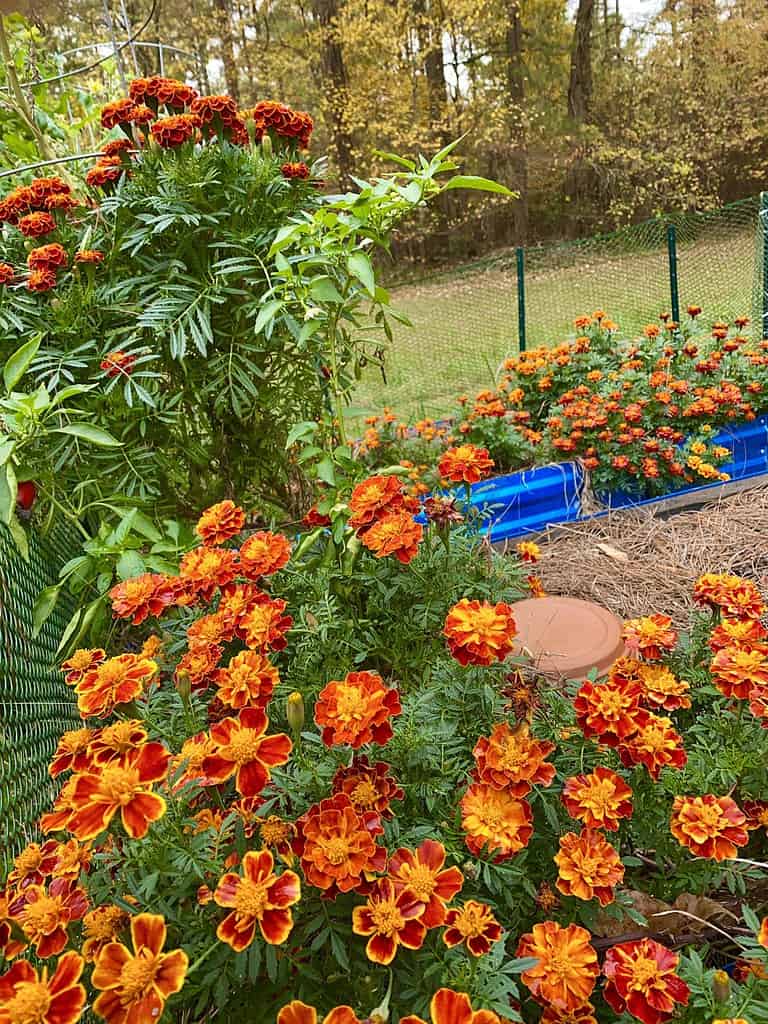
Why are marigolds such a beloved garden flower? For starters, they’re extremely low-maintenance and versatile, thriving in a wide range of conditions.
Here are some top marigold benefits that make them a must-have in your garden:
- Bright, Long-Lasting Blooms: Marigolds produce prolific orange, yellow, gold, and red blossoms that can brighten up your garden for months. Once they start blooming (usually about 8 weeks after planting seeds), they’ll continue all season with minimal effort.
- Easy for All Gardeners: This plant is known as one of the easiest flowers to grow. Even if you don’t have a “green thumb,” marigolds are forgiving. They don’t need coddling – just give them sun and the occasional watering, and they’ll reward you with healthy flowers. In fact, marigolds are often listed as ideal for beginning gardeners because of their simple needs.
- Natural Pest Repellent: One famous benefit of marigolds is their ability to help deter garden pests. Marigolds have a distinctive scent and natural compounds (like pyrethrum and thiophenes) that repel a variety of insects and even nematodes in the soil. Gardeners often plant marigolds among vegetables and other flowers to create a natural pest barrier without chemicals. They can discourage pests like aphids, whiteflies, cabbage worms, and even mosquitoes from hanging around your garden.
- Attract Beneficial Insects: While they chase away bad bugs, marigolds can attract good ones! Bees, butterflies, and ladybugs enjoy marigold flowers, especially single-flower varieties that make pollen easy to reach. More pollinators mean better fruit and veggie yields, and ladybugs help keep aphids in check. It’s a win-win for your garden’s ecosystem.
- Great for Companion Planting: Marigolds play well with others. They are often used as companion plants next to tomatoes, peppers, beans, and roses, among others. We’ll dive deeper into companion planting with marigolds later, but know that marigolds can protect neighboring plants and even improve soil health by suppressing harmful nematodes.
- Deer and Rabbit Resistant: Thanks to their pungent smell, marigolds are typically unappealing to deer and rabbits. If these critters plague your garden, marigolds might be a helpful addition as a natural deterrent (though extremely hungry animals might still take a nibble if desperate).
In short, growing marigolds not only adds a splash of color but also brings practical perks to your garden. Now, let’s talk about which marigolds to grow and how to get started!
Garden Planner
The 22-page planner timed to your county's real frost dates. Planting windows, monthly checklists, and a harvest log you'll fill with pride by August.
Your Free 22-Page Garden Planner
Built for your exact ZIP code — planting dates, harvest log, and a month-by-month plan. 15-second sign-up.
Choosing the Right Marigold Variety
There isn’t just one type of marigold. In fact, when we say “marigold,” we usually mean flowers from the Tagetes genus (rather than pot marigold, which is actually a calendula).
Within Tagetes, there are a few popular marigold varieties to consider:
French Marigolds (Tagetes patula)
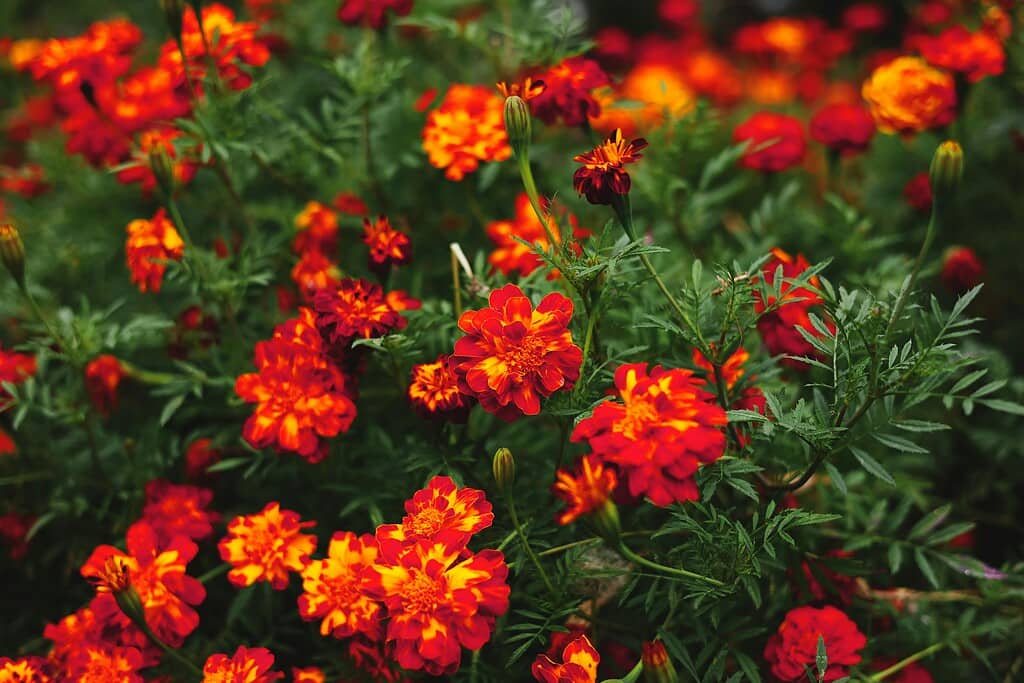
These are compact, bushy plants typically 8–12 inches tall, perfect for borders and containers.
French marigolds have smaller blooms (single or double) in colors like orange, yellow, red, and bi-colors. They’re known for a strong, spicy fragrance.
French marigolds bloom profusely and are especially effective for pest control – they are famous for exuding substances that kill nematodes in soil over time.
African Marigolds (Tagetes erecta) (also called American marigolds)
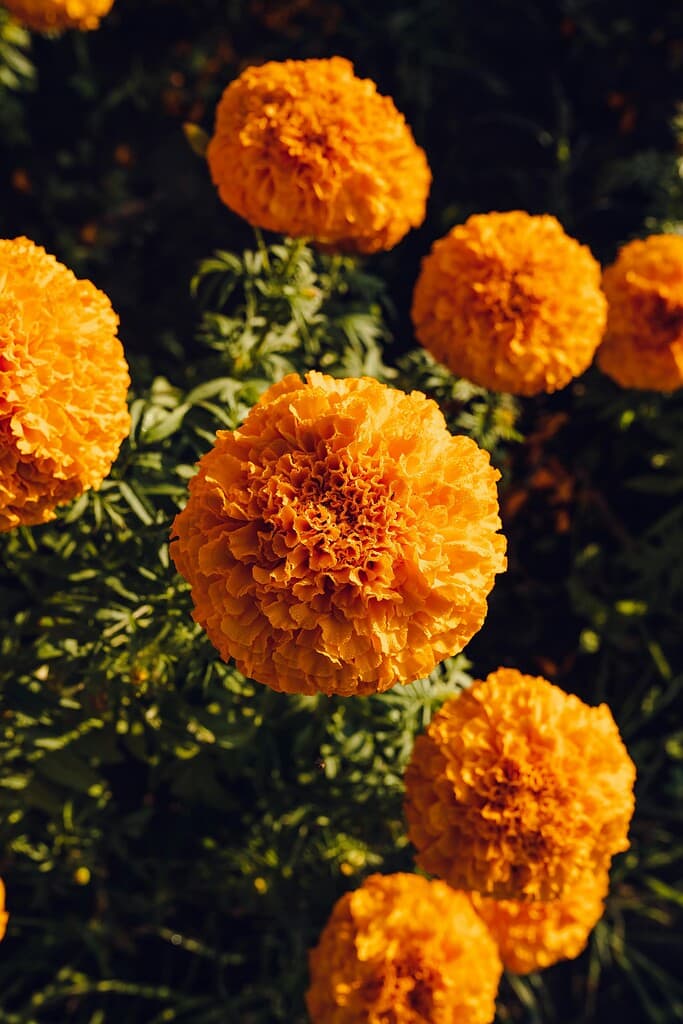
These marigolds are taller (often 1–3 feet or even up to 4 feet for some varieties) with large, pom-pom like blooms. Despite the name “African,” they originated from the Americas.
African marigold flowers come in shades of yellow, orange, and creamy white. They make a bold statement in garden beds.
Just give them a spot sheltered from strong winds, since their height and big blooms can catch the wind. African marigolds bloom a little later than French ones, so start them early.
Signet Marigolds (Tagetes tenuifolia)
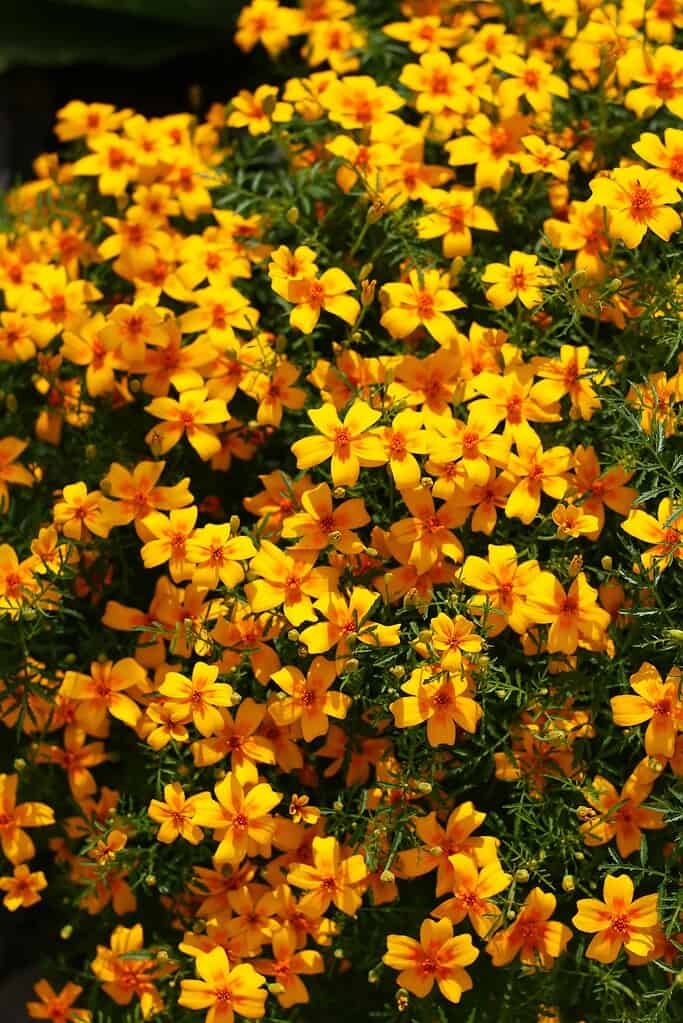
These are smaller, delicate marigolds with many tiny single blossoms (often yellow or orange) and lacey foliage.
Signet marigolds have a lighter, citrusy scent (not as pungent as other marigolds) and their flowers are edible with a tangy flavor. They look great in herb gardens or as edging.
You can even toss signet marigold petals in a salad for a pop of color!
(Yes, marigold flowers are edible – especially signet types – and have been used in culinary and medicinal applications historically.)
All of these marigolds have similar growing needs (full sun, decent soil, regular watering).
You might choose based on your space and aesthetic: French marigolds for low edging or pots, African marigolds for tall backdrops or bouquets, and signets for a pretty, edible accent.
You can also mix them up for variety.
Best Climates and USDA Zones for Growing Marigolds
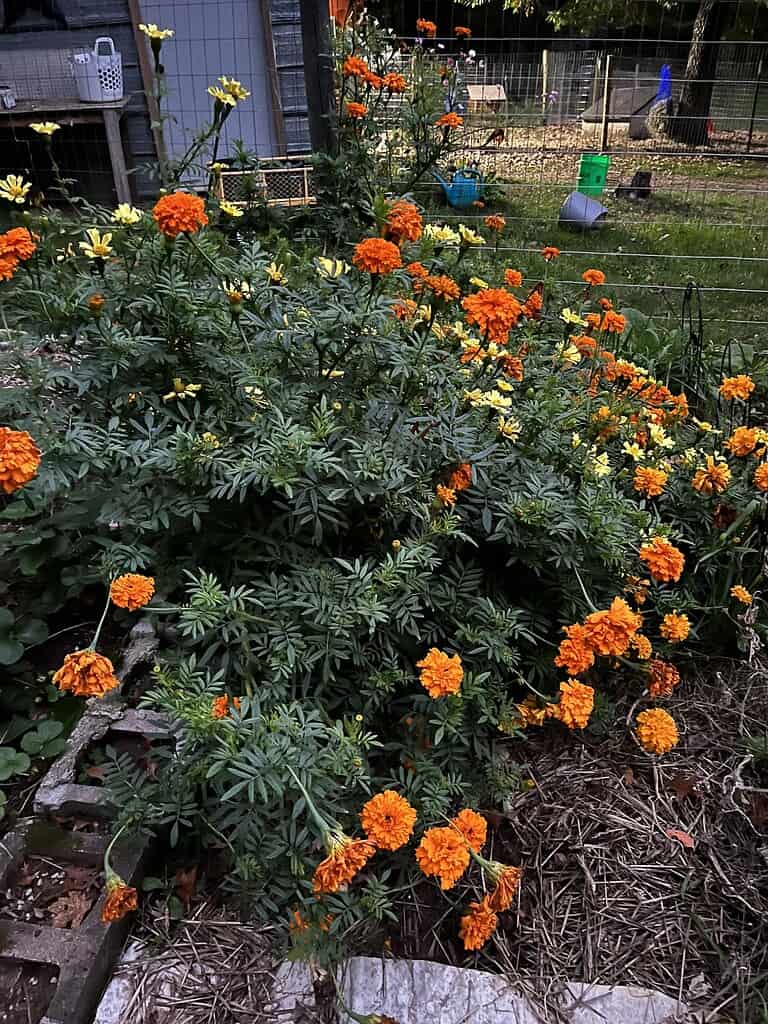
One of the reasons marigolds are so popular worldwide is their adaptability. They can grow in a variety of climates.
In the United States, marigolds are typically grown as annuals in USDA Hardiness Zones 2 through 11.
That means whether you’re in a cooler northern region or a warm southern state, you can likely enjoy marigolds for at least part of the year.
Temperate Climates (Zones ~2–7)
In cooler areas with harsh winters, marigolds will not survive frost.
You treat them as annuals: sow or transplant them in spring after the last frost, enjoy them all summer, and expect them to die off when freezing weather arrives in fall.
The good news is they grow quickly and bloom within a couple of months of planting, so they’ll still give you a long show of color through the summer.
You can even start seeds indoors 4–6 weeks before your last frost date to get a head start (marigolds transplant well).
Warm Climates (Zones 8–11)
In warmer regions, marigolds thrive with less fuss. Zones 8 and 9 have milder winters, but a hard frost might still kill marigolds in the coldest part of winter.
Many gardeners here plant marigolds in spring and have blooms from spring to late fall.
In Zones 10 and 11 (such as southern Florida, southern California, or Hawaii), marigolds can nearly be year-round plants.
They may even overwinter or reseed themselves since frost is rare or absent. African marigolds in these zones might bloom well into late fall or winter until cooler weather slows them down.
Just watch out for extreme heat in midsummer – marigolds love heat, but very high temperatures (100°F+ for days) can sometimes stall flowering until temperatures moderate.
Tropical Climates
Marigolds also do great in tropical areas like the Philippines. In fact, in places with a warm, humid climate and no frost, you can grow marigolds anytime.
They appreciate the sunshine and can even handle the heavy rains of a monsoon season as long as their roots don’t stay waterlogged.
Ensure they have well-draining soil because, in high humidity, marigolds can be prone to fungal diseases if they’re too wet.
But overall, these flowers love the warmth – tropical gardeners often find marigolds blooming continuously, and the plants might behave like perennials (lasting multiple seasons) if cared for.
Sunlight Needs: No matter the zone, full sun is best for marigolds. Aim for around 6 or more hours of direct sun per day. They can tolerate partial shade, but in too much shade, you’ll see fewer flowers and more risk of diseases like mildew. So pick a sunny spot for these sun-loving beauties.
Heat and Drought: Marigolds are pretty tough in hot weather. They originated in sunny, warm regions, so they can handle heat and even short dry spells.
In fact, African and signet marigolds are noted as fairly drought-tolerant once established. That said, if you’re in a scorching desert climate, give them regular water and perhaps a little afternoon shade if temperatures are consistently above 95°F.
But generally, marigolds thrive in hot summers without much issue.
…
From cool northern gardens to steamy tropical ones, marigolds can find a home. Just adjust your planting time to avoid frosts, give them plenty of sun, and they’ll do the rest.
Next, let’s look at how to plant these flowers for the best results.
Miss it by a week and you lose the crop. The free 22-page planner pins down your exact dates — last frost, first frost, and the weekly steps between — so you plant on the days that actually work for your ZIP.
Free Planting Guides for This Article
Get exact planting dates, frost schedules, and growing tips for your zone:
Marigold Planting Guide: How and When to Plant
Ready to get your marigolds in the ground?
This marigold planting guide will walk you through step-by-step. The good news is that planting marigolds is straightforward, whether you’re starting from seed or using young plants from a nursery.
When to Plant Marigolds
- Start in Spring: Marigolds are typically planted in spring, once the danger of frost has passed. They are warm-season flowers and will be killed by a frost. If you’re sowing seeds directly outdoors, wait until your soil has warmed up in the spring.
- Indoor Seeding (Optional): You can start marigold seeds indoors 4–6 weeks before your last frost date to get a jump on the season. They germinate quickly (often in just a few days in warm conditions) and grow fast, so indoor starting is optional. Many gardeners find that direct-sowing marigold seeds in late spring works just as well since the seedlings grow rapidly when it’s warm.
- Succession Planting: In long-season areas, you can plant a second batch in mid-summer (especially French marigolds or signets) to keep the flowers going into fall. French marigolds can be planted anytime through midsummer. African marigolds take longer to mature, so they do best with an early start.
Planting from Seed
Growing marigolds from seed is easy and cost-effective. Here’s how:
1. Choose a Site: Pick a sunny spot with well-draining soil. Clear any weeds and loosen the soil to about 6 inches depth.
You can mix in a little compost to improve fertility, but avoid over-doing it with rich manure or fertilizer (marigolds prefer moderate soil).
If you’re new to composting, this how to compost for beginners guide walks you through simple, no-fuss ways to make garden-ready compost at home.
2. Sow the Seeds: Marigold seeds are long, slender, and easy to handle. Sow them about 1/4 to 1/2 inch deep in the soil (they don’t need to be buried far; a light covering of soil is enough).
If you’re planting in rows or a bed, space the seeds about 1 inch apart to start with.
3. Water Gently: After sowing, water the area gently to moisten the soil without washing the seeds away. Keep the soil slightly moist until germination. You should see tiny seedlings emerge in just 4-7 days if the weather is warm (70°F or above).
4. Thin the Seedlings: Once the seedlings have grown a bit (reach a few inches tall and have a couple sets of leaves), you’ll want to thin them out for proper spacing. Crowded marigolds can get tall and spindly with fewer blooms.
Space guidelines: leave about 8–10 inches between French or signet marigold plants, and around 10–12 inches for larger African marigolds. This gives each plant room to bush out and get good air circulation.
5. Keep Soil Moist (But Not Soggy): As seedlings establish, ensure they get regular, even moisture. But avoid overwatering (tiny marigold seedlings don’t like to be waterlogged). Usually, watering when the top inch of soil is dry is a good practice.
Planting Marigold Seedlings (Transplants)
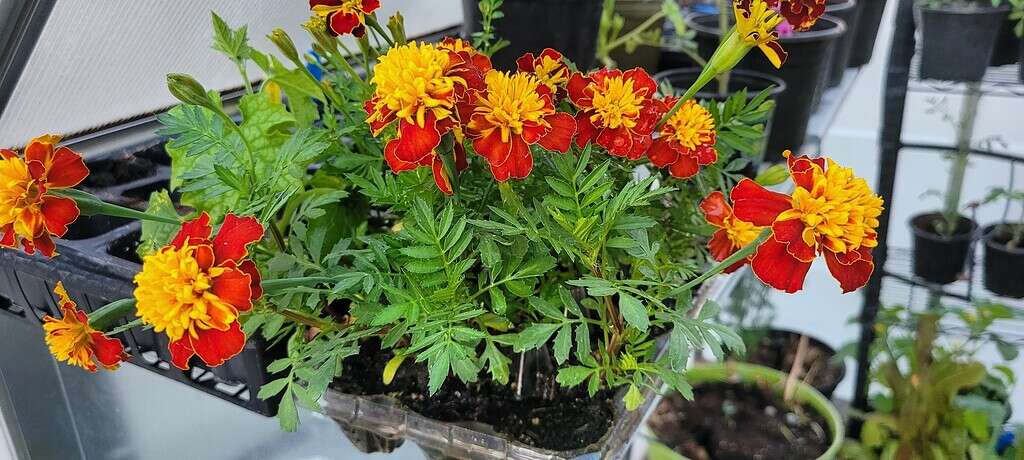
If you bought marigold starters from a garden center or grew your own indoors, planting them is a cinch:
- Wait until after frost (or if using a cold frame, ensure they were hardened off).
- Dig a small hole for each seedling, spaced as mentioned (8–12 inches depending on type). The hole should be just a bit larger than the seedling’s root ball.
- Optional: You can mix a pinch of slow-release balanced fertilizer or bone meal into the hole if your soil is poor, but it’s often not necessary. Marigolds usually do fine without much feeding initially.
- Gently remove the seedling from its pot, trying not to disturb the roots too much. Place it in the hole at the same depth it was growing in the pot (marigolds don’t need to be planted deeply like tomatoes; just cover the roots).
- Backfill with soil and press lightly around the plant to eliminate air pockets.
- Water each transplant thoroughly after planting. This helps settle the soil around the roots and gives the plant a good start.
- If planting in containers, use a quality potting mix. Ensure the pot has drainage. Marigolds can grow great in pots, just be mindful to water a bit more often since pots can dry out quicker. Also, avoid crowding too many marigolds in one pot; even in containers give each plant adequate space to grow.
Pinching and Initial Care
When your marigolds are about 6 inches tall and established, it’s helpful to pinch off the growing tips of each main stem (simply use your fingers to nip out the top inch or so).
This encourages the plant to branch out and grow bushier rather than tall and leggy. Pinching early on leads to more flowering shoots and a fuller plant.
After planting, mulching around the marigolds with a light layer of compost or fine bark can help retain moisture and keep weeds down.
Just keep mulch a couple inches away from the plant stem to prevent rot.
Now that your marigolds are in the ground, let’s talk about how to care for them through the season to keep them healthy and blooming their best.
Marigold Care Tips for Healthy Flowers
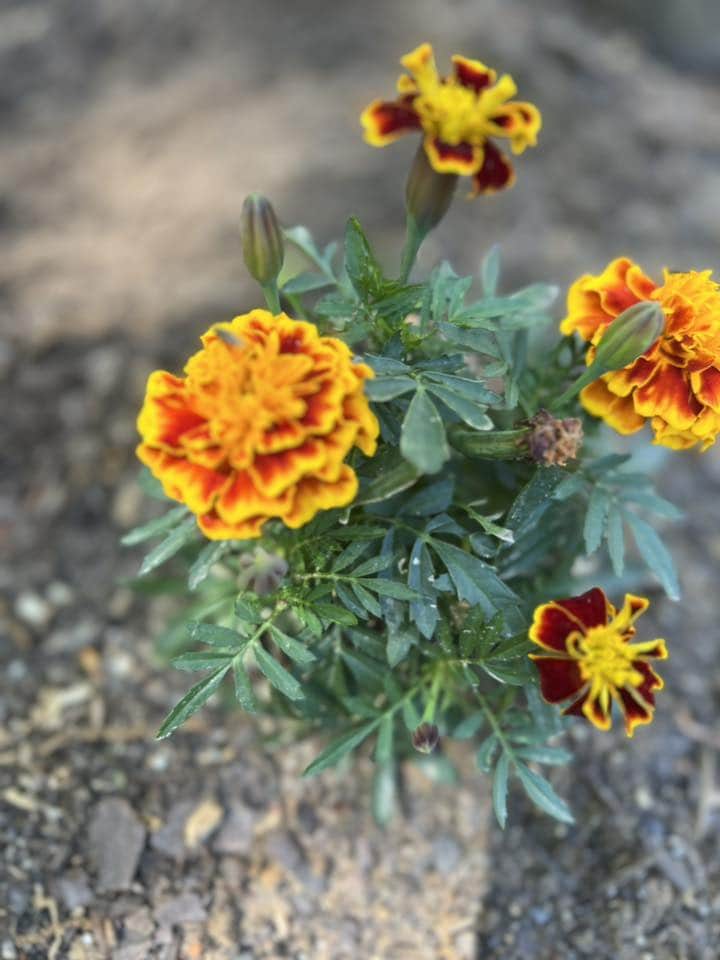
Marigolds are low-maintenance plants, but a little care will go a long way to keep them looking their best. Here are essential marigold care tips (don’t worry, they’re all pretty easy to do):
Watering
Water regularly but allow the soil to dry somewhat between waterings. Marigolds don’t like to stay too wet; they can get root rot or fungal issues if overwatered.
A good rule of thumb is to water when the top inch of soil is dry. During hot, dry weather, they’ll need watering more often (possibly every day for potted marigolds, or every 2-3 days in the ground).
In cooler or rainy periods, they may not need extra water at all. When you do water, water deeply at the base of the plant rather than sprinkling from above.
No Wet Leaves
Avoid overhead watering if possible. Wet leaves and flowers can invite disease like powdery mildew or encourage rot, especially on those lush double marigold blooms.
Using a soaker hose or watering at the soil level keeps foliage dry and plants healthier.
Sunlight
Ensure your marigolds get plenty of sun (at least ~6 hours per day). If they’re in too much shade, you might notice fewer blooms and more leggy growth.
Also, shade and excess moisture can lead to mildew on leaves, so when in doubt, give them more sun.
Soil and Fertilizer
Marigolds aren’t heavy feeders. In fact, giving them too much fertilizer (especially high-nitrogen) will result in lots of green leaves and very few flowers.
Generally, if you planted them in reasonably decent soil, you don’t need to fertilize during the growing season.
If your soil is very poor, you could give a light feeding of a balanced, slow-release fertilizer at planting time, or water with a diluted all-purpose fertilizer once or twice in the summer.
But remember: less is more with marigold feeding. They truly can bloom happily in average soil.
Weeding and Mulching
Keep the area around marigolds free of weeds which can compete for nutrients and water.
A thin layer of mulch can help suppress weeds and keep the soil moisture even. Just don’t pile mulch against the stems.
Deadheading
While marigolds often continue blooming on their own, deadheading (removing spent flowers) is a quick task that can greatly improve appearance and blooming.
Whenever you see a dried or shriveled bloom, simply pinch or snip it off just above a set of leaves. This prevents the plant from putting energy into seed production and encourages it to produce more flowers.
Some marigold varieties are “self-cleaning” (they drop old petals themselves), but giving them a little help keeps the plant looking tidy and redirects energy to new buds.
Pest and Disease Watch
Ironically, while marigolds repel many pests, they can still face a few issues:
- Pests: Occasionally, aphids might cluster on tender growth, or spider mites might appear in hot, dry weather (look for tiny speckles or webbing under leaves). Usually, a strong water spray or an insecticidal soap can knock these off if they become a problem. Slugs or snails might chew on marigold seedlings or lower leaves, especially in damp conditions – use slug bait or beer traps if you see slug damage (ragged holes). If aphids become an issue, this guide on effective ways to get rid of aphids walks you through simple, proven methods that work without harsh chemicals.
- Diseases: The most common marigold disease is powdery mildew, a white powdery fungal growth on leaves, which happens in humid, cool, or shady conditions. Prevent it by spacing plants properly, watering at soil level, and ensuring good sun. If it appears, remove affected leaves and improve air circulation. Marigolds can also sometimes get botrytis (gray mold) on spent flowers if the weather is wet; again, deadheading and keeping things dry helps.
Overall, marigolds are pretty trouble-free. And remember, their presence tends to reduce many pests in the garden overall, acting like a natural protective shield for your other plants!
Staking Tall Varieties
If you grow African marigolds that reach 2-3 feet tall, they might appreciate a little support, especially in windy sites.
You can stake them loosely or plant them against a fence for a windbreak. This prevents them from toppling when loaded with big blooms or in storms.
By following these simple marigold care tips, you’ll have lush, healthy plants that pump out flowers non-stop.
Next, we’ll explore how marigolds can be team-players in your garden through companion planting.
Best gardening planner I've used in 10 years — and I keep coming back to it every season.
How Hard Is It to Garden in Your County?
Every county has a unique Gardening Difficulty Score based on frost risk, soil quality, drought, altitude, and climate trends. Find yours — plus personalized frost dates, planting calendars, and soil data.
Check Your County's Score →Companion Planting with Marigolds
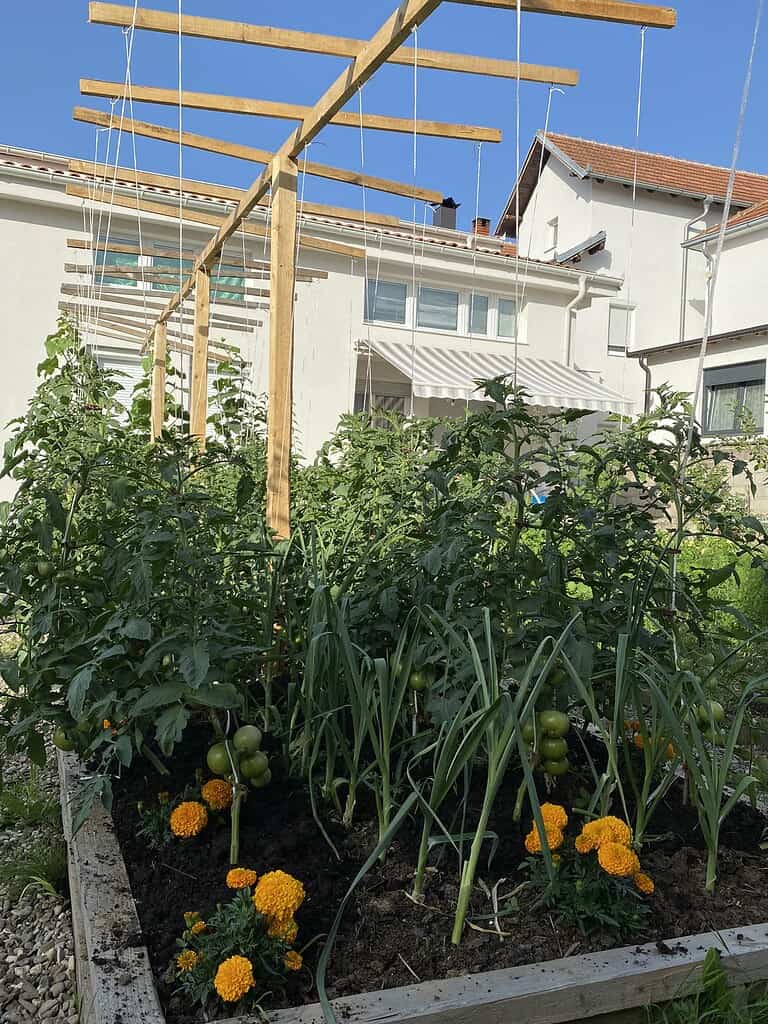
You’ve probably heard that marigolds are a gardener’s best friend when it comes to companion planting. This is absolutely true!
Planting marigolds alongside your vegetables and other flowers can be beneficial in several ways:
Natural Pest Control
As mentioned earlier, marigolds help repel a variety of pests.
Many gardeners interplant marigolds near tomatoes, cucumbers, squash, peppers, and roses to deter pests like aphids, whiteflies, tomato hornworms, and even rabbits.
The marigolds’ strong scent confuses or wards off some insects.
Notably, French marigolds release compounds that kill root-knot nematodes (microscopic worms that damage roots) – this can protect crops like tomatoes or beans from those soil pests.
While marigolds won’t solve an existing pest infestation overnight, having them in your beds is a preventative measure that contributes to overall garden health.
Attracting Pollinators and Beneficial Insects
Marigolds have bright blooms that catch the attention of pollinators like bees and butterflies.
More pollinators visiting your marigolds means they’ll likely also visit your cucumbers, melons, or other crops in the vicinity, aiding in pollination.
Additionally, marigolds can attract beneficial predatory insects such as ladybugs and hoverflies. These good bugs will prey on the bad bugs (like aphids) in your garden.
It’s like recruiting a tiny army of bodyguards for your veggies!
Biodiversity and Ground Cover
Tucking marigolds into empty spots of your vegetable garden increases plant diversity, which is generally good for an ecosystem.
They can act as a pretty ground cover, shading soil and helping to suppress weeds between larger plants.
Their roots also help hold soil in place, and their presence can even help conserve soil moisture a bit by covering ground (as one companion planting benefit).
Friendly Neighbors
Some companion planting pairings with marigolds are almost legendary.
For example, marigolds and tomatoes are a classic duo – tomatoes benefit from marigolds’ pest suppression, and the colors look great together.
Marigolds with cruciferous veggies (like broccoli, cabbage) can help confuse cabbage moths. Around beans and potatoes, marigolds may repel beetles.
And in flower beds, people often edge rose gardens with marigolds to keep aphids at bay from the roses.
While scientific results can vary, many gardeners swear by these combos. Plus, it can’t hurt to have more flowers in your veggie patch, right?
If you want to plan your garden more intentionally, this expert companion planting guide breaks down which plants work best together and why.
What Not to Plant with Marigolds
Marigolds get along with most plants, but there are a few minor cautions. Some studies suggest marigolds could attract spider mites that might then bother beans if the conditions are right.
Also, their dense growth could potentially compete for space or light with very small or low-growing plants. However, these issues are relatively rare.
In general, marigolds are compatible with nearly everything – that’s why one source says they “seem to plant well with everything” in the garden.
How to Do It
To use marigolds in companion planting, simply scatter them throughout your garden beds. Plant a marigold or two at the end of each vegetable row or around the perimeter of your garden.
You can also plant them in clusters in corners or between crops. They don’t have wide-spreading roots, so they won’t compete heavily underground.
Just give each marigold its little space and let it do its job. Some gardeners even sow marigold seeds as a cover crop in a bed that will later host a heavy-feeding crop; the marigolds are grown and then tilled under to add organic matter and nematode-fighting power to the soil.
Finally, companion planting with marigolds isn’t just practical – it’s also beautiful. Their bright flowers mixed in with green veggies make the garden look more inviting and colorful.
It’s a joy to see an orange marigold peeking out next to a tomato or lining a walkway through the bean patch.
Ready to Grow Your Marigolds?
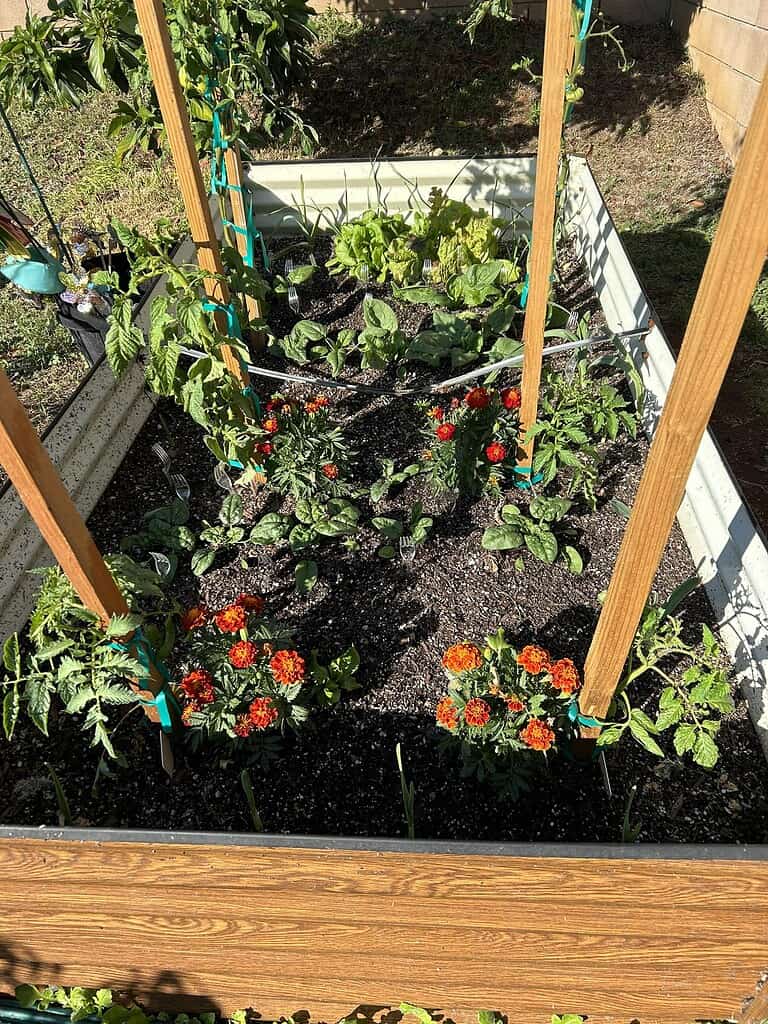
By now, you have a solid grasp on how to grow marigolds and keep them happy. These sunny flowers truly live up to their easy-going reputation.
To recap: pick the right type of marigold for your needs, plant it in a sunny spot with decent soil, water it regularly but not too much, and in return you’ll get a season full of gorgeous blooms.
Marigolds will decorate your garden, protect your veggies with their pest-fighting tricks, and require very little in the way of pampering.
So roll up your sleeves and give marigolds a spot in your garden this season. Whether you’re edging a walkway, filling a planter, or sprinkling them through your veggie plot, marigolds are ready to shine.
Have you grown marigolds before, or are you trying them for the first time? Do you have any favorite marigold care tips or questions about these flowers?
Share your thoughts or ask a question in the comments below. Let’s talk about our experiences and grow healthy flowers together!
- Lettuce
- Spinach
- Carrots
- Radishes
- Kale
- Brassicas
FAQs
1. Can I grow marigolds in pots or indoors?
Yes! Marigolds do well in containers with good drainage and a sunny spot (6+ hours of light). Dwarf French varieties are best indoors. Water when the topsoil dries to avoid root rot, and they’ll bloom happily on a bright windowsill or balcony.
2. Will marigolds come back every year?
Most marigolds are annuals and won’t survive frost. In warm, frost-free areas (Zones 9–11), they may self-seed or bloom year-round. Save seeds at the end of the season to grow fresh plants each spring.
3. Do marigolds really repel mosquitoes and pests?
Yes, to some extent. Marigolds produce natural compounds like pyrethrum that deter mosquitoes and pests like aphids or whiteflies. French marigolds also reduce root-knot nematodes. They’re not foolproof but help protect your garden and attract beneficial insects.
4. Are marigolds edible or safe for pets?
Edible: Signet marigold petals are safe for salads and teas; French and African types are technically edible but stronger in flavor. Avoid pesticide-treated plants.
Pets: Marigolds are generally safe for cats, dogs, rabbits, and tortoises. Eating large amounts may cause mild stomach upset.
5. What if my marigolds aren’t blooming well?
Common causes include:
- Not enough sun: Move plants to a sunnier spot.
- Too much fertilizer: Reduce nitrogen-rich feeding.
- Heat or timing: Extreme heat or early season may delay blooms.
- Deadheading needed: Remove spent flowers to encourage new blooms.
- Other stress: Check soil, water, and pests. Adjust conditions and they should flower soon.
Level Up Your Garden
Our most popular gardening guides