There’s something undeniably romantic about a rose garden — the heady fragrance, the layered petals, the way a single blooming cane can transform an entire fence line.
But roses alone, no matter how beautiful, don’t give you a true cottage garden.
It’s the plants surrounding them that complete the look: the frothy textures, the contrasting heights, the soft blues and purples that make those pinks and reds sing.
If you’ve been dreaming of a garden that looks like it belongs in the English countryside — overflowing, layered, and effortlessly beautiful — then understanding what to plant with roses is the key.
The right companions do more than look good. They deter pests, attract pollinators, improve soil health, and create that lush, abundant feel that defines the cottage garden style.
If you’re building your outdoor space from scratch, you’ll want to start with The Ultimate Summer Garden Guide for a Lush Backyard Glow Up to get a full picture of what makes a thriving garden.
Why Companion Planting With Roses Matters
Roses are heavy feeders, and they can be prone to fungal issues like black spot and powdery mildew, especially when airflow is poor.
The right companion plants help solve these problems naturally. Dense plantings around the base of your roses suppress weeds, reduce soil moisture evaporation, and attract beneficial insects that prey on aphids and other pests.
Beyond the practical benefits, companion planting creates the layered, multi-textured look that cottage gardens are known for.
Roses tend to have a somewhat “leggy” base — long canes with blooms only at the top — and the right ground-level plants fill in that bare space beautifully. Think of it as building a living tapestry, with your roses as the anchoring centerpiece.
Companion planting also benefits pollinators that support the overall health of your garden.
For more on attracting helpful wildlife to your outdoor space, check out these 11 Backyard Bird House Ideas That Birds Can’t Resist — because a garden teeming with birds is also a garden with natural pest control.
Garden Planner
The 22-page planner timed to your county's real frost dates. Planting windows, monthly checklists, and a harvest log you'll fill with pride by August.
Your Free 22-Page Garden Planner
Built for your exact ZIP code — planting dates, harvest log, and a month-by-month plan. 15-second sign-up.
The Best Flowering Plants to Pair With Roses
Roses look even better when they’re paired with the right flowering companions.
These plants don’t just add beauty and texture, they also help create that soft, layered cottage garden look while supporting healthier blooms.
Lavender: The Classic Cottage Pairing
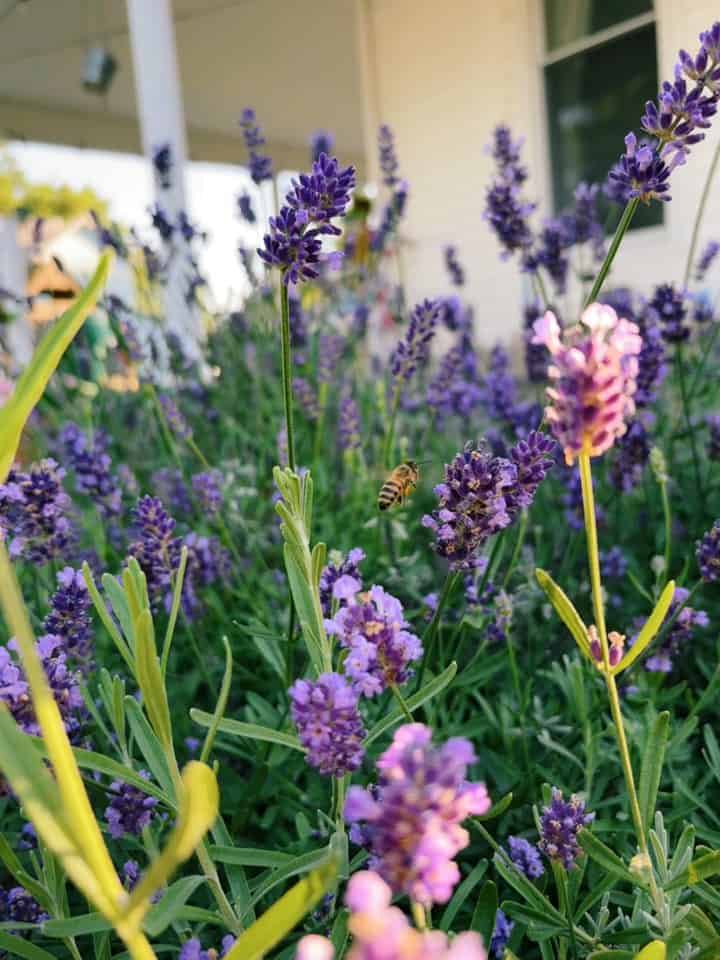
If there’s one plant that belongs beside a rose, it’s lavender. The silvery-green foliage and purple flower spikes provide the perfect visual contrast to rose blooms, especially pink and white varieties.
Lavender is also a natural pest repellent — its strong scent confuses and deters aphids, one of the most common rose pests.
Plant English lavender varieties like ‘Hidcote’ or ‘Munstead’ directly in front of or beside your roses.
They’ll bloom at a similar time in early summer, creating that dreamy purple-and-pink pairing that looks stunning in any cottage garden.
Lavender is a drought-tolerant plant once established, so it won’t compete heavily with roses for water.
Catmint (Nepeta): Soft Filler That Keeps Pests Away
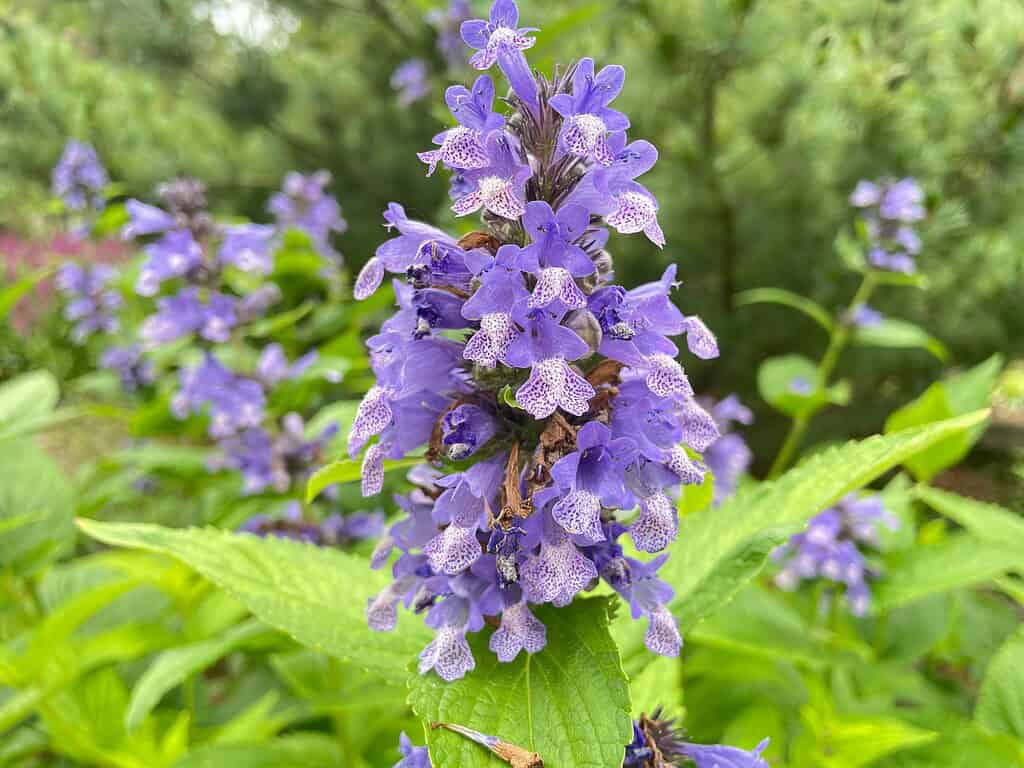
Catmint is one of the most reliable rose companions you can plant. Its airy blue-purple flower spikes soften the base of rose plants and bloom repeatedly throughout the season when cut back.
Like lavender, catmint deters aphids and attracts bees, making it a powerhouse in any pollinator-friendly garden.
‘Walker’s Low’ is a popular choice — it grows about 18 inches tall, sprawls slightly to fill gaps, and produces masses of soft lavender-blue flowers from late spring through fall.
It’s low maintenance and doesn’t need much deadheading, which makes it ideal for homesteaders who want beauty without constant upkeep.
Foxglove: Dramatic Height and Vertical Interest
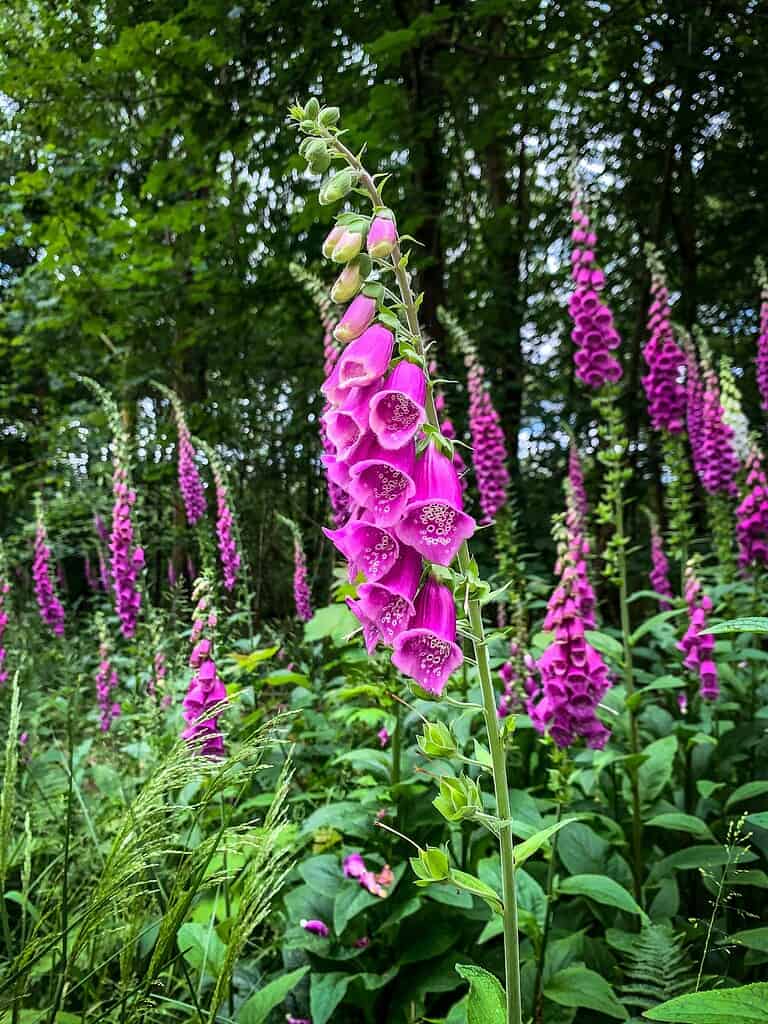
Few plants evoke the cottage garden feel quite like foxglove (Digitalis).
Its tall spires of tubular blooms — in shades of purple, pink, white, and cream — add vertical drama behind roses and create that characteristic “overflowing” look.
Foxgloves are biennials, meaning they bloom in their second year and then self-seed freely, giving you a naturalized, ever-changing planting.
Because foxgloves appreciate part shade, they’re especially useful planted at the back of a rose border where taller roses may cast some shadow.
They also attract bumblebees, which are vital pollinators for roses and the rest of your garden. Pair them with climbing roses on an arch or fence for a truly breathtaking display.
To create the right support structures for climbing roses and foxgloves alike, browse these 12 Easy Garden Trellis Ideas You’ll Want to Copy ASAP.
Geraniums (Hardy Cranesbill): Low-Growing Groundcover Charm
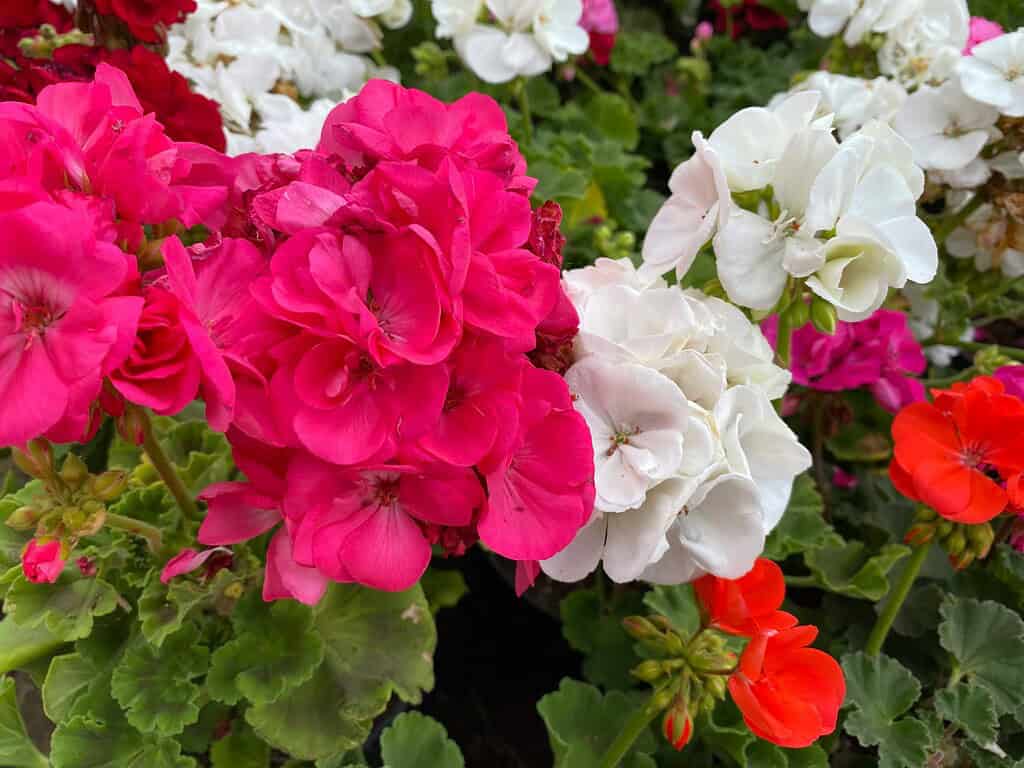
Hardy geraniums — not the tender annual Pelargoniums — are excellent companions for roses.
Varieties like ‘Rozanne’ or ‘Johnson’s Blue’ spread gently, suppressing weeds around the base of rose canes while producing a steady stream of violet-blue flowers from late spring to fall.
Their deeply lobed foliage also provides a lovely textural contrast to the smoother rose leaves.
Hardy geraniums are also remarkably tough. They tolerate a range of soil types, don’t mind a bit of competition, and rarely suffer from pests or diseases.
Cut them back hard after their first flush of blooms and they’ll rebound with fresh foliage and a second wave of flowers.
Alliums: Bold Globes That Deter Pests
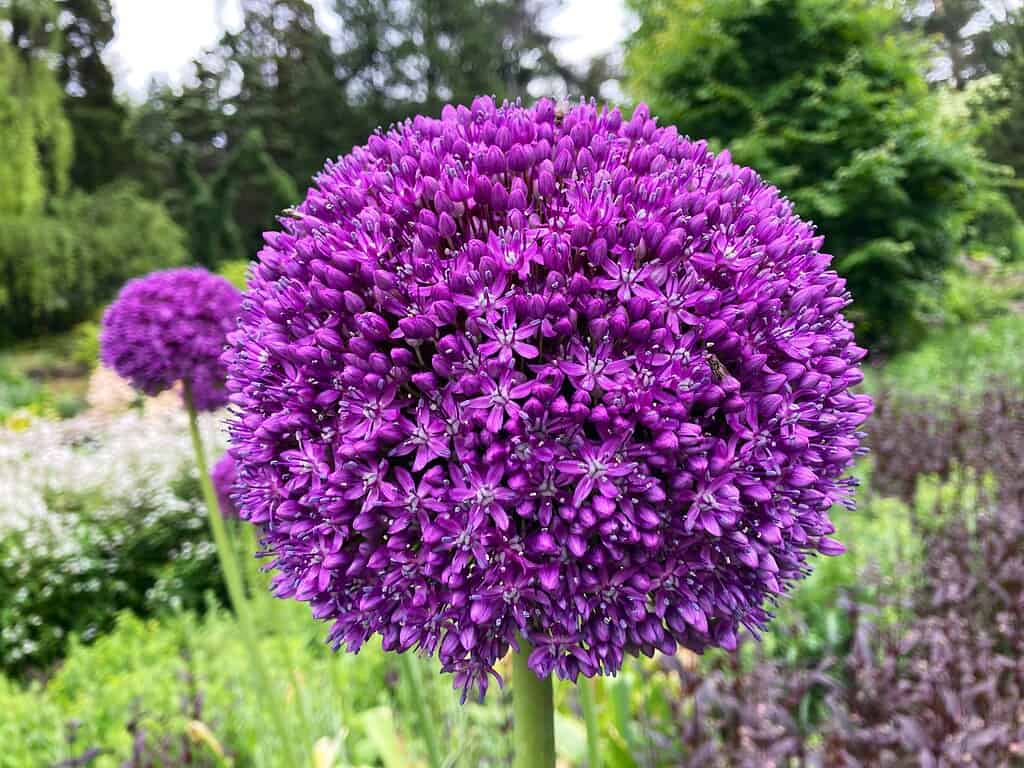
Alliums (ornamental onions) are one of the most underrated rose companions. Their tall, slender stems topped with globe-shaped purple or white flower heads add a playful architectural element to the rose bed, and their onion scent is a powerful deterrent against aphids, thrips, and other rose pests.
The bulbs of alliums go dormant by midsummer, so plant them where other perennials will grow to fill the gap. ‘Purple Sensation’ or ‘Globemaster’ are dramatic choices that bloom just as early roses are opening, creating a stunning synchronized display.
Since alliums are bulbs, they’re easy to mass-plant and naturalize over time. If you’re looking for more plants that bring dramatic seasonal structure to your garden, explore 10 Beautiful Flowering Trees That Bring Your Yard to Life.
Herbs That Belong in Every Rose Garden
Herbs are some of the most underrated rose companions, but they can completely change how your garden looks and functions.
They add fragrance, help with pest control, and fill in empty spaces at ground level so your rose bed feels full and intentional instead of patchy.
Garlic Chives: Edible and Effective
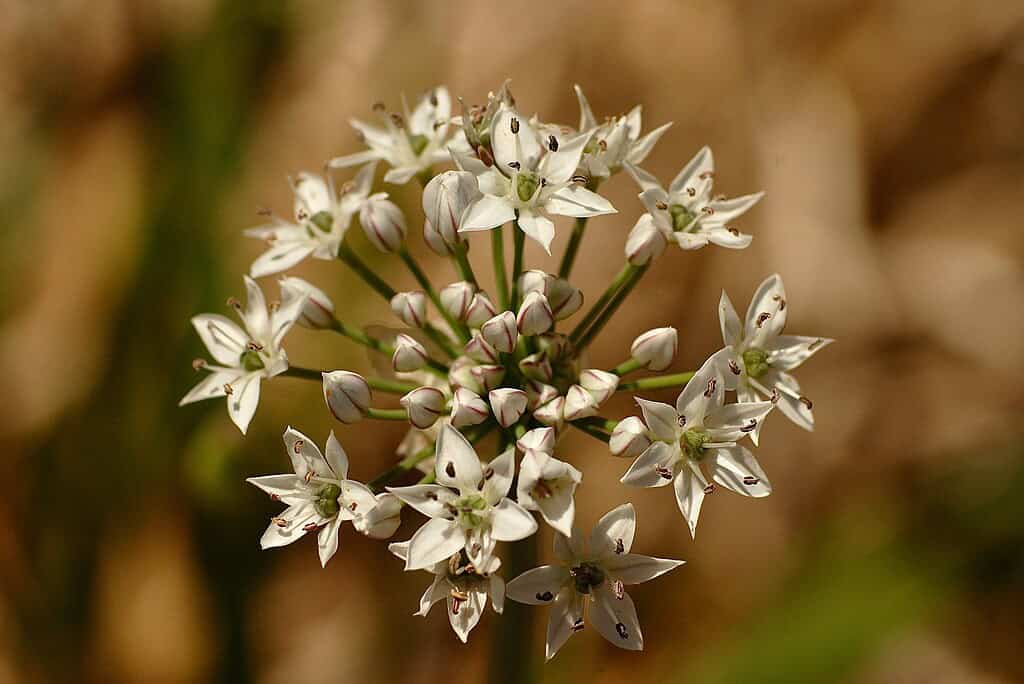
Garlic chives are a dual-purpose plant that every rose grower should know about.
They produce clusters of white star-shaped flowers in late summer that look lovely against rose foliage, and their strong allium scent actively repels aphids and Japanese beetles — two of the most common rose pests.
Plant them in drifts around the base of your roses. They spread slowly over time, creating a naturalized edge that requires minimal maintenance.
As a bonus, the leaves and flowers are edible — snip them into salads or use them as a garnish. The homestead-friendly nature of garlic chives makes them a perfect fit for any kitchen garden that borders the rose bed.
Creeping Thyme: Ground-Level Fragrance and Function
Creeping thyme is a low-growing, mat-forming herb that’s exceptional as a ground cover beneath and between roses.
It fills in bare soil, releases a pleasant fragrance when stepped on or brushed, and attracts pollinators with its tiny pink or purple flowers. Its strong scent also helps mask the smell of roses from pest insects, providing a subtle layer of protection.
Because it stays low — typically just 2 to 4 inches tall — creeping thyme never competes visually with roses. It just quietly does its job, keeping the ground covered, reducing weeds, and looking beautiful doing it.
For a full guide to growing this versatile herb, see How to Grow and Care for Creeping Thyme in Your Garden.
Miss it by a week and you lose the crop. The free 22-page planner pins down your exact dates — last frost, first frost, and the weekly steps between — so you plant on the days that actually work for your ZIP.
The Best Foliage Plants to Frame Your Roses
Foliage plants are what give a rose garden its structure and that soft, layered cottage look.
While flowers bring the color, foliage is what ties everything together and keeps the garden looking full and beautiful even when roses aren’t in bloom.
Lamb’s Ear (Stachys byzantina): Silver Texture That Softens Everything
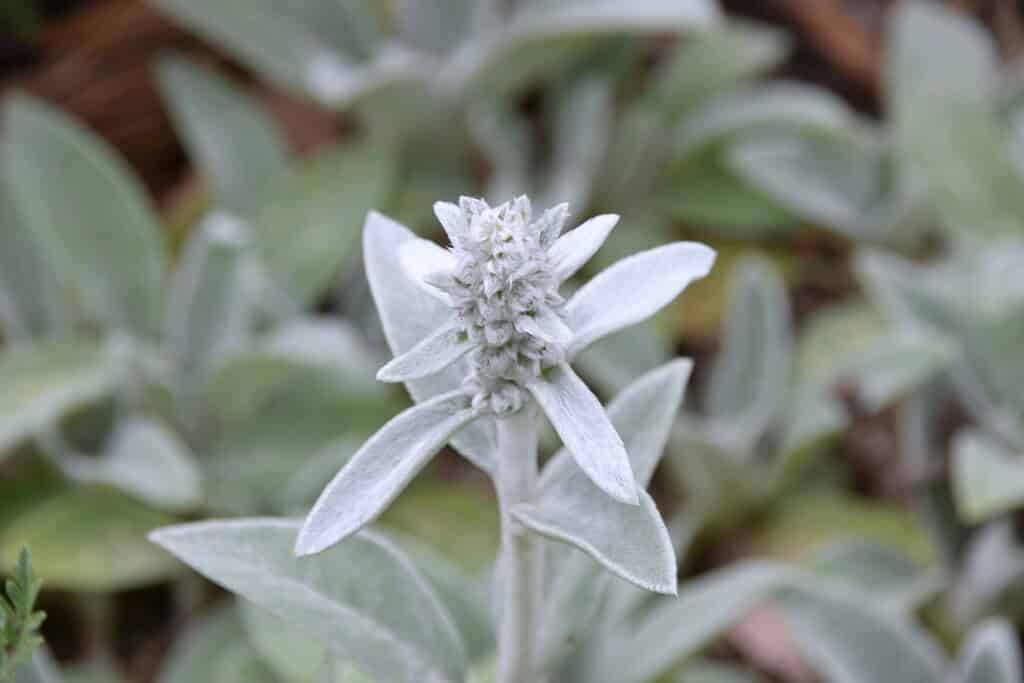
Lamb’s ear is a cottage garden staple for good reason. Its soft, silver-gray felted leaves provide a striking contrast to the glossy foliage and rich blooms of roses. It cascades gently over the edges of borders, softening any hard lines and creating that effortlessly romantic feel.
Plant it at the very front of your rose border as edging, or use it in drifts between rose plants to create cohesion across the planting.
While the flowers are modest — small pink-purple spikes — the real star is the foliage, which looks beautiful throughout the growing season even when nothing is in bloom.
Lamb’s ear is also drought-tolerant once established, making it low-maintenance for busy homesteaders.
Ornamental Grasses: Movement and Contrast
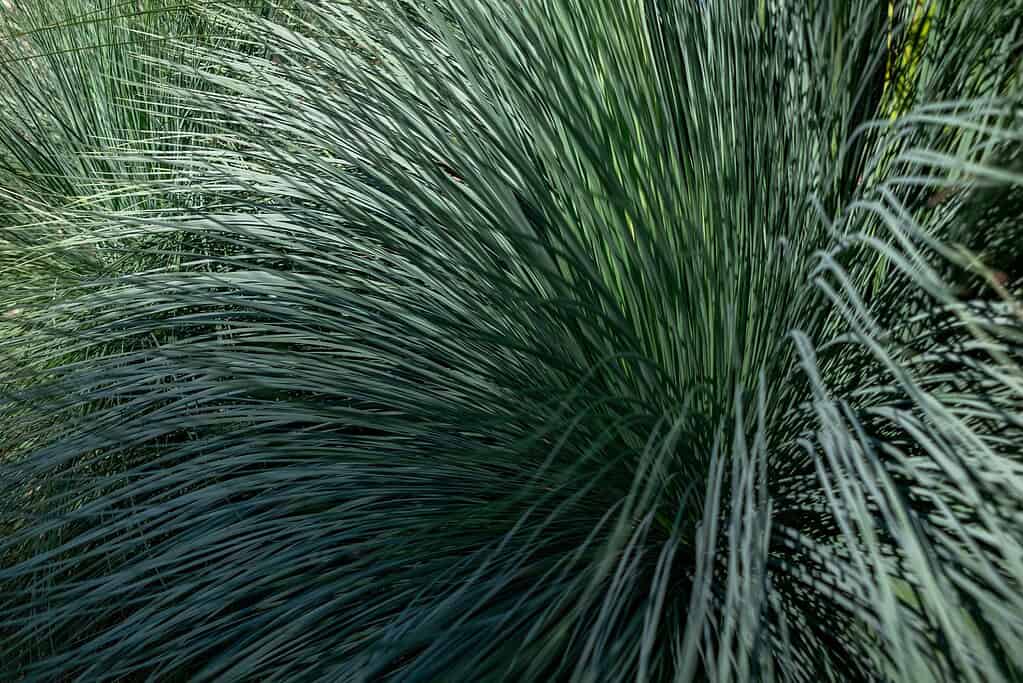
While grasses might seem at odds with the soft cottage garden style, the right choice can add beautiful movement and textural contrast to a rose planting.
Blue oat grass (Helictotrichon sempervirens) with its cool blue-gray blades is a particularly good match for pink or red roses.
Festuca glauca is another compact option that adds silver-blue texture without overwhelming other plants.
Use grasses as transition plants between rose beds and other garden areas, or as focal points within a mixed border. Their feathery seed heads catch the light in late summer and fall, extending the season of interest well beyond when roses finish blooming.
For more ideas on creating gorgeous, texturally rich outdoor spaces, explore these 12 Beautiful Shade Garden Ideas You'll Want to Copy — many of the layering principles apply beautifully to sunny rose borders too.
Free Planting Guides for This Article
Get exact planting dates, frost schedules, and growing tips for your zone:
Plants to AVOID Planting Near Roses
Just as important as knowing what to plant with roses is understanding what doesn’t belong beside them. Some plants compete aggressively for nutrients, harbor the same pests, or simply don’t thrive in the same conditions.
Avoid fennel, which releases allelopathic chemicals that inhibit the growth of nearby plants including roses. Brassicas like cabbage and kale attract aphids and caterpillars that can then spread to your roses.
Large ornamental trees planted too close will compete for water and nutrients, and their shade will suppress rose blooms — roses need at least six hours of full sun to perform well.
Similarly, very dense, water-hungry perennials like hostas in full competition with roses can create the damp, stagnant conditions that encourage fungal disease.
If you're dealing with fungal issues or pests in your garden, you'll also want to check out How to Get Rid of Slugs Naturally in Your Garden (Proven Fixes) — slugs are another common problem in rose beds, especially in wetter climates.
Best gardening planner I've used in 10 years — and I keep coming back to it every season.
Designing Your Rose Companion Planting Layout
The best cottage gardens don’t look designed — they look discovered. But behind that seemingly wild, spontaneous beauty is usually a careful plan.
When laying out your rose companions, think in layers: tall plants at the back, medium plants in the middle, and low-growing ground covers and edging plants at the front.
Consider bloom times so that something is always flowering. Early bulbs like alliums bridge the gap before roses open. Catmint and hardy geraniums bloom with the roses.
Garlic chives and ornamental grasses carry on into late summer and fall. This succession of bloom is what gives a cottage garden its generous, season-long character.
Color cohesion matters too. For a classic cottage look, stick to soft pastels — lilac, lavender, blush, pale yellow, and white — with your roses as the richest color anchor.
If you prefer a bolder garden, deep purples, burgundies, and hot pinks can create dramatic contrasts that feel lush and vibrant.
Marigolds: The Unsung Heroes of the Rose Garden
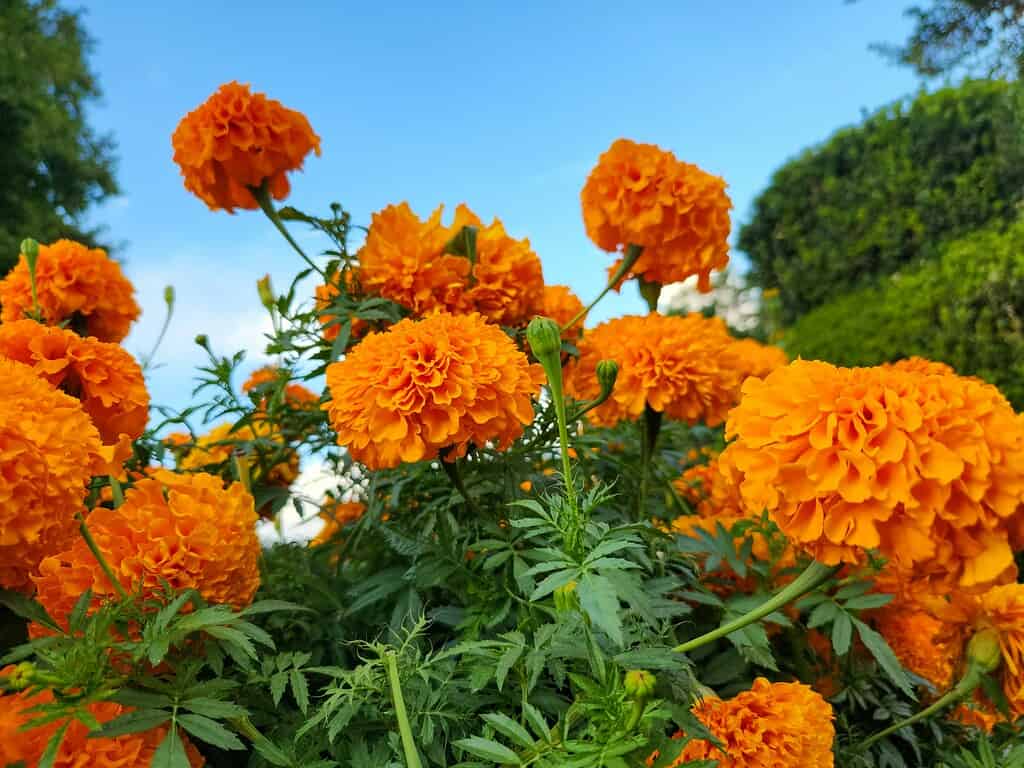
No discussion of rose companions is complete without mentioning marigolds. French marigolds (Tagetes patula) are one of the most effective pest deterrents in the garden.
Their roots release a substance called alpha-terthienyl, which suppresses nematodes in the soil — a common but often invisible rose pest. Their strong scent also deters aphids and whiteflies above ground.
Beyond their practical benefits, marigolds are cheerful, long-blooming, and available in shades from pale yellow to deep orange and burgundy. They thrive in full sun alongside roses, bloom prolifically from early summer to frost, and require almost no maintenance.
For a complete guide to growing this powerhouse companion plant, see Grow Gorgeous Marigolds Fast: Easy Tips for a Colorful Garden.
- Beans
- Carrots
- Beets
- Lettuce
- Spinach
- Brassicas
How Hard Is It to Garden in Your County?
Every county has a unique Gardening Difficulty Score based on frost risk, soil quality, drought, altitude, and climate trends. Find yours — plus personalized frost dates, planting calendars, and soil data.
Check Your County's Score →Start Planting Your Dream Rose Garden Today
A rose garden in full bloom, surrounded by drifts of lavender, foxgloves reaching skyward, and catmint tumbling over the path edges — this is the cottage garden in its most iconic form.
And the good news is that achieving it doesn’t require years of expertise or a large budget. It requires the right plant combinations and a willingness to let your garden find its own natural rhythm.
Start small. Choose two or three companions from this list and plant them alongside your existing roses this season. Pay attention to what works, what blooms at the same time, and what fills in the gaps most naturally.
Over the next few seasons, layer in more plants, add height at the back, soften edges at the front, and let the self-seeders do their work.
Whether you’re starting with a few container roses on a patio or planning a full border along a garden wall, companion planting will transform the look, health, and biodiversity of your rose garden.
For more inspiration on containers and small-space planting, browse 12 Gorgeous Patio Plants That Are Surprisingly Easy to Grow — many of these plants pair wonderfully with patio roses.
We’d love to hear about your rose garden! What companion plants have worked best for you?
Drop your favorites and any questions in the comments below — your experience might inspire a fellow gardener to try something new.
Plan Your Garden With Confidence!

Ever start planting… and then realize halfway through that things feel a little scattered?
A simple plan changes everything.
When you sketch your layout first, you can see what fits, what flows, and what actually makes sense for your space. It saves time, money, and a whole lot of second-guessing later.
Our free Garden Planner helps you map out beds, organize plant spacing, rotate crops, and keep track of seasonal tasks – all in a clean, printable format you can actually use.
Whether you’re designing a low maintenance front yard or planning your full homestead garden, this gives you a clear starting point.
Less chaos. More clarity. A garden that works.
Frequently Asked Questions
Can I plant roses and vegetables in the same bed?
Yes, but choose your vegetables carefully. Garlic, onions, leeks, and chives are excellent vegetable companions for roses — their allium scent deters common rose pests.
Parsley and low-growing herbs also work well. However, avoid large, sprawling vegetables like squash or pumpkins, which will compete aggressively for space and nutrients.
The key is keeping vegetables that don’t shade the roses or compete excessively for water.
How far apart should I plant companion plants from my roses?
As a general rule, leave at least 18 to 24 inches between the crown of your rose bush and any companion plants.
This prevents root competition and ensures adequate airflow around the base of the rose — poor airflow is a primary cause of black spot and powdery mildew.
Ground covers like creeping thyme or lamb’s ear can be planted closer (12 inches) since they stay low and don’t compete as aggressively for nutrients.
Do companion plants actually prevent rose diseases like black spot?
Companion plants don’t cure black spot, but they can significantly reduce its occurrence. Garlic and chives contain natural antifungal compounds that, when planted nearby, may help suppress fungal spore activity in the soil.
More importantly, dense ground cover companion plants reduce soil splash — a primary way black spot spores travel from the soil to rose leaves during rainfall or watering.
Combined with good pruning for airflow, companion planting is a meaningful part of an organic disease prevention strategy.
Can I plant companion plants with roses in containers or raised beds?
Absolutely. Patio roses in large containers pair beautifully with trailing companions like creeping thyme or petite hardy geraniums around the pot edge.
In raised beds, you can create a miniature cottage garden effect by planting a compact rose like ‘The Fairy’ or ‘Iceberg’ as the centerpiece, surrounded by lavender, alliums, and catmint.
The key is choosing plants with similar watering needs and ensuring the container or bed is large enough for adequate root space.
What is the best companion plant for roses specifically to attract pollinators?
For maximum pollinator attraction, plant single-flowered companions rather than heavily double-flowered varieties — single flowers are more accessible to bees and butterflies.
Catmint, alliums, hardy geraniums, foxglove, and lavender are all exceptional pollinator magnets.
If you want to go even further, adding a shallow water source nearby (like a simple birdbath or dish of water with pebbles) will encourage bees to stay in your garden longer, improving overall pollination for your roses and every other flowering plant in the bed.
Level Up Your Garden
Our most popular gardening guides