June is the garden’s sweet spot. The soil is finally warm, the days are long, and if you plant the right crops right now, you could be harvesting fresh food in as little as three to four weeks.
Whether you’re working with a raised bed, a container garden, or a sprawling backyard plot, June is absolutely packed with planting opportunities – if you know what to reach for.
The problem most gardeners run into? They either plant too late and rush into summer with nothing to show, or they try to grow the wrong things and wonder why results are slow.
This guide is your cheat sheet to making June count. We’re talking fast-growing vegetables, summer herbs that thrive in heat, and a few garden winners that most people overlook entirely.
Why June Is One of the Best Months to Plant
June sits in that ideal window between spring’s last frost and summer’s peak heat.
In most growing zones across North America, soil temperatures in June hover between 65°F and 85°F – the sweet spot for seed germination and rapid root development.
Days are long, giving plants maximum sun exposure to drive photosynthesis and accelerate growth.
June is especially forgiving because many warm-season crops (beans, cucumbers, squash, and herbs) actively thrive in June’s warmth and won’t sulk in the heat the way cool-season crops like spinach or lettuce tend to. You’re working with nature, not against it.
That said, success in June still depends on choosing the right plants and giving them the right start. Let’s break it down by category so you can hit the ground running.
Garden Planner
The 22-page planner timed to your county's real frost dates. Planting windows, monthly checklists, and a harvest log you'll fill with pride by August.
Your Free 22-Page Garden Planner
Built for your exact ZIP code — planting dates, harvest log, and a month-by-month plan. 15-second sign-up.
Fast-Growing Vegetables to Plant in June
These are your powerhouse crops – vegetables that go from seed to harvest relatively quickly and love the warm June soil. Don’t overthink it. These are tried-and-true performers.
Bush Beans
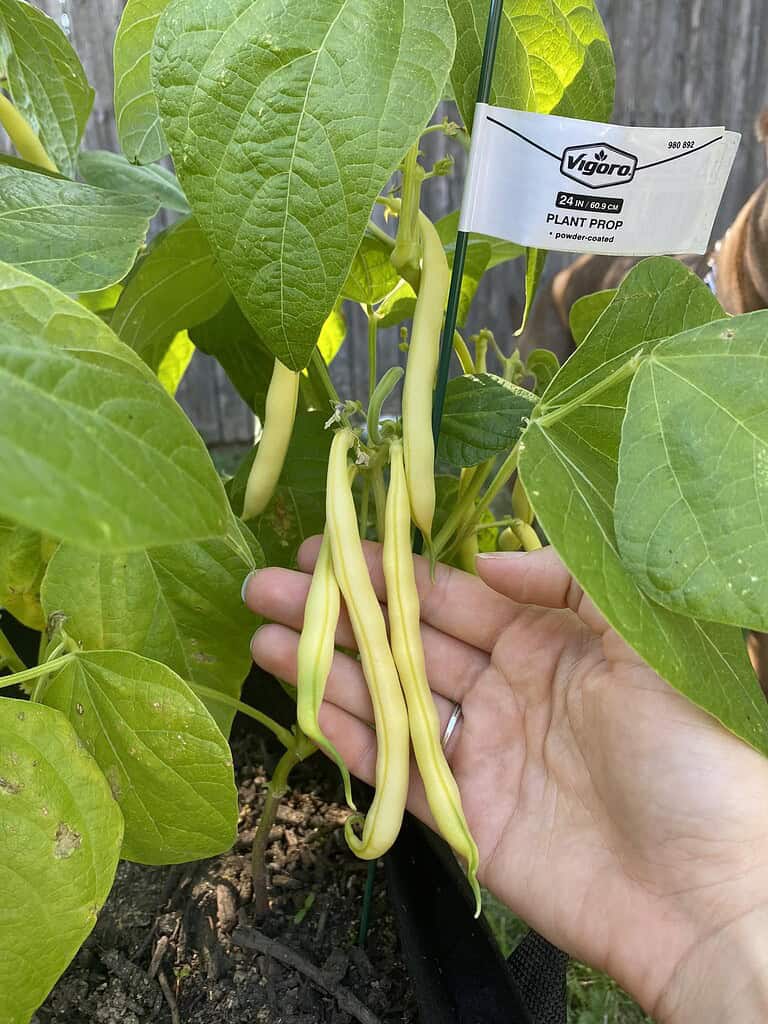
Bush beans are arguably the best June planting you can make. They germinate within 5–10 days, grow quickly without needing trellising, and are ready to harvest in just 50–60 days.
Direct sow them 1–2 inches deep, about 3 inches apart, in a sunny spot.
Unlike pole beans, bush beans don’t need support, making them an easy win for beginners. Plant a new row every 2 weeks for a continuous harvest through late summer.
Bush beans also fix nitrogen in the soil, which means they actually improve the garden bed for whatever comes next.
For companion planting ideas that can make your beans even more productive, check out our guide to companion planting.
Cucumbers

Cucumbers love warm soil and long summer days – both of which June delivers in abundance. Plant seeds 1 inch deep and 6 inches apart.
They germinate in about 7–10 days and can be ready to harvest in 50–70 days depending on the variety. For the best results, train them up a trellis to save space and improve airflow.
Slicing cucumbers like ‘Straight Eight’ and pickling cucumbers like ‘National Pickling’ both do well with a June start.
If you're growing in a vertical setup, our post on cucumber trellis ideas has some great DIY options to keep things tidy and productive.
Zucchini and Summer Squash
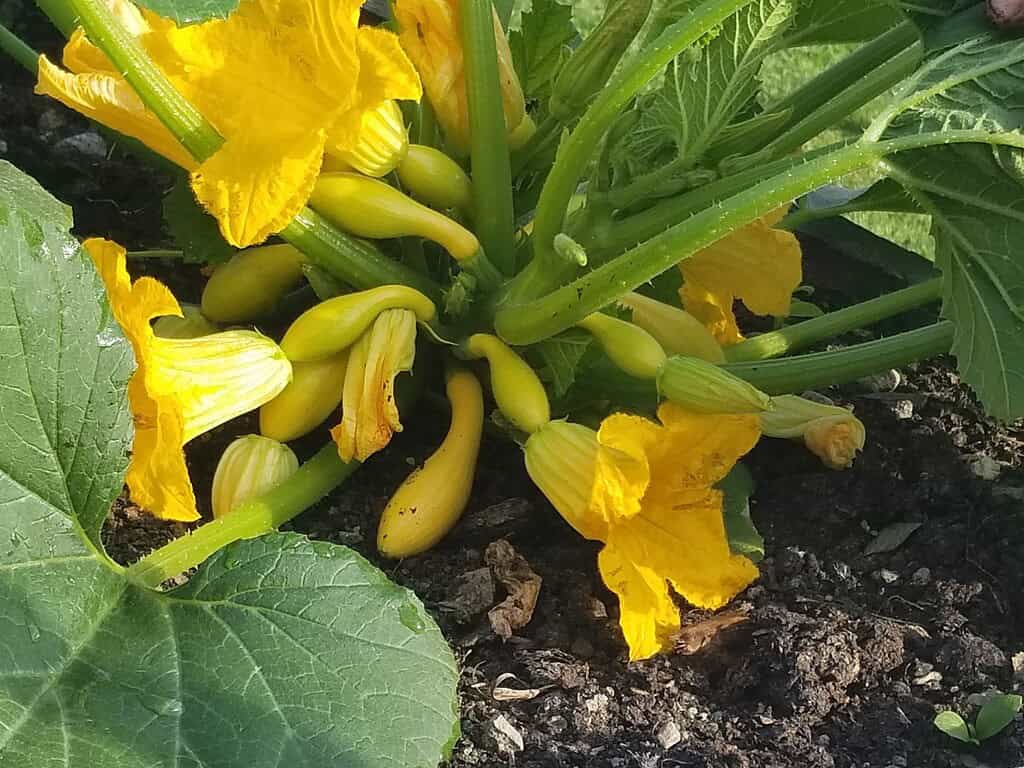
You’ve probably heard the joke about zucchini growing faster than you can eat it – and that’s especially true when you start seeds in June.
Zucchini germinates in 7–10 days and can produce harvestable fruit in as little as 45–55 days. Plant 2–3 seeds per hill, 1 inch deep, then thin to the strongest plant once sprouted.
The key with squash in June is making sure it has plenty of space and consistent water.
If you want to get the most out of your squash planting, we've got a detailed walkthrough in our post on how to grow squash successfully - including what to do before it's too late in the season.
Radishes
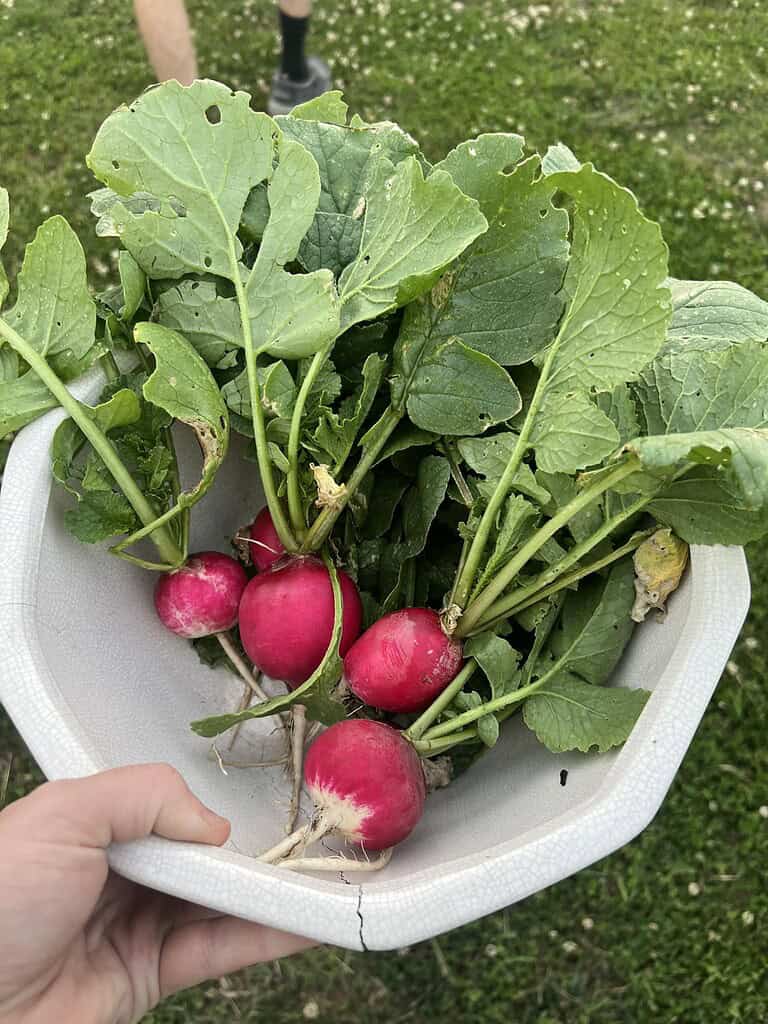
If you want to see results fast, plant radishes. They’re ready to harvest in as little as 22–28 days from seed.
June isn’t traditionally thought of as radish season since they prefer cooler weather, but fast-maturing varieties like ‘Cherry Belle’ or ‘French Breakfast’ can still produce well with consistent watering and a bit of shade from taller plants during the hottest part of the day.
Radishes also work as a companion plant, deterring cucumber beetles and squash bugs – making them a perfect addition alongside the cucumbers and squash you’re planting this month.
Beets
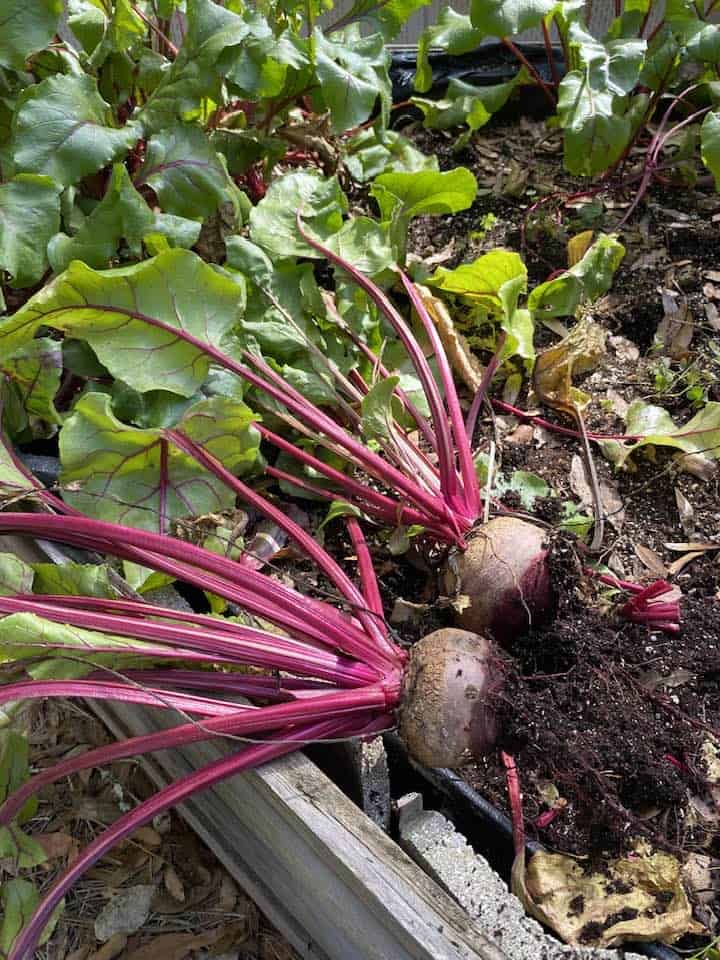
Beets are a June underdog. They’re dual-purpose – you get the greens early and the root later. Baby beet greens can be harvested in 30 days, while full-sized beet roots mature in about 55–70 days.
Direct sow seeds about ½ inch deep and 2 inches apart. Thin seedlings to 4 inches apart once they’re about 2 inches tall to give roots room to develop.
For deeper growing tips and variety recommendations, our full guide on how to grow beets covers everything from soil prep to harvest timing.
Summer Herbs That Thrive When Planted in June
Herbs are some of the most rewarding June plantings because many of them hit their flavor peak during summer heat. They’re also compact, low-maintenance, and incredibly useful in the kitchen.
Basil
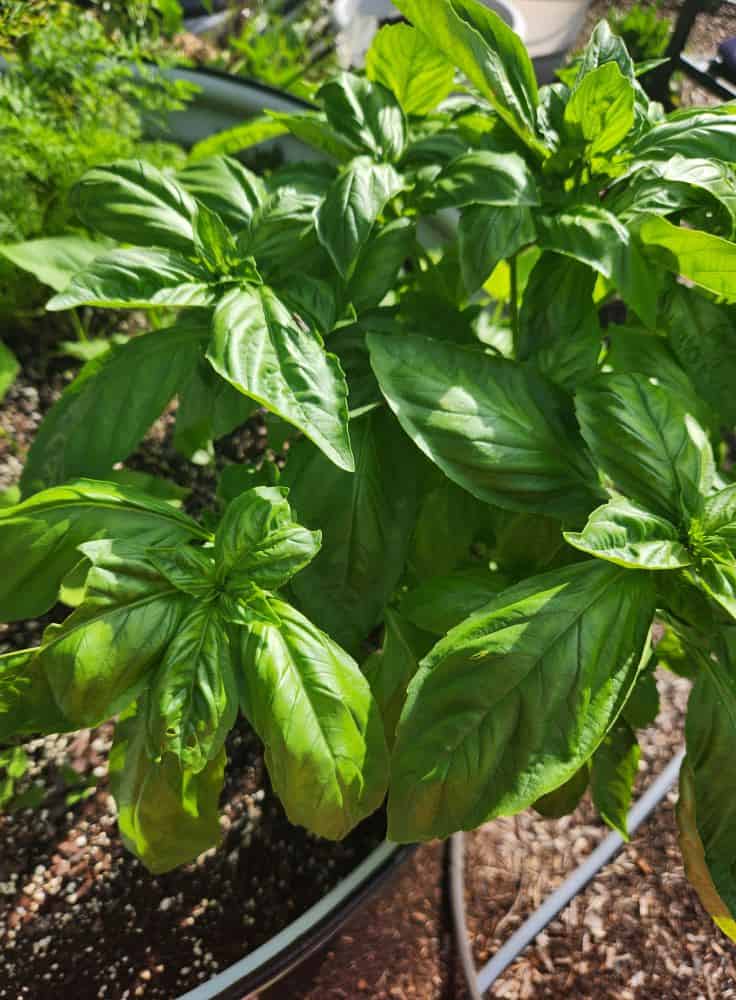
Basil is tailor-made for June. It loves heat, hates frost, and grows quickly once temperatures are consistently above 60°F.
Direct sow or transplant starts after your last frost date has passed. Basil is ready to start harvesting leaves in about 4–6 weeks.
The trick to keeping basil producing all summer is to pinch off the flower heads as soon as they form – this prevents bolting and keeps the plant bushy and productive.
Cilantro
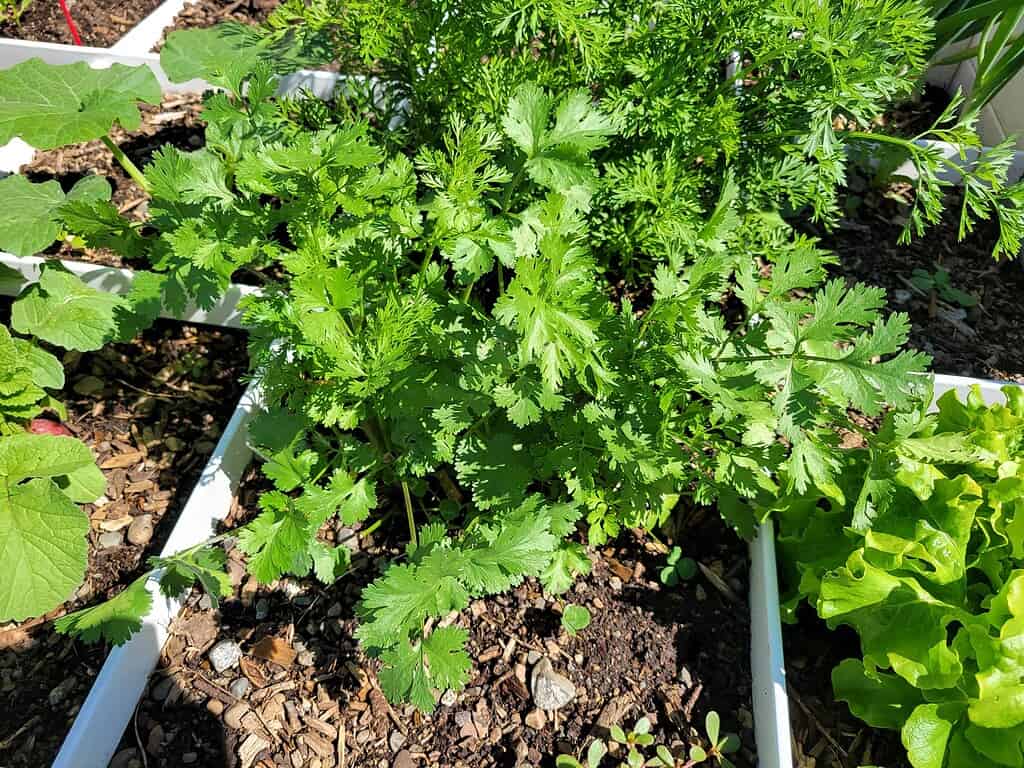
Cilantro bolts quickly in heat, but with strategic succession planting, you can keep it producing well into summer.
Plant a small batch every 2–3 weeks starting in early June, and choose slow-bolt varieties like ‘Leisure’ or ‘Calypso.’
Even if it bolts, the seeds (coriander) are edible and useful in the kitchen – so nothing goes to waste.
Dill
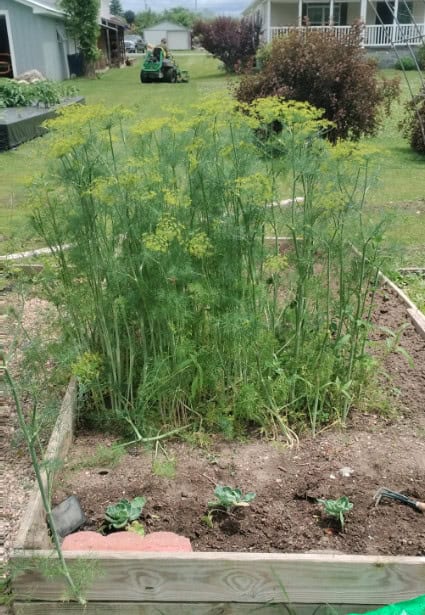
Dill is a fast grower that does well in June’s long sunny days.
It germinates in 7–14 days and can be harvested in 40–60 days. It’s also a great pollinator attractant, drawing beneficial insects like swallowtail butterflies and parasitic wasps to your garden.
Once you learn how to harvest dill properly, you’ll find it’s one of the most generous herbs in the garden. Check out our post on how to harvest dill to get the timing right and keep the plant productive.
Creeping Thyme
While most thyme varieties are perennial and slow-growing from seed, creeping thyme planted in June will establish beautifully by fall and come back stronger each year.
It tolerates heat and drought once established and can even serve as a low-maintenance ground cover in sunny areas.
Our complete guide on how to grow and care for creeping thyme walks you through everything from planting to pruning.
Miss it by a week and you lose the crop. The free 22-page planner pins down your exact dates — last frost, first frost, and the weekly steps between — so you plant on the days that actually work for your ZIP.
Flowers Worth Planting in June for a Summer Garden Glow-Up
Don’t skip flowers in June – they’re not just decorative. Many summer flowers attract pollinators, deter pests, and make your vegetable garden more productive. Plus, they’re beautiful.
Marigolds
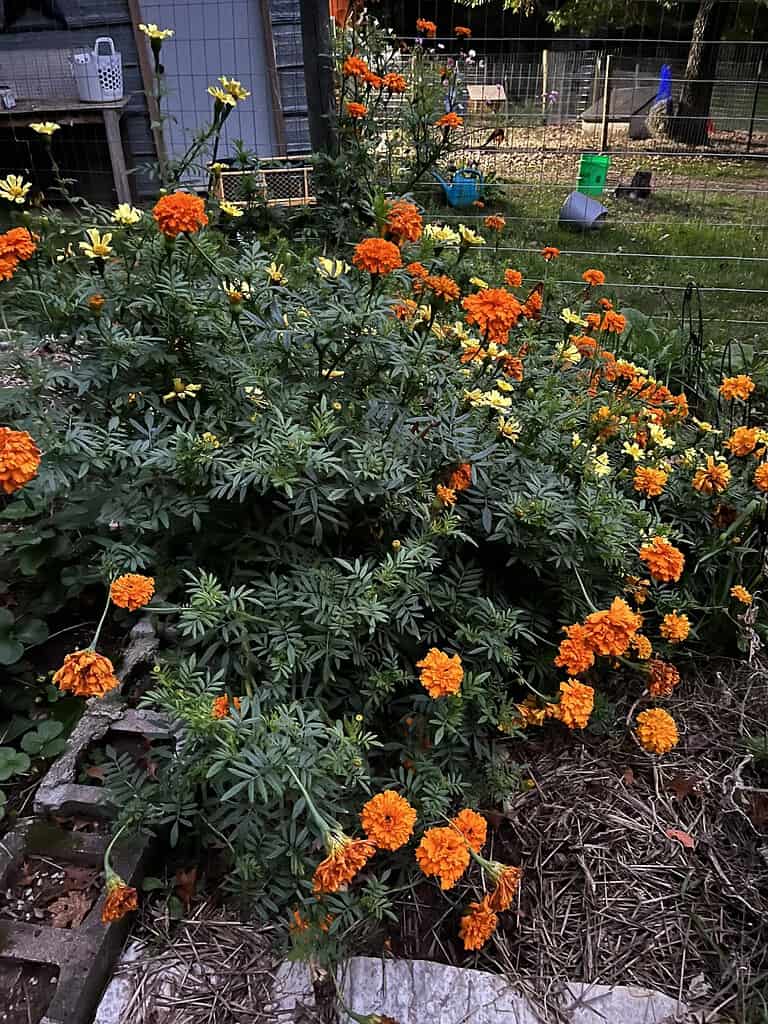
Marigolds are the ultimate June planting for gardeners who want fast color and practical pest control. They germinate in 4–7 days and bloom in 6–8 weeks from seed.
French marigolds in particular are known to repel whiteflies and nematodes. They’re also one of the most beginner-friendly flowers you can grow.
For planting tips and variety recommendations, our guide on how to grow marigolds is a great resource.
Sunflowers
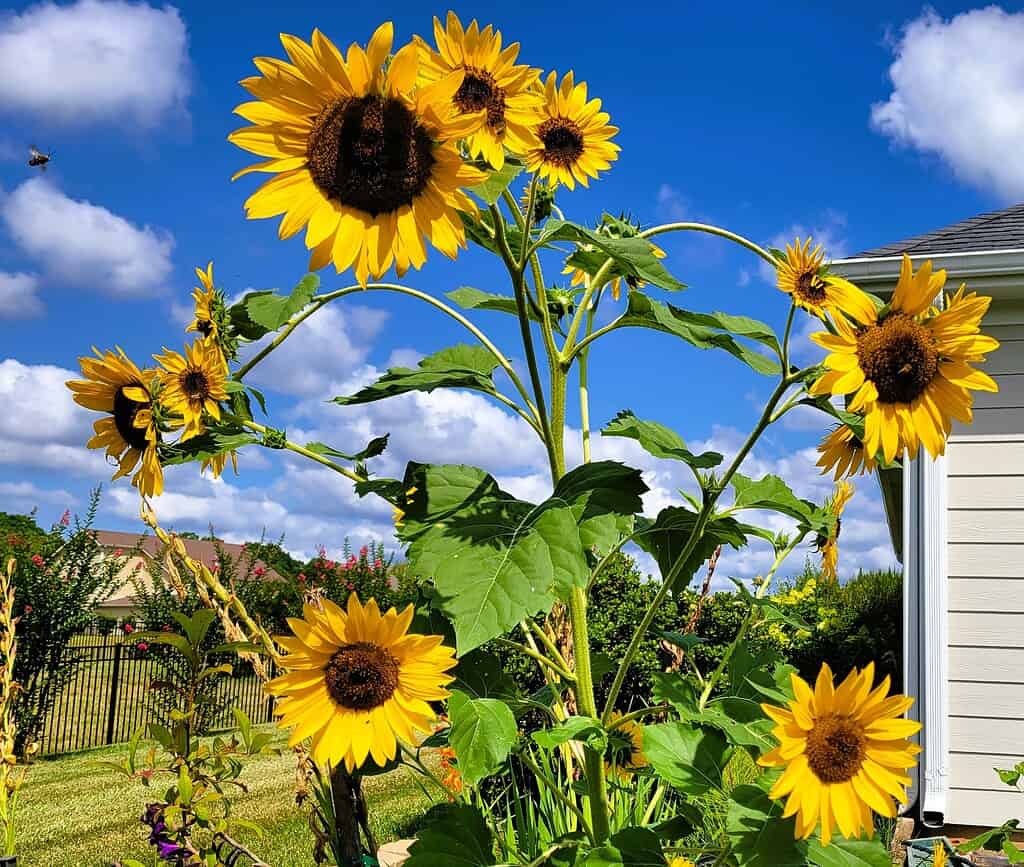
Sunflowers are a June planting MVP. Direct sow seeds 1 inch deep in a sunny spot and they’ll germinate in 7–10 days.
Dwarf varieties like ‘Teddy Bear’ bloom in about 50–60 days while standard varieties take 70–80 days – still well within summer range if you plant in early June.
Sunflowers attract bees, provide shade for heat-sensitive plants, and their seed heads feed birds in the fall. Visit our post on growing sunflowers for step-by-step tips on varieties, spacing, and care.
Zinnias
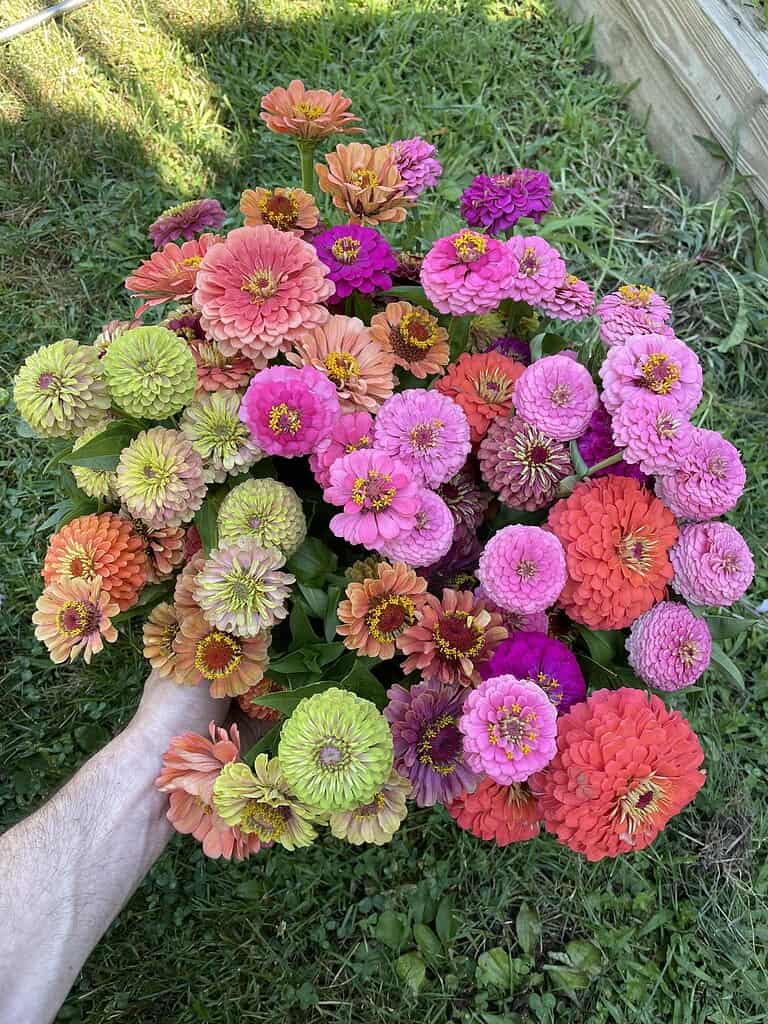
Zinnias are heat lovers that explode with color when planted in June’s warm soil. They germinate in 5–7 days and bloom in 45–60 days.
Available in nearly every color imaginable, they’re excellent for cut flower gardens and attract a wide variety of pollinators.
If you're interested in growing flowers you can actually use, our guide to starting a cut flower garden is worth a read.
Free Planting Guides for This Article
Get exact planting dates, frost schedules, and growing tips for your zone:
Quick Tips for June Planting Success
Getting your plants in the ground is just the beginning. Here are the essential practices that will make the difference between a thriving June garden and a frustrating one.
Water consistently, not excessively.
June heat can dry out soil quickly, especially in raised beds and containers.
Aim for deep, infrequent watering rather than shallow daily watering – this encourages roots to grow deep and become more drought-tolerant.
A drip irrigation system can make this hands-off and efficient. Our post on drip irrigation can help you set up a system that works.
Mulch makes a big difference in the garden.
A 2–3 inch layer of garden mulch around your plants will retain moisture, regulate soil temperature, and suppress weeds.
In June heat, this is especially important for newly seeded rows and transplants getting established.
Feed your soil.
Warm June soil is biologically active, which means your plants will be feeding heavily.
Incorporate compost at planting time and consider a side-dressing of balanced organic fertilizer once plants are established.
For more on feeding your garden naturally, our guide on natural fertilizers for vegetable gardens gives you plenty of options.
Watch for pests.
June brings increased pest pressure as insect populations peak. Check plants regularly, especially the undersides of leaves. Aphids, squash bugs, and cucumber beetles are common June culprits.
Early intervention with organic methods keeps problems manageable. For aphids specifically, we have a full breakdown of how to get rid of aphids naturally.
Succession plant.
Don’t put everything in the ground on the same day. Stagger your plantings by 1–2 weeks so harvests are spread out rather than all arriving at once.
Our succession planting chart is a handy visual guide for planning this out.
Best gardening planner I've used in 10 years — and I keep coming back to it every season.
What NOT to Plant in June (and What to Do Instead)
June isn’t the right time for everything.
Cool-season crops like spinach, peas, and broccoli will struggle and bolt quickly in June heat. If you try to grow these now, you’ll be disappointed.
Instead, if you want greens this summer, focus on heat-tolerant options like Swiss chard, New Zealand spinach, or Malabar spinach – all of which handle warm temperatures far better than traditional varieties.
Similarly, garlic and onions planted in June won’t have time to mature before fall. Those are better suited to a fall or early spring planting window.
For more on timing your plantings throughout the whole year, our vegetable planting calendar lays it all out clearly so you're never guessing.
How Hard Is It to Garden in Your County?
Every county has a unique Gardening Difficulty Score based on frost risk, soil quality, drought, altitude, and climate trends. Find yours — plus personalized frost dates, planting calendars, and soil data.
Check Your County's Score →Start Planting This Week – Your June Garden Is Waiting
June is one of those rare months where the conditions, the daylight, and the soil all align perfectly for rapid garden growth.
Whether you’re a first-time gardener or a seasoned homesteader, the window is open right now – and the best time to take advantage of it is today, not next week.
Start with the fast growers (bush beans, cucumbers, and zucchini) and add a row of marigolds or sunflowers alongside them.
Tuck in some basil and dill for fresh kitchen herbs. Mulch everything well, set up a simple watering routine, and watch your garden transform over the next few weeks.
What are you planting in your garden this June? Drop your plans, questions, or favorite fast-growing picks in the comments below – we love hearing what’s growing in your backyard!
- Lettuce
- Spinach
- Carrots
- Radishes
- Kale
- Brassicas
Ready to Design Your Dream Garden Bed?
Feeling inspired to build something beautiful?
If you’re ready to go beyond just one garden bed and truly design a space that feels intentional, productive, and charming, I put together something special for you.
Inside 101 Garden Bed Ideas, you’ll find creative layouts, raised bed designs, space-saving solutions, and inspiring setups you can actually recreate in your own yard – whether you’re working with a tiny backyard or a full homestead.
Start planning your dream garden today.

Frequently Asked Questions
Can I still start tomatoes from seed in June, or is it too late?
In most growing zones, June is too late to start tomatoes from seed outdoors and expect a full harvest before the first fall frost.
However, you can transplant established tomato seedlings or starts purchased from a nursery in early June and still get a good crop – especially if you’re in a zone with a long growing season (Zones 7–10).
If you’re determined to start from seed in June, look into fast-maturing varieties that promise harvest in 55–65 days. Our guide on how to start tomato seeds indoors can help you plan better for next season.
How do I keep my June plantings from wilting in the summer heat?
New transplants and freshly germinated seedlings are most vulnerable in June’s afternoon heat.
The best defense is a combination of deep watering in the morning, a good layer of organic mulch to retain soil moisture, and temporary shade cloth for the first 1–2 weeks of transplant establishment.
Once plants are rooted in and growing strong, most warm-season crops can handle full summer sun without issue. Avoid watering from overhead in the afternoon heat, as this can scorch leaves and promote fungal disease.
Is it better to direct sow or use transplants for June planting?
It depends on the crop. Vegetables like beans, cucumbers, squash, beets, and radishes strongly prefer to be direct sown because they don’t transplant well – their roots dislike disturbance.
On the other hand, crops like tomatoes, peppers, basil, and most flowers do well as transplants and will give you a head start on the season. When in doubt, check the seed packet: if it says “direct sow” or “doesn’t transplant well,” take that seriously.
Starting from transplants is also a smart move in June if you want faster results for crops that would otherwise be cutting it close to frost season.
What should I plant in June if I only have containers or a small balcony garden?
Container gardeners can still have a productive June. The best choices for pots and containers in summer are bush beans (compact varieties like ‘Bush Blue Lake’), cucumbers (bush types like ‘Patio Snacker’), herbs like basil, dill, and cilantro, and compact flowers like marigolds and zinnias.
The key is choosing containers large enough for root development – at least 5 gallons for vegetables and 1–2 gallons for herbs. Consistent watering is critical since containers dry out much faster than ground beds. For more inspiration, check out our post on container vegetable gardening.
How do I protect my June garden from common summer pests without using chemical sprays?
Prevention is the best pest control strategy in June. Start by choosing pest-resistant varieties when possible, keeping your garden free of diseased plant debris, and encouraging beneficial insects by planting flowers like marigolds, dill, and zinnias alongside your vegetables.
Row covers can physically exclude pests like cucumber beetles and squash vine borers from newly planted crops.
For aphids and soft-bodied insects, a homemade insecticidal soap spray is highly effective. Our recipe and instructions for making your own insecticidal soap can help you tackle infestations without reaching for chemical solutions.
Level Up Your Garden
Our most popular gardening guides