If you keep backyard chickens, you already know the truth nobody mentions when you are first dreaming of fresh eggs and fluffy hens: chickens poop. A lot.
And most of it lands in the coop overnight, right under the roosting bars where they sleep.
If you have ever spent your Saturday morning hauling soiled bedding out of the coop, you are going to love this one simple upgrade.
The chicken coop poop shelf trick is one of those tiny tweaks that completely changes the way you manage your flock.
It catches almost all of the overnight droppings in one tidy spot, keeps your bedding cleaner for weeks, and turns daily cleanup into a 3-minute job.
If you want a coop that smells better, looks tidier, and gives you more time back, keep reading.
What Is a Chicken Coop Poop Shelf?
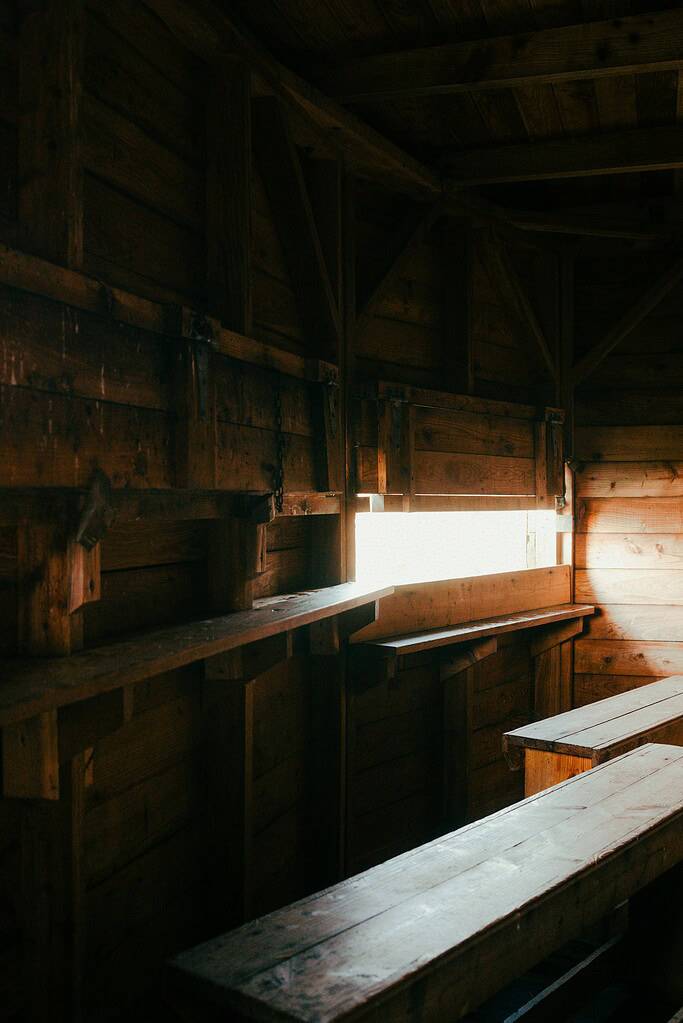
A poop shelf (sometimes called a poop board or droppings tray) is exactly what it sounds like: a flat, removable surface mounted directly under your chickens’ roosting bars.
Because hens do most of their pooping while they sleep, that one spot collects the vast majority of the mess.
Instead of letting droppings fall down into the bedding and mix with shavings or straw, the shelf catches everything in a single, easy-to-clean layer.
In the morning, you scrape it off, dump it in your compost bin, and you are done. No more raking through stinky bedding searching for clumps.
Whether you have a tiny urban setup or a large flock, a poop shelf works.
If you are still in the planning stages and want layout inspiration, take a look at these 12 large chicken coop ideas to upgrade your backyard setup for examples of how to integrate one from the start.
Garden Planner
The 22-page planner timed to your county's real frost dates. Planting windows, monthly checklists, and a harvest log you'll fill with pride by August.
Your Free 22-Page Garden Planner
Built for your exact ZIP code — planting dates, harvest log, and a month-by-month plan. 15-second sign-up.
Why a Poop Shelf Saves You So Much Time

Chicken keepers swear by this trick because it solves several daily headaches at once. Here is what changes the moment you install one:
Daily Cleanup Drops to Just a Few Minutes
Without a shelf, chicken coop poop ends up everywhere—in the bedding, on the eggs, even tracked into the nesting boxes. With a shelf, 80 to 90 percent of it lands in one place.
A quick scrape with a putty knife or paint scraper, and the coop is fresh again. Most people finish the daily routine in under five minutes.
Bedding Lasts Weeks Longer
Pine shavings, straw, hemp—whatever bedding you use, it stays cleaner and drier when droppings are not soaking into it overnight.
That means fewer trips to the feed store, less money spent, and a longer-lasting deep-litter base if that is your style.
A Healthier, Happier Flock
Wet bedding leads to ammonia buildup, which damages chickens’ respiratory systems and attracts flies.
By removing the source of moisture every morning, you prevent the foul smell, cut down on flies and mites, and create a safer environment for your hens.
Pair the shelf with thoughtful coop design—like the practical setups in these 9 practical chicken coop décor ideas that keep hens happy—and you have a low-maintenance dream coop.
Effortless Compost Collection
Chicken manure is one of the most nutrient-rich compost ingredients you can get. With a poop shelf, you collect pure, almost bedding-free droppings every single day.
Toss them straight into your compost bin or hot pile, and within a few months you will have premium garden gold.
That is a huge win if you are already running an integrated mini farm in a small backyard space.
How a Chicken Coop Poop Shelf Works
The setup is beautifully simple. You mount a flat, sealed surface roughly 8 to 12 inches directly below your roosting bars. Anywhere chickens perch overnight, the shelf catches what falls.
The shelf can be:
- A solid wood board sealed with paint or polyurethane
- A wood board topped with vinyl flooring or sheet metal
- A removable tray that slides out from under the roost
- A built-in shelf with a sand or PDZ (sweet PDZ) layer on top
The key is to choose a surface that is non-porous, easy to scrape, and built to handle daily cleaning without falling apart.
Wood alone will eventually absorb moisture and start to rot, so almost everyone tops it with something more durable.
Miss it by a week and you lose the crop. The free 22-page planner pins down your exact dates — last frost, first frost, and the weekly steps between — so you plant on the days that actually work for your ZIP.
How to Build a Poop Shelf in Your Coop
Building one is a quick weekend project, even for first-time DIYers.
If you are still working on coop construction, you can also reference setups in these 12 small chicken coop ideas perfect for tiny yards to see how a poop shelf fits into compact builds.
Materials You Will Need
- A piece of plywood or smooth lumber, cut to span the area under your roosts
- 2×2 or 2×4 wood scraps for the support frame
- Vinyl flooring remnant, sheet metal, or rubber mat to cover the surface
- Wood screws and a drill
- Heavy-duty staples or construction adhesive
- A putty knife or paint scraper for daily cleaning
Step-by-Step Instructions
- Measure under your roosts. Aim for a shelf that extends a few inches past each end of the roosting bar so nothing misses the target.
- Cut the plywood to the right size and attach a small lip (½ to 1 inch) along the front edge. This keeps droppings from sliding off when you scrape.
- Cover the surface with vinyl, sheet metal, or rubber. Use staples or construction adhesive to secure it tightly with no gaps where droppings could seep in.
- Mount the shelf 8 to 12 inches below your roosting bars using wood screws and brackets. Make sure it is level and supports plenty of weight.
- Optional: add a layer of sand or PDZ. A thin, even layer (about an inch) absorbs moisture and makes scooping faster, the same way kitty litter works in a litter box.
That is it. The whole project usually takes less than two hours and you will see the time savings starting tomorrow morning.
Best Materials for a Poop Shelf Surface
Choosing the right top surface makes the difference between a poop shelf you love and one you eventually rip out. Here are the four most popular options:
Vinyl or Linoleum Flooring
Cheap, lightweight, and easy to install. A vinyl remnant from a flooring store often costs just a few dollars. Scrape with a putty knife and you are done.
The downside: vinyl can crack in extreme cold and may need replacing every couple of years.
Sheet Metal
Galvanized sheet metal or aluminum flashing is durable, easy to wipe down, and lasts essentially forever. It is a fantastic option if you want to set it once and forget it. Just sand or fold any sharp edges before installing.
Rubber Stall Mats
Heavy and cuttable, stall mats are nearly indestructible. They are ideal for large coops or anywhere you want long-term durability. They cost more upfront but easily outlast every other option on this list.
Sand or Sweet PDZ
Some keepers prefer to skip the hard surface entirely and use a 1-inch layer of construction sand or Sweet PDZ on top of the shelf.
You scoop droppings out daily with a kitty litter scoop. The grit dries the chicken coop poop quickly, killing the smell and making collection ridiculously fast.
Best gardening planner I've used in 10 years — and I keep coming back to it every season.
Your New 5-Minute Daily Maintenance Routine
Once your shelf is installed, the cleanup process becomes ridiculously easy. Most chicken keepers swear by this morning routine:
- Open the coop door and let the chickens out for the day.
- Grab your scraper or scoop and a small bucket.
- Scrape the shelf clean in long, smooth strokes—the lip at the front catches everything.
- Dump the droppings straight into your compost bin.
- Once a week, do a deeper wipe-down with a vinegar-water spray to keep things sanitary.
That is it. Five minutes max. Your bedding stays fresh, your coop smells better, and your compost pile grows faster than ever.
Common Poop Shelf Mistakes to Avoid
Even though this trick is simple, a few common mistakes can cancel out the time savings. Watch for these:
- Mounting the shelf too close to the roost. If chickens can stand on it, they will use it as a perch—and they will scratch the droppings everywhere. Keep at least 8 inches between the bar and the shelf.
- Skipping the waterproof topper. Bare wood absorbs moisture, smells terrible, and rots within a year. Always cover it.
- Forgetting the front lip. Without it, dry droppings shoot off the front when you scrape and you will end up sweeping the floor anyway.
- Letting it sit for days. The whole point is daily cleaning. Skip a few days and the smell, flies, and ammonia will return.
- Building it too narrow. If hens hang their tail feathers off the edge while roosting, droppings end up on the floor. Aim for at least 16 to 18 inches deep.
- Beans
- Carrots
- Beets
- Lettuce
- Spinach
- Brassicas
How Hard Is It to Garden in Your County?
Every county has a unique Gardening Difficulty Score based on frost risk, soil quality, drought, altitude, and climate trends. Find yours — plus personalized frost dates, planting calendars, and soil data.
Check Your County's Score →Turning Chicken Coop Poop Into Garden Gold
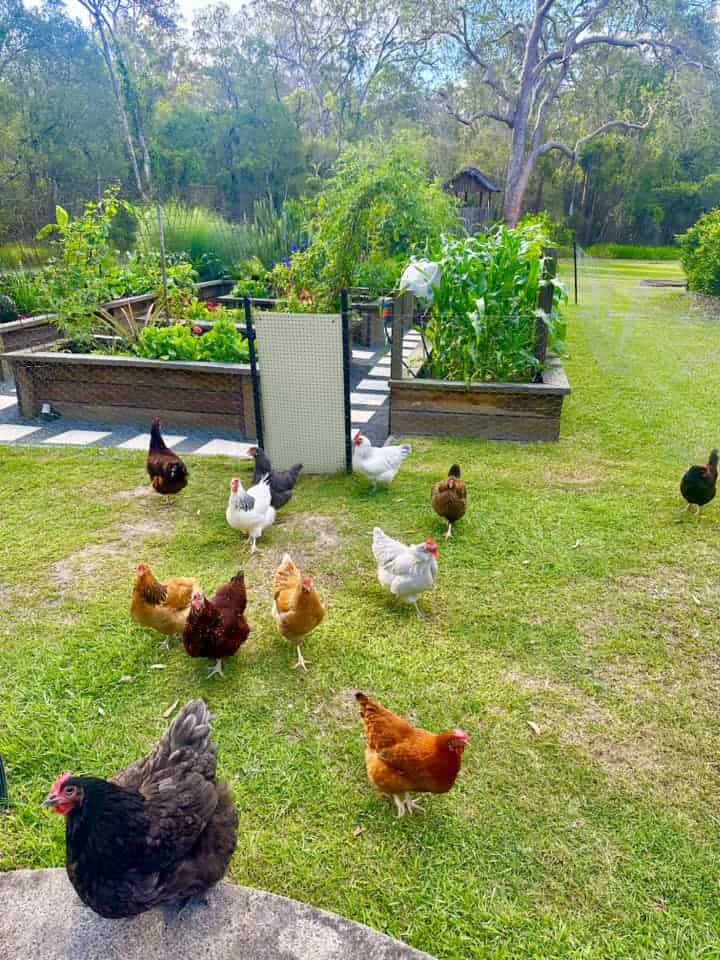
One of the best perks of using a poop shelf is how easy it makes composting.
Pure chicken manure is too “hot” to use directly in the garden—it can burn plants—but it composts down beautifully when balanced with carbon-rich materials like dry leaves, straw, or shavings.
A simple recipe: layer your daily droppings with brown matter (a 1:2 ratio of manure to browns), keep the pile damp, and turn it every couple of weeks.
In about 4 to 6 months, you will have rich, crumbly compost that is fantastic for vegetables, fruit trees, and flower beds.
Combine this routine with other low-effort flock upgrades like DIY chicken dust bath stations for parasite control and a chicken tunnel to keep hens out of your garden beds, and you will create one of the most efficient backyard chicken setups around.
A Tiny Upgrade With a Huge Payoff
The chicken coop poop shelf trick is one of those rare upgrades that pays you back every single day.
A few hours of weekend work, a small pile of materials, and you will save yourself hours of cleanup every month for as long as you keep chickens.
If you are managing a flock—or thinking about starting one—this is the simplest possible way to make your coop more pleasant, your hens healthier, and your garden more productive.
Try it once, and you will wonder how you ever raised chickens without one.
Plan Your Garden With Confidence!

Ever start planting… and then realize halfway through that things feel a little scattered?
A simple plan changes everything.
When you sketch your layout first, you can see what fits, what flows, and what actually makes sense for your space. It saves time, money, and a whole lot of second-guessing later.
Our free Garden Planner helps you map out beds, organize plant spacing, rotate crops, and keep track of seasonal tasks – all in a clean, printable format you can actually use.
Whether you’re designing a low maintenance front yard or planning your full homestead garden, this gives you a clear starting point.
Less chaos. More clarity. A garden that works.
Frequently Asked Questions
How often should I clean my chicken coop poop shelf?
Daily is best. A quick scrape every morning takes about three to five minutes and prevents odor, ammonia buildup, and fly issues. If you absolutely cannot get to it daily, every other day is the maximum—any longer and you will lose most of the benefit.
What is the best material for a poop shelf in cold climates?
In freezing climates, vinyl can crack and droppings can stick fast. Sheet metal or rubber stall mats handle cold much better. A thin layer of Sweet PDZ on top also helps prevent droppings from freezing solid to the surface, making winter scraping easier.
Can I put a poop shelf in a small or pre-built coop?
Yes. Even tiny coops benefit from a poop shelf, and adding one is usually a quick retrofit. You may need to remove the existing roost, add the shelf, then reinstall the roost about 10 inches above it. For raising chicks before they move into the main coop, check out these 10 DIY brooder box ideas that make raising chicks so much easier.
Can I use chicken coop poop directly in my garden?
Not fresh. Raw chicken manure is high in nitrogen and ammonia and can burn plant roots and leaves. Compost it for at least 4 to 6 months with carbon-rich materials before applying to vegetable beds. Aged chicken manure compost is one of the best fertilizers you can use.
Does a poop shelf really reduce coop smell?
Absolutely—it is one of the biggest improvements you can make. Most coop odor comes from ammonia released as droppings break down in damp bedding. By removing the source every day, you stop the smell before it ever starts. Add proper ventilation and dry bedding, and your coop will stay practically odor-free year round.
Level Up Your Garden
Our most popular gardening guides