If you’ve ever popped a sun-warmed raspberry straight off the cane and thought, “I could grow these myself” — you absolutely can.
Growing raspberries at home is one of the most rewarding things a beginner gardener can do.
They’re hardy, productive, and once established, they come back year after year with very little fuss. Whether you have a sprawling backyard or just a sunny balcony, raspberries will work with you.
This guide walks you through everything you need to know — from picking your first variety to harvesting your first bowl of berries.
If you’re just beginning to explore growing your own fruit garden at home, raspberries are one of the best places to start.
Why Raspberries Are Perfect for Home Growers
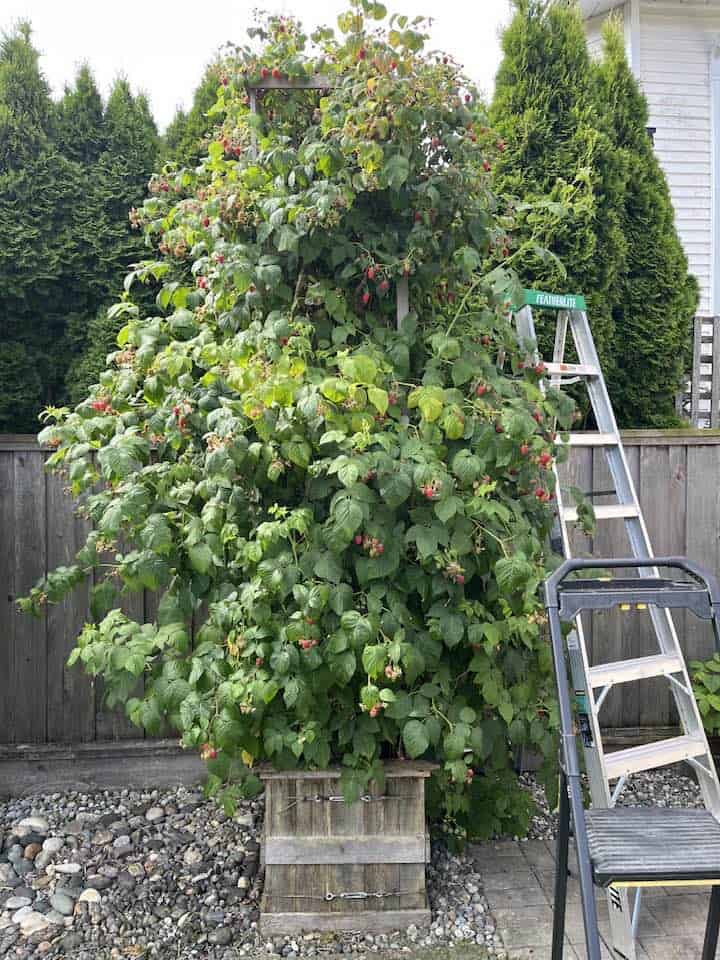
Raspberries check nearly every box a home grower could want. They’re perennial — meaning you plant once and harvest for years.
They’re fast — many varieties produce fruit in their very first or second year. And they’re versatile enough to grow in beds, raised rows, pots, or up a trellis.
Here’s why so many homesteaders and backyard gardeners love them:
- High yield for the space: Even a few canes can produce pounds of fruit per season.
- Low maintenance once established: Raspberries are tough plants that handle most conditions well.
- Nutritional powerhouse: Packed with antioxidants, vitamin C, and fiber.
- Multiple uses: Eat fresh, freeze, jam, or bake — the options are endless.
- Great for a more self-sufficient lifestyle: Growing your own berries reduces grocery trips and food costs.
Garden Planner
The 22-page planner timed to your county's real frost dates. Planting windows, monthly checklists, and a harvest log you'll fill with pride by August.
Your Free 22-Page Garden Planner
Built for your exact ZIP code — planting dates, harvest log, and a month-by-month plan. 15-second sign-up.
Choosing the Right Raspberry Variety for Your Garden
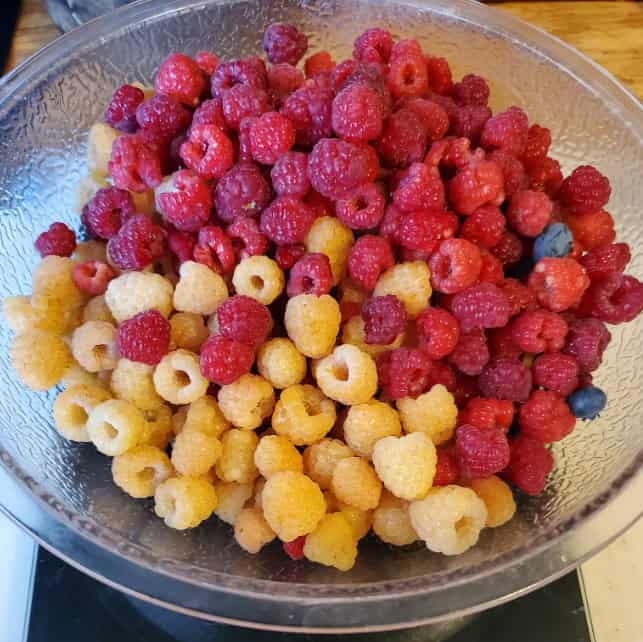
Not all raspberries are the same, and picking the right type makes a big difference in how much fruit you get and how easy your plants are to manage.
There are two main categories to understand:
Summer-Bearing vs. Ever-Bearing
- Summer-bearing (floricanes): Produce one large crop in early to mid-summer on second-year canes. Great for big harvests to preserve or freeze.
- Ever-bearing (primocanes): Produce two smaller crops — one in late summer on new canes and a second flush the following spring. Better for continuous fresh picking.
Popular Varieties to Consider
- Heritage – A reliable ever-bearer with large, sweet red berries. Very beginner-friendly.
- Tulameen – A summer-bearer known for exceptional flavour and long fruiting season.
- Caroline – Excellent for hot climates; disease-resistant and productive.
- Fall Gold – A golden-yellow variety that’s milder and sweeter, great for something different.
- Black Hawk – A black raspberry variety with a more intense, earthy flavour.
When in doubt, check your local garden centre — they’ll stock varieties proven to thrive in your climate zone.
Where to Grow Raspberries: In-Ground, Containers, or Trellis?
One of the best things about raspberries is their flexibility. You’re not locked into one method. Each approach has its advantages depending on your space and setup.
Growing Raspberries in Containers and Pots
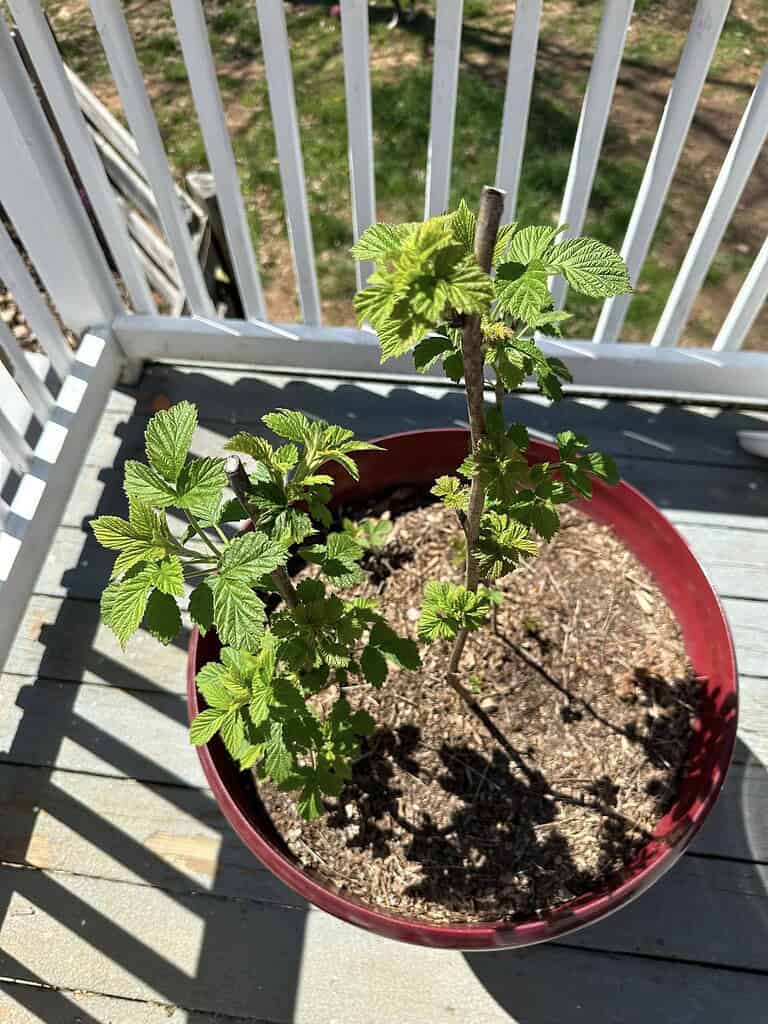
Growing raspberries in containers or growing raspberries in pots is a fantastic option for people with limited garden space — think patios, balconies, or small backyards.
Compact or dwarf varieties like ‘Shortcake’ or ‘Ruby Beauty’ are bred specifically for container growing and won’t outgrow their pot in one season.
Tips for successfully growing raspberries in pots:
- Use a container at least 15–20 inches deep and wide to give roots enough room.
- Choose a well-draining potting mix enriched with compost.
- Water more frequently than in-ground plants — containers dry out fast, especially in heat.
- Feed every 2–3 weeks with a balanced liquid fertiliser during the growing season.
- Move containers to a sheltered spot in winter if temperatures drop hard in your area.
Container growing also lets you control soil pH more precisely, which matters a lot to raspberries (more on that below).
Setting Up a Growing Raspberries Trellis
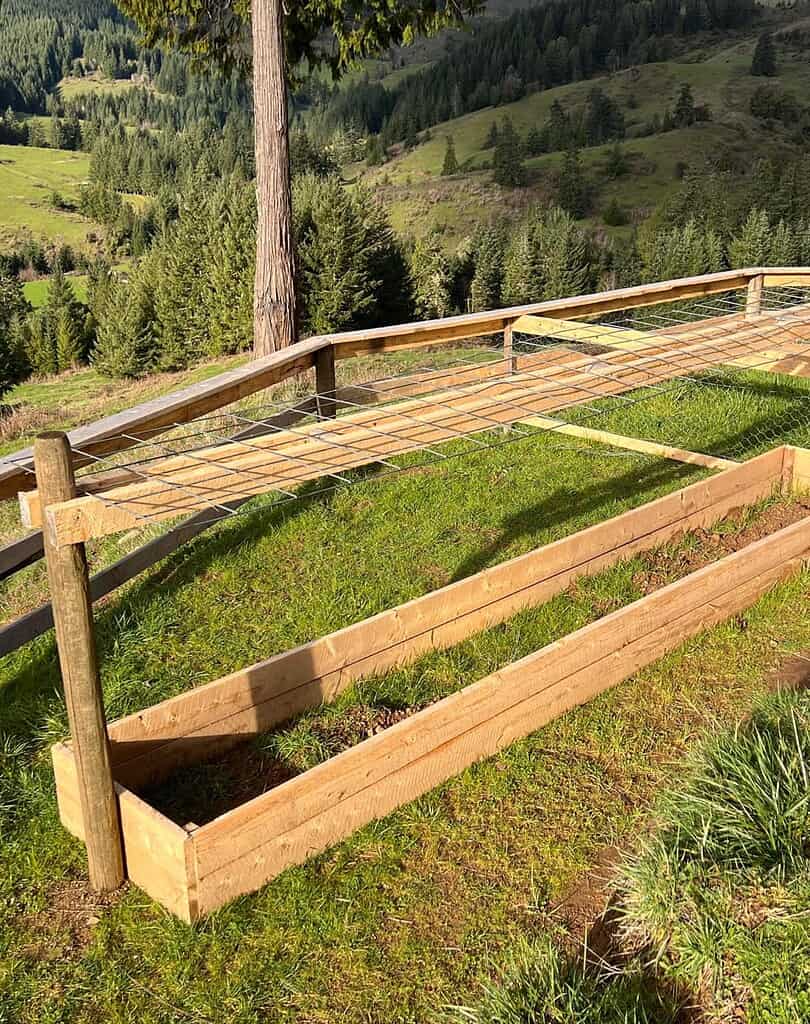
Growing raspberries on a trellis is the most popular method for in-ground planting — and for good reason.
Raspberry canes can grow 4–6 feet tall and will flop over without support, making them harder to manage and more prone to disease.
A trellis keeps them upright, improves airflow, and makes harvesting much easier.
The simplest setup is a two-wire post trellis: drive sturdy posts into the ground every 10–15 feet along your row, then string galvanised wire at two heights — about 2.5 feet and 5 feet off the ground. Tie your canes loosely to the wires as they grow.
If you want more detailed instructions and visual ideas, our guide on how to build raspberry trellises covers three proven designs that work for any garden size. For more general inspiration, the easy garden trellis ideas post is worth a look too.
Growing Raspberries in the Ground
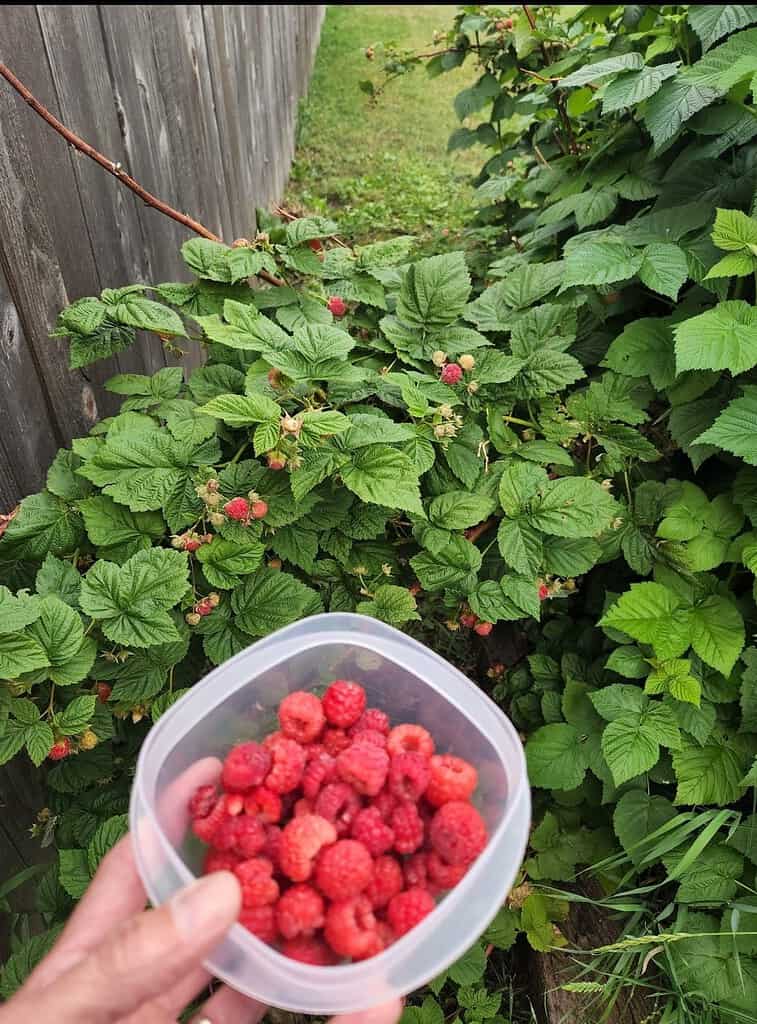
Traditional in-ground planting in rows is still the gold standard for bigger yields and easier long-term management. Space canes about 18–24 inches apart within the row, and leave 6–8 feet between rows so you can walk and work between them.
Most gardeners pair in-ground planting with a trellis system for best results.
Miss it by a week and you lose the crop. The free 22-page planner pins down your exact dates — last frost, first frost, and the weekly steps between — so you plant on the days that actually work for your ZIP.
Can You Grow Raspberries from Seeds?
Technically, yes — growing raspberries from seeds is possible. But most experienced growers skip it, and here’s why.
Raspberry seeds need cold stratification (a period of cold and moisture) to germinate properly.
You’d soak the seeds, stratify them in the fridge for 30–60 days, then start them indoors under grow lights — and even then, germination is slow and unreliable.
Worst of all, seedlings grown from hybrid varieties may not produce fruit identical to the parent plant.
If you’re committed to growing raspberries from seeds, here’s how to give yourself the best chance:
- Scoop seeds from ripe berries and rinse off the pulp thoroughly.
- Place seeds in a damp paper towel inside a zip-lock bag and refrigerate for 30–60 days.
- Sow into seed-starting mix, barely covering the seeds (they need light to germinate).
- Keep at 60–65°F (15–18°C) with consistent moisture and good light.
- Expect germination in 4–6 weeks — and don’t expect fruit until year two or three.
For most beginners, buying bare-root canes or potted starts from a nursery is a far better use of time and energy. You’ll be harvesting berries a full season or two ahead of a seed-grown plant.
Soil, Sun, and Watering Essentials
Raspberries are not fussy, but they do have preferences. Getting these three fundamentals right will set you up for success from day one.
Soil Requirements
Raspberries thrive in well-draining, fertile soil with a slightly acidic pH of 5.5–6.5. Waterlogged soil is their biggest enemy — roots will rot fast if water sits.
Before planting, work in plenty of aged compost to improve drainage and add nutrients. If your soil is heavy clay, consider raised beds or containers to give roots the environment they need.
Sunlight
Full sun is ideal — aim for at least 6–8 hours of direct sunlight per day. Raspberries can tolerate partial shade but will produce less fruit and be more susceptible to disease.
Site your raspberry bed or containers where morning sun hits first, as this dries dew quickly and reduces fungal problems.
Watering
Raspberries need consistent moisture, especially during flowering and fruiting. Aim for about 1–2 inches of water per week, either from rain or irrigation.
Water at the base of the plant — avoid wetting the foliage, which encourages disease. Drip irrigation or soaker hoses work brilliantly for raspberry rows.
During hot, dry spells, check soil moisture daily, especially for container-grown plants.
Best gardening planner I've used in 10 years — and I keep coming back to it every season.
Free Planting Guides for This Article
Get exact planting dates, frost schedules, and growing tips for your zone:
Feeding, Mulching, and Seasonal Care
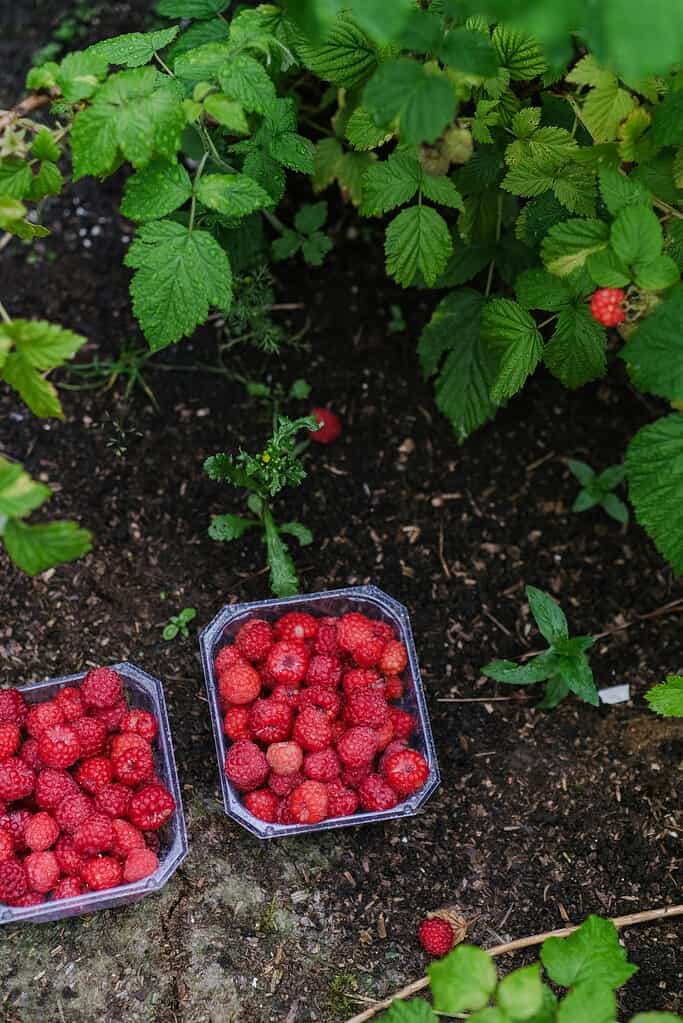
Once your raspberries are planted, a little seasonal care goes a long way toward keeping them healthy and productive for years.
Fertilizing
Feed your raspberry plants once in early spring with a balanced, slow-release fertilizer or a generous top-dressing of compost.
Avoid over-feeding with nitrogen — too much results in lush green growth with fewer berries. A second light feed after the first harvest (for ever-bearers) helps support the fall crop.
Mulching
Mulch is one of the most effective tools in the raspberry grower’s kit. Apply a 2–3 inch layer of straw, wood chips, or shredded leaves around the base of your canes each spring. Mulch:
- Retains soil moisture and reduces watering frequency
- Suppresses weeds that compete with your canes
- Regulates soil temperature through hot and cold extremes
- Gradually breaks down to feed the soil
Keep mulch a few inches away from the base of the canes to avoid crown rot.
Pruning Raspberry Canes the Right Way
Pruning might seem daunting, but it’s simpler than most people think once you understand the basic principle: raspberry canes that bore fruit this year won’t bear again.
They need to be removed to make room for the new canes that will carry next year’s crop.
Here’s the simple guide by type:
- Summer-bearing varieties: After harvest, cut all the dark brown canes (floricanes) that fruited down to the ground. Leave the new green canes (primocanes) — these will fruit next summer.
- Ever-bearing varieties: For a single large fall crop, mow all canes to the ground in late winter. For two smaller crops, remove only the canes that have already fruited (brown ones) after the fall harvest.
Always prune with clean, sharp secateurs and dispose of removed canes — don’t compost them, as they can harbour disease and pests.
- Lettuce
- Spinach
- Carrots
- Radishes
- Kale
- Brassicas
Common Pests and Diseases to Watch Out For
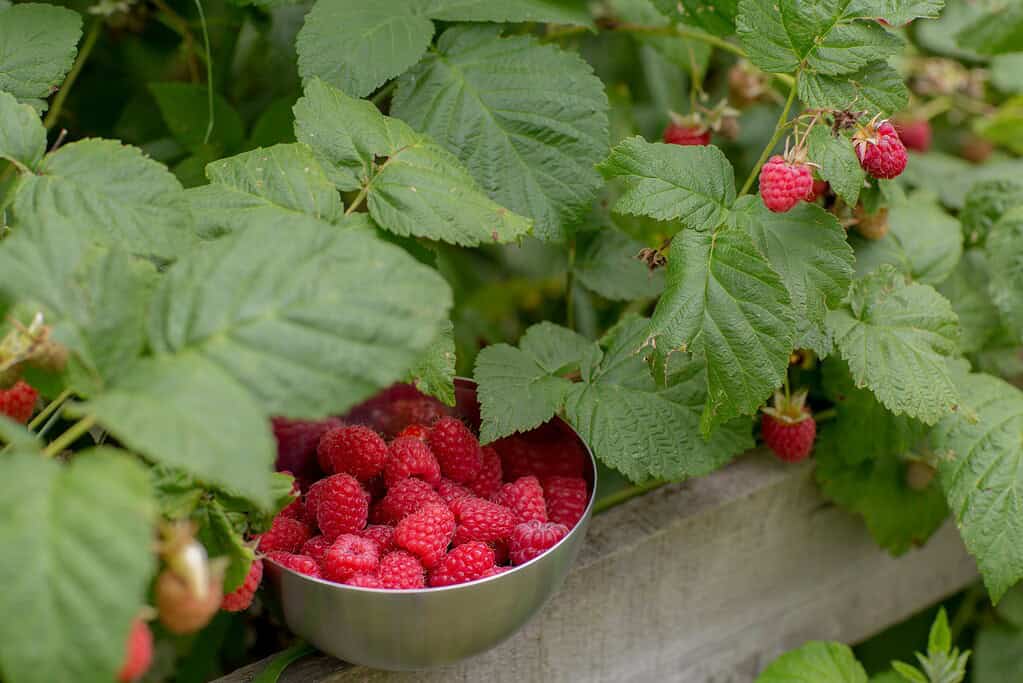
Raspberries are relatively tough, but there are a few common problems to keep an eye on:
- Raspberry beetle: The larva of this beetle burrows into developing fruits. Use fine netting over plants during flowering to reduce adult beetle access.
- Aphids: Cluster on young shoots and undersides of leaves. Blast off with water or use neem oil spray as an organic control.
- Botrytis (grey mould): A fungal disease that thrives in humid, overcrowded conditions. Good airflow — helped greatly by a trellis system — is your best prevention.
- Cane blight: Causes dark spots and dieback on canes. Remove and destroy affected canes immediately.
- Birds: The most universal pest. Net your plants as berries begin to colour up if birds are a problem in your garden.
Harvesting and Storing Your Fresh Raspberries
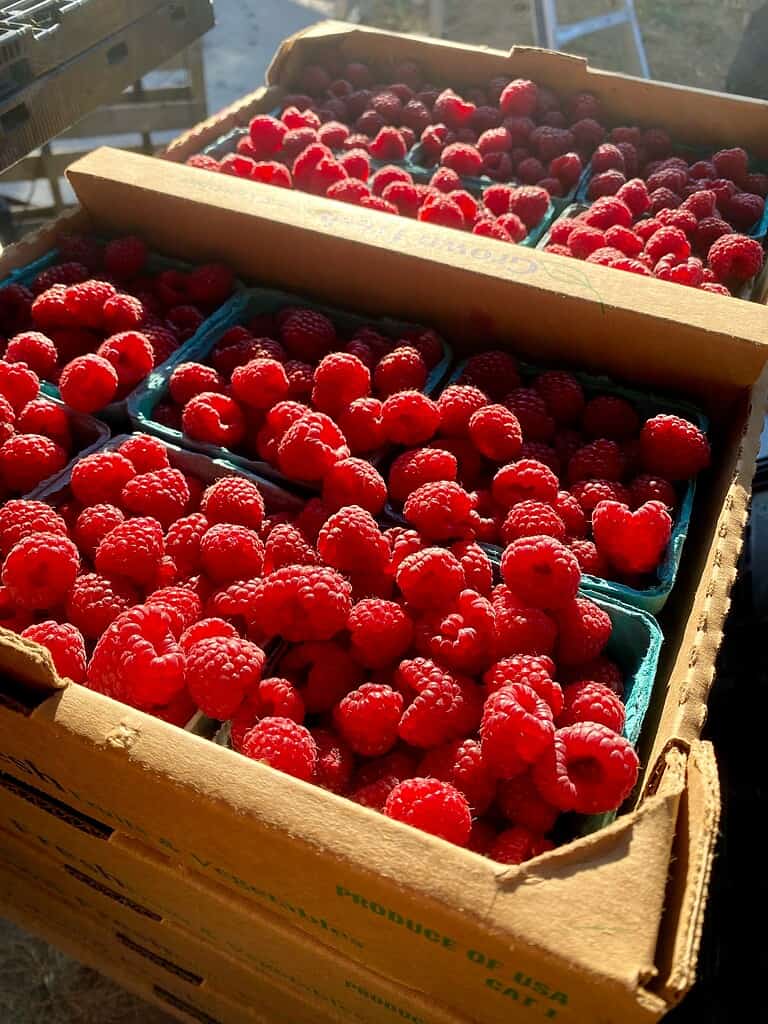
Raspberries are ready to pick when they come away from the plant with just the lightest touch. If you have to tug, they need another day or two.
Pick in the morning after dew has dried and before the heat of the day sets in — this is when berries are firmest and most flavourful.
Fresh raspberries are delicate, so handle them gently and avoid stacking them too deep in your container. They’ll keep in the fridge for 2–3 days at most.
For longer storage, lay them out in a single layer on a tray and freeze before transferring to bags — they’ll keep for up to a year.
Our detailed guide on storing fruit and vegetables to make them last longer has plenty of additional tips to help you get the most from your harvest.
How Hard Is It to Garden in Your County?
Every county has a unique Gardening Difficulty Score based on frost risk, soil quality, drought, altitude, and climate trends. Find yours — plus personalized frost dates, planting calendars, and soil data.
Check Your County's Score →Expand Your Edible Garden: What to Grow Alongside Raspberries
Once raspberries are established in your garden, many growers find themselves bitten by the berry bug and eager to grow more.
There are some excellent companion crops that pair well with a raspberry patch — both practically and in terms of harvest timing.
Blackberries are a natural next step — they grow and trellis in a similar way to raspberries, and you can find plenty of inspiration in our roundup of creative blackberry trellis ideas for small and large gardens alike.
If you want to venture beyond cane fruits, growing grapes in your backyard is another rewarding project that uses similar trellising principles.
Grapevines love full sun, well-drained soil, and a sturdy support structure — and they’ll reward you with harvests for decades. Our full guide on growing grapes at home walks you through everything from planting bare-root vines to training your first harvest.
For ideas on building support structures for both grapes and other climbing plants, our easy garden trellis ideas guide is a great starting point.
Strawberries are another popular addition to a fruit garden — low-growing and easy to manage in beds or containers. Check out these strawberry garden bed ideas for some creative ways to incorporate them.
Start Growing Raspberries This Season — Your First Harvest Is Closer Than You Think
Growing raspberries at home doesn’t require a big garden, a big budget, or years of experience.
It requires a decent spot with sunlight, the right variety for your climate, and a little patience through that first season while your canes get established.
After that, raspberries practically look after themselves — coming back year after year with generous harvests of fresh, flavorful fruit.
Whether you’re growing raspberries in containers on a balcony, training them up a trellis in a raised bed, or planting a proper row in your backyard — the process is the same: plant, water, prune, harvest, repeat. And with every season, your patch gets stronger and more productive.
Now it’s your turn. Have you grown raspberries before, or are you just getting started? Drop your questions, experiences, or tips in the comments below — we’d love to hear how your raspberry patch is coming along!
Plan Your Garden With Confidence!

Ever start planting… and then realize halfway through that things feel a little scattered?
A simple plan changes everything.
When you sketch your layout first, you can see what fits, what flows, and what actually makes sense for your space. It saves time, money, and a whole lot of second-guessing later.
Our free Garden Planner helps you map out beds, organize plant spacing, rotate crops, and keep track of seasonal tasks – all in a clean, printable format you can actually use.
Whether you’re designing a low maintenance front yard or planning your full homestead garden, this gives you a clear starting point.
Less chaos. More clarity. A garden that works.
Frequently Asked Questions
How long does it take for raspberry plants to produce fruit?
Most raspberry plants will produce a small crop in their second year and a full harvest by year three. Ever-bearing varieties planted early in the season can sometimes give a light fall crop in their first year. If you plant bare-root canes in early spring, you’ll typically see flowering and fruiting the following summer. Patience pays off — the longer the plant is established, the more productive it becomes.
Do raspberry plants need a lot of space?
Not necessarily. In-ground plants need about 18–24 inches between canes within a row, but compact varieties grown in containers can thrive in a relatively small footprint. A single 5-gallon container can support one plant comfortably. If space is tight, dwarf or patio varieties bred for container growing are your best option. Even a single well-tended container plant can yield a meaningful harvest each season.
Can raspberries grow in shade?
Raspberries can tolerate partial shade, but they perform best with 6–8 hours of direct sun each day. In shadier spots, expect reduced yields, weaker canes, and higher susceptibility to fungal diseases due to poor air circulation and slow drying of foliage. If full sun isn’t available, choose your sunniest available spot and focus on air circulation by keeping canes well-spaced and tied to a trellis.
What is the best time of year to plant raspberries?
The ideal time to plant bare-root raspberry canes is in late winter to early spring, just before or as new growth begins — typically between February and April depending on your climate zone. This allows roots to establish before the plant puts energy into producing shoots and leaves. Container-grown plants from a nursery can be planted any time during the growing season, as long as you water consistently until they settle in.
Why are my raspberry canes dying back after the first year?
This is completely normal for summer-bearing varieties. Each cane lives for two years: the first year it grows (and is called a primocane), and the second year it flowers and fruits (as a floricane). After fruiting, those canes naturally die back and should be removed to make room for new primocanes. If canes are dying back without fruiting, check for cane blight, root rot from poor drainage, or nutrient deficiency — all of which are manageable with early intervention.
Level Up Your Garden
Our most popular gardening guides