Raising ducks and chickens together absolutely can work – and it can work really well. But it’s not as simple as tossing them into the same yard and hoping for the best.
There are a handful of mistakes that beginners make almost every single time, and most of them are really easy to avoid if you know what’s coming.
Here are the early missteps to skip so your mixed flock actually thrives instead of just barely tolerating each other.
Can Ducks and Chickens Even Live Together?
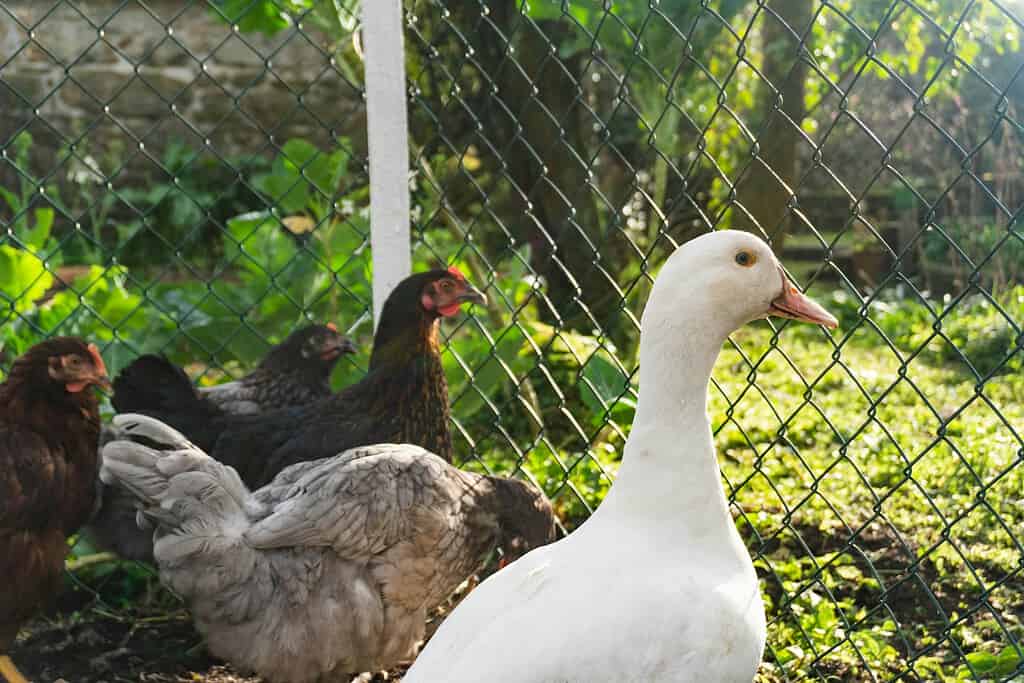
Yes. With the right setup, ducks and chickens get along just fine – usually better than people expect.
They eat similar food, they have similar predators, and they tend to ignore each other most of the day. Some flocks even bond, with ducks and hens foraging side by side like an odd little gang.
But “they get along” isn’t the same as “they thrive.” The two species have very different needs when it comes to water, shelter, bedding, and feed. Ignore those differences and you’ll end up with sick birds, soggy coops, and a lot of stress (yours and theirs).
That’s where the mistakes come in. Let’s get into them.
Garden Planner
The 22-page planner timed to your county's real frost dates. Planting windows, monthly checklists, and a harvest log you'll fill with pride by August.
Your Free 22-Page Garden Planner
Built for your exact ZIP code — planting dates, harvest log, and a month-by-month plan. 15-second sign-up.
Mistake #1: Giving Them the Same Water Source
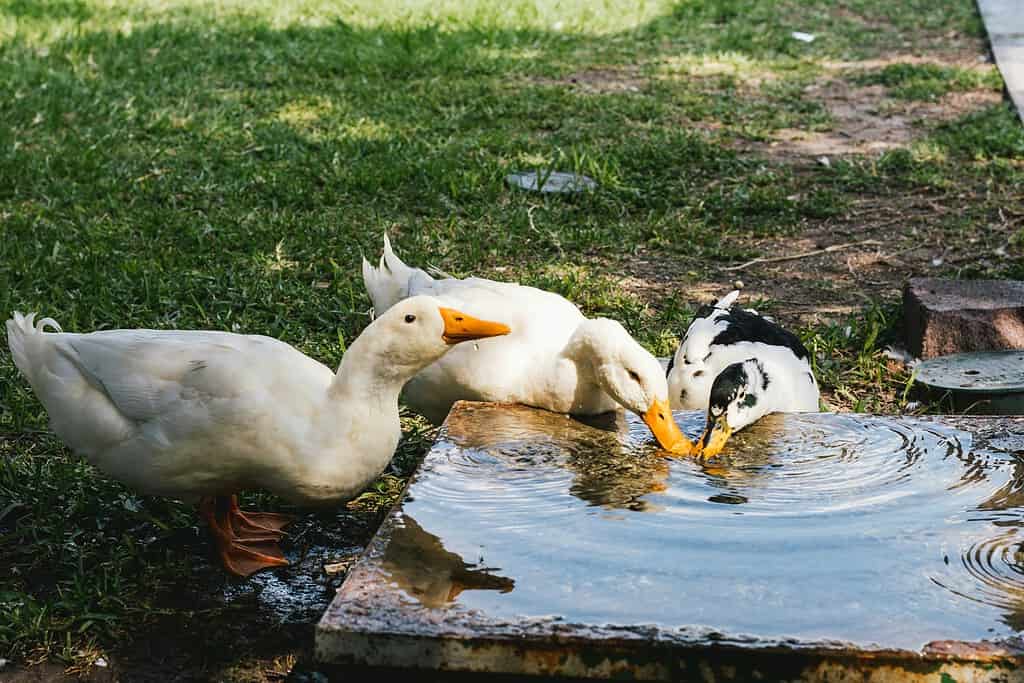
This one is hands-down the biggest. And it’s almost always the first thing that goes wrong.
Ducks don’t just drink water. They dunk their entire heads in it. They splash. They blow bubbles. They turn a clean five-gallon waterer into pond water within an hour.
Chickens, on the other hand, need clean, dry water and a clean, dry surrounding area. Wet bedding around a chicken waterer leads to dirty feathers, foot problems, and respiratory issues fast.
So what happens when you offer one shared water source? Ducks turn it into chaos. Chickens drink dirty water (or refuse to). Everyone loses.
The fix is simple: keep two separate water stations. Give the ducks a deeper basin, kiddie pool, or shallow pan they can dip their heads in – placed away from the coop. Give the chickens a clean nipple waterer or a heavy footed waterer that’s harder to splash.
If you’re keeping birds through cold months, a setup like a good heated chicken waterer for winter is worth its weight in gold for keeping your hens hydrated when temperatures drop.
Position both stations on well-drained ground, ideally on gravel or a wood platform. Mud is the silent killer of mixed flocks.
Mistake #2: Forcing Them Into the Same Coop
Beginners almost always assume one coop is enough. After all, they’re both poultry, right?
Not really.
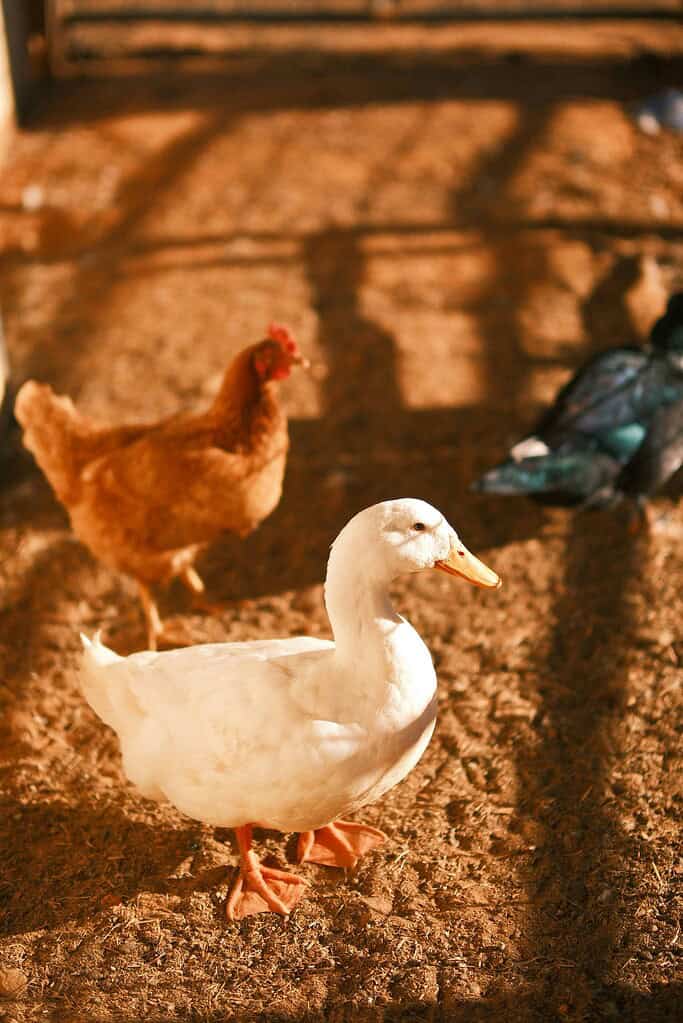
Chickens roost. They sleep up high, on bars, with their feet tucked. They want a dry, well-ventilated space and they really, really do not want to step in standing water in the dark.
Ducks don’t roost. They sleep on the ground, often nestled into thick bedding. They produce significantly more moisture than chickens, both from droppings and from carrying water in on their feathers. In a closed coop, that moisture turns into ammonia overnight – and ammonia is brutal on chicken respiratory systems.
If you absolutely must use one coop, you can split it: low-level floor bedding for ducks, raised roosting bars and a separate area for chickens, with serious ventilation up high. But honestly, two coops (or a coop with a proper internal divider) makes life so much easier.
A simple, low-effort duck shelter doesn’t need to be fancy at all. If you’re starting from scratch, this guide on how to build a simple and practical duck coop walks you through a budget-friendly build using mostly scrap materials.
And if your chickens need their own dedicated space without taking over the yard, these small chicken coop ideas perfect for tiny yards are worth a look before you start building.
Miss it by a week and you lose the crop. The free 22-page planner pins down your exact dates — last frost, first frost, and the weekly steps between — so you plant on the days that actually work for your ZIP.
Mistake #3: Feeding Them the Exact Same Feed
This one’s sneaky because it usually doesn’t show up as a problem until weeks (or even months) later.
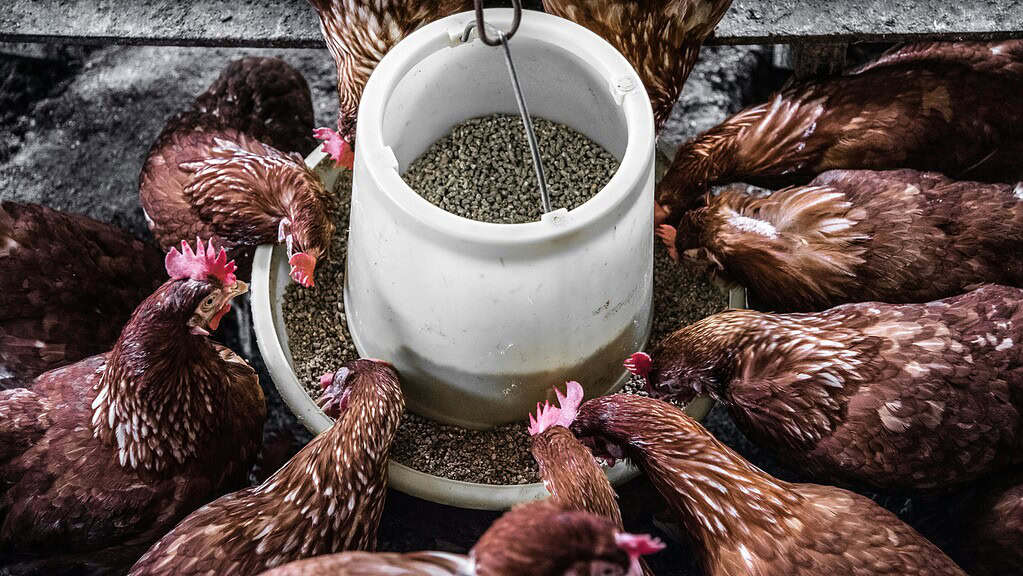
Adult chickens and adult ducks can technically eat similar layer feed. But ducklings absolutely cannot eat medicated chick starter, which is what most people grab when they pick up baby chicks. The medication (amprolium) can be toxic to ducklings and is a hard-to-spot mistake.
Adult ducks also need more niacin than chickens. If you feed them straight chicken layer feed long-term without supplementing, ducks can develop leg problems and weakness over time.
Here’s the simple version:
- For babies: feed ducklings unmedicated chick starter with added brewer’s yeast for niacin. Never medicated feed.
- For adults: an all-flock or “flock raiser” feed works well for both species, with a separate dish of oyster shell on the side so laying hens can grab calcium as they need it.
- Treats: leafy greens, mealworms, and most kitchen scraps are safe for both.
Skipping this step is one of the most common reasons mixed flocks struggle, and the symptoms can be confusing because they look like generic “weak birds.” It’s almost always the feed.
Mistake #4: Ignoring the Mud (and the Mess It Brings)
Where there are ducks, there is mud. Always.
This catches new keepers completely off guard. You set up a tidy little run, the ducks tip their water bowl over twice, the chickens scratch, and within a week your run looks like a hog wallow. Soaked bedding, soggy feet, smell, flies – the works.
Mud is more than a nuisance. It causes bumblefoot in chickens, harbors parasites, and makes the whole flock smell rough.
A few practical fixes that actually work:
- Place duck water on a gravel pad or wire-topped platform so spills drain through.
- Move duck water around the run so one spot isn’t always saturated.
- Add fresh straw or wood chips weekly to the high-traffic areas.
- Build a designated splash zone away from the coop. A small kiddie pool or even a budget-friendly DIY mini pond tucked into a corner gives ducks the splashing they need without flooding everything.
- Chickens love a dry dust bath – these easy DIY chicken dust bath stations help give your hens their own dry zone away from all the duck splash.
You can’t eliminate mud entirely with ducks. You just have to give it a place to live that isn’t your entire coop floor.
Best gardening planner I've used in 10 years — and I keep coming back to it every season.
Mistake #5: Skipping a Proper Introduction Period
If you already have chickens and you’re adding ducks (or vice versa), you can’t just open the gate and walk away.
Yes, ducks and chickens generally get along. But they don’t know each other yet, and the existing flock will absolutely treat newcomers like intruders.
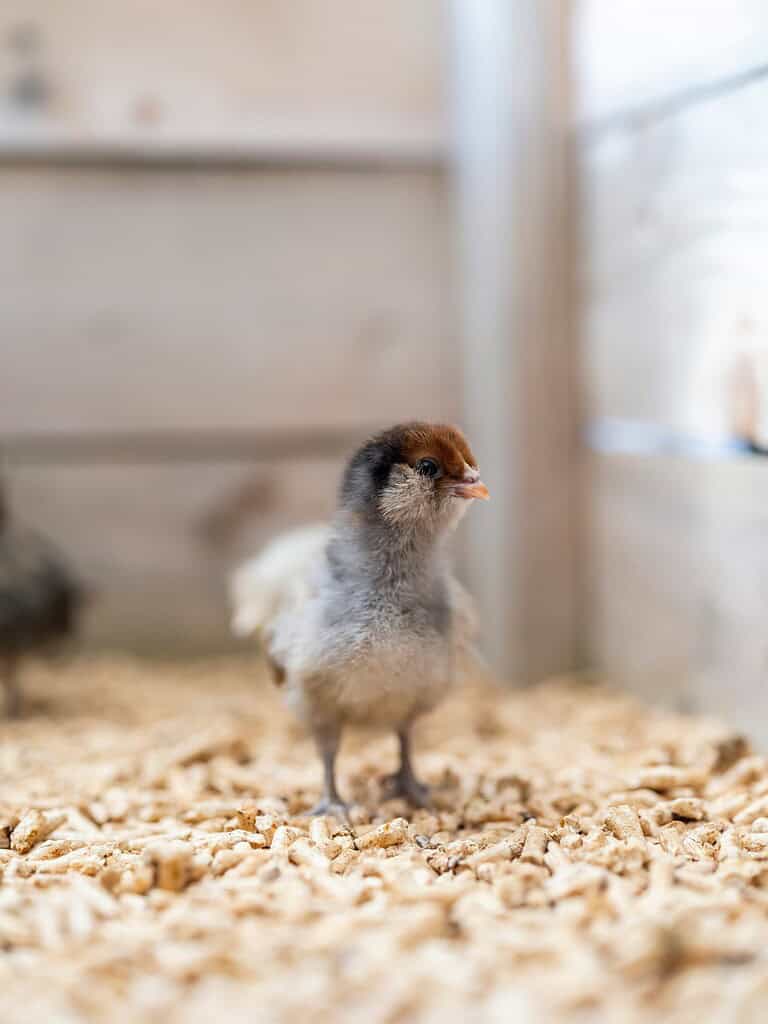
Add in a size mismatch (ducklings are tiny next to a full-grown hen, but adult ducks dwarf bantam chickens) and you can end up with bullying, injuries, or stressed-out birds that stop laying.
The slow introduction works the same way it does for any new flock member:
- Start with a “see but don’t touch” setup – a divider, separate pen, or wire panel between the two groups for at least a week.
- Let them free range together in a neutral, larger space where the new birds can retreat if needed.
- Watch for the first few nights. Don’t combine sleeping arrangements until you’ve seen them coexist without drama for a week or two.
If you’re raising young birds, a proper DIY brooder box for chicks (and ducklings) makes those first weeks much smoother and helps you keep babies at the right temperature without crowding them. Patience here saves you from a lot of drama later.
Mistake #6: Treating Predator Risks the Same for Both Species
Chickens roost up high at night. Ducks sleep on the floor. That single difference changes your entire predator strategy.
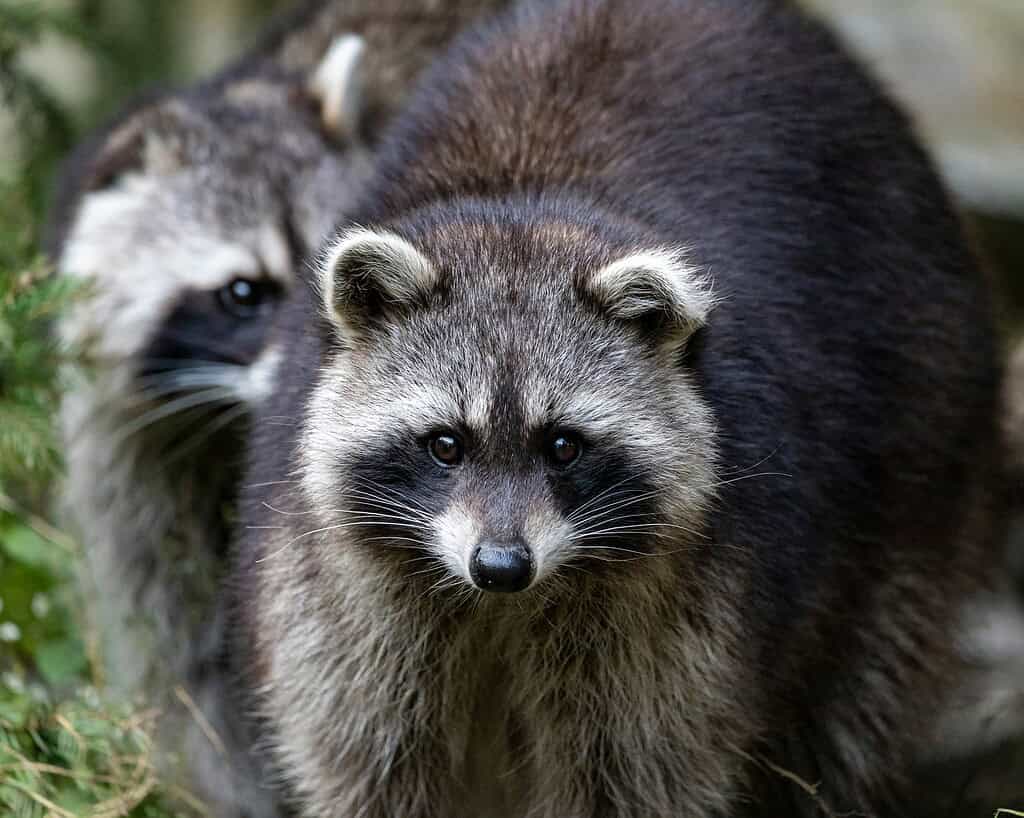
A coop that’s perfectly secure for chickens might be wide open for ducks at ground level. Predators that wouldn’t bother climbing up to a roost will absolutely dig under a duck shelter. Raccoons, weasels, and snakes can all reach a sleeping duck through gaps you’d never notice otherwise.
A few things to double-check:
- Bury hardware cloth at least 12 inches deep around the perimeter of any duck run.
- Make sure ground-level openings are covered with ½-inch hardware cloth, not chicken wire (chicken wire keeps chickens in, not predators out).
- Lock everyone up at dusk. Ducks especially will linger outside if you let them.
If your chickens free range during the day, these proven tips for safely free ranging chickens apply to ducks too – just remember that ducks are slower and more vulnerable on land than chickens, and they panic differently when something flies overhead.
- Beans
- Carrots
- Beets
- Lettuce
- Spinach
- Brassicas
How Hard Is It to Garden in Your County?
Every county has a unique Gardening Difficulty Score based on frost risk, soil quality, drought, altitude, and climate trends. Find yours — plus personalized frost dates, planting calendars, and soil data.
Check Your County's Score →Mistake #7: Underestimating How Much Space They Really Need
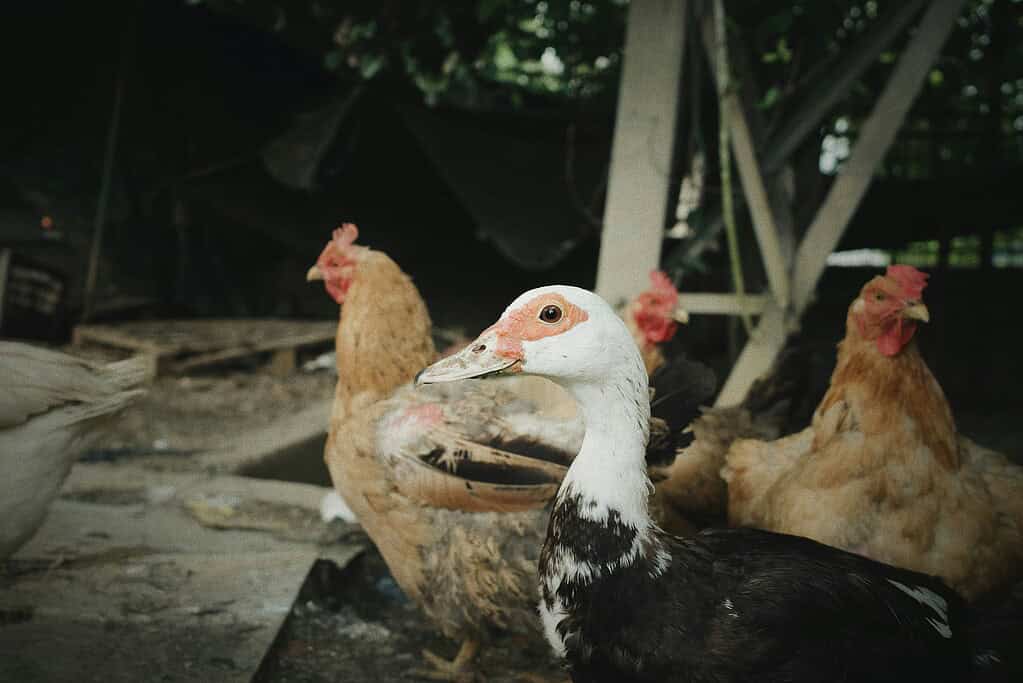
Ducks need more room than chickens. Period.
The standard “4 square feet per chicken in the coop, 10 in the run” rule doesn’t translate to ducks. Ducks need more horizontal space, a clear path to water, and ideally some kind of foraging area where they can poke around in damp grass.
When ducks and chickens share too small of a footprint, here’s what happens:
- The ducks dominate the water area and the chickens hang back.
- Mud takes over.
- Chickens get pushed off shared resources.
- Stress goes up. Egg production goes down.
Plan for at least 6 to 8 square feet per duck in the run, plus a separate water/splash area, plus the chicken run space you already needed. Yes, it’s more land. It’s worth it.
If you’re tight on space, look for ways to expand vertically and laterally for chickens (raised platforms, perches, tunnels, climbing structures) while keeping the ground-level area open and accessible for ducks.
These backyard chicken tunnel options let your hens explore more of the yard without giving up duck territory, and these practical chicken playground ideas help you layer in enrichment without expanding the run footprint at all.
Set Up Your Mixed Flock the Right Way From Day One
Here’s the honest truth: most of the problems people run into with ducks and chickens together aren’t because the birds don’t get along. They get along fine. The problems show up because two species with very different needs are being managed like one.
Get the basics sorted – separate water, smart shelter, the right feed, mud control, slow introductions, ground-level predator-proofing, and enough space – and the rest takes care of itself. You’ll have happy hens, content ducks, and a yard that looks more like a thriving little farm than a soggy disaster.
Whatever stage you’re at, fix the easy stuff first. Water. Feed. Bedding. Those three solve about 80% of the issues you’ll ever have with a mixed flock. The other 20% you’ll figure out as you go – because that’s just how homesteading works.
Have you raised ducks and chickens together? Drop your biggest lesson, win, or “wish I’d known earlier” moment in the comments below – your experience could be exactly what another reader needs to hear before they bring their first duckling home.
Ready to Design Your Dream Garden Bed?
Feeling inspired to build something beautiful?
If you’re ready to go beyond just one garden bed and truly design a space that feels intentional, productive, and charming, I put together something special for you.
Inside 101 Garden Bed Ideas, you’ll find creative layouts, raised bed designs, space-saving solutions, and inspiring setups you can actually recreate in your own yard – whether you’re working with a tiny backyard or a full homestead.
Start planning your dream garden today.

Frequently Asked Questions (FAQs)
These are the questions readers ask once they’ve already covered the basics – the practical, “okay but what about this” stuff that comes up when you start actually planning your mixed flock.
1. What chicken and duck breeds work best together?
Calmer breeds are easier on both sides. For chickens, Orpingtons, Australorps, Sussex, and Wyandottes tend to be mellow and patient with the splashing chaos that comes with ducks.
For ducks, Pekins, Welsh Harlequins, and Khaki Campbells are friendly, productive layers, and not too pushy. Avoid pairing high-strung chicken breeds like Leghorns with assertive duck breeds like Muscovies if you want a peaceful yard.
2. Will ducks and chickens lay eggs in the same nesting boxes?
Usually not. Chickens prefer raised nesting boxes off the ground, while ducks lay almost anywhere – sometimes in a corner of the coop, sometimes in a random pile of straw outside, sometimes right in the middle of the run.
Some ducks will use chicken nesting boxes if they’re low enough, but you should plan on giving ducks a dedicated low-sided nesting area or simply collecting eggs from wherever they decide to drop them that morning.
3. How many ducks should I keep with my chickens?
A 1:3 or 1:4 duck-to-chicken ratio works well for most backyard flocks. Ducks are happiest with at least 2 to 3 of their own kind (they bond closely and get lonely without duck friends), so don’t keep just one duck.
The total flock size depends on your space, but a popular starter mix is 2 to 3 ducks plus 6 to 8 hens.
4. Can ducks and chickens catch the same diseases?
Yes, some diseases – including avian influenza, salmonella, and certain internal parasites – can pass between them. The good news is that ducks tend to be more disease-resistant than chickens overall.
Keep a tidy run, change bedding regularly, control mud aggressively, and quarantine any new bird (regardless of species) for at least two weeks before introducing it to the rest of the flock.
5. What’s the best time of year to start a mixed flock?
Spring is by far the easiest. Babies grow up in mild weather, the ground isn’t frozen for predator-proofing your run, and you’ve got months of easy outdoor time to get the introduction right before winter.
Starting in late fall is doable but adds the challenge of managing duck water in freezing temperatures – one more reason a solid winter watering setup is worth thinking about ahead of time.
Level Up Your Garden
Our most popular gardening guides