Picking the right chicken breeds can make or break your homestead experience.
Choose the wrong ones and you’ll end up with birds that don’t lay well in your climate, grow too slowly for meat production, or stress out easily around your kids.
Choose well, and your flock almost runs itself. This guide walks you through every major category — egg layers, meat birds, dual-purpose breeds, beginner-friendly options, cold-hardy and heat-tolerant picks — so you can make a confident decision before you bring home your first chick.
Whether you’re planning a small backyard setup or building out a full working homestead, understanding which breed fits your goals is the most important step you can take. Let’s dig in.
What to Think About Before Choosing a Chicken Breed
Before you fall in love with a fluffy Silkie or order 50 Cornish Cross chicks, take a step back.
The best breed for your neighbor’s farm may be completely wrong for yours. A few key questions will help you narrow things down quickly:
- What’s your primary goal? Eggs, meat, or both?
- What’s your climate like? Cold winters require cold-hardy breeds. Hot, humid summers call for heat-tolerant ones.
- Do you have kids or other animals? Docility matters more than you might think.
- How much space do you have? Some breeds need room to roam, while others do fine in smaller setups.
- Are you a beginner or experienced keeper? Some breeds are forgiving; others are high-maintenance.
- What’s your budget for feed? Heavier breeds eat more. Dual-purpose birds cost more to feed than efficient layers.
Once you’ve answered those questions, this guide becomes a lot easier to navigate.
If you’re still working on your overall homestead plan, check out this helpful resource on building out a half-acre homestead layout — it covers how to carve out space for chickens alongside your garden, storage, and other animals in a logical, low-stress way.
Garden Planner
The 24-page planner timed to your county's real frost dates. Planting windows, monthly checklists, and a harvest log you'll fill with pride by August.
Your Free 24-Page Garden Planner
Built for your exact ZIP code — planting dates, harvest log, and a month-by-month plan. 15-second sign-up.
Best Egg-Laying Chicken Breeds for the Homestead
If fresh eggs are your main reason for keeping chickens, you want breeds that lay consistently, year-round if possible, and don’t eat you out of house and home in return.
The breeds below are proven layers that serious homesteaders keep coming back to.
1. Rhode Island Red
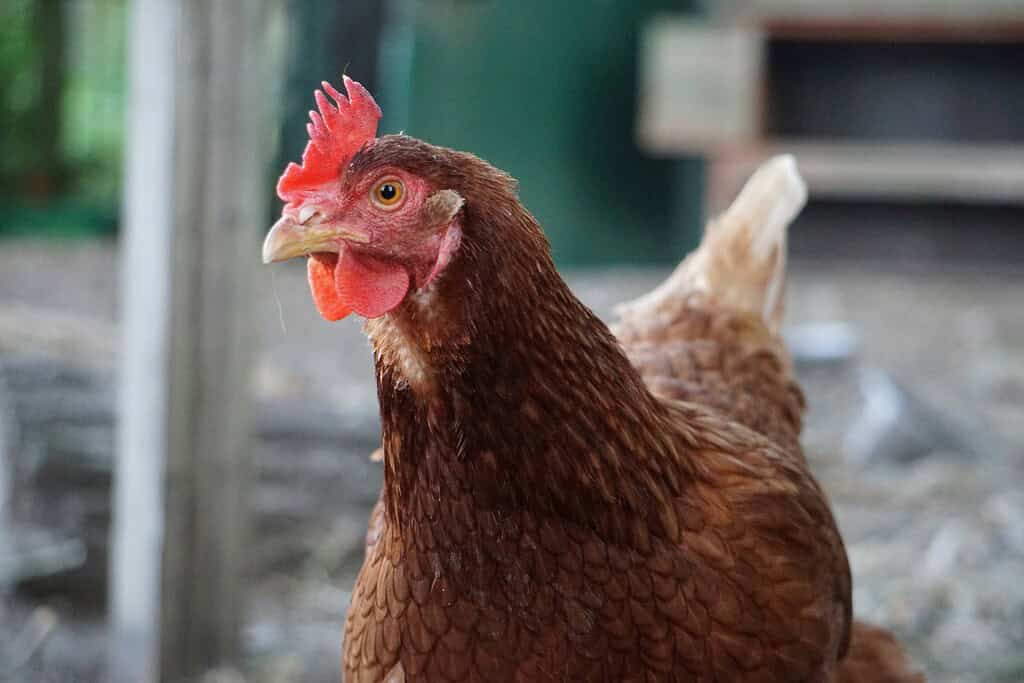
Rhode Island Reds are one of the most dependable egg-laying breeds you’ll find.
They produce around 250–300 large brown eggs per year, handle both confinement and free-ranging well, and are tough enough to weather a rough winter without missing a beat.
They’re not the friendliest birds — some hens can be a bit bossy in the flock — but their production numbers are hard to argue with.
For homesteaders who need reliable output above all else, this breed delivers.
2. White Leghorn
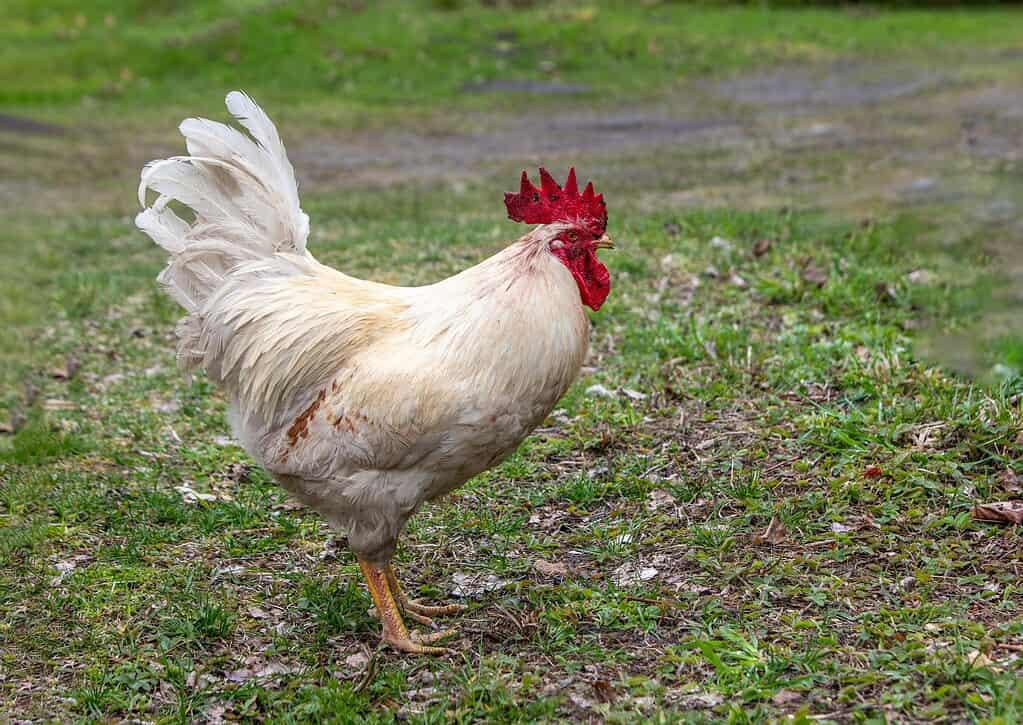
Leghorns are the commercial standard for good reason: they can crank out 280–320 large white eggs per year while eating less feed than most other breeds.
They’re lean, active, and excellent foragers — which makes them a great choice if you have pasture space to let them work.
The trade-off is temperament. Leghorns are flighty and nervous by nature, which can make them harder to handle and more stressful in mixed flocks.
If egg production efficiency is your top priority, though, it’s hard to beat them.
3. ISA Brown
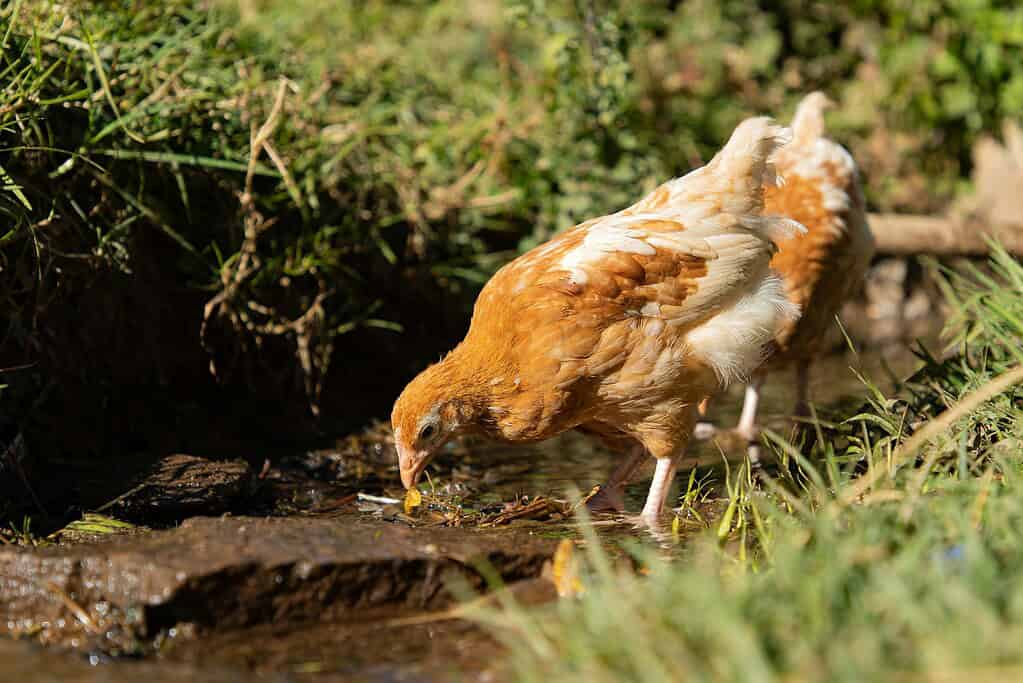
ISA Browns are a hybrid breed developed specifically for maximum egg production.
These birds can lay 300–350 eggs per year in their prime, which is genuinely impressive. They’re also docile, friendly, and easy to manage — making them popular with backyard keepers and homesteaders alike.
The downside is that as a hybrid, ISA Browns burn out faster than heritage breeds, often dropping production sharply after two years and having shorter overall lifespans.
If you’re rotating flocks every couple of years anyway, this breed is a top performer.
4. Plymouth Rock (Barred Rock)
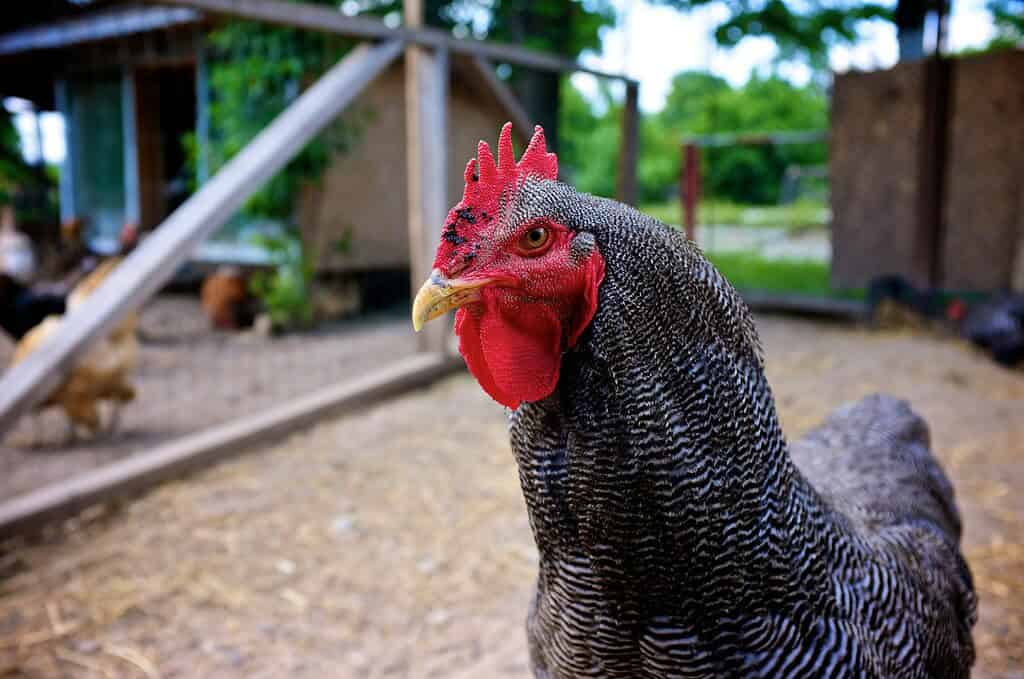
Barred Rocks hit a sweet spot that a lot of homesteaders love: they lay around 200–280 large brown eggs per year, they’re cold-hardy, calm, and friendly with people.
They’re also a solid dual-purpose option if you ever decide to process cockerels for meat. Their iconic black-and-white barred feathers make them easy to spot in a mixed flock, and their calm demeanor makes them wonderful around children.
This is probably the most well-rounded heritage egg layer on the list.
5. Black Australorp
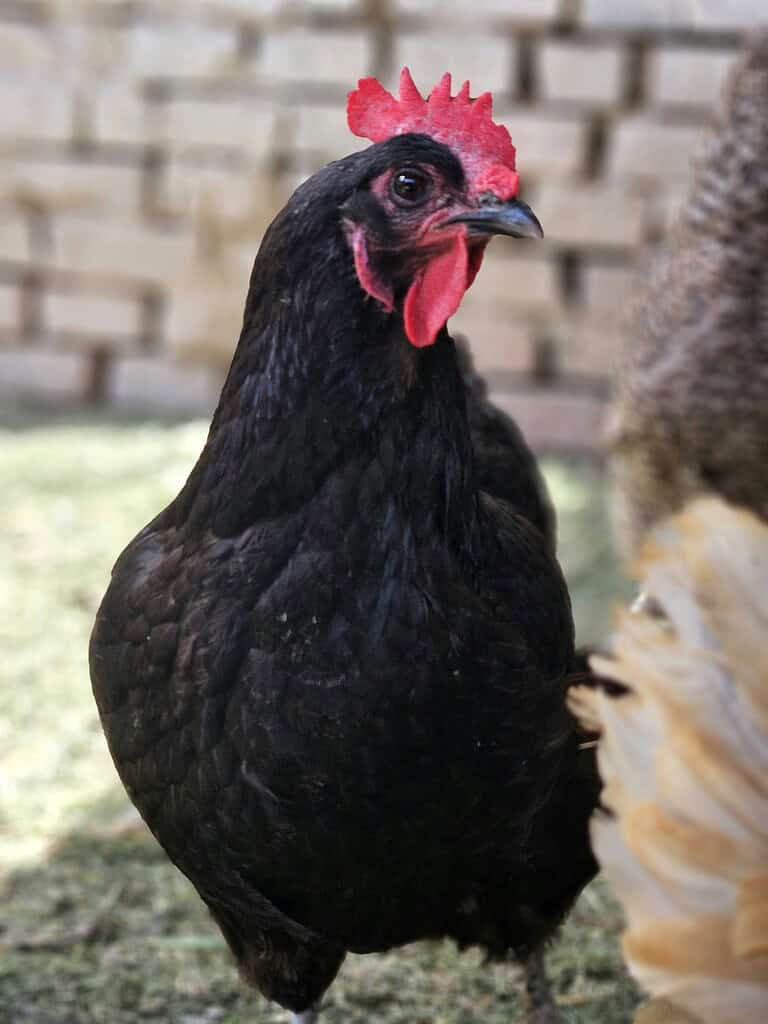
Australorps hold the world record for egg production — one hen laid 364 eggs in 365 days.
In practice, your flock won’t hit that, but 250–300 large brown eggs per year is very achievable. They’re gentle, quiet, cold-hardy, and handle confinement better than most.
If you have a family setup where kids interact with the birds regularly, Australorps are a wonderful choice. They’re a consistent favorite for good reason.
6. Easter Egger
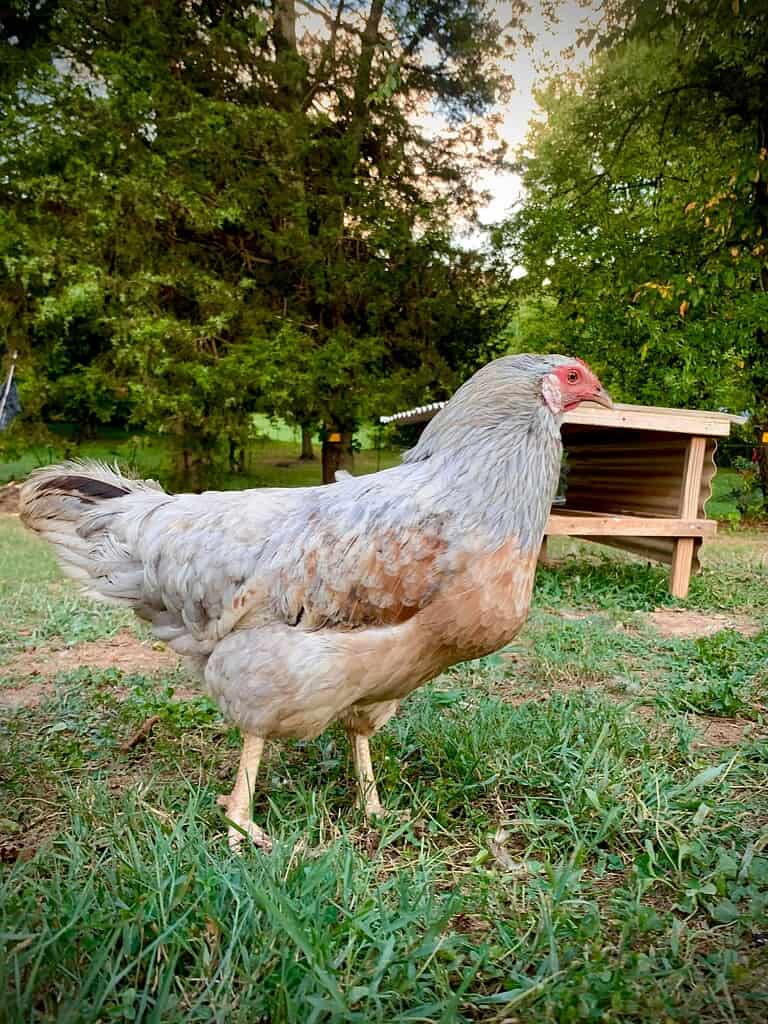
Easter Eggers aren’t a true breed — they’re a mixed bird that carries the blue egg gene from Araucana or Ameraucana genetics.
But they’re worth mentioning here because they lay 200–280 eggs per year in a range of colors: blue, green, olive, sometimes pink.
They’re friendly, cold-tolerant, and endlessly entertaining for anyone who loves variety in the egg basket. If you’re selling eggs at a farmers market or just want something fun, Easter Eggers earn their spot in any flock.
Best Meat Chicken Breeds for the Homestead
Raising your own meat birds is one of the most self-sufficient things you can do on a homestead. The breeds below grow fast, convert feed efficiently, and put quality protein on the table.
If you’re raising chicks for the first time, make sure you have a good brooder setup ready — these DIY brooder box ideas make the process a lot easier and less stressful for both you and the chicks.
1. Cornish Cross
Cornish Cross is the industry standard for meat production, and most homesteaders who want fast results reach for this breed first.
They reach processing weight (5–8 lbs) in just 6–8 weeks, which is remarkably efficient.
The downside is that they’re engineered for speed and can develop health problems — leg issues, heart problems — if not managed carefully.
They need clean water, proper feed, and good ventilation at all times. They won’t forage or free-range like other breeds, so factor that into your setup.
2. Freedom Ranger
If you want a meat bird that actually thrives on pasture, Freedom Rangers are worth the extra time.
They take about 9–11 weeks to reach processing weight, but they’re active foragers, have fewer health issues than Cornish Cross, and produce meat with noticeably better flavor and texture.
For homesteaders who prioritize welfare and quality over speed, Freedom Rangers are the clear choice.
3. Jersey Giant
True to their name, Jersey Giants are big birds — roosters can hit 13 lbs at maturity. They take longer to reach full size (around 6 months), but they’re excellent foragers, calm, and cold-hardy.
They produce both a sizeable carcass and a reasonable number of eggs, making them a legitimate dual-purpose option for homesteaders who don’t mind waiting a bit longer for their meat birds.
4. Brahma
Brahmas are a heritage meat breed with gentle temperaments and impressive cold tolerance.
They’re not as fast-growing as Cornish Cross, reaching processing weight in about 5–6 months, but their calm nature makes them easy to manage around children and other livestock.
They also lay a fair number of brown eggs, giving you decent egg production while the birds grow out.
Miss it by a week and you lose the crop. The free 24-page planner pins down your exact dates — last frost, first frost, and the weekly steps between — so you plant on the days that actually work for your ZIP.
Best Dual-Purpose Chicken Breeds
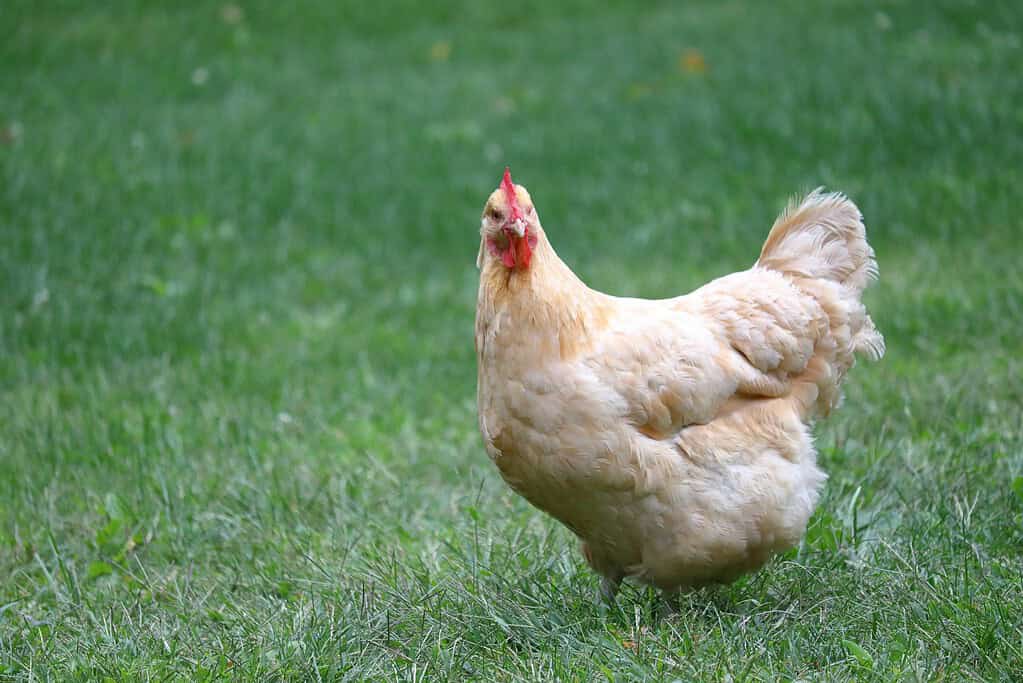
Dual-purpose breeds are the backbone of the traditional homestead flock. They lay well enough to keep the egg basket full and grow meaty enough to make processing worthwhile.
None of them will outperform a dedicated layer or meat breed in their respective categories, but the flexibility they offer is genuinely valuable — especially for smaller homesteads that can’t justify maintaining two separate flocks.
- Sussex — A beautiful, gentle breed that lays around 250 brown or white eggs per year and grows to a solid table weight. Excellent foragers with calm temperaments. One of the best all-around breeds you can keep.
- Buff Orpington — Beloved for their fluffy, golden appearance and sweet dispositions. They lay around 200–250 light brown eggs annually and put on good weight for meat. Particularly popular with families and beginners because they’re so easy to handle.
- New Hampshire Red — Developed from Rhode Island Reds specifically to improve meat quality while maintaining good laying production (around 200–240 eggs/year). Fast-maturing, hardy, and adaptable to a range of climates.
- Dominique — America’s oldest chicken breed. Dominiques lay around 180–230 speckled brown eggs per year, forage brilliantly, and handle cold weather exceptionally well thanks to their rose combs. A great heritage breed for traditional homesteaders.
- Delaware — Originally bred for the broiler industry, Delawares offer faster meat growth than most heritage breeds along with decent laying production (around 200–280 eggs/year). They’re calm, active, and well-suited to free-range setups.
Thinking about mixing your chicken flock with ducks for even more homestead production? It’s absolutely possible with the right planning — read through what you need to know before raising ducks and chickens together so you avoid the most common mistakes early on.
Best Chicken Breeds for Beginners
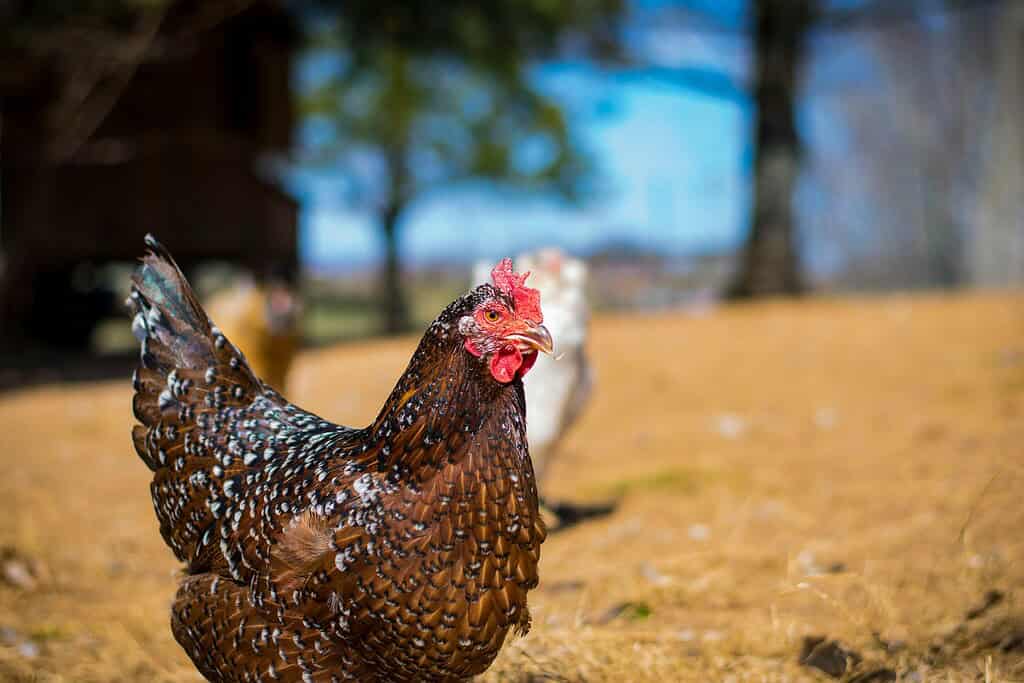
If this is your first time keeping chickens, you want breeds that are forgiving of beginner mistakes, easy to handle, and reliably healthy.
Avoid high-strung or fussy breeds until you’ve got a season or two under your belt. These five are consistently recommended for first-time flock keepers:
- Buff Orpington — Calm, friendly, great layers, and very tolerant of handling. Perfect for beginners with kids.
- Black Australorp — Hardy, gentle, and productive. One of the easiest breeds to manage.
- Plymouth Rock (Barred Rock) — Reliable layers, cold-hardy, and easy-going in mixed flocks.
- Sussex — Curious and friendly, these birds adapt well to both confinement and free-range environments.
- Easter Egger — Low-maintenance, friendly, and endlessly entertaining with their colorful eggs. A great morale booster for new keepers.
Once you’re ready to bring chicks home, getting your coop dialed in is the next big step.
These large chicken coop designs offer great inspiration whether you’re starting small or planning for a bigger flock right from the beginning.
And don’t overlook the little maintenance hacks that save you hours of cleaning — the chicken coop poop shelf setup is one of those things you’ll wish you’d known about from day one.
Best gardening planner I've used in 10 years — and I keep coming back to it every season.
Cold-Hardy Chicken Breeds for Northern Homesteads
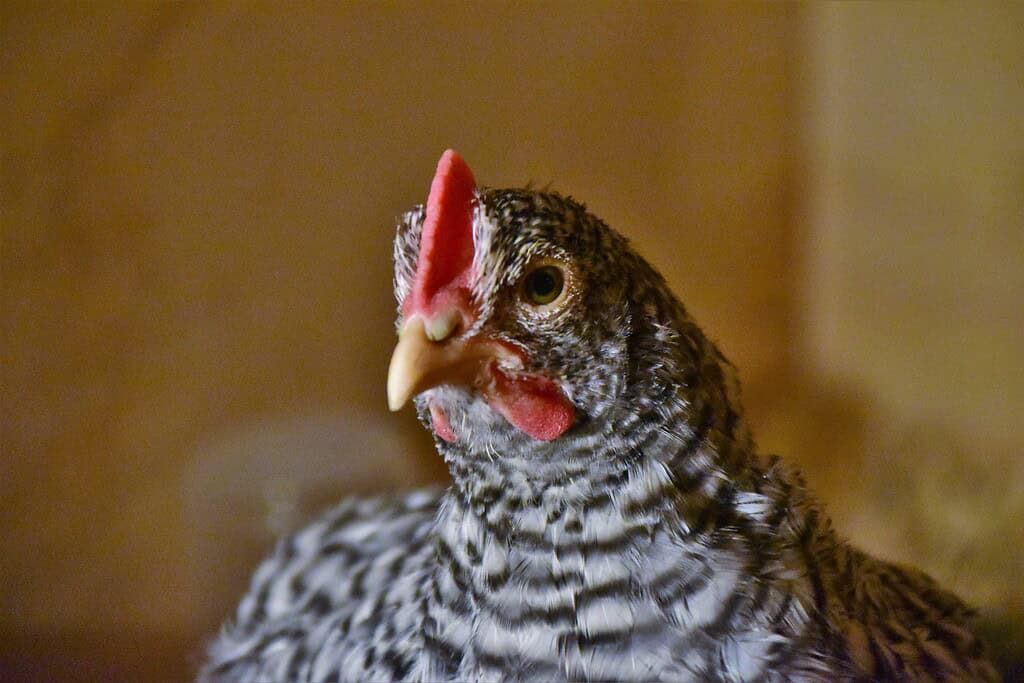
If your winters involve serious cold, wind, and snow, breed selection matters even more. Large, single-comb breeds are the most vulnerable to frostbite because their combs freeze easily.
Cold-hardy breeds typically have rose combs, pea combs, or walnut combs that sit much closer to the head. They also tend to be heavier bodied, which helps them retain warmth.
The best options for cold climates include:
- Chantecler — Developed specifically for Canadian winters, these birds have nearly flat cushion combs and dense plumage. One of the best cold-weather breeds you can find.
- Dominique — Their rose combs and hardy constitution make them a classic choice for cold northern homesteads.
- Wyandotte — Rose-combed, round, and heavily feathered. Wyandottes are excellent cold-weather layers that keep producing even when temperatures drop significantly.
- Plymouth Rock — Handles cold well and keeps laying through winter better than most heritage breeds.
- Buckeye — A pea-combed American heritage breed bred specifically for cold climates. Excellent foragers and great dual-purpose birds.
Even cold-hardy breeds benefit from a well-insulated, draft-free coop in extreme weather. Good ventilation is just as important as warmth — you want moisture and ammonia to escape without letting in sharp wind.
Heat-Tolerant Chicken Breeds for Warmer Climates
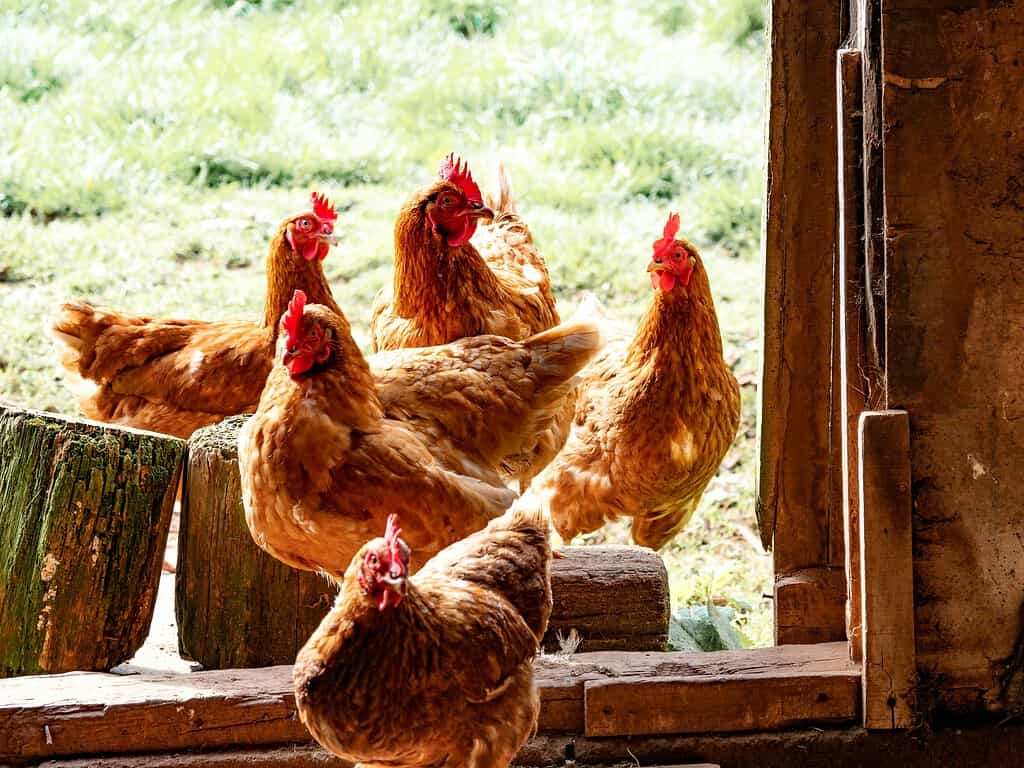
Hot summers are hard on chickens. Heavy, densely feathered breeds struggle in high heat and humidity, and heat stress cuts egg production fast.
If you’re homesteading in the South, Southwest, or any region with long, hot summers, lean toward breeds that are naturally built for heat — typically leaner birds with large combs that help them shed body heat more effectively.
- White Leghorn — Their large single combs act like radiators, making them one of the most heat-tolerant breeds around. Excellent layers even in summer.
- Minorca — A large-combed Mediterranean breed built for hot, dry climates. Great layers of large white eggs.
- Ancona — Active, efficient foragers with good heat tolerance. Lay around 200 white eggs per year.
- Egyptian Fayoumi — One of the most heat-adapted breeds in existence. Lightweight, active, and surprisingly disease-resistant. Not the best layer, but highly suited to harsh climates.
- Rhode Island Red — More adaptable than most. While not a specialist heat breed, RIRs handle warm climates reasonably well and maintain solid production through summer.
In hot climates, make sure your flock always has access to shade, cool fresh water, and good airflow through the coop. These basics do as much for production as breed selection in summer months.
- Tomatoes
- Peppers
- Beans
- Squash
- Cucumbers
- Basil
Kid-Friendly and Docile Chicken Breeds
Not every homestead keeps chickens purely for production.
For families with young children, a friendly, calm flock transforms the experience — instead of chasing terrified birds around the yard, kids actually enjoy spending time with them.
These breeds are known for being particularly gentle and people-tolerant:
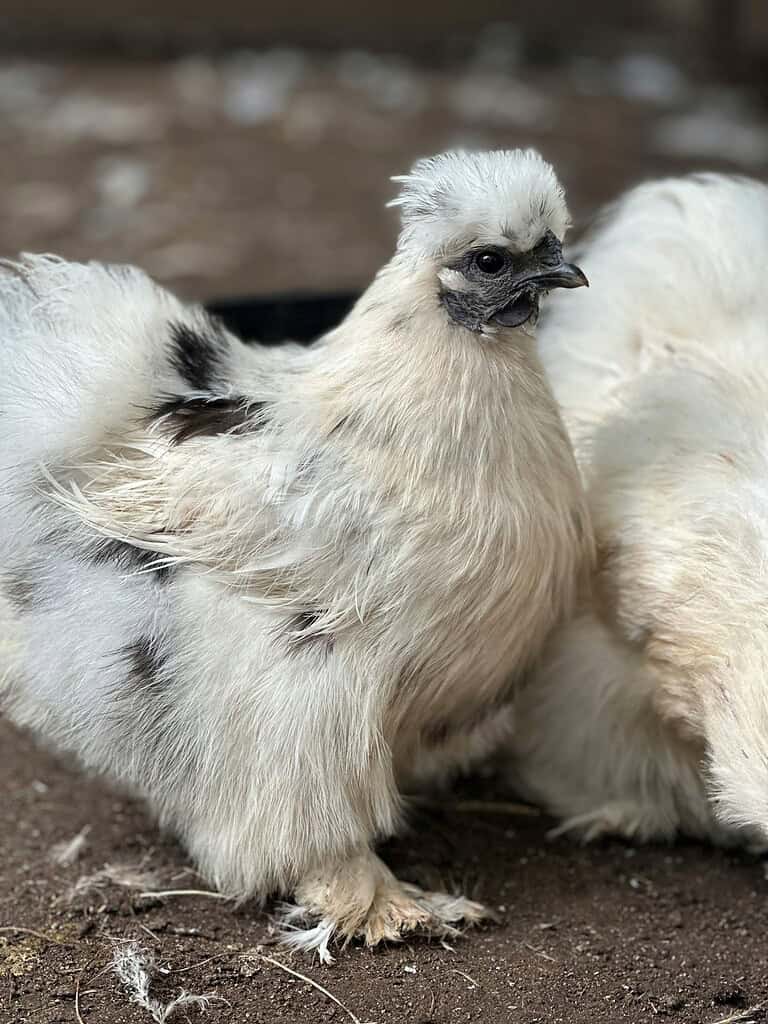
- Silkie — The quintessential lap chicken. Silkies are impossibly fluffy, calm, and tend to go broody easily, making them useful natural incubators for other breeds’ eggs.
- Cochin — Feather-footed, round, and famously gentle. Cochins are big birds with even bigger personalities and a deep tolerance for being handled.
- Buff Orpington — Calm, curious, and quick to befriend their keepers. This is probably the most recommended breed for families new to chickens.
- Faverolle — These fluffy, five-toed birds from France are docile, quiet, and friendly. They’re not the highest layers, but they’re wonderful homestead companions.
- Sussex — Inquisitive and gentle, Sussex hens often follow their keepers around the yard like dogs. Great for teaching kids responsibility.
If you’re thinking about expanding beyond chickens and adding other small animals to your property, you might also enjoy exploring quail coop setups — quail are compact, quiet, and incredibly efficient egg layers that work well alongside a chicken flock in smaller homestead spaces.
How Hard Is It to Garden in Your County?
Every county has a unique Gardening Difficulty Score based on frost risk, soil quality, drought, altitude, and climate trends. Find yours — plus personalized frost dates, planting calendars, and soil data.
Check Your County's Score →How Many Chickens Does Your Homestead Actually Need?
This is one of the most common questions beginners ask — and the honest answer is: it depends on what you want to produce. Here’s a simple way to think about it:
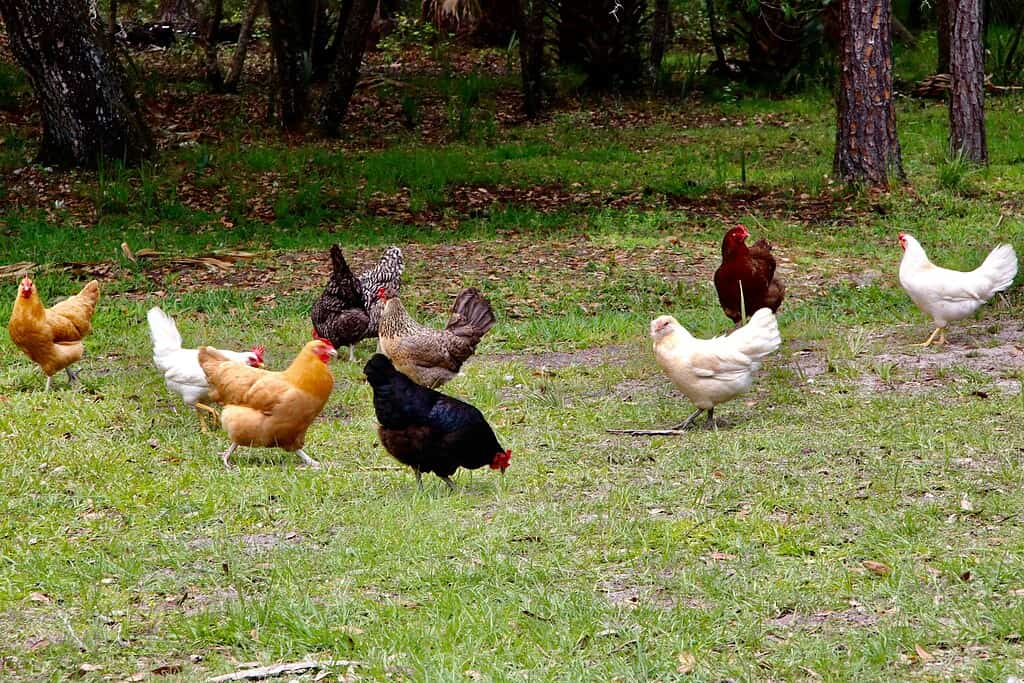
- For a family of 4 eating eggs regularly: 6–8 productive hens will keep you in eggs with a little extra to share.
- To sell eggs at market or to neighbors: You’ll want at least 12–20 laying hens to have consistent surplus.
- For meat birds only: Most homesteaders raise batches of 25–50 Cornish Cross at a time, processed in 8-week cycles.
- For a dual-purpose flock: 12–20 hens is a sweet spot that provides eggs year-round and cockerels for the table without overwhelming your coop space.
Remember that the more chickens you keep, the more space and infrastructure you need.
If you’re still designing your overall property layout, this guide to building a mini farm in a small backyard is a practical starting point for figuring out how chickens, gardens, and other elements fit together in a limited space.
Start Your Flock With Confidence
You now have everything you need to make an informed, confident decision about which chicken breeds belong on your homestead.
The key is to match your breed choice to your actual goals, climate, and lifestyle — not to what looks prettiest in a catalog or what your neighbor happens to keep.
Here’s a quick action plan to move forward:
- Write down your top priority: eggs, meat, or dual-purpose.
- Consider your climate and shortlist breeds that can handle it.
- Decide on your flock size based on your family’s needs.
- Order chicks from a reputable hatchery or find a local breeder.
- Get your coop and brooder ready before the chicks arrive.
And if you’re planning to diversify your homestead beyond chickens, don’t miss the beginner’s guide to starting your first beehive — bees and chickens work beautifully together on a productive homestead property.
Which chicken breed are you planning to add to your homestead? Drop your questions, stories, or breed recommendations in the comments below — we’d love to hear what’s working for you!
Plan Your Garden With Confidence!

Ever start planting… and then realize halfway through that things feel a little scattered?
A simple plan changes everything.
When you sketch your layout first, you can see what fits, what flows, and what actually makes sense for your space. It saves time, money, and a whole lot of second-guessing later.
Our free Garden Planner helps you map out beds, organize plant spacing, rotate crops, and keep track of seasonal tasks – all in a clean, printable format you can actually use.
Whether you’re designing a low maintenance front yard or planning your full homestead garden, this gives you a clear starting point.
Less chaos. More clarity. A garden that works.
Frequently Asked Questions
Can you keep different chicken breeds together in the same flock?
Yes, mixed flocks are very common and generally work well, but there are a few things to watch for. Size matters — smaller breeds like Silkies can get bullied by larger, more assertive breeds like Rhode Island Reds.
Temperament matters too; pairing flighty breeds with calm ones can create stress in the flock. The best mixed flocks tend to combine breeds of similar size and docility, introduced at the same time as chicks so no single breed establishes dominance before others arrive.
At what age do hens start laying eggs?
Most laying breeds start producing eggs between 18–24 weeks of age, depending on the breed and time of year. Hybrid layers like ISA Browns tend to start on the earlier end. Heritage breeds like Dominiques or Jersey Giants can take longer — sometimes up to 6–7 months.
Hens that hatch in spring often start laying in late summer or fall; those that hatch in summer may delay their first lay until spring if daylight hours drop before they mature.
Supplemental lighting in the coop (14–16 hours of light per day) can encourage earlier or more consistent laying through shorter winter days.
How long do laying hens stay productive?
Hybrid layers like ISA Browns tend to have their best production in their first 1–2 years, then drop off noticeably. Heritage breeds take longer to reach peak production but often lay moderately well for 4–5 years or more.
Most commercial operations replace flocks annually, but homestead keepers often keep hens for 3–5 years before retiring them.
A retired hen still eats, so it’s worth deciding in advance whether you’ll process older hens, re-home them, or keep them as pest controllers in the garden.
Do you need a rooster for hens to lay eggs?
No — hens lay eggs regardless of whether a rooster is present. A rooster is only needed if you want fertilized eggs for hatching chicks. That said, many homesteaders keep one rooster per flock for flock protection and natural flock dynamics.
Keep in mind that roosters are not permitted in many suburban or urban areas, so check your local ordinances before adding one. If you do keep a rooster, plan for roughly one rooster per 8–12 hens to prevent over-mating.
What’s the difference between heritage breeds and production breeds?
Production breeds (like ISA Browns and Cornish Cross) are hybrids selectively bred to maximize a single output — eggs or meat — as fast and efficiently as possible.
They perform incredibly well in their specialty but often have shorter productive lifespans, less adaptability to varied climates, and fewer survival instincts for free-range environments.
Heritage breeds are traditional, naturally mating breeds that have been around for generations. They’re slower to mature, produce somewhat less, but live longer, adapt better to pasture and varying conditions, and can be bred on your property without sourcing new stock each season.
For most homesteaders, heritage breeds offer better long-term resilience and self-sufficiency.
Level Up Your Garden
Our most popular gardening guides