Stepping into your backyard for a quiet morning coffee shouldn’t end with you sprinting back inside.
But if you’ve spotted a paper wasp drifting around your patio table — or worse, found a pulsing nest tucked under your eaves — that peace evaporates fast.
Wasps are aggressive when threatened, their stings can be dangerous (especially for anyone with allergies), and one untouched nest can grow into a colony of hundreds by late summer.
The good news is, you don’t need to call an exterminator or douse your yard in harsh chemicals to get rid of wasps outside.
In this guide, you’ll learn exactly how to handle wasps outdoors fast — using simple DIY traps, natural sprays, smart prevention, and a few tricks that actually work without the hassle.
You’ll also learn when it’s time to step back and let a professional take over, because some nests aren’t DIY territory.
If pest pressure is creeping into other corners of your homestead this summer, our guide on the best natural pest control solutions is a great companion read for keeping your whole yard in balance.
Why Wasps Show Up in Your Yard (and When to Take Action)
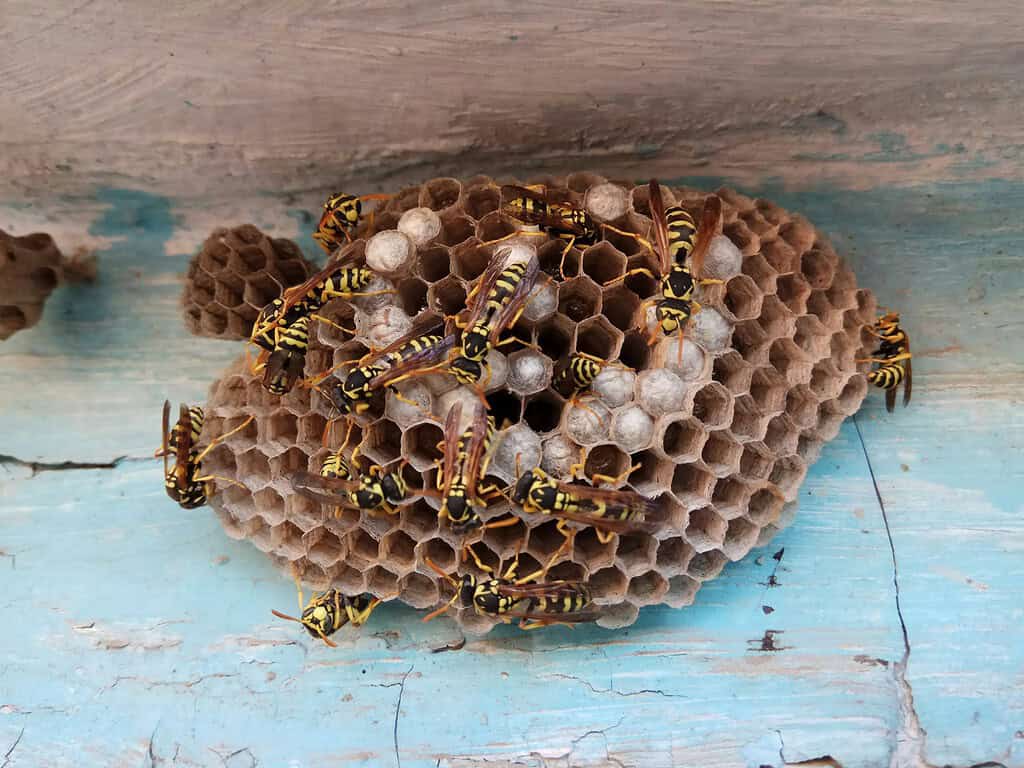
Wasps don’t pick your patio at random. They show up because something out there is meeting their core needs: food, water, and shelter.
Common wasp magnets include:
- open trash cans and recycling bins
- sweet drinks and ripe fruit dropping from backyard trees
- pet food bowls left outside
- hummingbird feeders and meat scraps from the grill
- standing water — birdbaths, kid’s pools, clogged gutters
For shelter, wasps look for sheltered, dry spots under eaves, inside grill covers, in the corners of sheds, between fence boards, and even in abandoned rodent burrows in the ground.
Timing matters more than most homeowners realize. The earlier in the season you spot wasp activity, the easier the problem is to solve.
In spring and early summer, queens are still building and nests are tiny — sometimes the size of a golf ball.
By mid-to-late summer, colonies can hit several hundred workers, and that’s when stings spike sharply.
The translation? Act now, not later.
Garden Planner
The 24-page planner timed to your county's real frost dates. Planting windows, monthly checklists, and a harvest log you'll fill with pride by August.
Your Free 24-Page Garden Planner
Built for your exact ZIP code — planting dates, harvest log, and a month-by-month plan. 15-second sign-up.
Identify the Type of Wasp Before You Act
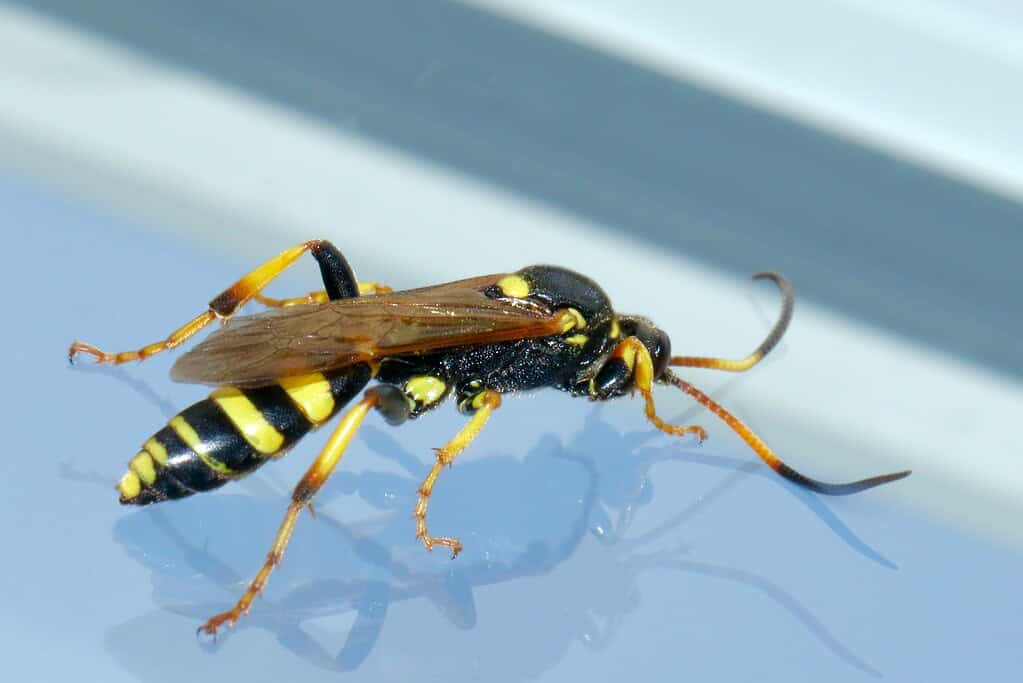
Not every wasp needs to go. Some species are valuable pollinators and natural pest predators — they hunt caterpillars, flies, and aphids that would otherwise chew through your garden.
Knowing what you’re dealing with helps you make a smart call about whether to remove or relocate.
Here are the three you’ll most likely encounter outside:
- Paper wasps — Long-legged, slender, and brownish with yellow markings. They build the classic upside-down umbrella-shaped nests under eaves, deck railings, or grill lids. Generally not aggressive unless the nest is disturbed.
- Yellow jackets — Stocky, bright yellow-and-black, and very fast moving. They nest in the ground, in wall voids, or inside hollow logs. Highly aggressive, especially in late summer when colonies peak. These are the wasps most likely to crash your picnic.
- Hornets — Larger and bulkier (bald-faced and European hornets are the most common in the US). They build big, gray, football-shaped nests high in trees or on the sides of buildings. Aggressive when defending the nest.
If the nest is small, in an out-of-the-way spot, and the wasps aren’t bothering anyone, consider leaving it alone — they’ll do you a favor in the garden.
If it’s near doors, walkways, play areas, or anywhere people regularly hang out, it’s go time.
How to Get Rid of Wasps Outside Naturally (Step-by-Step)
Here’s the natural, low-hassle approach that actually works on outdoor wasp problems. The order matters: skipping straight to the nest before doing the prep work is how most DIY wasp removal goes wrong.
1. Wait Until Dusk or Dawn
Wasps are sluggish when temperatures drop and visibility is low. Pre-dawn (right before sunrise) and just after dusk are the safest windows to approach a nest.
Avoid midday at all costs — that’s when activity is at its peak and your odds of getting stung skyrocket.
Skip flashlights with bright white beams; wasps can fly straight toward the light. If you absolutely need illumination, use a red LED filter — wasps can’t see red wavelengths well.
2. Wear the Right Gear
Cover every inch of skin. Long sleeves, long pants, closed shoes, gloves, a hood or hat, and a face covering. Tuck pant legs into socks. If you have a beekeeper’s veil, even better.
Avoid floral perfumes, scented lotions, and bright colors — wasps respond to all of them as flower or rival cues. Stick with white or neutral, unscented clothing.
3. Mix a Soapy Water Spray
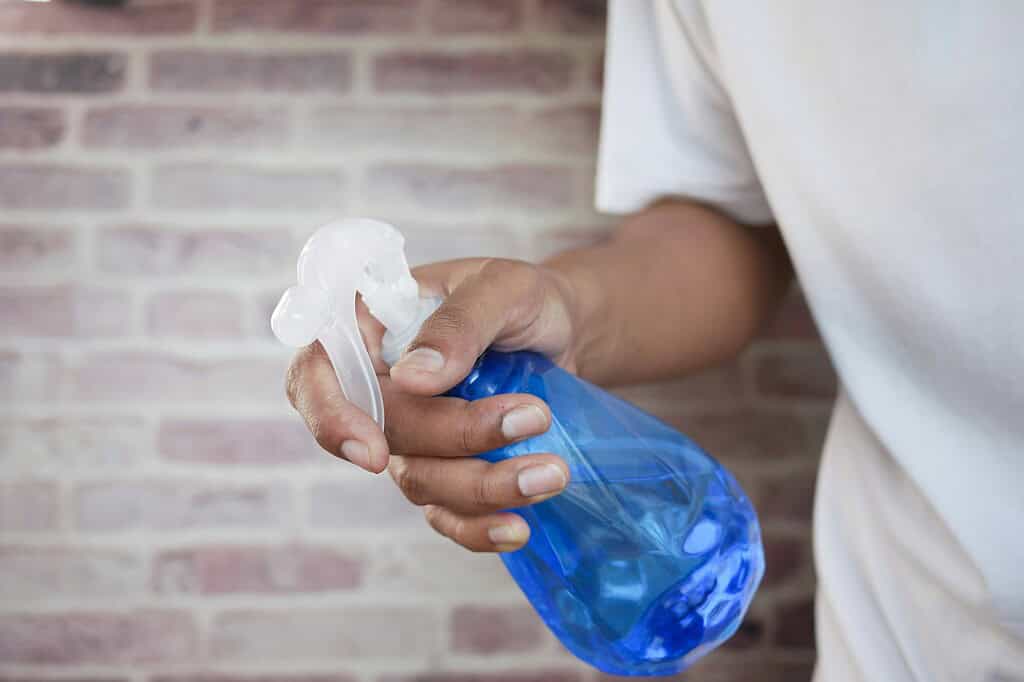
This is the MVP of natural wasp removal.
Mix two tablespoons of dish soap into a 32-ounce spray bottle of water and shake gently. The soap coats the wasp’s exoskeleton, blocks its breathing pores, and drops it within seconds — no chemicals required.
For nests, spray directly into the entry hole and saturate the surface.
For individual wasps buzzing around food or trash, a quick spritz handles them on contact. Keep the bottle outside in summer so it’s always within reach when you need it.
If a layered, zero-spray-can approach to your yard sounds appealing, our breakdown of DIY ant repellents uses many of the same kitchen-cabinet ingredients — and the same gentle philosophy works on more than just ants.
4. Build a DIY Vinegar-Sugar Wasp Trap
For ongoing wasp pressure (think: deck dinners or backyard barbecues), a homemade trap pulls wasps away from people without the hassle of confronting a nest.
Here’s how to make one in five minutes:
Cut the top third off a clean two-liter plastic bottle. Flip the cut top upside down and nest it into the bottom half — funnel-style — so wasps can crawl in but struggle to find their way out.
Inside, pour about an inch of liquid bait: equal parts apple cider vinegar, water, and sugar, plus a single drop of dish soap.
The vinegar wards off honey bees (which is the goal — you don’t want to harm pollinators), while the sugar attracts wasps. Hang the trap 20 to 30 feet from your gathering area, never on top of it.
5. Hit Hot Spots with Peppermint Oil
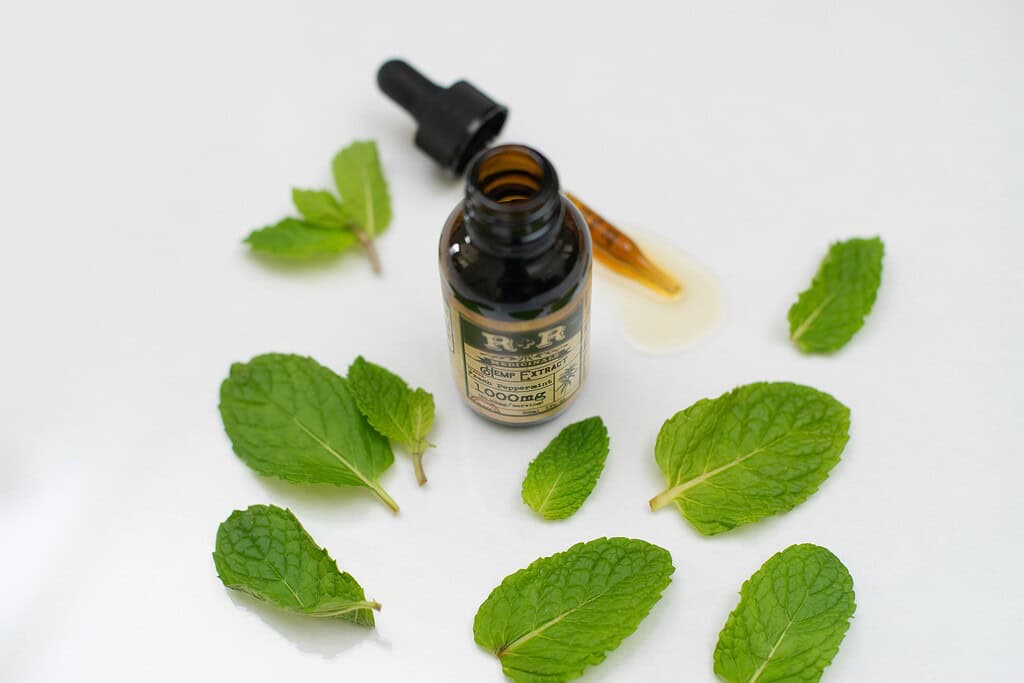
Wasps despise strong scents — peppermint, eucalyptus, lemongrass, and clove top the list.
Combine 10 to 15 drops of peppermint essential oil with water and a splash of dish soap in a spray bottle, then mist around door frames, eaves, deck railings, and any spot where you’ve seen wasps scouting.
Refresh every few days, especially after rain. This works as both a daily repellent and a “back-off” message for queens looking for new nesting sites in spring.
6. Knock Down Old Nests in Winter
Wasps don’t reuse old nests — but their presence signals to next year’s queens that the spot is wasp-friendly. Once temperatures drop reliably below 50°F and the colony has died off, knock down the empty nest, scrub the area thoroughly with soapy water, and seal any nearby cracks.
This single step prevents a huge percentage of next year’s problems before they start.
Miss it by a week and you lose the crop. The free 24-page planner pins down your exact dates — last frost, first frost, and the weekly steps between — so you plant on the days that actually work for your ZIP.
Safe Way to Knock Down a Live Wasp Nest
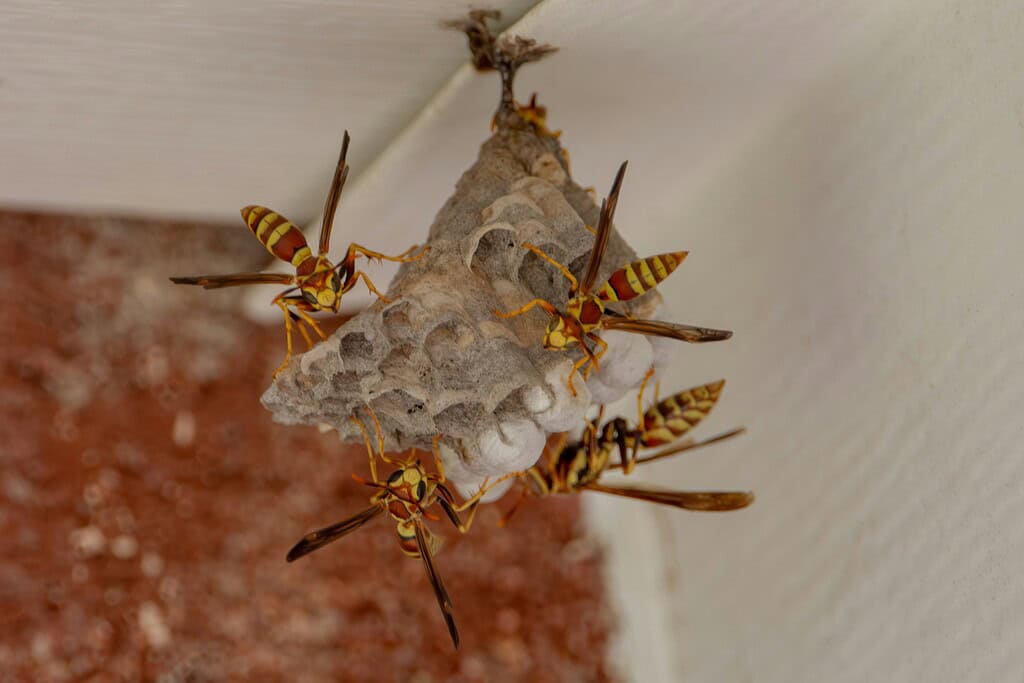
If a nest is small, low to the ground, and easy to reach (think: under a porch railing or in a low shrub), most homeowners can handle it safely. Here’s the step-by-step process:
- Plan your escape route. Before you start, know exactly where you’re walking once the wasps come out. Clear obstacles. Pick a door you can close behind you.
- Suit up fully. Reread the gear section above and don’t skip a single layer.
- Time it right. Pre-dawn or post-dusk only.
- Soak the nest. Use the soapy water spray and saturate the entire nest, focusing on the entry hole. Spray for at least 10 to 15 seconds without stopping.
- Walk — don’t run — away. Running triggers their predator instincts. Calmly retreat to your planned safe spot.
- Wait 24 hours. Don’t touch the nest until the next day. Returning workers will be killed by the soapy residue.
- Remove and seal. Scrape off the nest, bag it, seal the bag, and toss it. Then scrub the area to remove pheromone trails that could draw new queens.
When to call a professional: Nests that are basketball-sized or bigger, located inside walls, in the ground in high-traffic areas, or anywhere out of safe reach.
Same goes if you’re allergic to stings — even a single sting is too much risk. There’s no shame in tagging out and letting a pest pro handle it.
Free Planting Guides for This Article
Get exact planting dates, frost schedules, and growing tips for your zone:
Plants That Naturally Repel Wasps
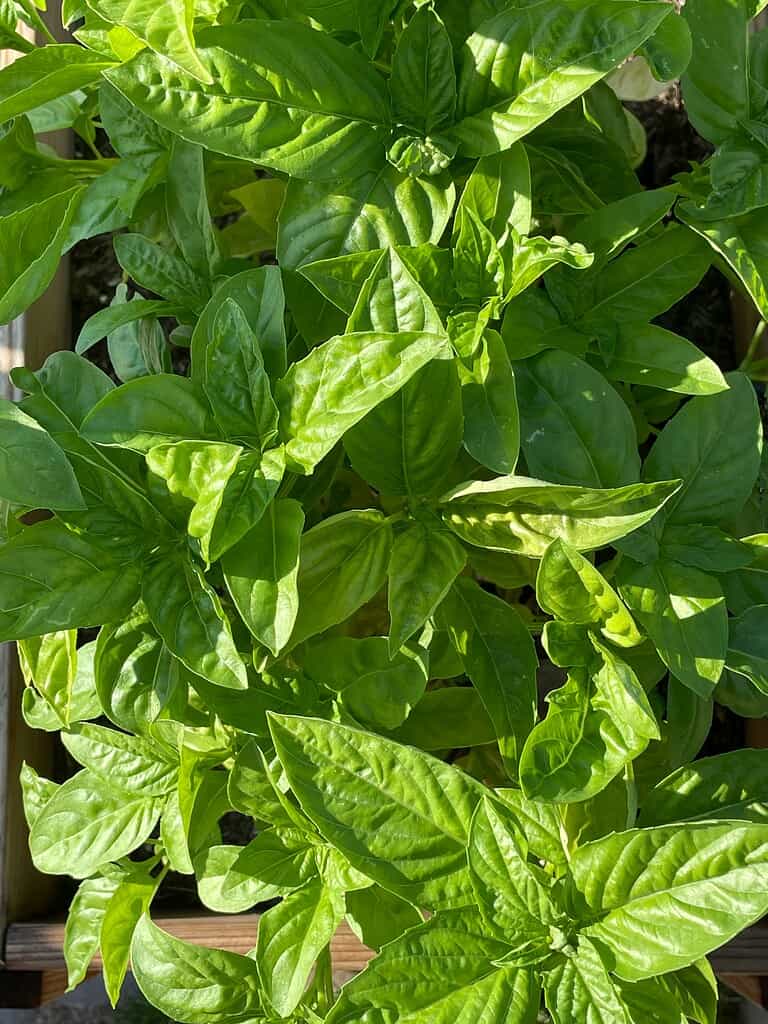
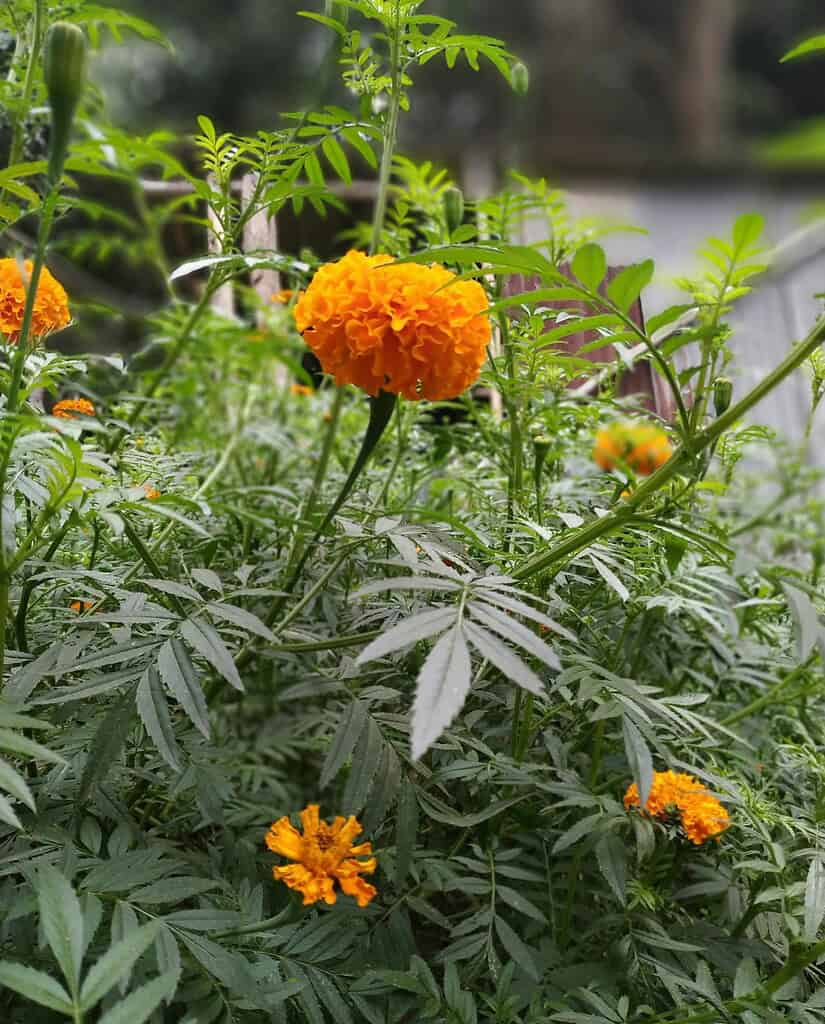
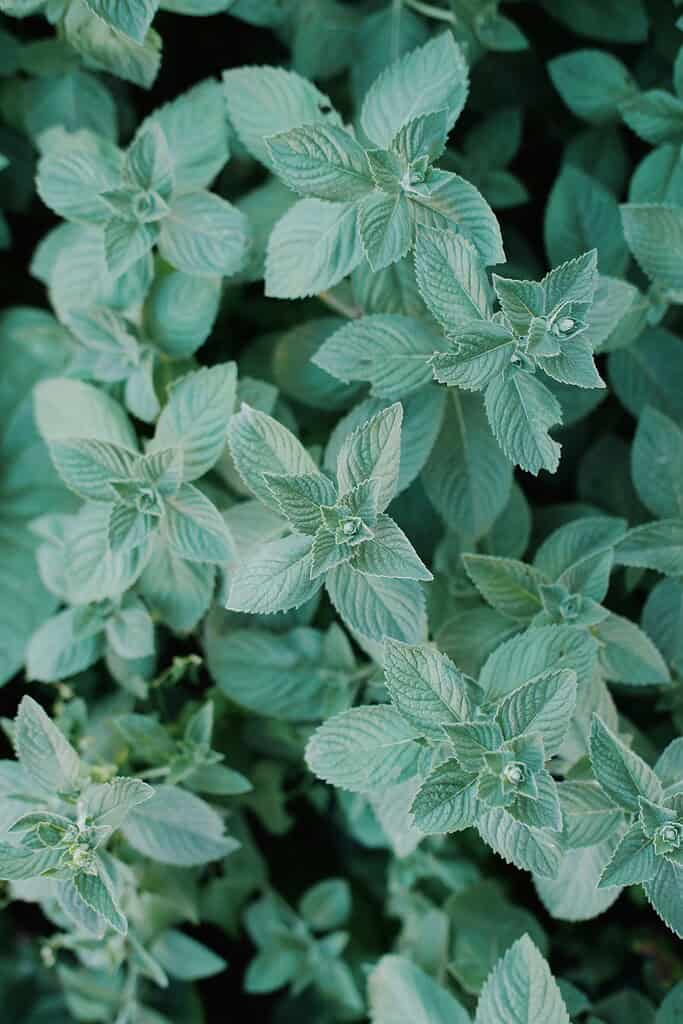
Some plants act as a living “no entry” sign for wasps. Tucking them around patios, doorways, and dining areas can dramatically reduce traffic over the course of a season — without you lifting a spray bottle.
Top wasp-repelling plants include:
- Spearmint and peppermint — Strong menthol scent that wasps avoid. Plant in containers; both spread aggressively in beds.
- Eucalyptus — High oil content makes it a powerful natural deterrent for wasps and flies alike.
- Citronella — The same plant in those summer candles, but ten times stronger when it’s fresh and alive in a pot.
- Wormwood — Bitter foliage with a strong herbal scent. Bonus: deer don’t like it either.
- Basil — Pleasant for cooking, hated by wasps. Plant near outdoor dining tables.
- Marigolds — Their pungent scent confuses wasp scouts and they look great doing it.
If you’re already planning a summer container display or a refresh of your borders, swap a few standard picks for these double-duty plants. Our guide on mosquito-repelling plants uses a similar layered planting strategy, and many of those picks deter wasps too.
Best gardening planner I've used in 10 years — and I keep coming back to it every season.
Wasp-Proof Your Backyard for the Long Haul
Killing the wasps in front of you is short-term work. Making your yard unattractive to next year’s queens is the real win. Run through this checklist before peak season hits each spring:
- Lock down trash and recycling. Tight-fitting lids, no exceptions. Rinse sticky residue out of bottles and cans before they hit the bin.
- Cover and clean grills. Food residue on a grill is a wasp magnet — wipe it down after each use and keep a cover on between sessions.
- Pick up fallen fruit. Apples, peaches, plums, and figs ferment fast on the ground. Daily pickup during harvest season is non-negotiable.
- Cap pet food bowls. Either bring them in or use a sealed feeder.
- Add bee guards to feeders. If you keep hummingbird feeders, wasps will find them. Most feeders accept aftermarket bee and wasp guards. Our hummingbird food recipe post breaks down setup tips that minimize the wasp draw.
- Seal entry points. Walk your home perimeter and caulk gaps wider than a quarter inch — especially under eaves, around vents, and where utilities enter the wall.
- Empty standing water. Birdbaths, kid’s pools, plant saucers, clogged gutters. Wasps need water as much as bees do, and a steady supply means a steady visitor list.
A 30-minute audit each spring saves a lot of summer stress later.
How Hard Is It to Garden in Your County?
Every county has a unique Gardening Difficulty Score based on frost risk, soil quality, drought, altitude, and climate trends. Find yours — plus personalized frost dates, planting calendars, and soil data.
Check Your County's Score →Take Back Your Yard Today
Wasps don’t have to write off your summer. With dusk timing, a soapy-water spray bottle, a homemade bottle trap, and a few smart prevention habits, most outdoor wasp problems can be handled in a single weekend — and stay handled for the rest of the season.
The key is acting early, working with the wasp’s behavior (not against it), and skipping the heavy chemicals that end up hurting your pollinators along with the pests.
A balanced yard is one where helpful insects thrive and aggressive ones get redirected to less people-heavy spots.
Have a wasp trick that’s saved your summer — or a nest story that taught you the hard way? Drop it in the comments below. Your tip might be exactly what another reader needs to enjoy their backyard this weekend.
- Tomatoes
- Peppers
- Beans
- Squash
- Cucumbers
- Basil
Plan Your Garden With Confidence!

Ever start planting… and then realize halfway through that things feel a little scattered?
A simple plan changes everything.
When you sketch your layout first, you can see what fits, what flows, and what actually makes sense for your space. It saves time, money, and a whole lot of second-guessing later.
Our free Garden Planner helps you map out beds, organize plant spacing, rotate crops, and keep track of seasonal tasks – all in a clean, printable format you can actually use.
Whether you’re designing a low maintenance front yard or planning your full homestead garden, this gives you a clear starting point.
Less chaos. More clarity. A garden that works.
Frequently Asked Questions
Are wasps actually beneficial, or should I always remove them?
Most wasps are surprisingly useful. They’re effective predators of garden pests like caterpillars, aphids, and flies, and several species are also pollinators.
A small nest in a far corner of your property — well away from where people walk, eat, or play — is often worth leaving alone.
The rule of thumb is simple: location dictates action. If a nest is in a high-traffic area or near anyone with a sting allergy, remove it. If it’s tucked away on a back fence line or in an unused shed corner, you may have free pest control on your hands.
Will wasps come back to the same nest spot next year?
Wasps don’t actually reuse old nests — each spring, a new fertilized queen builds from scratch. But she’s drawn to spots where wasps successfully nested before, because the location signals safety and shelter.
That’s why removing old nests in winter and sealing the surrounding area is one of the most effective long-term moves you can make. Treating it like a one-and-done event is exactly how the same eaves end up hosting a new colony every June.
Is it safe to spray a nest at night with a flashlight?
It’s safer than midday, but it isn’t foolproof. Wasps can absolutely fly toward bright white light, which is why a red-filtered headlamp or a strategically placed light source — off to the side, never directly behind you — is the smarter move.
Always plan your escape route in daylight before attempting any nest treatment. Trying to map your retreat in the dark while wasps are pouring out of a hole is the worst possible time for problem-solving.
How do I keep wasps away while eating outdoors?
Cover food and drinks until you’re ready to consume them — wasps are especially drawn to sugary drinks and meat. Use cups with lids and straws so a wasp can’t slip in unnoticed (a sting on the lip or in the throat is a medical emergency, not a minor annoyance).
Set up a bottle trap 20 to 30 feet away from the table to pull wasps off your meal. Avoid wearing perfume, scented sunscreen, or floral patterns during outdoor meals — all three signal “flower” to a hungry wasp scout.
What’s the difference between treating a nest in spring vs. late summer?
Spring nests are tiny — often built by a single queen working alone — and easy to handle in a few minutes with a soapy spray. By late summer, the same colony can include several hundred aggressive workers defending a much larger structure.
The treatment looks the same on paper, but the risk level is dramatically different. If you missed the spring window and the nest is now large, it’s almost always smarter to call a professional than to risk a multi-sting incident.
Level Up Your Garden
Our most popular gardening guides