Plant covers are one of the most effective tools for protecting your garden through the changing seasons. They help shield crops from frost, block out pests, and reduce the need for chemical sprays.
Whether you’re growing leafy greens, root vegetables, or young seedlings, using the right cover at the right time can keep your plants healthier and your harvests more consistent.
In this article, I’ll cover the most useful types of plant covers, when and how to use them, and the best ways to install them for long-term success.
Why Use Plant Covers in the Garden

Plant covers are one of the easiest ways to protect your crops from cold, pests, and other common garden problems.
They create a physical barrier that helps prevent damage before it starts – without relying on chemical sprays.
Here’s why they matter and how they help in different situations.
Protect Plants From Frost and Cold Weather
Frost is one of the main reasons gardeners lose crops in late fall and early spring. Covers help trap heat from the soil and block cold air from settling on leaves, stems, and flowers.
This added insulation can prevent frostbite and extend the life of your plants by several weeks.
To make the most of the season, check out the best plants you can grow in winter to keep your garden thriving even in colder months.
Keep Insects and Animals Away
Covers help stop insects like cabbage worms, carrot flies, and aphids from reaching your plants. Fine mesh and row covers work well for these pests.
For animals like rabbits or deer, sturdy wire frames prevent chewing, digging, and browsing – especially when plants are young and vulnerable.
You can even combine covers with a deer-proof raised garden bed for extra protection.
Reduce the Need for Sprays and Repellents
Many gardeners use sprays or powders to manage pests, but these often require frequent reapplication and can be costly.
A good cover reduces or even removes the need for these treatments, making garden care simpler and more cost-effective over time.
Extend the Growing Season
Covers allow gardeners to plant earlier in spring and harvest later into fall by buffering plants from cold nights and wind.
This is especially useful for cool-season vegetables like spinach, lettuce, kale, and carrots (if you’re planning to grow carrots, be sure to check out our complete guide on growing carrots for tips on planting, care, and harvesting).
Prevent Transplant Shock
Newly planted seedlings often struggle to adjust to outdoor conditions.
Covers help block wind, reduce light stress, and hold in warmth and moisture during the early days, giving young plants a better chance to get established.
Control Soil Temperature and Moisture
Covers help regulate the environment around your plants.
Shade cloth can reduce soil temperature and delay bolting during summer, while mulch and insulated covers help retain moisture and keep roots warm during colder months.
Garden Planner
The 24-page planner timed to your county's real frost dates. Planting windows, monthly checklists, and a harvest log you'll fill with pride by August.
Your Free 24-Page Garden Planner
Built for your exact ZIP code — planting dates, harvest log, and a month-by-month plan. 15-second sign-up.
Best Types of Plant Covers for Gardens
Choosing the right plant cover depends on what you’re trying to protect your garden from – cold, pests, animals, or heat.
Some materials are better for insulation, while others are built to keep out bugs or larger pests.
Below, you’ll learn about the most practical types of garden covers, when to use them, and what they work best for.
1. Floating Row Covers

Floating row covers are lightweight fabric sheets laid directly over plants or held up by hoops.
They’re made from breathable material that allows sunlight, air, and water to pass through, while still creating a barrier against frost and pests.
Row covers come in different thicknesses:
- Lightweight covers offer protection from insects and very light frost.
- Medium-weight covers are a good balance for spring and fall growing.
- Heavyweight covers are better for colder temperatures and stronger frost protection.
These covers are commonly used for leafy greens, root crops, and young seedlings. You can lay them directly over low-growing plants, or use hoops to create space underneath for taller crops.
They’re especially helpful in early spring to warm the soil and protect new plants or in fall to extend the harvest a few more weeks.
Because they’re reusable, row covers are a long-term option for most small gardens.
They’re also flexible – you can remove them during the day for pollination or ventilation and put them back at night if frost is expected.
2. Plastic Covers

Plastic covers are best used when temperatures drop well below freezing and more insulation is needed than what fabric row covers can provide.
Unlike fleece or mesh, clear plastic traps heat more aggressively, creating a greenhouse-like environment that warms the air and soil underneath.
These covers are ideal for:
- Extending the growing season in very cold climates.
- Protecting warm-season crops from unexpected frosts.
- Shielding young plants during unseasonal cold snaps.
Plastic should be used with caution. It must be supported by hoops or frames so it doesn’t touch the plants directly, as direct contact can lead to freezing damage.
It also needs to be vented during the day, especially on sunny days, to prevent overheating and moisture buildup.
For best results, use clear plastic early in the season to start warm-season crops or late in the year to protect the last of your harvest.
It’s a good option for gardeners who want to grow in cold zones or push their growing calendar further into winter.
3. Insect Mesh

Insect mesh is a fine, flexible screen that keeps out flying and crawling pests without blocking sunlight or airflow. It’s stronger than materials like tulle and holds up better in windy conditions than lightweight row cover.
This type of cover is especially effective for:
- Cole crops (like cabbage, kale, and broccoli) to stop caterpillars.
- Carrots to block carrot flies.
- Lettuce and greens to prevent aphids and flea beetles.
Unlike other covers, insect mesh is not meant for frost protection. It’s mainly used during the warmer months when pest pressure is high.
The mesh is placed over hoops or draped directly over plants and securely fastened to the ground so insects can’t sneak in from underneath.
Because it’s breathable and tough, insect mesh can stay on for long periods without needing daily adjustment. It’s a great low-maintenance solution for gardeners dealing with repeated pest problems.
4. DIY Cloches

Cloches are small, dome-shaped covers used to protect individual plants from cold or wind.
They’re especially useful for seedlings, young herbs, or small vegetables during unexpected cold nights or early spring weather.
While you can buy ready-made cloches, many gardeners make their own using everyday items.
Common DIY cloche materials include:
- Clear plastic bottles with the bottom cut off
- Glass jars or mason jars
- Large plastic cups or bowls
- Ceramic mugs for very small plants
To use a cloche, simply place it over the plant before nightfall or ahead of bad weather. Be sure to remove or vent the cloche during the day if the sun is out to prevent overheating.
These covers work well for short-term protection.
They’re not ideal for long-term use, but they’re a quick and free solution to guard small plants against sudden temperature drops or early-season winds.
5. Burlap Covers

Perennial plants, shrubs, and young trees can suffer from winter damage caused by cold wind, heavy snow, or rapid temperature shifts.
Burlap is a simple, breathable material that protects foliage without trapping moisture. But it must be used properly to avoid harming the plant.
Never drape burlap directly on the plant. When it gets wet, it can freeze, weigh down branches, and damage leaves.
Instead, use wooden stakes to build a frame around the plant, then wrap or drape the burlap around the frame to create a tent-like structure.
This setup keeps the burlap off the foliage, allows airflow, and prevents the cover from collapsing in heavy snow or wind. It’s especially helpful for:
- Young evergreens prone to winter burn
- Shrubs that hold foliage through winter
- Perennials exposed to open, windy areas
Burlap is biodegradable and reusable, making it an eco-friendly option for winter protection.
For more ways to safeguard your garden, check out these practical winter garden ideas to keep your plants healthy all season long.
6. Animal-Proof Covers
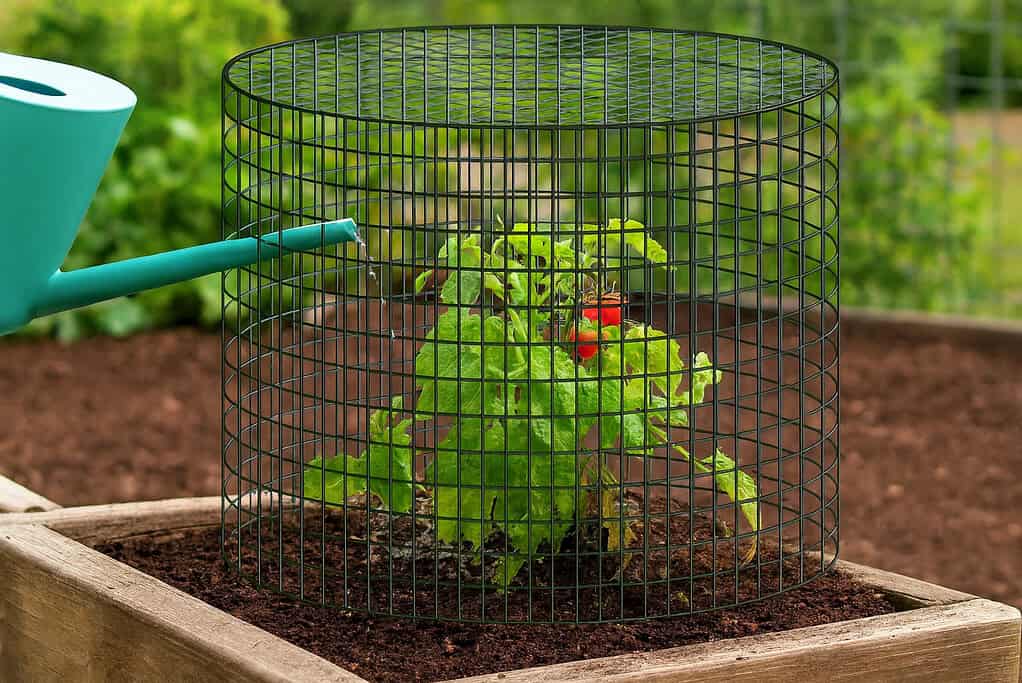
Animal pests can cause just as much damage as insects or weather – especially rabbits, squirrels, deer, and groundhogs.
Fabric covers won’t stop them, so the best solution is to use metal-framed barriers that can’t be chewed, pushed over, or easily moved.
Two of the most effective options are:
- Chicken Wire Crop Coop:
This is a house-shaped frame made from heavy-gauge chicken wire. It can cover a small group of plants (about 6 to 8 heads of lettuce or kale). Built-in handles on the top make it easy to lift and move for weeding or harvesting. It’s particularly useful in raised beds to keep birds from eating strawberries or seedlings. - Chicken Wire Super Dome:
A larger, galvanized metal dome that stands over 4 feet tall. It’s made for protecting larger plants or new shrubs from deer. The structure includes two doors for easy access, which is helpful when harvesting berries or checking on larger crops. This is a stronger, long-term alternative to flimsy bird netting.
Metal structures are best for areas with repeated animal pressure. They’re reusable, weather-resistant, and don’t need to be replaced every season like plastic netting or sprays.
7. Shade Cloth

Shade cloth is used to lower soil and air temperatures around plants during hot weather.
This is especially important for cool-weather crops like lettuce, spinach, and other leafy greens, which can bolt (go to seed) quickly when exposed to too much heat.
By blocking a portion of sunlight, shade cloth helps:
- Extend the harvest period during summer.
- Delay bolting in crops sensitive to heat.
- Protect transplants from sun stress during warm days.
Shade cloth is usually supported by hoops or lightweight frames and can be installed temporarily during hot spells.
It’s also useful when acclimating young plants that are being moved from a shaded or indoor environment into full sun.
Reducing that light shock gives them a smoother transition and improves their chances of survival.
8. Mulch as a Natural Cover for Soil and Roots
Mulch is one of the simplest and most overlooked types of plant cover. While it doesn’t shield leaves or stems, it plays a key role in protecting the root zone and improving overall soil health.
In cold weather, mulch insulates the soil and keeps roots from freezing. This is especially helpful for overwintering garlic, onions, carrots, and other root crops.
In warm weather, mulch helps cool the soil, slow down evaporation, and block weed growth.
The best mulches for garden use include:
- Straw or shredded leaves for seasonal crops
- Wood chips around perennials or shrubs
- Grass clippings or composted organic matter for improving soil
As organic mulch breaks down, it also feeds the soil, improves structure, and supports healthy microbial life. It’s a passive but long-lasting solution that works well alongside other plant covers.
For more inspiration on using mulch effectively, check out these simple garden mulch ideas. It’s a passive but long-lasting solution that works well alongside other plant covers.
How to Install and Anchor Garden Covers
Once you’ve chosen the right cover for your garden, it’s important to set it up in a way that keeps it in place, supports plant growth, and holds up to wind, rain, or snow.
The structure underneath matters just as much as the material on top.
Whether you’re protecting low greens or tall tomatoes, a solid setup ensures your covers actually work the way they’re supposed to – and don’t become a hassle to manage.
Using Garden Hoops

Garden hoops provide the structure needed to keep covers raised above plants. They help prevent damage from direct contact with frost or heavy material, and they give plants space to grow.
Hoops can be made from plastic, metal, or fiberglass and come in fixed or adjustable sizes.
Adjustable Super Hoops are especially useful. These hoops can be raised as plants get taller by loosening two knobs and sliding them upward, making them suitable for crops that gain height over time.
If you’re using these larger hoops, you’ll need row cover that’s at least 12 feet wide to fully span the arch.
Hoops are essential when using plastic covers, heavy frost blankets, or insect mesh. They also make it easier to ventilate the space by lifting the fabric without disturbing the plants underneath.
Anchoring Methods
Securing plant covers properly keeps them in place during wind, heavy rain, or snow.
While many gardeners use bricks, rocks, or clips, there are more secure anchoring options worth considering – especially for long-term use or in exposed locations.
Two effective anchoring methods are:
- Soil trenching: Dig a shallow trench along the edge of your garden bed, lay the fabric edge into the trench, and cover it back up with soil. This holds the fabric tight and seals the edge against pests and wind.
- Wire staples or landscape pins: U-shaped metal staples can be pushed through the edge of the fabric and into the soil to pin it down. These are especially useful along straight runs and around hoops or frames.
A properly anchored cover won’t flap or shift, which means better insulation, less wear on the material, and better protection for your plants.
Leaving Hoops in Place
When frost or pest risk passes, you may want to remove the cover – but that doesn’t mean you need to take everything down. Leaving the hoops in place makes it much easier to re-cover your plants quickly if the weather turns again.
This is helpful during shoulder seasons when conditions fluctuate. Keeping the framework up saves time and avoids the need to remeasure, re-space, or reset the layout.
It also reduces wear on the fabric since you’re not dragging it across the ground each time.
Hoops can stay in the garden throughout the season and be used again for future plantings or seasonal shifts, making them a practical investment for repeat use.
Miss it by a week and you lose the crop. The free 24-page planner pins down your exact dates — last frost, first frost, and the weekly steps between — so you plant on the days that actually work for your ZIP.
When to Use Plant Covers for Best Results

The timing of when you use plant covers is just as important as how you use them.
Covers work best when they’re used as a preventive tool – not just after damage has already started.
Planning ahead allows you to avoid sudden losses from frost, pests, or environmental stress. Here’s how to get the timing right.
Preventative Use
Plant covers are most effective when they’re in place before problems show up. If you wait until after pests have already arrived or the first frost has hit, the damage may already be done.
Use covers:
- Before the first expected frost, not after.
- At the time of planting, especially for seedlings prone to insect damage.
- Ahead of known pest cycles, such as when carrot flies or cabbage moths typically emerge in your area.
Catching problems early is key. Lightweight covers and insect mesh can stay in place for weeks without affecting growth.
Setting them up in advance gives your crops a stronger start and helps prevent infestations or stress before they become hard to manage.
Cold Frame Timing
Cold frames let you grow crops into winter by capturing heat and protecting plants from wind and snow.
But to use them successfully, timing is critical. Plants must be nearly full-grown before cold weather sets in, because growth slows dramatically once temperatures drop and daylight shortens.
To use cold frames effectively:
- Start fall crops early enough that they’re almost mature by the first hard frost.
- Focus on cold-hardy varieties like spinach, mache, and winter lettuces.
- Avoid planting too late – seeds sown in cold soil take longer to sprout and may not reach maturity in time.
Cold frames don’t push growth as much as they protect it. Think of them as a way to hold crops in good condition through winter, not as a tool to speed up late-season planting.
For extra guidance, check out our pro-tips in cold frame gardening.
Free Planting Guides for This Article
Get exact planting dates, frost schedules, and growing tips for your zone:
3 Helpful Tips for Using Garden Covers

While plant covers are simple in concept, there are a few extra techniques that can make them more effective and versatile.
Whether you’re trying to pollinate covered plants, adapt materials to fit your space, or boost frost protection, the tips below help you get the most out of every cover you use.
1. Hand Pollination
Some crops, like squash, cucumbers, and melons, need pollination to produce fruit.
If you’re using covers to block insect pests, you may also be blocking the bees and other pollinators that your plants depend on.
If you want to keep the covers on after flowering begins:
- Use a small watercolor brush to transfer pollen from the male flowers to the female flowers.
- This is easiest to do in the morning when the flowers are open.
- You can lift the edge of the cover, pollinate, and replace it immediately.
This method allows you to protect plants from pests like squash vine borers while still producing a full crop.
2. Seaming Covers
Sometimes the width of your row cover roll isn’t wide enough to cover a large garden bed or hoop frame. Instead of overlapping loose edges, you can create a stronger and cleaner fit by sewing two pieces of fabric together.
- Use a simple straight stitch along the edge of both pieces.
- A basic sewing machine works fine, or you can hand-stitch with strong polyester thread.
- This creates a seamless blanket that won’t gap or shift in wind.
Seaming is useful when using wider hoop structures or trying to cover broad rows of crops with a single, solid piece of fabric.
3. Layering Covers and Mulch
For better insulation during cold snaps, especially when protecting root crops, you can combine a floating row cover with mulch underneath.
This double layer works in two ways:
- The mulch insulates the soil and protects the root zone.
- The fabric cover blocks wind and traps warmth near the ground.
This method is ideal for carrots, beets, parsnips, and other root vegetables you want to keep in the ground through winter.
It helps push the temperature range of cold-hardy crops lower – sometimes keeping them viable even into the teens (°F).
Best gardening planner I've used in 10 years — and I keep coming back to it every season.
How to Protect Seeds and Seedlings From Pests
Seeds and young plants are some of the most vulnerable parts of any garden. They’re easy targets for digging animals, flying insects, and environmental stress.
Using the right plant cover early on helps prevent damage and gives your crops a better start. Here’s how to protect them from the most common threats.
Protecting Seeds From Mammals
Seeds and newly sprouted seedlings are often dug up by small mammals like mice, voles, squirrels, and chipmunks.
These animals are attracted to freshly worked soil and will dig for seeds or nibble on young shoots before they have a chance to grow.
To stop this:
- Use fine mesh or lightweight row cover directly over newly planted areas.
- Secure the edges with soil, pins, or rocks so small animals can’t get underneath.
- Leave the cover in place until the plants are large enough to withstand some pressure.
This kind of protection is especially useful for beans, peas, and other seeds that take several days to germinate.
Covering to Block Insects
Insect pests like aphids (see our effective ways to repel aphids naturally), flea beetles, and caterpillars often target young, tender growth.
If they get to seedlings early, they can weaken or kill plants before they mature.
To prevent this:
- Use insect mesh or light row cover as soon as seedlings are planted.
- Make sure the cover is sealed all around, especially at ground level.
- Keep it in place until the plants are well established or the pest window has passed.
This is a simple way to reduce or eliminate the need for spraying and helps keep plants healthy during their most sensitive stage.
Reducing Transplant Shock
When moving seedlings from pots or trays into the garden, they can suffer from transplant shock caused by sun, wind, or temperature changes.
Covers help soften this transition by creating a gentler environment.
Use light fabric or mesh covers to:
- Block wind that dries out leaves and soil
- Provide filtered light while plants adjust
- Hold in warmth during cool nights
Leave the cover on for a few days to a week after transplanting. This extra protection helps plants recover more quickly and begin growing without delay.
How Hard Is It to Garden in Your County?
Every county has a unique Gardening Difficulty Score based on frost risk, soil quality, drought, altitude, and climate trends. Find yours — plus personalized frost dates, planting calendars, and soil data.
Check Your County's Score →Are Plant Covers Worth It?

Some gardeners hesitate to invest in plant covers because of the upfront cost.
But when you compare that cost to the amount of crop loss they prevent – and the reduced need for pest sprays or replanting – the value becomes clear.
High-quality covers can last for several seasons and often pay for themselves within the first year or two.
Cost vs. Long-Term Value
Plant covers are a one-time investment that can be reused over and over again.
Unlike pesticides, repellents, or netting that needs constant replacement or reapplication, most covers (like row fabric, insect mesh, and metal frames) hold up for years with proper care.
Here’s what makes them a better long-term option:
- Less crop loss from frost, pests, and wind damage.
- Fewer inputs like sprays, traps, or replacement plants.
- Reusable materials like hoops, wire domes, and strong fabrics.
- Better yields from healthier, better-protected plants.
For gardeners who grow year after year, especially those managing larger beds or valuable crops, plant covers quickly become a dependable tool that saves money, time, and effort.
- Tomatoes
- Peppers
- Beans
- Squash
- Cucumbers
- Basil
Start Using Plant Covers to Protect Your Garden Year-Round
Using plant covers is a simple but powerful way to protect your garden from frost, pests, wind, and heat – without relying on chemicals or constant replanting.
By choosing the right type of cover for your climate and crops, installing it properly, and using it early in the season, you give your garden a much better chance at consistent, healthy growth.
From floating row covers to wire domes, insect mesh to shade cloth, each cover serves a purpose.
And when combined with techniques like hand pollination, trench anchoring, and seasonal planning, they become a long-term solution for a healthier, more productive garden.
Do you already use plant covers, or are you planning to try them this season? Comment down below and share your experience or any questions you have!
FAQs
What type of plant cover is best for high winds?
In windy areas, insect mesh and heavier row covers perform better than lightweight fleece. Use garden hoops and anchor the edges with soil or landscape staples to prevent the cover from blowing loose.
Can I use plant covers during heavy rain?
Yes, but with good support. Floating row covers and insect mesh allow water through, while plastic covers should be vented or sloped to prevent water from pooling. Avoid direct contact between wet covers and plant leaves to prevent rot.
Do I need to remove plant covers during the day?
That depends on the material. Lightweight and breathable covers can stay on all day, while plastic covers should be vented or removed on sunny days to prevent overheating. For flowering crops, covers may also need to be lifted for pollination.
Can I reuse the same cover for different crops?
Yes, most fabric and mesh covers can be reused across multiple planting cycles and crop types. Make sure to shake off debris and allow the cover to dry before storing between uses to prevent mold or pests from carrying over.
What’s the best cover for raised beds?
Raised beds benefit from fitted wire structures like the Chicken Wire Crop Coop or fabric row covers held up by hoops. Choose a setup that’s easy to lift for access while still offering full coverage from pests and weather.
Level Up Your Garden
Our most popular gardening guides