Not all flowers are easy to find – or easy to grow. Some are tucked away in remote mountains, bloom only once in a decade, or have vanished entirely from the wild.
These rare flowers often survive under very specific conditions, whether that’s high humidity, volcanic soil, or total darkness.
Others exist because of human effort, taking years of careful breeding or conservation to preserve.
In this article, you’ll find 15 of the world’s rarest flowers.
Each one is exceptional in its own way – some due to how they grow, others because of where they grow, and a few because they barely exist anymore.
Whether it’s a flower that blooms for a single night or one that costs thousands of dollars to create, they all offer something extraordinary.
15 Unbelievably Rare Flowers You Won’t Believe Exist
These flowers stand out not just for how they look but for how difficult they are to find or grow.
Some bloom rarely, others can’t be seen in the wild anymore, and a few exist only through careful human preservation.
Here’s a closer look at 15 truly rare flowers from around the world.
1. Fire Lily (Cyrtanthus ventricosus)
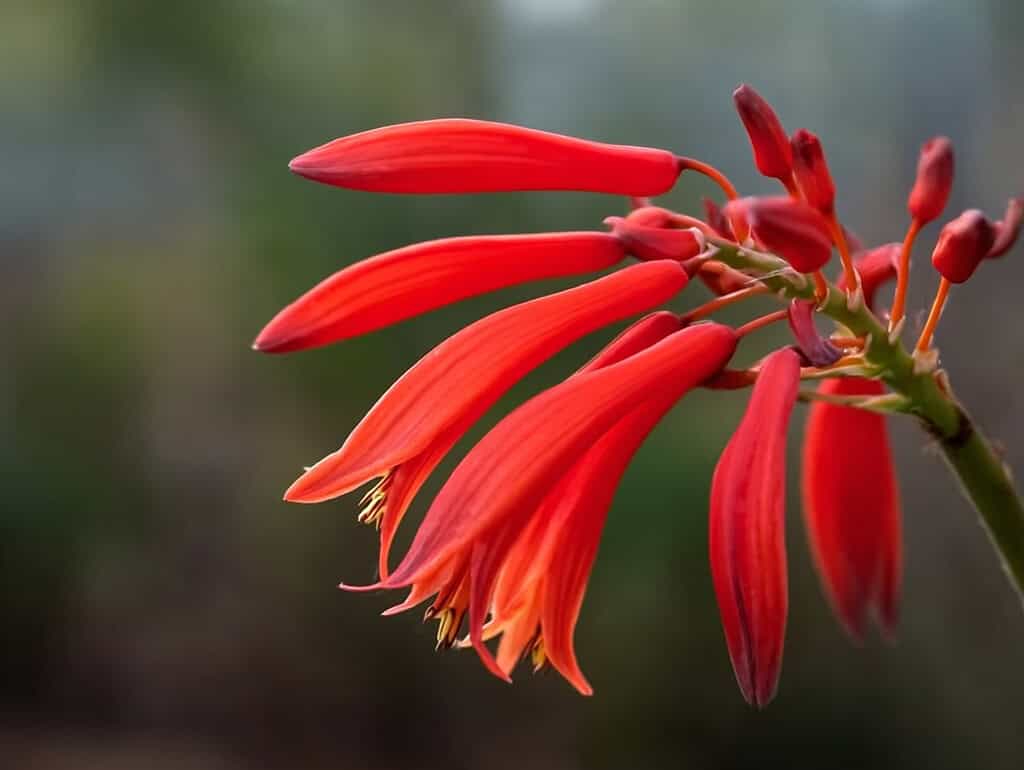
The Fire Lily has a unique relationship with its environment – it only blooms after wildfires.
Native to the Cape Fold Mountains in South Africa, it emerges within days of a fire, taking advantage of the cleared landscape and ash-enriched soil.
Its bright red trumpet-shaped flowers attract a rare butterfly species, the Table Mountain Pride butterfly, which is its exclusive pollinator.
This dependence on both wildfire and a specific insect for reproduction makes the Fire Lily exceptionally rare and highly specialized.
If you enjoy exploring colorful and beautiful blooms, check out our full list of breathtaking blue flowers.
2. Corpse Flower (Amorphophallus titanum)
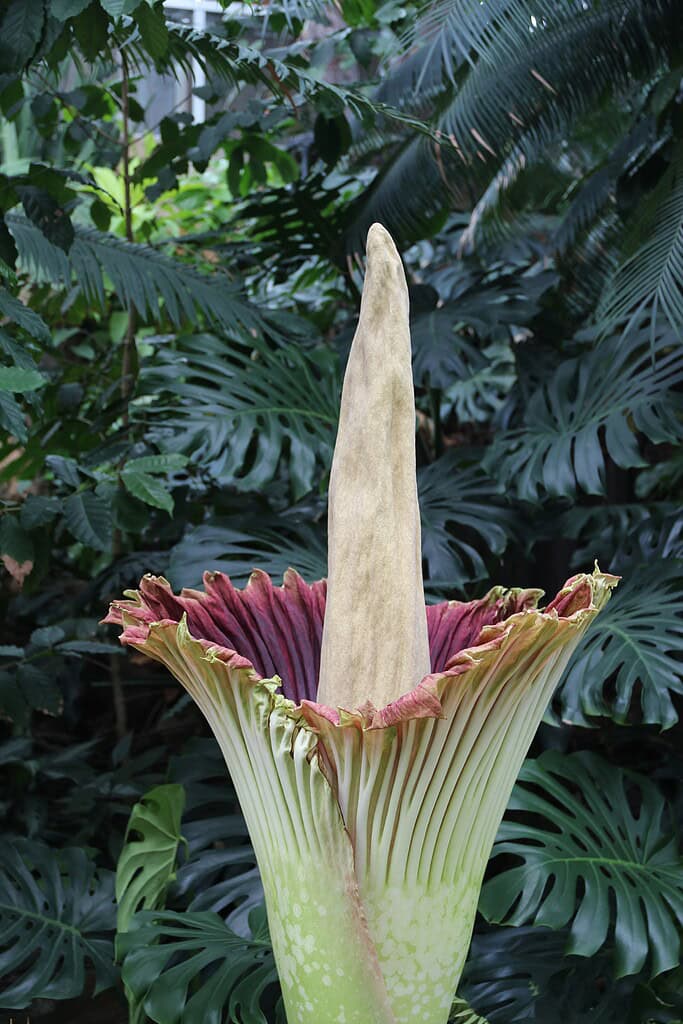
Native to the rainforests of Sumatra, Indonesia, the Corpse Flower is famous for two things: its massive size and its powerful stench.
The scent, often compared to rotting flesh, helps attract carrion beetles and flesh flies for pollination.
This plant blooms only once every 7 to 10 years, and when it does, the bloom lasts for just 24 to 48 hours. Its height can reach over 10 feet, making it one of the tallest flowering structures on Earth.
Its rarity is due to both its unpredictable bloom cycle and its extremely limited native habitat, which continues to shrink due to deforestation.
3. Juliet Rose (Rosa ‘Juliet’)
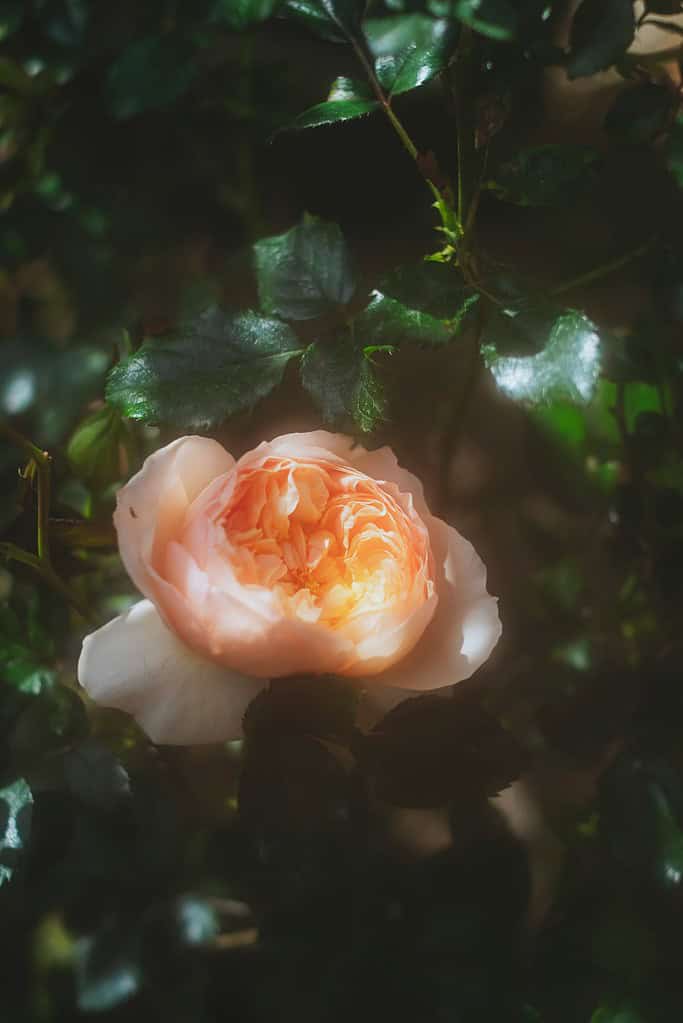
Often referred to as the rarest rose in the world, the Juliet Rose isn’t found in the wild – it was developed through selective breeding.
British rose breeder David Austin spent 15 years and approximately $4.3 million creating this delicate flower.
Its soft blend of peach and pale pink petals is part of what makes it so prized, but its true rarity lies in the time, expertise, and cost it took to bring it to life.
Unlike most roses, this variety has a unique cupped shape and a subtle, elegant fragrance, making it one of the most expensive and exclusive roses ever created.
Curious to see other beautiful blooms that can brighten your garden? Check out these eye-catching wild flowers.
4. Ghost Orchid (Dendrophylax lindenii)
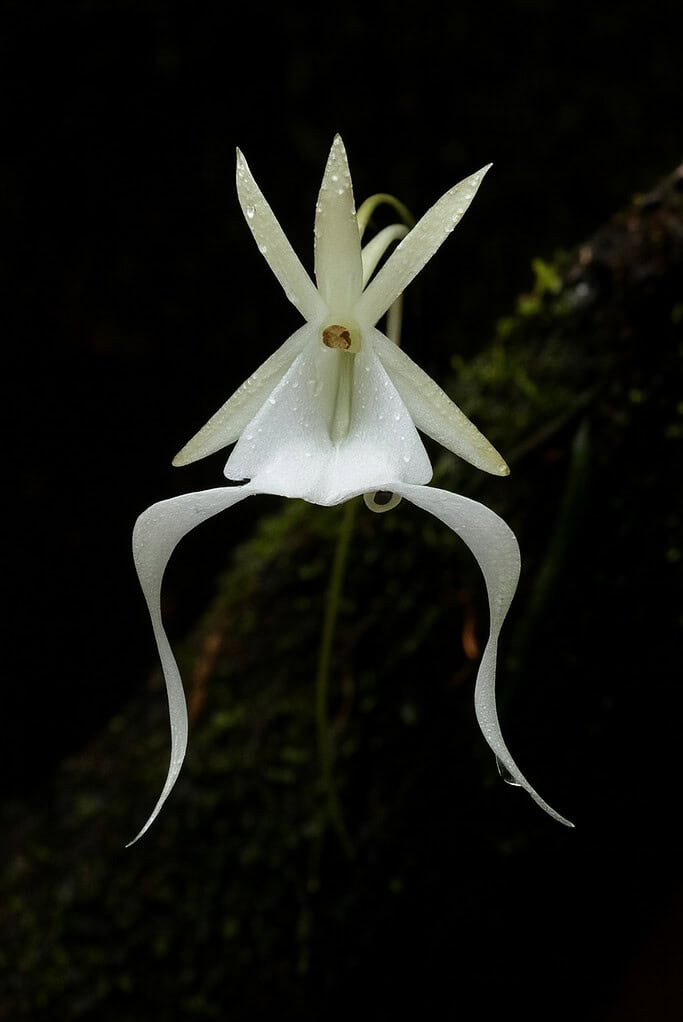
The Ghost Orchid is known for its ethereal, floating appearance and its challenging growing conditions.
Found in parts of Florida, Cuba, and the Caribbean, this leafless orchid grows only on specific tree trunks in humid, swampy forests.
It does not photosynthesize like most plants and instead relies on fungi and host trees for nutrients.
The Ghost Orchid is extremely difficult to cultivate and even harder to spot in the wild due to its camouflage-like appearance.
Its numbers are declining due to deforestation, poaching, and climate change, placing it on the list of endangered and protected species.
5. Franklin Tree Flower (Franklinia alatamaha)

The Franklin Tree Flower is no longer found in the wild. The last confirmed sighting in its natural habitat along the Altamaha River in Georgia, USA, was in 1803.
Its survival today is thanks to American botanist John Bartram, who cultivated the plant in his garden before it disappeared from nature.
All Franklin trees in existence now are descendants of Bartram’s preserved specimens. The flower itself is white with a bright yellow center and blooms in late summer.
Its extinction in the wild, paired with successful human preservation, makes it one of the most historically significant rare flowers.
Add a touch of beauty to your garden with stunning pink flowers that are sure to stand out!
6. Rafflesia Arnoldii
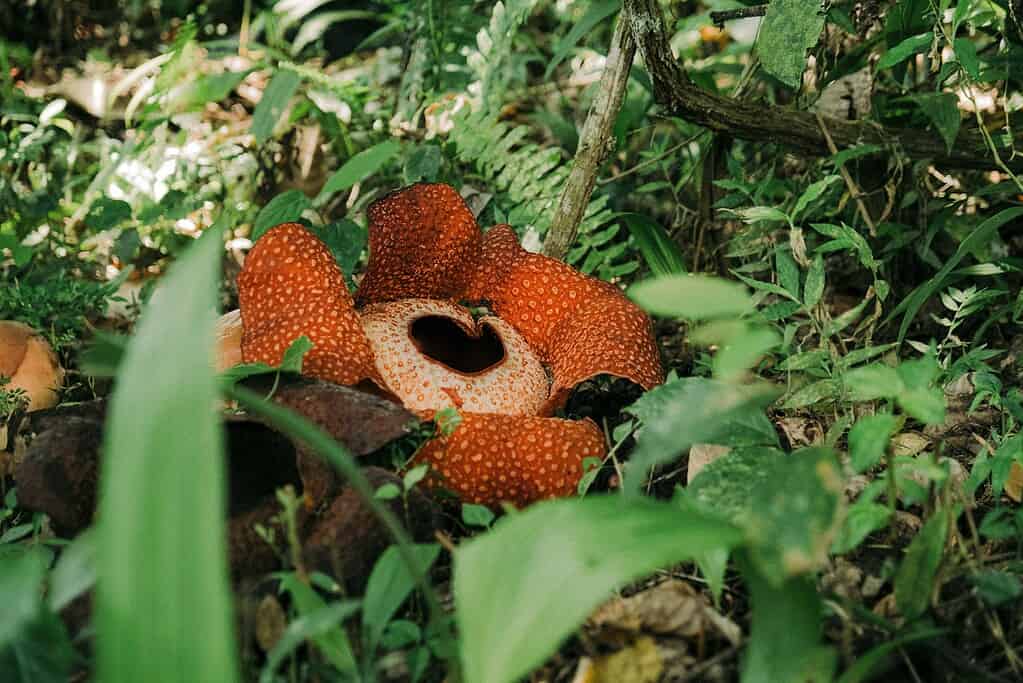
Rafflesia arnoldii is one of the most extraordinary and iconic flowers in the world.
Famous for producing the largest individual flower on Earth, it can reach over three feet in diameter and weigh up to 15 pounds. Its massive size and striking appearance make it an unforgettable sight for anyone lucky enough to encounter it in the wild.
Native to the rainforests of Southeast Asia, particularly Indonesia, this parasitic plant has no leaves, stems, or roots of its own. Instead, it relies entirely on a host vine to survive, which adds to its uniqueness and mystery.
Rafflesia arnoldii is also known for its strong, pungent odor, earning it the nickname “corpse flower” because it attracts carrion flies for pollination. Despite its smell, the flower is a wonder of nature, symbolizing the incredible diversity and ingenuity found in tropical ecosystems.
Encountering Rafflesia arnoldii is a reminder of how remarkable and surprising nature can be, with beauty and wonder sometimes hidden in the most unexpected forms.
7. Night-Blooming Cereus (Selenicereus grandiflorus)
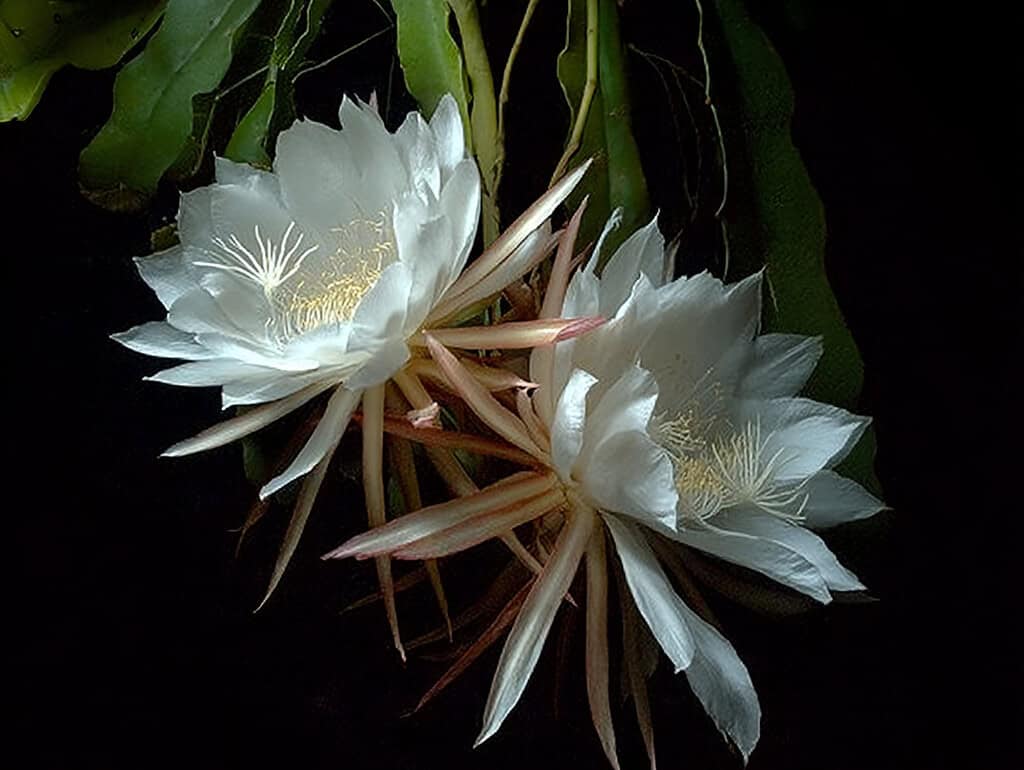
This cactus species is rare not because of where it grows, but when it blooms.
Known as the “Queen of the Night,” the Night-Blooming Cereus opens its large, fragrant white flowers only once a year, typically for a single night.
By morning, the blooms wilt and disappear.
Native to parts of Central and South America, it thrives in dry, rocky environments but is considered endangered in some regions due to habitat loss and overharvesting.
Its short-lived beauty and limited bloom window make it difficult to witness in person, adding to its mystique and rarity.
Bring resilience and charm to your garden with tough winter flowers that can handle frost for long-lasting color even in cold months.
8. White Hawaiian Hibiscus (Hibiscus arnottianus)
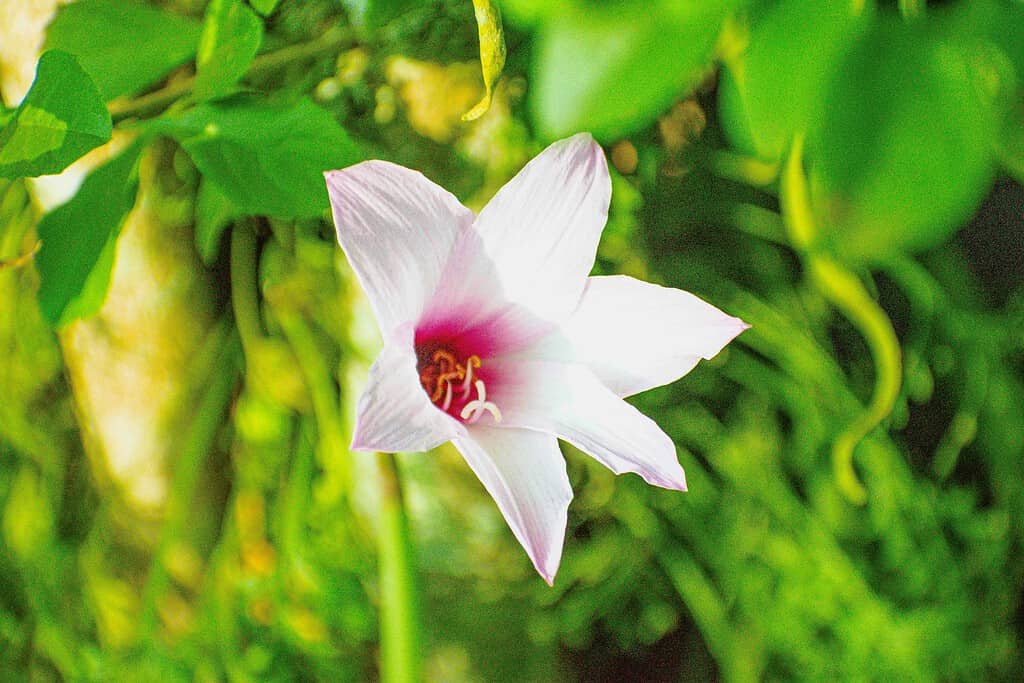
This delicate white-flowered hibiscus is found only in Hawaii, specifically on the islands of Oʻahu and Molokaʻi.
It grows in rainforests and mountainous areas, where it’s becoming increasingly rare due to invasive species, habitat loss, and deforestation.
Unlike many hibiscus varieties that are widespread and cultivated globally, the White Hawaiian
Hibiscus is native and endemic, meaning it grows nowhere else in the world. Conservation programs are working to preserve this species as its natural habitat continues to shrink.
9. Black Bat Flower (Tacca chantrieri)
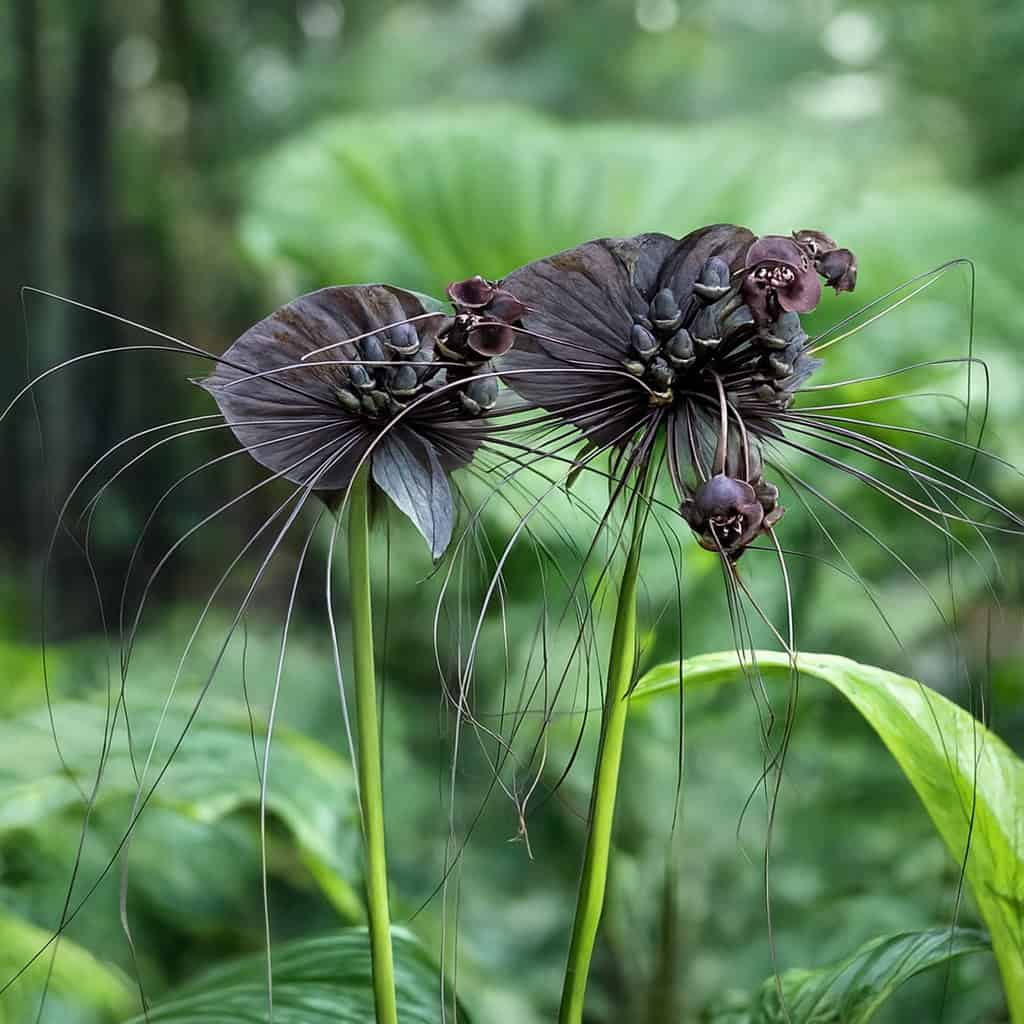
This rare tropical plant stands out for its dramatic appearance – it produces dark, almost black petals, one of the rarest flower colors in nature.
Native to the forests of Southeast Asia, the Black Bat Flower gets its name from its bat-shaped blooms and long whisker-like bracts that can extend over 2 feet.
It requires constant high humidity, warmth, and filtered light, making it very difficult to grow outside of its native climate.
Its unusual color, exotic shape, and demanding growing conditions all contribute to its rarity.
Want to try growing something equally striking at home? Check out my guide on how to grow and care for carnation flowers for tips on nurturing vibrant, long-lasting blooms!
10. Chocolate Cosmos (Cosmos atrosanguineus)
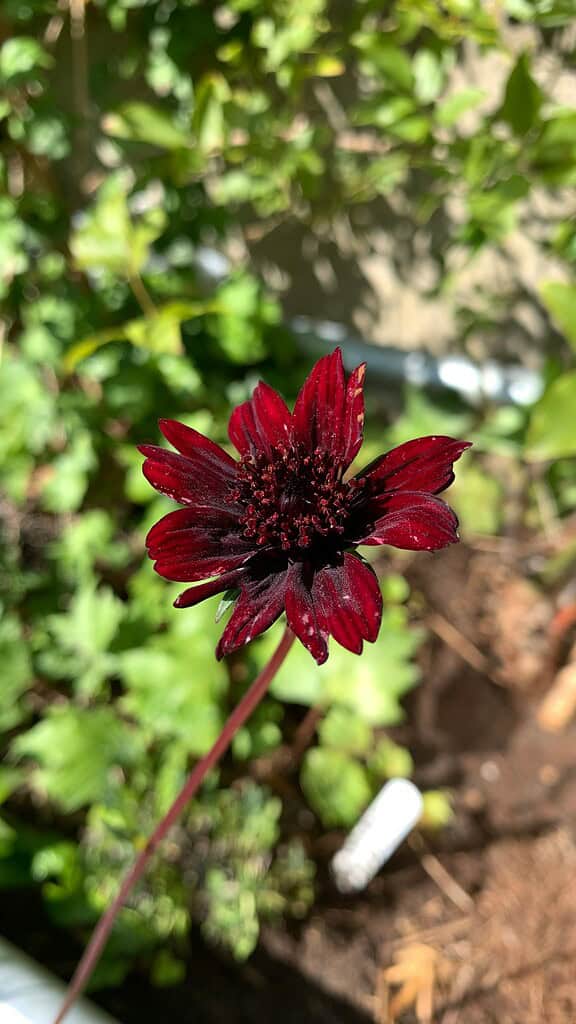
The Chocolate Cosmos is not only rare – it’s extinct in the wild. Originally native to Mexico, this flower vanished from its natural habitat due to deforestation.
It survives today only through vegetative propagation – it doesn’t produce viable seeds.
Named for its deep reddish-brown petals and subtle chocolate scent, this flower is grown in controlled environments using root division and tissue culture.
Its total dependence on human cultivation and inability to reproduce naturally make it one of the most fragile flower species in existence.
11. Rothschild’s Slipper Orchid (Paphiopedilum rothschildianum)
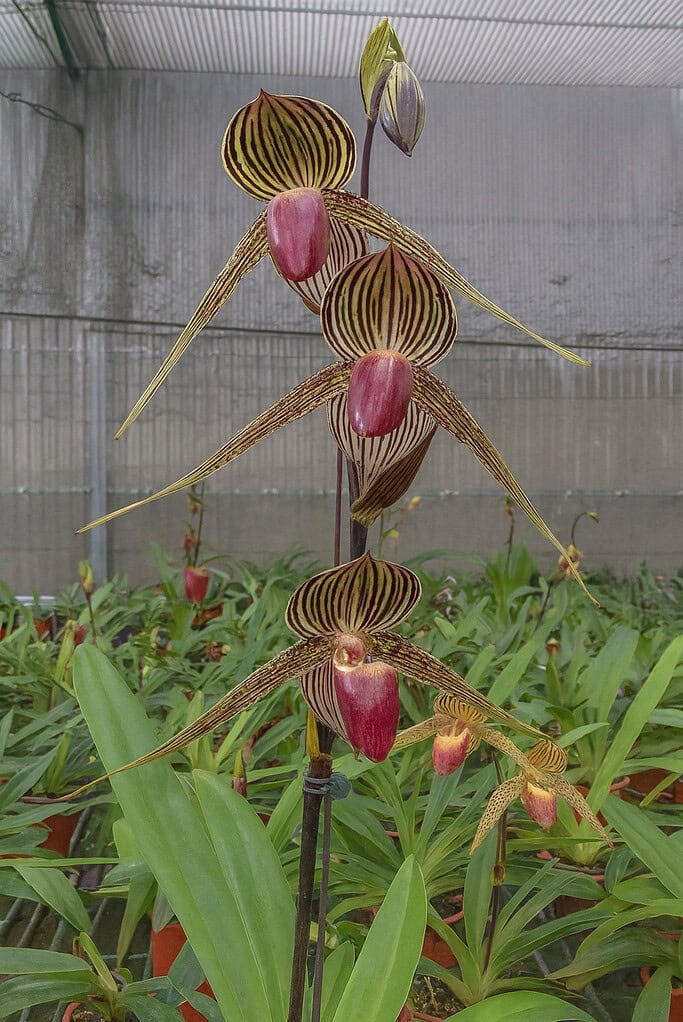
Often called the “King of Orchids,” Rothschild’s Slipper Orchid is one of the rarest and most valuable orchids in the world.
It is native only to the slopes of Mount Kinabalu in Borneo, Malaysia, and grows at specific altitudes between 500 and 1,200 meters.
Its petals stretch horizontally in a distinctive pattern, setting it apart from other orchids.
This flower is extremely slow to mature (it can take up to 15 years to bloom) and is heavily protected due to over-collection and habitat destruction.
A single specimen has been known to sell for up to $5,000, making it rare both in the wild and on the market.
Looking to care for orchids at home with confidence? Check out these must-know orchid care tips for to keep your blooms healthy and thriving.
12. Parrot’s Beak (Lotus berthelotii)
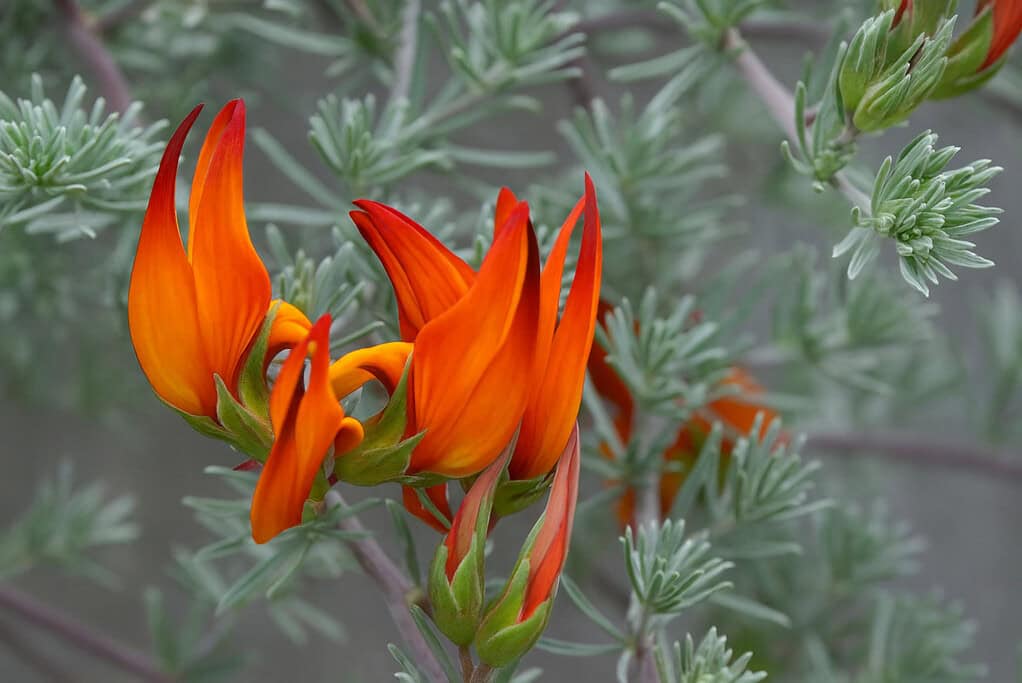
Parrot’s Beak is a trailing flower known for its curved, beak-shaped petals in shades of red and orange.
It was once native to the Canary Islands, but it’s now believed to be extinct in the wild.
Its natural habitat has been heavily impacted by climate change and human activity, and efforts to reintroduce it into the wild have had limited success.
While it’s occasionally grown ornamentally in gardens, wild populations no longer exist, making it one of the rarest island flowers in the world.
13. Gibraltar Campion (Silene tomentosa)
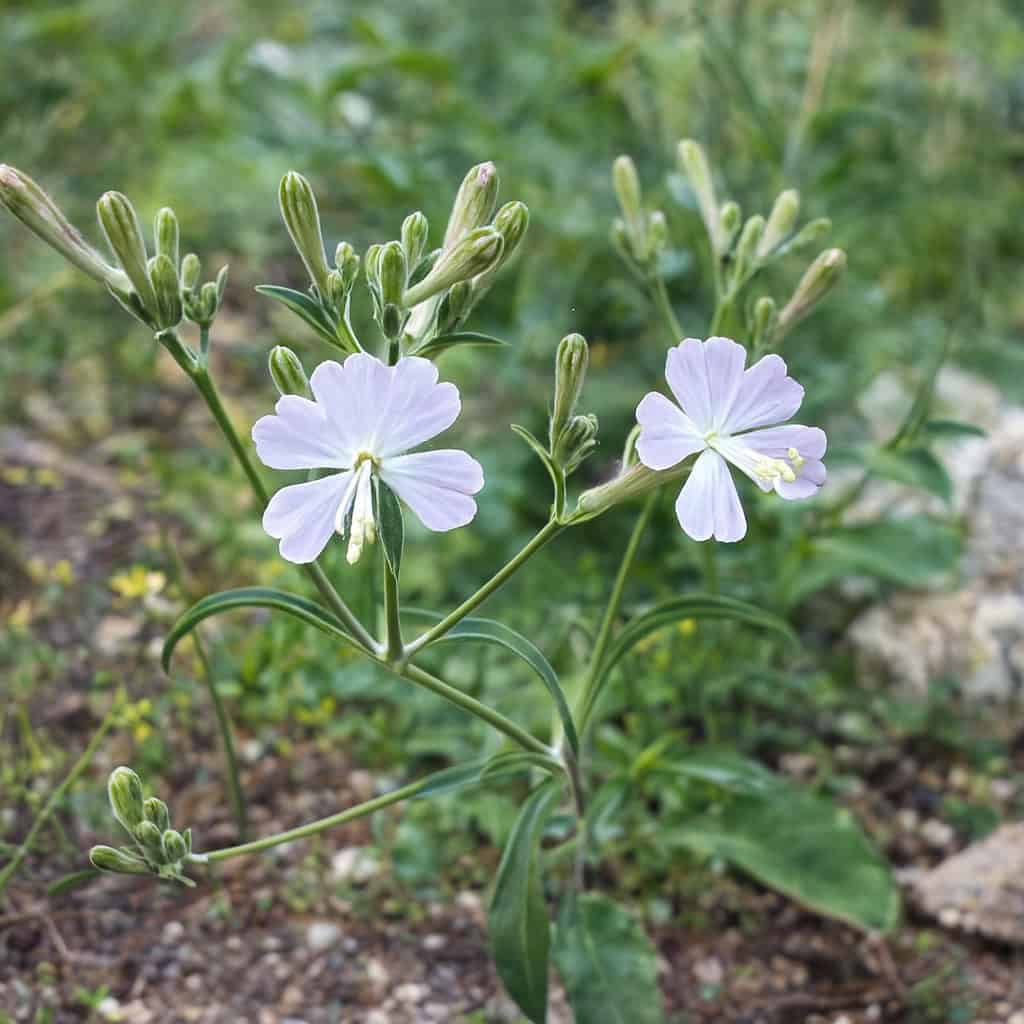
The Gibraltar Campion is a small, delicate flower with pale pink to violet petals that grows exclusively on the cliffs of the Rock of Gibraltar.
It was declared extinct in the 1990s, but a few plants were rediscovered in 1994 in a remote and inaccessible area.
Since then, it has been successfully propagated in botanical gardens and reintroduced to its native location under protection.
Despite its recovery, it remains incredibly rare due to its very limited natural range and ongoing threats from erosion and human interference.
14. Jade Vine (Strongylodon macrobotrys)
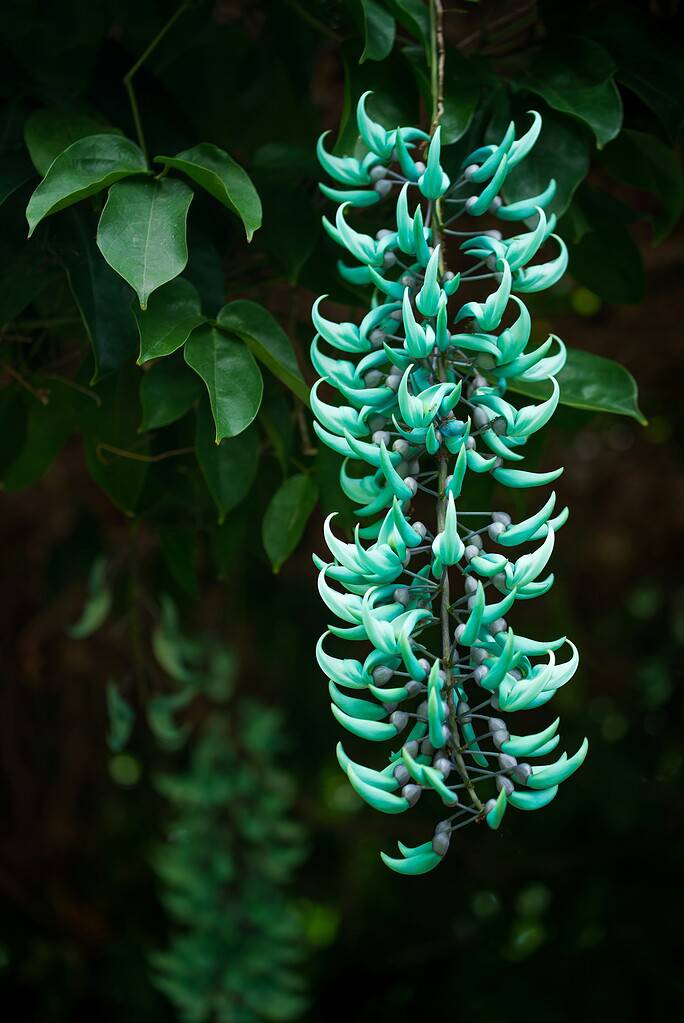
Known for its striking turquoise or mint-green color, the Jade Vine produces claw-shaped blooms that hang in long, cascading clusters.
This flower is native to the rainforests of the Philippines, where it grows along riverbanks in humid, tropical climates. Its color is so unusual that it often appears otherworldly.
Unfortunately, its natural habitat is being rapidly destroyed due to logging and deforestation.
Because of its specific pollination needs and environmental requirements, the Jade Vine is difficult to propagate outside its native ecosystem, contributing to its rarity.
Interested in adding vibrant blooms to your home garden? Learn how to grow and care for cyclamen flowers for a colorful, easy-to-manage addition.
15. Youtan Poluo (Unclassified, often linked to Ficus racemosa)
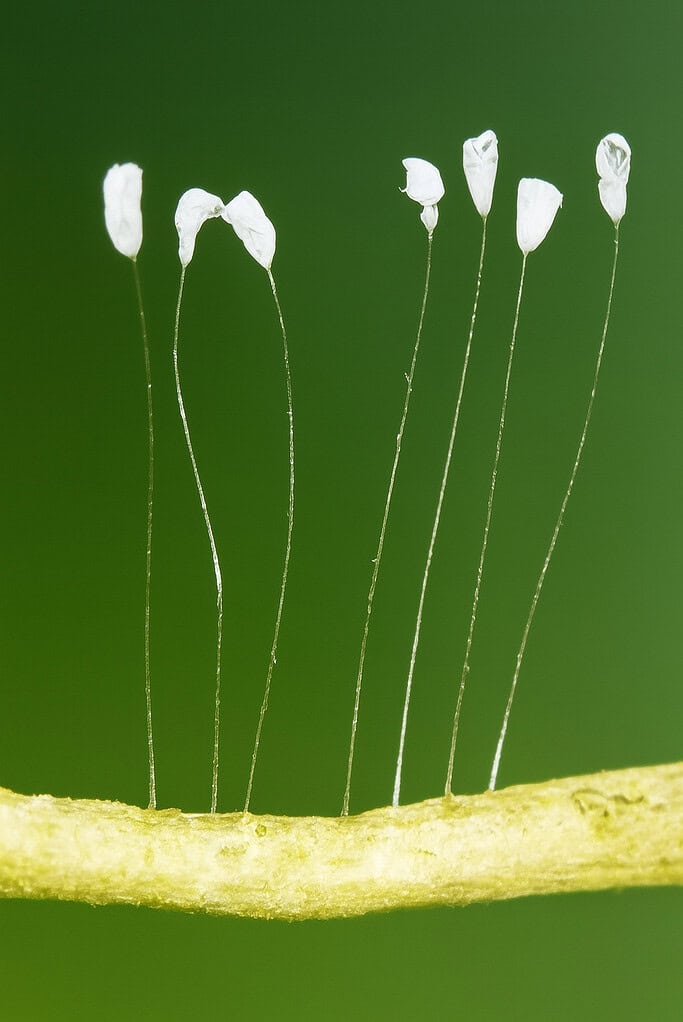
Youtan Poluo is one of the most mysterious flowers known.
Measuring just 1 millimeter in diameter, it’s a tiny, parasitic bloom that lacks an official scientific classification.
In Buddhist tradition, it is believed to bloom once every 3,000 years, often regarded as a spiritual omen. While some botanists associate it with Ficus racemosa, its origin and nature remain debated.
Its extreme rarity, tiny size, and religious significance make it one of the most extraordinary and talked-about flowers in folklore and botanical circles.
Garden Planner
The 24-page planner timed to your county's real frost dates. Planting windows, monthly checklists, and a harvest log you'll fill with pride by August.
Your Free 24-Page Garden Planner
Built for your exact ZIP code — planting dates, harvest log, and a month-by-month plan. 15-second sign-up.
Why Are These Flowers So Rare?
A flower becomes rare for several reasons, often tied to its biology, environment, and human influence.
While some plants naturally have limited growing ranges, others have been pushed to the brink due to habitat loss or changing climates.
Here’s a breakdown of the main factors that make these flowers so difficult to find:
Limited Native Habitat
Many rare flowers grow only in specific regions – often in isolated or hard-to-reach locations.
For example, the Rothschild’s Slipper Orchid is found only on Mount Kinabalu in Borneo, and the White Hawaiian Hibiscus is native to just two Hawaiian islands.
When a plant relies on a single location, it becomes vulnerable to any changes in that environment.
Threats From Deforestation and Development
Habitat destruction is one of the most common causes of rarity.
As forests are cleared for agriculture, construction, or logging, native plants like the Jade Vine and Chocolate Cosmos lose the ecosystems they need to survive.
In many cases, these species become extinct in the wild and survive only through cultivation.
Specific Blooming Conditions
Some flowers bloom rarely or under very precise conditions. The Corpse Flower blooms only every 7–10 years and then dies back quickly.
The Kadupul Flower and Night-Blooming Cereus bloom only at night and for just a few hours.
These short blooming windows make them incredibly hard to observe and study, contributing to their rarity.
Difficulty in Reproduction
Not all rare flowers can easily reproduce. The Chocolate Cosmos no longer produces seeds, and Youtan Poluo has no confirmed propagation method.
Other flowers rely on specific pollinators or soil types to regenerate naturally. When those conditions aren’t met, the species can decline quickly.
Human Influence and Artificial Creation
Some flowers, like the Juliet Rose, are rare because they were developed through long-term breeding efforts.
While not naturally occurring, they are rare due to the time, cost, and skill required to create and maintain them.
In other cases, humans have played a role in saving flowers from extinction, such as the Franklin Tree, which now exists only in cultivated form.
Climate Sensitivity
Many rare species are climate-sensitive, depending on stable temperatures, rainfall, and humidity levels. A shift in any of these conditions can reduce their chances of survival.
Flowers like the Fire Lily rely on fire-following ecological cycles that are easily disrupted by human intervention or climate shifts.
Where Can You See These Rare Flowers Today?
Seeing rare flowers in person can be difficult, but not impossible.
While some species are extinct in the wild or bloom under rare conditions, a number of them can still be found in controlled environments, botanical gardens, or specific natural locations – if the timing and conditions are right.
Botanical Gardens and Research Centers
Many rare flowers are preserved and displayed in botanical gardens that specialize in conservation.
Institutions like Kew Gardens in the UK, the National Tropical Botanical Garden in Hawaii, and the Fairchild Tropical Botanic Garden in Florida house species like the Ghost Orchid, Juliet Rose, and Rothschild’s Orchid.
These locations often participate in research and breeding programs that keep endangered species alive.
Specialty Greenhouses and Orchid Shows
Some rare cultivated flowers, including the Juliet Rose and Black Bat Flower, can occasionally be seen at flower expos, specialty greenhouses, or orchid conventions.
These are ideal opportunities to view varieties that don’t bloom naturally in most climates.
Protected Natural Habitats
A few rare flowers still grow in the wild but are often protected by law. Examples include:
- Corpse Flower – Found in protected areas in Sumatra
- Fire Lily – Grows after wildfires in specific parts of South Africa
- White Hawaiian Hibiscus – Limited to protected zones in Hawaii
- Rothschild’s Slipper Orchid – Found only on Mount Kinabalu in Malaysia
Access to these locations may be restricted or seasonal, and blooming may not always be guaranteed.
Public Bloom Alerts
Some gardens and institutions issue bloom alerts for extremely rare events, like the Corpse Flower.
These alerts are shared online or in the media, giving people the chance to visit within the short blooming window.
Conservation Projects and Reintroduction Sites
Flowers such as the Gibraltar Campion or Franklin Tree Flower can sometimes be found in places where reintroduction efforts have succeeded.
These programs aim to return rare species to their native habitats under protection and careful monitoring.
Miss it by a week and you lose the crop. The free 24-page planner pins down your exact dates — last frost, first frost, and the weekly steps between — so you plant on the days that actually work for your ZIP.
What Makes a Flower Valuable Beyond Its Rarity?
While rarity often increases a flower’s appeal, value isn’t based on scarcity alone. A flower may be considered valuable for its appearance, scent, cultural meaning, or economic worth.
In many cases, a flower’s story and symbolism contribute just as much to its perceived value as its rarity does.
Unique Appearance and Color
Some flowers are prized for their shape, color, or overall design. The Jade Vine, for instance, has an eye-catching turquoise hue that’s nearly impossible to find in other plants.
The Black Bat Flower stands out for its deep black petals and bat-like structure, a color extremely rare in the plant world.
These distinct traits make them highly desirable among collectors and botanical enthusiasts.
Cultural or Spiritual Significance
Certain flowers are deeply tied to traditions, beliefs, or symbolism.
The Youtan Poluo, for example, is said to bloom once every 3,000 years and is linked to Buddhist lore, where it represents purity and spiritual awakening.
Flowers like these often carry emotional or ceremonial value that elevates their importance far beyond aesthetics.
Limited Bloom Timing
Flowers that bloom only under specific conditions or for a very short time are seen as more precious.
The Kadupul Flower, which blooms only at midnight and wilts by dawn, can’t be harvested or sold, which adds a sense of mystery and exclusivity.
The anticipation and timing make these experiences rare and valuable in their own right.
Economic Worth and Breeding Investment
Some flowers are expensive because of the time and cost required to create or grow them.
The Juliet Rose, developed over 15 years with an investment of over $4.3 million, is valued as a luxury flower and used in high-end floral designs and events.
Similarly, the Rothschild’s Orchid commands high prices due to its slow growth and rarity in the wild.
Role in Conservation and Science
Flowers can also hold value as part of broader ecological or conservation efforts.
Preserving species like the Franklin Tree Flower or the Gibraltar Campion offers insights into biodiversity, habitat preservation, and even climate change.
Their importance goes beyond beauty, serving as reminders of what’s at stake in global conservation work.
How Are Rare Flowers Preserved or Brought Back?
Many rare flowers survive today thanks to intentional human efforts.
Conservationists and botanical institutions use cultivation, propagation, and advanced techniques like tissue culture to grow plants that are difficult to reproduce in the wild.
Seed banks and genetic storage also help preserve species for the future, though some flowers, like the Chocolate Cosmos, rely entirely on vegetative propagation.
Protecting and restoring natural habitats is equally important, with programs in places like the Canary Islands, Hawaii, and Mount Kinabalu limiting human impact and supporting pollinators.
Reintroduction efforts, such as those for the Gibraltar Campion, help return plants to their native regions under careful management, ensuring these rare species can survive and thrive for generations to come.
For gardeners looking to fill their own space with continuous color, check out the best annuals that bloom all summer long to enjoy vibrant flowers season after season.
Best gardening planner I've used in 10 years — and I keep coming back to it every season.
How Hard Is It to Garden in Your County?
Every county has a unique Gardening Difficulty Score based on frost risk, soil quality, drought, altitude, and climate trends. Find yours — plus personalized frost dates, planting calendars, and soil data.
Check Your County's Score →Help Protect These Rare Flowers Before They’re Gone!
Rare flowers are more than just beautiful – they’re reminders of how fragile and specific life on Earth can be.
Whether it’s a bloom that appears once a decade, a species saved from extinction, or a flower that only grows in one corner of the world, each one reflects a unique part of nature’s story.
Understanding why these flowers are rare helps us see the importance of preservation, responsible cultivation, and habitat protection.
You don’t have to be a scientist to make a difference – raising awareness, avoiding plants sourced through illegal trade, and supporting conservation gardens are small but meaningful steps.
Which flower stood out to you the most? Do you grow any rare plants yourself?
Comment down below and share your thoughts – we’d love to hear from you.
FAQs
Can I legally buy and grow rare flowers at home?
Yes, but only certain rare flowers are legally available for purchase. Some species, like the Juliet Rose or Chocolate Cosmos, are cultivated and sold through licensed nurseries.
Others, such as endangered orchids or native plants from protected areas, are regulated and cannot be collected or traded without permits.
What should I do if I see a rare flower in the wild?
Avoid disturbing it. Do not pick, dig up, or try to take seeds or cuttings. Instead, take photos, report the sighting to local conservation authorities if necessary, and respect any protected area rules. Many rare species rely on very fragile ecosystems.
Are rare flowers always hard to grow?
Not always. Some rare flowers can grow well in home gardens if their environmental needs are met.
However, species like the Ghost Orchid or Black Bat Flower require very specific humidity, temperature, and light levels, which are difficult to replicate without experience or the right equipment.
How can I tell if a flower is endangered or rare?
Check with trusted sources like the IUCN Red List, national conservation databases, or reputable botanical institutions.
Rare flowers may also be listed under CITES (Convention on International Trade in Endangered Species), which regulates trade of threatened plants.
What are some beginner-friendly rare flowers to grow?
If you’re starting out, consider flowers like the Night-Blooming Cereus or cultivated Chocolate Cosmos.
These are more manageable and can sometimes be grown in pots or greenhouses with the right care. Always purchase from certified growers to ensure ethical sourcing.
- Tomatoes
- Peppers
- Beans
- Squash
- Cucumbers
- Basil
Ready To Transform Your Garden?

Are you looking for the best way to layout your garden beds? Maybe you’re feeling a bit stuck on how to make the most of your space?
We’ve got you covered! Check out our 101+ Garden Bed Layout Ideas for your next raised bed project. This guide is filled with creative and practical ideas that can help you design a garden that fits your style, whether you’re just starting out or have been gardening for years.
Get your copy today and get inspired to bring your gardening dreams to life.
Level Up Your Garden
Our most popular gardening guides