
Zone 2b Planting Calendar
July in the garden — Zone 2b
Your garden in Zone 2b is working on a schedule, even when you're not. Here's where you should be this July.
Send me my free Zone 2b Planting Guide →Zone 2b has an average minimum temperature range of -45°F to -40°F. The average last spring frost is around May 22 and the first fall frost is around September 10, giving you approximately 111 days in the growing season.
There are 58 plants in our database that grow well in Zone 2b.
States That Include Zone 2b
Many states span multiple zones. The states highlighted below contain areas classified as Zone 2b.
Growing Season Comparison
What to Plant Right Now in Zone 2b
Based on July 2026 planting windows.
All Planting Windows at a Glance
This chart shows when to start, transplant, sow, and harvest every plant in Zone 2b.
Vegetables for Zone 2b
| Plant | Start Indoors | Direct Sow | Transplant | Harvest | Days to Maturity |
|---|---|---|---|---|---|
| Amaranth | Mar 20 | Jun 5 | Jun 12 | Sep 11 – Oct 30 | 90–120 |
| Beets | — | May 15 | — | Jul 10 – Aug 7 | 50–70 |
| Bok Choy | Apr 10 | May 15 | May 22 | Jul 3 – Aug 7 | 40–60 |
| Broccoli | Apr 10 | May 15 | May 22 | Jul 24 – Sep 4 | 60–90 |
| Broccoli Rabe | Apr 10 | May 15 | May 22 | Jul 3 – Aug 7 | 40–60 |
| Brussels Sprouts | Apr 10 | May 15 | May 22 | Aug 21 – Oct 16 | 90–130 |
| Cabbage | Apr 10 | May 15 | May 22 | Jul 24 – Sep 18 | 60–100 |
| Cauliflower | Apr 10 | May 15 | May 22 | Jul 17 – Sep 18 | 55–100 |
| Celery | Apr 10 | May 15 | May 22 | Aug 14 – Oct 9 | 80–120 |
| Chard | Apr 10 | May 15 | May 22 | Jul 17 – Sep 4 | 50–60 |
| Chinese Cabbage | Apr 10 | May 15 | May 22 | Jul 17 – Aug 14 | 50–70 |
| Collard Greens | Apr 10 | May 15 | May 22 | Jul 17 – Sep 18 | 55–75 |
| Cress | Apr 10 | May 15 | May 22 | Jun 5 – Jun 26 | 14–21 |
| Daikon | — | May 15 | — | Jul 10 – Aug 7 | 50–70 |
| Fava Beans | Apr 10 | May 15 | May 22 | Aug 7 – Sep 18 | 75–100 |
| Kai Lan | Apr 10 | May 15 | May 22 | Jul 10 – Aug 7 | 45–60 |
| Kale | Apr 10 | May 15 | May 22 | Jul 17 – Sep 11 | 50–70 |
| Kohlrabi | Apr 10 | May 15 | May 22 | Jul 10 – Aug 14 | 45–65 |
| Komatsuna | Apr 10 | May 15 | May 22 | Jun 26 – Jul 31 | 35–50 |
| Lentils | Apr 10 | May 15 | May 22 | Aug 14 – Sep 25 | 80–110 |
| Lettuce | Apr 10 | May 15 | May 22 | Jun 26 – Sep 4 | 30–60 |
| Mache | Apr 10 | May 15 | May 22 | Jul 3 – Aug 7 | 40–60 |
| Microgreens | Apr 10 | May 15 | May 22 | May 29 – Jun 26 | 7–21 |
| Mustard Greens | Apr 10 | May 15 | May 22 | Jun 26 – Aug 28 | 30–50 |
| Napa Cabbage | Apr 10 | May 15 | May 22 | Jul 17 – Aug 21 | 55–75 |
| Pac Choi | Apr 10 | May 15 | May 22 | Jul 3 – Jul 31 | 40–55 |
| Parsnip | — | May 15 | — | Aug 28 – Oct 9 | 100–130 |
| Peas | Apr 10 | May 15 | May 22 | Jul 17 – Sep 11 | 55–70 |
| Purslane | Apr 10 | May 15 | May 22 | Jul 3 – Aug 7 | 40–60 |
| Radish | — | May 15 | — | Jun 12 – Jul 3 | 22–35 |
| Rutabaga | — | May 15 | — | Aug 7 – Sep 11 | 80–100 |
| Savoy Cabbage | Apr 10 | May 15 | May 22 | Jul 31 – Sep 25 | 70–110 |
| Snap Peas | Mar 20 | Jun 5 | Jun 12 | Aug 7 – Oct 2 | 55–70 |
| Snow Peas | Apr 10 | May 15 | May 22 | Jul 17 – Sep 11 | 50–65 |
| Spinach | Apr 10 | May 15 | May 22 | Jun 26 – Aug 28 | 35–50 |
| Tatsoi | Apr 10 | May 15 | May 22 | Jun 26 – Jul 31 | 35–50 |
| Turnip | — | May 15 | — | Jun 26 – Jul 31 | 40–60 |
Fruits for Zone 2b
| Plant | Start Indoors | Direct Sow | Transplant | Harvest | Days to Maturity |
|---|---|---|---|---|---|
| Cranberries | — | — | Jun 19 | — | 730–1095 |
| Haskaps | — | — | Jun 19 | — | 730–1095 |
| Lingonberries | — | — | Jun 19 | — | 730–1095 |
| Serviceberries | — | — | Jun 19 | — | 730–1095 |
Herbs for Zone 2b
| Plant | Start Indoors | Direct Sow | Transplant | Harvest | Days to Maturity |
|---|---|---|---|---|---|
| Cilantro | Apr 10 | May 15 | May 15 | Jun 26 – Aug 28 | 40–60 |
| Dill | Apr 10 | May 15 | May 15 | Jun 26 – Aug 28 | 40–60 |
| Parsley | Apr 10 | May 15 | May 15 | Jul 17 – Sep 18 | 60–80 |
Flowers for Zone 2b
| Plant | Start Indoors | Direct Sow | Transplant | Harvest | Days to Maturity |
|---|---|---|---|---|---|
| Bachelor's Button | Mar 27 | May 22 | May 22 | Jul 24 – Sep 11 | 60–90 |
| Begonias | Feb 27 | — | Jun 5 | Aug 14 – Sep 25 | 70–90 |
| Calendula | Mar 27 | May 22 | May 22 | Jul 10 – Sep 11 | 50–70 |
| Cosmos | Apr 24 | May 29 | May 29 | Aug 7 – Oct 9 | 60–90 |
| Geraniums | Feb 27 | — | Jun 5 | Aug 14 – Oct 2 | 70–100 |
| Impatiens | Mar 13 | — | Jun 5 | Aug 21 – Sep 25 | 60–75 |
| Larkspur | — | Apr 10 | — | Jun 19 – Jul 17 | 60–90 |
| Marigolds | Apr 3 | Jun 12 | Jun 12 | Aug 7 – Oct 9 | 50–70 |
| Nasturtium | Apr 24 | Jun 5 | Jun 5 | Jul 31 – Oct 2 | 55–65 |
| Petunia | Mar 13 | — | Jun 5 | Aug 28 – Oct 2 | 70–90 |
| Salvia | Mar 13 | — | Jun 5 | Aug 14 – Oct 2 | 70–90 |
| Snapdragon | Feb 27 | — | May 22 | Jul 31 – Sep 11 | 70–100 |
| Sunflower | May 1 | Jun 5 | Jun 5 | Aug 28 – Oct 16 | 70–100 |
| Sweet Pea | Mar 27 | Apr 24 | May 22 | Aug 14 – Sep 18 | 65–85 |
Recommended for Your Garden
Full-spectrum LED lights for starting seeds indoors when daylight is limited.
Warm soil for faster germination of heat-loving crops like tomatoes and peppers.
Protect plants from frost, wind, and pests while letting light and water through.
Frequently Asked Questions
What can I grow in Zone 2b?
Zone 2b supports 58 plants in our database including vegetables, herbs, fruits, and flowers. With a 111-day growing season (last frost ~May 22, first frost ~September 10), you can grow most common garden crops with proper timing.
What is Zone 2b?
USDA Zone 2b has an average annual minimum temperature of -45°F to -40°F.
When is the last frost in Zone 2b?
The average last spring frost in Zone 2b is approximately May 22. The first fall frost averages around September 10, giving a growing season of about 111 days. These dates are based on 50% probability — plan for some year-to-year variation.
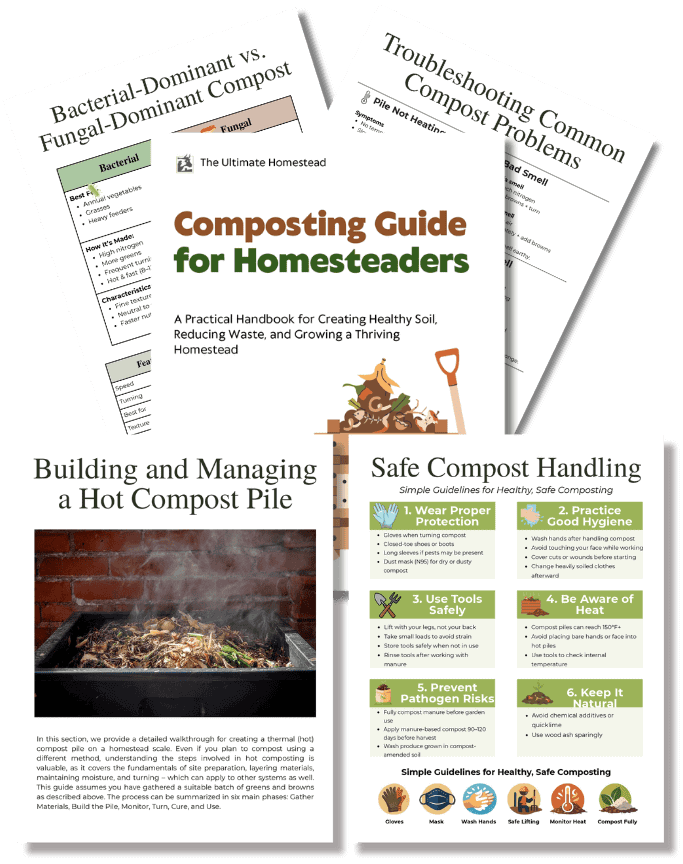
Composting Guide for Homesteaders
Turn kitchen scraps and yard waste into compost that actually feeds the garden — instead of a pile that smells, attracts pests, and never breaks down.
- 14 sections on composting methods, soil science, and troubleshooting
- The 7-step hot-compost system from start to finish
- Bonus tools: troubleshooting chart, safety guide, monitoring log