
Zone 13a Planting Calendar
Your July game plan for Zone 13a
A quick July briefing for Zone 13a gardeners — what's urgent, what's next, and what can wait.
Get the full Zone 13a Garden Planner — free →Zone 13a has an average minimum temperature range of 60°F to 65°F. The average last spring frost is around January 1 and the first fall frost is around December 31, giving you approximately 364 days in the growing season.
There are 1 plants in our database that grow well in Zone 13a.
No frost countdown needed. Frost is exceptional in this area — most years record zero frost days. Plan around heat and rainfall instead.
States That Include Zone 13a
Many states span multiple zones. The states highlighted below contain areas classified as Zone 13a.
Growing Season Comparison
All Planting Windows at a Glance
This chart shows when to start, transplant, sow, and harvest every plant in Zone 13a.
Vegetables for Zone 13a
| Plant | Start Indoors | Direct Sow | Transplant | Harvest | Days to Maturity |
|---|---|---|---|---|---|
| Microgreens | Dec 4 | Dec 11 | Jan 1 | Jan 8 – Feb 5 | 7–21 |
Recommended for Your Garden
Reduce heat stress and sun scorch in hot climates with UV-stabilized shade cloth.
Start seeds indoors with reusable cell trays and humidity domes.
Test your soil pH, nitrogen, phosphorus, and potassium levels before planting.
Frequently Asked Questions
What can I grow in Zone 13a?
Zone 13a supports 1 plants in our database including vegetables, herbs, fruits, and flowers. With a 364-day growing season (last frost ~January 1, first frost ~December 31), you can grow most common garden crops with proper timing.
What is Zone 13a?
USDA Zone 13a has an average annual minimum temperature of 60°F to 65°F.
When is the last frost in Zone 13a?
The average last spring frost in Zone 13a is approximately January 1. The first fall frost averages around December 31, giving a growing season of about 364 days. These dates are based on 50% probability — plan for some year-to-year variation.
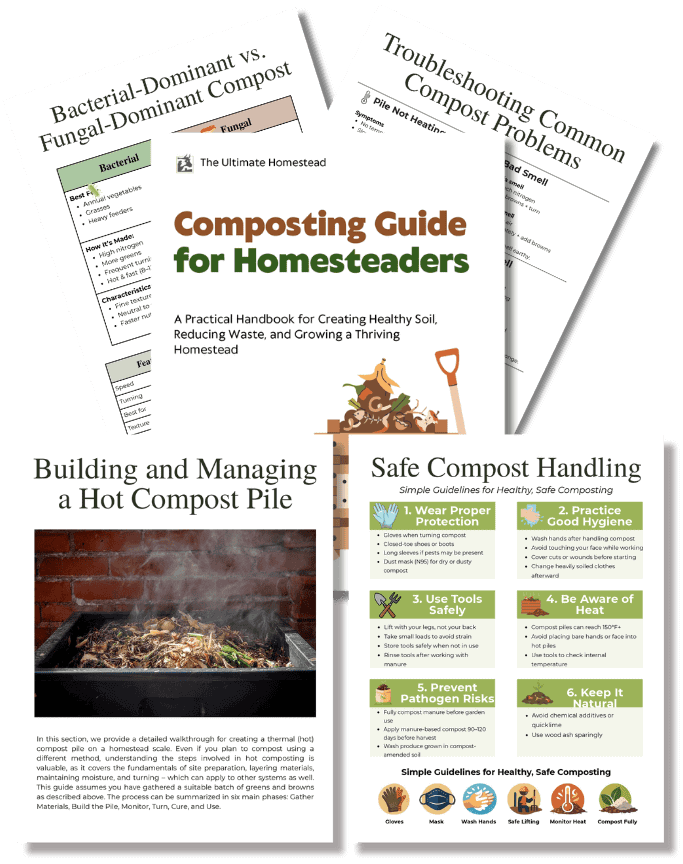
Composting Guide for Homesteaders
Turn kitchen scraps and yard waste into compost that actually feeds the garden — instead of a pile that smells, attracts pests, and never breaks down.
- 14 sections on composting methods, soil science, and troubleshooting
- The 7-step hot-compost system from start to finish
- Bonus tools: troubleshooting chart, safety guide, monitoring log