The sun is blazing, the soil is scorching, and most of your garden is throwing in the towel. Sound familiar?
Every summer gardener knows the frustration of watching carefully tended plants wilt, bolt, or simply give up when the heat hits.
But here's the secret: the right summer plants don't just survive the heat — they absolutely love it.
Whether you're growing flowers to brighten your yard, vegetables to stock your kitchen, or ground covers to fill in those sun-baked spots, this list has you covered.
These 13 easy summer plants that thrive in hot weather are low-fuss, proven performers that actually do better when temperatures rise.
13 Easy Summer Plants That Thrive in Hot Weather
Before we dive in, here's what these plants all have in common: they're drought-tolerant once established, they don't need babying in high heat, and most are beginner-friendly.
Whether you're working with containers, raised beds, or a sprawling backyard plot, at least a handful of these will suit your space perfectly.
1. Marigolds
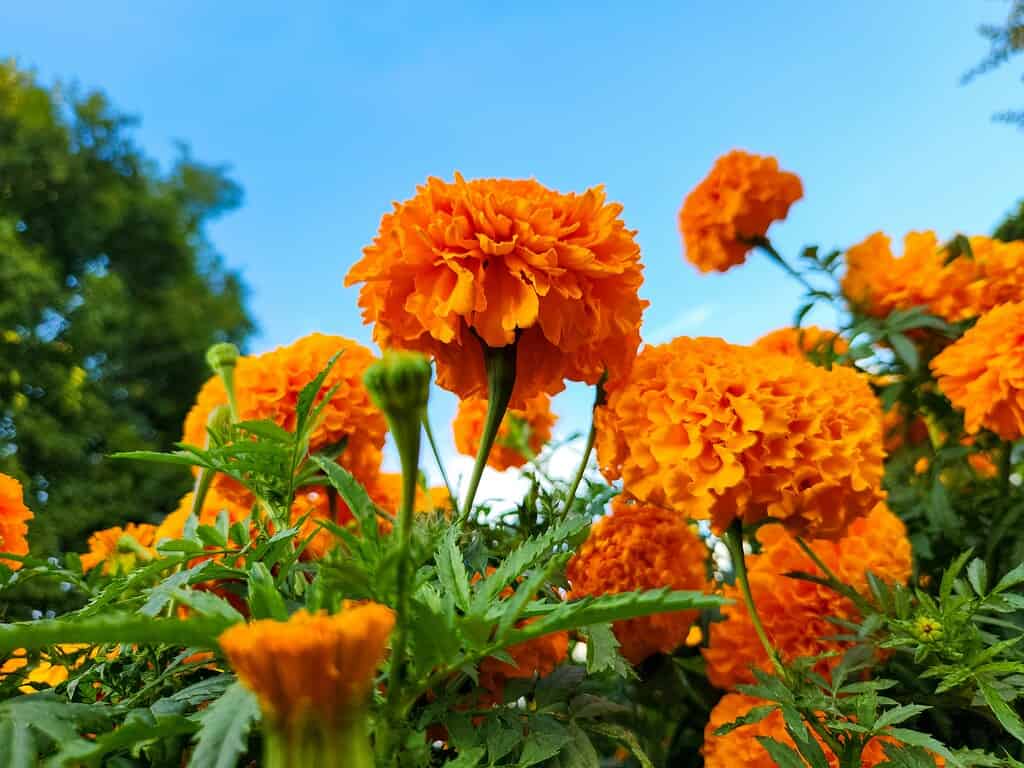
Marigolds are practically built for summer. These cheerful orange and yellow blooms love full sun and handle heat better than almost any other flowering annual.
They're also one of the most useful plants you can have in your garden — their scent deters aphids, whiteflies, and even some nematodes, making them ideal companion plants for vegetables.
Plant them at the edges of your beds or tuck them between tomatoes and peppers. They need very little water once established and just keep blooming all season.
For a step-by-step on getting them started, our guide on how to grow marigolds for a colorful garden walks you through everything from seed to full bloom.
2. Zinnias
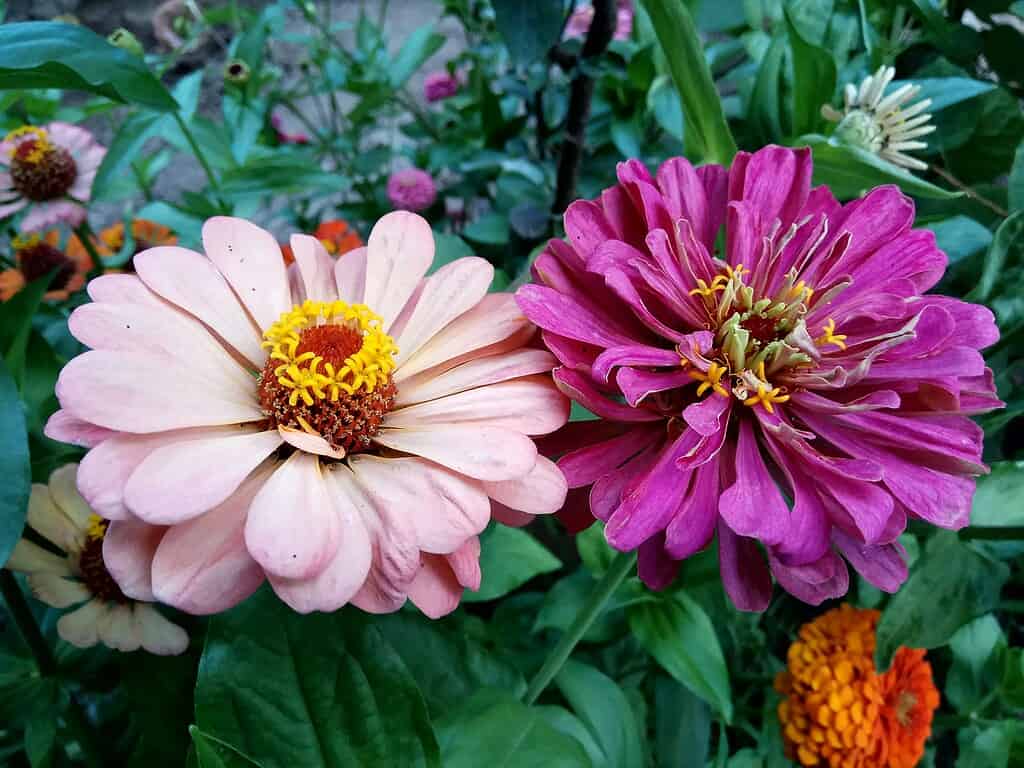
If you want big, bold color in the heat of summer, zinnias are your plant. They thrive in hot, dry conditions and actually struggle in cool, wet weather — so summer is when they truly shine.
Zinnias come in a huge range of colors and sizes, from compact dwarf varieties perfect for containers to tall, cutting garden types that can reach three feet.
Direct sow them in late spring after your last frost, give them full sun and occasional deep watering, and they'll reward you with weeks of blooms.
They're also incredible at attracting butterflies and pollinators, which means your entire garden benefits when you plant them.
3. Black-Eyed Susans
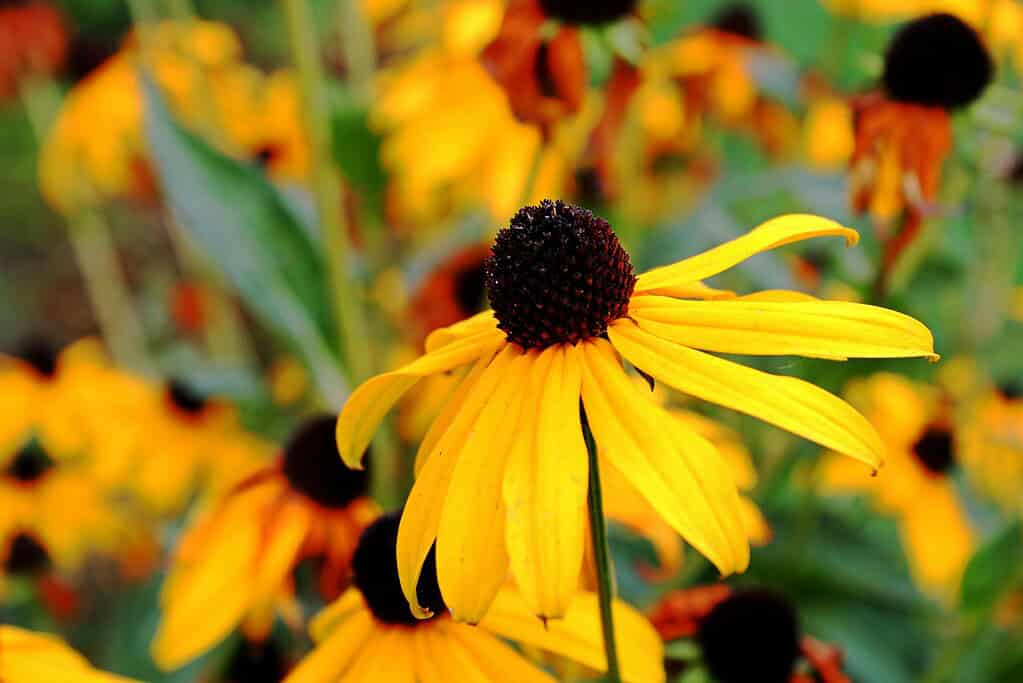
Black-eyed Susans are a native wildflower that's practically indestructible in summer heat.
Once established, they require almost zero care — they're drought-tolerant, deer-resistant, and spread naturally to fill in bare spots over time.
Their golden-yellow petals and dark centers provide a cheerful, cottage-garden look that pairs beautifully with other summer plants. They work especially well along fences and borders.
If you're thinking about creating a low-maintenance planting scheme along your fence line, our post on jaw-dropping ways to landscape along your fence has inspiring ideas that incorporate heat-hardy plants like these.
4. Portulaca (Moss Rose)
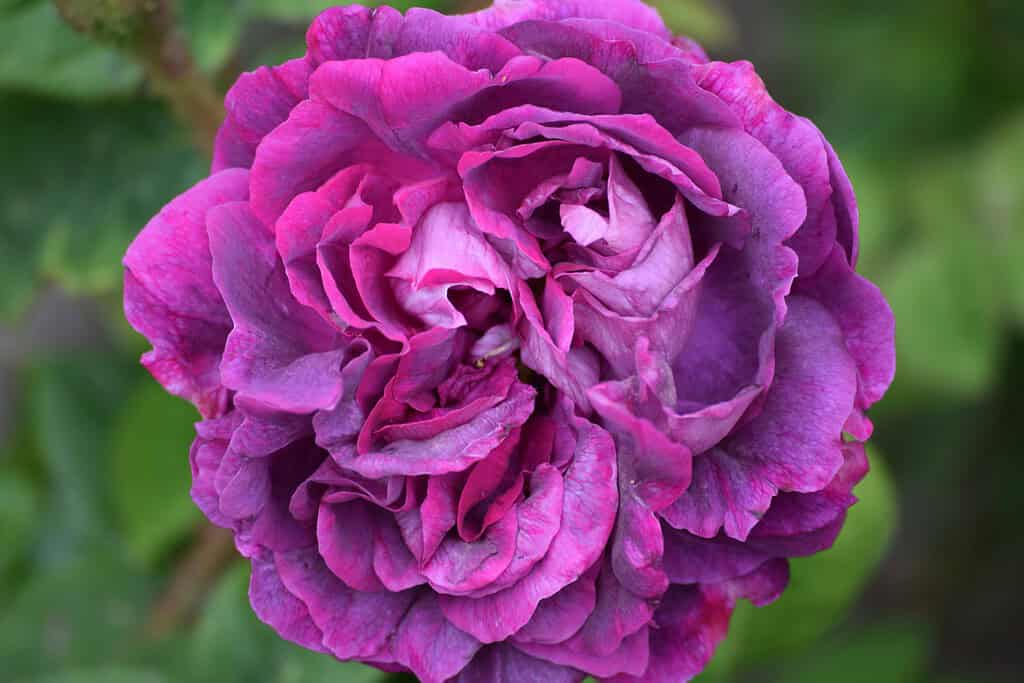
Portulaca, also known as moss rose, is one of the most heat- and drought-tolerant plants in existence. It thrives in poor, sandy, or rocky soil where other plants would immediately struggle.
Its succulent-like leaves store water, allowing it to go days between waterings without issue.
The flowers open in full sun and close at night or on cloudy days, creating a carpet of brilliant color — hot pink, orange, yellow, red, and white — that gets denser as summer heats up.
It's perfect for filling in gaps in a rock garden. For inspiration on how to incorporate heat-lovers like portulaca into a stone landscape, check out our rock garden landscaping ideas post.
5. Lantana
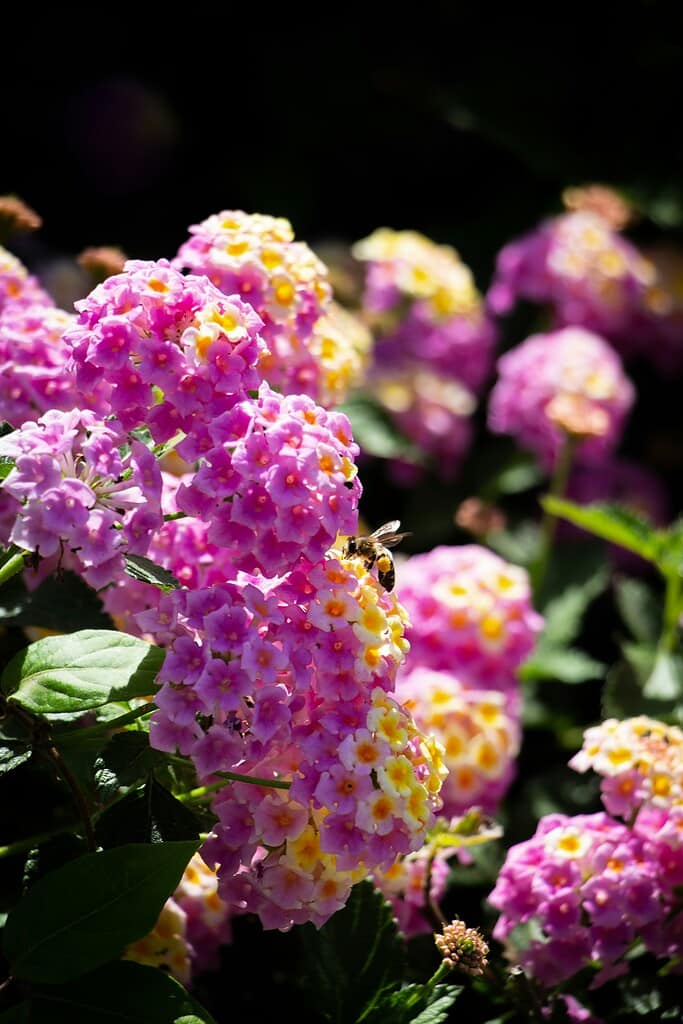
Lantana is a summer superstar that thrives in full sun and high heat, asking for almost nothing in return.
Its clusters of small, multi-colored flowers shift in shade as they age — often going from yellow to orange to red or pink on the same flower head — creating a constantly changing, vibrant display.
Lantana is exceptionally drought-tolerant once rooted and produces blooms non-stop from summer through frost. It's irresistible to butterflies and hummingbirds, and it works beautifully in containers, hanging baskets, or as a landscape filler.
If you're looking for easy container plants that can handle blazing patio conditions, our list of full sun container plants you'll wish you planted sooner is packed with great companions for lantana.
6. Basil
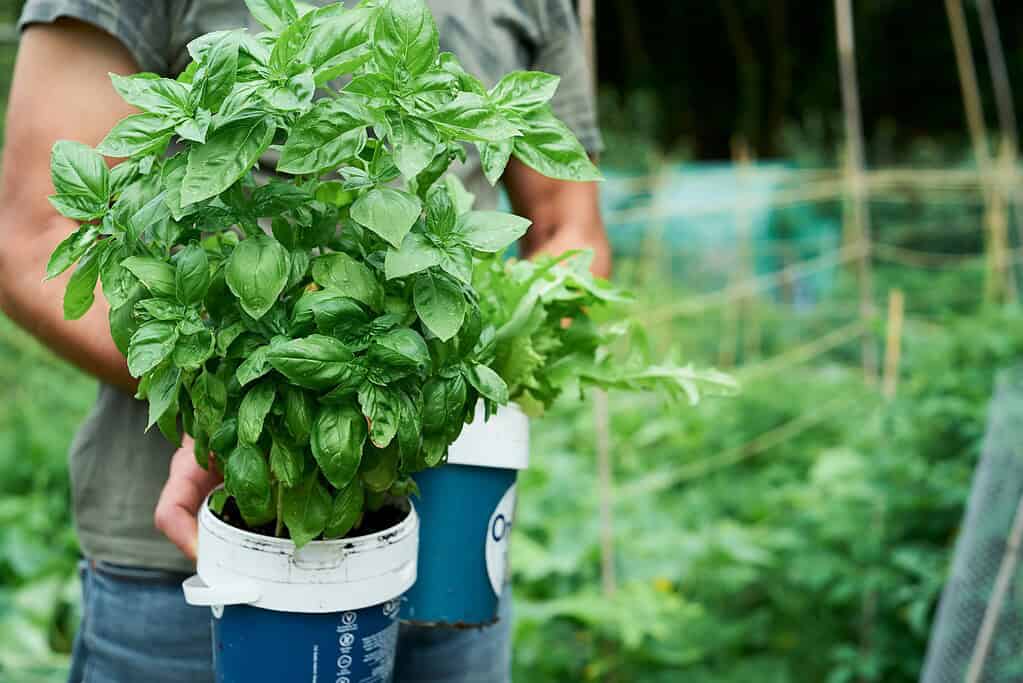
Among summer herbs, basil is king. It loves heat, grows rapidly in full sun, and produces lush, fragrant leaves all season long as long as you keep it from bolting.
Pinching off flower buds as soon as they appear keeps your plants leafy and productive well into late summer.
Basil also serves a functional role in the vegetable garden — planted near tomatoes, it's believed to improve flavor and repel certain pests.
Grow it in pots near your kitchen door for the freshest possible access to one of summer's most essential herbs.
7. Sunflowers
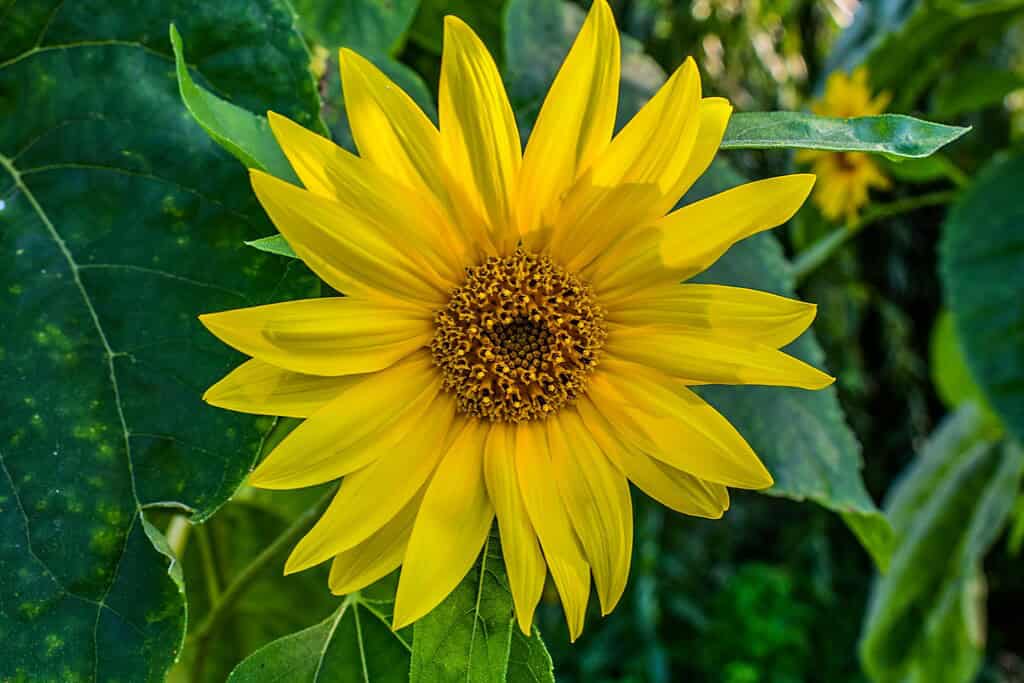
Sunflowers are the icon of summer for a reason — they literally follow the sun and thrive in the hottest, sunniest conditions your garden can offer.
Once established, they require minimal watering and are surprisingly tough. They grow fast from direct-sown seed, making them one of the best summer plants for beginner gardeners or anyone wanting near-instant results.
Beyond their visual impact, sunflowers attract birds and pollinators, produce edible seeds, and can even act as a natural trellis for climbing plants.
Choose from giant varieties that reach 10+ feet or shorter, multi-branching types better suited for smaller spaces or cut flower gardens.
8. Squash
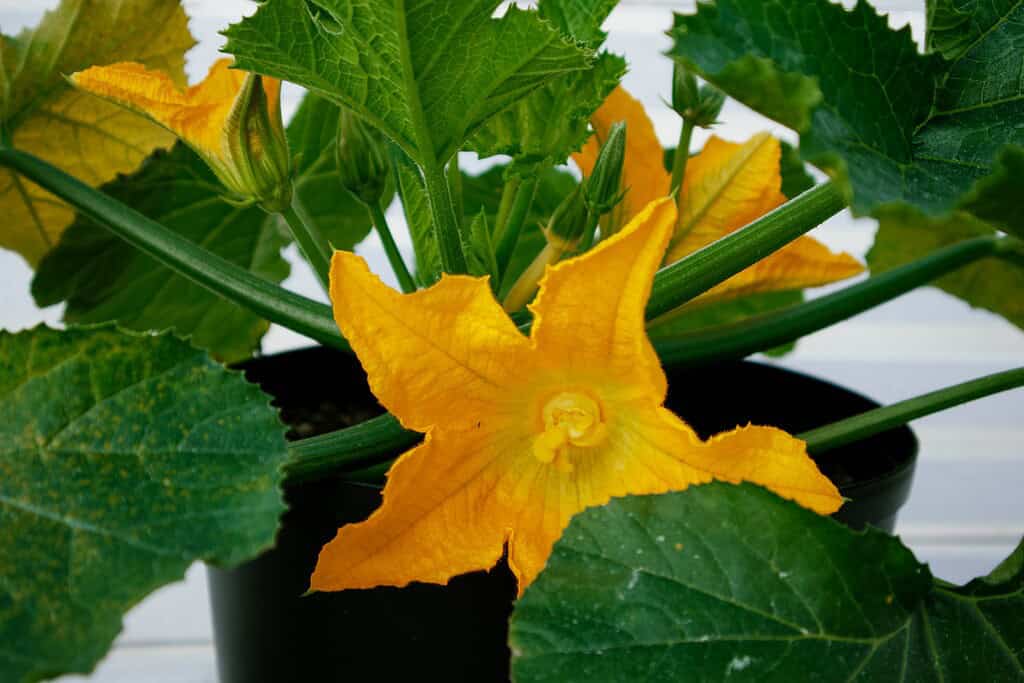
Summer squash — including zucchini, yellow squash, and pattypan — is one of the most productive vegetable crops you can grow in the heat.
It loves warm soil, full sun, and consistently warm nights, making midsummer its absolute peak season. One or two plants can produce more squash than a family can eat, so plan accordingly.
Water at the base, not overhead, to prevent powdery mildew, and harvest frequently to keep plants producing.
Growing squash does come with a few tricks to get right — our guide on how to grow squash successfully covers spacing, pollination tips, and how to avoid the most common mistakes.
9. Creeping Thyme
Creeping thyme is a low-growing, spreading herb that handles summer heat and drought with ease.
It forms a dense, fragrant mat of tiny leaves and tiny purple or pink flowers that bloom in midsummer.
It's deer-resistant, virtually pest-free, and handles light foot traffic — making it an excellent ground cover for pathways, stepping stones, or sunny slopes where other plants struggle.
As a bonus, you can harvest the leaves for cooking just like regular thyme.
For detailed tips on growing and caring for this versatile plant, our post on how to grow and care for creeping thyme has everything you need.
10. Vinca (Catharanthus)
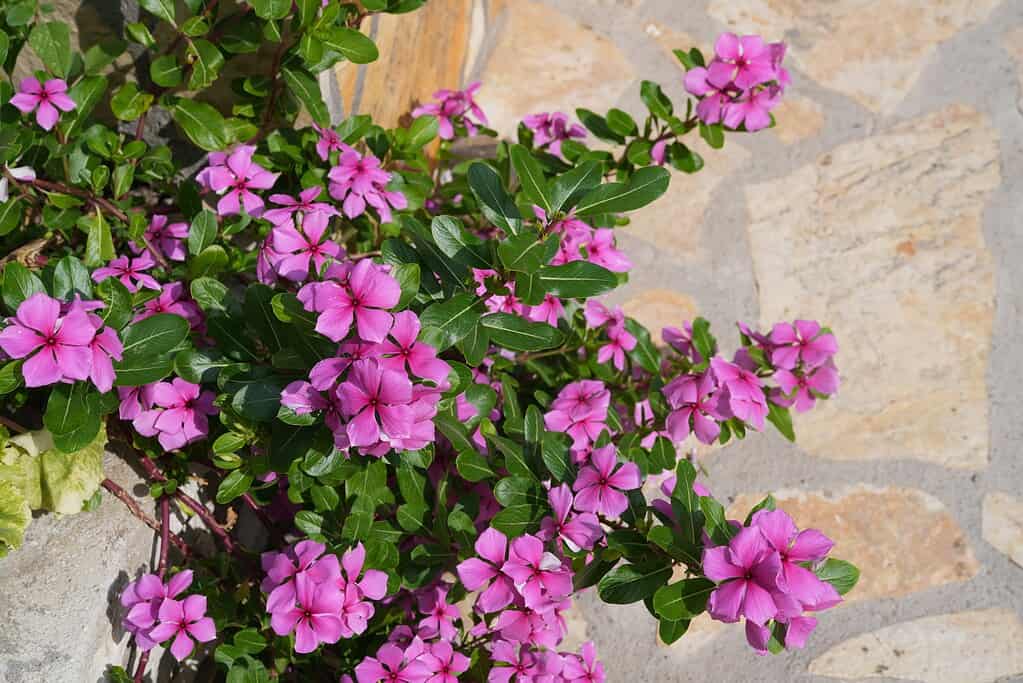
Annual vinca, also known as Madagascar periwinkle, is one of the most heat-tolerant flowering plants available.
Unlike impatiens, which collapse at the first sign of drought or heat, vinca thrives in those same conditions.
It produces a continuous flush of five-petaled flowers in white, pink, red, lavender, and bi-colors from late spring all the way to frost.
It's perfect for sunny borders, foundation plantings, or containers that bake on a south-facing patio.
Give it good drainage, full sun, and it will ask for almost nothing else while delivering months of reliable color.
11. Pentas
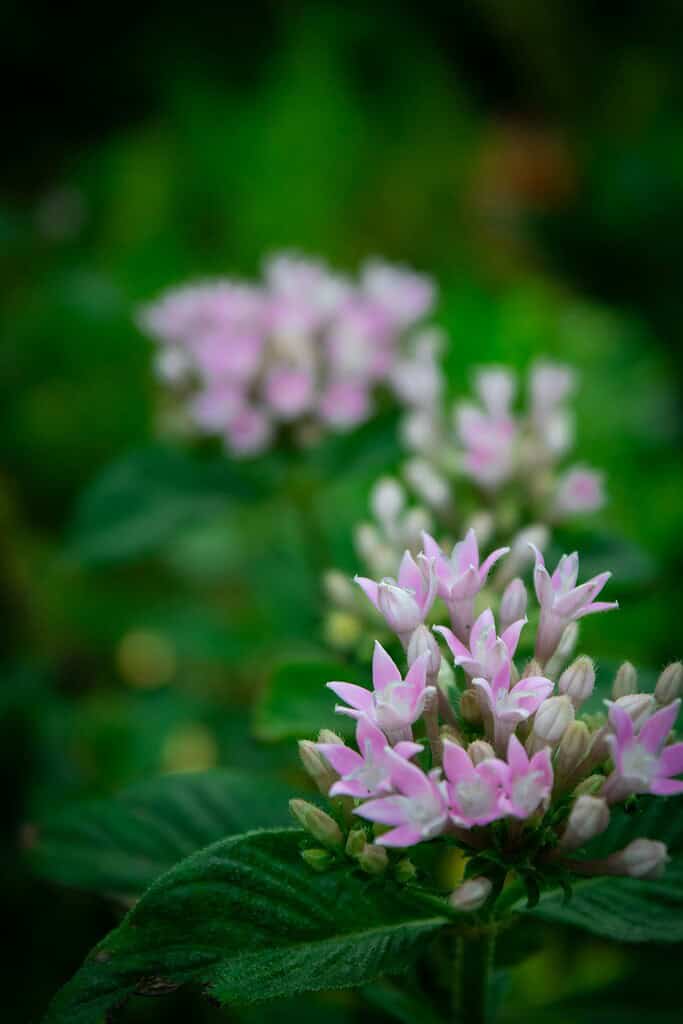
If you want to attract butterflies and hummingbirds to your garden all summer, pentas — also called Egyptian star flowers — are one of the best choices you can make.
They absolutely love heat and humidity, which is why they're a staple in Southern gardens but thrive in any region with a warm summer.
Their star-shaped flower clusters come in red, pink, white, and lavender, and they bloom continuously without deadheading.
Plant pentas in your sunniest spots in the ground or in containers and you'll have a pollinator magnet all season long.
12. Sweet Potato Vine
Sweet potato vine is grown for its striking foliage — in shades of chartreuse green, deep burgundy, copper, and near-black — rather than for edible tubers, though the tubers are technically edible.
It's a vigorous grower that loves heat and thrives in containers, hanging baskets, or as a colorful ground cover.
It fills in quickly, spills beautifully over the edges of pots, and tolerates heat and some drought far better than most foliage plants.
Pair it with bright flowers like zinnias, lantana, or marigolds for a stunning, low-maintenance summer container display.
If you're building a container garden setup, our gorgeous patio plants that are surprisingly easy to grow guide has excellent pairing ideas.
13. Ornamental Peppers
Ornamental peppers are a fun, underused summer plant that brings both color and drama to the garden.
They produce masses of small, upright peppers in vivid shades of purple, yellow, orange, and red — often on the same plant at the same time — creating a multi-colored fireworks effect.
They love full sun and heat, require only moderate watering, and work wonderfully in containers or as edging plants in vegetable and flower beds.
The peppers are technically edible (and quite hot), but they're primarily grown for their ornamental value. They're a great conversation starter and a unique way to add heat-loving interest to any summer garden.
When Should You Plant in Your Area?
Enter your ZIP code for personalized frost dates, planting schedules, and growing tips.
How to Set Your Summer Plants Up for Success From Day One
Even the most heat-tolerant plants will struggle if they're planted into poor conditions or left without any establishment support. Here's what actually makes the difference in summer gardens.
Water deeply but infrequently. Deep watering encourages roots to grow downward, where the soil stays cooler and moister.
Shallow, frequent watering keeps roots near the surface where heat and drought stress them quickly.
Most of the plants on this list prefer to dry out slightly between waterings rather than sit in consistently moist soil.
Mulch everything. A two- to three-inch layer of organic mulch around your plants does more for summer success than almost anything else. It regulates soil temperature, retains moisture, and suppresses weeds that compete for resources during the hot months.
This becomes even more critical if you're growing in raised beds, which tend to heat up and dry out faster than in-ground beds.
If you're using or considering raised beds, our post on the truth about metal raised garden beds is worth reading before you invest.
Time your planting correctly. Most summer plants perform best when they're planted after the soil has warmed up — generally once nighttime temperatures stay consistently above 55°F.
Planting too early in cold soil can stunt growth even for heat-loving varieties.
For a comprehensive planting timeline, our go-to vegetable planting calendar for a productive garden is an invaluable reference you'll return to season after season.
The Best Spots in Your Yard for Hot-Weather Plants
Not every corner of your yard heats up equally, and knowing where to place your heat-tolerant plants makes a real difference in how well they perform.
South-facing and west-facing areas receive the most direct sun and heat throughout the day, making them perfect for the full-sun lovers on this list like lantana, zinnias, portulaca, and ornamental peppers.
Slopes and elevated areas also tend to drain faster and warm up more quickly in spring, giving heat-loving plants a head start. Areas near brick walls, stone pathways, or pavement absorb and radiate extra heat — great for plants like creeping thyme and vinca that love warm conditions.
If you're working with limited space but still want maximum impact, containers are a fantastic option for many of the plants on this list.
The key is choosing the right pot size and soil mix. Our beginner's guide to garden pots breaks down what actually works so you don't end up with wilting container plants mid-July.
And if you have a challenging spot — partial shade from a tree or building — don't lose heart. While most of our list wants full sun, a few plants like creeping thyme can tolerate some afternoon shade.
For spaces that are mostly shaded, our beautiful shade garden ideas post will give you a whole different set of plants to consider.
Free Planting Guides for This Article
Get exact planting dates, frost schedules, and growing tips for your zone:
Combining Summer Plants for a Stunning, Low-Maintenance Display
The plants on this list don't have to be grown in isolation — in fact, they look and perform best when thoughtfully combined.
Pairing plants with different heights, textures, and bloom times creates a layered garden that stays interesting from early summer through fall without requiring constant intervention.
Try combining tall sunflowers or ornamental peppers in the back with mid-height zinnias, marigolds, or pentas in the middle, and low-growing portulaca, creeping thyme, or sweet potato vine as a front edge or spiller. This classic thriller-filler-spiller approach works beautifully in both ground beds and large containers.
For vegetables, pair squash and basil together — they complement each other in the kitchen and in the garden.
If you're planning a cottage-style bed that mixes flowers with edibles, our guide to what to plant with roses for a lush cottage garden look is full of ideas that translate beautifully to any mixed planting.
And for those building a dedicated front yard garden or entrance planting with heat-tolerant varieties, check out how to design a low-maintenance front yard garden for a practical layout and plant list.
Start Your Heat-Loving Garden This Weekend
You don't need perfect conditions, expensive supplies, or a green thumb to grow a beautiful summer garden. You just need the right plants — ones that are genuinely bred and adapted to thrive when the temperature climbs.
Every plant on this list is available at most garden centers, grows easily from seed or transplant, and will reward you with color, food, or fragrance all summer long with minimal fuss.
Pick two or three from the list to start with, get them in the ground or in containers, and watch how much easier summer gardening becomes when you're working with the heat instead of against it.
If you want even more planting inspiration before your next garden center trip, don't miss what to plant in June for fast-growing garden winners — it pairs perfectly with this list for a full early-summer planting plan.
Which of these summer plants are you most excited to try? Drop a comment below and share what's growing in your hot-weather garden this season — we'd love to hear what's working for you!
How Hard Is It to Garden in Your County?
Every county has a unique Gardening Difficulty Score based on frost risk, soil quality, drought, altitude, and climate trends. Find yours — plus personalized frost dates, planting calendars, and soil data.
Check Your County's Score →Ready to Design Your Dream Garden Bed?
Feeling inspired to build something beautiful?
If you’re ready to go beyond just one garden bed and truly design a space that feels intentional, productive, and charming, I put together something special for you.
Inside 101 Garden Bed Ideas, you’ll find creative layouts, raised bed designs, space-saving solutions, and inspiring setups you can actually recreate in your own yard – whether you’re working with a tiny backyard or a full homestead.
Start planning your dream garden today.

Frequently Asked Questions
What is the best time of day to water heat-tolerant summer plants?
Early morning is the ideal time to water heat-tolerant summer plants.
Watering in the morning allows moisture to reach the roots before the heat of the day causes rapid evaporation, and it gives foliage time to dry before evening, which reduces the risk of fungal diseases.
Avoid watering in the middle of the day when evaporation is highest, and try to avoid late-evening watering, which can leave leaves and soil surface wet overnight and invite disease problems.
Can I grow these summer plants in containers if I don't have a garden bed?
Absolutely — many of the plants on this list are actually ideal for containers, including lantana, portulaca, sweet potato vine, vinca, pentas, basil, and ornamental peppers.
The key is choosing a container large enough to hold adequate moisture between waterings, using a high-quality potting mix, and placing containers in a spot that gets the right amount of direct sun.
Container plants typically need more frequent watering than in-ground plants, so check them daily during peak summer heat and water thoroughly when the top inch of soil feels dry.
How do I prevent my summer plants from getting leggy or overgrown?
Legginess in summer plants is usually caused by insufficient light or by skipping the regular pinching and deadheading that keeps plants bushy and productive.
For flowering plants like zinnias, marigolds, and pentas, deadheading spent blooms redirects energy into new flower production rather than seed setting.
For herbs like basil, pinching off any flower buds the moment they appear keeps the plant compact and focused on producing flavorful leaves.
Most of the plants on this list naturally stay more compact and bushy when they receive full, direct sun rather than partial shade.
Are any of these summer plants toxic to pets or small children?
Yes, a few plants on this list do warrant caution around pets and small children.
Lantana berries are toxic to dogs, cats, and humans if ingested, so it's wise to plant them in areas where pets and young children don't have free access.
Ornamental pepper fruits are technically edible but extremely spicy and can cause significant discomfort if handled and then rubbed near eyes or ingested by children or pets not expecting the heat.
Sweet potato vine tubers are non-toxic, and most of the other plants on this list — including zinnias, marigolds, sunflowers, and basil — are considered non-toxic. Always check the ASPCA's toxic plant database for your specific pet breed and sensitivity level before planting.
How do I know if my summer plants are suffering from heat stress versus underwatering?
Heat stress and underwatering can look very similar — both cause wilting, leaf curl, and dull coloration — but the key difference is timing and recovery.
Plants suffering from underwatering will wilt during the hottest part of the day but also stay wilted in the cool of the morning before they've been watered.
Plants experiencing heat stress, on the other hand, may wilt during the afternoon peak but recover on their own by evening as temperatures drop.
To distinguish between the two, check your soil: if it's bone dry two inches down, you have a watering issue. If the soil is still moist but the plant looks stressed, it's likely temporary heat stress that will resolve itself as temperatures cool overnight.
Level Up Your Garden
Our most popular gardening guides