Most spring gardens are won or lost in October.
Those tulips, daffodils, and crocuses that make neighbors slow their cars down in April? They were tucked into the ground months earlier, while everyone else was busy raking leaves.
Planting bulbs in fall is one of the lowest-effort, highest-payoff jobs in the entire gardening year. You dig a hole, drop in a bulb, cover it up, and basically forget about it until spring does the rest. No watering schedule. No fussing.
This guide skips the recycled tips you’ve read a hundred times and gives you the stuff that actually moves the needle — the soil-temperature trick the calendar won’t tell you, which bulbs are worth your money, and how to stop squirrels from treating your beds like an all-you-can-dig buffet.
Why Fall Is the Only Time to Plant Spring Bulbs

Spring bulbs aren’t just better planted in fall — for most of them, it’s the only way they’ll ever bloom.
Bulbs like tulips, daffodils, hyacinths, and crocus need a long stretch of cold, usually 12 to 16 weeks below 45°F, to trigger the chemical changes inside that switch on flowering. Gardeners call this vernalization. Skip the chill and you get leaves but no blooms.
So when you plant in autumn, you’re not really planting a flower. You’re planting a tiny pre-packed energy battery and letting winter flip the switch for you.
The roots quietly grow underground all through the cold months while the top sits dormant, which is exactly why spring bulbs explode out of the ground the moment the soil warms.
If you’re newer to growing your own food and flowers and want the bigger picture on working with the seasons instead of against them, our overview of the homesteading lifestyle is a friendly place to start.
Garden Planner
The 22-page planner timed to your county's real frost dates. Planting windows, monthly checklists, and a harvest log you'll fill with pride by August.
Your Free 22-Page Garden Planner
Built for your exact ZIP code — planting dates, harvest log, and a month-by-month plan. 15-second sign-up.
Timing It Right: Watch the Soil, Not the Calendar

The advice you’ll see everywhere is “plant 6 weeks before the ground freezes.” That’s vague and honestly not very useful.
Here’s the sharper version:
Plant when your soil temperature at 6 inches deep drops to around 50–55°F and stays there. That’s the sweet spot where bulbs root well without sprouting prematurely.
A cheap soil thermometer (the same kind you’d use for compost or seed starting) takes the guesswork out completely.
As a rough regional guide:
- Cold climates (Zones 3–5): September into mid-October
- Mild climates (Zones 6–7): October into November
- Warm climates (Zones 8–10): late November into December — and you’ll likely need to pre-chill (more on that below)
Because timing hinges on your local frost window, it pays to know your actual dates rather than going by the month.
You can pin those down with a zone-specific planting guide built around your area’s frost schedule.
Pro tip: Missed the window and the surface is already frozen? Don’t panic-store them in a warm garage, where they’ll either rot or sprout.
As long as you can still get a trowel into the ground, get them in. A late bulb in cold soil beats a perfect bulb baking in storage every time.
Choosing Bulbs That Actually Come Back

Not all bulbs are created equal when it comes to returning year after year.
Some naturalize beautifully and multiply on their own. Others are essentially one-and-done in most gardens, which is why your tulips looked amazing the first spring and pathetic the second.
Reliable repeaters (naturalizers) — plant once, enjoy for years:
- Daffodils (narcissus) — practically indestructible and critter-proof
- Crocus
- Alliums (ornamental onion)
- Scilla (squill)
- Grape hyacinth (muscari)
- Snowdrops (galanthus)
Often one-season wonders — gorgeous, but treat them as short-term:
- Most large hybrid tulips
- Many hyacinths (they shrink and weaken after year one)
If you want a low-maintenance, money-smart bed, lean heavily on naturalizers and use hybrid tulips as accent splurges. Stretching your dollar further is a whole skill in itself — if that’s your goal, these budget-friendly garden ideas pair nicely with smart bulb choices.
Miss it by a week and you lose the crop. The free 22-page planner pins down your exact dates — last frost, first frost, and the weekly steps between — so you plant on the days that actually work for your ZIP.
How to Plant Bulbs in Fall, Step by Step

The whole process takes minutes once you know the rules. Here’s the no-nonsense version:
- Loosen the soil about 3 inches below your planned planting depth so roots can push down easily.
- Set the depth at roughly 2 to 3 times the bulb’s height. A 2-inch tulip bulb goes about 6 inches deep; a small crocus goes 2–3 inches.
- Point side up — the pointy end is the shoot, the flat or rooty end goes down.
- Space them about 2–3 bulb-widths apart. Cluster them in groups of 7+ for natural-looking drifts instead of lonely soldiers in a row.
- Backfill and firm gently to remove air pockets.
- Water once, well. This settles the soil and triggers rooting. After that, leave them alone — winter moisture does the rest.
When You Can’t Tell Which End Is Up
Some bulbs and corms (anemones, ranunculus, certain fritillaria) have no obvious top or bottom. Don’t agonize over it — plant them on their side.
Roots and shoots both respond to gravity and will reorient themselves underground.
For anemones and ranunculus, soak the dried corms in room-temperature water for 3–4 hours first so they plump up and root faster.
Planting Deeper Than You Think
A quiet secret of pro gardeners: planting an inch or two deeper than the package recommends helps in two ways.
It protects bulbs from frost heave (the freeze-thaw cycle that pushes them to the surface) and makes life much harder for digging squirrels. Just don’t overdo it in heavy clay, where deep equals soggy.
The Layering Trick for Nonstop Spring Color

This is the technique that separates a nice spring display from a jaw-dropping one, and almost nobody talks about it.
It’s called bulb lasagna — planting different bulbs in layers in the same hole or container, stacked by depth and bloom time.
Because bigger bulbs sit deeper and smaller ones sit higher, they don’t compete, and they bloom in succession from one spot:
- Bottom layer (deepest): large late bloomers — tulips, daffodils
- Middle layer: mid-season — hyacinths, larger crocus
- Top layer (shallowest): early risers — snowdrops, crocus, muscari
The result is one patch of ground that blooms for six to eight weeks straight instead of a single brief show. It works brilliantly in pots too, which makes it perfect if you’re gardening on a balcony or small-space setup where every inch counts.
Best gardening planner I've used in 10 years — and I keep coming back to it every season.
Free Planting Guides for This Article
Get exact planting dates, frost schedules, and growing tips for your zone:
Prepping the Soil So Your Bulbs Don’t Rot

The number-one killer of fall bulbs isn’t cold — it’s wet feet. Bulbs sitting in soggy soil rot before they ever bloom. Drainage is everything.
Two things to get right:
- Skip the gravel-in-the-hole myth. Dropping a handful of gravel at the bottom of each hole doesn’t improve drainage — it actually creates a “perched water table” where water pools right above the gravel layer. Instead, amend the whole planting area with compost or coarse organic matter so the entire bed drains evenly.
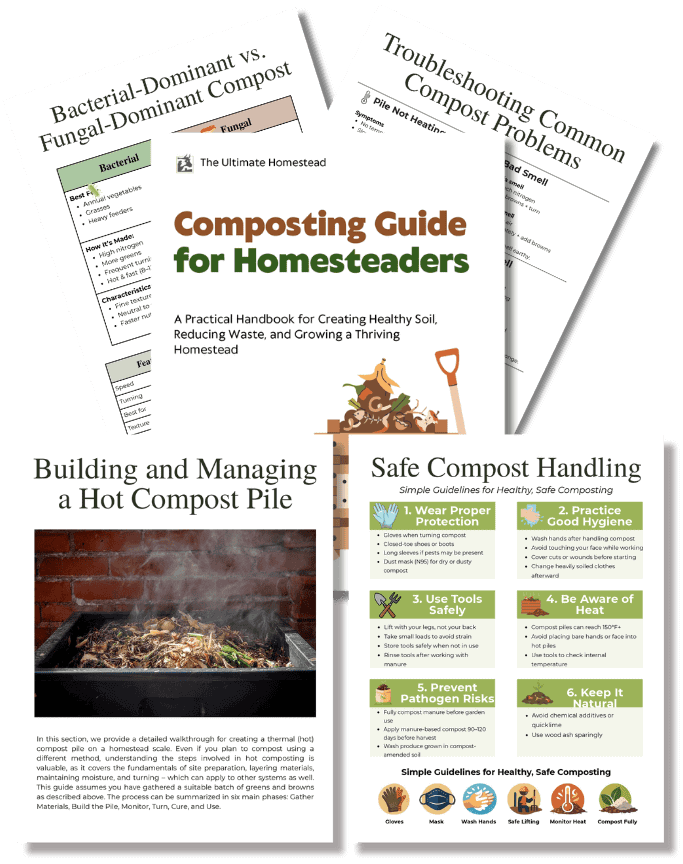
- Feed with compost, not just bone meal. Bulbs come pre-loaded with most of what they need for year one, so a generous helping of finished compost worked into the bed does more long-term good than a scoop of fertilizer. If you don’t have a pile going yet, our guide to composting for beginners will get you producing your own in a few weeks.
Keeping Squirrels and Critters from Digging Up Your Bulbs
Squirrels and chipmunks will absolutely sniff out a fresh tulip planting and treat it like buried treasure. Most “solutions” online don’t work (sprinkling blood meal just washes away in the first rain).
Here’s what actually does:
- Plant a daffodil or allium “guard ring.” Rodents won’t touch them — they’re mildly toxic and taste awful — so bordering tasty tulips with them creates a natural deterrent.
- Lay chicken wire or hardware cloth over the bed just under the mulch. Shoots grow right through the gaps in spring; paws can’t dig through.
- Clean up the papery bulb skins (tunics) you peel off while planting. That debris smells like food and is basically a dinner bell.
- Water thoroughly after planting to settle the soil and tamp down the fresh-dug scent that draws them in.
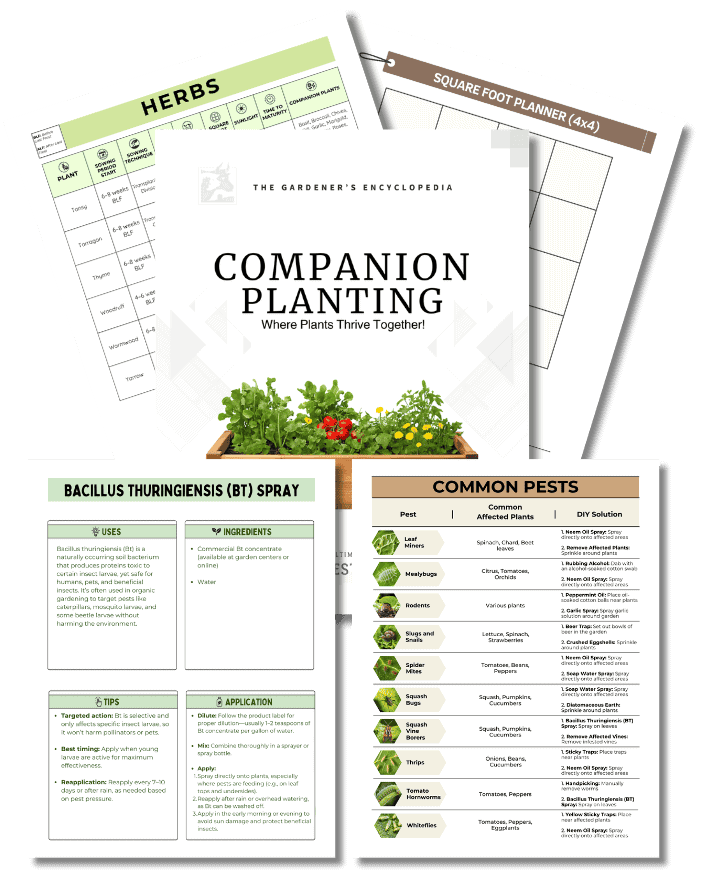
Daffodils’ built-in toxicity is the same reason they’re a smart pick in deer country, much like choosing the right plant pairings in a veggie bed — the same logic behind companion planting, where one plant protects another.
- Beans
- Cucumbers
- Squash
- Sweet Corn
- Basil
- Okra
Warm-Climate Gardeners: How to Pre-Chill Your Bulbs

If you’re in Zone 8 or warmer, your winters never get cold enough to vernalize tulips, hyacinths, and crocus — so you have to fake winter in your fridge.
- Place bulbs in a paper bag or mesh sack in the crisper drawer for 10 to 14 weeks before planting.
- Keep them far away from apples, pears, and bananas. Ripening fruit releases ethylene gas, which kills the flower bud inside the bulb. This one detail ruins more warm-climate bulbs than anything else.
- Plant the chilled bulbs out in late fall or early winter once soil cools, and treat them as annuals — they rarely rebloom in hot climates.
How Hard Is It to Garden in Your County?
Every county has a unique Gardening Difficulty Score based on frost risk, soil quality, drought, altitude, and climate trends. Find yours — plus personalized frost dates, planting calendars, and soil data.
Check Your County's Score →Stocking Up Without Breaking the Bank
Bulbs add up fast once you start dreaming big.
A few ways to keep costs down: buy in bulk bags rather than pretty pre-packaged singles, split orders with a neighbor, and shop end-of-season clearance (late-fall bulbs are often half price and still perfectly viable).
For more money-saving angles that apply far beyond bulbs, our tips on starting a garden on a budget are worth a look.
And if you’d rather grow bulbs in containers, you can repurpose almost anything with drainage — these creative planter ideas translate perfectly to bulbs.
Get Your Bulbs in the Ground This Weekend
Spring color is decided in autumn, so the single best thing you can do is simple: pick a weekend, grab a trowel, and get those bulbs planted before the ground hardens.
Start with a handful of foolproof daffodils or crocus if you’re nervous — they’re nearly impossible to mess up — and build from there next year.
Remember the three things that matter most: plant at the right soil temperature, give them good drainage, and choose naturalizers for color that returns.
Do that, and you’ll be the one with the car-stopping garden come April.
Now it’s your turn — which bulbs are you planting this fall? Drop a comment below and let us know what’s going in your garden (and any squirrel battles you’ve won)!
Plan Your Garden With Confidence!

Ever start planting… and then realize halfway through that things feel a little scattered?
A simple plan changes everything.
When you sketch your layout first, you can see what fits, what flows, and what actually makes sense for your space. It saves time, money, and a whole lot of second-guessing later.
Our free Garden Planner helps you map out beds, organize plant spacing, rotate crops, and keep track of seasonal tasks – all in a clean, printable format you can actually use.
Whether you’re designing a low maintenance front yard or planning your full homestead garden, this gives you a clear starting point.
Less chaos. More clarity. A garden that works.
Frequently Asked Questions
How long after planting will fall bulbs bloom in spring?
It depends on the type. Early bloomers like crocus, snowdrops, and muscari often appear as soon as late winter, sometimes pushing through snow.
Daffodils and hyacinths follow in early-to-mid spring, and most tulips bring up the rear in mid-to-late spring. Plant a mix of early, mid, and late varieties and you can have continuous color for two months or more.
Can I leave potted bulbs outside through winter?
You can, but pots are more vulnerable than the ground because the soil freezes solid from all sides, which can damage roots. In Zones 6 and warmer, most potted bulbs survive fine if you cluster the pots together against a wall and mulch over the top.
In colder zones, move pots into an unheated garage, shed, or against the house foundation where they’ll stay cold but not deep-frozen. Use frost-proof containers — terracotta cracks.
Do fall-planted bulbs need watering over winter?
Generally no. Water them once at planting to kick off root growth, then let nature handle it. Winter rain and snowmelt usually provide plenty of moisture, and overwatering is far more likely to rot bulbs than underwatering.
The exception is an unusually dry, snowless winter — if the soil is bone-dry for weeks, a single deep watering during a thaw helps.
What should I do with bulbs if the ground freezes before I plant them?
Don’t store them in a warm spot — heat makes them sprout or shrivel. Keep them in a cool (35–50°F), dark, dry, well-ventilated place like an unheated basement or garage, in a paper bag with some ventilation. They’ll usually hold for several weeks.
If a winter thaw softens the ground at all, get them in then. As a last resort, you can pot them up and overwinter the pots cold, then transplant in early spring.
Can I plant bulbs under trees or in shady spots?
Yes, with the right timing. Many spring bulbs — crocus, snowdrops, scilla, early daffodils — bloom before deciduous trees leaf out, so they get full sun exactly when they need it and don’t mind the summer shade once they’ve gone dormant.
Avoid planting under evergreens or in spots that stay damp and dark year-round, and steer clear of the densest tree-root zones where bulbs struggle to establish.
Level Up Your Garden
Our most popular gardening guides