Most people treat fall like the end of the gardening year — the season you clean up, not the one you plant. That’s backwards.
Cool air and still-warm soil make autumn one of the best windows of the entire year to get plants in the ground, and the right flowers will hand you weeks of color long after your tomatoes have called it quits.
The catch is that “fall flowers” lists tend to recycle the same five plants and the same generic advice. This one digs a little deeper.
You’ll find the expected stars and a few underused gems that thrive when everything else is fading — along with the specific tips that decide whether your plants limp through October or steal the show.
Let’s get planting.
Why Planting in Fall Beats Planting in Spring
This is the part that surprises people. In autumn, the soil is still holding summer’s warmth while the air has cooled off — which is exactly what roots want.
The plant isn’t fighting heat stress or racing to flower, so it pours its energy underground. By the time spring arrives, you’ve got an established root system instead of a transplant playing catch-up.
A few things stack the odds in your favor:
- Less watering. Cooler air and more frequent rain mean you’re not babysitting a hose every evening.
- Fewer pests. Many insects are winding down, so tender new growth gets eaten less.
- Cheaper plants. Garden centers slash prices on perennials in fall to clear stock.
Before you plant, work a few inches of finished compost into the bed — it’s the single best thing you can do for root development. Never made your own? Here’s how to start composting from kitchen scraps without any fancy equipment.
Garden Planner
The 22-page planner timed to your county's real frost dates. Planting windows, monthly checklists, and a harvest log you'll fill with pride by August.
Your Free 22-Page Garden Planner
Built for your exact ZIP code — planting dates, harvest log, and a month-by-month plan. 15-second sign-up.
15 Top Fall Flowers to Plant This Season
Here are 15 top fall flowers to plant this season, perfect for adding rich color, texture, and seasonal charm to your garden as summer fades.
1. Hardy Garden Mums
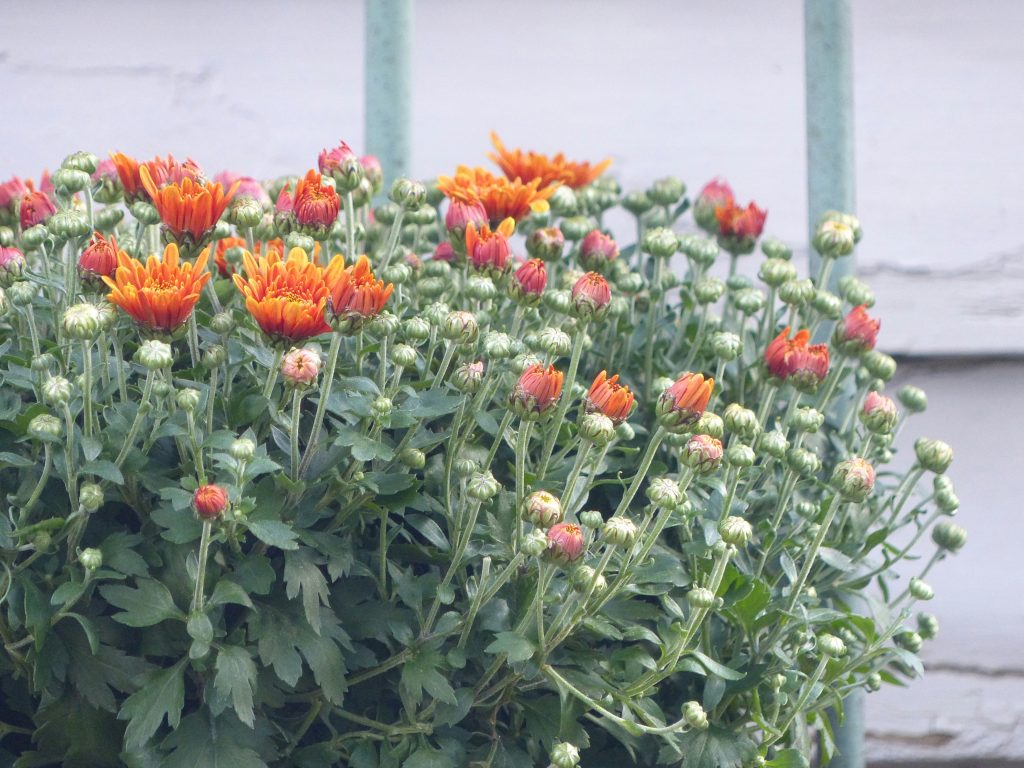
A secret nobody at the garden center tells you: the mums piled up by the entrance in September are mostly bred to bloom hard and die.
If you want mums that come back year after year, buy them in spring and get them in the ground by midsummer so the roots establish before winter.
Pinch the stems back until early July for a bushy, flower-covered mound instead of a leggy one.
2. New England & Aromatic Asters

Asters are the workhorses of the fall pollinator garden, but New England aster is famous for ugly powdery-mildew-spotted lower leaves.
Two fixes: plant a shorter flower in front to hide the legs, or choose aromatic aster cultivars like ‘October Skies’ and ‘Raydon’s Favorite,’ which stay tidy and shrug off mildew.
3. Violas (Not Just Pansies)
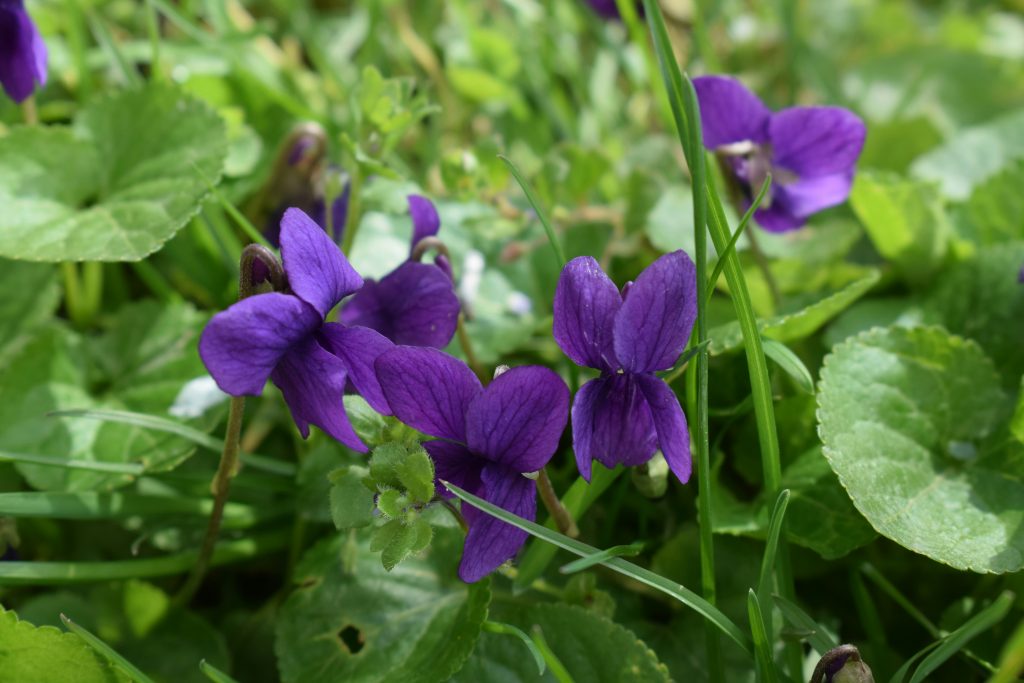
Everyone reaches for pansies, but violas are the tougher, longer-blooming sibling.
The flowers are smaller, but they keep going in cold that flattens big-faced pansies, and in milder zones they’ll often sail through winter and explode again in spring.
Plant when soil temps sit between 45 and 65°F.
4. Ornamental Kale & Cabbage

The trick most people miss: the vivid pink, purple, and cream centers only develop after cold sets in.
Plant them while it’s still warm and they’ll look like plain green cabbages — be patient, because the first frosts are what trigger the color. They hold that look for months, right through snow.
5. ‘Autumn Joy’ Sedum

This stonecrop is the plant for the hot, dry, neglected corner where nothing else wants to grow. Broccoli-like buds open dusty pink and age to rich copper.
One tip: don’t cut it down for winter — the dried seed heads catch frost beautifully and feed birds. If yours flops open in the middle, your soil’s too rich; pinch it back by half in late spring next year.
6. Goldenrod

Let’s kill the myth first: goldenrod does not cause hay fever. Its pollen is heavy and sticky, spread by insects, not wind — ragweed blooming at the same time is the real culprit.
Goldenrod is a late-season pollinator magnet, and the cultivar ‘Fireworks’ grows in well-behaved clumps instead of taking over your bed like the wild roadside species.
7. Toad Lily
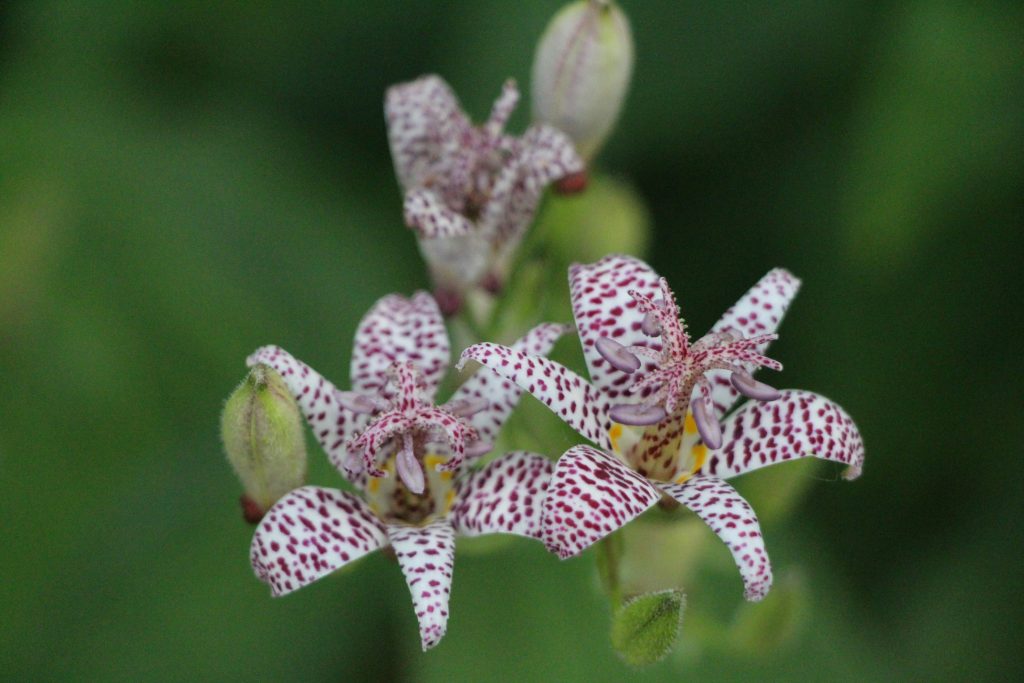
If you have shade and assume fall color is off the table, meet your new favorite plant.
Toad lily produces tiny orchid-like blooms speckled like a bird’s egg, right when your woodland corner has gone quiet.
Give it moist, rich soil and let people lean in close — the detail is the whole point.
8. Japanese Anemone

Tall, airy, and unexpectedly elegant, Japanese anemones float pink or white blooms on wiry stems from late summer into fall, even in part shade.
Fair warning: they’re happy spreaders. Give them room or be ready to divide, and they’ll reward you for decades.
9. Helenium (Sneezeweed)
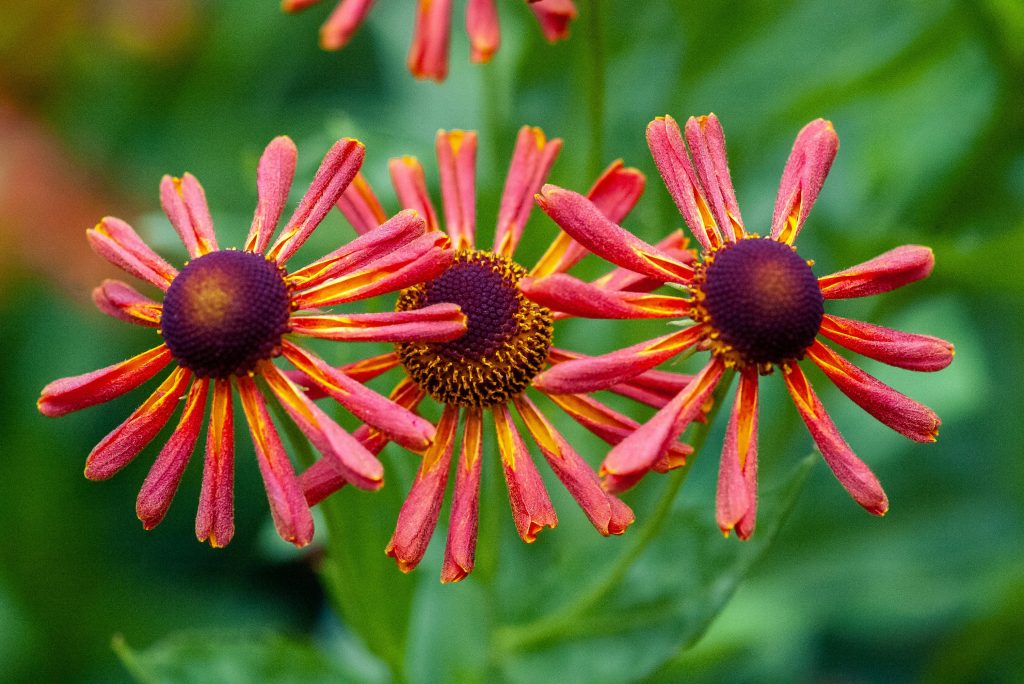
Another unfairly named plant — it won’t make you sneeze (the old name comes from its use in snuff, not allergies).
What it does deliver is warm daisy tones of rust, gold, and mahogany on tall plants that love a sunny, on-the-moist-side spot. It’s a brilliant bridge between summer and the deep-autumn palette.
10. Autumn Crocus (Colchicum)

Plant these corms in late summer and they’ll do something startling: send up leafless pink-purple goblets straight out of bare soil in fall (the leaves wait until spring).
One important note — colchicum is toxic, so keep it away from kids and pets, and don’t confuse it with the true saffron crocus.
11. Snapdragons

Snapdragons are cool-season plants that often sulk in summer heat, then catch a second wind as temperatures drop.
In zone 7 and warmer, fall-planted snaps frequently overwinter and bloom early the following spring, giving you two seasons of vertical color from one planting.
12. Calendula
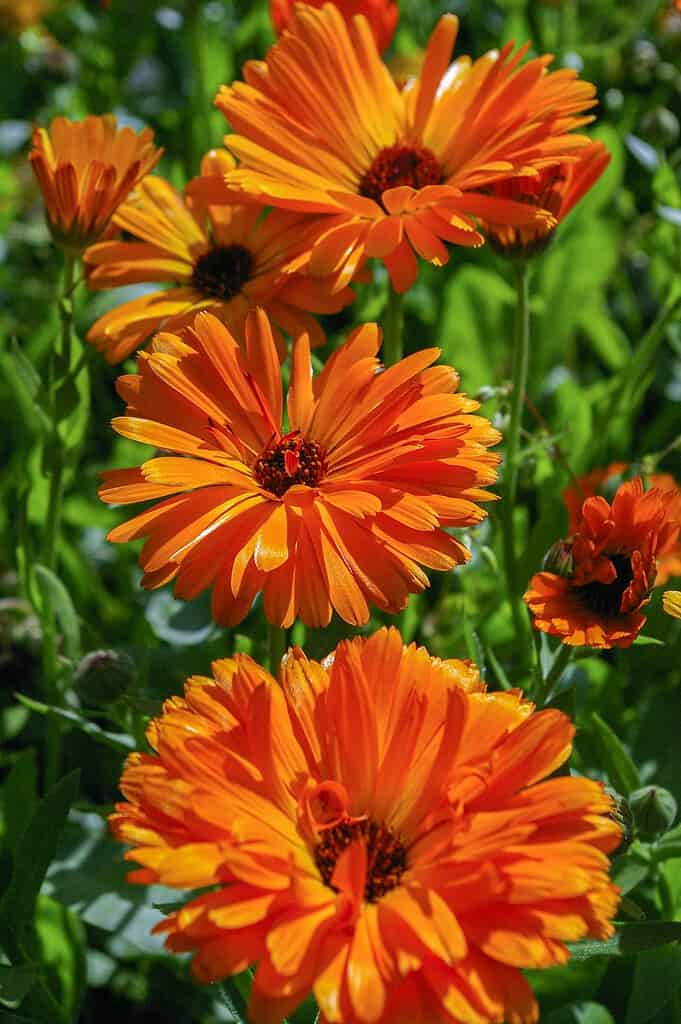
Cheerful, edible, and almost too easy.
Calendula keeps cranking out orange and yellow blooms well into cold weather, the petals are great in salads, and it reseeds itself so generously you’ll likely have volunteers next year for free.
13. Mexican Bush Sage

For drama late in the season, few things beat the velvety purple-and-white flower spikes of Mexican bush sage. Hummingbirds adore it.
It’s a tender perennial — hardy in zone 8 and up — so colder gardeners grow it as a standout annual or overwinter it in a pot.
14. Dahlias
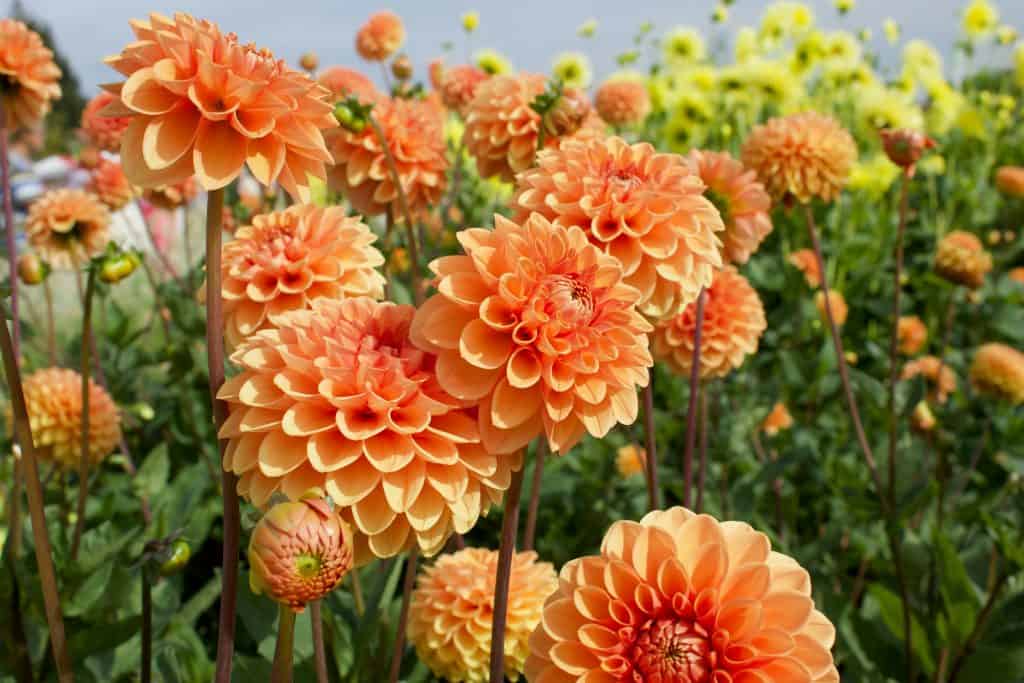
Dahlias bloom from midsummer right up until frost knocks them flat, and they’re showstoppers as cut flowers.
In cold zones, wait until frost blackens the foliage, then lift the tubers, dry them, and store them somewhere cool and dark to replant next spring.
15. Pansies
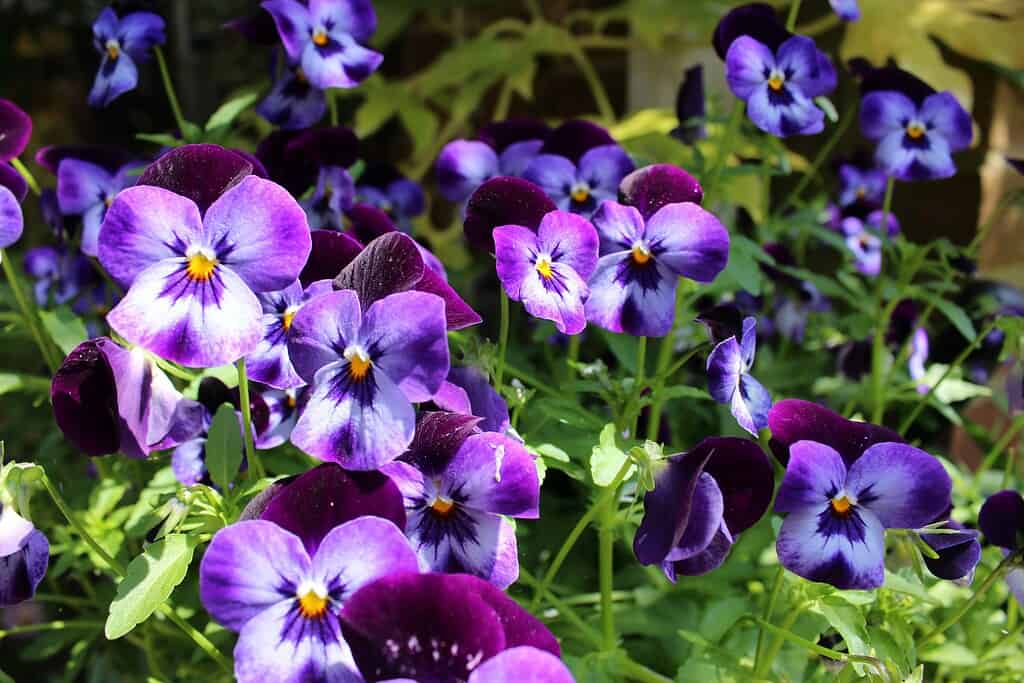
The classic for a reason — pansies are the most cold-tolerant big-flowered annual you can buy, perfect for beds, borders, and window boxes.
The timing tip: get them in while soil is still 45–65°F so the roots take hold. Plant too late and they’ll just sit there until spring instead of blooming now.
Nail the Timing: The Frost-Date Math That Actually Matters
The most common fall-planting mistake is planting too late. Roots need time to settle in before the ground freezes, and the rule of thumb is simple:
Get hardy perennials and bulbs in the ground at least six weeks before your first hard frost.
To use that rule, you need two numbers: your average first frost date (a quick search for your zip code or county will give it to you) and your USDA hardiness zone.
Count back six weeks from the frost date — that’s your deadline for anything you want to survive winter and return.
Cool-season annuals like pansies, violas, and calendula are more forgiving; they just need a few weeks of mild weather to root before the cold deepens.
And if you’re cutting it close, a simple cold frame can buy you several extra weeks of growing time and shelter young plants through the first cold snaps.
Miss it by a week and you lose the crop. The free 22-page planner pins down your exact dates — last frost, first frost, and the weekly steps between — so you plant on the days that actually work for your ZIP.
Free Planting Guides for This Article
Get exact planting dates, frost schedules, and growing tips for your zone:
Care Tips to Stretch Blooms Until Hard Frost
A few small habits keep everything flowering as long as possible:
- Keep deadheading. Snip spent blooms on mums, dahlias, calendula, and snapdragons and they’ll keep pushing new ones. Stop, and they shift into seed-making mode and quit.
- Don’t forget to water. People assume cool weather means no watering, but newly planted roots still dry out. Keep soil lightly moist until the ground freezes.
- Mulch — but wait. Hold off on the winter mulch until after the ground has cooled and a couple of frosts have hit. Mulching too early traps warmth and invites rot.
- Ease off fertilizer. Heavy feeding now pushes tender new growth that frost will only kill. Let the plants harden off for winter.
- Cover for surprise frosts. A light sheet or row cover thrown over tender blooms on a cold night can extend the show by a week or two.
Grab Your Trowel — Your Best Garden Season Starts Now
Fall gardening rewards the people who ignore the “season’s over” instinct.
While your neighbors are raking and giving up, you can be building a garden that glows through October, feeds the last pollinators of the year, and quietly sets roots for an even better spring.
Start with two or three plants from this list that fit your light and space, get them in the ground six weeks ahead of frost, and let cool weather do the easy work for you.
Now I’d love to hear from you: which fall flower are you planting first this year — or is there an underrated one you swear by that didn’t make the list? Drop it in the comments below and let’s compare notes.
Best gardening planner I've used in 10 years — and I keep coming back to it every season.
How Hard Is It to Garden in Your County?
Every county has a unique Gardening Difficulty Score based on frost risk, soil quality, drought, altitude, and climate trends. Find yours — plus personalized frost dates, planting calendars, and soil data.
Check Your County's Score →Ready to Design Your Dream Garden Bed?
Feeling inspired to build something beautiful?
If you’re ready to go beyond just one garden bed and truly design a space that feels intentional, productive, and charming, I put together something special for you.
Inside 101 Garden Bed Ideas, you’ll find creative layouts, raised bed designs, space-saving solutions, and inspiring setups you can actually recreate in your own yard – whether you’re working with a tiny backyard or a full homestead.
Start planning your dream garden today.

Frequently Asked Questions
Can I plant fall flowers in containers instead of the ground?
Absolutely, and pots are often the smarter move for renters or anyone short on yard space.
Mums, violas, ornamental kale, and snapdragons all thrive in containers — just remember that potted roots get colder than in-ground roots, so move pots against a wall or into a sheltered spot on hard-freeze nights.
Pair them with some of the best full-sun container plants for a display you can rearrange whenever the mood strikes.
Something keeps eating my fall flowers — how do I stop it?
Deer and rabbits are the usual fall culprits, and they tend to leave aromatic or fuzzy-leaved plants alone — mums, salvia, and ornamental grasses are good bets, while pansies and violas are basically deer candy.
For persistent pressure, physical barriers beat sprays; a garden bed enclosure that keeps deer and rabbits out protects your plants without you having to reapply repellent after every rain.
Is it too late to plant if we’ve already had a frost?
A light frost isn’t the finish line — a hard freeze is. After a light frost you can still plant cold-tough annuals like pansies and violas, and you can plant spring bulbs right up until the ground freezes solid.
What you should stop planting are frost-tender types like dahlias and Mexican bush sage, which won’t establish in time.
Do fall flowers need fertilizer?
Less than you’d think. A bed amended with compost at planting usually has all the nutrients fall flowers need.
Heavy fertilizing this late actually works against you, pushing soft new growth that frost will kill. If anything, a light dose of a low-nitrogen, root-friendly feed at planting is plenty — then leave them be.
Can I plant fall flowers and spring bulbs in the same bed at once?
Yes — this is the “lasagna” planting trick, and it’s a great use of one bed. Dig deeper, tuck spring bulbs like tulips or daffodils at the bottom, backfill, then plant your fall annuals and perennials above them.
The fall flowers carry the show now, and when they fade, the bulbs push up through the same soil for an early-spring encore.
Level Up Your Garden
Our most popular gardening guides