
Anemones Planting Guide
July is for anemones
Everything below applies to anemones broadly. For a plan that's dialled into your county's frost dates and soil, tap your location.
-
How to water anemones
About an inch of water a week keeps anemones happy. Check your weather forecast before watering — skip if rain is coming.
-
Where to put anemones
South-facing beds are ideal for anemones. Shade from nearby trees or fences costs real production.
-
Check your local forecast before planting
Your zone determines the exact week to plant anemones. Pick your county below and we'll line everything up against your frost dates.
Poppy anemones (Anemone coronaria) produce vivid, poppy-like flowers with striking black centers, in shades of red, blue, purple, white, and bicolor. A cool-season cut flower favorite, they thrive in the mild overlap between winter's end and summer's arrival. In mild-winter zones (7+), fall planting yields a spectacular mid-spring bloom flush that florists prize. In colder zones, spring planting produces summer flowers. The 'Meron' and 'Moissonnier' series dominate commercial cut flower production; 'De Caen' and 'St. Brigid' are standard home garden strains.
Anemone coronaria · Flower · Ranunculaceae family · 90–120 days to maturity
Why it matters: If you're just starting a flower garden in your area, Anemones is a forgiving first pick. It tolerates imperfect soil, mild drought, and the occasional missed watering. The reward: weeks (sometimes months) of continuous color.
Get Your Personalized Anemones Planting Dates
Enter your ZIP code to see exact planting dates, soil compatibility, and growing tips specific to your county.
Where Can You Grow Anemones?
Anemones Growing Regions
Click any state to see the Anemones planting schedule for that location.
Planting Dates by Zone
| Zone | Start Indoors | Direct Sow | Transplant | Bloom |
|---|---|---|---|---|
| Zone 5a | Mar 28 | — | Apr 25 | Jun 6 – Jul 4 |
| Zone 5b | Mar 21 | — | Apr 18 | May 23 – Jun 20 |
| Zone 6a | Mar 13 | — | Apr 10 | May 15 – Jun 12 |
| Zone 6b | Mar 6 | — | Apr 3 | May 1 – May 29 |
| Zone 7a | — | — | — | Sep 20 – Oct 18 |
| Zone 7b | — | — | — | Sep 27 – Oct 25 |
| Zone 8a | — | — | — | Oct 7 – Nov 4 |
| Zone 8b | — | — | — | Oct 10 – Nov 7 |
| Zone 9a | — | — | — | Oct 22 – Nov 19 |
| Zone 9b | — | — | — | Nov 8 – Dec 6 |
| Zone 10a | — | — | — | Nov 19 – Dec 17 |
| Zone 10b | — | — | — | Nov 19 – Dec 17 |
Why are some columns showing "—"?
Transplant shows "—" because Anemones is best direct sown where it will grow. Transplanting can disturb the roots and slow growth.
Direct Sow shows "—" because Anemones benefits from being started indoors first, then transplanted after the last frost.
How to Plant Anemones
Growing Conditions
☀️ Sun
Full Sun (6-8+ hours)
💧 Water
Moderate — regular watering
Water when the top inch of soil feels dry. Consistent moisture produces the best results.
🧪 Soil pH
5.5 – 6.5
Prefers neutral to slightly acidic soil — ideal for most garden beds.
🗺️ Hardiness Zones
Zone 5a – 10b
📅 Days to Maturity
90–120 days
Medium-season crop. Start early for best results in shorter seasons.
👪 Plant Family
Ranunculaceae
Rotate with other families yearly to prevent soil-borne diseases. Don't plant in the same spot where Ranunculaceae family crops grew last year.
How Much Anemones to Grow
Anemones takes 90–120 days to mature. In most zones you'll get one harvest per season, so plant enough to last.
Companion Planting for Anemones
✅ Good Companions
Check more combinations with our Companion Planting Checker →
Growing Tips for Anemones
Soak corms in tepid water for 2–4 hours before planting to rehydrate them. Plant 2–3 inches deep with the flat or rough side down (corms are irregular). Space 4–6 inches apart. Anemones are cool-season plants — they need cool temperatures to set buds; summer heat causes dormancy. In zones 7+, fall planting allows corms to root through winter and bloom in March–April. In zones 5–6, start corms indoors 4 weeks before last frost, then transplant after danger of hard freeze passes. In zones 9–10b, plant from October through January for a succession of blooms. After bloom, allow foliage to die back; corms can be lifted, dried, and stored in a cool, dry place through summer.
Saving Anemones Seeds
Recommended for Your Garden
Start seeds indoors with reusable cell trays and humidity domes.
Test your soil pH, nitrogen, phosphorus, and potassium levels before planting.
Keep your garden organized with durable, weather-resistant plant labels.
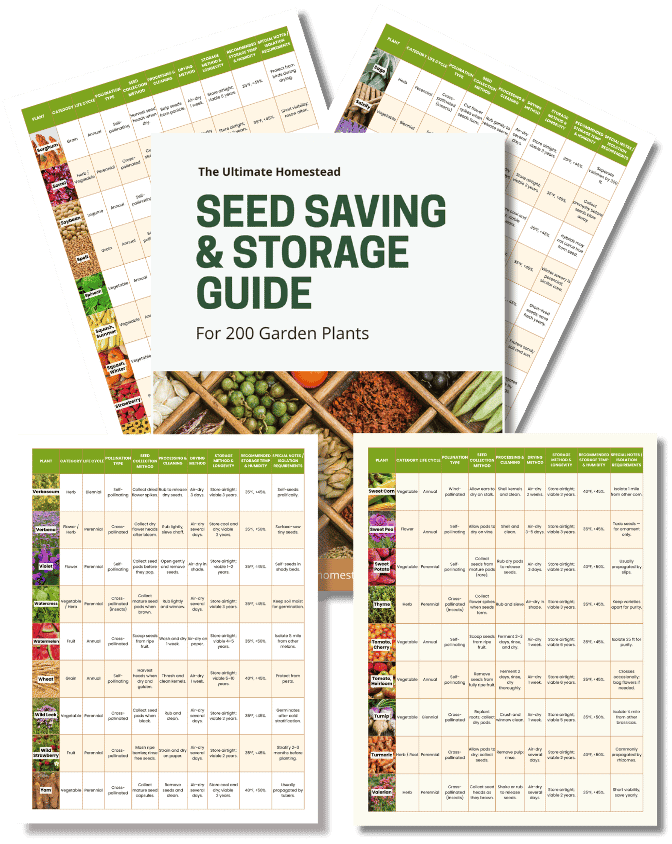
Seed Saving & Storage Guide
Most saved seeds go bad before next season. This shows exactly when to pick, how to dry, and where to store seeds from 200 plants so yours don't.
- 200 plants, step-by-step: life cycle, pollination type, isolation
- Exact temperature + humidity ranges that keep seeds viable
- Bonus: searchable Google Sheets tracker + custom GPT assistant
Anemones by State
- Alabama
- Alaska
- Arizona
- Arkansas
- California
- Colorado
- Connecticut
- Delaware
- Florida
- Georgia
- Hawaii
- Idaho
- Illinois
- Indiana
- Iowa
- Kansas
- Kentucky
- Louisiana
- Maine
- Maryland
- Massachusetts
- Michigan
- Minnesota
- Mississippi
- Missouri
- Montana
- Nebraska
- Nevada
- New Hampshire
- New Jersey
- New Mexico
- New York
- North Carolina
- North Dakota
- Ohio
- Oklahoma
- Oregon
- Pennsylvania
- Rhode Island
- South Carolina
- South Dakota
- Tennessee
- Texas
- Utah
- Vermont
- Virginia
- Washington
- West Virginia
- Wisconsin
- Wyoming
Frequently Asked Questions
How long does it take to grow Anemones?
Anemones (Anemone coronaria) takes 90 to 120 days from planting to harvest. Exact timing depends on your variety, growing conditions, and USDA zone.
What zones can Anemones grow in?
Anemones can be grown in USDA zones 5a through 10b. Use the planting calendar above to find the exact dates for your zone.
How much sun does Anemones need?
Growing Anemones requires Full Sun (6-8+ hours), Moderate — regular watering, and soil pH of 5.5 to 6.5.