Most flower lists read like a seed catalog: a pretty photo, a color, and a hardiness zone. That tells you what a bloom looks like, but not whether it will actually work in your yard, your climate, or your schedule. This one is built differently.
Below are 20 flowers worth knowing, arranged loosely from easy annuals to longer-lived perennials, bulbs, and shrubs.
For each, you get the detail that decides success: how much sun it truly needs, how forgiving it is, and the one thing people most often get wrong with it. After the list, you will find short sections on choosing, combining, and keeping flowers alive that matter more than any single variety.
If you are brand new to this, it also helps to skim a beginner-friendly flower guide before you spend a dollar on plants.
20 Beautiful Types of Flowers Worth Growing
You will not grow all of these at once, and you should not try to. Read for the ones that match your light and your patience, and let the rest wait for another season.
1. Zinnia
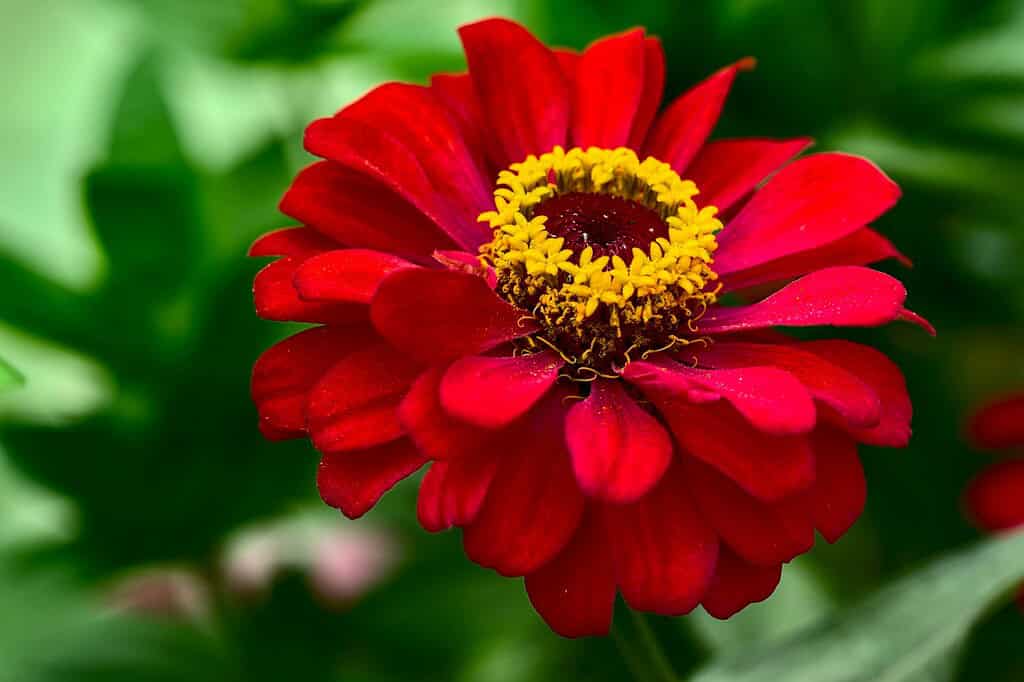
One of the fastest flowers from seed — sow directly after your last frost and you will have blooms in around two months.
The more you cut, the harder it flowers, which makes it a favorite for a cutting patch.
Its one weakness is powdery mildew, so give plants room to breathe and water at the base, not overhead. A cheerful zinnia garden is one of the most rewarding ways to fill a bare bed quickly.
2. Marigold
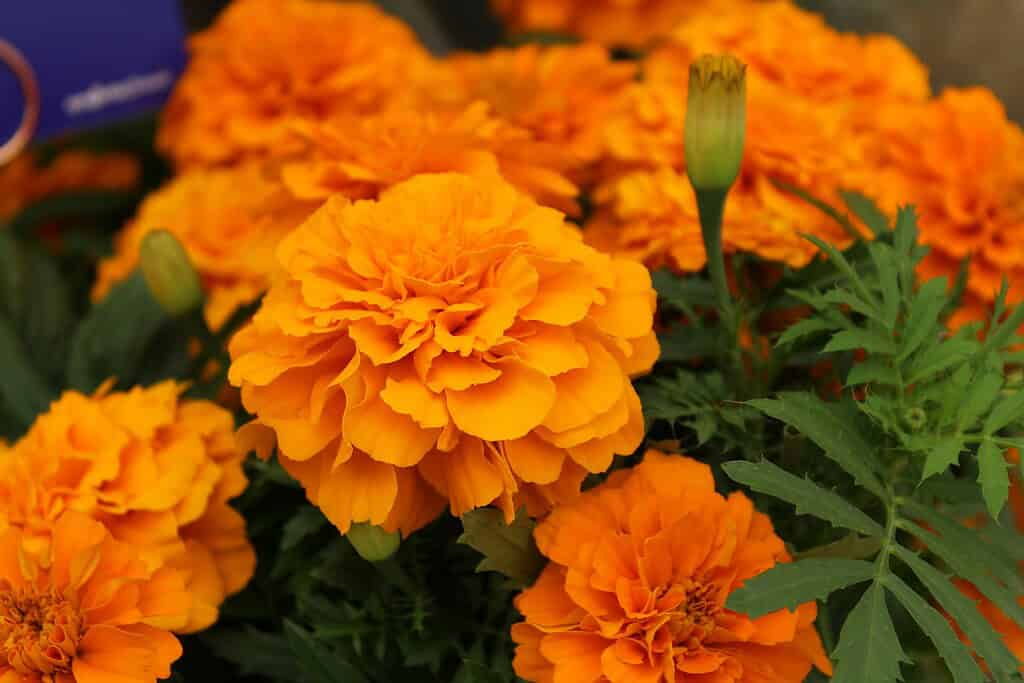
A workhorse annual that blooms nonstop in poor soil and full sun. Pinch off spent flowers and it keeps going until frost.
Many gardeners tuck marigolds among vegetables for their strong scent, though the pest-repelling reputation is more modest than the internet claims — grow them because they are tough and bright, not as a miracle.
3. Sunflower
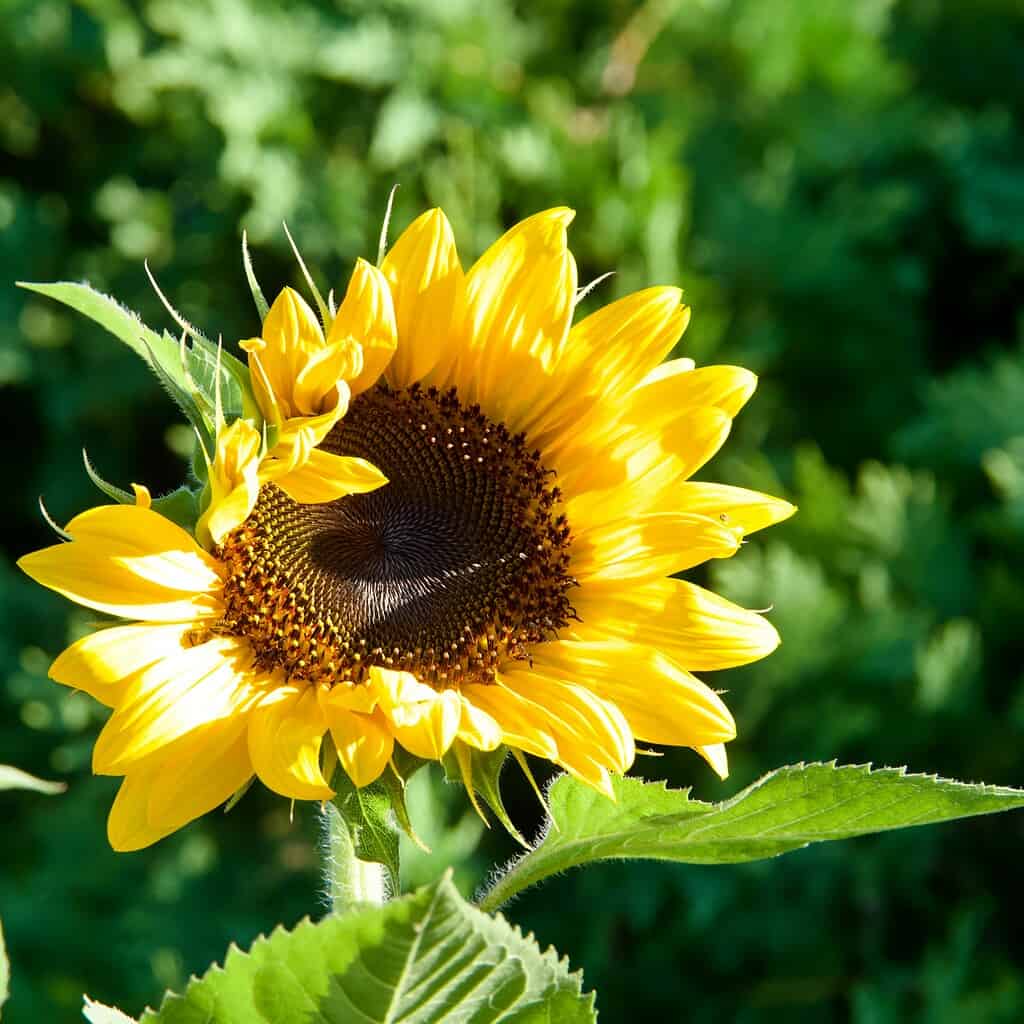
Dramatic and easy, but they need full sun and honest space. Branching varieties give you dozens of smaller blooms over weeks, while single-stem giants give one big head and quit.
Sow a new short row every two weeks for a longer show instead of one brief peak.
4. Cosmos
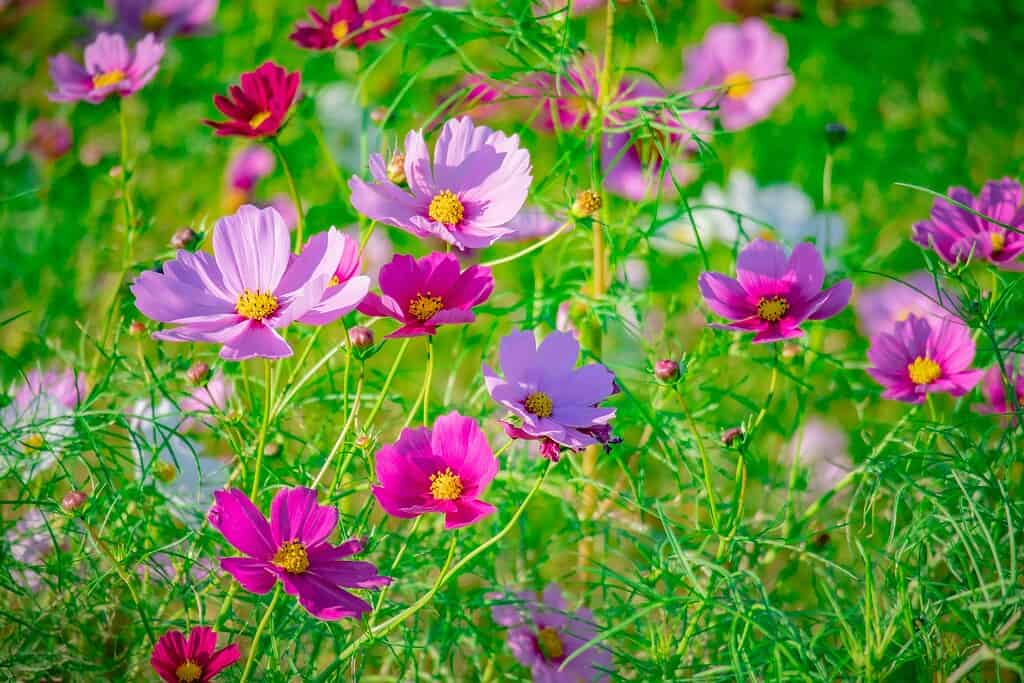
Airy, cottage-style annual that genuinely prefers to be ignored.
Rich soil gives you tall leafy plants with few flowers, so skip the fertilizer here. It self-seeds happily, so one packet often becomes a patch that returns on its own.
5. Nasturtium
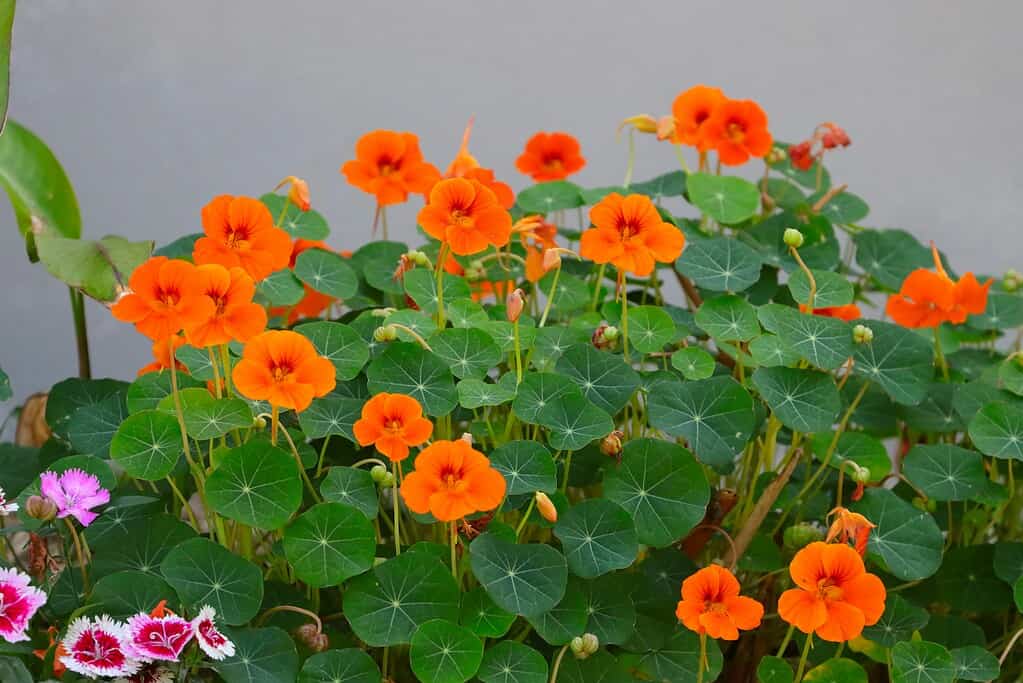
Both the leaves and flowers are edible with a peppery bite, and the plant thrives in lean soil where fussier flowers sulk. Trailing types soften pot edges and walls beautifully.
It attracts aphids, which sounds like a flaw until you use it as a trap crop to pull pests off your vegetables.
6. Snapdragon

A cool-season bloomer, which is exactly why so many people fail with it — planted in high summer, it stalls. Set it out in early spring or fall instead.
Pinch the growing tips when plants are young for a bushier, flower-heavy shape, and it doubles as a long-lasting cut flower.
7. Sweet Pea
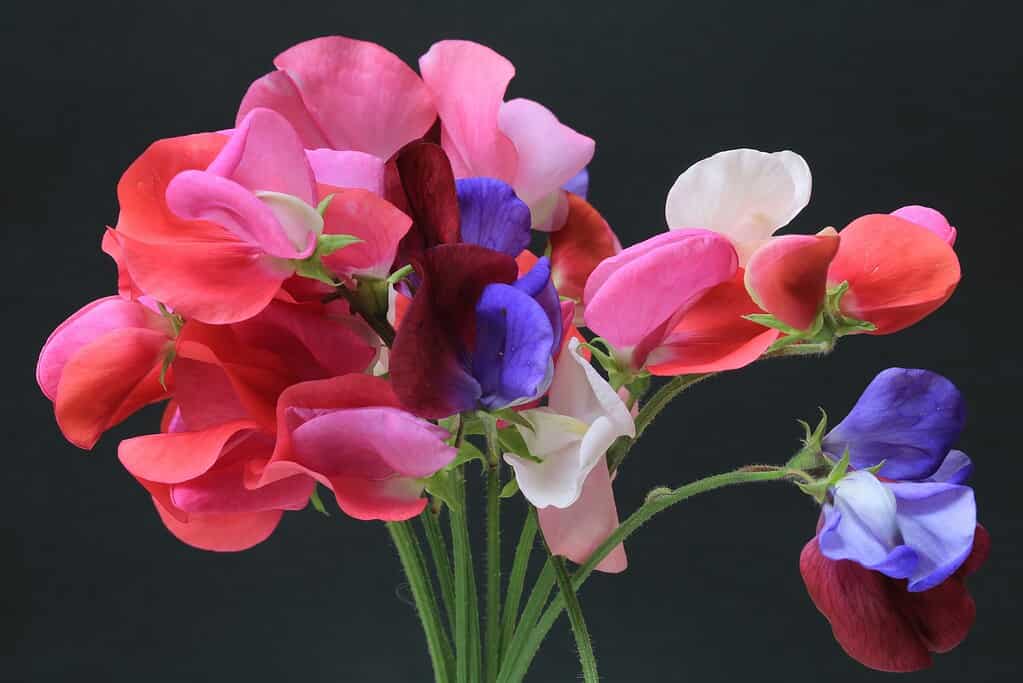
Grown for fragrance, this cool-weather climber needs a trellis and steady moisture to perform. Keep picking the flowers or the vine decides its job is done and stops.
Worth noting: despite the name, sweet peas are ornamental only — the seeds are toxic and not related to edible peas.
8. Coneflower (Echinacea)

A hardy perennial that shrugs off drought once established and pulls in bees and butterflies all summer. Leave the spent seed heads standing into winter and finches will work them for food.
It is one of the easiest perennials to start from a small plant and forget about.
9. Black-Eyed Susan (Rudbeckia)

Golden, dependable, and unbothered by tough spots and heat. It blooms for a long stretch and gradually spreads — a bonus if you want a drift of color, a small chore if you like tidy edges.
Divide clumps every few years to keep them vigorous.
10. Coreopsis

A sunny perennial that flowers for months if you shear it back after the first flush fades.
It tolerates poor soil and heat, and its fine texture makes it a great filler to weave between bolder plants without stealing the show.
11. Salvia
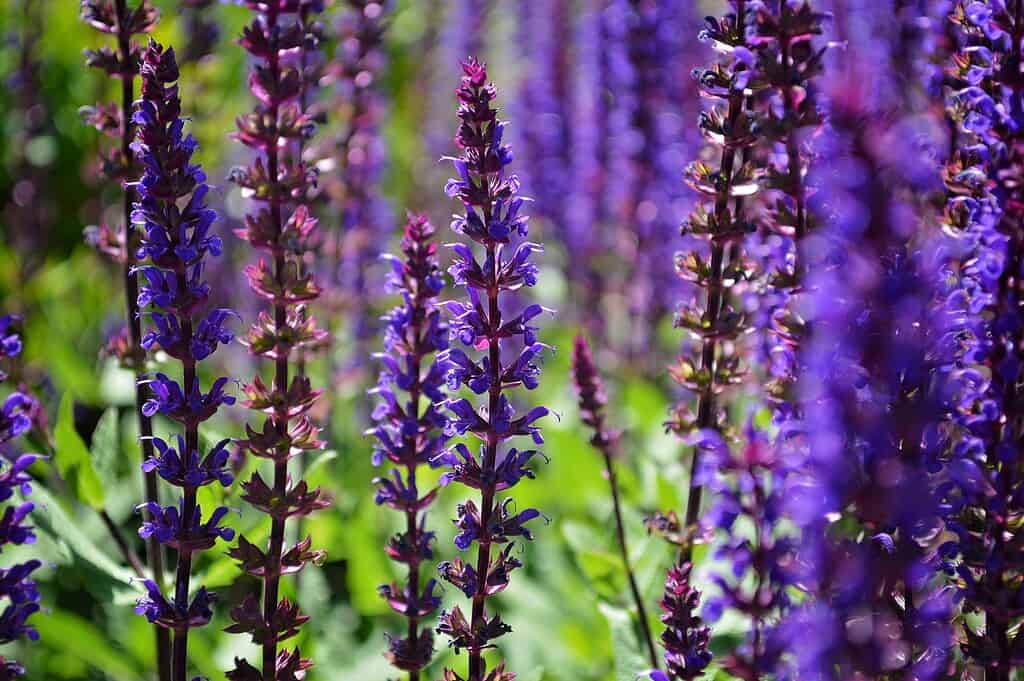
There are both perennial and annual salvias, and their upright spikes are magnets for hummingbirds and bees.
Cut the whole plant back by about a third after the first bloom and most types push out a strong second wave. Choose a perennial variety rated for your zone if you want it to return.
12. Lavender

Lavender wants lean soil, full sun, and sharp drainage — it dies far more often from soggy roots than from cold. Skip the rich compost and heavy watering that help other plants.
Prune lightly every year to keep it from turning into a woody, hollow shrub.
13. Peony
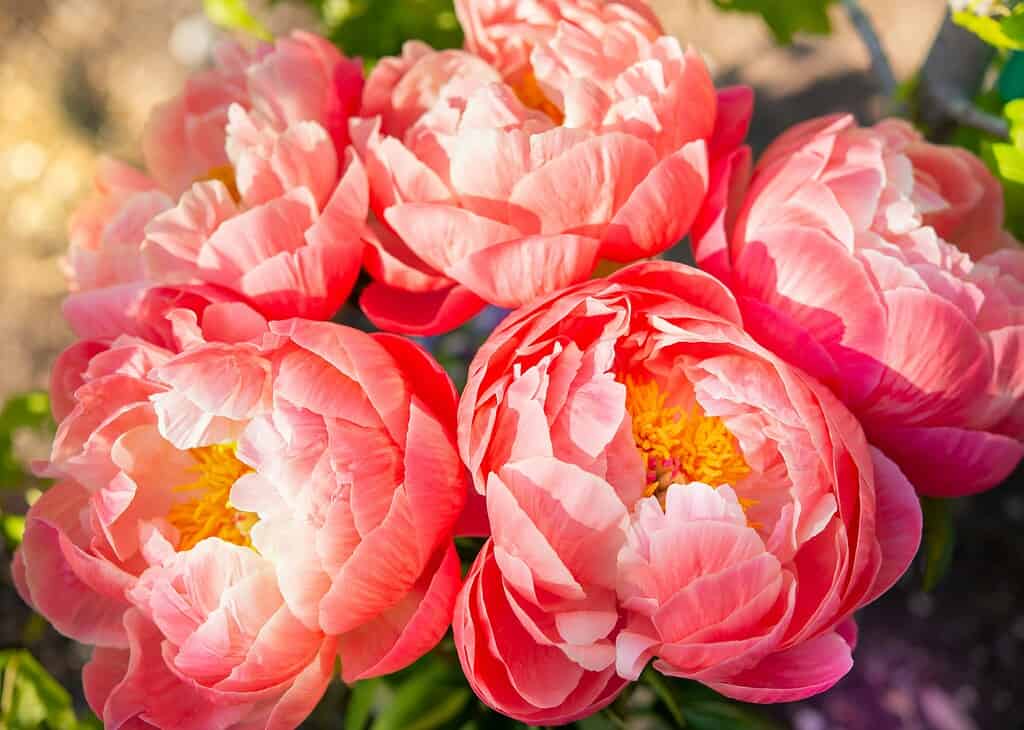
A perennial that can outlive the gardener, blooming for decades once settled.
The single biggest reason a peony refuses to flower is being planted too deep, so keep the growth buds no more than an inch or two below the surface. It sulks the first year or two, then rewards you for a lifetime.
14. Daylily

About as close to indestructible as a flower gets. Each bloom lasts a single day, but an established clump throws so many that you never notice.
It divides easily and thrives on slopes and problem corners where you just need something reliable to grow.
15. Hydrangea
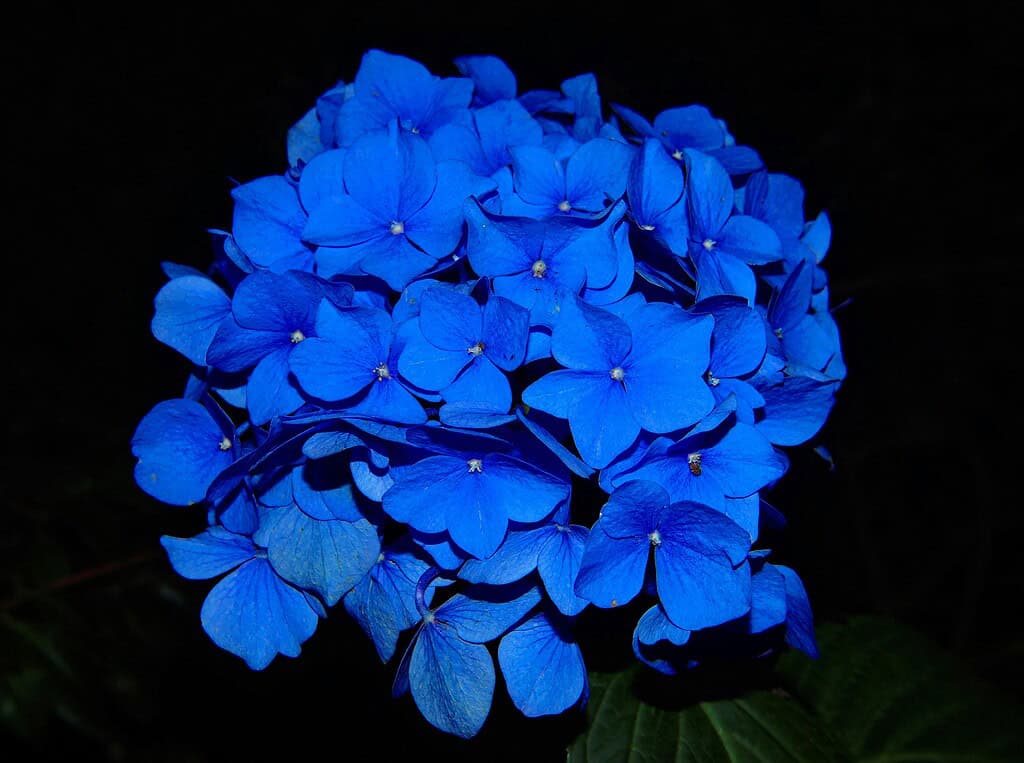
Big, generous blooms — but the type matters more than any other shrub on this list, because it decides when to prune and whether you can shift the color.
Most are happiest with morning sun and afternoon shade. When it wilts in July heat, it is almost always thirsty, not dying, and it usually perks up by evening.
16. Rose
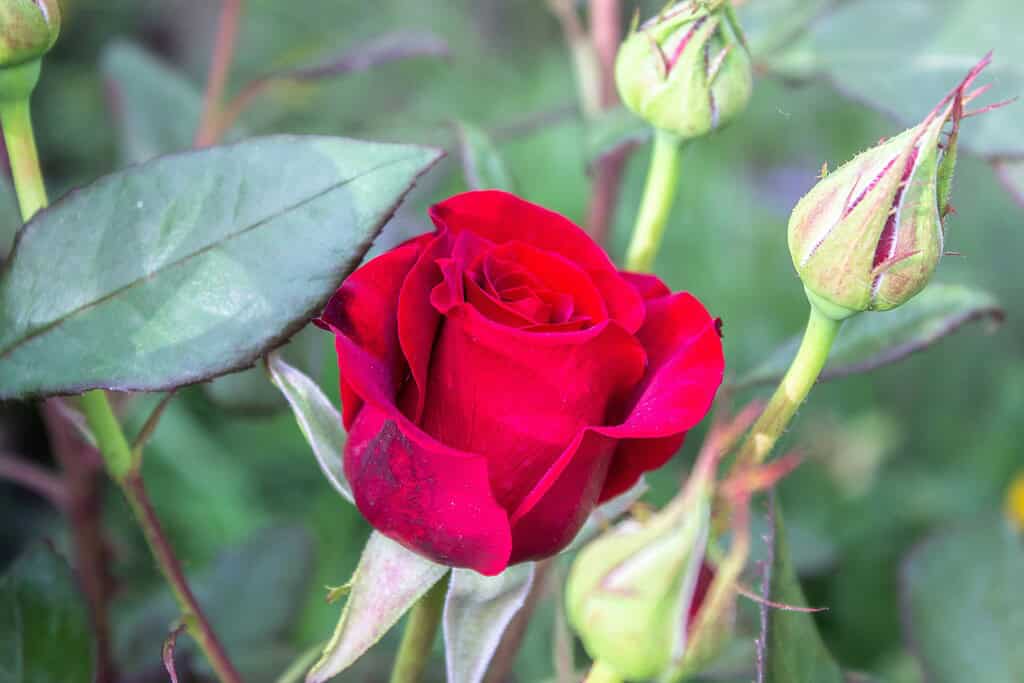
Roses have a harder reputation than they deserve. Modern landscape and shrub roses are bred to be low-fuss and disease-resistant — a world away from the fussy hybrid teas that scared everyone off.
Give them full sun, good airflow, and consistent water at the roots, and most problems never start.
17. Dahlia
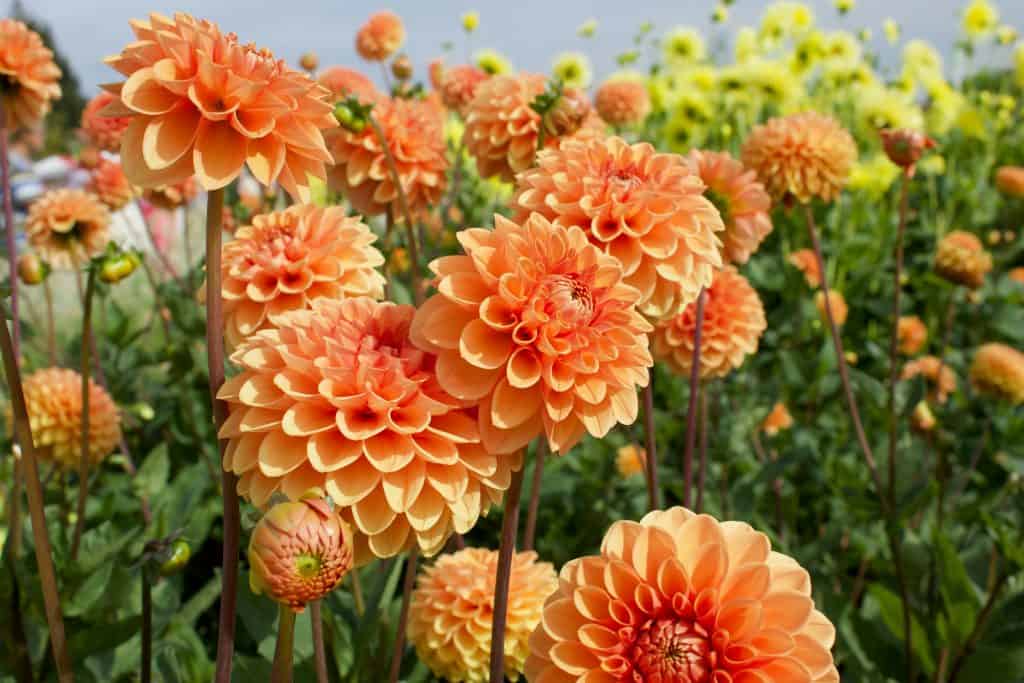
Grown from tubers, dahlias bloom from midsummer to frost in nearly any color and size you can imagine.
They need staking and, in cold climates, lifting and storing the tubers over winter. Pinch out the growing tip when plants are young and you will trade one early bloom for many more later.
18. Tulip
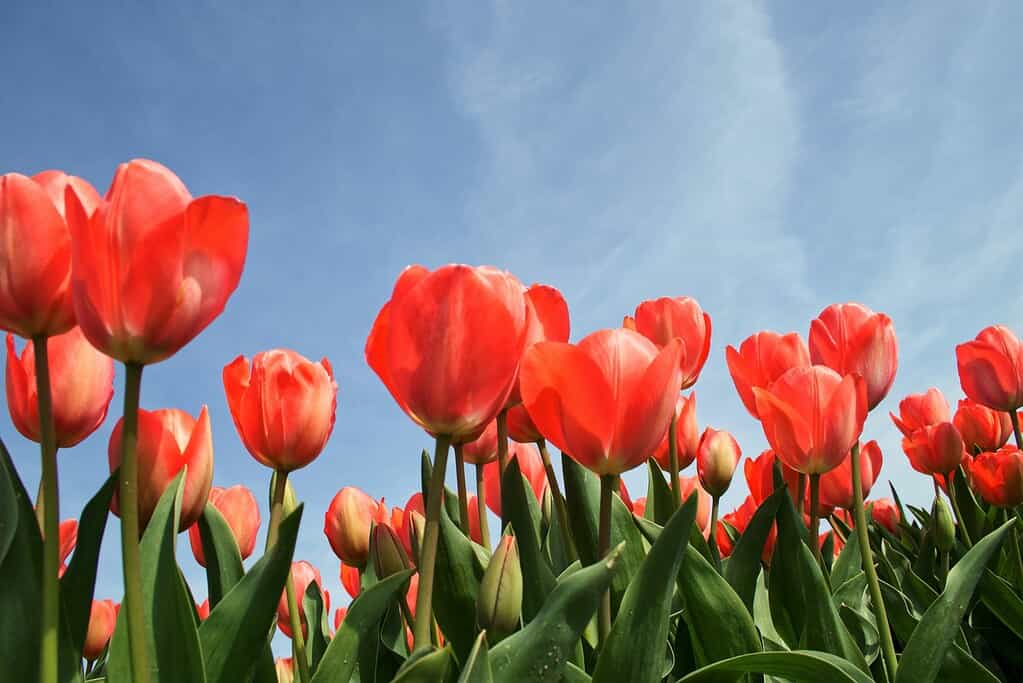
The classic spring bulb, planted in fall and rewarding you months later. In warm climates many tulips bloom well once and then fade, so it is easier to treat them as a one-season splash than to fight for a repeat.
Tulips are the poster child for fall-planted bulbs that pay off with early color.
19. Daffodil
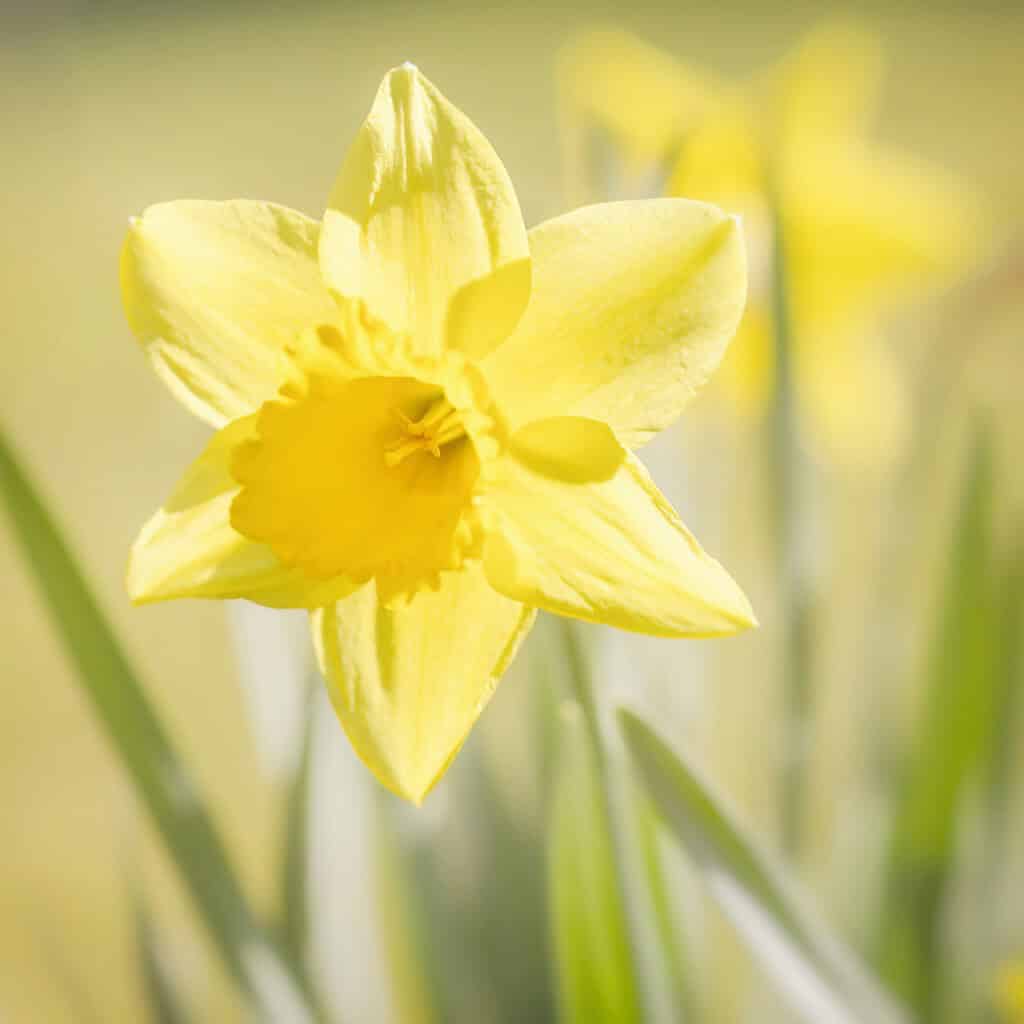
Another fall bulb, and a smarter long-term bet than tulips in many gardens because deer and rodents leave it alone. It naturalizes, coming back and multiplying for years.
The one rule: let the leaves yellow and die back on their own after blooming, since that is how the bulb fuels next spring.
20. Bee Balm (Monarda)

A perennial that hummingbirds, bees, and butterflies treat like a buffet. Its known weakness is powdery mildew, so choose a resistant variety and give it good airflow rather than crowding it against a fence.
In the right spot it spreads into a lively, humming patch.
Garden Planner
The 22-page planner timed to your county's real frost dates. Planting windows, monthly checklists, and a harvest log you'll fill with pride by August.
Your Free 22-Page Garden Planner
Built for your exact ZIP code — planting dates, harvest log, and a month-by-month plan. 15-second sign-up.
How to Choose Flowers That Actually Thrive Where You Live
A flower that thrives for your neighbor can flop for you, and it usually comes down to a few conditions you can check before buying anything. Walk through these first:
- Track your sun honestly for a day. Six or more hours of direct light is full sun; a spot that only gets bright morning light is part shade, no matter how bright it feels.
- Know your first and last frost dates. They decide when annuals go out and which perennials survive your winters.
- Check drainage. Dig a hole, fill it with water, and see how fast it drains. Slow-draining spots rule out lavender, but suit moisture-lovers.
- Be realistic about watering. If you travel or forget, lean toward drought-tolerant choices like coneflower, coreopsis, and daylily instead of thirsty divas.
- Start small. Three or four kinds you can care for beat twenty you cannot keep up with.
When you are deciding where flowers will go, the front of the house usually gives the biggest visual payoff for the least effort. A few eye-catching flower beds near the entry do more for your curb appeal than the same plants scattered around the yard.
Plan for Bloom Time So Something Is Always in Flower
The most common reason a garden looks great for two weeks and dull for the rest of the season is that everything blooms at once. The fix is to plan for overlapping waves of color:
- Early spring: daffodils and tulips carry the show before most perennials wake up.
- Late spring to early summer: peonies, salvia, and roses take over.
- Peak summer: zinnias, sunflowers, coneflower, daylily, and dahlias do the heavy lifting.
- Fall: the most overlooked window, when a little planning keeps color going.
That last stretch is where most gardens quit early. Adding a handful of reliable fall flowers keeps your beds alive after the summer annuals burn out.
Miss it by a week and you lose the crop. The free 22-page planner pins down your exact dates — last frost, first frost, and the weekly steps between — so you plant on the days that actually work for your ZIP.
Free Planting Guides for This Article
Get exact planting dates, frost schedules, and growing tips for your zone:
Simple Ways to Combine Flowers So They Look Intentional
The gap between a random collection and a garden that looks designed is a few repeatable habits, not a design degree:
- Repeat a color or a plant in three or four spots so the eye travels and the bed feels cohesive.
- Vary height, with taller plants like sunflowers or dahlias behind shorter fillers like coreopsis.
- Mix flower shapes — spikes (salvia), daisies (coneflower), and froth (cosmos) — so the planting has contrast up close.
- Plant in odd-numbered groups of three or five rather than lonely singles.
That relaxed, full look people love in a romantic cottage garden comes from repetition and generous drifts, not from planting one of everything.
And if you want to build a scheme around a single color, a roundup of stunning pink flowers shows how much range one hue can cover across different shapes and heights.
Growing Flowers in Pots and Small Spaces
No in-ground beds? Not a dealbreaker — plenty of these flowers grow beautifully in containers if you respect a few pot-specific rules:
- Every pot needs drainage holes. Standing water in the bottom kills more container flowers than any pest.
- Bigger pots are more forgiving, because they hold moisture longer and swing less between soaked and bone-dry.
- Feed more often than you would in the ground. Frequent watering flushes nutrients out, so container flowers are hungrier.
- Combine a tall focal plant, a rounded middle, and something that spills over the edge for a full, finished pot.
For a hot balcony or a sun-baked patio, sticking with sun-loving container plants saves you from the daily rescue-watering that kills the fun of gardening in pots.
Best gardening planner I've used in 10 years — and I keep coming back to it every season.
How Hard Is It to Garden in Your County?
Every county has a unique Gardening Difficulty Score based on frost risk, soil quality, drought, altitude, and climate trends. Find yours — plus personalized frost dates, planting calendars, and soil data.
Check Your County's Score →Start With Three Flowers, Then Build From There
You do not need all 20 of these in your first season, and chasing them all at once is the fastest way to feel overwhelmed and quit.
Pick two easy annuals like zinnias and cosmos for quick wins, add one dependable perennial like coneflower or daylily, and grow from there as you learn what your yard likes. Every experienced gardener you admire started with a few plants and a lot of small mistakes.
Now it is your turn. Drop a comment below and tell us which of these flowers you are adding to your garden this year — or which one you are finally going to try. If you have a hard-won tip for growing any of them, share it so other readers can learn from your garden too.
Plan Your Garden With Confidence!

Ever start planting… and then realize halfway through that things feel a little scattered?
A simple plan changes everything.
When you sketch your layout first, you can see what fits, what flows, and what actually makes sense for your space. It saves time, money, and a whole lot of second-guessing later.
Our free Garden Planner helps you map out beds, organize plant spacing, rotate crops, and keep track of seasonal tasks – all in a clean, printable format you can actually use.
Whether you’re designing a low maintenance front yard or planning your full homestead garden, this gives you a clear starting point.
Less chaos. More clarity. A garden that works.
- Beans
- Carrots
- Beets
- Lettuce
- Spinach
- Brassicas
Frequently Asked Questions
Should I start flowers from seed or buy transplants?
Seeds are cheaper and give you far more variety, but they need correct timing and patience. Transplants cost more and offer fewer choices, yet they are much more forgiving for beginners.
A good rule: start fast annuals like zinnias, sunflowers, cosmos, and nasturtiums from seed, and buy perennials, roses, and anything slow-growing as established plants so you are not waiting years for a payoff.
Do I really need to fertilize flowers, and how often?
Many flowers bloom fine in decent garden soil with nothing more than a yearly topping of compost, and a few — like cosmos and nasturtium — actually flower better when you hold back.
The exceptions are heavy bloomers and anything in a container, which benefit from a balanced liquid feed every couple of weeks during the growing season. When in doubt, feed the pots and trust the beds.
Are any of these common flowers toxic to pets or children?
Some are, so it is worth knowing before you plant. Daffodil and tulip bulbs are toxic if eaten, and sweet pea seeds are as well. True lilies are especially dangerous to cats even in tiny amounts.
This is not a reason to avoid these flowers, just a reason to site them thoughtfully and supervise curious pets and toddlers. For a specific plant, the ASPCA maintains a searchable toxic-and-non-toxic plant list worth checking.
What is the easiest way to keep a flower bed watered without daily effort?
Water deeply but less often instead of a light daily sprinkle — it drives roots down and makes plants more drought-resistant.
A two-to-three inch layer of mulch slows evaporation dramatically. For hands-off consistency, a soaker hose or simple drip line on a timer delivers water right to the roots, and grouping plants with similar water needs means you are never overwatering one to save another.
How do I stop tall flowers from flopping over?
Flopping usually traces back to three fixable causes. Stake tall growers like dahlias and top-heavy sunflowers early, while they are still short, so the plant grows up through the support.
Pinch young plants to encourage sturdier, branching stems instead of one long weak one.
And go easy on high-nitrogen fertilizer, which pushes soft, floppy growth — planting a little more densely also lets neighbors lean on each other for support.
Level Up Your Garden
Our most popular gardening guides