Summer is the season when everything in your backyard has the potential to truly come alive.
The long days, warm soil, and abundant sunshine create the perfect conditions for a thriving, gorgeous garden that you’ll actually want to spend time in.
Whether you’re starting fresh or looking to level up what you already have, this ultimate summer garden guide will walk you through everything you need to know — from soil prep and plant selection to watering strategies, companion planting, pest management, and creating that lush, resort-worthy backyard vibe.
If you’ve been dreaming of a backyard that looks like it belongs on the cover of a gardening magazine, this guide is your roadmap to get there.
Start with the Soil: The Foundation of a Thriving Summer Garden
No amount of beautiful plants, clever design, or expensive tools will save a garden built on poor soil.
Before you plant a single seed or seedling this summer, invest time in understanding and improving your soil — it’s the single highest-leverage action you can take for a lush backyard.
Test and Amend Your Soil
Most summer vegetables and flowering plants thrive in soil with a pH between 6.0 and 7.0. Pick up an inexpensive soil test kit from your local garden center and check both your pH and nutrient levels.
If your soil is too acidic, add garden lime. If it’s too alkaline, elemental sulfur can help bring it down.
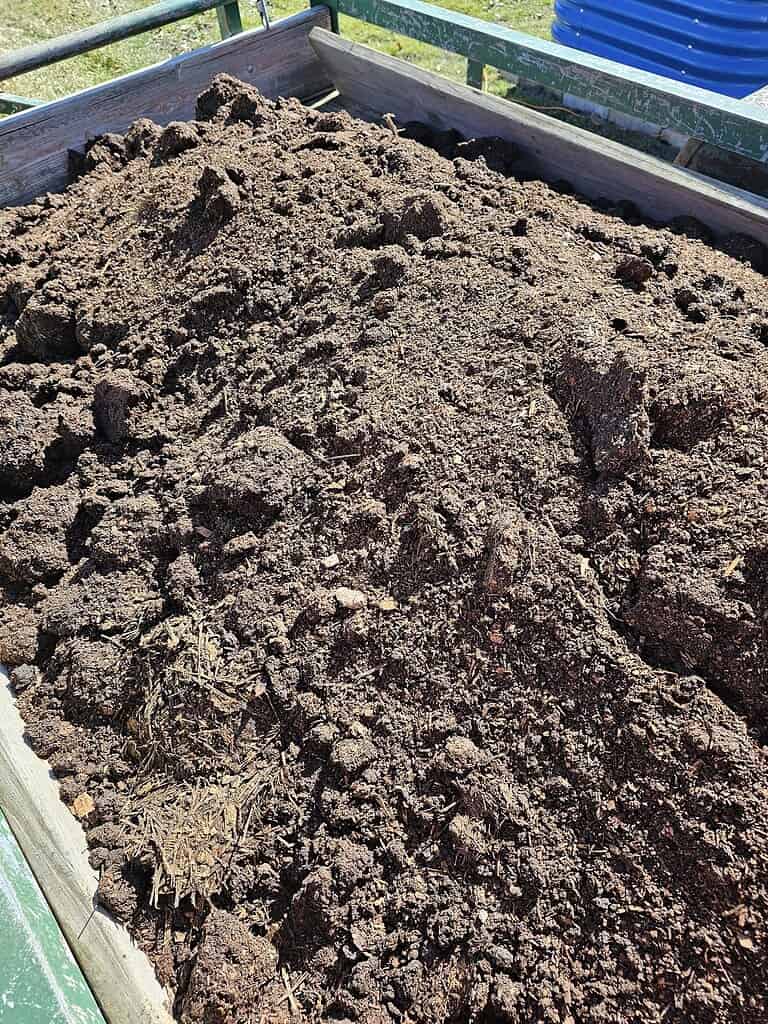
For most backyard gardens, adding 2–3 inches of compost worked into the top 12 inches of soil will dramatically improve drainage, aeration, and fertility in one step.
Choose the Right Garden Bed Setup
For summer gardening success, the type of bed you use matters more than you might think.
Raised beds warm up faster in spring and stay warmer longer into fall, making them ideal for heat-loving summer crops.
If you’re considering upgrading your setup, check out what you need to know about metal raised garden beds before investing — they have real advantages, but there are some considerations to weigh first.
If space is limited, container gardening is a surprisingly powerful option; a beginner’s guide to garden pots can help you get started on the right foot.
Your Free 24-Page Garden Planner
Built for your exact ZIP code — planting dates, harvest log, and a month-by-month plan. 15-second sign-up.
Pick the Right Plants for a Lush Summer Display
Summer gardening success depends heavily on choosing plants that are suited to your climate, your garden’s sun exposure, and your personal goals — whether that’s growing food, creating beauty, or both.
The good news is that summer offers the widest variety of growing options of any season.
Best Vegetables to Grow in Summer
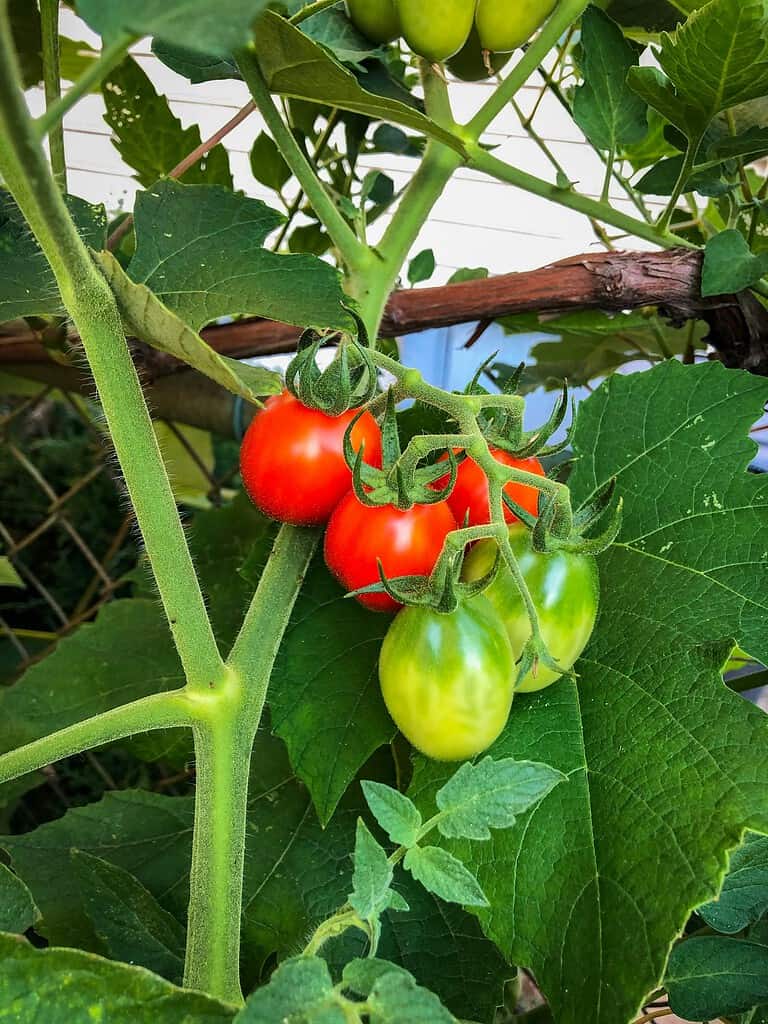
Summer is prime time for warm-season vegetables.
Tomatoes, peppers, cucumbers, zucchini, beans, and corn all hit their stride when soil temperatures are consistently above 60°F.
Squash is also one of the most rewarding summer crops, but timing matters — make sure you’re set up for success by understanding how to grow squash successfully before it’s too late in the season.
If you have a small yard or no traditional garden space, don’t overlook bucket gardening as a surprisingly effective way to grow a lot of food in a tiny footprint.
Best Flowers for a Summer Glow Up
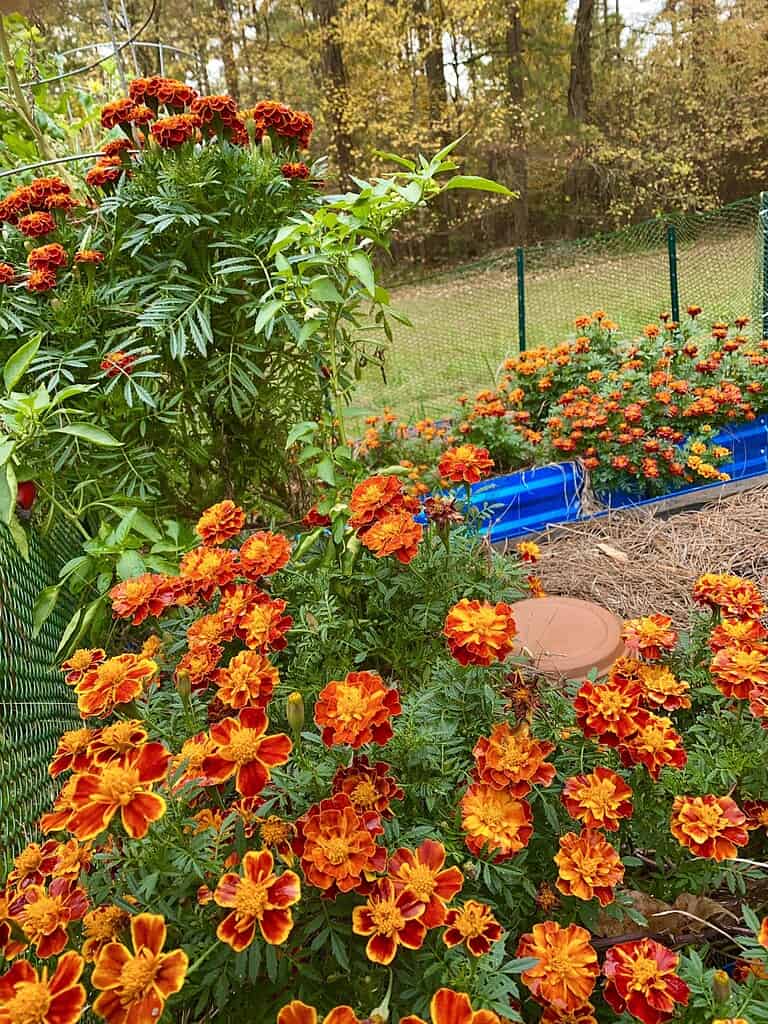
If you want your backyard to truly glow up this summer, flowers are non-negotiable. They add color, attract pollinators, and create that magazine-worthy aesthetic.
Marigolds are one of the most versatile summer flowers — they’re easy to grow, bloom prolifically, and even help deter pests in your vegetable garden. Learn exactly how to grow gorgeous marigolds fast so your garden is bursting with color by midsummer.
Some of the other best flowers to grow for a summer glow up include:
- Zinnias – bold, long-blooming, and perfect for cutting gardens
- Sunflowers – cheerful, tall, and a true summer statement
- Petunias – overflowing blooms that work beautifully in pots and hanging baskets
- Cosmos – airy, delicate flowers that attract bees and butterflies
- Lavender – calming scent with soft purple blooms and pollinator appeal
- Geraniums – reliable color for containers and garden beds
- Portulaca (Moss Rose) – thrives in heat and poor soil with vibrant, low-growing blooms
For a full sun garden or patio space, there are also excellent full sun container plants that will thrive in the heat without constant babysitting.
Don’t Forget Herbs and Edible Landscaping
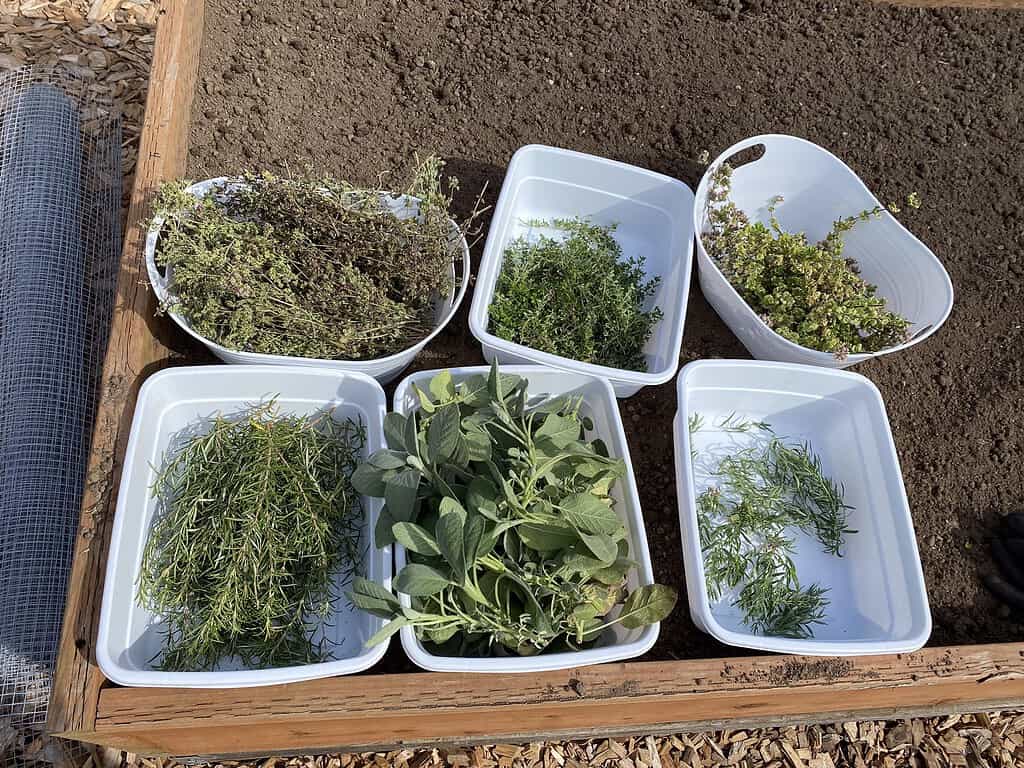
Herbs like basil, thyme, rosemary, and mint love the summer heat and can be tucked into flower beds, containers, or dedicated herb spirals.
Creeping thyme is especially versatile — it works as ground cover, in rock gardens, and along pathways.
Read up on how to grow and care for creeping thyme to see how well it performs in summer landscapes.
Mastering Summer Watering: Keep Your Garden Hydrated Without Wasting Water
Water is the most critical summer gardening resource, and it’s also the one most commonly mismanaged.
Too little and your plants stress out; too much and you invite disease and waste a precious resource. Smart summer watering is all about timing, technique, and consistency.
Water Deep and Infrequently
The golden rule of summer watering: deep and infrequent beats shallow and frequent every single time. Deep watering encourages roots to grow downward, where soil stays cooler and retains moisture longer.
Aim to water your vegetable garden with about 1 inch of water per week — more in extreme heat.
Early morning is the best time to water, as it allows foliage to dry before the heat of the day and reduces fungal disease risk.
Mulch: Your Garden’s Best Friend in Summer
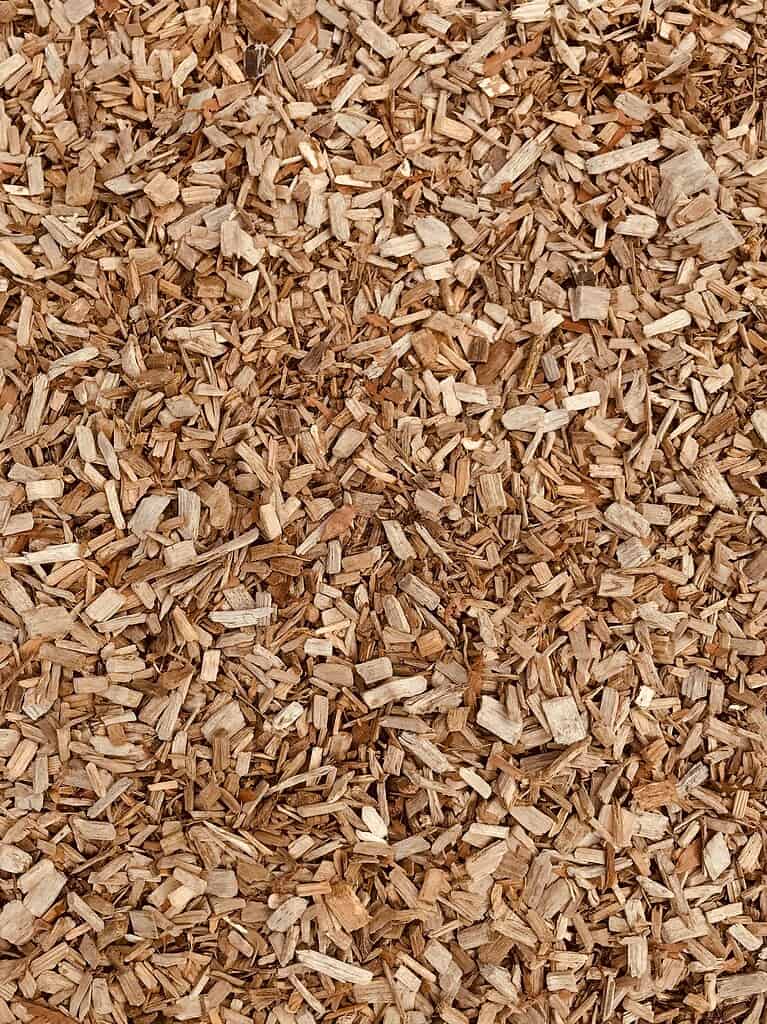
A 2–4 inch layer of organic mulch around your plants is one of the most impactful things you can do in a summer garden.
Mulch reduces evaporation, keeps soil temperatures cooler, suppresses weeds, and breaks down over time to feed your soil. Straw, wood chips, shredded leaves, and grass clippings all work well.
Apply mulch after your soil has warmed up in early summer and replenish as needed throughout the season.
Summer Garden Design: Make Your Backyard Gorgeous
A productive garden and a beautiful garden aren’t mutually exclusive — in fact, the best summer backyards manage to be both.
With a little intentional design, you can create a space that feeds you, delights you, and makes your neighbors genuinely jealous.
Vertical Gardening for Maximum Impact
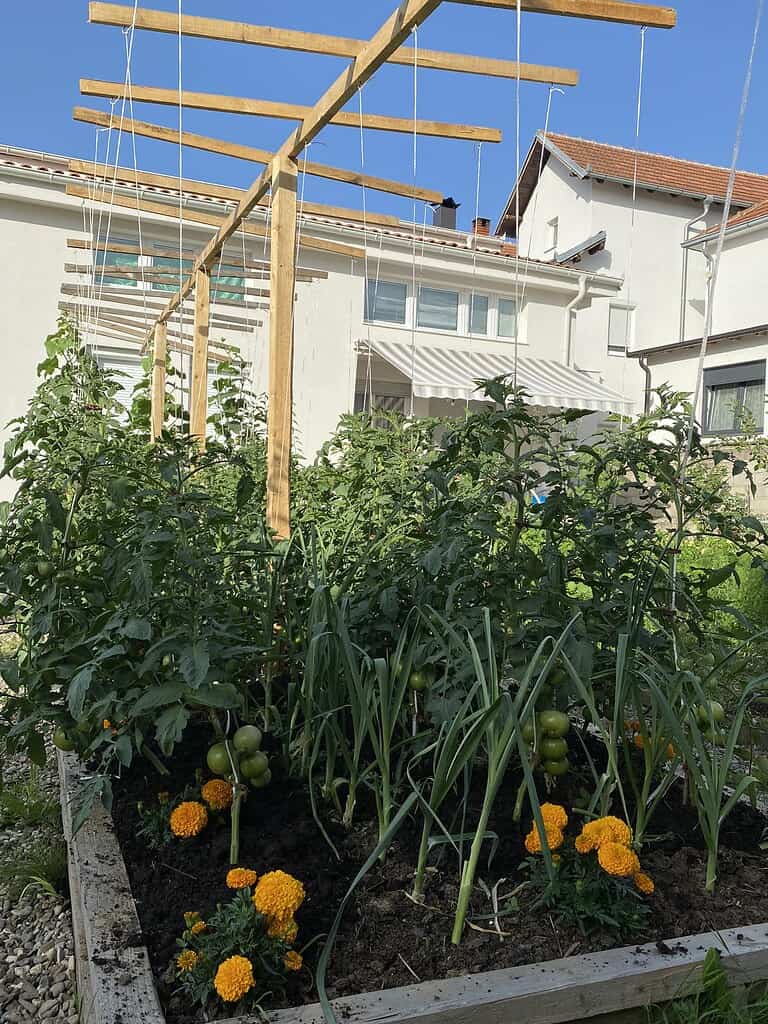
One of the easiest ways to add visual drama and maximize growing space in a summer garden is to go vertical.
Trellises, obelisks, and arbors let climbing plants like beans, cucumbers, clematis, and flowering vines reach for the sky.
There are so many easy garden trellis ideas you’ll want to copy right away — and they work equally well for edibles and ornamentals.
If you’re a fan of clematis specifically, there are gorgeous clematis trellis ideas that can turn a simple fence or post into a stunning focal point.
Landscaping Along Fences and Borders
The edges and boundaries of your yard are prime real estate for creating a lush, layered look.
A well-planted fence line transforms a boring boundary into a green, vibrant backdrop that makes your entire yard feel more intentional and designed.
Get inspired by these jaw-dropping ways to landscape along your fence to see what’s possible even in an average suburban backyard.
If you have trees to work around, these effortless landscaping ideas around trees show you how to turn shaded problem areas into beautiful garden features.
Creating a Backyard Oasis Atmosphere
Beyond the plants themselves, think about how you want to feel in your garden.
A true backyard oasis has layers — the cool shade of trees or a pergola, the sound of water from a small fountain, soft lighting for evenings, and comfortable seating tucked among the plants.
If you’ve ever wanted to know how to turn a regular backyard into a space you never want to leave, this guide on how to create a backyard oasis has all the inspiration and practical tips you need.
Free Planting Guides for This Article
Get exact planting dates, frost schedules, and growing tips for your zone:
Companion Planting and Pest Management the Natural Way
A lush summer garden isn’t just about adding plants — it’s about creating a balanced ecosystem where plants support each other and problems are prevented before they start.
Companion planting and natural pest control are the two most powerful tools in an organic summer gardener’s toolkit.
Strategic Companion Planting
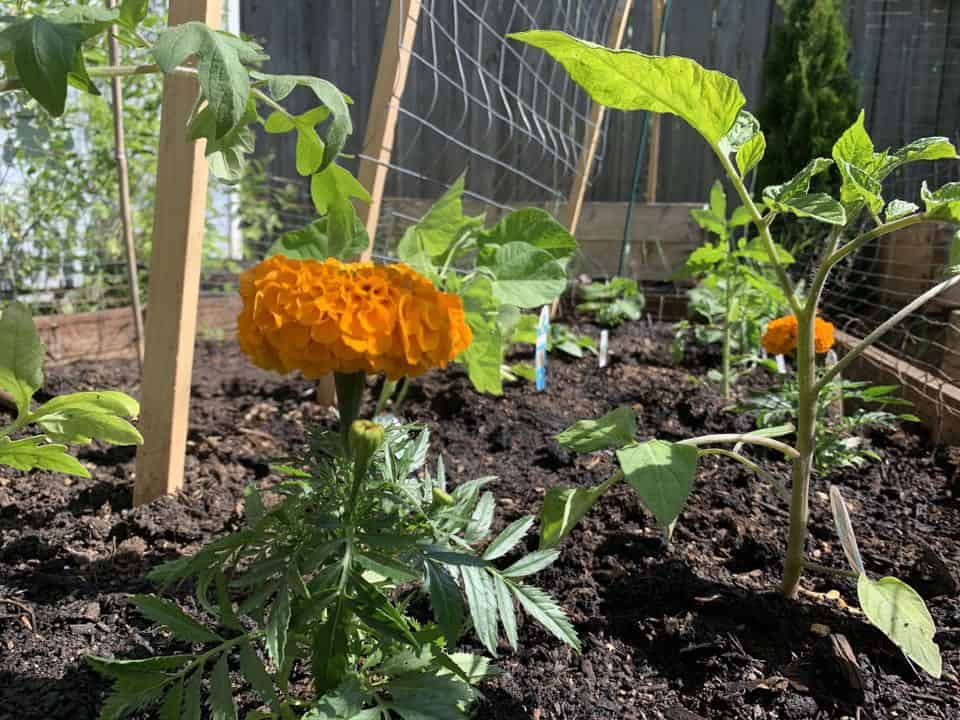
Companion planting is the practice of growing certain plants near each other for mutual benefit.
Classic summer combinations include tomatoes with basil (improves flavor and repels pests), marigolds with vegetables (deter nematodes and aphids), and beans with corn (beans fix nitrogen that corn uses).
A few strategically placed flowering plants throughout your vegetable garden also attract beneficial insects like ladybugs and parasitic wasps that prey on garden pests.
The more biodiversity you create, the more resilient your garden becomes.
Natural Pest Control for Summer Gardens
Summer heat brings not just lush growth but also an explosion of pest activity. The key is addressing problems early, before they escalate.
Aphids, spider mites, cabbage worms, and squash bugs are common summer culprits. For slugs and soft-bodied pests, there are proven natural slug control fixes that don’t require chemical intervention.
Hand-picking larger pests like hornworms and squash bugs in the early morning when they’re sluggish is also surprisingly effective.
For flying pests like fruit flies that can invade both your garden and your kitchen, knowing how to get rid of fruit flies fast at home will save you a lot of frustration during harvest season.
Patio and Container Garden Ideas for Small Backyards
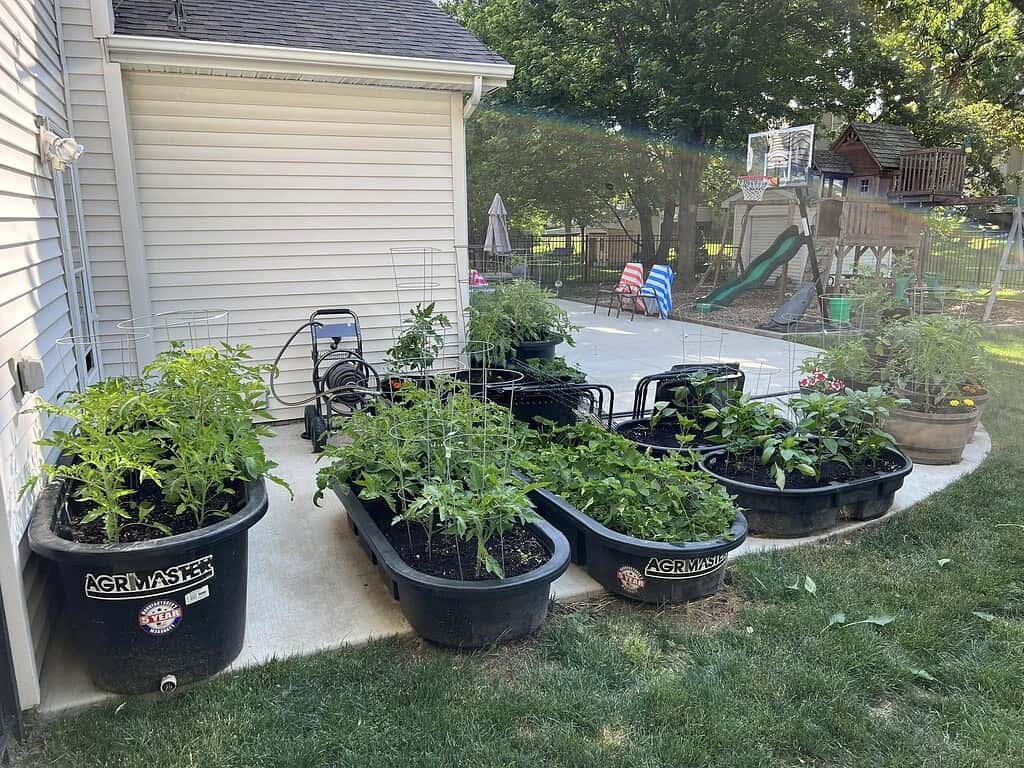
Don’t let limited space stop you from having a lush summer garden.
Patios, balconies, and small yards can be transformed into abundant growing spaces with the right container and patio garden approach.
In fact, some of the most visually stunning summer gardens are built entirely in pots and containers.
There are plenty of gorgeous patio plants that are surprisingly easy to grow — think lantana, calibrachoa, dipladenia, and begonias that spill and trail beautifully from containers.
For a front entry or porch area, a collection of front porch planters can make an immediate, high-impact statement that welcomes visitors and frames your home beautifully.
And if you have a small urban space without a traditional yard, urban gardening techniques can help you grow far more food and beauty than you’d expect.
Attracting Pollinators and Wildlife to Your Summer Garden
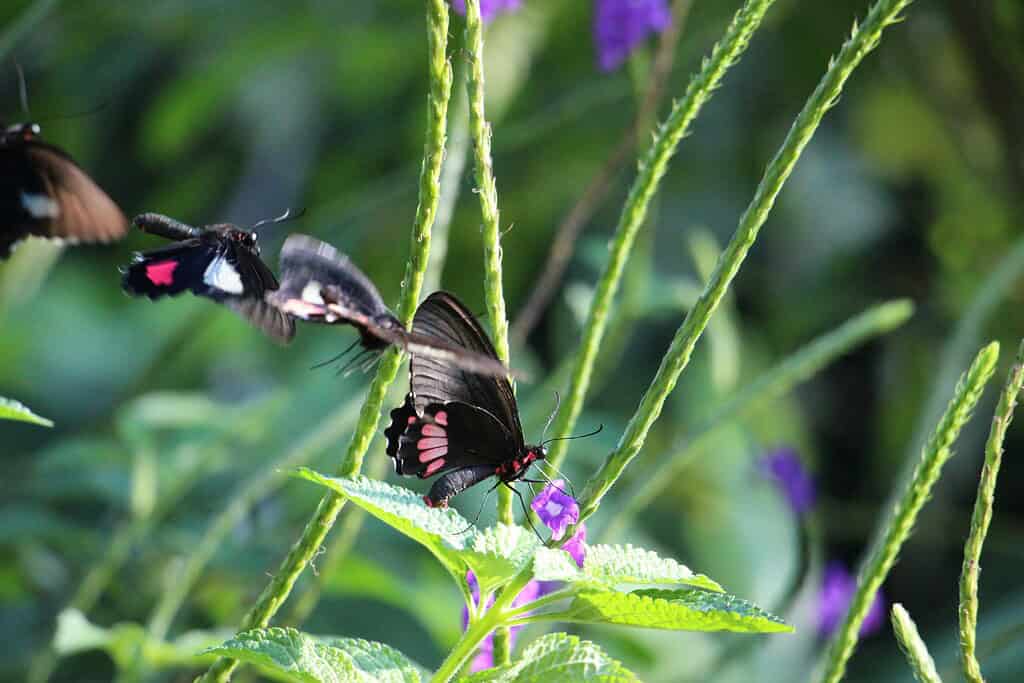
A truly lush, thriving summer garden is one that buzzes and hums with life.
Pollinators — bees, butterflies, hummingbirds — aren’t just beautiful to watch; they’re essential for a productive food garden.
And beyond pollinators, inviting birds into your garden creates natural pest control and an additional layer of vitality and joy.
To attract birds to your backyard this summer, consider adding a few thoughtfully placed birdhouses. Not all birdhouses are created equal — birds are selective about hole size, height, and placement.
These backyard bird house ideas that birds can’t resist will help you set up habitat that actually gets used.
For pollinators, plant a succession of flowering plants that bloom from early summer through fall — lavender, echinacea, black-eyed Susans, and salvia are all excellent choices that are also easy to care for.
How Hard Is It to Garden in Your County?
Every county has a unique Gardening Difficulty Score based on frost risk, soil quality, drought, altitude, and climate trends. Find yours — plus personalized frost dates, planting calendars, and soil data.
Check Your County's Score →Start Today: Your Summer Garden Action Plan
A lush, vibrant backyard doesn’t happen by accident — but it also doesn’t require a professional landscaper or an unlimited budget.
What it requires is a plan, the right plants for your conditions, consistent care, and the willingness to learn as you go.
This summer garden guide has given you the framework: start with great soil, choose the right plants for your space and sun, water deeply and mulch well, design with intention, manage pests naturally, and make room for pollinators and wildlife.
Whether you’re working with a sprawling backyard or a tiny patio, whether you’re a complete beginner or a seasoned gardener looking for fresh ideas, the principles in this guide will help you create the lush, glow-up garden of your dreams.
The best time to start was last spring. The second best time is right now.
What’s one thing you’re planting or changing in your backyard this summer? Share your summer garden plans, questions, or wins in the comments — I read every single one and love hearing what’s growing in your world!
Plan Your Garden With Confidence!

Ever start planting… and then realize halfway through that things feel a little scattered?
A simple plan changes everything.
When you sketch your layout first, you can see what fits, what flows, and what actually makes sense for your space. It saves time, money, and a whole lot of second-guessing later.
Our free Garden Planner helps you map out beds, organize plant spacing, rotate crops, and keep track of seasonal tasks – all in a clean, printable format you can actually use.
Whether you’re designing a low maintenance front yard or planning your full homestead garden, this gives you a clear starting point.
Less chaos. More clarity. A garden that works.
Frequently Asked Questions
How do I keep my garden productive during a summer heat wave?
During extreme heat waves (temperatures above 95°F), even heat-loving plants can struggle.
To protect your garden, water deeply in the early morning before temperatures rise, add an extra layer of mulch to keep soil cool, and consider using shade cloth (30–50% shade rating) over the most vulnerable plants like lettuce, spinach, and young transplants.
Avoid fertilizing during a heat wave, as it pushes new tender growth that’s more susceptible to heat stress. Most established summer plants will bounce back once temperatures moderate — resist the urge to pull them out too soon.
What vegetables can I still plant in midsummer for a fall harvest?
Midsummer (July–August) is actually a great time to sow seeds for a fall harvest.
Crops to plant in midsummer include bush beans (mature in 50–60 days), beets, carrots, kale, collards, Swiss chard, and turnips. Count backward from your first expected frost date to determine if you have enough time for a crop to mature.
In many regions, midsummer plantings of these crops will produce abundantly through October and beyond, extending your garden’s productivity well past the summer season.
How often should I fertilize my summer vegetable garden?
For most summer vegetable gardens, a light application of balanced granular fertilizer at planting time, followed by a monthly side-dressing of compost or a liquid fertilizer every 2–3 weeks during active growth, is sufficient.
Heavy feeders like tomatoes, peppers, and corn benefit from additional fertilization once they begin flowering and setting fruit — switch to a fertilizer lower in nitrogen and higher in phosphorus and potassium at that stage to encourage fruit development over leaf growth.
Always water thoroughly after applying any granular fertilizer to prevent root burn.
Is it okay to garden in a yard with full shade — can anything grow well in summer?
Yes, absolutely — full shade gardens can be lush and beautiful in summer, just with a different plant palette. In full shade (fewer than 3 hours of direct sun), hostas, ferns, astilbe, impatiens, begonias, and bleeding heart all thrive.
For edibles, leafy greens like lettuce, spinach, and some herbs tolerate partial to full shade better than fruiting crops.
The key is matching plant selection to your actual light conditions rather than trying to force sun-loving plants into a shaded spot. A thoughtfully planted shade garden can be one of the coolest and most serene spots in your summer backyard.
How do I prevent blossom drop on my tomatoes and peppers in summer?
Blossom drop in tomatoes and peppers is one of the most common and frustrating summer garden problems. It occurs when temperatures are too high (above 85–90°F at night) or too low, when plants experience inconsistent watering, or when there’s a lack of pollinators.
To reduce blossom drop: maintain consistent soil moisture (never let plants wilt), avoid excessive nitrogen fertilizer which promotes leaf growth over fruit set, gently shake flowering plants in the morning to help with self-pollination on days when pollinators are scarce, and plant heat-tolerant varieties like ‘Solar Fire’ tomatoes or ‘Fooled You’ peppers if you live in a region with very high summer temperatures.
Most plants will resume fruit set naturally once temperatures moderate.
Level Up Your Garden
Our most popular gardening guides