A good garden starts with a good plan. You don’t need anything fancy – just a bit of time to think through where to put things and what you’ll grow.
This guide keeps it simple. We’ll walk through how to pick a spot, choose your plants, and lay everything out so it’s easy to manage and gives you a solid harvest.
Whether you’re planting a few beds or filling up your backyard, this is about making your garden work for you.
A thoughtful layout means less guesswork, fewer problems during the season, and more food on your table. Start small, keep it practical, and grow from there.
The Best Way to Layout Your Vegetable Garden
There’s no one “perfect” garden layout – but there is a layout that works best for your space, your climate, and what you’re hoping to grow.
The key is to keep it simple, functional, and easy to maintain. Whether you’re working with rows, raised beds, or containers, here’s how to plan a layout that sets your garden (and you) up for success.
1. Pick the Right Spot

Where you put your garden can make or break your growing season. Choosing the right location means your plants will have what they need to grow strong and healthy, and you won’t have to work harder than you need to.
Make Sunlight a Priority
Vegetables need light to grow. Most do best with 6 to 8 hours of full sun every day. If your space is shady, you can still grow things like lettuce, spinach, kale, and beets in areas that get about 3 to 4 hours of sun.
When scouting your yard, look to the south, east, or west sides for the best light.
Stay Close to a Water Source
A nearby water source saves time and effort. If you need to drag a hose across the yard or haul water in cans, chances are you won’t keep up with it as well. A garden close to a spigot or rain barrel is easier to maintain.
Check for Good Drainage
Too much water is just as bad as too little. If your yard tends to stay wet or the soil is heavy with clay, you’ll want to fix that before planting. Raised beds or containers are great options when drainage is a problem.
Pick a Spot You’ll Walk Past Often
Put your garden somewhere you’ll see it every day. Maybe near the back door or along the path to your car. When it’s easy to check on, you’re more likely to notice when it needs watering, weeding, or if pests show up.
Avoid Competition from Trees and Shrubs
Keep your garden away from big trees or bushes. Their roots suck up water and nutrients your veggies need, and their shade can slow down growth. Walnut trees are especially bad—they release a toxin that can harm many garden plants.
Start with a Size You Can Handle
It’s tempting to go big, but it’s better to start small and do it well. A couple of raised beds or a few containers are plenty for a beginner. You can always expand once you get the hang of it.
Garden Planner
The 22-page planner timed to your county's real frost dates. Planting windows, monthly checklists, and a harvest log you'll fill with pride by August.
Your Free 22-Page Garden Planner
Built for your exact ZIP code — planting dates, harvest log, and a month-by-month plan. 15-second sign-up.
2. Choose What to Grow

Before you plant anything, it helps to know what you actually want to grow – and what will grow well where you live. Picking the right crops makes the whole season smoother and more rewarding.
Grow What You’ll Eat
Start with a list of vegetables you and your family actually enjoy. There’s no point planting something that’ll just sit in the garden or go to waste. Think about what you cook often and what’s worth the space.
Pick Plants That Fit Your Climate
Your weather and growing season decide what you can grow and when. Some plants like heat, while others prefer cooler temps. Check your local frost dates so you know when to plant and when to expect your last harvest.
Stick to the Easy Ones at First
If you’re new to gardening, go with crops that don’t need much fuss. Good choices for beginners include tomatoes, lettuce, peas, and radishes. They grow quickly, don’t take up much space, and don’t need special care.
Leave Room for Perennials
If you plan to grow things like asparagus or strawberries, remember they’ll come back every year and need a permanent spot. Set aside space for them that won’t be disturbed when you rotate your other crops.
Think About Timing
Some vegetables take longer to grow than others. Make sure there’s enough time in your season for each plant to mature. It helps to read seed packets or plant tags – they’ll tell you how many days it takes to harvest.
3. Pick a Garden Style
There’s no one-size-fits-all garden. The right setup depends on how much space you’ve got, what your soil’s like, and how much time you want to spend working it. Here are some solid options to consider:
Raised Beds

Great for poor soil, drainage problems, or short growing seasons. Raised beds warm up faster in spring and are easier to weed and manage. You can build them out of wood, metal, or cinder blocks. A depth of 6 to 8 inches is usually enough.
Square Foot Gardens

Ideal for small spaces. You divide a bed into 1-foot squares and plant one type of crop per square. This method helps keep things organized and cuts down on waste. Works best with compact crops like herbs, lettuces, and cherry tomatoes.
Vertical Gardens

Perfect for tight spots like balconies or small patios. Use shelves, trellises, or hanging containers. Best for shallow-rooted plants like greens, herbs, and bush peas.
Four-Square Layouts
These are four raised beds with paths between them, often arranged like a grid. You can group crops by type, rotate them easily, and even add a fruit tree or trellis in the middle for looks and function.
Row Gardens
This is the classic layout – long rows planted directly in the ground. Best if you’ve got a bigger backyard and good soil. You’ll need space for walking paths and time to till and prep the ground properly.
Container Gardens

If you’re working with a small patio or balcony, containers are a great way to grow vegetables. Use pots that drain well and place them where they get enough sun. This works well for herbs, greens, tomatoes, and peppers.
Large In-Ground Gardens
If you’ve got plenty of space and want to grow a big harvest – maybe even for preserving food – an in-ground garden is a solid choice. You’ll need good soil, lots of sun, and tools like a tiller and a watering system to manage it all.
Miss it by a week and you lose the crop. The free 22-page planner pins down your exact dates — last frost, first frost, and the weekly steps between — so you plant on the days that actually work for your ZIP.
4. Sketch Your Layout
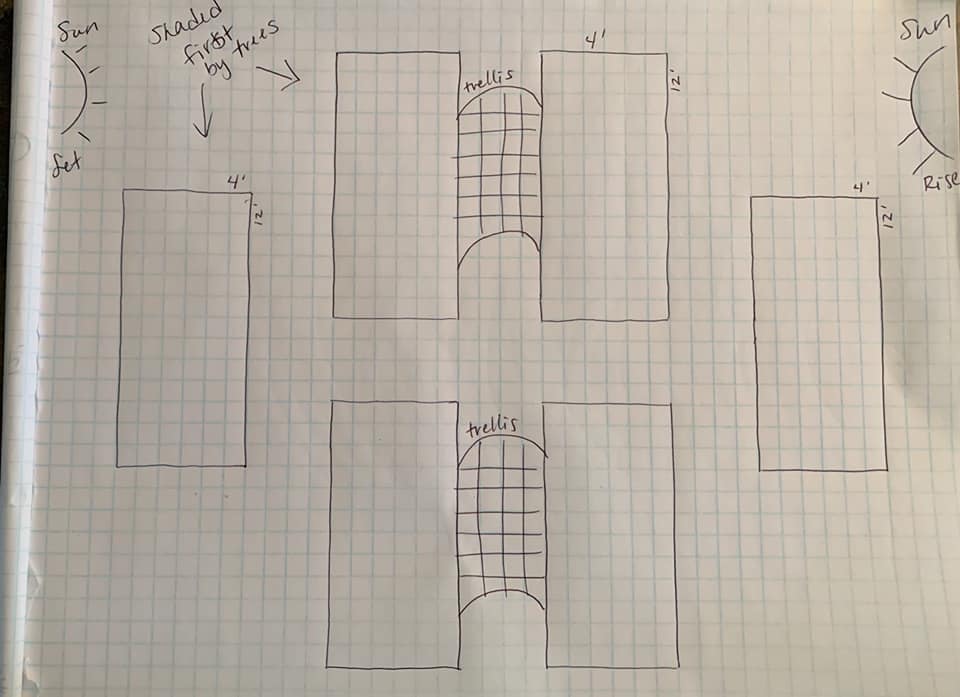
Once you know what you’re growing and how your garden will be set up, it’s time to make a simple plan. Drawing it out (either on paper or using a free garden app) helps you avoid mistakes and saves time later.
Measure Your Space
Start by measuring the area where your garden will go. If it helps, take a photo and draw on top of it. Whether you’re using beds, containers, or rows, get the basic shape and size down first.
Leave Room to Walk
Paths are important. Make sure there’s enough space between beds or rows to walk, push a wheelbarrow, or carry a watering can. About 18 to 24 inches wide usually works fine for walking paths.
Group Similar Needs Together
Put plants with similar water and fertilizer needs in the same area. That way, you’re not overwatering one crop and underwatering another. It also makes feeding and maintenance simpler.
Plan for Sunlight
Plant in a north-to-south direction when you can. This helps all your plants get even sunlight. Place tall crops like tomatoes or corn on the north side so they don’t block the sun from shorter ones like carrots or lettuce.
Think About Reach
Keep beds no wider than 3 to 4 feet so you can reach into the middle without stepping on the soil. If your space is tight, containers or vertical setups let you pack more into a small area without overcomplicating things.
Free Planting Guides for This Article
Get exact planting dates, frost schedules, and growing tips for your zone:
5. Plan Smart Planting
A good layout is just the start – how you plant makes a big difference in how your garden performs. Giving each plant the right space and choosing the right neighbors can save you time and avoid problems later.
Don’t Plant Too Close
It’s tempting to squeeze in more plants, but overcrowding leads to weak growth, disease, and smaller harvests. Check seed packets or plant tags for spacing guidelines and stick to them. Plants need room to spread out.
Support Climbing Plants
Some vegetables, like tomatoes, peas, and beans, do better with support. Staking or caging helps keep the plants upright, improves air flow, and makes harvesting easier. It also keeps fruits off the ground where pests and rot can set in.
Use Companion Planting
Some crops grow better when planted near certain others. It can help with pest control, improve flavor, and support healthier plants.
- Good combos:
- Tomatoes with basil, onions, or carrots
- Cucumbers with lettuce or beans
- Peppers with carrots or Swiss chard
- Lettuce with beets or radishes
- Bad combos:
- Tomatoes near corn or cabbage
- Cucumbers near potatoes
- Beans next to onions
- Potatoes and tomatoes together (same pests)
Try Intercropping
Grow fast crops like radishes or lettuce between slower-growing plants like tomatoes or peppers. You’ll make better use of space and can harvest smaller crops while the bigger ones are still growing.
Attract Pollinators
Planting flowers and herbs like marigolds, zinnias, parsley, and sweet alyssum near or in your vegetable garden helps bring in bees and other beneficial insects. This leads to better pollination and a healthier garden overall.
Rotate Crops Every Year
Moving crops around each year helps avoid pests and diseases that build up in the soil. It also keeps your soil from getting worn out by growing the same thing in the same spot every season.
Best gardening planner I've used in 10 years — and I keep coming back to it every season.
6. Get the Soil and Water Right
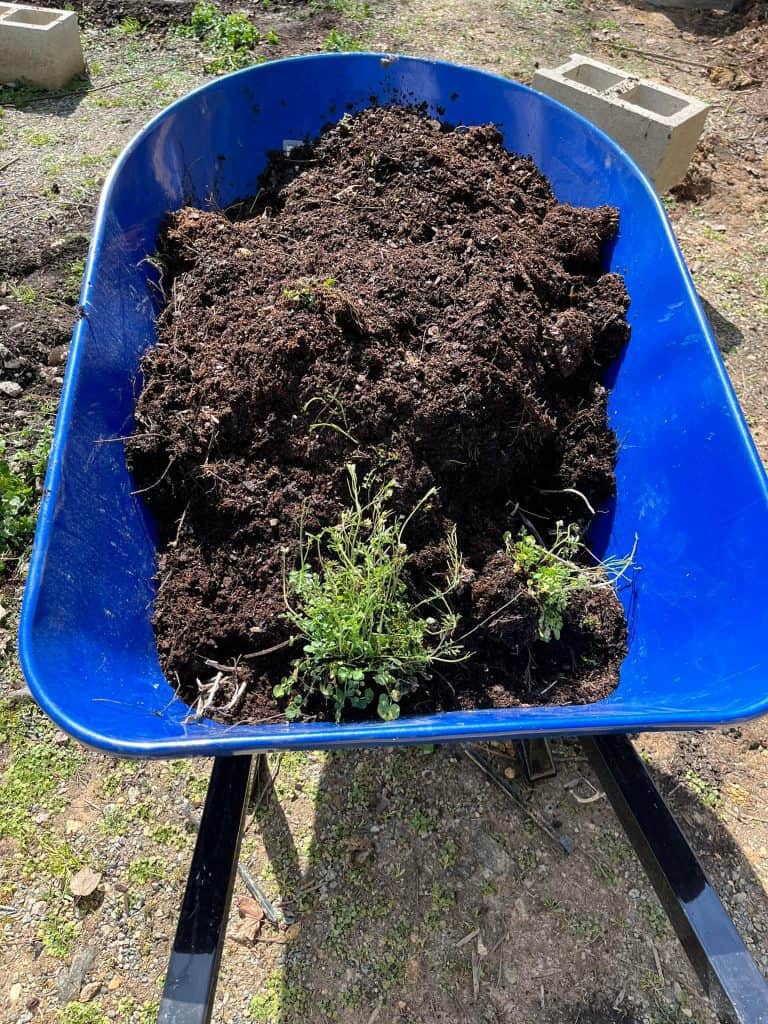
Even with a great layout, your plants won’t grow well if the soil is poor or they’re not getting enough water. Taking time to build good soil and water smart makes everything else easier.
Use Good, Loose Soil
Vegetables like soil that drains well but holds onto moisture. It should be crumbly, not hard or compacted. If your soil is heavy clay or full of rocks, mix in compost or organic matter to improve it. For raised beds or containers, use a soil mix made for vegetables.
Add Mulch to Cut Down Weeds
A layer of mulch helps keep the soil from drying out and stops weeds from taking over. Use straw, shredded leaves, or untreated grass clippings. It also keeps the soil temperature more stable.
Water Deep and Consistent
Vegetables usually need about an inch of water per week, more during hot spells. Water deeply so roots grow strong, but don’t overdo it. Inconsistent watering can cause problems like split tomatoes or bitter cucumbers.
Pay Extra Attention to Containers
Container plants dry out faster than those in the ground. They often need daily watering in hot weather. Make sure containers have drainage holes and use a moisture-retaining potting mix if possible.
Watch the Weather
Rain counts, so adjust your watering schedule if there’s been a good soak. Checking the soil with your hand is a good habit – if the top inch is dry, it’s time to water.
7. Track and Improve Each Year
Each season teaches you something. Keep simple notes on what grew well, what didn’t, and where things were planted. That way, you can avoid repeating mistakes and build on what worked.
If a crop struggled in one spot or pests became a problem, you’ll know what to change next time.
Small adjustments – like moving a bed or switching varieties – can make a big difference. And don’t hesitate to ask local gardeners or extension offices for advice tailored to your area.
- Beans
- Carrots
- Beets
- Lettuce
- Spinach
- Brassicas
How Hard Is It to Garden in Your County?
Every county has a unique Gardening Difficulty Score based on frost risk, soil quality, drought, altitude, and climate trends. Find yours — plus personalized frost dates, planting calendars, and soil data.
Check Your County's Score →Start Small, Plan Smart, and Grow What Works
You don’t need a perfect setup to have a productive garden – just a bit of planning and the willingness to learn as you go.
Pick a spot with good sun and easy access to water, grow what you like to eat, and choose a layout that fits your space.
Keep things simple, give your plants room to grow, and pay attention to what works from season to season.
Over time, your garden will get easier to manage and more rewarding. It’s all about starting where you are and improving a little each year.
FAQs
How much sunlight do vegetables really need?
Most vegetables need 6 to 8 hours of direct sunlight each day. Leafy greens can get by with 3 to 4 hours, but fruiting plants like tomatoes and peppers need full sun to grow well.
What’s the best garden layout for a small yard?
Square foot gardening or container setups work well in tight spaces. They help you grow more in less space without overcrowding and are easier to manage.
Can I still grow vegetables if my soil is rocky or poor?
Yes. Raised beds or containers let you control the soil quality and avoid drainage issues. Just fill them with a good vegetable-friendly soil mix.
How do I know when to water my plants?
Check the soil. If the top inch feels dry, it’s time to water. During hot weather, you may need to water more often, especially with containers.
Why is crop rotation important?
Rotating crops each year helps prevent diseases and pests from building up in the soil and keeps your soil from losing key nutrients.
Ready To Transform Your Garden?

Are you looking for the best way to layout your garden beds? Maybe you’re feeling a bit stuck on how to make the most of your space?
We’ve got you covered! Check out our 101+ Garden Bed Layout Ideas for your next raised bed project. This guide is filled with creative and practical ideas that can help you design a garden that fits your style, whether you’re just starting out or have been gardening for years.
Get your copy today and get inspired to bring your gardening dreams to life.
Level Up Your Garden
Our most popular gardening guides