Tomatoes are one of the most popular garden crops, but they’re also a magnet for pests and diseases.
Companion planting is a simple way to improve your tomato harvest by using the natural benefits of other plants. Some companions repel insects, others attract helpful predators, and a few even improve the soil.
But not all plants make good neighbors – some can harm your tomatoes by spreading disease or competing for nutrients.
In this article, I'll cover the top 15 plants to grow with tomatoes and the 5 that should never be planted nearby.
The Role of Companion Planting in Tomato Health
Tomatoes are sensitive plants that need rich soil, steady moisture, and good airflow to thrive.
They’re also frequent targets for pests like aphids, whiteflies, and hornworms, as well as fungal issues and soil-borne diseases.
Companion planting helps address these challenges naturally. Some plants release strong scents that confuse or drive away harmful insects.
Others attract predators like ladybugs and parasitic wasps that feed on pests. A few, such as nasturtiums, act as trap crops by drawing pests away from tomatoes.
Beyond pest control, companion plants can improve soil structure, boost nutrient availability, and help manage moisture.
Deep-rooted crops like carrots loosen the soil around tomato roots, while legumes such as bush beans fix nitrogen to support tomato growth.
Ground-level companions like parsley and thyme act as living mulch, reducing weed pressure and helping retain moisture in the soil.
Together, these plants create a more balanced environment that supports healthier tomatoes without relying on chemical solutions.
When Should You Plant in Your Area?
Enter your ZIP code for personalized frost dates, planting schedules, and growing tips.
Top 15 Companion Plants for Tomatoes
Below are 15 of the most effective plants to grow alongside tomatoes, starting with the most beneficial.
1. Basil (Ocimum basilicum)
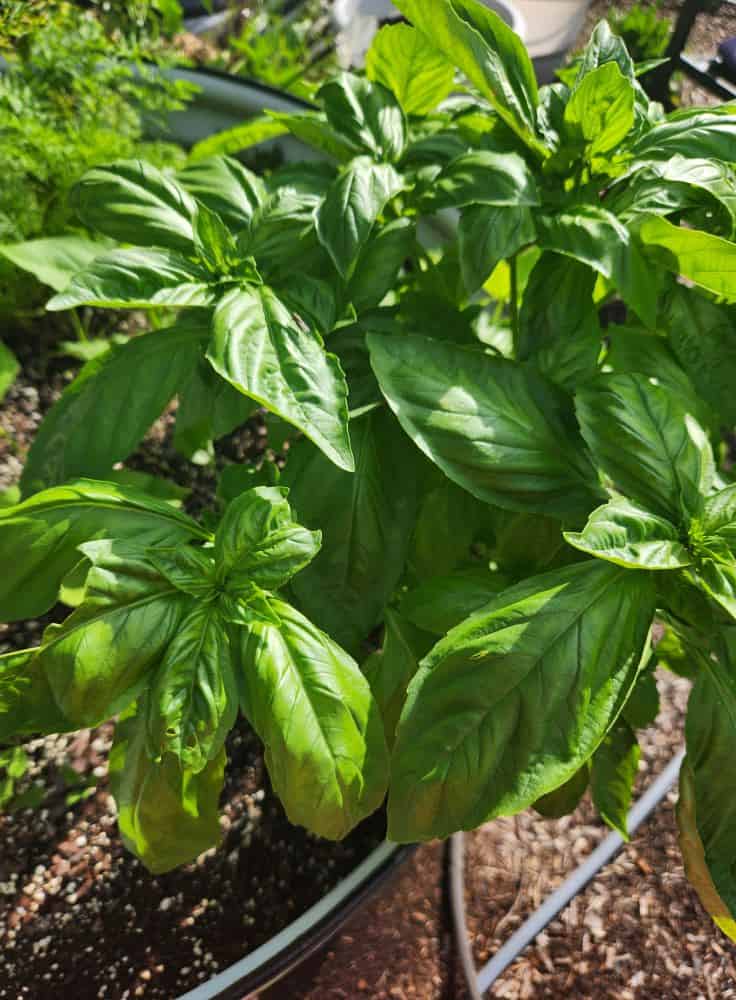
Basil is one of the most reliable companions for tomatoes. It supports tomato growth by increasing root size, which leads to stronger plants and better fruit production.
Its sharp aroma confuses common tomato pests like whiteflies, aphids, and hornworms, making it harder for them to locate tomato plants.
The scent also helps mask the smell of ripening fruit, reducing pest attraction.
Basil grows well in the same conditions as tomatoes and is useful in the kitchen, making it a practical choice for garden and harvest.
Read related post: How to Make Basil Pesto at Home: Easy, Fresh, and Full of Flavor
2. French Marigolds (Tagetes spp.)
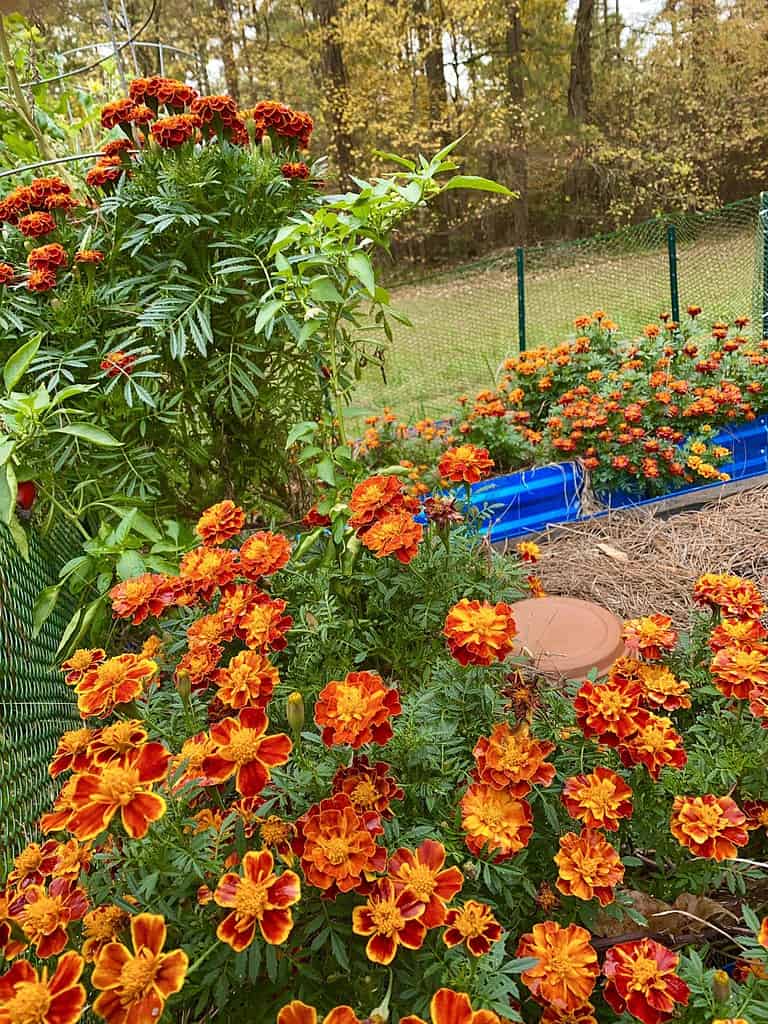
Marigolds are powerful allies in tomato gardens, especially against soil-borne pests.
They release natural compounds that suppress root-knot nematodes and repel harmful insects like aphids and hornworms.
French marigolds also produce pyrethrum, a natural insect repellent that deters moths that lay hornworm eggs.
In addition to pest control, they attract beneficial insects such as ladybugs, which feed on aphids and other soft-bodied pests.
3. Asparagus
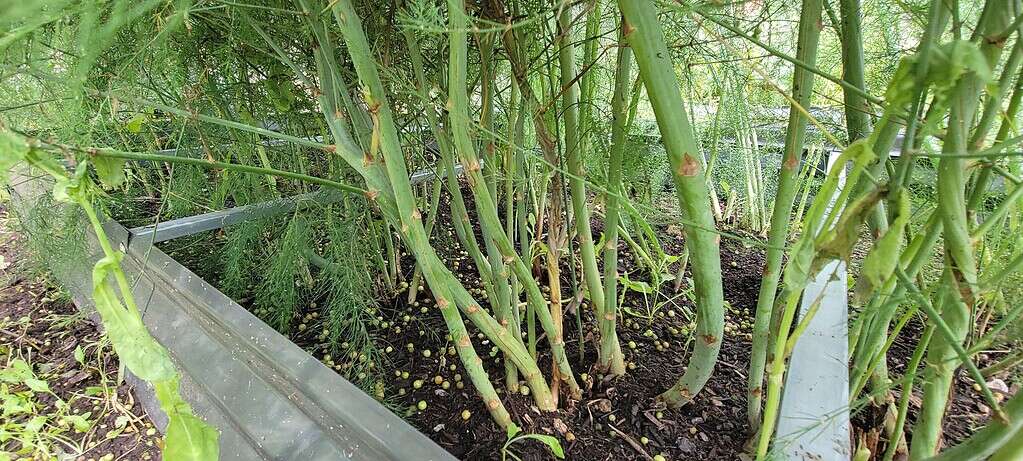
Tomatoes and asparagus work well together by protecting each other from damaging pests.
Asparagus roots release a substance that helps suppress root-knot nematodes, which can weaken tomato plants.
At the same time, tomatoes produce solanine, a compound that repels the asparagus beetle. This mutual defense makes them a smart pair in long-term garden planning.
Asparagus also provides antifungal benefits that can help prevent tomato diseases like botrytis and early blight.
If you’re new to growing this crop, here’s a helpful guide on how to start asparagus plants so you can enjoy its benefits for years to come.
Read related post: Top 10 Companion Plants for Asparagus (And What to Avoid)
4. Garlic
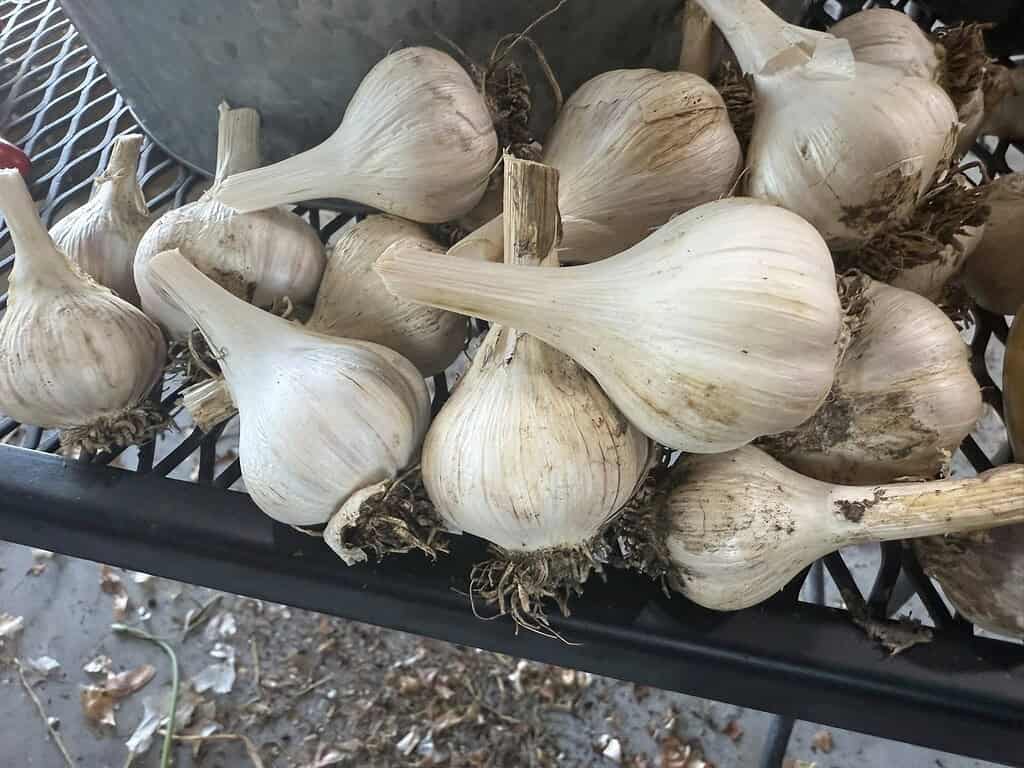
Garlic is a strong natural deterrent for a wide range of pests and diseases. Its pungent aroma helps mask the scent of ripening tomatoes, which makes it harder for pests to locate the plants.
Garlic also contains antibacterial and antifungal compounds that reduce the risk of soil-borne diseases. It’s especially useful for repelling cabbage loopers, spider mites, and root maggots.
Garlic doesn’t compete heavily for nutrients, making it easy to grow around the base of tomato plants.
If you’d like to add this powerhouse to your garden, check out these simple steps to grow garlic.
Read related post: Top 10 Companion Plants for Garlic
5. Borage
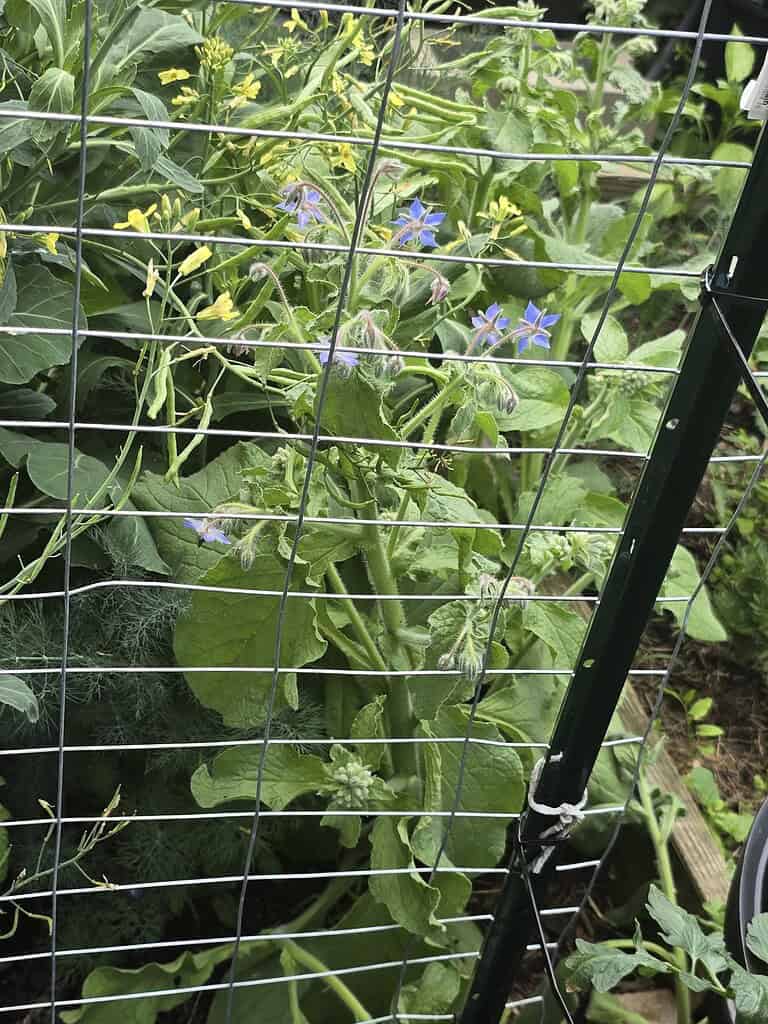
Borage improves both pest resistance and soil quality. It deters tomato hornworms and attracts pollinators like bumble bees and honeybees.
As a dynamic accumulator, borage draws up trace minerals from the soil and returns them through its leaves, which can be composted or left to break down in place.
It also provides a natural source of calcium and other micronutrients that support tomato plant health. Borage works well as a living mulch, helping to shade soil and retain moisture.
6. Chives (Allium schoenoprasum)
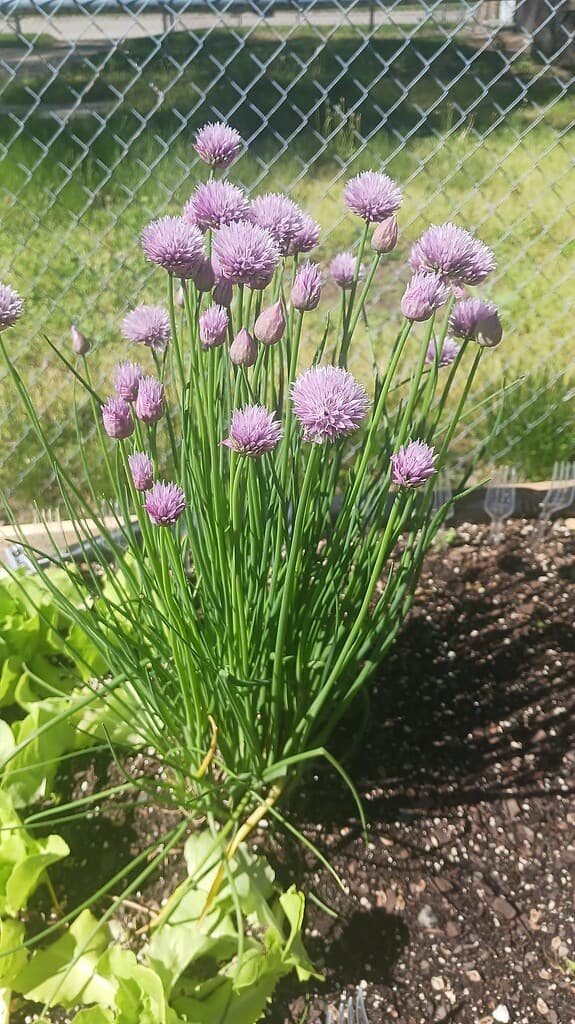
Chives repel several common tomato pests, including aphids, nematodes, and spider mites. When allowed to flower, they also attract beneficial insects such as butterflies, bees, and parasitic wasps.
Chives are compact and grow well along the edges of tomato beds without crowding the plants.
Their light root structure means they won’t interfere with tomato root development, making them easy to integrate into a mixed planting.
7. Lavender
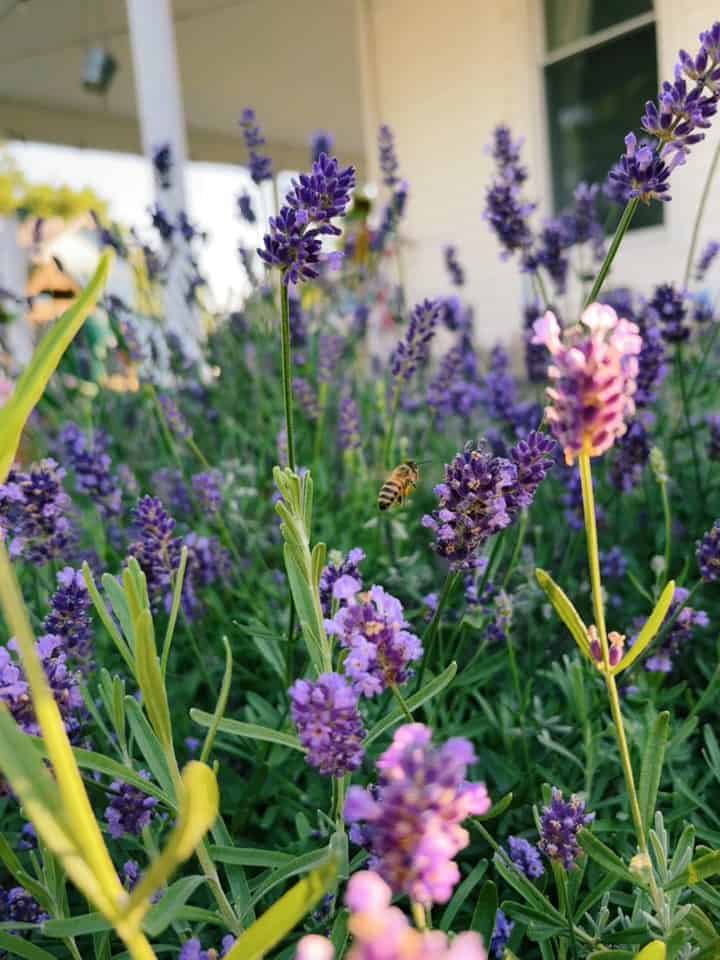
Lavender supports tomato health by attracting bumble bees, which are effective at buzz pollination – a method that helps release more pollen from tomato flowers.
While its sweet scent appeals to pollinators, it also repels pests like flea beetles, aphids, and nematodes.
Lavender is best grown in containers near tomato beds, since it prefers dry, sandy soil and less moisture than tomatoes require. Placing it nearby still offers its benefits without risking soil conflicts.
To get started, here’s a quick guide on how to plant lavender for a healthy, pollinator-friendly garden.
Read related post: How to Harvest Lavender Like a Pro
8. Parsley
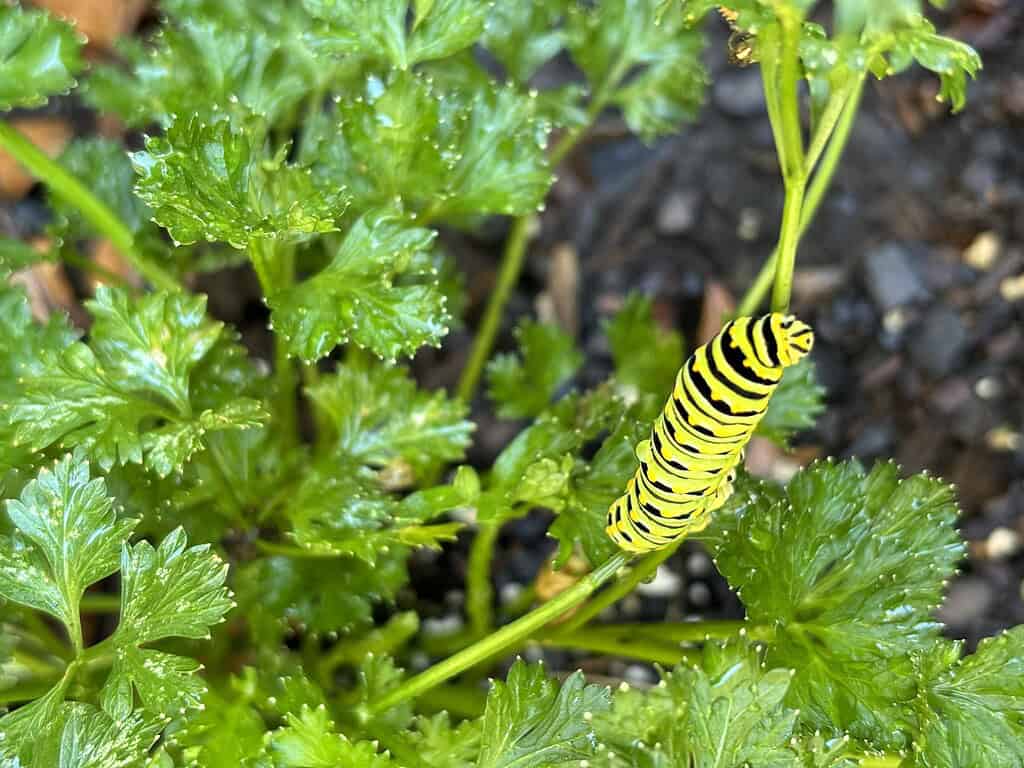
Parsley becomes most beneficial when it begins to flower. Its blooms draw in helpful insects such as ladybugs and hoverflies – both of which target aphids and tomato hornworm eggs.
Parsley can also be used as a living mulch, helping to reduce weed growth and retain moisture.
Since parsley is a cool-season crop, it pairs well with tomatoes when allowed to bolt (flower) as temperatures rise, offering protection during the peak of the tomato season.
You can learn more about companion planting with parsley and how it supports other garden plants naturally.
9. Calendula
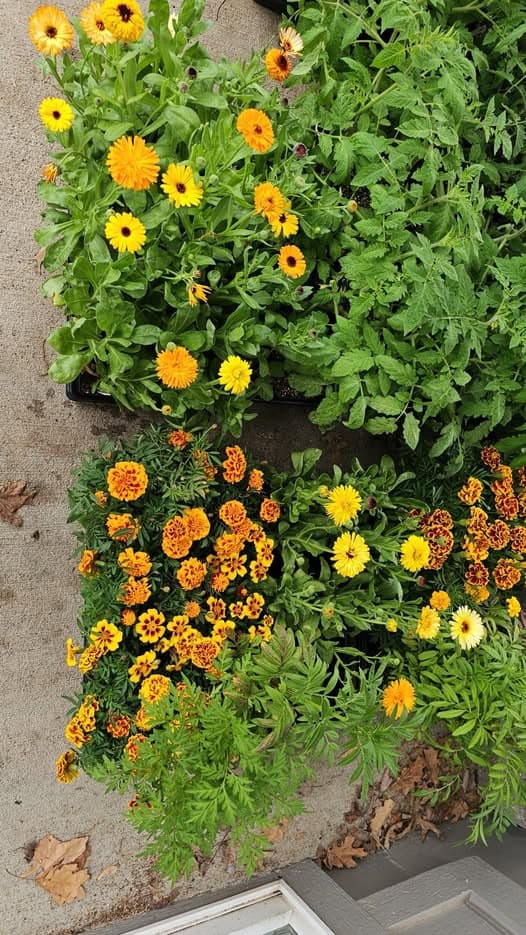
Calendula gives off a musky, woody scent that confuses hornworms and other common tomato pests.
Its brightly colored, edible flowers also act as a trap crop by drawing aphids away from tomatoes.
Calendula is effective against a wide range of pests, including rabbits, flea beetles, nematodes, and corn earworms.
In addition to pest control, calendula helps attract pollinators and can be grown throughout the garden to protect various crops.
For growing tips, see this guide on how to grow calendula in any climate so you can enjoy its beauty and benefits year-round.
10. Nasturtiums
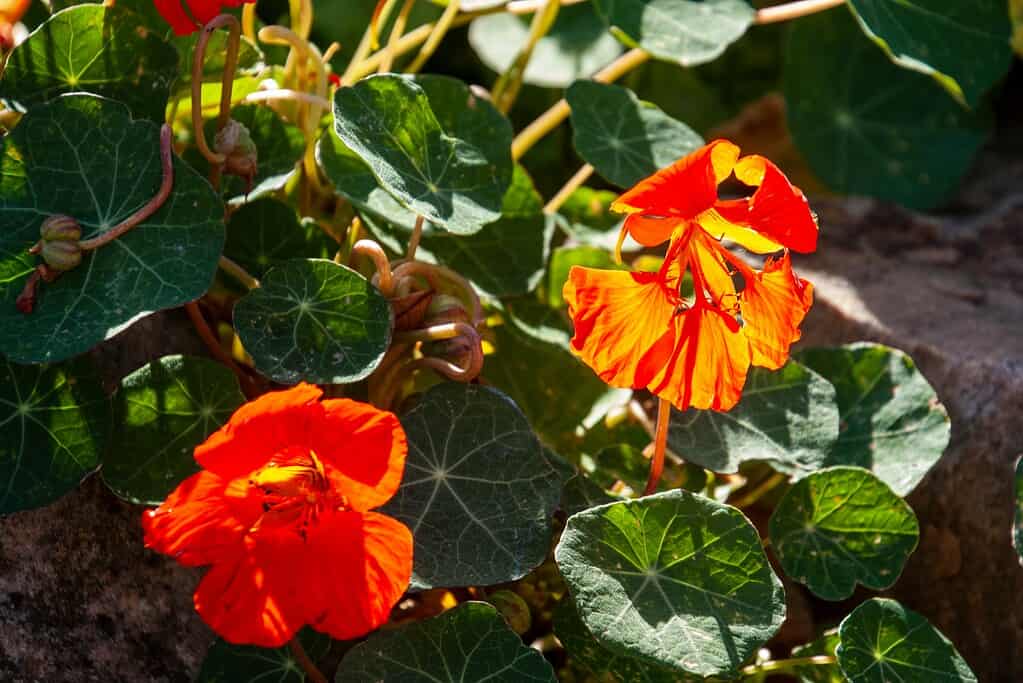
Nasturtiums are one of the best trap crops to grow near tomatoes. They attract aphids and whiteflies, drawing these pests away from tomato plants and limiting the spread of fungal diseases.
Their sprawling growth also acts as a ground cover, helping to suppress weeds and keep soil moist.
In addition to pest control, nasturtiums attract hoverflies and other beneficial insects that prey on soft-bodied pests.
Their edible flowers make them a useful addition to both the garden and the kitchen.
11. Thyme
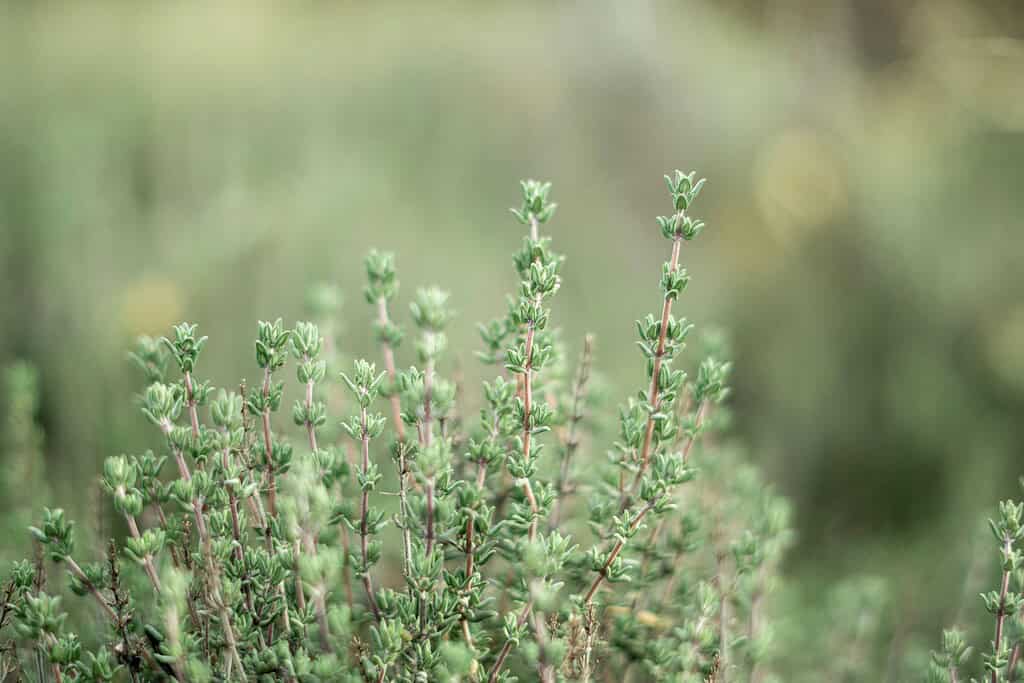
Thyme is a low-growing herb that fits easily into tomato beds or containers.
Its essential oils repel a wide range of pests including ants, aphids, armyworms, leafhoppers, grasshoppers, and wireworms.
Thyme flowers also attract native pollinators and parasitic wasps that feed on tomato hornworms.
Because of its compact growth and minimal nutrient demands, thyme can be planted close to tomato plants without causing competition for space or resources.
12. Oregano
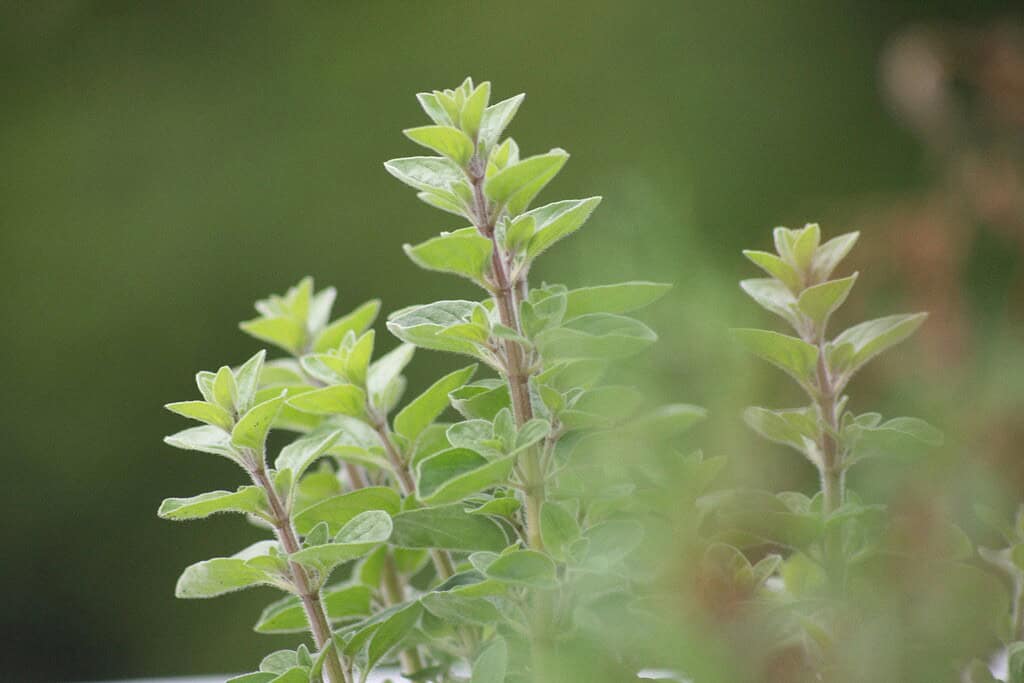
Oregano plays a valuable role in attracting predator insects like green lacewings, which feed on a variety of tomato pests.
Its flowers also support pollinators, and the dense foliage provides shelter for ladybugs.
Since oregano prefers well-drained soil and drier conditions than tomatoes, it’s best grown in containers placed around tomato beds.
This allows you to take advantage of its pest-repelling properties without interfering with the moisture needs of tomato plants.
13. Bush Beans (Legumes)
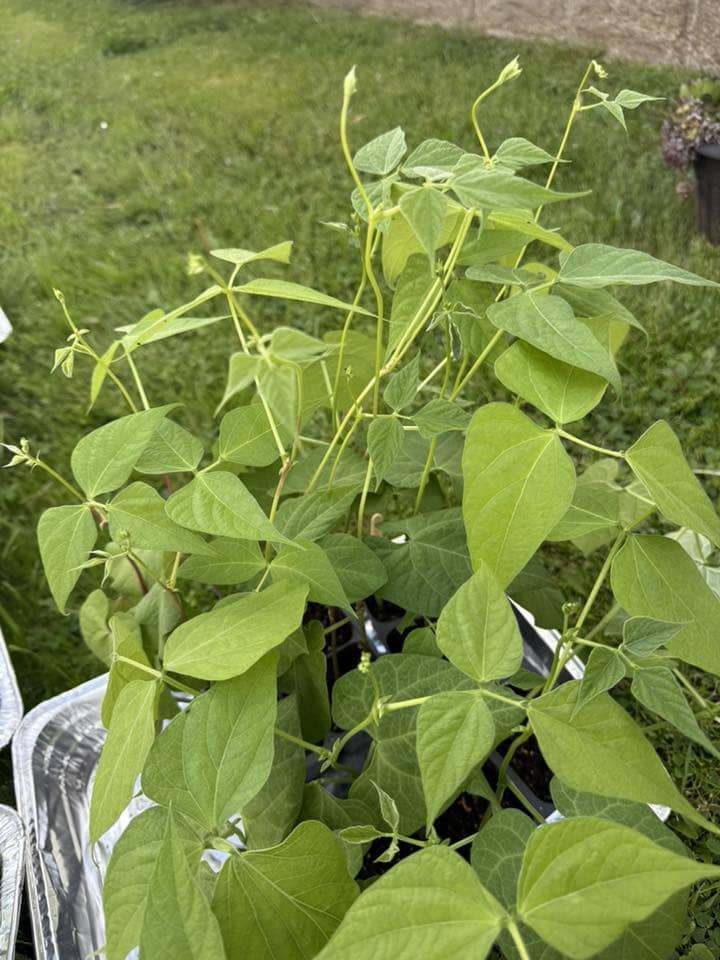
Bush beans help improve soil fertility through nitrogen fixation, which benefits heavy feeders like tomatoes.
These plants convert atmospheric nitrogen into a form that other plants can use, reducing the need for added fertilizer.
The broad leaves of bush beans also provide light shade at the base of tomato plants, helping to retain soil moisture and reduce evaporation.
Their compact size makes them suitable for interplanting without overcrowding the tomato bed.
14. Carrots
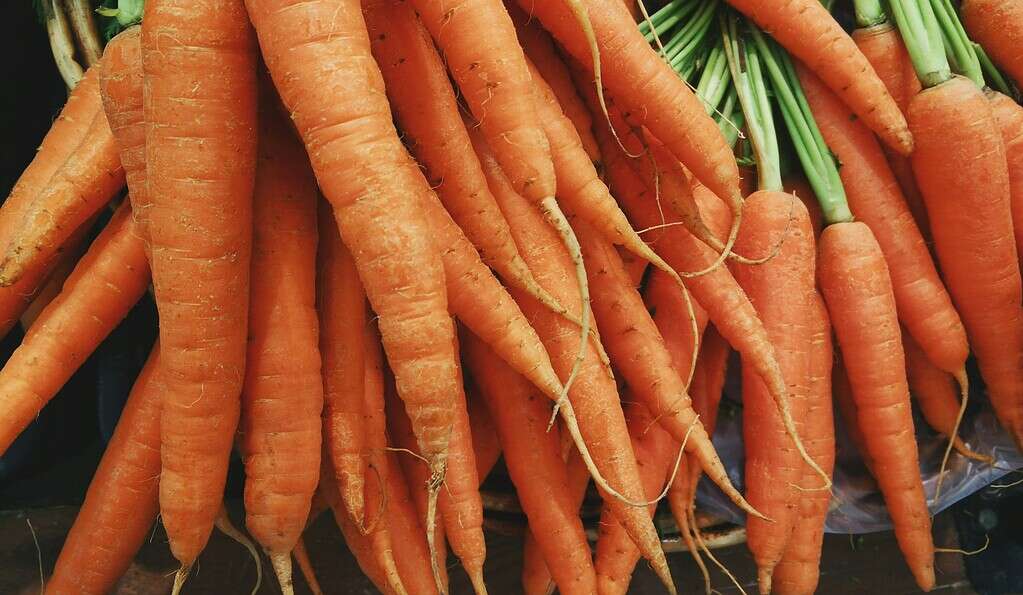
Carrots improve soil structure by loosening the soil around tomato roots, which supports better root development and airflow.
Because they grow underground and have a narrow footprint, carrots don’t compete heavily with tomatoes for above-ground space.
Shorter carrot varieties are typically recommended for planting near tomatoes, as they’re less likely to interfere with deeper tomato root systems.
This pairing is also practical in small gardens or raised beds. If you want a simple walkthrough, follow these how to grow carrots step by step to get crisp, sweet roots even in tight spaces.
Read related post: 17 Plants to Grow Alongside Carrots to Help Them Grow Better
15. Cilantro
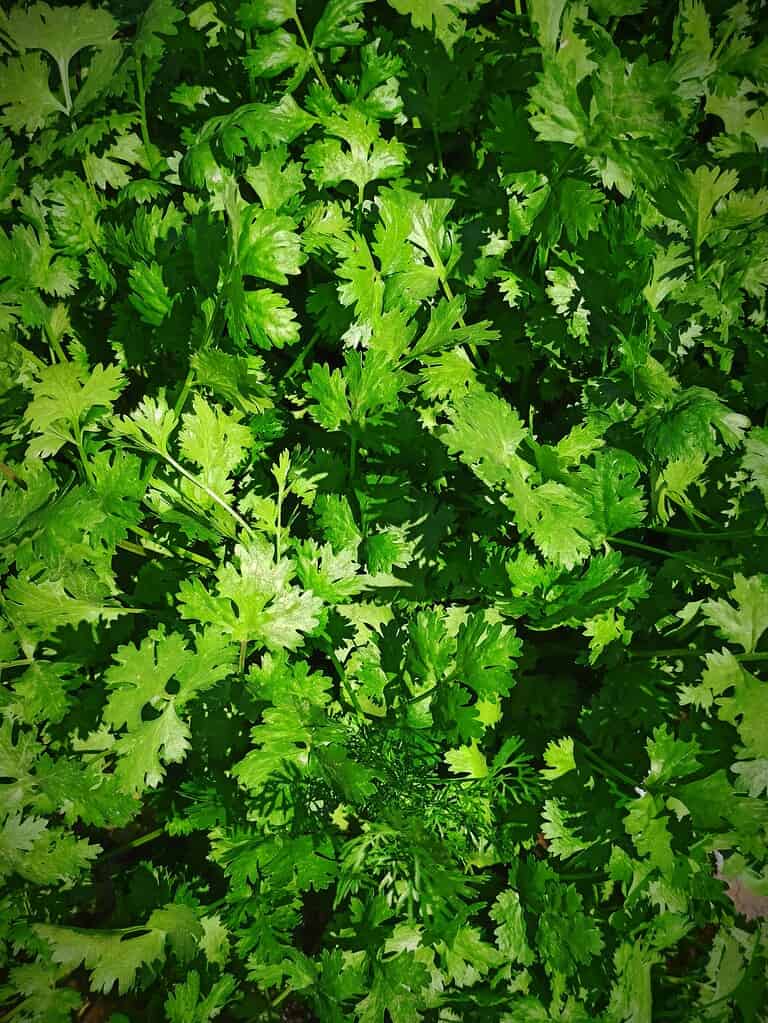
Cilantro becomes a helpful companion during its flowering stage. Its small blooms attract parasitic wasps that prey on adult tomato hornworms.
Though cilantro prefers cooler temperatures, allowing it to bolt during the warmer tomato season provides ongoing benefits.
In addition to attracting beneficial insects, cilantro gives off a scent that helps repel Colorado potato beetles. Like parsley, it can also act as a low-growing ground cover early in the season.
| For easier planning and better pairings, check out these 10 handy companion planting seed packs & garden planners to help you map out a healthier, more productive garden! |
Free Planting Guides for This Article
Get exact planting dates, frost schedules, and growing tips for your zone:
5 Worst Companion Plants for Tomatoes
While many plants can help tomatoes grow better, some do the opposite.
Certain crops compete for nutrients, attract shared pests, or spread diseases that can weaken or destroy tomato plants.
Avoiding these poor companions is just as important as choosing the right ones. Below are five plants that should not be planted near tomatoes and the reasons why.
1. Potatoes
Tomatoes and potatoes are both members of the nightshade family, which makes them vulnerable to the same pests and diseases – especially early and late blight.
These fungal diseases spread easily between the two crops and can wipe out entire harvests if not managed.
Growing them close together also increases the risk of shared pest infestations, including tomato hornworms and flea beetles.
2. Cabbage and Other Brassicas
Cabbage, along with broccoli, cauliflower, Brussels sprouts, and other members of the brassica family, competes with tomatoes for nutrients.
These crops are heavy feeders that deplete the soil quickly, which can stunt tomato growth. They also prefer different soil conditions, making them poor matches for companion planting.
3. Fennel
Fennel is known for producing chemical compounds that inhibit the growth of nearby plants, including tomatoes.
These root secretions can interfere with tomato root development and reduce overall plant health. Fennel doesn’t pair well with most vegetables and is best kept in a separate area of the garden.
4. Corn
Corn attracts the corn earworm, which is the same pest as the tomato fruitworm. Planting these crops near each other increases pest pressure and makes it easier for infestations to spread.
Corn also grows tall and can shade tomato plants, limiting their access to sunlight.
5. Strawberries
Strawberries are highly susceptible to verticillium wilt, a soil-borne disease that also affects tomatoes. Once the fungus is in the soil, it can spread to nearby tomato plants and cause long-term problems.
It’s best to grow strawberries and tomatoes in different parts of the garden, especially if verticillium wilt has been an issue in the past.
Common Mistakes in Tomato Companion Planting
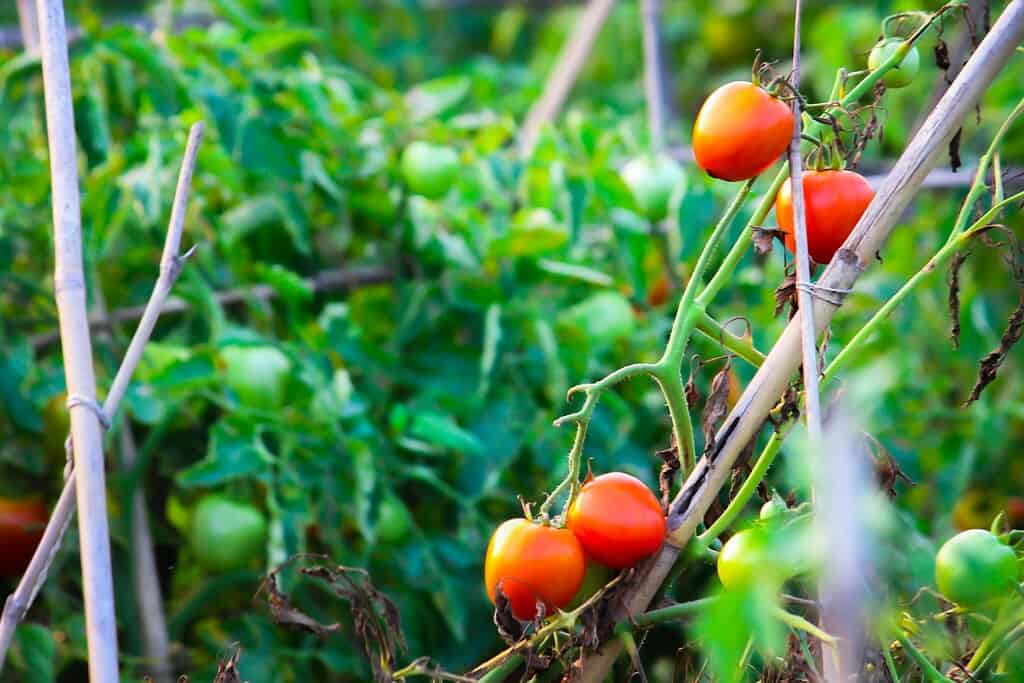
Companion planting works best when it's done with a clear understanding of plant compatibility.
Without planning, it’s easy to make combinations that cause more harm than good. Below are some of the most common mistakes gardeners make when planting near tomatoes:
Overcrowding the tomato bed
Adding too many companion plants in one area can lead to poor airflow, which increases the risk of fungal diseases like blight.
Tomatoes need space around them for light and ventilation, even when surrounded by beneficial plants.
Grouping incompatible plants together
Some herbs and flowers, while helpful in small amounts, have very different needs from tomatoes.
For instance, oregano and lavender prefer drier soil and may suffer (or cause issues) if planted directly in tomato beds. These should be grown in containers nearby instead.
Ignoring nutrient competition
Pairing tomatoes with heavy feeders like cabbage or broccoli can result in poor tomato growth. These crops compete for the same nutrients, leaving tomatoes undernourished.
Planting disease-prone relatives together
Tomatoes should not be planted near other nightshades like potatoes, eggplants, or peppers.
These plants attract the same pests and diseases, especially blight and hornworms, increasing the chance of infection spreading quickly through the garden.
Skipping crop rotation
Replanting tomatoes (or other nightshades) in the same area year after year encourages soil-borne diseases to build up.
A rotation cycle of at least three years is recommended to break the disease cycle and restore soil health.
Avoiding these mistakes helps create a more productive and low-maintenance garden where companion planting supports, rather than hinders, tomato growth.
How Hard Is It to Garden in Your County?
Every county has a unique Gardening Difficulty Score based on frost risk, soil quality, drought, altitude, and climate trends. Find yours — plus personalized frost dates, planting calendars, and soil data.
Check Your County's Score →Make the Most of Your Tomato Garden with the Right Companions
Companion planting is more than just placing friendly plants next to each other—it’s about building a low-maintenance, pest-resistant, and productive garden that works with nature.
Choosing the right allies like basil, marigolds, or bush beans can support tomato health in ways that fertilizers and sprays can’t.
At the same time, avoiding poor companions like potatoes or fennel protects your crop from unnecessary stress, disease, and competition.
By planning your garden layout with care, rotating crops, and matching plant needs, you can grow stronger tomato plants with fewer problems and better yields.
Whether you’re planting in raised beds, containers, or in the ground, these companion strategies can be adapted to your space and growing style.
What has worked well in your tomato garden? Comment down below and share your favorite (or worst) companion planting experience.
FAQs
Can I grow tomatoes with herbs like mint or rosemary?
It’s best to avoid planting mint near tomatoes. Mint spreads aggressively and can take over space quickly, which disrupts root growth. Rosemary can be planted nearby, but it prefers drier conditions, so it’s better suited to a separate container.
Do companion plants need to be the same height as tomatoes?
No. In fact, mixing different plant heights helps improve air circulation and light distribution. Use low-growing herbs like thyme or parsley under tall tomato plants, and save taller companions like bush beans for the outer edges of the bed.
Is it okay to grow tomatoes with lettuce or spinach?
Yes, but only early in the season. Lettuce and spinach are cool-weather crops and can be used as living mulch around tomatoes before temperatures rise. Once the weather gets hot, they’ll bolt and should be removed or replaced.
How far apart should I space companion plants from tomatoes?
Companions can usually be planted within 12–24 inches of tomatoes, depending on the plant. Give each enough space to grow without crowding. Plants like basil or chives can be placed closer, while larger ones like bush beans need more room.
Can I rotate tomatoes if companion plants are perennial?
Yes, but plan accordingly. Perennials like chives or oregano can stay in place, but you’ll need to move your tomato crop to a new area. Keep perennials in containers or border sections so tomato rotation stays manageable year to year.
Level Up Your Garden
Our most popular gardening guides