
When to Plant Sedum (Stonecrop) in USDA Zone 8a
Zone 8a gardeners: here's your August plan
August rewards gardeners who work with the weather, not against it. Here's how to stay in step this month in Zone 8a.
-
Basket week: sedum (stonecrop)
This is the payoff month. Bring a basket, bring a friend, and get into the beds.
Before September arrives, get these ready
- First harvests: sedum (stonecrop)
Sedum (Hylotelephium spectabile, formerly Sedum spectabile) is a supremely tough, drought-tolerant perennial prized for its late-season interest. The flat-topped clusters of starry flowers open pink in late summer and deepen to copper-red as temperatures cool, remaining attractive well into fall and providing seed heads that feed birds through winter. Succulent foliage emerges blue-green in spring, is handsome all season, and turns bronzy after frost. Remarkably adaptable — thrives in poor, gravelly, or sandy soils where other perennials struggle — and virtually maintenance-free once established.
In Zone 8a, the average last spring frost is around March 8 and the first fall frost is around November 18, giving you a growing season of approximately 255 days.
Sedum (Stonecrop) Planting Timeline — Zone 8a
Where Is USDA Zone 8a?
The map below highlights the states that contain Zone 8a. Click any state to see the Sedum (Stonecrop) planting schedule for that location.
Sedum (Stonecrop) Planting Calendar — Zone 8a
| Activity | When | Date Range |
|---|---|---|
| Start Indoors | January 11 | Jan 11 – Jan 25 |
| Transplant Outdoors | March 8 | Mar 8 – Mar 22 |
| Bloom | June 28 | Jun 28 – Sep 20 |
Plant 1" deep · 18" apart · Rows 24" apart
Month-by-Month Timeline
| Month | Activities |
|---|---|
| January | Start Indoors |
| February | — |
| March | Transplant Outdoors |
| April | — |
| May | — |
| June | Bloom |
| July | Bloom |
| August | Bloom |
| September | Bloom |
| October | — |
| November | — |
| December | — |
Free Zone 8a Planting Calendar PDF
Know exactly when to plant every crop in your zone. Get a printable month-by-month calendar customized for Zone 8a with start dates, transplant windows, and harvest times.
Growing Conditions
Sun
Full Sun (6-8+ hours)
💧 Water
Low — drought tolerant
Days to Maturity
60–90 days
Soil pH
6 – 7
Zone Temperature Range
10°F to 15°F average annual minimum
Growing Season
255 days (Zone 8a average)
Planting Specifications
| Planting Depth | 1 inches |
| Plant Spacing | 18 inches apart |
| Row Spacing | 24 inches between rows |
Succession Planting Sedum (Stonecrop) in Zone 8a
Sow every 6.9 weeks for continuous harvest throughout the season.
Growing Tips for Sedum (Stonecrop) in Zone 8a
Plant divisions or container plants in spring after frost danger passes, or in early fall. Excellent drainage is the primary requirement — upright border sedums will rot in wet, heavy soils over winter. Lean soil actually improves performance; avoid over-fertilizing which causes floppy stems. Tall cultivars (Autumn Joy, Matrona) may need light staking in rich soil. Divide every 3–4 years in spring when centers become sparse. Deadhead selectively — leaving seed heads through winter extends ornamental interest and feeds goldfinches. Very low water requirement once established. Year 2+ plants reach full clump size and peak bloom display.
Companion Planting
Good Companions
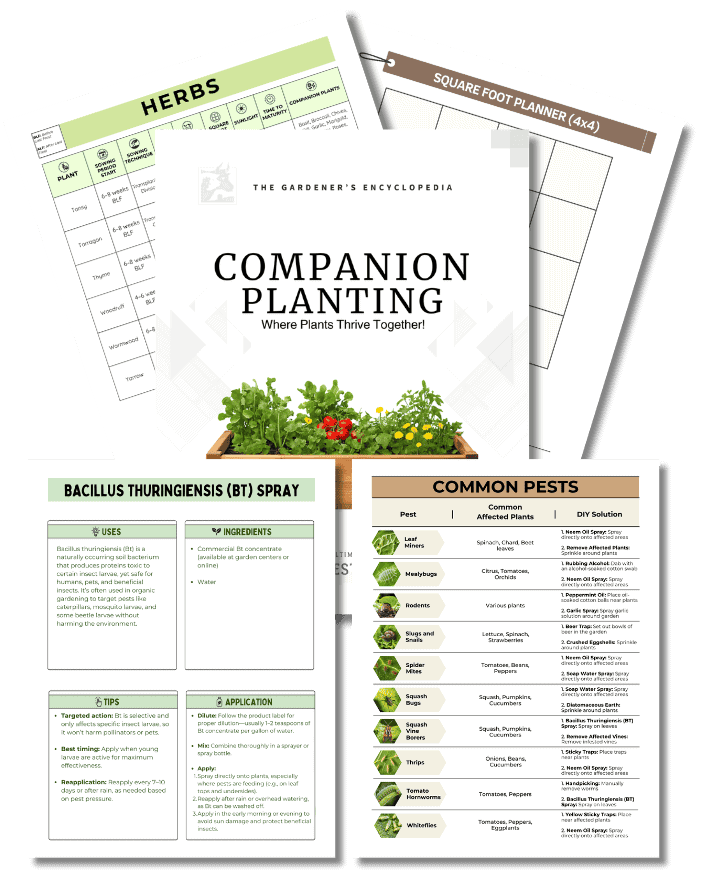
The Gardener's Encyclopedia to Companion Planting
The pairings that make vegetables, herbs, and flowers grow better — and the ones that quietly wreck a bed.
- Proven pairings for 200+ vegetables, herbs, flowers, and fruits
- Full seed-starting + planting schedule with timing and spacing
- Bonus: square-foot gardening guide + printable seasonal planners
Saving Sedum (Stonecrop) Seeds
Recommended for Your Garden
Start seeds indoors with reusable cell trays and humidity domes.
Test your soil pH, nitrogen, phosphorus, and potassium levels before planting.
Keep your garden organized with durable, weather-resistant plant labels.
Related Plants
Sedum (Stonecrop) in Other Zones
Sedum (Stonecrop) by State
- Alabama
- Alaska
- Arizona
- Arkansas
- California
- Colorado
- Connecticut
- Delaware
- Florida
- Georgia
- Hawaii
- Idaho
- Illinois
- Indiana
- Iowa
- Kansas
- Kentucky
- Louisiana
- Maine
- Maryland
- Massachusetts
- Michigan
- Minnesota
- Mississippi
- Missouri
- Montana
- Nebraska
- Nevada
- New Hampshire
- New Jersey
- New Mexico
- New York
- North Carolina
- North Dakota
- Ohio
- Oklahoma
- Oregon
- Pennsylvania
- Rhode Island
- South Carolina
- South Dakota
- Tennessee
- Texas
- Utah
- Vermont
- Virginia
- Washington
- West Virginia
- Wisconsin
- Wyoming
Frequently Asked Questions
When should I plant Sedum (Stonecrop) in Zone 8a?
In Zone 8a, plan your Sedum (Stonecrop) planting around the average last frost date of March 8. Start seeds indoors around January 11. Transplant seedlings around March 8.
Can Sedum (Stonecrop) grow in Zone 8a?
Yes, Sedum (Stonecrop) can grow well in Zone 8a, hardy in USDA zones 3a through 10b. Zone 8a has a growing season of approximately 255 days, which is sufficient for Sedum (Stonecrop) (60-90 days to maturity).
When can I harvest Sedum (Stonecrop) in Zone 8a?
In Zone 8a, expect to harvest Sedum (Stonecrop) from June 28 – September 20. Sedum (Stonecrop) takes 60-90 days from planting to harvest.
What is the last frost date for Zone 8a?
The average last spring frost in Zone 8a is around March 8, and the first fall frost is around November 18. This gives a growing season of approximately 255 days. These are 50% probability dates — actual frost dates vary year to year.
What should I plant next to Sedum (Stonecrop)?
Good companion plants for Sedum (Stonecrop) include Black Eyed Susan, Echinacea, Ornamental Grasses, Rudbeckia. These companions can help with pest control, pollination, and nutrient sharing.
Your Zone 8a Garden Planner — Free
A 22-page printable planner tailored to Zone 8a. Planting dates, monthly task lists, harvest log, seed inventory, and succession charts — everything you need to plan a full season.