
Sedum (Stonecrop) Planting Guide
Growing sedum (stonecrop) in June
sedum (stonecrop) rewards gardeners who pay attention to a few basics. Here's what matters in June, wherever you're growing.
-
How to water sedum (stonecrop)
Mulch heavily around sedum (stonecrop) to hold soil moisture without watering more often.
-
Where to put sedum (stonecrop)
South-facing beds are ideal for sedum (stonecrop). Shade from nearby trees or fences costs real production.
-
Check your local forecast before planting
Your zone determines the exact week to plant sedum (stonecrop). Pick your county below and we'll line everything up against your frost dates.
Sedum (Hylotelephium spectabile, formerly Sedum spectabile) is a supremely tough, drought-tolerant perennial prized for its late-season interest. The flat-topped clusters of starry flowers open pink in late summer and deepen to copper-red as temperatures cool, remaining attractive well into fall and providing seed heads that feed birds through winter. Succulent foliage emerges blue-green in spring, is handsome all season, and turns bronzy after frost. Remarkably adaptable — thrives in poor, gravelly, or sandy soils where other perennials struggle — and virtually maintenance-free once established.
Hylotelephium spectabile · Flower · Crassulaceae family · 60–90 days to maturity
Why it matters: If you're just starting a flower garden in your area, Sedum (Stonecrop) is a forgiving first pick. It tolerates imperfect soil, mild drought, and the occasional missed watering. The reward: weeks (sometimes months) of continuous color.
Get Your Personalized Sedum (Stonecrop) Planting Dates
Enter your ZIP code to see exact planting dates, soil compatibility, and growing tips specific to your county.
Where Can You Grow Sedum (Stonecrop)?
Sedum (Stonecrop) Growing Regions
Click any state to see the Sedum (Stonecrop) planting schedule for that location.
Planting Dates by Zone
| Zone | Start Indoors | Direct Sow | Transplant | Bloom |
|---|---|---|---|---|
| Zone 3a | Mar 6 | — | May 29 | Oct 2 – Nov 13 |
| Zone 3b | Mar 1 | — | May 24 | Sep 27 – Nov 8 |
| Zone 4a | Feb 25 | — | May 20 | Sep 23 – Nov 11 |
| Zone 4b | Feb 20 | — | May 15 | Sep 18 – Nov 13 |
| Zone 5a | Feb 21 | — | May 9 | Sep 5 – Nov 7 |
| Zone 5b | Feb 14 | — | May 2 | Aug 29 – Nov 7 |
| Zone 6a | Feb 6 | — | Apr 17 | Aug 7 – Oct 23 |
| Zone 6b | Jan 30 | — | Apr 10 | Jul 31 – Oct 23 |
| Zone 7a | Jan 21 | — | Apr 1 | Jul 22 – Oct 14 |
| Zone 7b | Jan 14 | — | Mar 25 | Jul 15 – Oct 7 |
| Zone 8a | Jan 11 | — | Mar 8 | Jun 28 – Sep 20 |
| Zone 8b | Dec 31 | — | Feb 25 | Jun 17 – Sep 9 |
| Zone 9a | Dec 16 | — | Jan 27 | May 19 – Jul 28 |
| Zone 9b | Nov 30 | — | Jan 4 | Apr 26 – Jul 5 |
| Zone 10a | Nov 20 | — | Dec 4 | Mar 26 – May 21 |
| Zone 10b | Nov 20 | — | Nov 27 | Mar 19 – Apr 30 |
Why are some columns showing "—"?
Direct Sow shows "—" because Sedum (Stonecrop) benefits from being started indoors first, then transplanted after the last frost.
How to Plant Sedum (Stonecrop)
Growing Conditions
☀️ Sun
Full Sun (6-8+ hours)
💧 Water
Low — drought tolerant
Drought tolerant — water only when soil is dry 2" deep.
🧪 Soil pH
6 – 7
Prefers neutral to slightly acidic soil — ideal for most garden beds.
🗺️ Hardiness Zones
Zone 3a – 10b
📅 Days to Maturity
60–90 days
Quick-growing crop. Multiple plantings per season are possible.
👪 Plant Family
Crassulaceae
Rotate with other families yearly to prevent soil-borne diseases. Don't plant in the same spot where Crassulaceae family crops grew last year.
Succession Planting Sedum (Stonecrop)
Sedum (Stonecrop) matures in just 60–90 days, making it ideal for succession planting. In a typical 180-day growing season, you can get up to 3 successive plantings by sowing every 6.9 weeks.
Your actual succession count depends on your local frost dates. Enter your ZIP code to get personalized succession planting dates for your area.
Companion Planting for Sedum (Stonecrop)
✅ Good Companions
Check more combinations with our Companion Planting Checker →
Growing Tips for Sedum (Stonecrop)
Plant divisions or container plants in spring after frost danger passes, or in early fall. Excellent drainage is the primary requirement — upright border sedums will rot in wet, heavy soils over winter. Lean soil actually improves performance; avoid over-fertilizing which causes floppy stems. Tall cultivars (Autumn Joy, Matrona) may need light staking in rich soil. Divide every 3–4 years in spring when centers become sparse. Deadhead selectively — leaving seed heads through winter extends ornamental interest and feeds goldfinches. Very low water requirement once established. Year 2+ plants reach full clump size and peak bloom display.
Saving Sedum (Stonecrop) Seeds
Recommended for Your Garden
Start seeds indoors with reusable cell trays and humidity domes.
Test your soil pH, nitrogen, phosphorus, and potassium levels before planting.
Keep your garden organized with durable, weather-resistant plant labels.
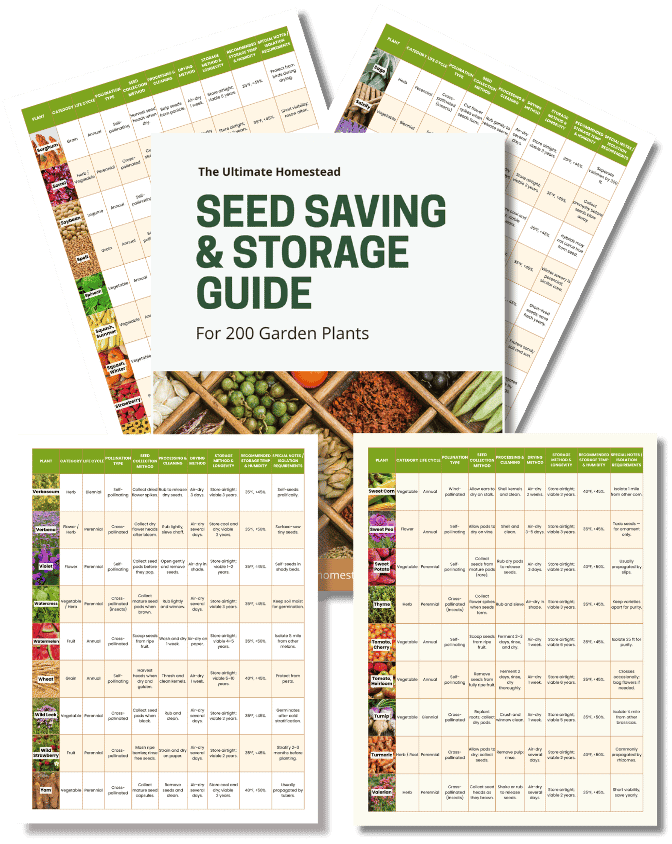
Seed Saving & Storage Guide
Most saved seeds go bad before next season. This shows exactly when to pick, how to dry, and where to store seeds from 200 plants so yours don't.
- 200 plants, step-by-step: life cycle, pollination type, isolation
- Exact temperature + humidity ranges that keep seeds viable
- Bonus: searchable Google Sheets tracker + custom GPT assistant
Sedum (Stonecrop) by State
- Alabama
- Alaska
- Arizona
- Arkansas
- California
- Colorado
- Connecticut
- Delaware
- Florida
- Georgia
- Hawaii
- Idaho
- Illinois
- Indiana
- Iowa
- Kansas
- Kentucky
- Louisiana
- Maine
- Maryland
- Massachusetts
- Michigan
- Minnesota
- Mississippi
- Missouri
- Montana
- Nebraska
- Nevada
- New Hampshire
- New Jersey
- New Mexico
- New York
- North Carolina
- North Dakota
- Ohio
- Oklahoma
- Oregon
- Pennsylvania
- Rhode Island
- South Carolina
- South Dakota
- Tennessee
- Texas
- Utah
- Vermont
- Virginia
- Washington
- West Virginia
- Wisconsin
- Wyoming
Frequently Asked Questions
How long does it take to grow Sedum (Stonecrop)?
Sedum (Stonecrop) (Hylotelephium spectabile) takes 60 to 90 days from planting to harvest. Exact timing depends on your variety, growing conditions, and USDA zone.
What zones can Sedum (Stonecrop) grow in?
Sedum (Stonecrop) can be grown in USDA zones 3a through 10b. Use the planting calendar above to find the exact dates for your zone.
How much sun does Sedum (Stonecrop) need?
Growing Sedum (Stonecrop) requires Full Sun (6-8+ hours), Low — drought tolerant, and soil pH of 6 to 7.