
If you've been dreaming of turning your outdoor space into something truly beautiful, you're in the right place.
A patio doesn’t need to be big or complicated to feel inviting. Sometimes, it just takes the right plants to bring everything to life (a bit of color, some texture, and that relaxed, lived-in feel we all want outside).
We've rounded up 12 gorgeous patio plants that check every box: striking looks, easy care, and the ability to handle the ups and downs of outdoor growing.
And if you're looking for even more ways to elevate your outdoor space, check out our guide on how to create a backyard oasis you'll never want to leave for a full transformation plan.
12 Easy and Gorgeous Patio Plants to Grow Right Now
Let’s take a look at some of the best patio plants you can start growing right now:
1. Lavender (Lavandula spp.)
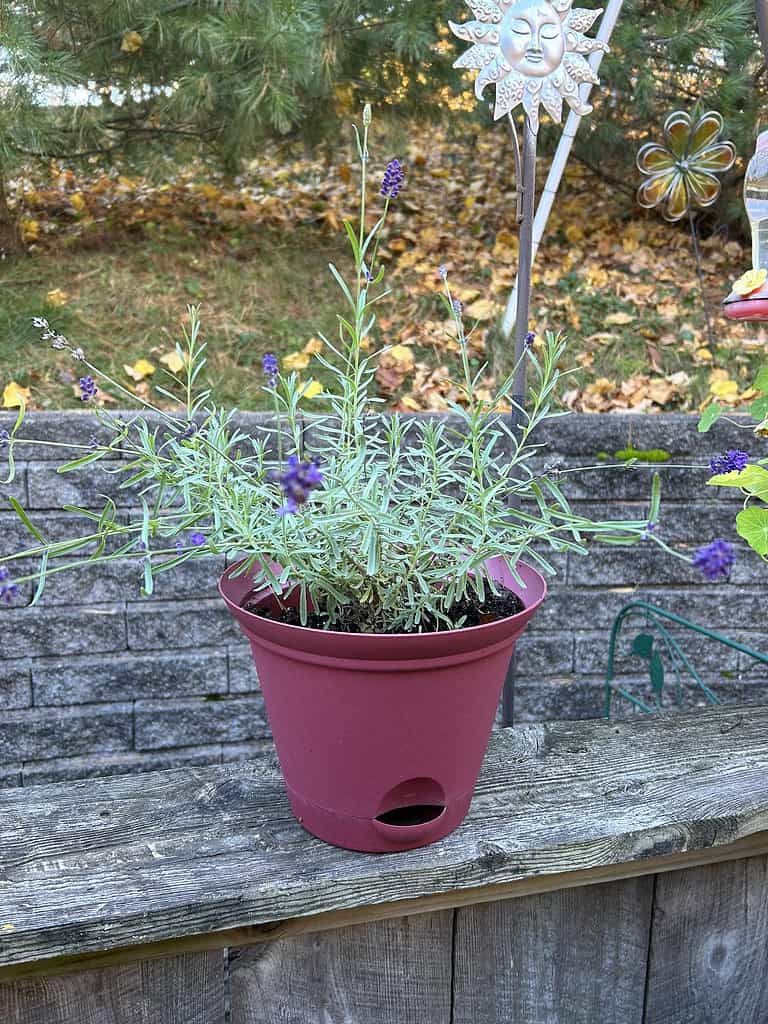
Lavender is one of the most iconic patio plants for good reason. It produces tall, fragrant spikes of purple flowers that look stunning in terracotta pots or wooden planters, and its silvery-green foliage adds texture even when it's not in bloom.
Lavender thrives in full sun and well-draining soil, making it a dream plant for sunny patios. It's drought-tolerant once established, so if you occasionally forget to water, it won't hold it against you.
Plus, it naturally deters mosquitoes, which is a welcome bonus for any outdoor seating area. Trim it lightly after flowering to keep it bushy and productive year after year.
2. Petunias (Petunia × atkinsiana)
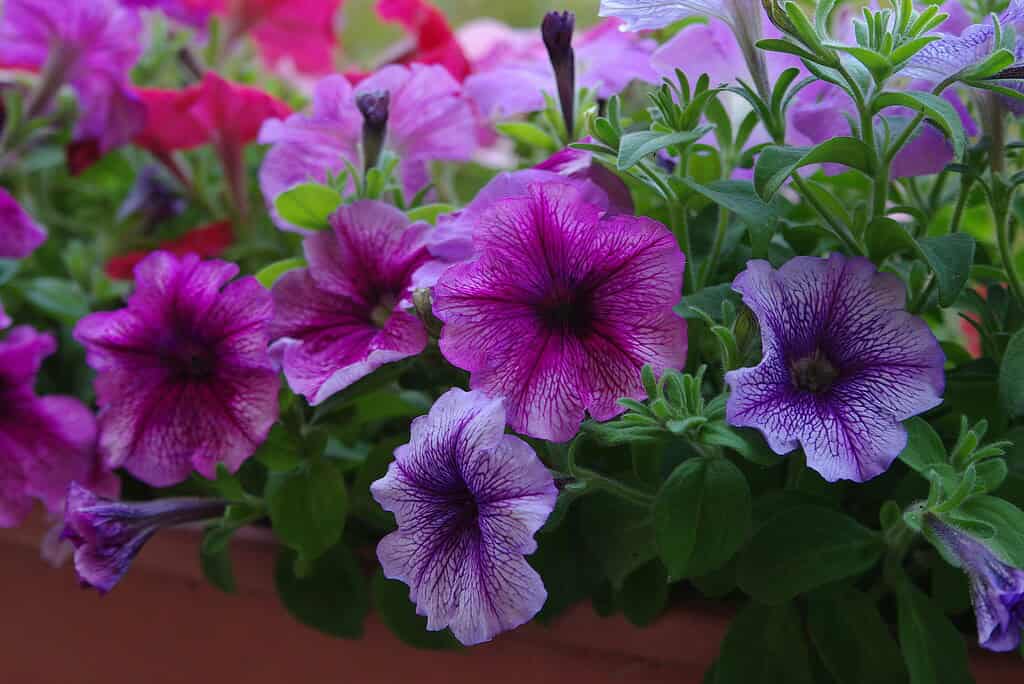
Few plants deliver as much color bang for your buck as petunias.
These cheerful bloomers come in every shade imaginable – from deep burgundy and violet to cotton-candy pink and crisp white – and they flower continuously from spring through the first frost.
They're ideal for hanging baskets, window boxes, and container edges where their trailing stems can cascade beautifully.
Petunias love full sun and regular watering, but they're forgiving if conditions aren't perfect.
Deadhead spent blooms to keep new flowers coming, and fertilize every couple of weeks for the most spectacular display.
For more inspiration on pairing petunias and other flowers in containers, see our roundup of the best flowers for container gardening.
3. Geraniums (Pelargonium spp.)
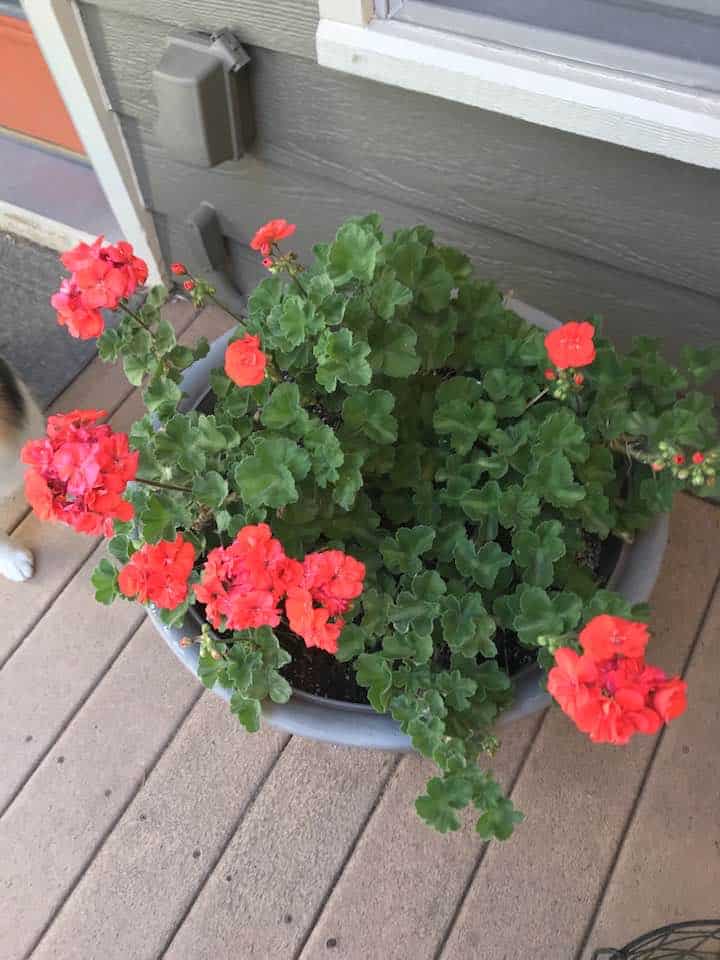
Geraniums are a classic patio favorite, and they've earned that reputation through decades of reliable performance.
With bold clusters of red, pink, salmon, white, or bicolor blooms held above attractive rounded leaves, they add structure and vibrancy to any outdoor setup.
They're compact growers that do especially well in pots, containers, and window boxes. Geraniums prefer full sun to partial shade and want their soil to dry out slightly between waterings – overwatering is their main enemy.
They're also excellent at repelling insects, making them both beautiful and practical for patios where you love to relax.
4. Marigolds (Tagetes spp.)
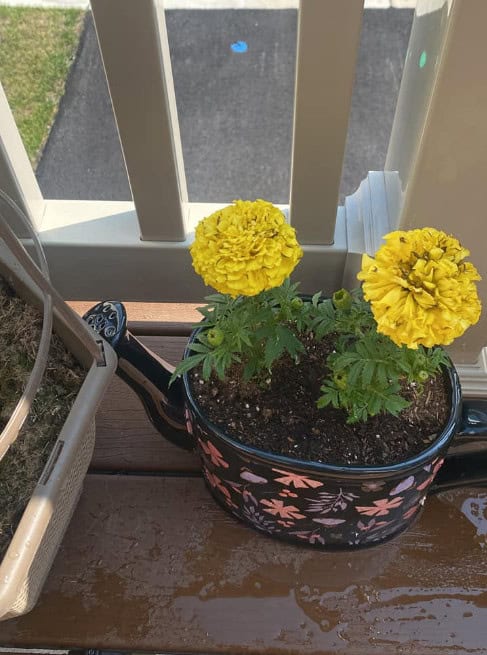
Marigolds are one of the most hardworking patio plants you can grow. Their bright orange, yellow, and gold blooms are cheerful and long-lasting, flowering from early summer all the way through fall.
But marigolds aren't just pretty – they're also functional. Their strong scent naturally deters aphids, whiteflies, and even mosquitoes, making them an excellent companion around your patio seating.
They thrive in full sun, tolerate heat well, and aren't fussy about soil quality.
If you want to learn more about growing these incredible bloomers from seed to flower, our in-depth post on how to grow marigolds walks you through the entire process.
5. Succulents (Various Genera)
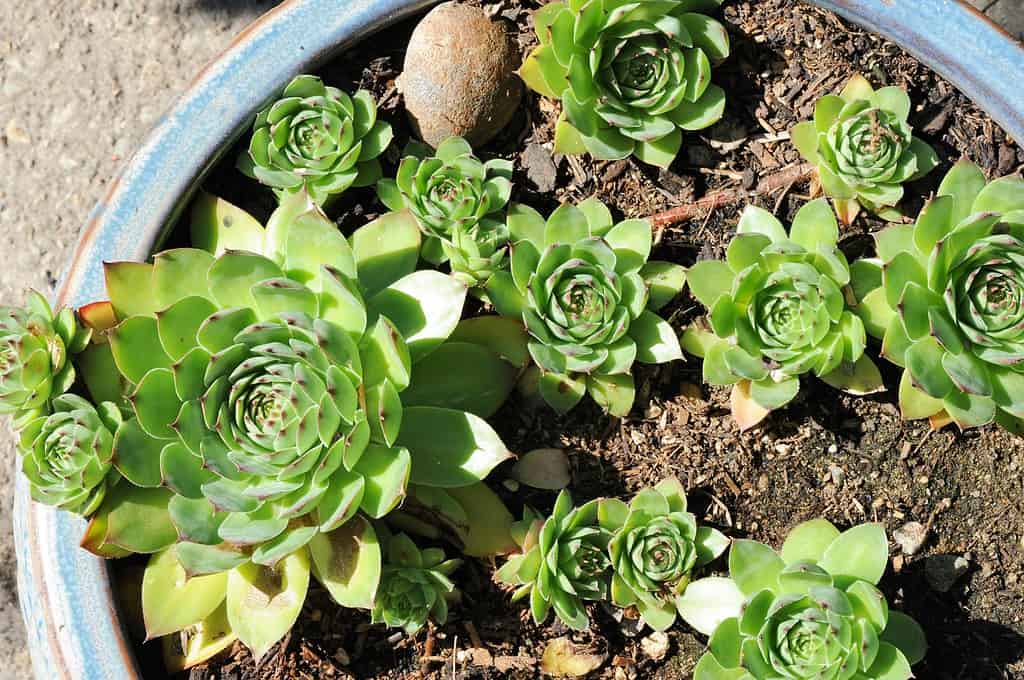
If you want drama with almost zero effort, succulents are your answer.
These architectural plants store water in their thick, fleshy leaves, which means they can go days or even weeks without attention.
They come in an astonishing range of shapes, colors, and textures – from powder-blue rosettes to spiky aloe to trailing burro's tail – making them endlessly fun to mix and match in shallow dishes, troughs, and terracotta pots.
Succulents need well-draining soil and plenty of bright light. On a sunny patio, they'll reward you with striking form and occasional blooms without demanding much in return.
Just make sure they have drainage holes in their containers to prevent root rot.
6. Hostas (Hosta spp.)
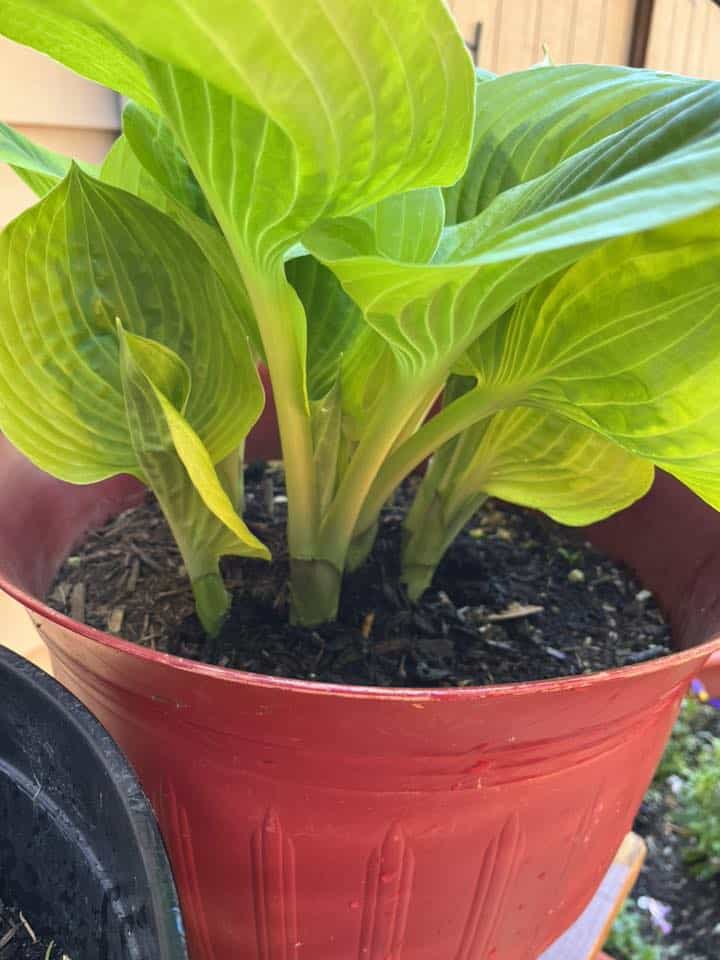
For shady or partially shaded patios, hostas are nothing short of a gift.
These lush, leafy perennials come in a breathtaking range of colors – chartreuse, deep green, blue-green, and variegated combinations – and their bold, sculptural leaves can make even the darkest corner of your patio feel like a tropical garden retreat.
Hostas are incredibly low maintenance: they need regular watering and some shade, and that's about it. They return reliably every year, getting larger and more impressive each season.
If your patio struggles with low light, pair hostas with other shade-tolerant beauties by browsing our collection of beautiful shade garden ideas.
7. Creeping Thyme (Thymus serpyllum)
Creeping thyme is a wonderfully versatile plant that works equally well as a ground-hugging mat between patio pavers or as a fragrant, trailing addition to pots and containers.
It produces masses of tiny purple, pink, or white flowers in summer that attract bees and butterflies, and its aromatic foliage releases a lovely herbal scent when brushed.
Creeping thyme is extremely drought-tolerant and loves hot, sunny spots – it positively thrives in the reflected heat of a patio. Best of all, it's edible, so you can snip sprigs to use in cooking.
Our dedicated guide to how to grow and care for creeping thyme has everything you need to get started.
8. Begonias (Begonia spp.)
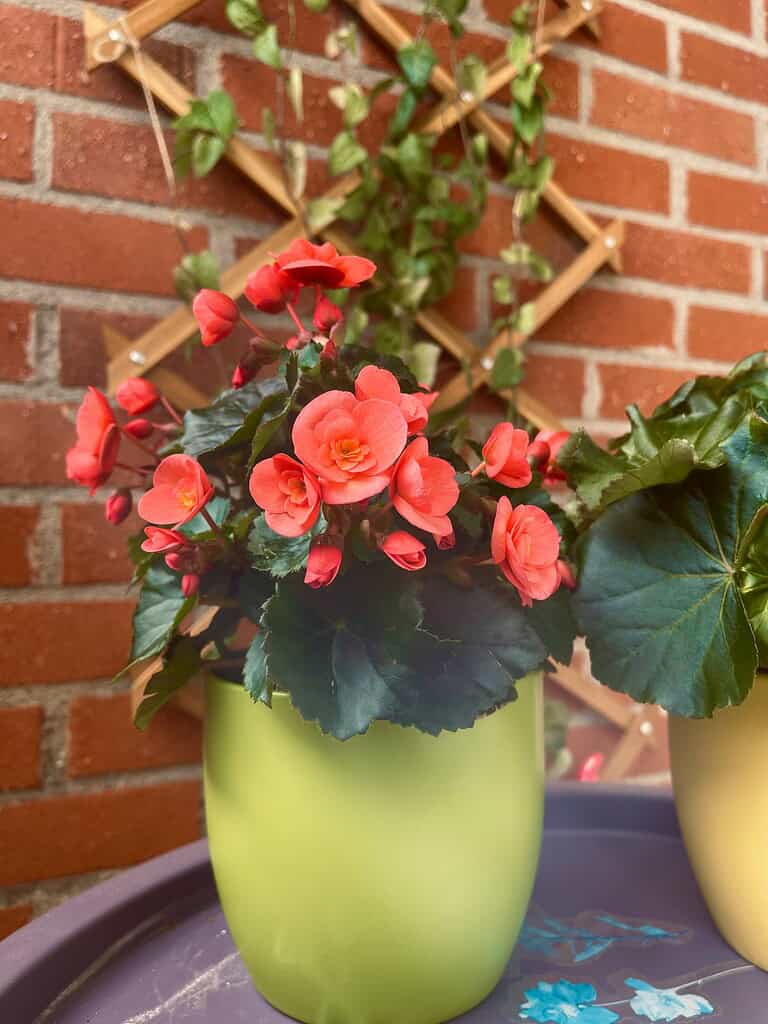
Begonias are one of the most underrated patio plants, offering spectacular flowers in shades of red, pink, orange, white, and yellow along with attractively textured or waxy foliage.
Tuberous begonias in particular produce enormous, rose-like blooms that look almost too beautiful to be real, and they thrive in partial shade – a major plus for patios that don't get full sun all day.
Wax begonias are even tougher: compact, weather-resistant, and blooming non-stop through summer and fall.
Both types do exceptionally well in pots and hanging baskets. They prefer consistently moist (but not soggy) soil and will reward you with months of color.
9. Ornamental Grasses (Various Species)
Ornamental grasses bring a graceful, flowing movement to patio containers that no other plant quite matches.
Varieties like fountain grass, blue fescue, and Japanese forest grass create beautiful textural contrast alongside flowering plants, and their feathery plumes or arching blades sway elegantly in the breeze.
Most ornamental grasses are extremely low maintenance – they're drought-tolerant, rarely need fertilizing, and have very few pest problems.
In container settings, they pair beautifully with bold-colored annuals like petunias or marigolds for a layered, professional-looking arrangement.
Cut them back in early spring and they'll return fuller than ever.
10. Hibiscus (Hibiscus rosa-sinensis)
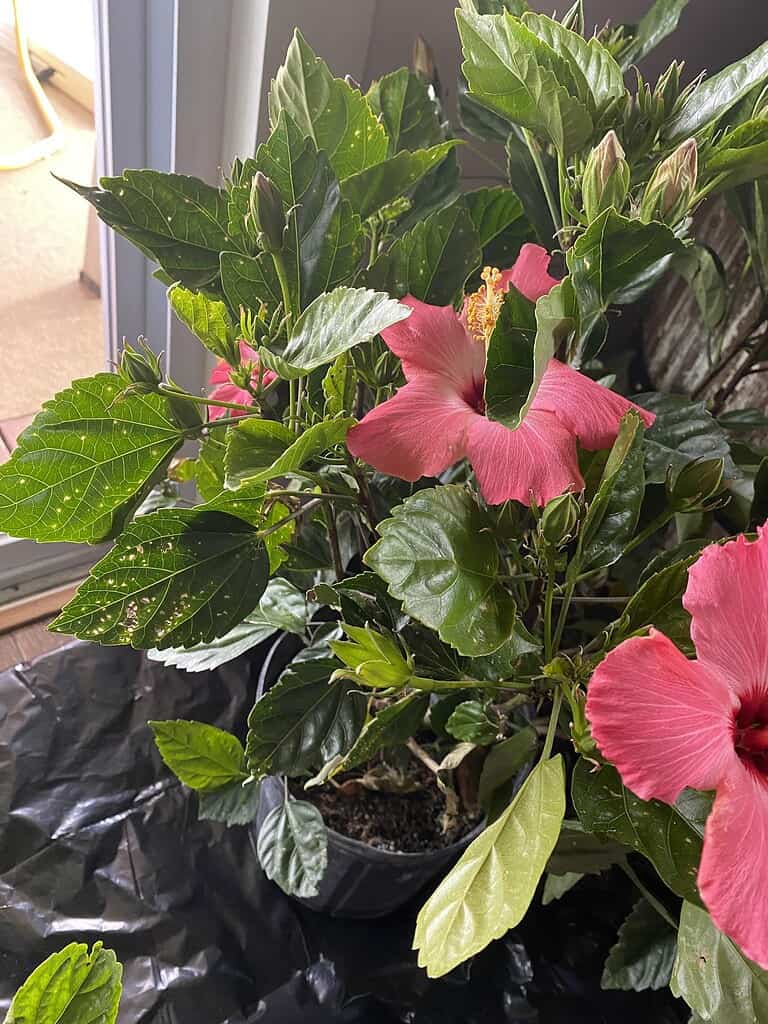
Tropical hibiscus is the ultimate statement plant for a patio.
Its enormous, dinner-plate-sized blooms in vivid shades of red, orange, yellow, pink, and coral create an instant tropical feel, and they bloom profusely throughout summer when given warmth and sun.
In containers, hibiscus stays more compact and manageable than in the ground, making it ideal for patios of all sizes. It loves full sun and regular watering and feeding during the growing season.
In colder climates, simply bring it indoors before the first frost and it will come back stronger next year.
For more ideas on tropical-looking plants to add drama to your outdoor space, explore our guide on 20 exotic tropical flowers that feel straight out of paradise.
11. Zinnias (Zinnia elegans)
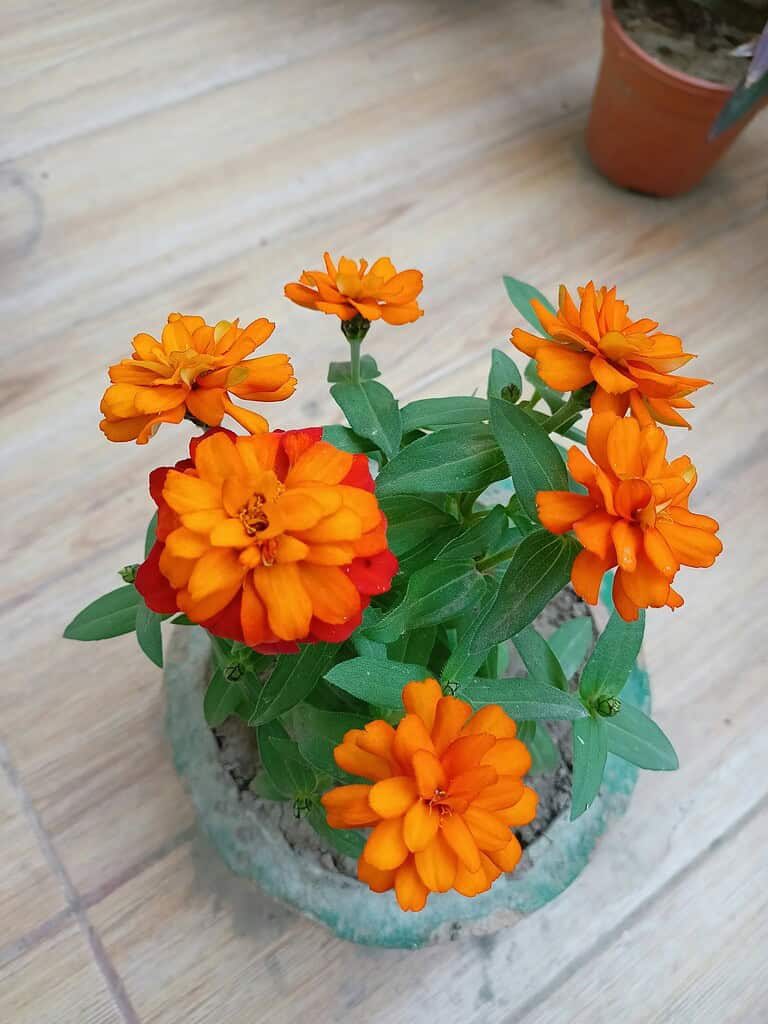
Zinnias are among the easiest annuals you can grow, and their boldly colored blooms in virtually every shade of the rainbow make them a patio showstopper all summer long.
They grow quickly from seed, tolerate heat extremely well, and attract butterflies and hummingbirds to your outdoor space. In containers, choose compact or dwarf varieties that stay neat and bushy without sprawling.
Zinnias thrive in full sun and prefer to dry out slightly between waterings – they're surprisingly tolerant of neglect.
Deadhead regularly to encourage a constant supply of fresh blooms, and you'll have a dazzling display from early summer right through fall.
12. Dwarf Citrus Trees (Citrus spp.)
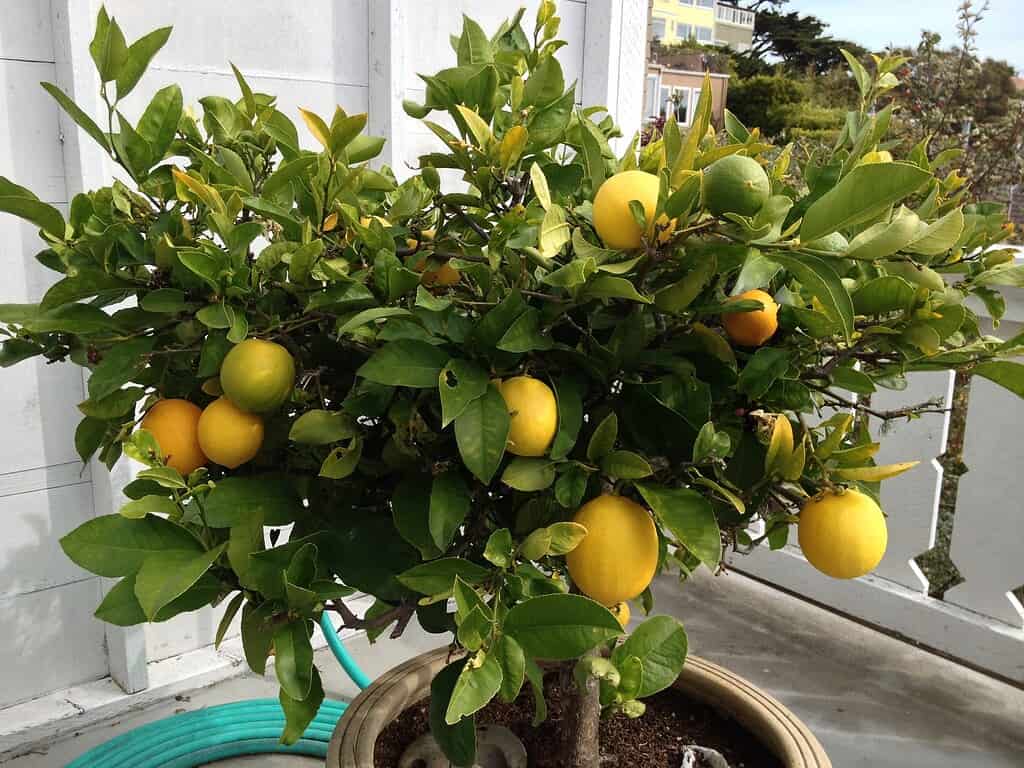
For something truly spectacular, a dwarf citrus tree in a large patio container is hard to beat.
Whether it's a Meyer lemon, a calamondin orange, or a compact lime, these trees offer the full package: glossy evergreen foliage, intensely fragrant white flowers, and actual edible fruit – all from a container plant.
They require a sunny spot, consistent watering, and regular fertilizing during the growing season, but in return they offer year-round beauty and the incredible satisfaction of picking fruit from your own patio.
In frost-prone climates, bring them indoors to a bright window over winter and they'll continue to thrive.
Pair them with herbs and edible flowers for a functional and gorgeous patio setup – something our guide on 11 edible flowers that are easy to grow at home explores in detail.
How to Choose the Right Patio Plants for Your Space
Picking the right patio plants isn't just about what looks pretty in the garden center – it's about matching the plant to your actual conditions.
Before you buy anything, spend a day observing your patio.
- How many hours of direct sunlight does it receive?
- Is it sheltered or exposed to wind?
- Does it stay cool and shaded, or does it bake in reflected heat from walls and pavers?
The answers to these questions will determine which plants will truly thrive versus which ones will struggle.
Sun-lovers like marigolds, petunias, zinnias, and lavender need at least six hours of direct sun per day. Shade-tolerant plants like hostas and begonias can thrive with as little as two to three hours.
Most plants fall somewhere in the middle and do well with four to six hours of light.
Once you understand your patio's light conditions, it becomes much easier to build a plant palette that works together beautifully.
If you're working with an older or more established patio and considering a redesign, our post on 15 affordable outdoor patio ideas you can do yourself has some inspiring layouts and concepts.
Container Tips That Make Patio Plants Thrive
- Use pots with drainage holes
- Avoid standing water
- Choose the right container size
- Go bigger when possible
- Use high-quality potting mix (not garden soil)
For a deeper dive into choosing the right containers for your outdoor plants, our comprehensive beginner's guide to garden pots covers everything from materials to sizing to drainage solutions.
Watering and Feeding Your Patio Plants the Right Way
Container plants dry out faster than plants in the ground because their roots are confined and exposed to heat and wind on all sides.
During hot summer weather, many patio plants need watering every day (or even twice a day in extreme heat).
The best way to check is to stick your finger an inch into the soil. If it feels dry, it's time to water. If it's still moist, wait another day.
Water Deeply, Not Lightly
Always water thoroughly, until it drains freely from the bottom of the pot, rather than giving a light sprinkle that only wets the surface.
Deep watering encourages stronger root systems and healthier plants overall.
Feeding is equally important. Nutrients in potting mix get flushed out quickly with regular watering, so container plants need supplemental fertilizing throughout the growing season.
How to Fertilize for Best Results
A balanced slow-release fertilizer worked into the soil at planting time provides a good foundation. From there, top up with a liquid fertilizer every two to three weeks, especially for flowering plants.
Plants like hibiscus, petunias, and begonias are especially heavy feeders and will reward you with noticeably more blooms when fed regularly.
If you're also growing edible plants like creeping thyme, herbs, or dwarf citrus on your patio, you might enjoy learning about how to start an easy bucket garden in small spaces – a great companion approach to productive patio growing.
Start Growing Your Dream Patio Garden Today
The beauty of patio gardening is that you can start small and build as your confidence grows.
Pick two or three of the plants from this list that speak to you, grab the right containers, and give them a go this season.
You'll quickly discover that growing gorgeous patio plants is far more achievable than it looks – and far more rewarding than you might expect.
Whether you're drawn to the fragrant simplicity of lavender, the tropical drama of hibiscus, or the cheerful reliability of marigolds, there's a perfect patio plant combination waiting for you.
If you're looking for more ways to transform your entire outdoor area into a space you'll truly love, don't miss our guide on how to create a small patio garden that actually thrives – it's packed with practical advice on layout, plant selection, and design for outdoor spaces of all sizes.
Which patio plant from this list are you most excited to try? Drop a comment below and let us know – we'd love to hear how your patio garden is shaping up this season!
Plan Your Garden With Confidence!

Ever start planting… and then realize halfway through that things feel a little scattered?
A simple plan changes everything.
When you sketch your layout first, you can see what fits, what flows, and what actually makes sense for your space. It saves time, money, and a whole lot of second-guessing later.
Our free Garden Planner helps you map out beds, organize plant spacing, rotate crops, and keep track of seasonal tasks – all in a clean, printable format you can actually use.
Whether you’re designing a low maintenance front yard or planning your full homestead garden, this gives you a clear starting point.
Less chaos. More clarity. A garden that works.
Frequently Asked Questions
What is the best potting mix for patio container plants?
The best potting mix for patio container plants is a high-quality, lightweight potting soil specifically formulated for containers – not regular garden soil, which compacts easily and restricts drainage.
Look for mixes that contain perlite or vermiculite to improve aeration, and consider adding a slow-release granular fertilizer at planting time.
For succulents and lavender, use a mix blended specifically for cacti and succulents with extra grit or coarse sand for superior drainage.
For flowering annuals like petunias and begonias, a standard premium potting mix with added moisture retention works best.
How do I overwinter tender patio plants like hibiscus or dwarf citrus?
Tender patio plants like tropical hibiscus and dwarf citrus need to be brought indoors before the first frost to survive winter in cold climates.
Move them to a bright, frost-free location – a south-facing windowsill or a heated greenhouse works well. Reduce watering significantly over winter since the plants are in a resting phase and don't need as much moisture.
Avoid placing them near heating vents that can dry out the foliage.
Before bringing them back outside in spring, harden them off gradually over one to two weeks by placing them outdoors for a few hours each day, slowly increasing exposure to avoid shock from the transition.
Can I grow patio plants on a north-facing balcony with very little sun?
Yes, you absolutely can grow beautiful patio plants on a north-facing balcony – you just need to choose plants suited to low-light conditions.
Hostas, ferns, astilbes, impatiens, and tuberous begonias all perform well with limited direct sunlight. Foliage-focused plants like caladiums and coleus also thrive in shade and offer stunning color without needing sun.
Avoid sun-hungry plants like lavender, marigolds, and zinnias in these conditions, as they will become leggy and fail to bloom properly. With the right plant selection, a shaded balcony can be just as lush and beautiful as a sun-drenched patio.
How often should I repot my patio container plants?
Most patio container plants benefit from being repotted every one to two years, or whenever you notice roots beginning to circle the bottom of the pot or poke out of the drainage holes – a sign the plant has become root-bound.
Spring is the ideal time to repot, just as plants are coming out of dormancy and beginning active growth. Move the plant to a container that's one to two inches larger in diameter than the current one.
Avoid jumping to an excessively large pot all at once, as too much extra soil can stay wet and lead to root rot. Always use fresh potting mix when repotting to replenish nutrients and improve soil structure.
What patio plants are safe to grow around children and pets?
Many common patio plants are safe around children and pets, but some popular choices – like certain begonias, ornamental grasses in large quantities, and some succulents – can cause mild digestive upset if ingested.
Plants that are generally considered safe include marigolds, zinnias, petunias, creeping thyme, and most herbs like lavender. Always double-check the toxicity of any new plant before introducing it to a space where children or pets play.
The ASPCA maintains an online database of pet-safe and toxic plants that's a helpful resource. When in doubt, place plants out of reach or in raised containers to minimize the risk of accidental ingestion.