
Azalea flowers have a way of stopping you in your tracks.
When they bloom, they turn ordinary yards into living color – soft pastels, bold pinks, fiery reds, and clean whites all bursting at once.
For homesteaders and home gardeners, azaleas are more than ornamental shrubs.
They are long-term landscape anchors that, when planted correctly, can thrive for decades with relatively low effort.
But azaleas are also particular plants. They demand the right soil, the right moisture balance, and the right timing when it comes to pruning and feeding.
Many struggling azaleas aren’t failing because they’re “hard to grow,” but because one or two key conditions are off.
In this article, I'll show you exactly how to plant azaleas the right way, how to care for them season by season, and how to troubleshoot common problems so your shrubs produce consistent, healthy blooms year after year.
What Are Azalea Flowers?

Azaleas belong to the Rhododendron genus, but they have growth habits that set them apart. Most azaleas are smaller, more compact, and more floriferous than standard rhododendrons.
They bloom primarily in spring, though some modern varieties flower again later in the season.
Evergreen azaleas keep their leaves year-round and are commonly used as foundation shrubs or low hedges. Deciduous azaleas lose their leaves in winter, but they often produce larger, fragrant flowers and striking fall foliage.
Both types can thrive in home gardens, but their light exposure and winter care needs vary slightly.
Azaleas grow shallow root systems that spread outward rather than downward. This trait explains why they dislike compacted soil, standing water, and deep planting.
It also explains why mulching and moisture management are so critical to their success.
If you’re building a flower garden alongside your shrubs, you might also enjoy learning how to grow marigolds, which are just as cheerful but much easier to maintain.
Best Azalea Varieties for Home Gardens
Choosing the right variety saves years of frustration.
- Encore Azaleas – Rebloom spring through fall, tolerate more sun
- Gumpo Azaleas – Compact, ideal for borders and containers
- Native Deciduous Azaleas – Excellent for woodland and pollinator gardens
- Kurume Azaleas – Dense growth, heavy spring bloom, great for hedges
Pro tip: Always check the USDA hardiness zone and mature size before buying. Many azaleas are sold small but can spread 6–10 feet over time.
If you’re planning a pollinator friendly garden, you may also want to learn how to grow calendula, which pairs beautifully with flowering shrubs.
Where Azaleas Grow Best
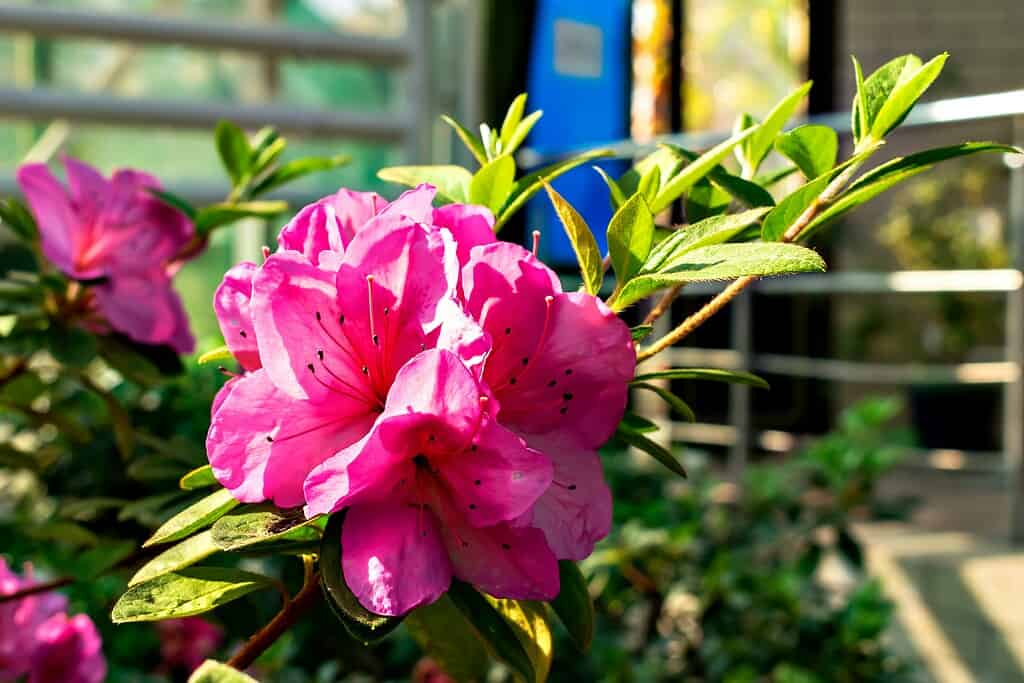
Azaleas prefer balance when it comes to light. Too much direct sun can scorch leaves and shorten bloom time, while deep shade often produces lush foliage with few flowers.
The ideal location provides morning sun followed by afternoon shade. East-facing beds, lightly shaded woodland edges, or areas protected by taller trees with deep root systems work well.
Avoid planting azaleas beneath shallow-rooted trees such as maples, which compete heavily for moisture. Consider exploring landscape design ideas to create a comprehensive garden layout that highlights your azaleas.
Good air circulation is also important. Crowded or enclosed spaces increase the risk of fungal disease and pest pressure.
If you’re gardening in small spaces, you might find inspiration in these best flowers for container gardening, especially if you want color near patios or entryways.
Soil Requirements That Make or Break Azaleas
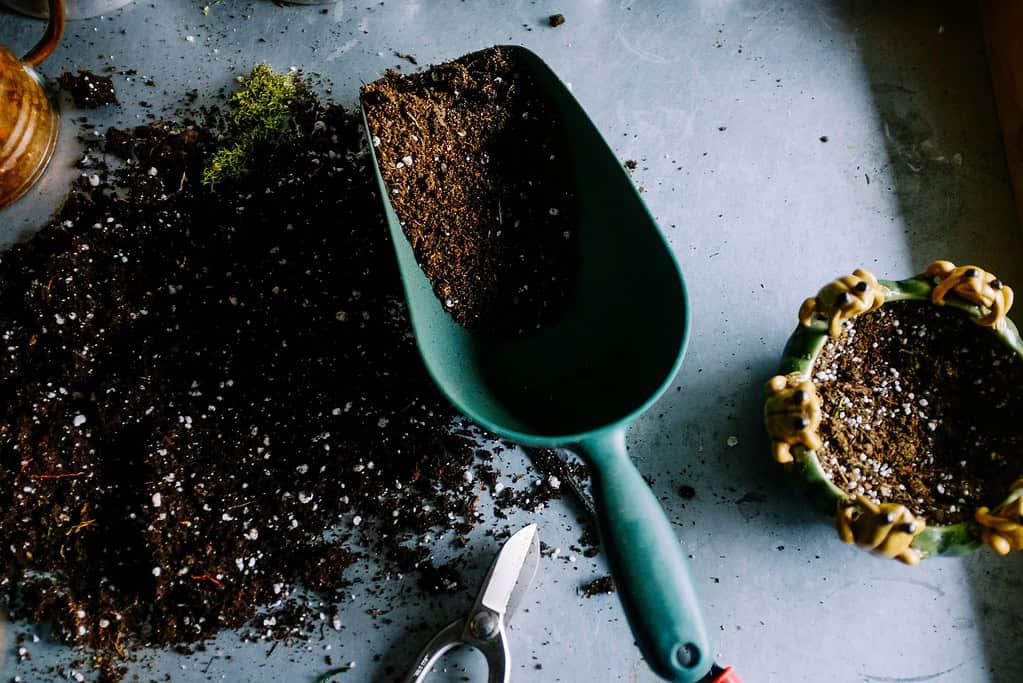
Soil quality is the single most important factor in azalea success.
These shrubs require acidic soil, typically with a pH between 4.5 and 6.0. When soil pH creeps higher, azaleas struggle to absorb iron and other nutrients, even if those nutrients are present.
Before planting, test your soil with a simple soil test kit. If the pH is too high, it can be gradually lowered using elemental sulfur, pine bark fines, or composted organic matter.
Avoid quick fixes that promise instant results; slow, steady correction produces healthier plants.
Drainage matters just as much as acidity. Azaleas have shallow, fibrous roots that rot quickly in soggy soil.
If your soil is heavy clay:
- Create raised beds with acidic organic matter
- Plant azaleas slightly above grade
How to Plant Azaleas Step-by-Step
Planting depth is one of the biggest mistakes gardeners make.
- Dig a hole twice as wide and no deeper than the root ball
- Set plant so the top of the root ball sits 1–2 inches above soil level
- Backfill with native soil mixed with composted pine bark
- Water thoroughly to remove air pockets
- Mulch immediately
Mulching the Right Way
Use:
- Pine needles
- Shredded pine bark
- Oak leaves
Keep mulch 2–3 inches deep, but never piled against the stem.
Watering Azaleas Without Causing Stress
Azaleas need consistent moisture, especially during establishment, but they should never sit in soggy soil.
Newly planted azaleas require frequent watering for the first six to eight weeks while roots establish.
Once established, deep watering every seven to ten days during dry periods is usually sufficient. Light, frequent watering encourages shallow roots and weak plants.
Leaf curl is often the first sign of drought stress, while yellowing leaves combined with wilting may indicate root problems caused by excess water.
Fertilizing Azaleas for Healthy Growth and Blooms

Azaleas are light feeders. Too much fertilizer – especially nitrogen – leads to excessive leaf growth and fewer flowers.
Use a slow-release fertilizer formulated for azaleas or rhododendrons, or opt for organic options such as cottonseed meal or diluted fish emulsion.
When to Fertilize
- Early spring after bloom
- Light feeding in late spring if needed
Never fertilize after midsummer. Late feeding encourages tender growth that winter will kill.
Pruning Azaleas Without Sacrificing Next Year’s Flowers

Azaleas set flower buds shortly after blooming.
When to Prune
- Immediately after flowers fade (late spring)
- Never prune after mid-July
How to Prune
- Remove dead or crossing branches
- Thin lightly to improve airflow
- Avoid shearing – natural shape looks better and blooms more
Common Azalea Problems and Practical Fixes
| Problem | Practical Fix |
|---|---|
| Yellow leaves with green veins | Often caused by iron chlorosis due to high soil pH. Correct the soil condition for a long-term solution; chelated iron provides temporary relief. |
| Lace bugs | Common in sunny locations, they cause stippled, pale leaves and leave dark residue underneath. Apply neem oil or insecticidal soap early to control infestations effectively. |
| Winter damage | Usually results from late fertilization, poor site selection, or exposure to drying winds. Prevent issues by mulching and choosing cold-hardy varieties. |
| Leaf curl or distortion | Often caused by azalea leaf gall (fungal infection). Remove affected leaves promptly and dispose of them; avoid overhead watering. |
| Brown leaf edges | Can result from underwatering, too much sun, or wind exposure. Keep soil evenly moist, provide some shade, and mulch to retain moisture. |
| Root rot | Usually caused by poorly drained soil. Plant azaleas in well-draining soil and avoid overwatering. |
| Powdery mildew | White, powdery coating on leaves. Improve air circulation, avoid wetting leaves, and treat with fungicide if needed. |
| Bud drop | Flower buds fall off before blooming due to sudden temperature changes or water stress. Maintain consistent moisture and avoid late fertilization. |
Seasonal Azalea Care Throughout the Year
- Spring is the season of reward. Enjoy blooms, prune immediately after flowering, and apply a light feeding if needed.
- Summer care focuses on watering deeply, monitoring for pests, and maintaining mulch to keep roots cool.
- In fall, stop fertilizing, reduce watering as temperatures drop, and refresh mulch to protect shallow roots.
- During winter, protect azaleas from harsh winds and water occasionally during dry spells when the ground is not frozen.
Build a Garden That Azaleas Love
Azaleas are not fragile plants, but they are precise.
When planted high, grown in acidic, well-drained soil, and pruned at the right time, they become some of the most reliable flowering shrubs you can grow.
If your azaleas struggle, resist the urge to replace them immediately. Adjust the soil, correct drainage issues, and fine-tune watering practices. Most azalea problems are environmental, not genetic.
Azaleas will reward you with decades of vibrant blooms and structure in your landscape with the right foundation.
Have a question, tip, or azalea lesson learned the hard way? Share it in the comments below – we’d love to hear from you.
FAQs
Can azaleas be grown successfully in containers long-term?
Yes, but only compact varieties perform well long-term in containers. Use wide pots with excellent drainage, acidic potting mix, and expect to water more frequently than in-ground plants.
Why do my azaleas have healthy leaves but no flowers?
This usually results from too much shade, excess nitrogen fertilizer, or pruning done too late in the season. Azaleas need some sunlight and must be pruned immediately after blooming.
Do azaleas attract pollinators?
Yes. Deciduous and native azalea varieties are especially valuable to bees, butterflies, and hummingbirds during spring bloom when food sources may be limited.
How long does it take for newly planted azaleas to bloom well?
Most azaleas establish within one to two growing seasons. Bloom quality improves noticeably once the root system is settled and soil conditions stabilize.
Can azaleas recover from severe neglect?
Often, yes. With corrected soil pH, improved drainage, proper watering, and careful pruning, even stressed azaleas can rebound within a few seasons.