
More travelers are shifting away from crowded cities and packaged tours in favor of slower, more meaningful experiences.
This shift has brought renewed interest in rural areas, where farm stays, vineyard visits, and hands-on food experiences offer a quieter, more connected way to travel.
Agritourism is one of the clearest examples of this change.
As people become more aware of where their food comes from and how it’s produced, visiting working farms has become a way to support local agriculture, learn new skills, and reduce the environmental impact of travel – all at the same time.
In this article, we’ll look at what agritourism really means, how it benefits the environment and local communities, and how both travelers and farmers can get the most out of the experience.
What Are Agritourism Farms?
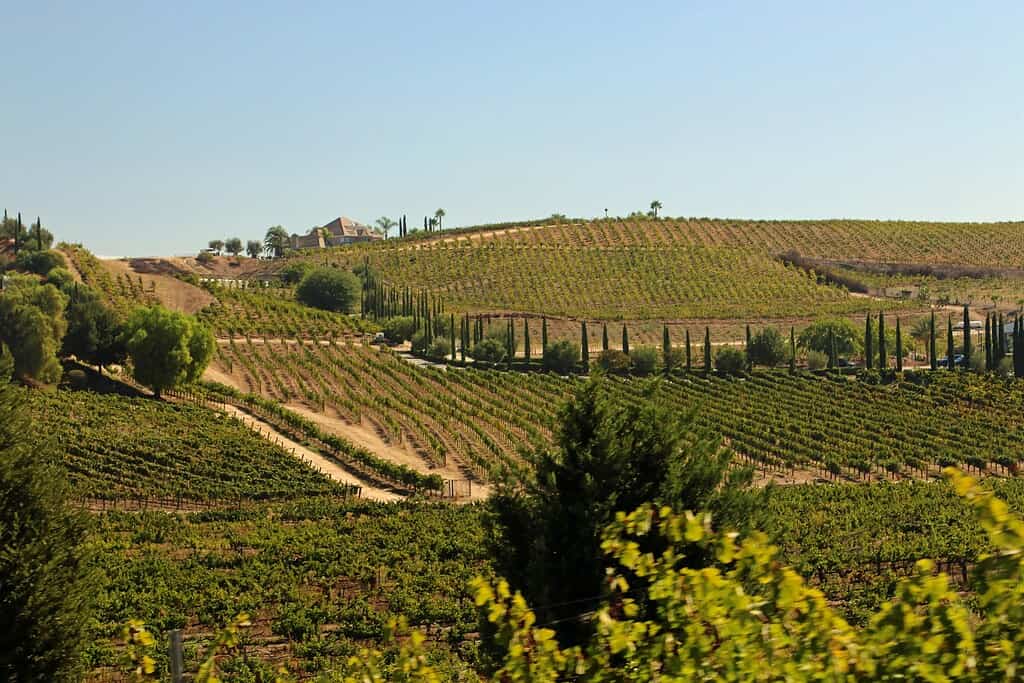
Agritourism farms are working agricultural properties (such as farms, orchards, ranches, or vineyards) that open their doors to visitors who want to experience rural life and food production up close.
These are fully operational sites, not staged attractions. Visitors are welcomed into real environments where crops are grown, animals are raised, and seasonal rhythms guide daily work.
What makes an agritourism farm different from a standard farm is its focus on education, interaction, and hospitality.
Travelers don’t just observe – they take part in activities that help them understand where their food comes from and how farming connects to local culture, ecology, and economy.
Common Agritourism Activities:
- Farm stays – Spend the night in on-site guesthouses, cottages, or converted barns.
- Pick-your-own produce – Harvest fruit, vegetables, or flowers during the appropriate season.
- Vineyard tours and tastings – Learn how wine is made and sample regional varieties.
- Animal care experiences – Feed livestock, gather eggs, or observe farm routines.
- Farm-to-table meals – Enjoy dishes made with ingredients sourced directly from the farm.
- Volunteer exchanges – Join short-term work programs like WWOOF to help with seasonal tasks.
- Agricultural festivals – Participate in events celebrating harvests, local food, or seasonal blooms.
Agritourism farms vary by region and climate, but all share a commitment to offering genuine, hands-on experiences rooted in agricultural life.
Whether you're picking berries for an hour or spending a week helping with a harvest, the goal is the same: to build a deeper understanding of food, farming, and the communities that sustain them.
Why Agritourism Farms Are Becoming So Popular

The rising popularity of agritourism farms is tied to a broader shift in how people travel, eat, and engage with the world around them.
Here are the key reasons behind its growth:
Travelers Want Authentic, Local Experiences
Many people are turning away from crowded tourist sites and packaged activities in favor of trips that feel real, personal, and grounded in place.
Agritourism gives visitors direct access to local food, customs, and landscapes.
It creates space for interaction with farmers, not just hosts, and allows guests to see how everyday life is shaped by the land.
Interest in Sustainable and Ethical Travel Is Growing
There’s a growing demand for travel that reduces environmental impact and supports local communities.
Agritourism aligns with this shift.
Farms that practice organic, regenerative, or small-scale agriculture offer visitors a way to contribute to responsible land use and biodiversity conservation – just by choosing where they stay and what they support.
People Want to Reconnect With Food
In a time when much of the food system is disconnected from daily life, many travelers want to understand how food is grown, raised, and prepared.
Visiting a working farm brings that knowledge to life.
Whether it’s harvesting fruit, collecting eggs, or learning traditional recipes, agritourism helps rebuild the link between people and the sources of their food.
The Appeal of Rural Life Is Increasing
As cities become more fast-paced and crowded, more people are seeking the slower rhythms and quieter spaces of the countryside.
Agritourism offers that contrast. It also helps rural areas remain economically viable, creating benefits for both hosts and guests.
Families and Groups Seek Educational Travel
Agritourism is ideal for families, school groups, and friends looking for travel that is interactive and educational.
Kids can learn about animals, crops, and nature without needing a classroom, and adults gain practical insight into sustainability, food systems, and cultural heritage.
It's a Flexible Way to Travel
From one-hour farm visits to week-long stays, agritourism offers a wide range of options that suit different travel styles and budgets.
It can be a day trip, an overnight stop, or a central part of a longer journey – making it accessible to more people across age groups and interests.
How Agritourism Supports Sustainable and Eco-Friendly Travel
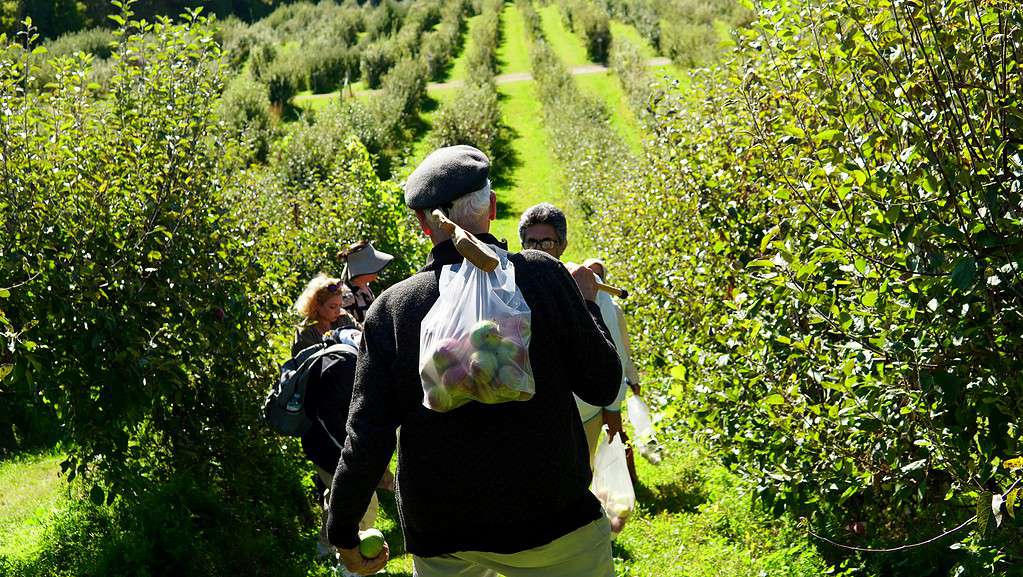
Agritourism supports a more sustainable model of travel.
By visiting farms that follow eco-friendly practices and making conscious travel choices, visitors can reduce their environmental impact while directly contributing to healthier food systems and landscapes.
Support Farms That Prioritize the Environment
One of the most effective ways travelers can promote sustainability is by choosing farms that follow organic, regenerative, or eco-conscious methods.
Many of these farms use techniques that improve soil health, protect biodiversity, and reduce chemical use.
Before booking a visit, it’s worth checking if the farm highlights terms like organic, regenerative agriculture, sustainable farming, or eco-certified on their website or listing.
These farms often grow food that naturally fits the local soil, climate, and season – reducing the need for artificial inputs and improving long-term resilience.
Choose Low-Impact Travel Methods
Transportation is one of the biggest contributors to tourism-related emissions. Once you arrive in a rural area, consider leaving the car parked and exploring by foot or bicycle.
Some regions have train or bus access that can reduce reliance on personal vehicles altogether.
Farms located along scenic cycling routes or nature trails offer the chance to explore without causing additional strain on the environment.
Respect Animal Welfare When Visiting Livestock Farms
For farms that include animal husbandry or meat production, it’s important to support those that prioritize animal welfare.
Look for signs of ethical treatment: animals with access to open pasture, clean water, natural diets, and humane handling.
By supporting farms with high animal welfare standards, travelers reinforce responsible farming practices that benefit both the animals and the land.
Learn from the Landscape
Many agritourism sites are surrounded by natural features that tell a story about the land’s ecology.
Spending extra time hiking nearby trails, watching birds, or observing local vegetation helps visitors understand how farms are shaped by their environment.
This deeper connection often leads to a greater appreciation of local food systems and farming challenges.
Help Farms Act as Carbon Sinks
Farms that practice regenerative agriculture don’t just grow food – they can also draw carbon out of the atmosphere and store it in the soil.
By visiting and supporting these farms, travelers are indirectly backing one of the most promising nature-based solutions to climate change.
Healthy soil, managed well, becomes a long-term asset for both the environment and local food security.
Be Honest at Customs if You’ve Visited Farms Abroad
If you're visiting a farm in another country (especially one with livestock) it's critical to declare farm visits on customs forms when re-entering the U.S.
This isn't just paperwork. It helps prevent the accidental spread of invasive plant species, livestock diseases, and pests that can stick to shoes, clothes, or gear.
Honesty at customs protects both domestic agriculture and global food safety.
The Different Types of Agritourism Farms Around the World
Agritourism looks different across the globe, shaped by local crops, farming traditions, climates, and cultural values.
While the core idea is the same – inviting visitors to experience working farms – the way it’s practiced varies widely.
Understanding these regional differences helps travelers choose experiences that match their interests and gives insight into how agriculture connects communities everywhere.
Mediterranean Region
In countries like Italy, Greece, and Spain, agritourism often centers around wine, olives, citrus, and herbs.
Visitors can stay in renovated farmhouses, tour terraced vineyards, take part in olive harvests, or learn to cook with seasonal ingredients.
Many of these farms blend tourism with long-standing family traditions, and for those inspired by the fragrant herbs, you can also learn how to start a herb garden at home.
North America

The U.S. and Canada offer a wide range of agritourism options, from apple picking in the Northeast, to pumpkin patches and corn mazes in the Midwest, to vineyard stays in California.
Many farms focus on education, seasonal events, or hands-on experiences like cheese-making, animal care, and farm-to-table meals.
Central and South America
In regions like Costa Rica, Colombia, and Ecuador, travelers can visit farms that produce coffee, cacao, bananas, and sugarcane.
These visits often include guided tours that show each step from plant to product.
Some farms integrate local traditions and indigenous practices, giving deeper cultural context to the farming process.
Asia
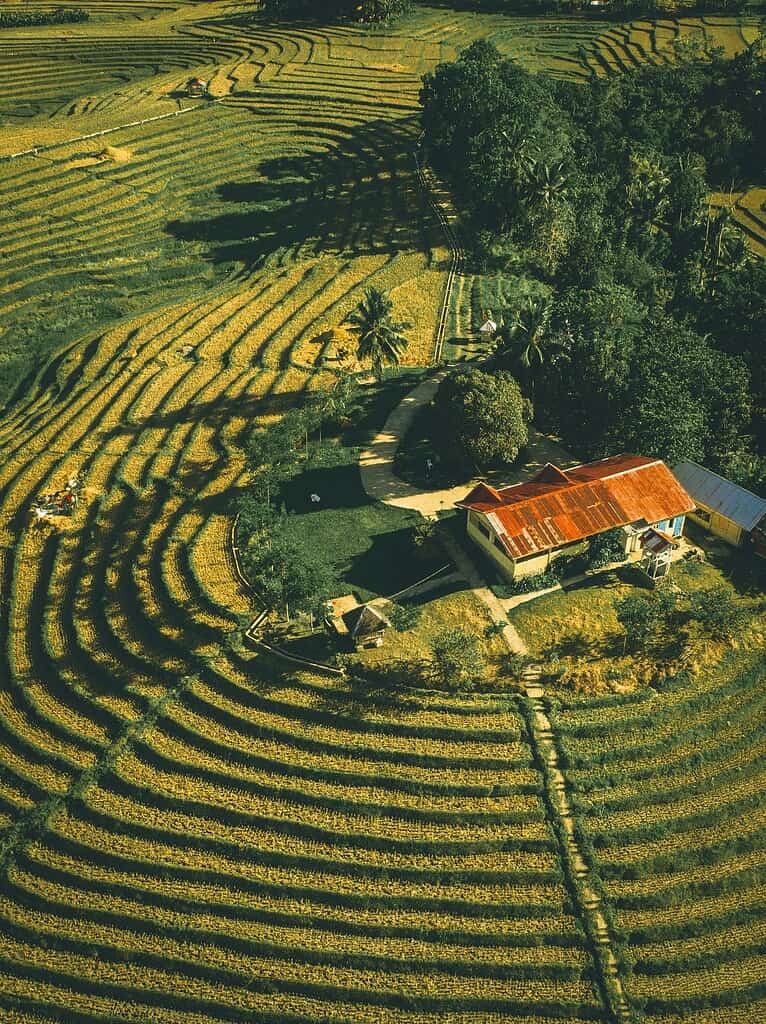
Countries like Japan, Vietnam, and India offer unique agritourism tied to rice farming, tea cultivation, and and even the hands-on process of growing spices.
In rural Japan, travelers might plant rice in traditional paddies or learn about food preservation.
In India, spice farms and rural eco-lodges introduce visitors to herbal medicine, local cuisine, and small-scale agriculture.
Australia and New Zealand
In Australia and New Zealand, agritourism often takes the form of visits to sheep and cattle farms, especially in rural areas.
Travelers can watch shearing, take part in day-to-day chores, or stay on-site in rustic accommodations.
These regions also offer high-end vineyard stays and experiences focused on native plants and land stewardship.
Europe
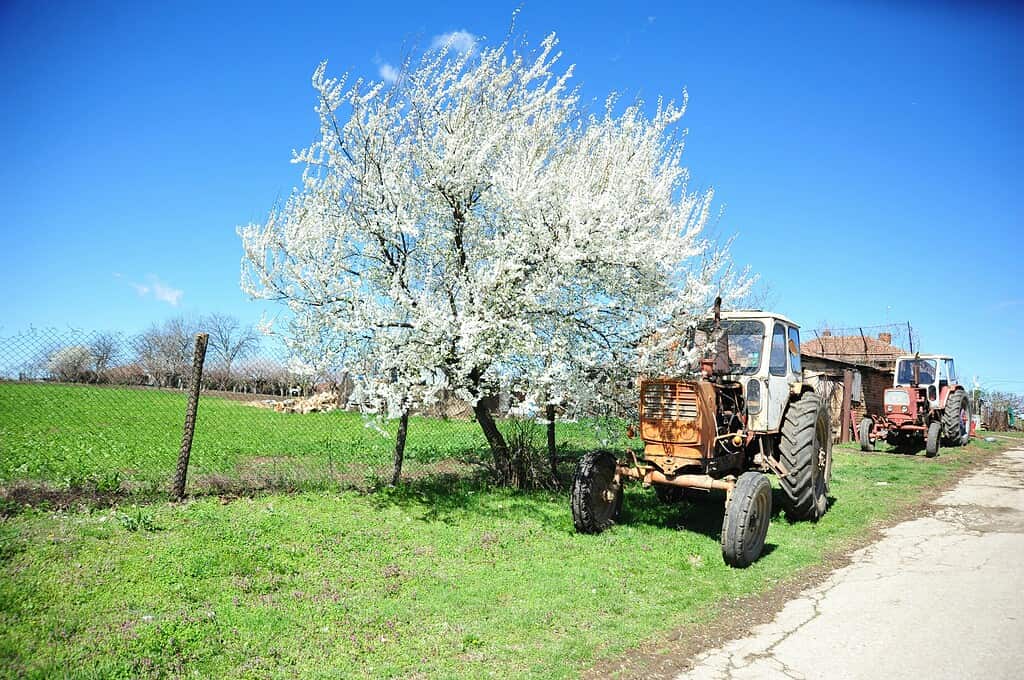
Beyond the Mediterranean, countries like France, Switzerland, and Austria offer agritourism rooted in flower farming, alpine grazing, and dairy production.
Cheese trails, harvest festivals, and wildflower walks are common draws. Many of these farms are multigenerational and focused on preserving rural culture.
Africa
In parts of East and Southern Africa, agritourism blends with community-based tourism and conservation.
Travelers can visit farms growing coffee, maize, or traditional grains while learning about climate adaptation and local farming knowledge.
Some operations combine wildlife protection with agriculture, offering a unique dual-purpose experience.
Discover Local Traditions and Food Culture Through Agritourism

Agritourism creates opportunities for cultural learning, meaningful interactions, and deeper respect for local traditions.
By spending time on working farms and engaging with the people who run them, visitors gain a firsthand understanding of regional customs, values, and food heritage that are often missing from urban tourism.
Ask Questions That Add Value to the Experience
Simple activities like picking apples or touring a vineyard become more educational when travelers ask thoughtful questions. Take the time to learn about:
- The geology and climate that make a region’s produce unique.
- The historical or cultural importance of the crop to the community.
- The crop’s role in supporting the local economy.
These conversations connect food to place and help visitors understand the bigger picture behind the harvest.
Strengthen Your Connection to the Food You Eat
Visiting farms gives people a clear view of where food comes from, how much work it takes to grow it, and the people involved in producing it.
Seeing this process up close fosters greater gratitude, respect, and awareness – not just for the food itself, but for the human and animal effort that supports it.
This connection often leads to more mindful consumption habits long after the trip ends.
Explore Rural Culture Firsthand
In many regions, the pace of life, customs, and values in rural communities differ significantly from those in cities.
Agritourism opens the door to authentic rural experiences, from community meals to small-town markets, where visitors can witness how traditions are preserved and practiced in daily life.
Understanding these differences can challenge assumptions, build empathy, and provide a fuller view of a country’s cultural identity.
Support Indigenous and Traditional Knowledge
Many regenerative farming methods used today are rooted in indigenous worldviews that emphasize balance, care, and reciprocity with the land.
Some agritourism sites actively promote these practices by offering tours, workshops, or storytelling sessions that share local histories and ecological approaches passed down through generations.
By supporting farms that value these teachings, visitors help preserve and uplift traditions that are often overlooked in mainstream tourism.
Participate in Local Food Culture
Agritourism allows travelers to engage with regional cuisine in ways that go beyond eating at restaurants.
Whether it’s learning to make a traditional dish, tasting heirloom vegetables, or participating in a seasonal festival, these experiences help protect slow food traditions that are often at risk of disappearing in a fast-paced, globalized food market.
How Visitors Can Boost Local Economies at Agritourism Farms
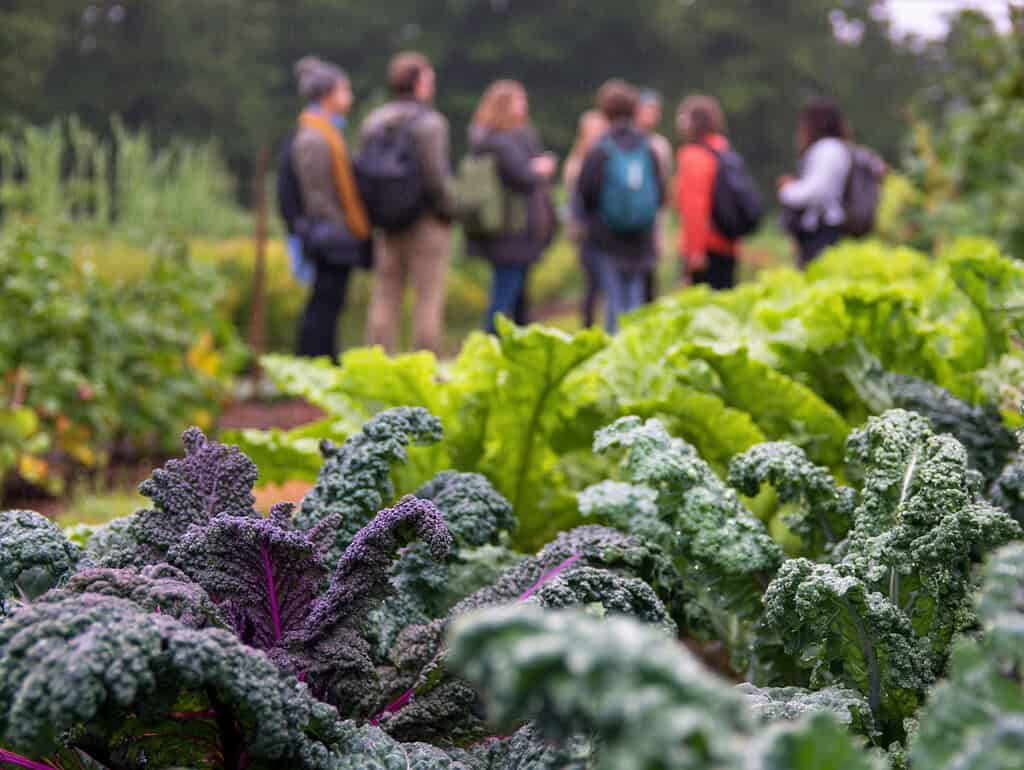
Agritourism is also an economic tool that helps stabilize rural communities and support small-scale farms.
When visitors choose to spend time and money in these areas, they bring direct financial benefits to places that are often overlooked by mainstream tourism.
Choose Small, Family-Owned Farms for Greater Local Impact
While large farms near urban areas often receive more visitors, it’s the small, remote operations that benefit most from agritourism.
These family-run farms often face uncertain income due to weather, crop failures, or shifting markets.
Visitor spending helps create a steady, supplemental income that can make a big difference in keeping these farms running.
Reduce Tourism Leakage by Spending Locally
Tourism leakage happens when money spent by visitors leaves the local economy – usually through chain hotels, imported goods, or outside tour companies.
You can reduce this by choosing to:
- Stay at locally owned accommodations.
- Buy directly from the farm.
- Eat at small, independent restaurants.
- Purchase locally made food products or crafts.
The more you support local producers and businesses, the more your money stays in the region and helps build a more resilient economy.
Buy Smart: Choose Consumable, Locally Made Goods
When shopping for souvenirs, skip plastic trinkets and mass-produced items. Instead, look for consumable and low-impact gifts that reflect the region’s identity – such as:
- Homemade jam (such as apple jam, apricot jam, plum jam, or raspberry jam, and many more)
- Raw honey
- Olive oil or wine
- Dried herbs (learn here how to dry herbs naturally) or seasonal fruit
These items not only support local artisans, but they also reduce waste and are more likely to be used and appreciated.
Stay Overnight for a Bigger Economic Boost
While day visits are common, overnight stays bring greater economic value to the farm and surrounding businesses. Travelers who stay longer often:
- Eat more local meals
- Visit nearby towns
- Book additional farm experiences
This extended engagement creates more revenue across multiple sectors, including food, lodging, and services.
How Farmers Can Make Agritourism Work for Them
For farmers, agritourism isn’t just about opening the gate to visitors – it’s about building a business model that diversifies income and spreads risk.
A few effective strategies include:
- Offering seasonal experiences like harvest festivals or animal feedings
- Hosting workshops or cooking classes
- Creating simple accommodations for guests
- Collaborating with nearby hotels, restaurants, or tour guides to offer packages
By branching out beyond a single crop or livestock operation, farms can create year-round opportunities that attract a wider range of visitors and provide more consistent revenue.
How to Make the Most of Your Agritourism Stay

A well-planned agritourism trip balances relaxation, education, and low-impact travel.
Whether you’re looking for a peaceful farm stay, a hands-on experience, or just a chance to explore local food culture, the right approach makes the visit more rewarding for you – and more supportive for the community you’re visiting.
Start With Research and Responsible Choices
Before booking, take time to research the farm’s values and practices.
Look for farms that mention:
- Organic or regenerative farming
- Sustainability and environmental practices
- Ethical animal care
- Community involvement
These keywords usually appear on the farm’s website or booking platforms. Reviews and photos from past guests can also give insight into the farm’s authenticity and approach.
Let Food Guide Your Destination
One way to choose a destination is by looking up regional delicacies or seasonal crops.
For example, if an area is known for citrus, cheese, or wine, start by identifying farms or accommodations tied to those products.
Local specialties often shape the identity of the region – and your trip will be more rooted in its culture.
Time Your Visit Around Festivals or Seasonal Events
Many rural communities host agricultural festivals tied to planting, harvest, or flower blooms.
These events are a great way to experience local traditions, food, and music while supporting the area during high-activity seasons.
Look for:
- Wine harvest festivals
- Blossom or berry-picking events
- Farm-to-table dinners
- Sheep shearing days or cheese tastings
Choose Lodging That Enhances the Experience
Where you stay shapes how connected you are to the environment around you. Many farms now offer unique lodging options that reflect rural life, such as:
- Renovated barns or farmhouses
- Glamping tents or treehouses
- Campervan-friendly parking spots with farm access
These options allow you to slow down and engage with your surroundings more fully.
Cook With Local Ingredients
If your accommodation includes a kitchen, consider buying fresh produce or goods from the farm and cooking your own meals.
Cooking together with others adds a communal aspect to the trip and reinforces the connection between food and place.
Keep It Low-Intensity, But Engaging
Not every traveler wants to hike or bike long distances. Agritourism offers low-intensity outdoor activities that are still enriching:
- Berry or fruit picking
- Guided garden walks
- Corn mazes or hayrides
- Farm animal visits
These activities are ideal for travelers of all ages and make the experience accessible and enjoyable without needing high physical effort.
Give Experiences, Not Stuff
Agritourism also makes it easy to choose zero-waste gifts.
Instead of buying souvenirs, consider gifting an experience like a farm tour, workshop, or seasonal event ticket. These have lasting value without adding to material waste.
Use Farm Camping Networks
If you’re traveling by campervan or RV, look into farm-friendly camping networks.
In the U.S., options like Harvest Hosts connect road-trippers with farms, vineyards, and small producers who welcome overnight stays.
It’s a safe, affordable way to stay off-grid while directly supporting local agriculture.
Take Time to Learn a New Skill
Many farms offer opportunities to learn new culinary or agricultural skills during your stay.
This could include:
- Cooking classes using regional ingredients
- Cheesemaking or bread baking
- Gardening or seasonal harvest techniques
These experiences create deeper memories and leave you with knowledge you can take home and apply in your own life.
Start Supporting Farms With Your Next Trip
Agritourism is a practical way to support local food systems, experience rural life, and make more thoughtful choices as a traveler.
Whether you're staying overnight at a vineyard, volunteering at a regenerative farm, or just picking berries on a weekend, every visit helps small farms stay viable and keeps food traditions alive.
By choosing agritourism, you're not only investing in unique experiences – you’re also contributing to a healthier environment, stronger local economies, and a deeper cultural understanding.
It’s travel with purpose, and it's becoming more accessible with every season.
Have you tried agritourism or planning to? Comment down below – we’d love to hear where you’ve been or where you're heading next.
FAQs
What should I pack for an agritourism farm visit?
Comfortable clothing you don’t mind getting dirty is essential. Bring closed-toe shoes or boots, sun protection, a reusable water bottle, and a hat. If you're staying overnight, ask the farm in advance if linens or towels are provided.
Can I visit a farm if I have dietary restrictions?
Yes, but it’s important to contact the farm ahead of time. Many agritourism hosts can accommodate dietary needs (especially if meals are included) but clear communication is key.
Are pets allowed on agritourism farms?
Some farms allow pets, while others do not due to livestock, crops, or insurance limitations. Always check the farm’s policy before bringing a pet, and make sure your animal is well-behaved in open environments.
Is agritourism suitable for people with mobility challenges?
It depends on the farm. Some locations are more accessible than others. Look for farms that clearly state their accessibility features or contact the host directly to ask about paths, bathrooms, and accommodations.
How can I find verified or trustworthy agritourism farms?
Search for listings through trusted platforms or local tourism boards. Look for certifications like organic, regenerative, or sustainable farming. Reviews and word-of-mouth recommendations are also helpful indicators of credibility.