
When to Plant Roses in USDA Zone 9b
Roses (Rosa spp.) are the world's most beloved flowering shrubs, grown for centuries for their exquisite blooms, fragrance, and versatility. Modern repeat-blooming cultivars deliver continuous color from late spring through the first hard frost, while old garden roses typically offer a single magnificent spring flush. Hardy shrub roses such as the Knock Out® and Canadian Explorer series tolerate Zone 3–4 winters without protection. With correct siting (6+ hours of sun, good air circulation), disease- resistant varieties thrive with moderate maintenance.
In Zone 9b, the average last spring frost is around January 25 and the first fall frost is around December 20, giving you a growing season of approximately 329 days.
Roses Planting Timeline — Zone 9b
Where Is USDA Zone 9b?
The map below highlights the states that contain Zone 9b. Click any state to see the Roses planting schedule for that location.
Roses Planting Calendar — Zone 9b
| Activity | When | Date Range |
|---|---|---|
| Start Indoors | November 30 | Nov 30 – Dec 14 |
| Transplant Outdoors | January 4 | Jan 4 – Jan 18 |
| Bloom | March 15 | Mar 15 – Sep 13 |
Plant 1" deep · 36" apart · Rows 48" apart
Month-by-Month Timeline
| Month | Activities |
|---|---|
| January | Transplant Outdoors |
| February | — |
| March | Bloom |
| April | Bloom |
| May | Bloom |
| June | Bloom |
| July | Bloom |
| August | Bloom |
| September | Bloom |
| October | — |
| November | Start Indoors |
| December | Start Indoors |
Free Zone 9b Planting Calendar PDF
Know exactly when to plant every crop in your zone. Get a printable month-by-month calendar customized for Zone 9b with start dates, transplant windows, and harvest times.
Growing Conditions
Sun
Full Sun (6-8+ hours)
💧 Water
Moderate — regular watering
Days to Maturity
90–180 days
Soil pH
6 – 6.5
Zone Temperature Range
25°F to 30°F average annual minimum
Growing Season
329 days (Zone 9b average)
Planting Specifications
| Planting Depth | 1 inches |
| Plant Spacing | 36 inches apart |
| Row Spacing | 48 inches between rows |
Growing Tips for Roses in Zone 9b
Zone 9b offers a long growing season (~329 days). You can plant Roses earlier and may get multiple harvests.
Plant bare-root roses in early spring as soon as soil is workable, or set container-grown plants from spring through early fall. Dig a wide, deep hole; amend with compost and a handful of bone meal. Set the graft union 1–2 inches below soil level in Zones 3–6 for winter protection, at soil level in Zones 7+. Water deeply twice weekly until established. Fertilize with a balanced rose food every 4–6 weeks during the growing season. Prune hybrid teas and grandifloras to outward-facing buds in early spring when forsythia blooms. Deadhead to encourage repeat bloom. Fall planting (Zones 5+) can improve establishment in subsequent years. Year 2+ plants deliver the fullest bloom display.
Companion Planting
Good Companions
Avoid Planting Near
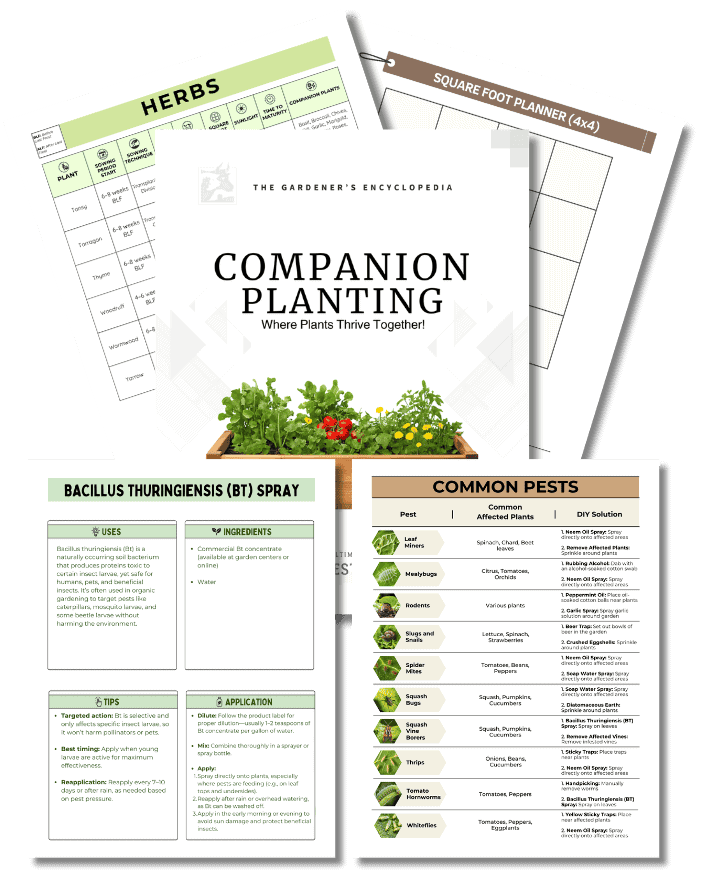
The Gardener's Encyclopedia to Companion Planting
The pairings that make vegetables, herbs, and flowers grow better — and the ones that quietly wreck a bed.
- Proven pairings for 200+ vegetables, herbs, flowers, and fruits
- Full seed-starting + planting schedule with timing and spacing
- Bonus: square-foot gardening guide + printable seasonal planners
Saving Roses Seeds
Recommended for Your Garden
Reduce heat stress and sun scorch in hot climates with UV-stabilized shade cloth.
Start seeds indoors with reusable cell trays and humidity domes.
Test your soil pH, nitrogen, phosphorus, and potassium levels before planting.
Related Plants
Roses in Other Zones
Roses by State
- Alabama
- Alaska
- Arizona
- Arkansas
- California
- Colorado
- Connecticut
- Delaware
- Florida
- Georgia
- Hawaii
- Idaho
- Illinois
- Indiana
- Iowa
- Kansas
- Kentucky
- Louisiana
- Maine
- Maryland
- Massachusetts
- Michigan
- Minnesota
- Mississippi
- Missouri
- Montana
- Nebraska
- Nevada
- New Hampshire
- New Jersey
- New Mexico
- New York
- North Carolina
- North Dakota
- Ohio
- Oklahoma
- Oregon
- Pennsylvania
- Rhode Island
- South Carolina
- South Dakota
- Tennessee
- Texas
- Utah
- Vermont
- Virginia
- Washington
- West Virginia
- Wisconsin
- Wyoming
Frequently Asked Questions
When should I plant Roses in Zone 9b?
In Zone 9b, plan your Roses planting around the average last frost date of January 25. Start seeds indoors around November 30. Transplant seedlings around January 4.
Can Roses grow in Zone 9b?
Yes, Roses can grow well in Zone 9b, hardy in USDA zones 3a through 10b. Zone 9b has a growing season of approximately 329 days, which is sufficient for Roses (90-180 days to maturity).
When can I harvest Roses in Zone 9b?
In Zone 9b, expect to harvest Roses from March 15 – September 13. Roses takes 90-180 days from planting to harvest.
What is the last frost date for Zone 9b?
The average last spring frost in Zone 9b is around January 25, and the first fall frost is around December 20. This gives a growing season of approximately 329 days. These are 50% probability dates — actual frost dates vary year to year.
What should I plant next to Roses?
Good companion plants for Roses include Lavender, Catmint, Salvia, Alliums. These companions can help with pest control, pollination, and nutrient sharing.
Your Zone 9b Garden Planner — Free
A 22-page printable planner tailored to Zone 9b. Planting dates, monthly task lists, harvest log, seed inventory, and succession charts — everything you need to plan a full season.