
When to Plant Ranunculus in USDA Zone 10a
July to-do list for Zone 10a
July is a pivotal month for Zone 10a gardens. Focus on these tasks first and you'll set up the rest of the season for success.
-
Plan the fall garden
Make a planting map for August. Tomatoes, peppers, brassicas, lettuce, root crops all go in over the next 8 weeks. Soil amendments and irrigation prep happen now.
-
Keep heat-survivor crops productive
Daily harvest of okra and southern peas keeps plants producing. Let pods over-mature and the plant stops setting new fruit.
-
Watch for hurricane prep season
August-October is hurricane season. Stake young trees, secure rain barrels, and plan how to protect tender transplants from high winds.
Persian ranunculus (Ranunculus asiaticus) produces multi-petaled blooms that rival roses in intricacy and lushness, in a warm palette of reds, oranges, yellows, pinks, and whites. A cornerstone of the specialty cut flower industry, ranunculus produces long, strong stems ideal for bouquets and arrangements. As a cool-season corm, it performs best in the mild shoulder seasons — planted in fall in warm-winter zones, or in early spring where summers arrive quickly. The 'Elegance', 'Amandine', and 'Tecolote' strains are favorites for both home gardens and commercial growers.
In Zone 10a, the average last spring frost is around January 1 and the first fall frost is around December 31, giving you a growing season of approximately 364 days.
Ranunculus Planting Timeline — Zone 10a
Where Is USDA Zone 10a?
The map below highlights the states that contain Zone 10a. Click any state to see the Ranunculus planting schedule for that location.
Ranunculus Planting Calendar — Zone 10a
| Activity | When | Date Range |
|---|---|---|
| Bloom | November 19 | Nov 19 – Dec 17 |
| Fall Sowing | November 19 | Nov 19 – Dec 3 |
Plant 2" deep · 6" apart · Rows 8" apart
Month-by-Month Timeline
| Month | Activities |
|---|---|
| January | — |
| February | — |
| March | — |
| April | — |
| May | — |
| June | — |
| July | — |
| August | — |
| September | — |
| October | — |
| November | Fall Sowing Bloom |
| December | Fall Sowing Bloom |
Free Zone 10a Planting Calendar PDF
Know exactly when to plant every crop in your zone. Get a printable month-by-month calendar customized for Zone 10a with start dates, transplant windows, and harvest times.
Growing Conditions
Sun
Full Sun (6-8+ hours)
💧 Water
Moderate — regular watering
Days to Maturity
90–120 days
Soil pH
6 – 6.5
Zone Temperature Range
30°F to 35°F average annual minimum
Growing Season
365 days (Zone 10a average)
Planting Specifications
| Planting Depth | 2 inches |
| Plant Spacing | 6 inches apart |
| Row Spacing | 8 inches between rows |
Growing Tips for Ranunculus in Zone 10a
Zone 10a offers a long growing season (~365 days). You can plant Ranunculus earlier and may get multiple harvests.
Pre-soak corms (which look like small octopus tentacles) in cool water for 2–4 hours before planting; do not over-soak. Plant with tentacles pointing downward, 1–2 inches deep and 6 inches apart. Ranunculus demand excellent drainage — they rot in soggy soil. In fall-planting zones (7+), plant October–November and allow to root through mild winter; blooms arrive in March–May. In zones 6, start corms indoors in late winter and transplant out after last frost for a late-spring bloom. Keep soil consistently moist but never waterlogged during growth. After foliage yellows (post-bloom), stop watering, let corms dry, lift them, and store in a cool dry place until replanting. In zones 8b–10b, corms can often be left in ground year-round.
Companion Planting
Good Companions
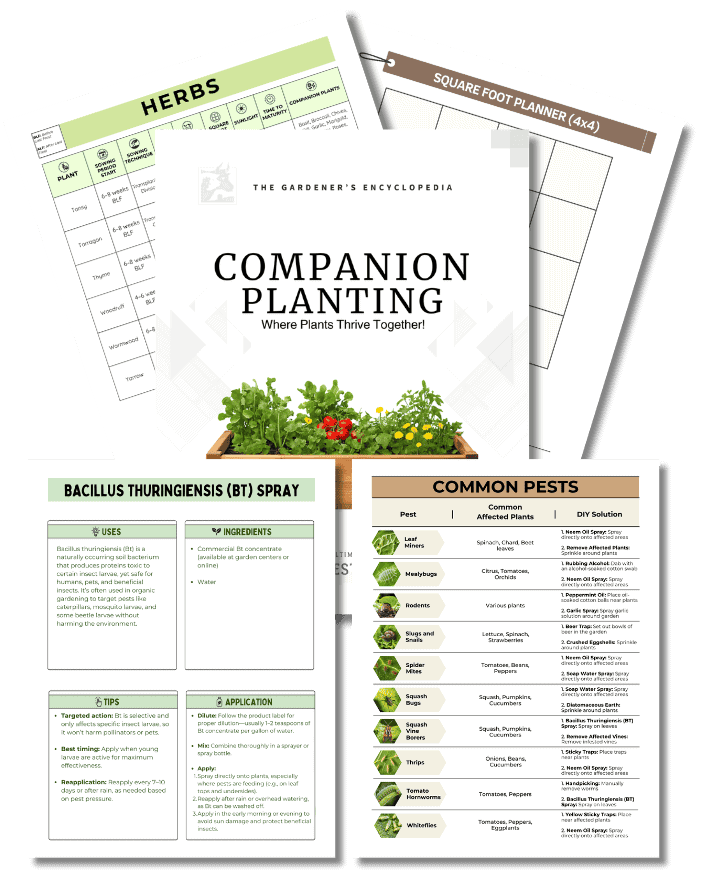
The Gardener's Encyclopedia to Companion Planting
The pairings that make vegetables, herbs, and flowers grow better — and the ones that quietly wreck a bed.
- Proven pairings for 200+ vegetables, herbs, flowers, and fruits
- Full seed-starting + planting schedule with timing and spacing
- Bonus: square-foot gardening guide + printable seasonal planners
Saving Ranunculus Seeds
Recommended for Your Garden
Reduce heat stress and sun scorch in hot climates with UV-stabilized shade cloth.
Start seeds indoors with reusable cell trays and humidity domes.
Test your soil pH, nitrogen, phosphorus, and potassium levels before planting.
Related Plants
Ranunculus in Other Zones
Ranunculus by State
- Alabama
- Alaska
- Arizona
- Arkansas
- California
- Colorado
- Connecticut
- Delaware
- Florida
- Georgia
- Hawaii
- Idaho
- Illinois
- Indiana
- Iowa
- Kansas
- Kentucky
- Louisiana
- Maine
- Maryland
- Massachusetts
- Michigan
- Minnesota
- Mississippi
- Missouri
- Montana
- Nebraska
- Nevada
- New Hampshire
- New Jersey
- New Mexico
- New York
- North Carolina
- North Dakota
- Ohio
- Oklahoma
- Oregon
- Pennsylvania
- Rhode Island
- South Carolina
- South Dakota
- Tennessee
- Texas
- Utah
- Vermont
- Virginia
- Washington
- West Virginia
- Wisconsin
- Wyoming
Frequently Asked Questions
When should I plant Ranunculus in Zone 10a?
In Zone 10a, plan your Ranunculus planting around the average last frost date of January 1.
Can Ranunculus grow in Zone 10a?
Yes, Ranunculus can grow well in Zone 10a, hardy in USDA zones 6a through 10b. Zone 10a has a growing season of approximately 364 days, which is sufficient for Ranunculus (90-120 days to maturity).
When can I harvest Ranunculus in Zone 10a?
In Zone 10a, expect to harvest Ranunculus from November 19 – December 17. Ranunculus takes 90-120 days from planting to harvest.
What is the last frost date for Zone 10a?
The average last spring frost in Zone 10a is around January 1, and the first fall frost is around December 31. This gives a growing season of approximately 364 days. These are 50% probability dates — actual frost dates vary year to year.
What should I plant next to Ranunculus?
Good companion plants for Ranunculus include Anemones, Sweet Pea, Snapdragon, Larkspur. These companions can help with pest control, pollination, and nutrient sharing.
Your Zone 10a Garden Planner — Free
A 22-page printable planner tailored to Zone 10a. Planting dates, monthly task lists, harvest log, seed inventory, and succession charts — everything you need to plan a full season.