
When to Plant Phlox in USDA Zone 6a
August in the garden — Zone 6a
If you only do a handful of things in the garden this August, make it these. They're sequenced around your zone's frost timing.
-
Pick phlox
Check every 1–2 days. Many of these get tough or go to seed if you wait too long.
Get ahead of September
- First harvests: phlox
Garden Phlox (Phlox paniculata) is a beloved native perennial of eastern North America, producing large, domed clusters of fragrant flowers atop upright stems from mid-summer into fall. Its sweet honey-like fragrance carries on summer evenings and draws hummingbirds, butterflies, and sphinx moths. Modern cultivars offer colors spanning white, pink, salmon, red, purple, and bicolors. A classic cottage garden stalwart, phlox combines well with black-eyed Susans, echinacea, and ornamental grasses in naturalistic plantings. Select mildew-resistant cultivars for best long-term performance.
In Zone 6a, the average last spring frost is around April 10 and the first fall frost is around October 20, giving you a growing season of approximately 193 days.
Phlox Planting Timeline — Zone 6a
Where Is USDA Zone 6a?
The map below highlights the states that contain Zone 6a. Click any state to see the Phlox planting schedule for that location.
Phlox Planting Calendar — Zone 6a
| Activity | When | Date Range |
|---|---|---|
| Start Indoors | February 6 | Feb 6 – Feb 20 |
| Transplant Outdoors | April 17 | Apr 17 – May 1 |
| Direct Sow | April 17 | Apr 17 – May 8 |
| Bloom | June 26 | Jun 26 – Sep 18 |
Plant 0.3" deep · 18" apart · Rows 24" apart
Month-by-Month Timeline
| Month | Activities |
|---|---|
| January | — |
| February | Start Indoors |
| March | — |
| April | Transplant Outdoors Direct Sow |
| May | Transplant Outdoors Direct Sow |
| June | Bloom |
| July | Bloom |
| August | Bloom |
| September | Bloom |
| October | — |
| November | — |
| December | — |
Free Zone 6a Planting Calendar PDF
Know exactly when to plant every crop in your zone. Get a printable month-by-month calendar customized for Zone 6a with start dates, transplant windows, and harvest times.
Growing Conditions
Sun
Full Sun (6-8+ hours)
💧 Water
Moderate — regular watering
Days to Maturity
80–110 days
Soil pH
6 – 7
Zone Temperature Range
-10°F to -5°F average annual minimum
Growing Season
193 days (Zone 6a average)
Planting Specifications
| Planting Depth | 0.3 inches |
| Plant Spacing | 18 inches apart |
| Row Spacing | 24 inches between rows |
Succession Planting Phlox in Zone 6a
Sow every 9.1 weeks for continuous harvest throughout the season.
Growing Tips for Phlox in Zone 6a
Start seeds indoors 8–10 weeks before last frost, or transplant container divisions in spring. Named cultivar seeds may not come true; divisions from named plants are the preferred propagation method. Space generously (18–24 inches) and avoid overhead watering to reduce powdery mildew risk. Good air circulation is critical — thin clumps to the strongest 5–7 stems per plant in spring. Deadhead after the primary bloom flush to encourage secondary flowering. Division every 2–3 years in spring keeps plants vigorous. Fall planting of divisions (Zones 5+) is equally effective. Year 2+ plants develop into full clumps with the most prolific bloom.
Companion Planting
Good Companions
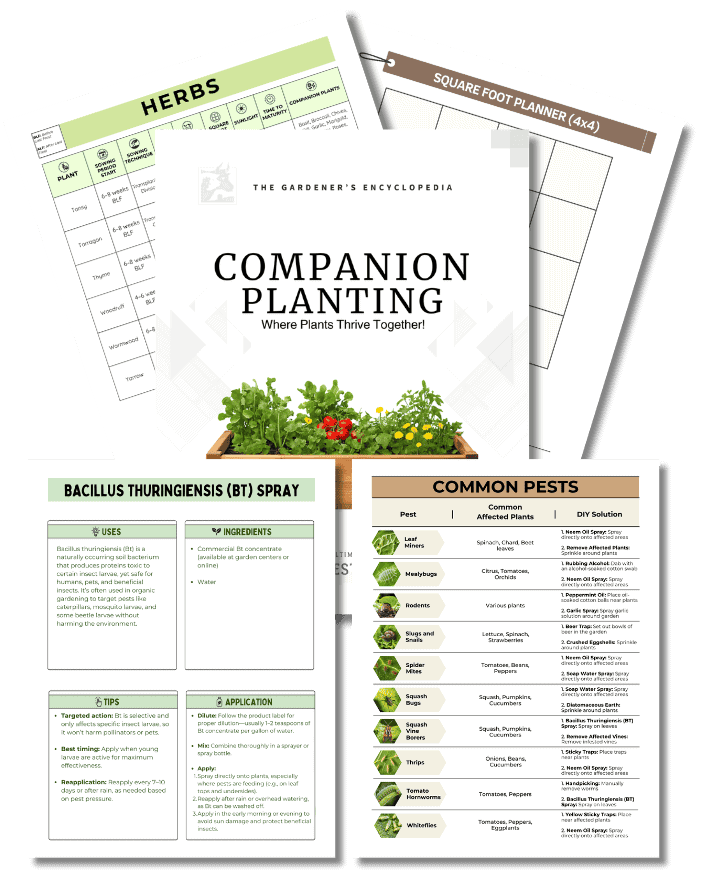
The Gardener's Encyclopedia to Companion Planting
The pairings that make vegetables, herbs, and flowers grow better — and the ones that quietly wreck a bed.
- Proven pairings for 200+ vegetables, herbs, flowers, and fruits
- Full seed-starting + planting schedule with timing and spacing
- Bonus: square-foot gardening guide + printable seasonal planners
Saving Phlox Seeds
Recommended for Your Garden
Start seeds indoors with reusable cell trays and humidity domes.
Test your soil pH, nitrogen, phosphorus, and potassium levels before planting.
Keep your garden organized with durable, weather-resistant plant labels.
Related Plants
Phlox in Other Zones
Phlox by State
- Alabama
- Alaska
- Arizona
- Arkansas
- California
- Colorado
- Connecticut
- Delaware
- Florida
- Georgia
- Hawaii
- Idaho
- Illinois
- Indiana
- Iowa
- Kansas
- Kentucky
- Louisiana
- Maine
- Maryland
- Massachusetts
- Michigan
- Minnesota
- Mississippi
- Missouri
- Montana
- Nebraska
- Nevada
- New Hampshire
- New Jersey
- New Mexico
- New York
- North Carolina
- North Dakota
- Ohio
- Oklahoma
- Oregon
- Pennsylvania
- Rhode Island
- South Carolina
- South Dakota
- Tennessee
- Texas
- Utah
- Vermont
- Virginia
- Washington
- West Virginia
- Wisconsin
- Wyoming
Frequently Asked Questions
When should I plant Phlox in Zone 6a?
In Zone 6a, plan your Phlox planting around the average last frost date of April 10. Start seeds indoors around February 6. Direct sow outdoors around April 17. Transplant seedlings around April 17.
Can Phlox grow in Zone 6a?
Yes, Phlox can grow well in Zone 6a, hardy in USDA zones 3a through 9a. Zone 6a has a growing season of approximately 193 days, which is sufficient for Phlox (80-110 days to maturity).
When can I harvest Phlox in Zone 6a?
In Zone 6a, expect to harvest Phlox from June 26 – September 18. Phlox takes 80-110 days from planting to harvest.
What is the last frost date for Zone 6a?
The average last spring frost in Zone 6a is around April 10, and the first fall frost is around October 20. This gives a growing season of approximately 193 days. These are 50% probability dates — actual frost dates vary year to year.
What should I plant next to Phlox?
Good companion plants for Phlox include Echinacea, Black Eyed Susan, Yarrow, Rudbeckia. These companions can help with pest control, pollination, and nutrient sharing.
Your Zone 6a Garden Planner — Free
A 22-page printable planner tailored to Zone 6a. Planting dates, monthly task lists, harvest log, seed inventory, and succession charts — everything you need to plan a full season.