
When to Plant Lupine in USDA Zone 4b
Your August game plan for Zone 4b
If you only do a handful of things in the garden this August, make it these. They're sequenced around your zone's frost timing.
-
Basket week: lupine
Morning harvests are best — cooler temperatures mean crisper produce and longer fridge life.
Wild Lupine (Lupinus perennis) is a stunning native perennial of eastern North America, producing tall, densely packed spikes of pea-like flowers in deep blue-purple — the classic wildflower of sandy pine barrens and open woodlands. Russell Hybrid Lupins extend the color range to pink, red, yellow, and bicolors and produce larger flower spikes, making them popular cottage garden perennials. The palmately compound foliage is attractive throughout the season. Wild lupine is the sole larval host plant of the federally endangered Karner Blue butterfly, making it a high-value native planting. Seeds are toxic if ingested. Nitrogen-fixing roots improve surrounding soil over time.
In Zone 4b, the average last spring frost is around May 1 and the first fall frost is around October 3, giving you a growing season of approximately 155 days.
Lupine Planting Timeline — Zone 4b
Where Is USDA Zone 4b?
The map below highlights the states that contain Zone 4b. Click any state to see the Lupine planting schedule for that location.
Lupine Planting Calendar — Zone 4b
| Activity | When | Date Range |
|---|---|---|
| Start Indoors | February 20 | Feb 20 – Mar 6 |
| Transplant Outdoors | May 15 | May 15 – May 29 |
| Direct Sow | May 15 | May 15 – Jun 5 |
| Bloom | July 10 | Jul 10 – Aug 21 |
Plant 0.3" deep · 18" apart · Rows 24" apart
Month-by-Month Timeline
| Month | Activities |
|---|---|
| January | — |
| February | Start Indoors |
| March | Start Indoors |
| April | — |
| May | Transplant Outdoors Direct Sow |
| June | Direct Sow |
| July | Bloom |
| August | Bloom |
| September | — |
| October | — |
| November | — |
| December | — |
Free Zone 4b Planting Calendar PDF
Know exactly when to plant every crop in your zone. Get a printable month-by-month calendar customized for Zone 4b with start dates, transplant windows, and harvest times.
Growing Conditions
Sun
Full Sun (6-8+ hours)
💧 Water
Moderate — regular watering
Days to Maturity
75–100 days
Soil pH
5.5 – 7
Zone Temperature Range
-25°F to -20°F average annual minimum
Growing Season
155 days (Zone 4b average)
Planting Specifications
| Planting Depth | 0.3 inches |
| Plant Spacing | 18 inches apart |
| Row Spacing | 24 inches between rows |
Succession Planting Lupine in Zone 4b
Sow every 8.6 weeks for continuous harvest throughout the season.
Growing Tips for Lupine in Zone 4b
Zone 4b has a short growing season (~155 days). Start Lupine indoors early and use season-extension techniques like row covers and cold frames.
Scarify seeds before planting — nick with a file or sandpaper, or soak in warm water for 24 hours — to improve germination. Start in biodegradable pots (peat or paper) 8–10 weeks before last frost to avoid disturbing the taproot at transplant. Direct sowing is equally effective if done fresh in fall (natural stratification and scarification over winter). Transplant or direct-sow after last frost into well-drained, lean soil. Lupines prefer cool, moist springs and decline in summer heat and humidity. They are relatively short-lived in warm zones (treat as biennial in Zones 7–8). Do not over-fertilize — nitrogen-fixers thrive in lean soil. Deadhead after bloom to extend season; allow some pods to mature for self-seeding. Year 2+ plants produce the largest flower spikes.
Companion Planting
Good Companions
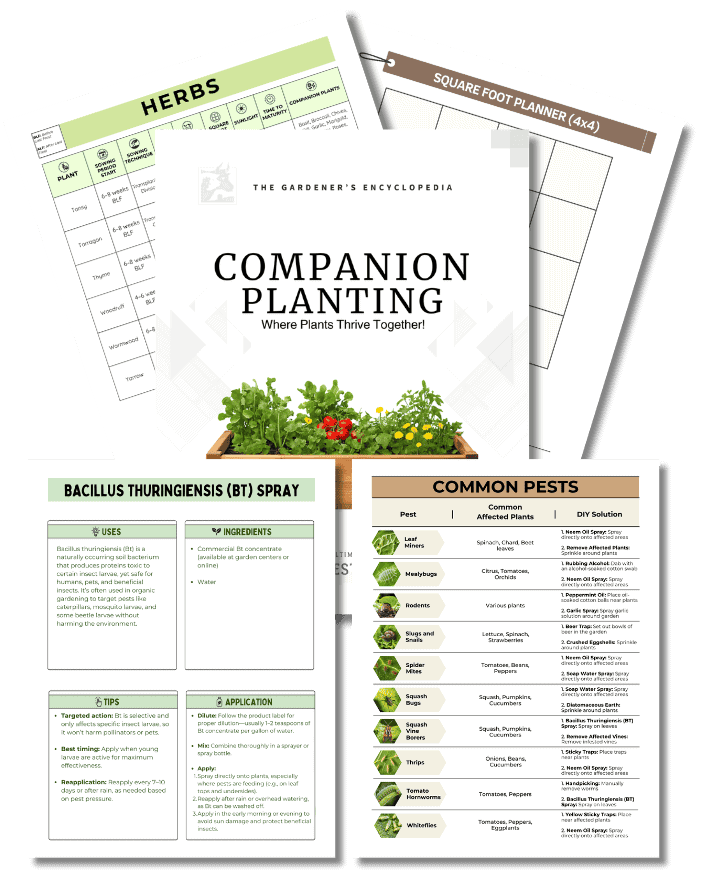
The Gardener's Encyclopedia to Companion Planting
The pairings that make vegetables, herbs, and flowers grow better — and the ones that quietly wreck a bed.
- Proven pairings for 200+ vegetables, herbs, flowers, and fruits
- Full seed-starting + planting schedule with timing and spacing
- Bonus: square-foot gardening guide + printable seasonal planners
Saving Lupine Seeds
Recommended for Your Garden
Full-spectrum LED lights for starting seeds indoors when daylight is limited.
Warm soil for faster germination of heat-loving crops like tomatoes and peppers.
Protect plants from frost, wind, and pests while letting light and water through.
Related Plants
Lupine in Other Zones
Lupine by State
- Alabama
- Alaska
- Arizona
- Arkansas
- California
- Colorado
- Connecticut
- Delaware
- Florida
- Georgia
- Hawaii
- Idaho
- Illinois
- Indiana
- Iowa
- Kansas
- Kentucky
- Louisiana
- Maine
- Maryland
- Massachusetts
- Michigan
- Minnesota
- Mississippi
- Missouri
- Montana
- Nebraska
- Nevada
- New Hampshire
- New Jersey
- New Mexico
- New York
- North Carolina
- North Dakota
- Ohio
- Oklahoma
- Oregon
- Pennsylvania
- Rhode Island
- South Carolina
- South Dakota
- Tennessee
- Texas
- Utah
- Vermont
- Virginia
- Washington
- West Virginia
- Wisconsin
- Wyoming
Frequently Asked Questions
When should I plant Lupine in Zone 4b?
In Zone 4b, plan your Lupine planting around the average last frost date of May 1. Start seeds indoors around February 20. Direct sow outdoors around May 15. Transplant seedlings around May 15.
Can Lupine grow in Zone 4b?
Yes, Lupine can grow well in Zone 4b, hardy in USDA zones 3a through 8b. Zone 4b has a growing season of approximately 155 days, which is sufficient for Lupine (75-100 days to maturity).
When can I harvest Lupine in Zone 4b?
In Zone 4b, expect to harvest Lupine from July 10 – August 21. Lupine takes 75-100 days from planting to harvest.
What is the last frost date for Zone 4b?
The average last spring frost in Zone 4b is around May 1, and the first fall frost is around October 3. This gives a growing season of approximately 155 days. These are 50% probability dates — actual frost dates vary year to year.
What should I plant next to Lupine?
Good companion plants for Lupine include Echinacea, Columbine, Phlox, Salvia. These companions can help with pest control, pollination, and nutrient sharing.
Your Zone 4b Garden Planner — Free
A 22-page printable planner tailored to Zone 4b. Planting dates, monthly task lists, harvest log, seed inventory, and succession charts — everything you need to plan a full season.