
When to Plant Lilies in USDA Zone 7b
This month in Zone 7b
August rewards gardeners who work with the weather, not against it. Here's how to stay in step this month in Zone 7b.
-
Start harvesting lilies
Taste as you pick. The first ripe produce is the best feedback loop you'll get all season.
To set up a strong September, finish these tasks
- First harvests: lilies
Lilies (Lilium spp.) are among the most impressive summer-blooming bulbs, delivering bold, upward- or outward-facing trumpet blooms on tall stems from June through August. Asiatic hybrids are the most cold-hardy, earliest to bloom, and easiest to grow; Oriental hybrids bloom later with intensely fragrant, larger flowers. Orienpet (OT) hybrids combine the hardiness of Asiatics with the fragrance and size of Orientals. True lilies (not to be confused with daylilies, which are Hemerocallis) form scaly bulbs that persist and multiply underground, returning reliably each year with increasingly large clumps.
In Zone 7b, the average last spring frost is around March 18 and the first fall frost is around November 8, giving you a growing season of approximately 235 days.
Lilies Planting Timeline — Zone 7b
Where Is USDA Zone 7b?
The map below highlights the states that contain Zone 7b. Click any state to see the Lilies planting schedule for that location.
Lilies Planting Calendar — Zone 7b
| Activity | When | Date Range |
|---|---|---|
| Transplant Outdoors | March 18 | Mar 18 – Apr 1 |
| Bloom | May 27 | May 27 – Sep 16 |
Plant 5" deep · 12" apart · Rows 18" apart
Month-by-Month Timeline
| Month | Activities |
|---|---|
| January | — |
| February | — |
| March | Transplant Outdoors |
| April | Transplant Outdoors |
| May | Bloom |
| June | Bloom |
| July | Bloom |
| August | Bloom |
| September | Bloom |
| October | — |
| November | — |
| December | — |
Free Zone 7b Planting Calendar PDF
Know exactly when to plant every crop in your zone. Get a printable month-by-month calendar customized for Zone 7b with start dates, transplant windows, and harvest times.
Growing Conditions
Sun
Full Sun (6-8+ hours)
💧 Water
Moderate — regular watering
Days to Maturity
70–120 days
Soil pH
6 – 6.5
Zone Temperature Range
5°F to 10°F average annual minimum
Growing Season
235 days (Zone 7b average)
Planting Specifications
| Planting Depth | 5 inches |
| Plant Spacing | 12 inches apart |
| Row Spacing | 18 inches between rows |
Succession Planting Lilies in Zone 7b
Sow every 8 weeks for continuous harvest throughout the season.
Growing Tips for Lilies in Zone 7b
Plant bulbs in fall (preferred, September–October) or spring, setting them 3 times their diameter deep (typically 4–6 inches) with the pointed end up. Lilies need excellent drainage — they will rot in wet or heavy clay soils. Site with full sun on stems and blooms but cool, shaded soil at the base (ground cover or shallow-rooted annuals at their feet is ideal). Remove spent blooms but leave stems and foliage until they yellow naturally, as the bulb needs the foliage to photosynthesize and rebuild energy stores. Red lily beetle is a serious pest in the Northeast and Pacific Northwest; inspect plants regularly and hand-pick adults and larvae. Never plant Oriental or Asiatic lilies near cats — all Lilium species are highly toxic to cats. Year 2+ bulbs produce the most stems and largest blooms.
Companion Planting
Good Companions
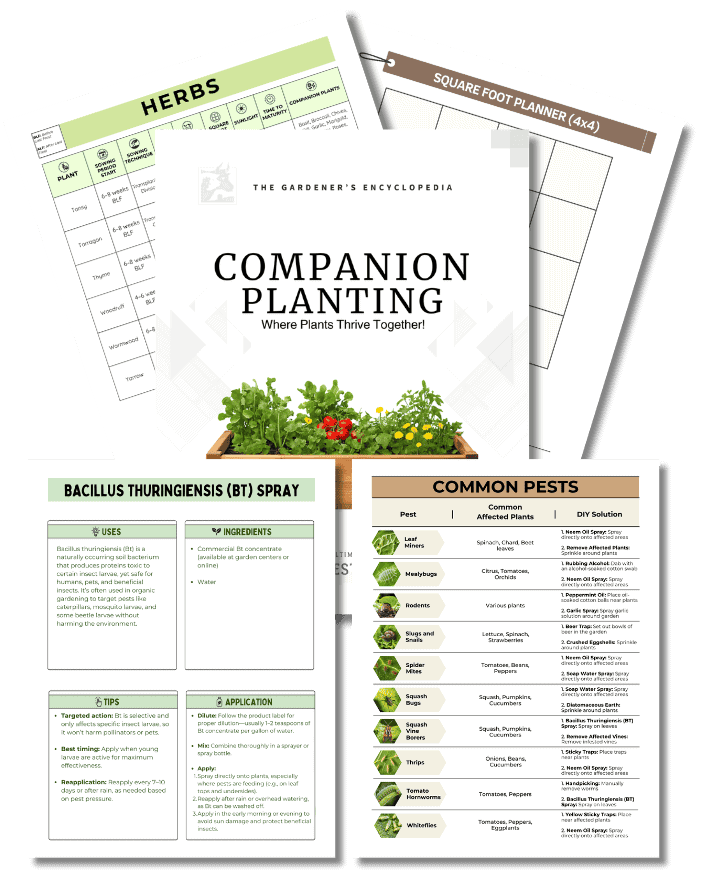
The Gardener's Encyclopedia to Companion Planting
The pairings that make vegetables, herbs, and flowers grow better — and the ones that quietly wreck a bed.
- Proven pairings for 200+ vegetables, herbs, flowers, and fruits
- Full seed-starting + planting schedule with timing and spacing
- Bonus: square-foot gardening guide + printable seasonal planners
Saving Lilies Seeds
Recommended for Your Garden
Start seeds indoors with reusable cell trays and humidity domes.
Test your soil pH, nitrogen, phosphorus, and potassium levels before planting.
Keep your garden organized with durable, weather-resistant plant labels.
Related Plants
Lilies in Other Zones
Lilies by State
- Alabama
- Alaska
- Arizona
- Arkansas
- California
- Colorado
- Connecticut
- Delaware
- Florida
- Georgia
- Hawaii
- Idaho
- Illinois
- Indiana
- Iowa
- Kansas
- Kentucky
- Louisiana
- Maine
- Maryland
- Massachusetts
- Michigan
- Minnesota
- Mississippi
- Missouri
- Montana
- Nebraska
- Nevada
- New Hampshire
- New Jersey
- New Mexico
- New York
- North Carolina
- North Dakota
- Ohio
- Oklahoma
- Oregon
- Pennsylvania
- Rhode Island
- South Carolina
- South Dakota
- Tennessee
- Texas
- Utah
- Vermont
- Virginia
- Washington
- West Virginia
- Wisconsin
- Wyoming
Frequently Asked Questions
When should I plant Lilies in Zone 7b?
In Zone 7b, plan your Lilies planting around the average last frost date of March 18. Transplant seedlings around March 18.
Can Lilies grow in Zone 7b?
Yes, Lilies can grow well in Zone 7b, hardy in USDA zones 3a through 9a. Zone 7b has a growing season of approximately 235 days, which is sufficient for Lilies (70-120 days to maturity).
When can I harvest Lilies in Zone 7b?
In Zone 7b, expect to harvest Lilies from May 27 – September 16. Lilies takes 70-120 days from planting to harvest.
What is the last frost date for Zone 7b?
The average last spring frost in Zone 7b is around March 18, and the first fall frost is around November 8. This gives a growing season of approximately 235 days. These are 50% probability dates — actual frost dates vary year to year.
What should I plant next to Lilies?
Good companion plants for Lilies include Hostas, Daylily, Phlox, Black Eyed Susan. These companions can help with pest control, pollination, and nutrient sharing.
Your Zone 7b Garden Planner — Free
A 22-page printable planner tailored to Zone 7b. Planting dates, monthly task lists, harvest log, seed inventory, and succession charts — everything you need to plan a full season.