
When to Plant Gladiolus in USDA Zone 9b
August in the garden — Zone 9b
Your Zone 9b garden is entering a new phase. Here's what's on the schedule for August and why each task matters now.
-
Start harvesting gladiolus
The more you pick, the more the plant produces. Letting fruit overripen tells the plant it's time to stop.
Get ahead of September
- First harvests: gladiolus
Gladiolus (Gladiolus spp.) produce tall, stately spikes of trumpet-shaped blooms in a rich array of colors, making them one of the most popular cut flowers in the world. Each spike carries 12–20 florets that open in succession from bottom to top over 7–10 days. By planting corms every two weeks from last frost through early summer, gardeners create a continuous succession of fresh blooms from midsummer through fall. Corms multiply each season — a single planting becomes a growing collection over the years. Ideal for back-of- border planting, cutting gardens, and mixed summer containers.
In Zone 9b, the average last spring frost is around January 25 and the first fall frost is around December 20, giving you a growing season of approximately 329 days.
Gladiolus Planting Timeline — Zone 9b
Where Is USDA Zone 9b?
The map below highlights the states that contain Zone 9b. Click any state to see the Gladiolus planting schedule for that location.
Gladiolus Planting Calendar — Zone 9b
| Activity | When | Date Range |
|---|---|---|
| Transplant Outdoors | January 25 | Jan 25 – Feb 8 |
| Direct Sow | January 25 | Jan 25 – Feb 15 |
| Bloom | April 5 | Apr 5 – Oct 18 |
Plant 5" deep · 5" apart · Rows 12" apart
Month-by-Month Timeline
| Month | Activities |
|---|---|
| January | Transplant Outdoors Direct Sow |
| February | Transplant Outdoors Direct Sow |
| March | — |
| April | Bloom |
| May | Bloom |
| June | Bloom |
| July | Bloom |
| August | Bloom |
| September | Bloom |
| October | Bloom |
| November | — |
| December | — |
Free Zone 9b Planting Calendar PDF
Know exactly when to plant every crop in your zone. Get a printable month-by-month calendar customized for Zone 9b with start dates, transplant windows, and harvest times.
Growing Conditions
Sun
Full Sun (6-8+ hours)
💧 Water
Moderate — regular watering
Days to Maturity
70–100 days
Soil pH
6 – 6.5
Zone Temperature Range
25°F to 30°F average annual minimum
Growing Season
329 days (Zone 9b average)
Planting Specifications
| Planting Depth | 5 inches |
| Plant Spacing | 5 inches apart |
| Row Spacing | 12 inches between rows |
Succession Planting Gladiolus in Zone 9b
Sow every 8 weeks for continuous harvest throughout the season.
Growing Tips for Gladiolus in Zone 9b
Zone 9b offers a long growing season (~329 days). You can plant Gladiolus earlier and may get multiple harvests.
Plant corms 4–6 inches deep, pointed end up, as soon as soil reaches 60°F after last frost. Space 4–6 inches apart; rows 12 inches apart. Stake or grow through a support grid — tall varieties reach 4–5 feet and tip in wind. Begin succession plantings every 2 weeks through early July for continuous bloom. Water deeply once a week; mulch to conserve moisture and suppress weeds. Cut spikes for vases when the lowest floret just begins to open. After first killing frost (in cold zones), dig corms, let dry for 3–4 weeks in a ventilated spot, remove cormels, and store in mesh bags at 35–50°F. In zones 7b–8a, corms sometimes survive mild winters in ground with heavy mulch; in zones 8b+, in-ground overwintering is reliable.
Companion Planting
Good Companions
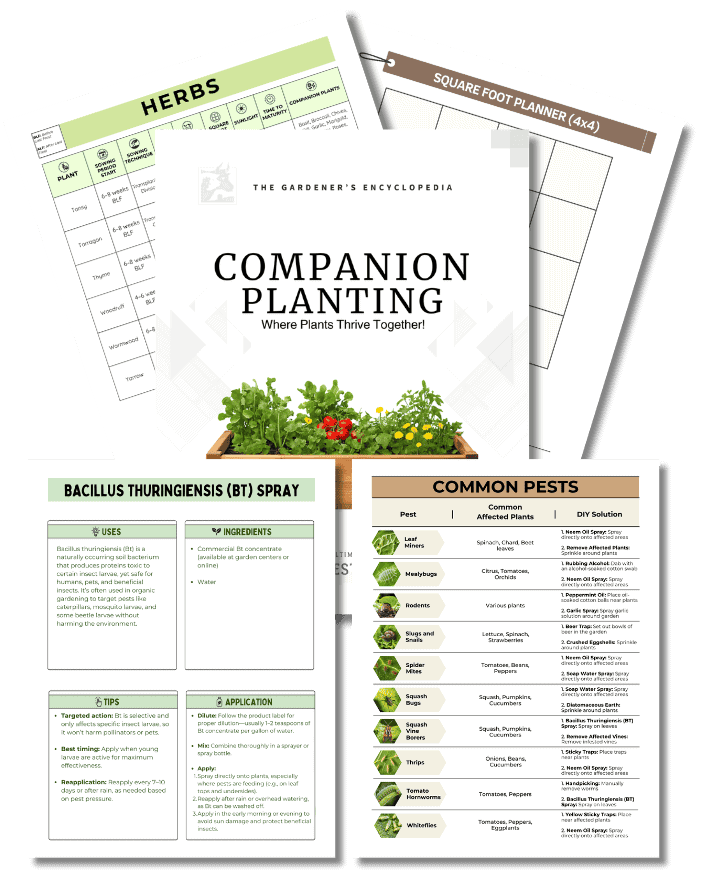
The Gardener's Encyclopedia to Companion Planting
The pairings that make vegetables, herbs, and flowers grow better — and the ones that quietly wreck a bed.
- Proven pairings for 200+ vegetables, herbs, flowers, and fruits
- Full seed-starting + planting schedule with timing and spacing
- Bonus: square-foot gardening guide + printable seasonal planners
Saving Gladiolus Seeds
Recommended for Your Garden
Reduce heat stress and sun scorch in hot climates with UV-stabilized shade cloth.
Start seeds indoors with reusable cell trays and humidity domes.
Test your soil pH, nitrogen, phosphorus, and potassium levels before planting.
Related Plants
Gladiolus in Other Zones
Gladiolus by State
- Alabama
- Alaska
- Arizona
- Arkansas
- California
- Colorado
- Connecticut
- Delaware
- Florida
- Georgia
- Hawaii
- Idaho
- Illinois
- Indiana
- Iowa
- Kansas
- Kentucky
- Louisiana
- Maine
- Maryland
- Massachusetts
- Michigan
- Minnesota
- Mississippi
- Missouri
- Montana
- Nebraska
- Nevada
- New Hampshire
- New Jersey
- New Mexico
- New York
- North Carolina
- North Dakota
- Ohio
- Oklahoma
- Oregon
- Pennsylvania
- Rhode Island
- South Carolina
- South Dakota
- Tennessee
- Texas
- Utah
- Vermont
- Virginia
- Washington
- West Virginia
- Wisconsin
- Wyoming
Frequently Asked Questions
When should I plant Gladiolus in Zone 9b?
In Zone 9b, plan your Gladiolus planting around the average last frost date of January 25. Direct sow outdoors around January 25. Transplant seedlings around January 25.
Can Gladiolus grow in Zone 9b?
Yes, Gladiolus can grow well in Zone 9b, hardy in USDA zones 3a through 10b. Zone 9b has a growing season of approximately 329 days, which is sufficient for Gladiolus (70-100 days to maturity).
When can I harvest Gladiolus in Zone 9b?
In Zone 9b, expect to harvest Gladiolus from April 5 – October 18. Gladiolus takes 70-100 days from planting to harvest.
What is the last frost date for Zone 9b?
The average last spring frost in Zone 9b is around January 25, and the first fall frost is around December 20. This gives a growing season of approximately 329 days. These are 50% probability dates — actual frost dates vary year to year.
What should I plant next to Gladiolus?
Good companion plants for Gladiolus include Dahlias, Zinnias, Marigolds, Cosmos. These companions can help with pest control, pollination, and nutrient sharing.
Your Zone 9b Garden Planner — Free
A 22-page printable planner tailored to Zone 9b. Planting dates, monthly task lists, harvest log, seed inventory, and succession charts — everything you need to plan a full season.