
When to Plant Foxglove in USDA Zone 6a
June to-do list for Zone 6a
Each item below is timed to Zone 6a's frost dates and soil temperatures. Skip nothing, stress about nothing.
-
Begin indoor sowing: foxglove
Give them 6–8 weeks indoors before the last frost and you'll transplant into warm soil with seedlings that are already leaping.
-
Harvest foxglove as they ripen
Taste as you pick. The first ripe produce is the best feedback loop you'll get all season.
July prep starts now
- First harvests: foxglove
Foxglove (Digitalis purpurea) is a stately cottage garden classic, sending up dramatic 3–5 foot spires of tubular flowers — spotted purple, pink, white, or cream — in late spring and early summer. Technically biennial (flowering in its second year), foxglove perpetuates itself so freely from self-sown seed that established plantings appear to be permanent perennials. A key source plant for the heart medication digitalis, all parts are highly toxic if ingested. Bumblebees are the primary pollinators, crawling deep into each bell-shaped flower. Partial shade and cool, moist woodland-edge conditions suit foxglove best; it resents heat and drought.
In Zone 6a, the average last spring frost is around April 10 and the first fall frost is around October 20, giving you a growing season of approximately 193 days.
Foxglove Planting Timeline — Zone 6a
Where Is USDA Zone 6a?
The map below highlights the states that contain Zone 6a. Click any state to see the Foxglove planting schedule for that location.
Foxglove Planting Calendar — Zone 6a
| Activity | When | Date Range |
|---|---|---|
| Start Indoors | February 6 | Feb 6 – Feb 20 |
| Transplant Outdoors | April 17 | Apr 17 – May 1 |
| Direct Sow | April 17 | Apr 17 – May 8 |
| Bloom | June 12 | Jun 12 – Jul 17 |
Plant 0.1" deep · 18" apart · Rows 24" apart
Month-by-Month Timeline
| Month | Activities |
|---|---|
| January | — |
| February | Start Indoors |
| March | — |
| April | Transplant Outdoors Direct Sow |
| May | Transplant Outdoors Direct Sow |
| June | Bloom |
| July | Bloom |
| August | — |
| September | — |
| October | — |
| November | — |
| December | — |
Free Zone 6a Planting Calendar PDF
Know exactly when to plant every crop in your zone. Get a printable month-by-month calendar customized for Zone 6a with start dates, transplant windows, and harvest times.
Growing Conditions
Sun
Partial Shade (3-6 hours)
💧 Water
Moderate — regular watering
Days to Maturity
80–120 days
Soil pH
5.5 – 6.5
Zone Temperature Range
-10°F to -5°F average annual minimum
Growing Season
193 days (Zone 6a average)
Planting Specifications
| Planting Depth | 0.1 inches |
| Plant Spacing | 18 inches apart |
| Row Spacing | 24 inches between rows |
Succession Planting Foxglove in Zone 6a
Sow every 9.1 weeks for continuous harvest throughout the season.
Growing Tips for Foxglove in Zone 6a
Sow seeds indoors 8–10 weeks before last frost or direct-sow outdoors in late spring/early summer for next-year bloom (biennial cycle). Surface-sow — seeds need light to germinate. Transplant after last frost into cool, moist, well-amended soil. Morning sun with afternoon shade is ideal; full shade reduces bloom but is tolerated. Keep consistently moist. First-year plants form a basal rosette only; second-year plants produce flower spikes. After bloom, cut the main spike before seed scatters to prevent excessive spreading, or leave some spikes to self-seed for naturalizing. Perennial species (D. grandiflora, D. x mertonensis) maintain clumps without requiring self-seeding. Wear gloves when handling — all plant parts toxic.
Companion Planting
Good Companions
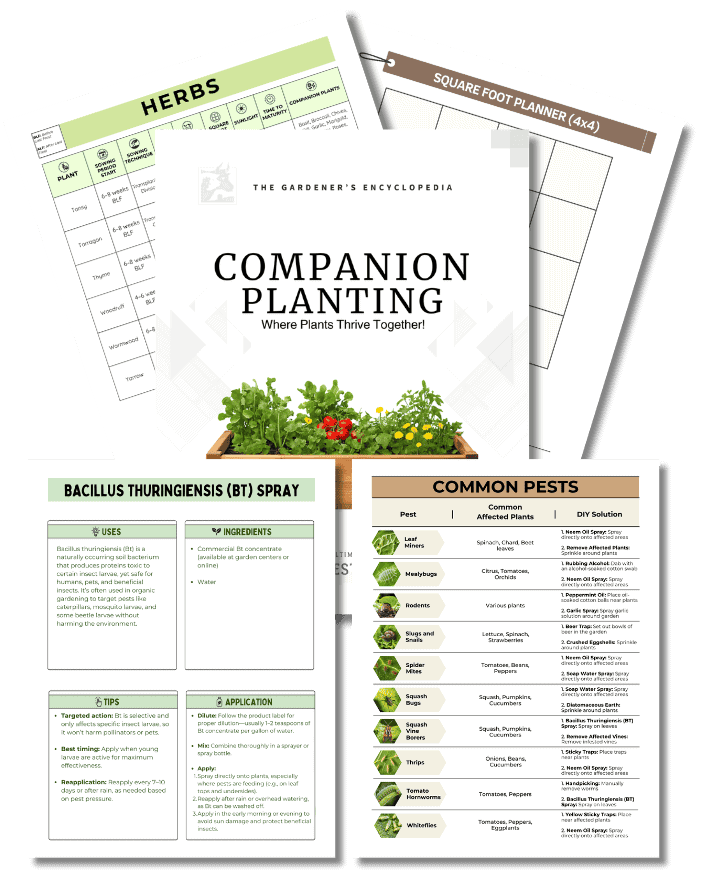
The Gardener's Encyclopedia to Companion Planting
The pairings that make vegetables, herbs, and flowers grow better — and the ones that quietly wreck a bed.
- Proven pairings for 200+ vegetables, herbs, flowers, and fruits
- Full seed-starting + planting schedule with timing and spacing
- Bonus: square-foot gardening guide + printable seasonal planners
Saving Foxglove Seeds
Recommended for Your Garden
Start seeds indoors with reusable cell trays and humidity domes.
Test your soil pH, nitrogen, phosphorus, and potassium levels before planting.
Keep your garden organized with durable, weather-resistant plant labels.
Related Plants
Foxglove in Other Zones
Foxglove by State
- Alabama
- Alaska
- Arizona
- Arkansas
- California
- Colorado
- Connecticut
- Delaware
- Florida
- Georgia
- Hawaii
- Idaho
- Illinois
- Indiana
- Iowa
- Kansas
- Kentucky
- Louisiana
- Maine
- Maryland
- Massachusetts
- Michigan
- Minnesota
- Mississippi
- Missouri
- Montana
- Nebraska
- Nevada
- New Hampshire
- New Jersey
- New Mexico
- New York
- North Carolina
- North Dakota
- Ohio
- Oklahoma
- Oregon
- Pennsylvania
- Rhode Island
- South Carolina
- South Dakota
- Tennessee
- Texas
- Utah
- Vermont
- Virginia
- Washington
- West Virginia
- Wisconsin
- Wyoming
Frequently Asked Questions
When should I plant Foxglove in Zone 6a?
In Zone 6a, plan your Foxglove planting around the average last frost date of April 10. Start seeds indoors around February 6. Direct sow outdoors around April 17. Transplant seedlings around April 17.
Can Foxglove grow in Zone 6a?
Yes, Foxglove can grow well in Zone 6a, hardy in USDA zones 3a through 9a. Zone 6a has a growing season of approximately 193 days, which is sufficient for Foxglove (80-120 days to maturity).
When can I harvest Foxglove in Zone 6a?
In Zone 6a, expect to harvest Foxglove from June 12 – July 17. Foxglove takes 80-120 days from planting to harvest.
What is the last frost date for Zone 6a?
The average last spring frost in Zone 6a is around April 10, and the first fall frost is around October 20. This gives a growing season of approximately 193 days. These are 50% probability dates — actual frost dates vary year to year.
What should I plant next to Foxglove?
Good companion plants for Foxglove include Hostas, Astilbe, Columbine, Bleeding Hearts. These companions can help with pest control, pollination, and nutrient sharing.
Your Zone 6a Garden Planner — Free
A 22-page printable planner tailored to Zone 6a. Planting dates, monthly task lists, harvest log, seed inventory, and succession charts — everything you need to plan a full season.