
When to Plant Daylily in USDA Zone 7a
Top priorities for Zone 7a gardeners in July
Welcome to July in Zone 7a. These are the moves that will have the biggest impact on your growing season.
-
Basket week: daylily
Taste as you pick. The first ripe produce is the best feedback loop you'll get all season.
Before August arrives, get these ready
- First harvests: daylily
Hemerocallis (Daylily) is one of the most adaptable and trouble-free perennials in cultivation. Though each flower lasts only a single day, established clumps produce dozens to hundreds of buds per stem, delivering weeks of continuous color through summer. Modern hybrids extend the range from pale cream and melon through deep burgundy and purple. Nearly indestructible once established — tolerating poor soil, drought, competition, and neglect — daylilies form dense spreading clumps that effectively suppress weeds. An excellent low-maintenance choice for slopes, borders, and naturalized areas.
In Zone 7a, the average last spring frost is around March 25 and the first fall frost is around November 1, giving you a growing season of approximately 221 days.
Daylily Planting Timeline — Zone 7a
Where Is USDA Zone 7a?
The map below highlights the states that contain Zone 7a. Click any state to see the Daylily planting schedule for that location.
Daylily Planting Calendar — Zone 7a
| Activity | When | Date Range |
|---|---|---|
| Start Indoors | January 21 | Jan 21 – Feb 4 |
| Transplant Outdoors | April 1 | Apr 1 – Apr 15 |
| Bloom | June 10 | Jun 10 – Oct 14 |
Plant 1" deep · 24" apart · Rows 30" apart
Month-by-Month Timeline
| Month | Activities |
|---|---|
| January | Start Indoors |
| February | Start Indoors |
| March | — |
| April | Transplant Outdoors |
| May | — |
| June | Bloom |
| July | Bloom |
| August | Bloom |
| September | Bloom |
| October | Bloom |
| November | — |
| December | — |
Free Zone 7a Planting Calendar PDF
Know exactly when to plant every crop in your zone. Get a printable month-by-month calendar customized for Zone 7a with start dates, transplant windows, and harvest times.
Growing Conditions
Sun
Full Sun (6-8+ hours)
💧 Water
Low — drought tolerant
Days to Maturity
60–90 days
Soil pH
6 – 7
Zone Temperature Range
0°F to 5°F average annual minimum
Growing Season
221 days (Zone 7a average)
Planting Specifications
| Planting Depth | 1 inches |
| Plant Spacing | 24 inches apart |
| Row Spacing | 30 inches between rows |
Succession Planting Daylily in Zone 7a
Sow every 6.9 weeks for continuous harvest throughout the season.
Growing Tips for Daylily in Zone 7a
Daylilies are most commonly propagated by division rather than seed; cultivar seeds do not come true. Transplant bare-root or potted divisions in early spring or fall, setting crowns no more than 1 inch below soil level. If starting from seed (species types only), start indoors 8–10 weeks before last frost. Established plants are extremely drought-tolerant; moderate water during bloom period improves flower quality. Divide crowded clumps every 3–5 years in early spring or fall to maintain vigor. In warm zones (8+), some cultivars are evergreen; in cold zones, foliage dies back each fall. Year 2+ plants bloom most heavily — first-year transplants may produce limited flowers.
Companion Planting
Good Companions
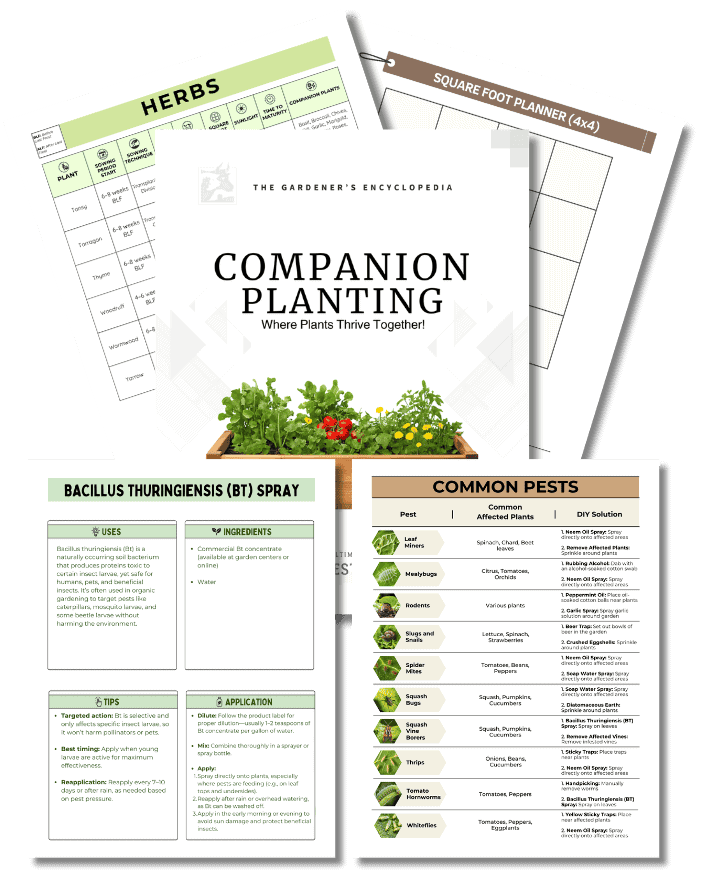
The Gardener's Encyclopedia to Companion Planting
The pairings that make vegetables, herbs, and flowers grow better — and the ones that quietly wreck a bed.
- Proven pairings for 200+ vegetables, herbs, flowers, and fruits
- Full seed-starting + planting schedule with timing and spacing
- Bonus: square-foot gardening guide + printable seasonal planners
Saving Daylily Seeds
Recommended for Your Garden
Start seeds indoors with reusable cell trays and humidity domes.
Test your soil pH, nitrogen, phosphorus, and potassium levels before planting.
Keep your garden organized with durable, weather-resistant plant labels.
Related Plants
Daylily in Other Zones
Daylily by State
- Alabama
- Alaska
- Arizona
- Arkansas
- California
- Colorado
- Connecticut
- Delaware
- Florida
- Georgia
- Hawaii
- Idaho
- Illinois
- Indiana
- Iowa
- Kansas
- Kentucky
- Louisiana
- Maine
- Maryland
- Massachusetts
- Michigan
- Minnesota
- Mississippi
- Missouri
- Montana
- Nebraska
- Nevada
- New Hampshire
- New Jersey
- New Mexico
- New York
- North Carolina
- North Dakota
- Ohio
- Oklahoma
- Oregon
- Pennsylvania
- Rhode Island
- South Carolina
- South Dakota
- Tennessee
- Texas
- Utah
- Vermont
- Virginia
- Washington
- West Virginia
- Wisconsin
- Wyoming
Frequently Asked Questions
When should I plant Daylily in Zone 7a?
In Zone 7a, plan your Daylily planting around the average last frost date of March 25. Start seeds indoors around January 21. Transplant seedlings around April 1.
Can Daylily grow in Zone 7a?
Yes, Daylily can grow well in Zone 7a, hardy in USDA zones 3a through 10b. Zone 7a has a growing season of approximately 221 days, which is sufficient for Daylily (60-90 days to maturity).
When can I harvest Daylily in Zone 7a?
In Zone 7a, expect to harvest Daylily from June 10 – October 14. Daylily takes 60-90 days from planting to harvest.
What is the last frost date for Zone 7a?
The average last spring frost in Zone 7a is around March 25, and the first fall frost is around November 1. This gives a growing season of approximately 221 days. These are 50% probability dates — actual frost dates vary year to year.
What should I plant next to Daylily?
Good companion plants for Daylily include Echinacea, Black Eyed Susan, Coreopsis, Ornamental Grasses. These companions can help with pest control, pollination, and nutrient sharing.
Your Zone 7a Garden Planner — Free
A 22-page printable planner tailored to Zone 7a. Planting dates, monthly task lists, harvest log, seed inventory, and succession charts — everything you need to plan a full season.