
When to Plant Ageratum in USDA Zone 11a
Top priorities for Zone 11a gardeners in July
A quick July briefing for Zone 11a gardeners — what's urgent, what's next, and what can wait.
-
Plan the fall garden
Make a planting map for August. Tomatoes, peppers, brassicas, lettuce, root crops all go in over the next 8 weeks. Soil amendments and irrigation prep happen now.
-
Keep heat-survivor crops productive
Daily harvest of okra and southern peas keeps plants producing. Let pods over-mature and the plant stops setting new fruit.
-
Watch for hurricane prep season
August-October is hurricane season. Stake young trees, secure rain barrels, and plan how to protect tender transplants from high winds.
Ageratum (Ageratum houstonianum), the floss flower, produces clusters of fluffy, powder-puff blooms in the rare sky-blue and lavender tones difficult to find among warm-season annuals. Compact mounding habit makes it ideal as a front-of-border edging plant. Blooms from early summer through fall with minimal deadheading; heat and humidity tolerant once established.
In Zone 11a, the average last spring frost is around January 1 and the first fall frost is around December 31, giving you a growing season of approximately 364 days.
Ageratum Planting Timeline — Zone 11a
Where Is USDA Zone 11a?
The map below highlights the states that contain Zone 11a. Click any state to see the Ageratum planting schedule for that location.
Ageratum Planting Calendar — Zone 11a
| Activity | When | Date Range |
|---|---|---|
| Start Indoors | November 20 | Nov 20 – Dec 4 |
| Transplant Outdoors | November 6 | Nov 6 – Nov 20 |
| Direct Sow | November 6 | Nov 6 – Nov 27 |
| Bloom | January 1 | Jan 1 – Aug 13 |
· 8" apart · Rows 10" apart
Month-by-Month Timeline
| Month | Activities |
|---|---|
| January | Bloom |
| February | Bloom |
| March | Bloom |
| April | Bloom |
| May | Bloom |
| June | Bloom |
| July | Bloom |
| August | Bloom |
| September | — |
| October | — |
| November | Start Indoors Transplant Outdoors Direct Sow |
| December | Start Indoors |
Free Zone 11a Planting Calendar PDF
Know exactly when to plant every crop in your zone. Get a printable month-by-month calendar customized for Zone 11a with start dates, transplant windows, and harvest times.
Growing Conditions
Sun
Full Sun (6-8+ hours)
💧 Water
Moderate — regular watering
Days to Maturity
60–75 days
Soil pH
6 – 7
Zone Temperature Range
40°F to 45°F average annual minimum
Growing Season
365 days (Zone 11a average)
Planting Specifications
| Plant Spacing | 8 inches apart |
| Row Spacing | 10 inches between rows |
Succession Planting Ageratum in Zone 11a
Sow every 6.9 weeks for continuous harvest throughout the season.
Growing Tips for Ageratum in Zone 11a
Zone 11a offers a long growing season (~365 days). You can plant Ageratum earlier and may get multiple harvests.
Start seeds indoors 6–8 weeks before last frost — do not cover seed; it needs light to germinate. Can be direct-sown after last frost once soil warms to 60°F. Transplant or thin to proper spacing after frost danger passes. Deadheading isn't strictly required but tidying spent clusters improves appearance. Provide consistent moisture; drought causes premature setting. Avoid deep shade — blooms best in full sun to light afternoon shade.
Companion Planting
Good Companions
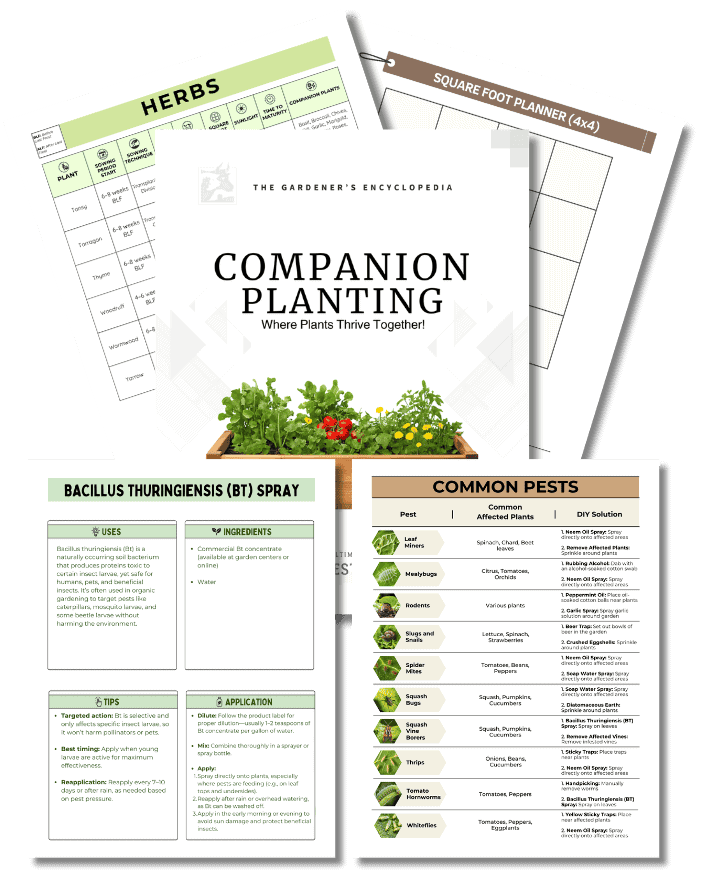
The Gardener's Encyclopedia to Companion Planting
The pairings that make vegetables, herbs, and flowers grow better — and the ones that quietly wreck a bed.
- Proven pairings for 200+ vegetables, herbs, flowers, and fruits
- Full seed-starting + planting schedule with timing and spacing
- Bonus: square-foot gardening guide + printable seasonal planners
Saving Ageratum Seeds
Recommended for Your Garden
Reduce heat stress and sun scorch in hot climates with UV-stabilized shade cloth.
Start seeds indoors with reusable cell trays and humidity domes.
Test your soil pH, nitrogen, phosphorus, and potassium levels before planting.
Related Plants
Ageratum in Other Zones
Ageratum by State
- Alabama
- Alaska
- Arizona
- Arkansas
- California
- Colorado
- Connecticut
- Delaware
- Florida
- Georgia
- Hawaii
- Idaho
- Illinois
- Indiana
- Iowa
- Kansas
- Kentucky
- Louisiana
- Maine
- Maryland
- Massachusetts
- Michigan
- Minnesota
- Mississippi
- Missouri
- Montana
- Nebraska
- Nevada
- New Hampshire
- New Jersey
- New Mexico
- New York
- North Carolina
- North Dakota
- Ohio
- Oklahoma
- Oregon
- Pennsylvania
- Rhode Island
- South Carolina
- South Dakota
- Tennessee
- Texas
- Utah
- Vermont
- Virginia
- Washington
- West Virginia
- Wisconsin
- Wyoming
Frequently Asked Questions
When should I plant Ageratum in Zone 11a?
In Zone 11a, plan your Ageratum planting around the average last frost date of January 1. Start seeds indoors around November 20. Direct sow outdoors around November 6. Transplant seedlings around November 6.
Can Ageratum grow in Zone 11a?
Yes, Ageratum can grow well in Zone 11a, hardy in USDA zones 3a through 11b. Zone 11a has a growing season of approximately 364 days, which is sufficient for Ageratum (60-75 days to maturity).
When can I harvest Ageratum in Zone 11a?
In Zone 11a, expect to harvest Ageratum from January 1 – August 13. Ageratum takes 60-75 days from planting to harvest.
What is the last frost date for Zone 11a?
The average last spring frost in Zone 11a is around January 1, and the first fall frost is around December 31. This gives a growing season of approximately 364 days. These are 50% probability dates — actual frost dates vary year to year.
What should I plant next to Ageratum?
Good companion plants for Ageratum include Marigolds, Zinnias, Petunias, Salvia. These companions can help with pest control, pollination, and nutrient sharing.
Your Zone 11a Garden Planner — Free
A 22-page printable planner tailored to Zone 11a. Planting dates, monthly task lists, harvest log, seed inventory, and succession charts — everything you need to plan a full season.