Fort McMurray, AB — Planting Guide
Fort McMurray is in Zone 3b. The average last spring frost is May 27 and the first fall frost is October 1, giving you a growing season of approximately 127 days.
At an elevation of 370 m, Fort McMurray receives approximately 460 mm of rainfall annually. Summer highs average 18°C with winter lows around -20°C. The predominant soil type is Dark Brown Chernozem.
🌡️ Zone
3b (-35°F to -30°F min)
❄️ Last Frost
May 27
🍂 First Frost
October 1
📅 Growing Season
127 days
⛰️ Elevation
370 m
🌧️ Annual Rainfall
460 mm
Fort McMurray Soil Profile
Soil Type
Dark Brown Chernozem
Soil pH
6.0-7.0
Drainage
Well Drained
Soil & Growing Conditions in Fort McMurray
Soil Type
Dark Brown Chernozem
Amend with compost each season to maintain fertility and structure.
Watering Needs
With 18.1 inches annually, regular irrigation is essential. Drip systems and heavy mulching conserve water.
Season Tips
127-day frost-free season
A short season means indoor starts are critical for warm-season crops. Prioritise cold-hardy, fast-maturing varieties and use row covers to extend autumn harvests.
Free Garden Planner
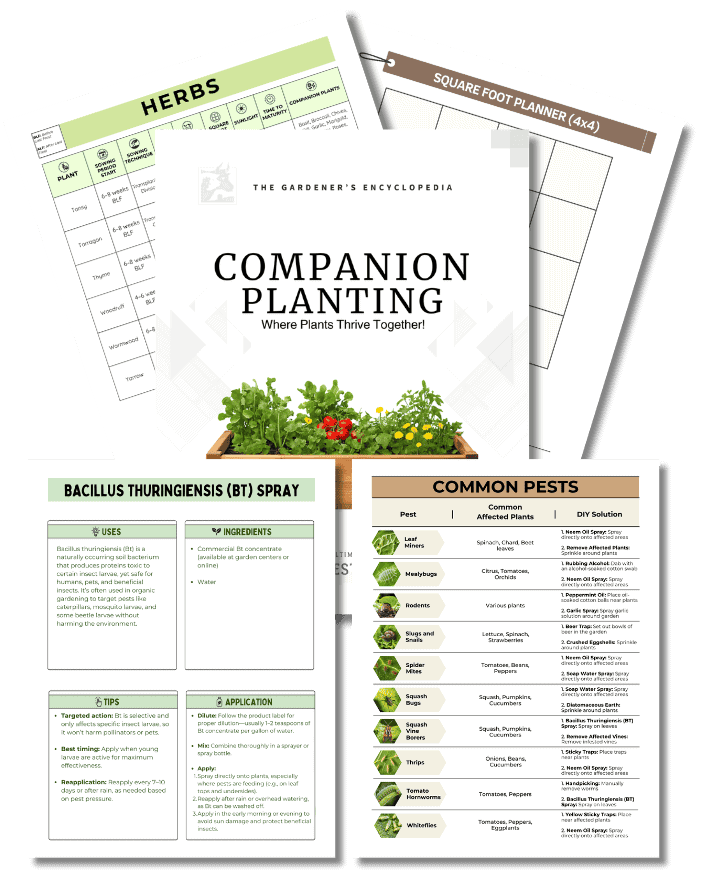
Plan your entire garden season — organize planting dates, track what you're growing, and know exactly when to start seeds, transplant, and harvest.
Recommended for Your Garden
Test your soil pH, nitrogen, phosphorus, and potassium levels before planting.
Get instant, accurate soil pH readings to fine-tune your amendments.
Boost soil fertility and structure with rich, well-aged organic compost.
🥬 Vegetables to Grow in Fort McMurray
87 vegetables that grow well in Zone 3b with planting dates for Fort McMurray.
Show all 87 vegetables with planting dates
| Plant | Start Indoors | Direct Sow | Transplant | Harvest | Days to Maturity |
|---|---|---|---|---|---|
| Acorn Squash | Apr 15 | Jun 10 | Jun 17 | Sep 9 – Oct 14 | 80–100 |
| Amaranth | Mar 25 | Jun 10 | Jun 17 | Sep 16 – Oct 21 | 90–120 |
| Arugula | Apr 15 | May 20 | May 27 | Jul 1 – Sep 2 | 30–50 |
| Asparagus | — | — | Jun 10 | — | 730–1095 |
| Beets | — | May 20 | — | Jul 15 – Aug 12 | 50–70 |
| Belgian Endive | Apr 15 | May 20 | May 27 | Sep 16 – Sep 30 | 110–150 |
| Black Beans | — | Jun 10 | — | Sep 9 – Oct 14 | 90–120 |
| Bok Choy | Apr 15 | May 20 | May 27 | Jul 8 – Aug 12 | 40–60 |
| Broccoli | Apr 15 | May 20 | May 27 | Jul 29 – Sep 9 | 60–90 |
| Broccoli Rabe | Apr 15 | May 20 | May 27 | Jul 8 – Aug 12 | 40–60 |
| Brussels Sprouts | Apr 15 | May 20 | May 27 | Aug 26 – Sep 30 | 90–130 |
| Butternut Squash | Apr 15 | Jun 10 | Jun 17 | Sep 16 – Oct 21 | 85–110 |
| Cabbage | Apr 15 | May 20 | May 27 | Jul 29 – Sep 23 | 60–100 |
| Carrots | — | May 20 | — | Jul 22 – Aug 26 | 60–80 |
| Cauliflower | Apr 15 | May 20 | May 27 | Jul 22 – Sep 23 | 55–100 |
| Celeriac | Apr 15 | May 20 | May 27 | Sep 9 – Sep 30 | 100–120 |
| Celery | Apr 15 | May 20 | May 27 | Aug 19 – Sep 30 | 80–120 |
| Celtuce | Apr 15 | May 20 | May 27 | Jul 29 – Sep 9 | 60–90 |
| Chard | Apr 15 | May 20 | May 27 | Jul 22 – Sep 9 | 50–60 |
| Chickpeas | Apr 15 | May 20 | May 27 | Aug 19 – Sep 30 | 80–110 |
| Chicory | Apr 15 | May 20 | May 27 | Jul 29 – Sep 9 | 60–85 |
| Chinese Cabbage | Apr 15 | May 20 | May 27 | Jul 22 – Aug 19 | 50–70 |
| Collard Greens | Apr 15 | May 20 | May 27 | Jul 22 – Sep 23 | 55–75 |
| Corn | — | Jun 10 | — | Aug 12 – Oct 7 | 60–100 |
| Cress | Apr 15 | May 20 | May 27 | Jun 10 – Jul 1 | 14–21 |
| Crookneck Squash | Apr 15 | Jun 10 | Jun 17 | Aug 5 – Sep 2 | 45–60 |
| Cucumber | Apr 15 | Jun 10 | Jun 17 | Aug 12 – Oct 7 | 50–70 |
| Daikon | — | May 20 | — | Jul 15 – Aug 12 | 50–70 |
| Delicata Squash | Apr 15 | Jun 10 | Jun 17 | Sep 9 – Oct 14 | 80–100 |
| Edamame | — | Jun 10 | — | Aug 26 – Oct 7 | 75–100 |
| Endive | Apr 15 | May 20 | May 27 | Jul 15 – Aug 19 | 45–65 |
| Escarole | Apr 15 | May 20 | May 27 | Jul 22 – Aug 19 | 50–70 |
| Fava Beans | Apr 15 | May 20 | May 27 | Aug 12 – Sep 23 | 75–100 |
| Garlic | — | — | — | — | 90–240 |
| Green Beans | — | Jun 10 | — | Aug 5 – Sep 30 | 50–65 |
| Horseradish | — | — | Jun 10 | Oct 14 | 120–180 |
| Hubbard Squash | Apr 15 | Jun 10 | Jun 17 | Sep 30 – Oct 21 | 100–120 |
| Kabocha | Apr 15 | Jun 10 | Jun 17 | Sep 16 – Oct 14 | 85–100 |
| Kai Lan | Apr 15 | May 20 | May 27 | Jul 15 – Aug 12 | 45–60 |
| Kale | Apr 15 | May 20 | May 27 | Jul 22 – Sep 16 | 50–70 |
| Kidney Beans | — | Jun 10 | — | Sep 9 – Oct 14 | 85–110 |
| Kohlrabi | Apr 15 | May 20 | May 27 | Jul 15 – Aug 19 | 45–65 |
| Komatsuna | Apr 15 | May 20 | May 27 | Jul 1 – Aug 5 | 35–50 |
| Leeks | Apr 15 | May 20 | May 27 | Aug 26 – Sep 30 | 90–150 |
| Lentils | Apr 15 | May 20 | May 27 | Aug 19 – Sep 30 | 80–110 |
| Lettuce | Apr 15 | May 20 | May 27 | Jul 1 – Sep 9 | 30–60 |
| Lima Beans | — | Jun 10 | — | Aug 12 – Sep 23 | 60–90 |
| Mache | Apr 15 | May 20 | May 27 | Jul 8 – Aug 12 | 40–60 |
| Microgreens | Apr 15 | May 20 | May 27 | Jun 3 – Jul 1 | 7–21 |
| Mizuna | Apr 15 | May 20 | May 27 | Jul 1 – Jul 29 | 30–45 |
| Mustard Greens | Apr 15 | May 20 | May 27 | Jul 1 – Sep 2 | 30–50 |
| Napa Cabbage | Apr 15 | May 20 | May 27 | Jul 22 – Aug 26 | 55–75 |
| Onion | Apr 15 | May 20 | May 27 | Aug 26 – Sep 30 | 90–120 |
| Pac Choi | Apr 15 | May 20 | May 27 | Jul 8 – Aug 5 | 40–55 |
| Parsnip | — | May 20 | — | Sep 2 – Sep 23 | 100–130 |
| Patty Pan Squash | Apr 15 | Jun 10 | Jun 17 | Aug 5 – Sep 2 | 45–60 |
| Peas | Apr 15 | May 20 | May 27 | Jul 22 – Sep 16 | 55–70 |
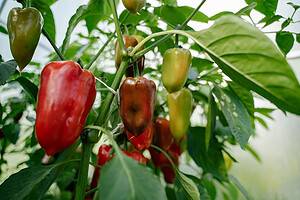
| Peppers | Mar 11 | Jun 10 | Jun 17 | Aug 19 – Oct 21 | 60–90 |
| Pole Beans | Mar 25 | Jun 10 | Jun 17 | Aug 12 – Oct 7 | 55–70 |
| Potatoes | Mar 25 | Jun 10 | Jun 17 | Aug 26 – Oct 21 | 70–120 |
| Pumpkin | Apr 15 | Jun 10 | Jun 17 | Sep 16 – Oct 21 | 85–120 |
| Purslane | Apr 15 | May 20 | May 27 | Jul 8 – Aug 12 | 40–60 |
| Radish | — | May 20 | — | Jun 17 – Jul 8 | 22–35 |
| Rhubarb | — | — | Jun 24 | — | 365–730 |
| Romanesco | Apr 15 | May 20 | May 27 | Aug 12 – Sep 23 | 75–100 |
| Rutabaga | — | May 20 | — | Aug 12 – Sep 16 | 80–100 |
| Salsify | — | May 20 | — | Sep 2 – Sep 23 | 100–130 |
| Savoy Cabbage | Apr 15 | May 20 | May 27 | Aug 5 – Sep 30 | 70–110 |
| Scallions | Apr 15 | May 20 | May 27 | Jul 22 – Aug 19 | 50–70 |
| Scarlet Runner Beans | Mar 25 | Jun 10 | Jun 17 | Aug 19 – Sep 23 | 60–80 |
| Shiso | Apr 1 | Jun 3 | Jun 17 | Aug 12 – Oct 7 | 50–70 |
| Snap Peas | Mar 25 | Jun 10 | Jun 17 | Aug 12 – Oct 7 | 55–70 |
| Snow Peas | Apr 15 | May 20 | May 27 | Jul 22 – Sep 16 | 50–65 |
| Soybeans | — | Jun 10 | — | Sep 2 – Oct 14 | 80–120 |
| Spaghetti Squash | Apr 15 | Jun 10 | Jun 17 | Sep 16 – Oct 14 | 85–100 |
| Spinach | Apr 15 | May 20 | May 27 | Jul 1 – Sep 2 | 35–50 |
| Squash (Summer) | Apr 15 | Jun 10 | Jun 17 | Aug 5 – Oct 7 | 45–65 |
| Squash (Winter) | Apr 15 | Jun 10 | Jun 17 | Sep 9 – Oct 21 | 80–120 |
| Sunchoke | — | — | Jun 10 | Sep 30 – Oct 14 | 110–150 |
| Sunflower | Mar 25 | Jun 10 | Jun 17 | Aug 26 – Oct 14 | 70–100 |
| Sweet Corn | — | Jun 10 | — | Aug 12 – Sep 23 | 60–90 |
| Tatsoi | Apr 15 | May 20 | May 27 | Jul 1 – Aug 5 | 35–50 |
| Tomatoes | Mar 25 | Jun 10 | Jun 17 | Aug 19 – Oct 21 | 60–85 |
| Turnip | — | May 20 | — | Jul 1 – Aug 5 | 40–60 |
| Watercress | Apr 15 | May 20 | May 27 | Jul 8 – Aug 12 | 40–60 |
| Wax Beans | — | Jun 10 | — | Aug 5 – Sep 30 | 50–65 |
| Zucchini | Apr 15 | Jun 10 | Jun 17 | Aug 5 – Sep 30 | 45–60 |
🍓 Fruits to Grow in Fort McMurray
15 fruits that grow well in Zone 3b with planting dates for Fort McMurray.
Show all 15 fruits with planting dates
| Plant | Start Indoors | Direct Sow | Transplant | Harvest | Days to Maturity |
|---|---|---|---|---|---|
| Alpine Strawberries | — | — | Jun 24 | Sep 23 – Oct 28 | 90–180 |
| Aronia | — | — | Jun 24 | — | 730–1095 |
| Blueberries | — | — | Jun 24 | — | 730–1095 |
| Cranberries | — | — | Jun 24 | — | 730–1095 |
| Currants | — | — | Jun 24 | — | 730–1095 |
| Elderberries | — | — | Jun 24 | — | 730–1095 |
| Goji Berries | — | — | Jun 24 | — | 730–1095 |
| Gooseberries | — | — | Jun 24 | — | 730–1095 |
| Hardy Kiwi | — | — | Jun 24 | — | 1095–1825 |
| Haskaps | — | — | Jun 24 | — | 730–1095 |
| Jostaberry | — | — | Jun 24 | — | 730–1095 |
| Lingonberries | — | — | Jun 24 | — | 730–1095 |
| Raspberries | — | — | Jun 24 | — | 365–730 |
| Serviceberries | — | — | Jun 24 | — | 730–1095 |
| Strawberries | — | — | Jun 24 | Sep 23 – Oct 28 | 90–365 |
🌿 Herbs to Grow in Fort McMurray
22 herbs that grow well in Zone 3b with planting dates for Fort McMurray.
Show all 22 herbs with planting dates
| Plant | Start Indoors | Direct Sow | Transplant | Harvest | Days to Maturity |
|---|---|---|---|---|---|
| Angelica | Apr 15 | May 20 | May 20 | — | 365–730 |
| Bee Balm | — | — | Jun 3 | Sep 2 – Oct 7 | 90–120 |
| Borage | Apr 15 | May 20 | May 20 | Jul 15 – Sep 2 | 50–60 |
| Caraway | Apr 15 | May 20 | May 20 | — | 365–450 |
| Catnip | — | — | Jun 3 | Aug 5 – Oct 7 | 60–80 |
| Chamomile | Apr 15 | May 20 | May 20 | Jul 22 – Sep 23 | 60–90 |
| Chervil | Apr 15 | May 20 | May 20 | Jul 1 – Sep 2 | 40–60 |
| Chives | — | — | Jun 3 | Aug 5 – Oct 7 | 60–90 |
| Cilantro | Apr 15 | May 20 | May 20 | Jul 1 – Sep 2 | 40–60 |
| Comfrey | — | — | Jun 3 | Aug 5 – Oct 7 | 60–90 |
| Dill | Apr 15 | May 20 | May 20 | Jul 1 – Sep 2 | 40–60 |
| Echinacea | — | — | Jun 3 | Oct 7 | 120–180 |
| Garlic Chives | — | — | Jun 3 | Aug 5 – Oct 7 | 60–90 |
| Horehound | — | — | Jun 3 | Aug 19 – Oct 7 | 75–90 |
| Hyssop | — | — | Jun 3 | Aug 12 – Oct 7 | 70–90 |
| Lemon Balm | — | — | Jun 3 | Aug 5 – Sep 23 | 60–70 |
| Lovage | — | — | Jun 3 | Aug 12 – Oct 7 | 70–90 |
| Mint | — | — | Jun 3 | Aug 5 – Oct 7 | 60–90 |
| Parsley | Apr 15 | May 20 | May 20 | Jul 22 – Sep 23 | 60–80 |
| Sorrel | Apr 15 | May 20 | May 20 | Jul 1 – Sep 2 | 40–60 |
| Valerian | — | — | Jun 3 | Oct 7 | 120–180 |
| Yarrow | — | — | Jun 3 | Sep 2 – Oct 7 | 90–120 |
Monthly Planting Guide for Fort McMurray
Gardening Guides & Resources
Helpful guides from The Ultimate Homestead to improve your garden in Fort McMurray.
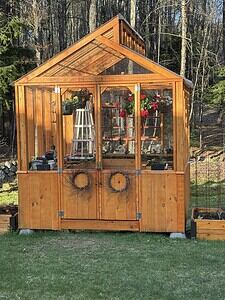
Plan Your Garden with Confidence
Get our free Garden Planner — designed to help Fort McMurray gardeners in Zone 3b organize planting dates, track what's growing, and never miss a planting window.
Get Your Free Garden Planner →Free download. Plan your entire garden season in minutes.