
Orange flowers bring a bold, uplifting energy to any garden space. Their bright tones stand out among greens, purples, and blues, making them a natural choice for adding contrast and warmth.
Whether you're designing a lively summer border, filling out a fall-themed bed, or looking to attract more pollinators, orange blooms offer both beauty and practical benefits.
In this article, I'll share 15 stunning orange flowers that vary in size, shape, and purpose.
Some are ideal for cottage gardens or borders, while others are better suited for containers or tall background plantings.
You’ll also find options that thrive in dry conditions, attract butterflies and bees, or even serve culinary or medicinal uses.
With the right mix, you can enjoy a vibrant, functional garden from spring through fall.
Why Choose Orange Flowers for Your Garden?
Orange flowers create strong visual impact in a garden.
Their color sits between red and yellow, giving them both the energy of warm tones and the brightness needed to stand out in mixed plantings.
Whether used as focal points or as part of a larger color scheme, orange blooms draw attention and add warmth to the landscape.
They’re also versatile. Orange pairs well with many other colors – deep greens, purples, whites, and blues – making it easy to blend these flowers into any garden style, from modern to cottage to tropical.
Some orange flowers bloom early in the season, while others peak in late summer or fall, making it possible to maintain consistent color through multiple months.
Beyond appearance, many orange flowers also serve useful functions. Some varieties attract bees, butterflies, and other beneficial insects.
Others are drought-tolerant, suitable for low-water gardens. A few, like calendula and nasturtium, are even edible or medicinal.
For gardeners who want beauty with purpose, orange flowers offer a practical solution.
Read related post: 20 Spectacular Spring Flowers You’ll Want in Your Garden
15 Stunning Orange Flowers to Brighten Your Garden
Orange flowers can bring life to dull corners, energize mixed borders, and provide a warm contrast to cooler shades.
This list includes a range of plants—from tall statement-makers to compact ground covers.
Each flower offers something unique, whether it's ease of care, usefulness in the kitchen, or its role in supporting pollinators.
Here are 15 of the best orange flowers to consider for your garden:
1. Marigold (Tagetes spp.)
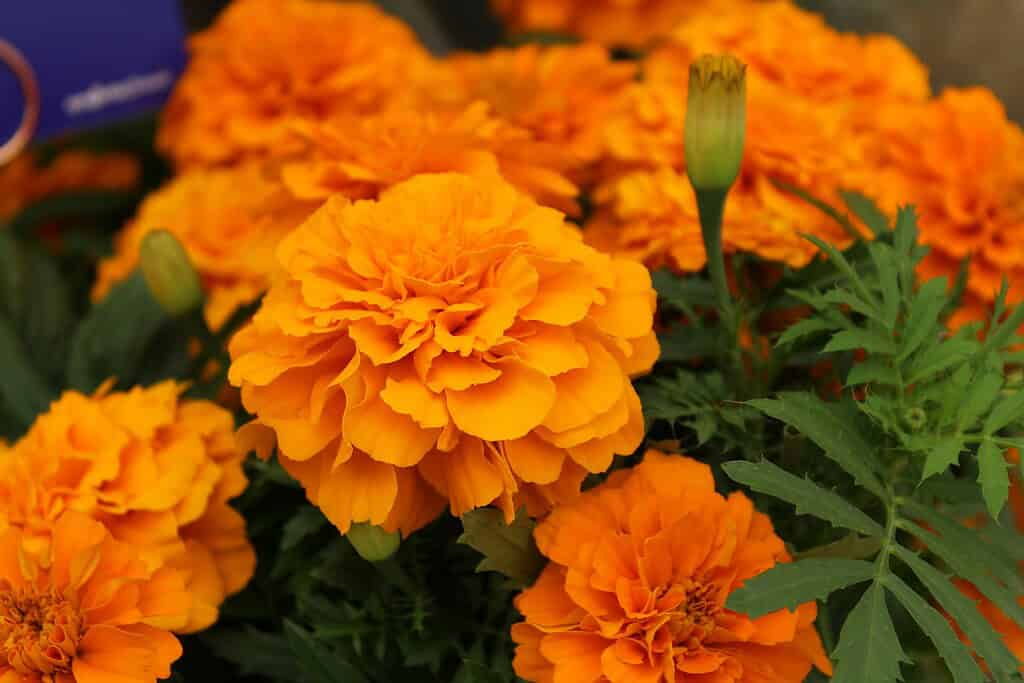
Marigolds are one of the easiest and most popular flowers to grow.
Known for their cheerful orange and yellow blooms, they’re commonly used in vegetable gardens because of their pest-repelling qualities.
Their strong scent can help deter nematodes and some harmful insects, making them an excellent natural companion plant.
These annuals thrive in full sun, tolerate a variety of soil conditions, and bloom consistently from spring until frost. They're great for edging, containers, or mass planting in flower beds.
2. Daylily (Hemerocallis spp.)

Daylilies are reliable perennials known for their ability to thrive with minimal attention.
Available in a wide range of colors – including vivid shades of orange – they're perfect for gardeners looking for long-lasting color without high maintenance.
Each bloom typically lasts just one day, but mature plants produce many flower stalks that bloom in succession throughout the summer.
They adapt well to various soil types and light conditions, although they perform best in full sun to partial shade. Daylilies work well in borders, mixed beds, and even erosion control on slopes.
Read related post: 15 Show-Stopping Yellow Flowers for a Sunny Outdoor Space
3. Tiger Lily (Lilium lancifolium)
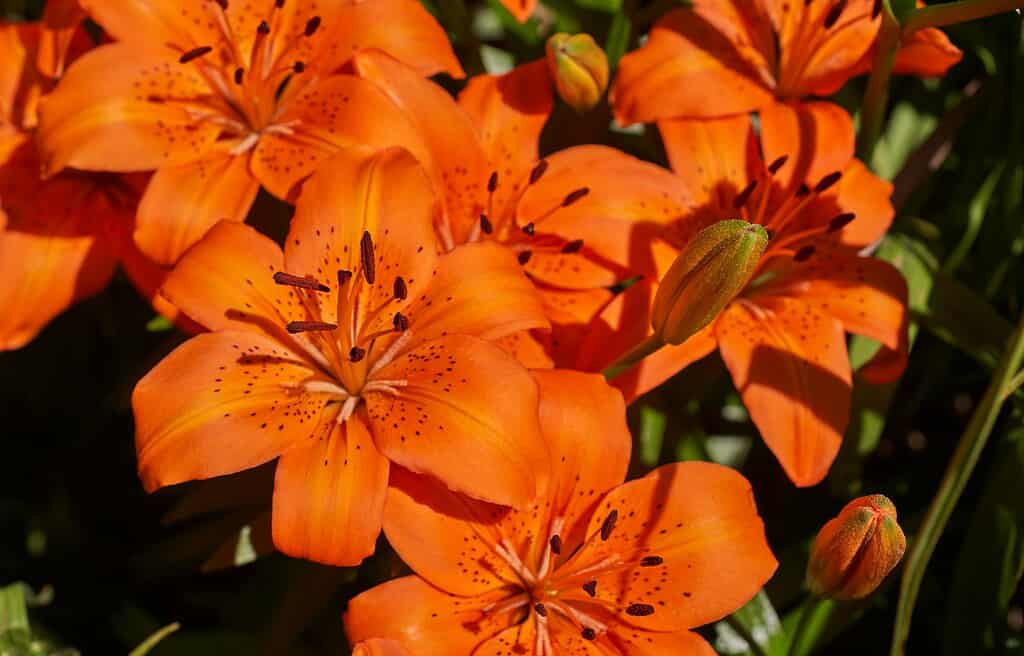
Tiger lilies bring an exotic and dramatic look to any garden. Their tall stalks are topped with bright orange, downward-facing petals covered in dark spots, making them instantly recognizable.
These hardy perennials bloom in mid to late summer and can reach heights of 3 to 5 feet. They prefer full sun and well-drained soil and will naturalize over time, forming larger clumps each year.
If you’re looking to maximize their beauty, check out our guide on how to grow lilies successfully in your garden.
Tiger lilies are especially effective when planted in groups and used as vertical accents in borders or against fences.
4. Zinnia (Zinnia elegans)

Zinnias are vibrant annuals that produce daisy-like blooms in bold shades of orange, along with many other colors.
They're especially valued for their ability to attract butterflies and other pollinators, making them a great choice for wildlife-friendly gardens.
These flowers thrive in full sun and well-drained soil, and they bloom heavily from summer into fall. Zinnias are excellent for cut flower arrangements, and deadheading spent blooms will encourage even more flowering.
They’re easy to grow from seed and ideal for borders, mass plantings, or filling in open spaces.
Read related post: 15 Dreamy White Flowers That Create a Serene Garden Look
5. Mexican Sunflower (Tithonia rotundifolia)
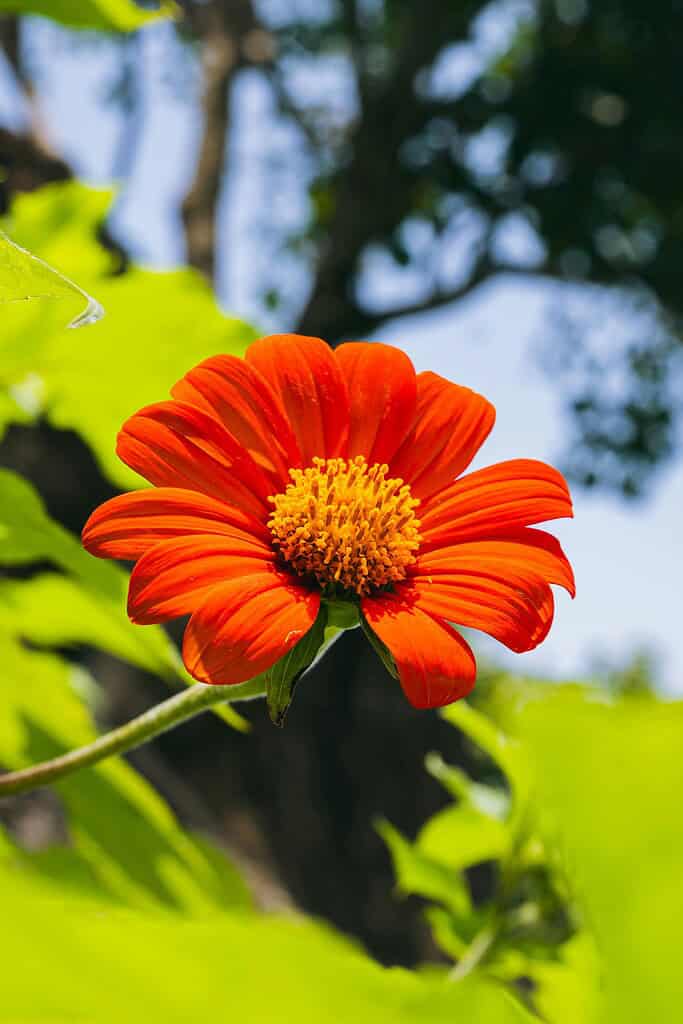
Mexican sunflowers are tall, branching annuals that produce vivid, daisy-like orange flowers.
Growing up to 4 to 6 feet tall, they’re ideal for the back of borders or along fences where height is needed. Their blooms are highly attractive to butterflies, bees, and hummingbirds.
They prefer full sun and tolerate poor soil, heat, and drought well. These flowers are especially effective in pollinator gardens and make a bold statement with their bright color and upright form.
6. Blanket Flower (Gaillardia spp.)
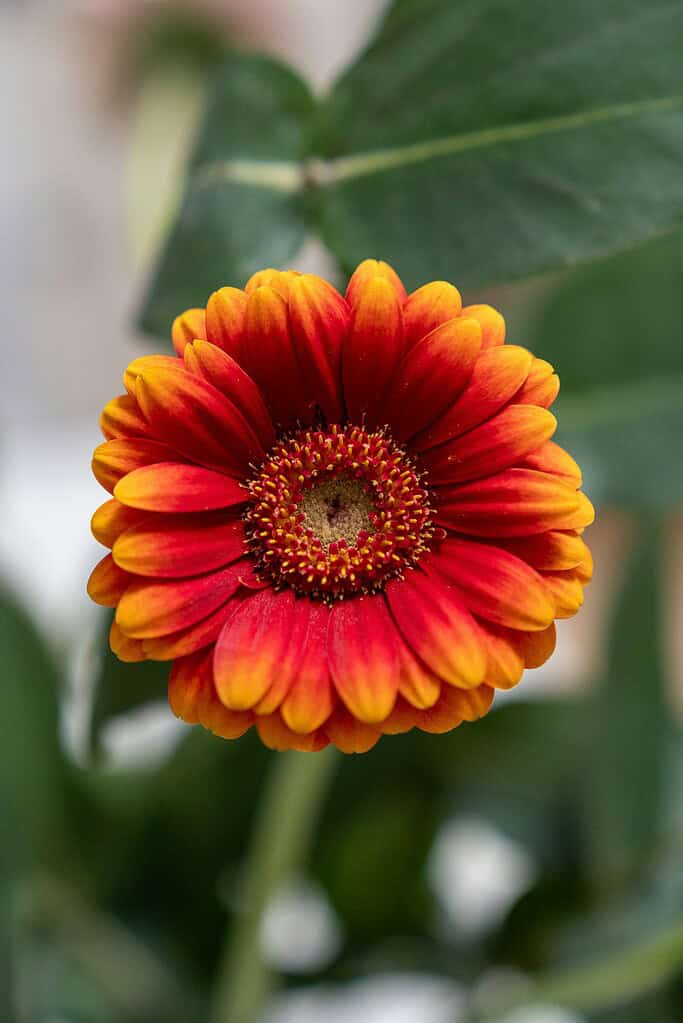
Blanket flowers are hardy perennials that produce warm-toned blooms in shades of orange, red, and yellow. Their coloring often resembles traditional woven blankets, which is how they got their name.
These flowers are known for their ability to thrive in hot, dry conditions and poor soil, making them ideal for low-maintenance or xeriscape gardens.
They bloom over a long season, from early summer into fall, and attract bees and butterflies.
Blanket flowers are excellent for borders, rock gardens, and anywhere that needs a splash of color with minimal upkeep.
7. Trumpet Vine (Campsis radicans)
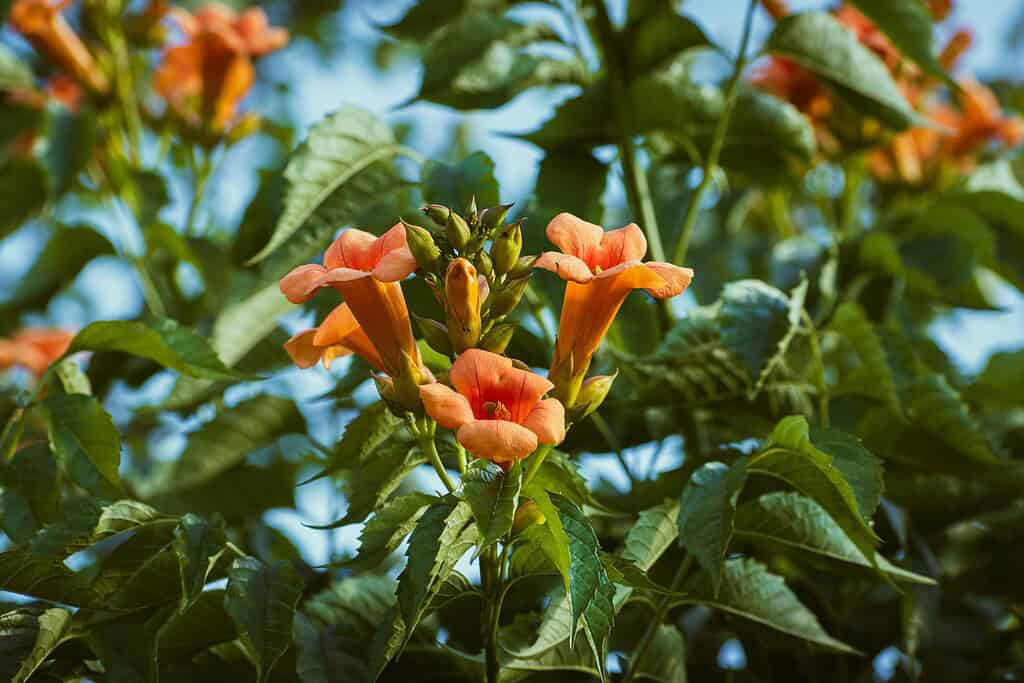
Trumpet vine is a vigorous climbing plant known for its clusters of bright, trumpet-shaped orange flowers that attract hummingbirds and butterflies.
This fast-growing vine is perfect for covering fences, trellises, arbors, or walls, adding a bold splash of color and vertical interest to your garden. Its dense foliage also provides privacy and shade in sunny spots.
Trumpet vine thrives in full sun and well-drained soil and is surprisingly drought-tolerant once established.
Be aware that it can spread quickly, so regular pruning is recommended to keep it under control.
Read related post: 15 Extraordinary Rare Flowers That Will Leave You Speechless
8. Calendula (Calendula officinalis)

Calendula, often called pot marigold, is a versatile annual known for its bright orange or yellow blooms. Beyond its ornamental appeal, calendula is also valued for its culinary and medicinal uses.
The petals are edible and often added to salads, teas, or used as a natural dye. It's also a common ingredient in herbal salves and skin care products.
Calendula grows best in full sun and cooler weather, making it ideal for spring and fall planting in many regions. It’s well-suited for borders, herb gardens, and containers, and can reseed itself under the right conditions.
To make the most of it, check out our tips on how to grow calendula in any climate.
9. Poppy (Papaver spp.)

Poppies are known for their delicate, papery petals and graceful, nodding blooms. While many are familiar with red poppies, several varieties also produce stunning shades of orange.
These annuals are often used in wildflower mixes and cottage-style gardens, where their ephemeral beauty adds a soft, natural touch.
They prefer full sun and well-drained soil and do not tolerate transplanting well, so it’s best to sow them directly where they’ll grow.
Though each bloom lasts only a short time, poppies can self-seed and return year after year in favorable conditions.
Read related post: 12 Breathtaking Blue Flowers That Make Any Garden Look Extraordinary
10. Crocosmia (Crocosmia spp.)
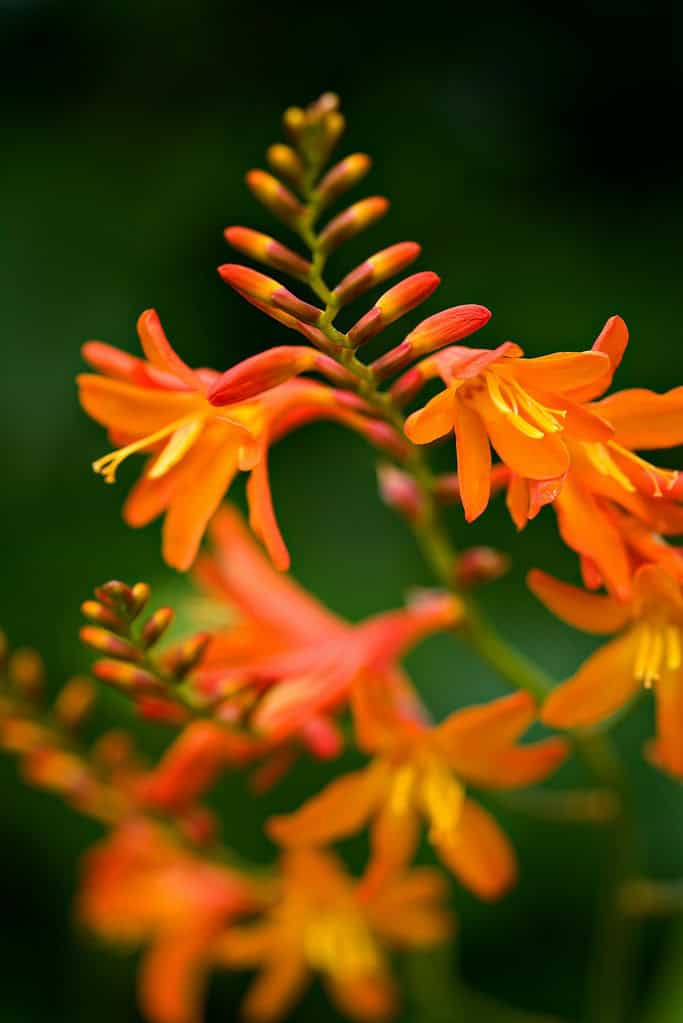
Crocosmia, also known as montbretia, adds movement and structure to garden beds with its arching stems and clusters of bright orange or red-orange flowers.
These perennials are especially attractive in borders and make excellent cut flowers. Their sword-like foliage provides interest even when not in bloom.
Crocosmia thrives in full sun and well-drained soil. Once established, it spreads gradually through underground corms and returns each year with minimal care.
The flowers are also known to attract hummingbirds and other pollinators.
If you want to add more color to your garden, check out our list of jaw-dropping red flowers.
11. Helenium (Helenium spp.)
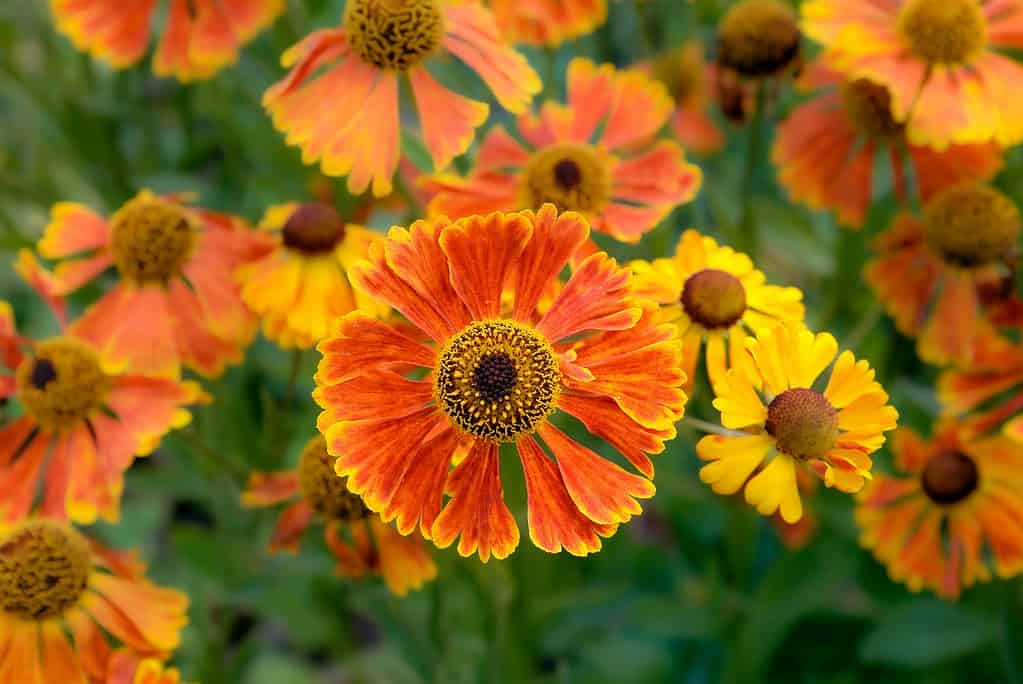
Helenium, commonly called sneezeweed, produces rich, daisy-like flowers in warm hues of orange, yellow, and red.
These late-blooming perennials are perfect for extending color into late summer and fall. They grow well in borders and naturalistic plantings and attract a wide range of pollinators.
They prefer full sun and moist, well-drained soil. Taller varieties may need staking, especially in windy locations. Despite their name, heleniums are not allergenic and do not cause sneezing.
Read related post: 15 Stunning Pink Flowers to Brighten Your Garden Year-Round
12. Echinacea (Orange Varieties)

While echinacea is most often seen in shades of purple, several cultivated varieties feature vibrant orange blooms.
These tough perennials are known for their cone-shaped centers, long bloom periods, and ability to attract bees, butterflies, and even birds once the seeds develop.
Echinacea thrives in full sun and well-drained soil, and it tolerates heat, drought, and poor soil once established.
It’s a low-maintenance choice for pollinator gardens, borders, and naturalized areas. Popular orange cultivars include ‘Tangerine Dream’ and ‘Orange Passion.’
Check out our guide on vibrant drought-tolerant plants to add even more color and resilience to your garden.
13. Nasturtium (Tropaeolum majus)
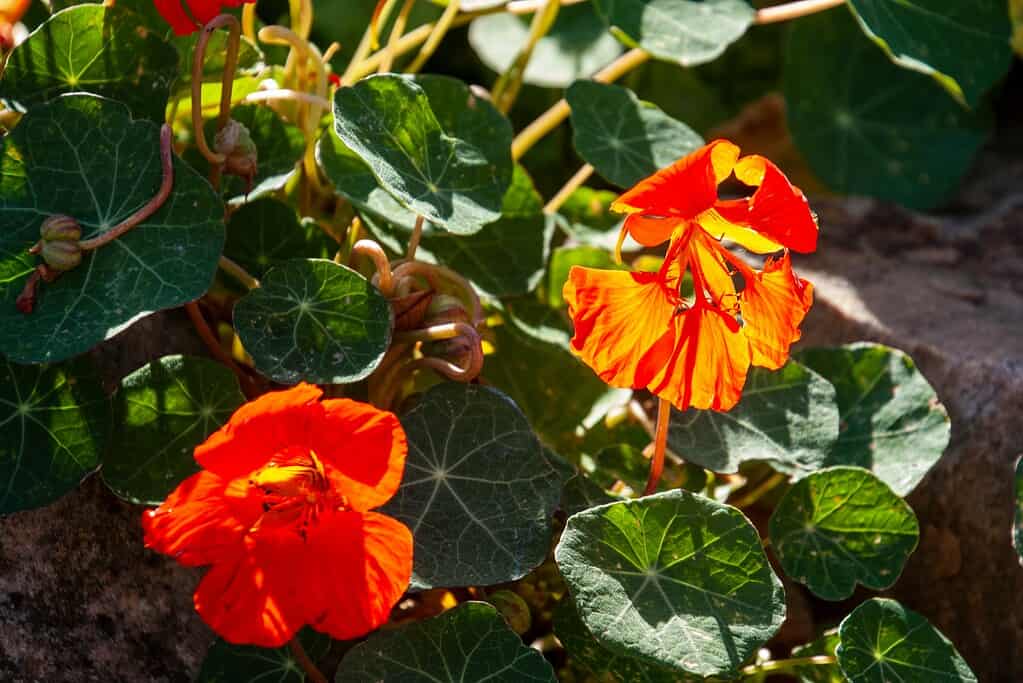
Nasturtiums are colorful, easy-to-grow annuals that come in vivid shades of orange, red, and yellow.
Both their round leaves and trumpet-shaped flowers are edible, with a peppery flavor that makes them a favorite in kitchen gardens.
These fast-growing plants thrive in full sun and poor soil, making them ideal for borders, raised beds, hanging baskets, and as living ground cover.
In addition to their edible uses, nasturtiums are known to repel common garden pests like aphids, making them a helpful companion plant.
Read related post: 14 Eye-Catching Wild Flowers You’ll Want to Add to Your Garden
14. Geum (Geum spp.)
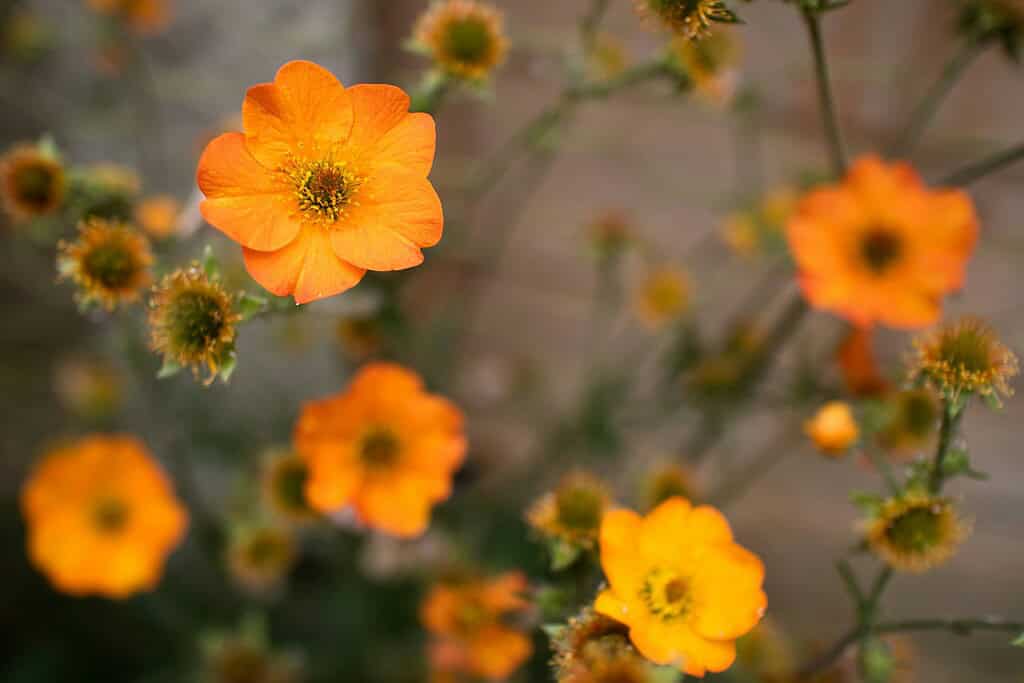
Geum, also known as avens, is a compact perennial that produces semi-double or single blooms in shades of orange, red, and yellow.
These cheerful flowers bloom in late spring to early summer and often rebloom if deadheaded regularly.
Their upright stems and mounded foliage make them well-suited for borders, rock gardens, and cottage-style plantings.
Geums prefer full sun to partial shade and moist, well-drained soil.
They don’t spread aggressively, making them a good choice for smaller spaces or mixed perennial beds where a pop of bright color is needed.
15. Hibiscus (Hibiscus spp.)
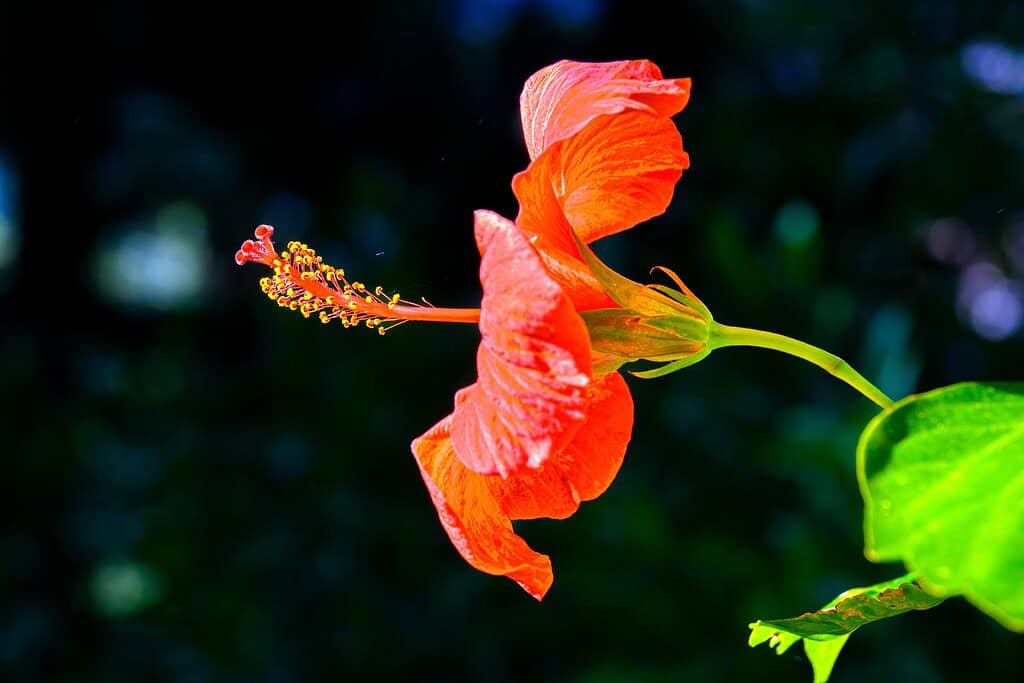
Hibiscus plants offer dramatic, tropical-style blooms, with some hardy varieties producing large orange flowers suitable for temperate gardens.
These showy perennials or shrubs can be used as focal points in beds or containers and are especially attractive to hummingbirds.
They grow best in full sun with rich, well-drained soil and consistent moisture.
While tropical types need protection from frost, hardy hibiscus varieties such as Hibiscus moscheutos can survive in colder climates.
Their large, eye-catching flowers provide high impact with minimal effort.
Bring More Life to Your Garden with Orange Flowers
Orange flowers are more than just eye-catching – they serve a range of purposes that can make any garden more functional and enjoyable.
Whether you're working with a small balcony container or a sprawling backyard bed, there's an orange flower suited to your space, growing conditions, and personal goals.
From attracting pollinators to adding edible blooms or creating drought-tolerant color, each flower in this list offers something valuable.
Try mixing different heights, bloom times, and functions to create a garden that stays vibrant for months. Choose a few that match your climate and layout, and see how they can elevate the look and performance of your space.
Which orange flower is your favorite, or are you planning to try something new?
Comment down below and share what you're planting this season!
FAQs
What orange flowers can tolerate partial shade?
Some orange flowers that can grow in partial shade include geum, daylilies, and nasturtiums. While most prefer full sun, these varieties can still perform well with 3–6 hours of sunlight per day.
Which orange flowers bloom the longest throughout the season?
Zinnias, blanket flowers, and marigolds offer extended bloom periods from summer into fall, especially when deadheaded regularly. These are excellent choices for consistent color.
Are there orange flowers safe for pets?
Most orange flowers are safe, but some (like lilies and poppies) can be toxic to cats and dogs if ingested. Calendula and nasturtiums are pet-safe and even edible, making them safer picks for pet-friendly gardens.
What’s the best way to start these flowers – seeds or transplants?
Marigolds, zinnias, nasturtiums, poppies, and calendula are easy to grow from seed. Others, like canna lilies, echinacea, and geum, are usually more successful when planted as transplants or root divisions.
How can I keep orange flowers blooming longer?
Use these strategies:
- Deadhead spent blooms regularly
- Provide consistent water (especially for canna and hibiscus)
- Apply balanced fertilizer during the growing season
- Mulch to maintain soil moisture and suppress weeds
Ready To Transform Your Garden?

Are you looking for the best way to layout your garden beds? Maybe you're feeling a bit stuck on how to make the most of your space?
We’ve got you covered! Check out our 101+ Garden Bed Layout Ideas for your next raised bed project. This guide is filled with creative and practical ideas that can help you design a garden that fits your style, whether you’re just starting out or have been gardening for years.
Get your copy today and get inspired to bring your gardening dreams to life.