
Gardening is one of the simplest and most rewarding ways to take a step toward self-sufficiency.
Whether your goal is to grow fresh food for your family, reduce grocery costs, or live a more intentional homestead lifestyle, starting a garden puts that goal within reach – no matter your experience level.
If you’re learning how to start gardening for beginners, you don’t need acres of land or fancy equipment. Many successful homesteaders began with a few containers, a small raised bed, or even a sunny windowsill.
With beginner-friendly tips to grow fast, you can build skills, confidence, and a productive garden that supports your household.
Gardening teaches patience, resilience, and self-reliance. It’s about starting where you are and growing from there.
By taking small, practical steps, you’ll be well on your way to producing your own food and creating a garden that truly works for your homestead lifestyle.
Why Gardening Is Easier Than You Think
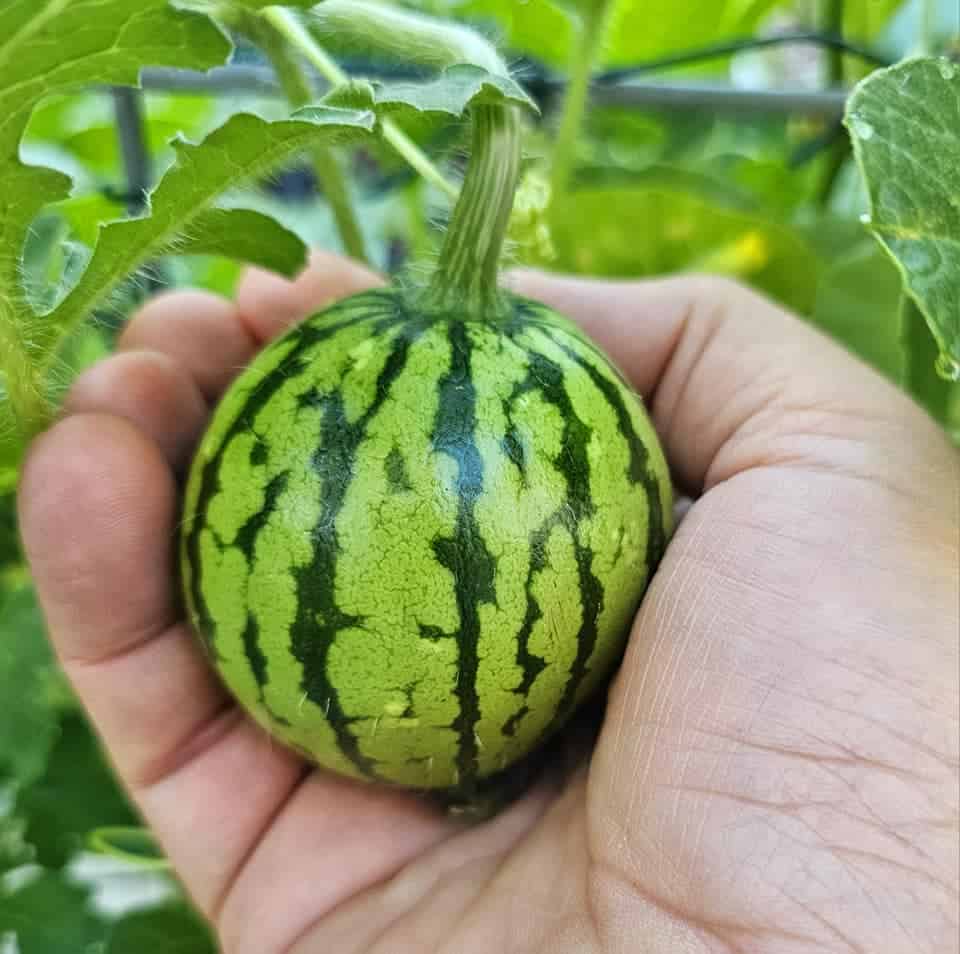
Many people put off starting a garden because they believe it’s complicated or requires years of experience.
In reality, gardening is one of the most forgiving skills you can learn on your homestead. Plants want to grow – you’re simply giving them the right conditions to do what they naturally do.
One of the biggest misconceptions is that you need a large piece of land to grow food.
Plenty of homesteaders begin with a few containers, a small raised bed, or a modest backyard plot. Even a small garden can provide fresh herbs, vegetables, and a sense of independence from the grocery store.
Another common concern is cost. While gardening can become expensive, it doesn’t have to be. Starting small, using basic tools, and focusing on easy crops allows beginners to grow food without a major investment.
Over time, a simple garden can save money and produce reliable harvests year after year.
Gardening also rewards effort quickly. Fast-growing plants like lettuce, radishes, and herbs can be harvested in just a few weeks, giving beginners early success and motivation.
These small wins build confidence and make it easier to expand your garden as your skills grow.
When you approach gardening with a homestead mindset – starting small, learning as you go, and focusing on usefulness rather than perfection – you’ll discover it’s far more approachable than you ever expected.
If you’re ready to take the first step, check out our guide on simple ways to get started with micro-homesteading for practical tips to grow food in small spaces.
What's the Right Gardening Method for Beginners?
One of the first decisions new gardeners face is how to start their garden. The good news is that there’s no single “right” way – only the method that best fits your space, time, and homestead goals.
Choosing a beginner-friendly gardening method helps you grow fast without unnecessary frustration.
Container Gardening
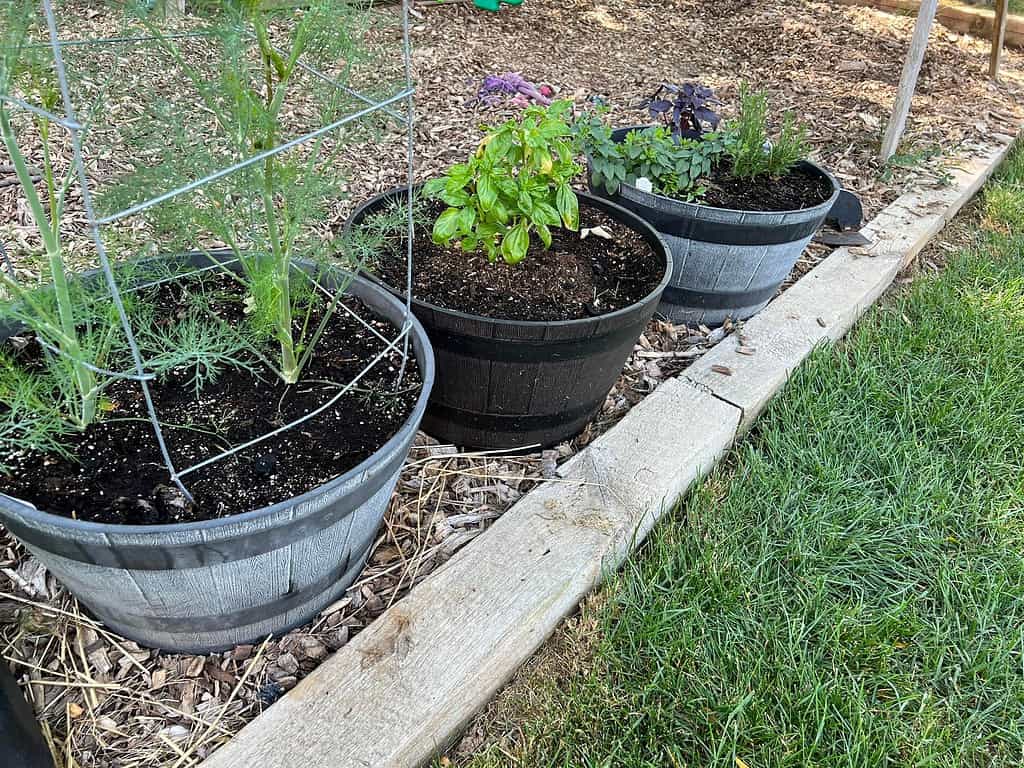
Container gardening is one of the easiest ways to begin growing food. It works well for patios, balconies, porches, and even small homesteads.
Containers allow you to control the soil, move plants as needed, and avoid many common ground-related problems like poor drainage or weeds.
This method is ideal for herbs, leafy greens, peppers, and tomatoes. Many homesteaders use containers as a starting point before expanding into larger garden beds.
Raised Bed Gardening
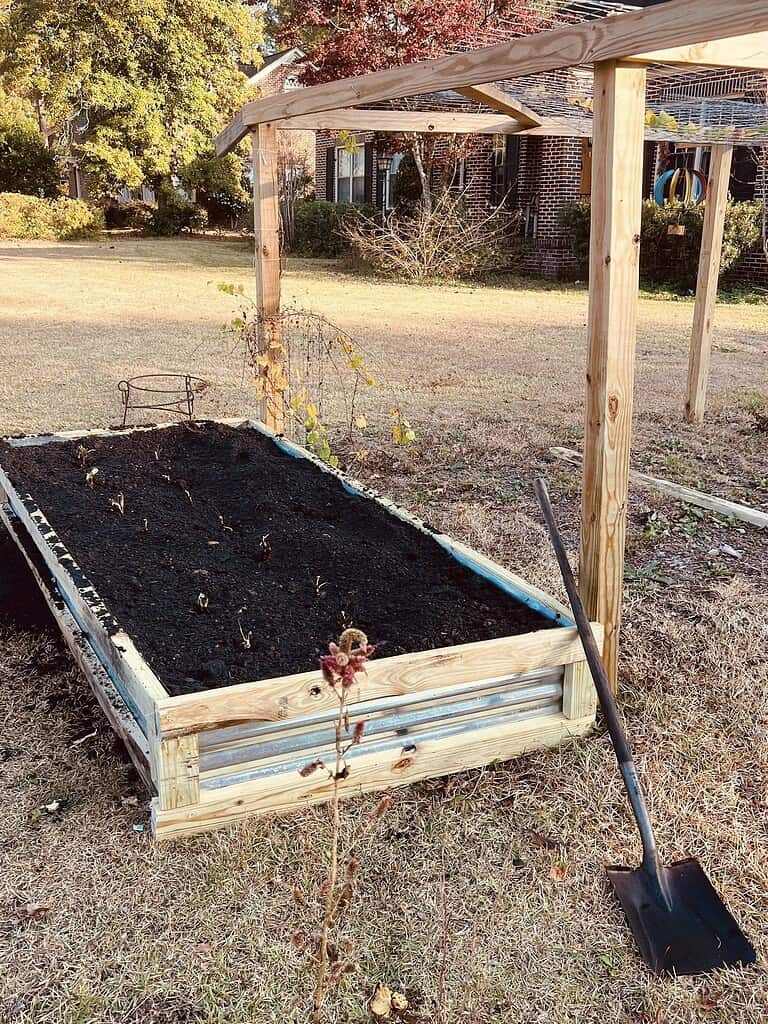
Raised beds are a favorite among homesteaders because they’re easy to manage and highly productive.
They provide excellent drainage, warm up faster in spring, and allow you to build healthy soil from the start.
For beginners, raised beds reduce bending, make weeding easier, and help prevent soil compaction. They’re a great long-term option for growing vegetables efficiently while keeping your garden organized.
Check out our oddly creative raised garden bed ideas for inspiration on making your raised beds both functional and fun.
In-Ground Gardening
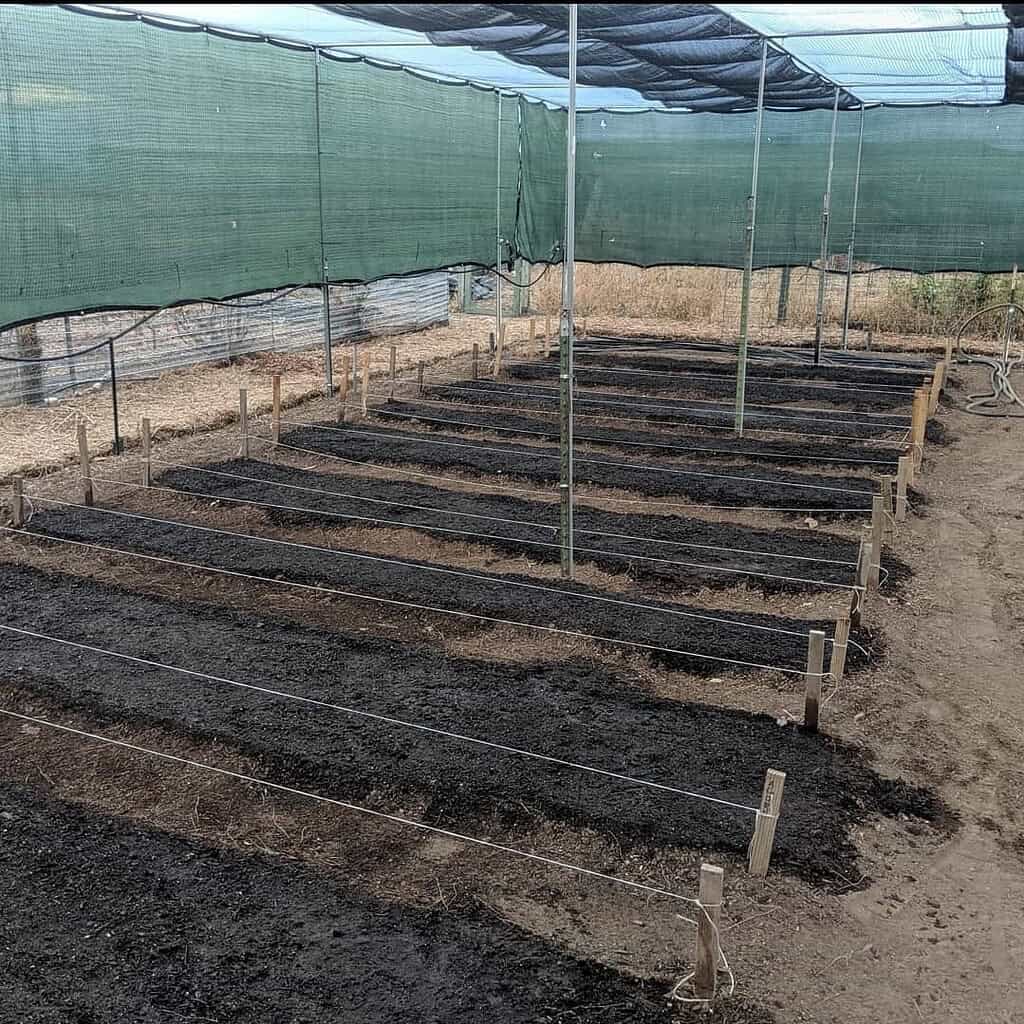
In-ground gardening works best if you already have decent soil and enough space.
While it’s the most traditional method, it can require more preparation, such as improving soil quality and managing weeds.
For beginners focused on self-sufficiency, in-ground gardening can be rewarding once basic skills are learned. Many homesteaders start small with one plot and expand as they gain experience.
If you’re wondering which method is best for you, check out our guide on the pros and cons of raised bed vs. in-ground gardening to help you make the right choice for your garden.
If you’re still unsure which method to choose, start small.
Many successful homesteads use a mix of containers, raised beds, and in-ground gardens. The key is to begin with what feels manageable and build from there as your confidence grows.
Get to Know Your Growing Space
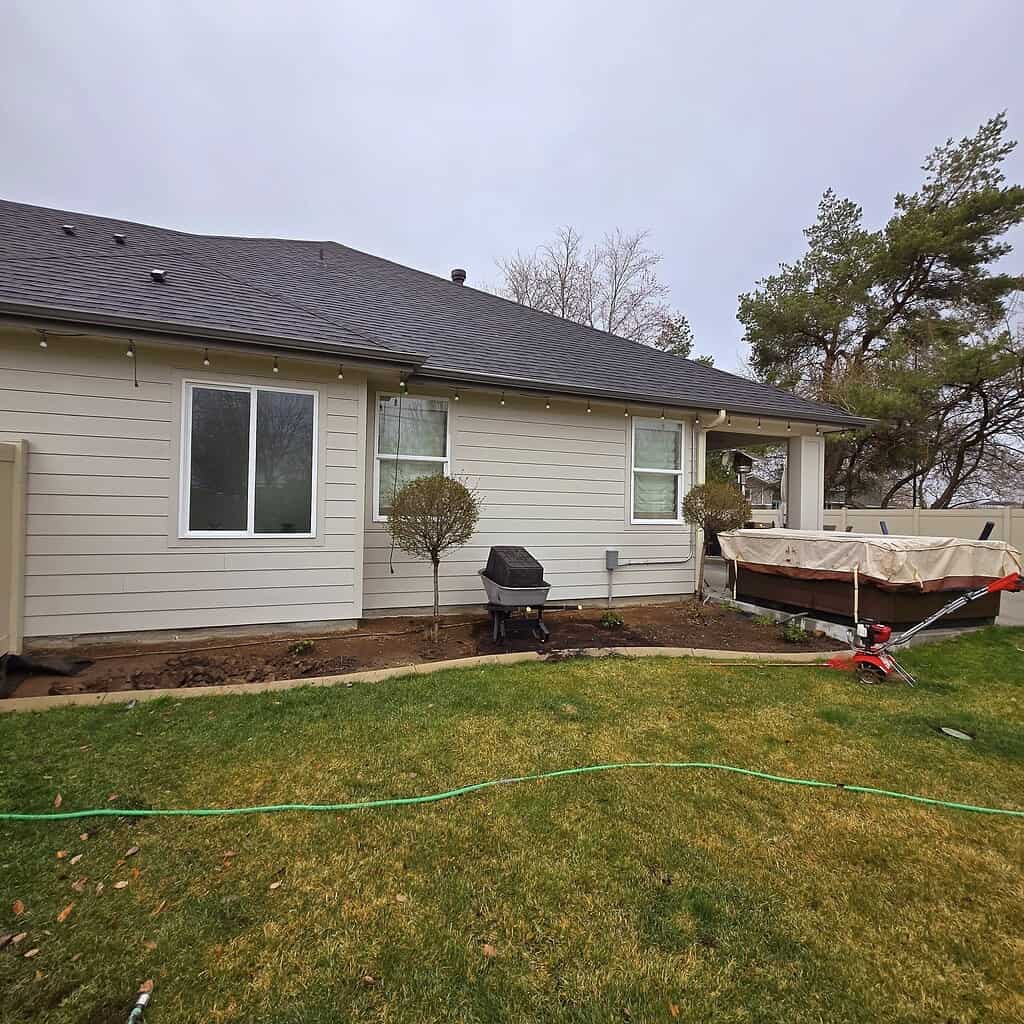
Before planting anything, it’s important to understand the space you’re working with.
One of the biggest beginner mistakes is choosing plants before checking sunlight, drainage, and available room.
A few minutes of observation can make the difference between struggling plants and a productive homestead garden.
Sunlight Requirements
Most vegetables and herbs need at least 6 hours of direct sunlight each day.
Spend a day watching how the sun moves across your yard, patio, or balcony. Take note of which areas get full sun, partial shade, or very little light.
If your space receives less sunlight, focus on shade-tolerant crops like leafy greens, herbs, and certain root vegetables. Matching plants to your sunlight conditions helps them grow faster and healthier.
Drainage and Soil Conditions
Good drainage is essential for plant health. Water should soak into the soil, not pool on the surface.
If you’re using containers, make sure they have drainage holes. For raised beds and in-ground gardens, loose soil allows roots to grow and prevents rot.
Improving drainage often starts with adding organic matter like compost. Healthy soil supports stronger plants and reduces the need for constant watering or fertilizing.
For a simple and effective composting technique, check out the Berkeley method of composting to create nutrient-rich soil for your garden.
Indoor vs. Outdoor Gardening
If outdoor space is limited, indoor gardening can still support self-sufficiency. Windowsills, grow lights, and indoor containers are great for herbs and seedlings.
Many homesteaders start plants indoors early in the season and move them outside once conditions improve.
Choosing the Best Location
The best garden location is one that’s easy to access.
When your garden is close to your home, you’re more likely to check on plants daily, catch problems early, and enjoy the process.
Convenience plays a big role in long-term success.
Best Plants for Beginner Gardeners
Choosing the right plants is one of the most important steps when learning how to start gardening for beginners.
The goal is to grow plants that are reliable, productive, and forgiving. Starting with easy, fast-growing crops builds confidence and provides food quickly.
Fast-Growing Vegetables for Beginners
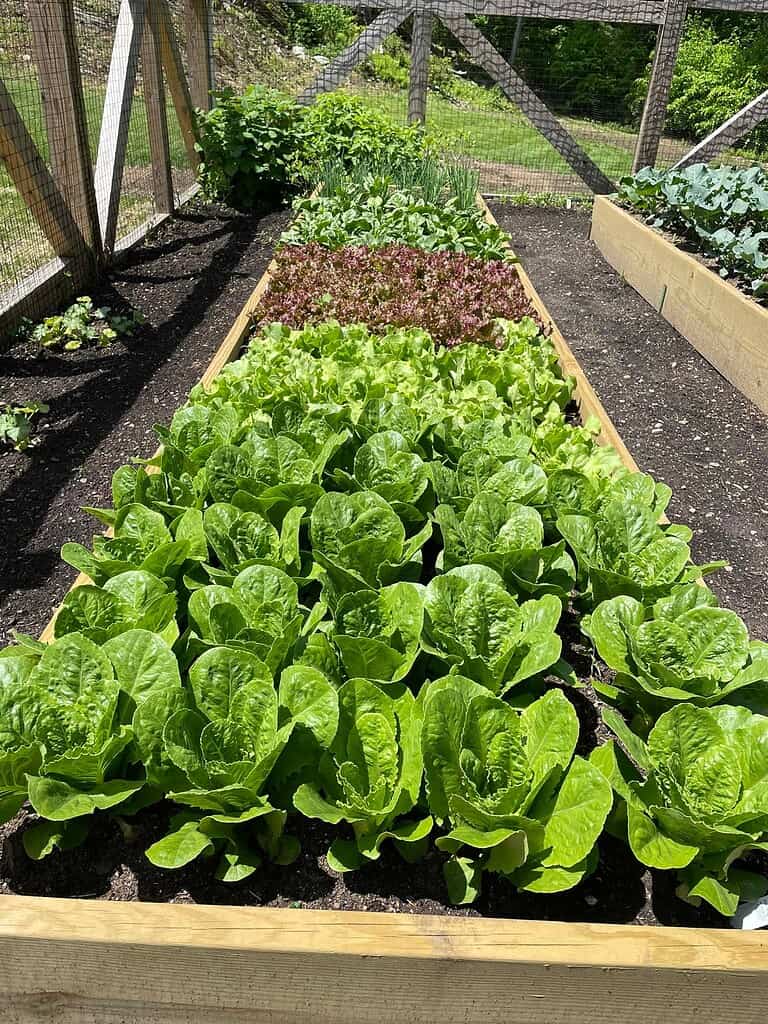
These vegetables grow quickly and don’t require advanced skills, making them ideal for new gardeners:
- Lettuce and leafy greens – Harvest in as little as 30 days and continue cutting as they grow
- Radishes – One of the fastest crops, often ready in 3–4 weeks
- Green beans – Productive and easy to maintain
- Zucchini – High yield from just one or two plants
These vegetables are staples on many homesteads because they produce a lot of food in a small space.
If you live in cooler climates or want to extend your growing season, consider planting cold-hardy vegetables.
Easy Herbs to Start With
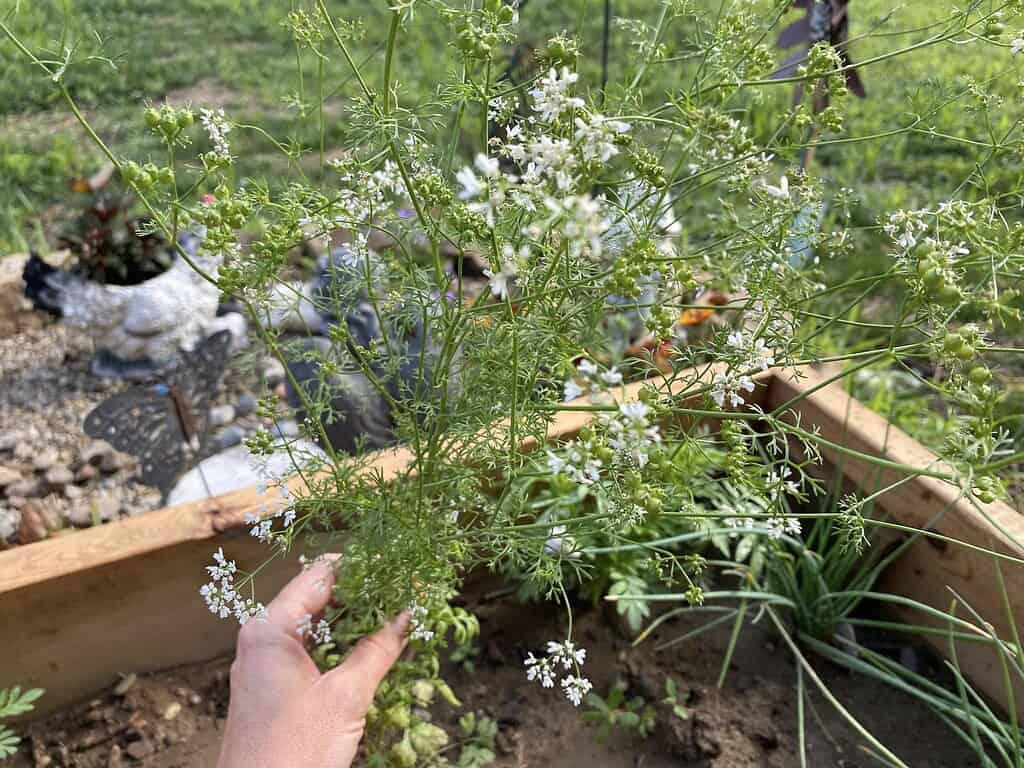
Herbs are perfect for beginners and add value to any self-sufficient kitchen:
- Basil – Grows quickly in warm weather
- Mint – Very hardy (best grown in containers)
- Parsley – Tolerates cooler temperatures
- Chives – Low-maintenance and long-lasting
Herbs can be grown in containers, raised beds, or indoors, making them incredibly versatile.
Ready to grow your own herbs? Check out our guide on how to start a herb garden for step-by-step tips and ideas.
Beginner-Friendly Flowers
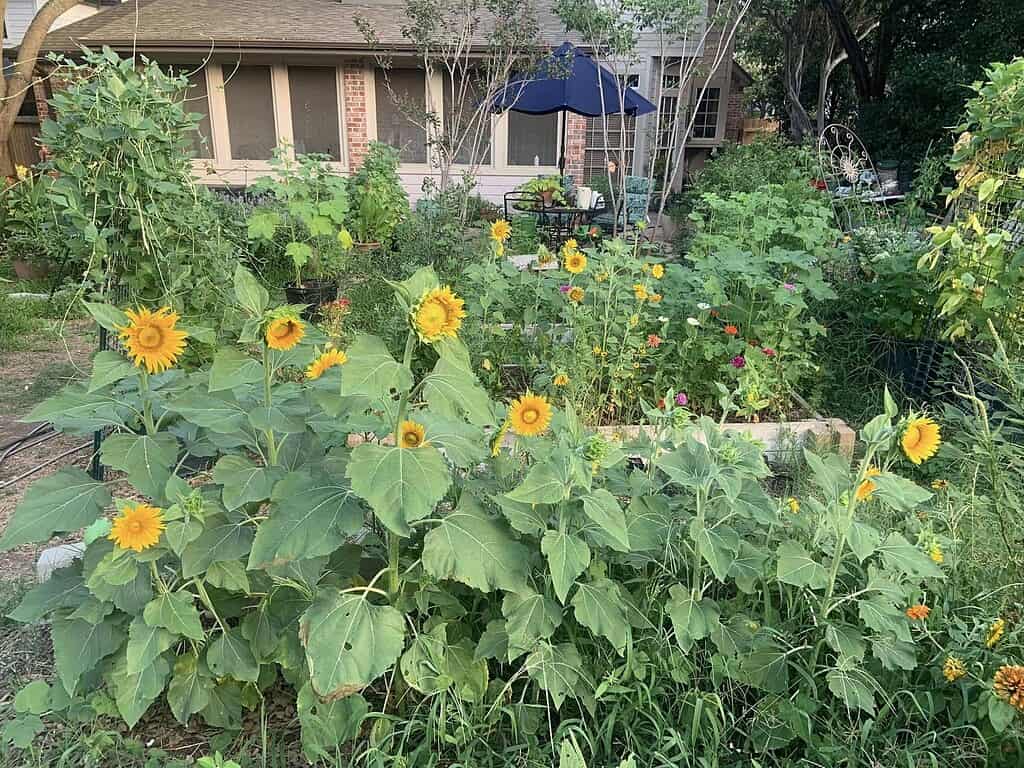
Flowers support pollinators and improve overall garden health:
- Marigolds – Help deter pests naturally
- Sunflowers – Easy to grow and useful for seeds
- Nasturtiums – Edible flowers that attract beneficial insects
Including flowers in your garden strengthens your homestead ecosystem.
For more ideas, check out our guides on best flowers to plant in containers, edible flowers to grow at home, and spectacular spring flowers to make your garden both beautiful and productive.
Plants Beginners Should Avoid at First
Some plants require more experience and patience:
- Cauliflower and broccoli
- Celery
- Artichokes
- Melons in small spaces
Focusing on easy plants early allows you to build skills before tackling more demanding crops.
Essential Gardening Tools You Actually Need
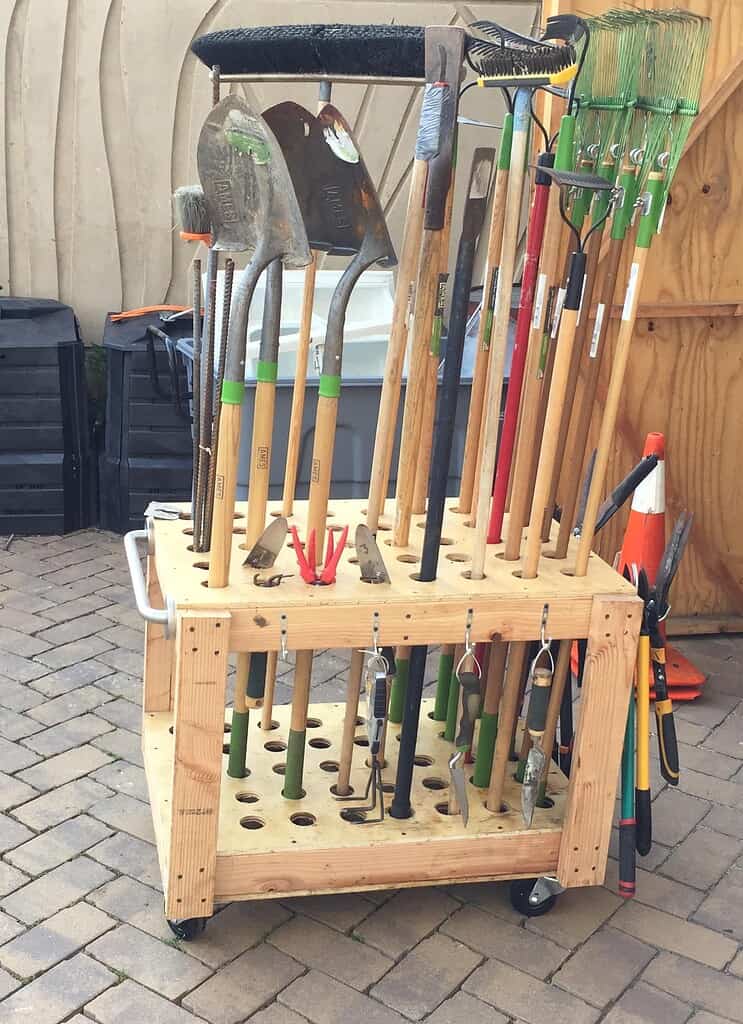
Starting a garden doesn’t require a shed full of tools.
In fact, many beginners get overwhelmed by buying too much too soon. On a homestead, the focus is on tools that are useful, durable, and versatile.
Must-Have Tools for Beginner Gardeners
These basic tools are enough to get started:
- Hand trowel – For planting, transplanting, and working in small spaces
- Garden gloves – Protect hands from blisters, thorns, and rough soil
- Watering can or hose – Choose what fits your space and water source
- Pruners or scissors – Useful for harvesting and trimming plants
- Bucket or container – Handy for carrying soil, compost, or harvests
These tools handle most early gardening tasks and work well in containers, raised beds, or in-ground gardens.
For a complete list, check out our article on must-have gardening tools to make sure you’re ready to grow with confidence.
Budget-Friendly Alternatives
Many homesteaders use what they already have:
- Kitchen scissors instead of garden pruners
- Repurposed containers for planting
- Buckets for compost or harvesting
Gardening doesn’t need to be expensive to be effective.
Tools You Don’t Need Yet
Avoid buying these at the beginning:
- Large tillers
- Specialty fertilizers
- Complex irrigation systems
As your garden grows, you can slowly add tools based on real needs rather than impulse purchases.
Soil Basics for Beginners
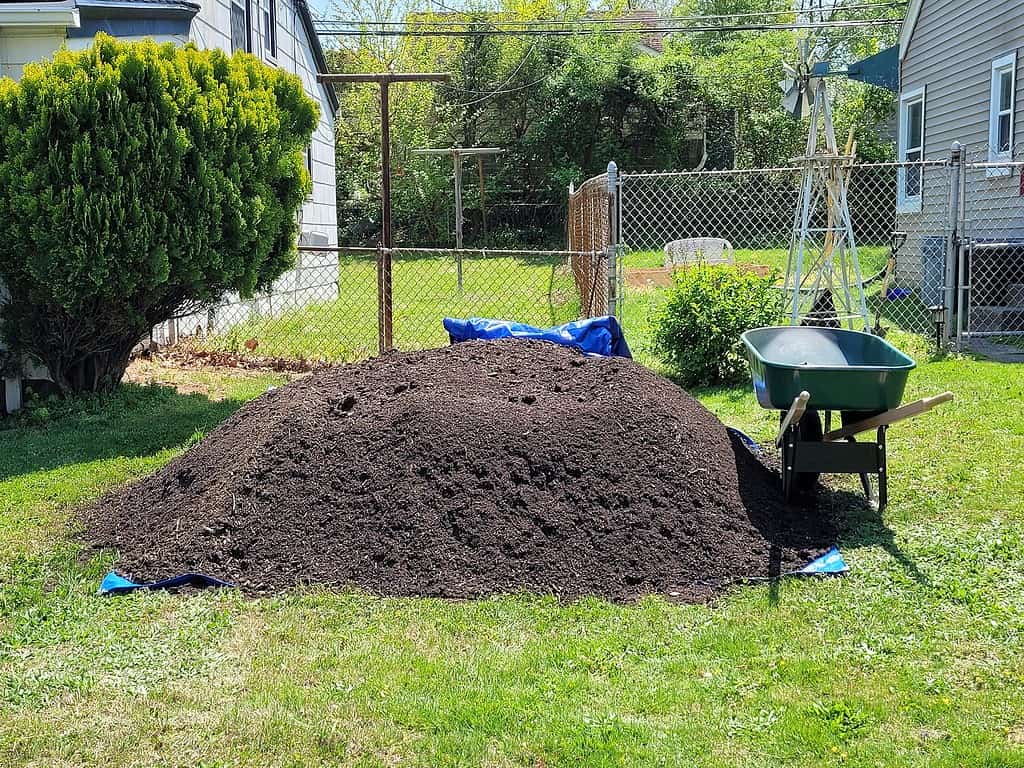
Healthy soil is the foundation of a successful garden. On a homestead, good soil means stronger plants, better harvests, and less work over time.
Many beginners focus on fertilizers first, but soil quality matters far more than anything you add later.
Soil Matters More Than Fertilizer
Plants get most of their nutrients from the soil itself.
If the soil is healthy, plants grow faster, resist pests better, and require less attention. Poor soil leads to weak plants, no matter how much fertilizer is used.
For beginners, a simple soil test kit can help you understand your soil’s nutrients and pH, making it easier to grow healthy, productive plants.
Potting Soil vs. Garden Soil
Understanding the difference helps avoid common mistakes:
- Potting soil is designed for containers and provides good drainage
- Garden soil is meant for in-ground planting and raised beds
Never use garden soil in containers, as it becomes compacted and restricts root growth.
Simple Ways to Improve Soil Naturally
Homesteaders often improve soil using natural methods:
- Add compost or aged manure
- Mix in leaf mold or shredded leaves
- Use mulch to protect soil and retain moisture
These methods build long-term fertility without relying on chemicals.
Common Beginner Soil Mistakes
- Using dirt from the yard in containers
- Planting in compacted or soggy soil
- Ignoring soil quality until plants struggle
Starting with good soil saves time and frustration later.
How to Water Plants the Right Way

Watering seems simple, but it’s one of the most common areas where beginner gardeners struggle.
Learning how to water properly helps plants grow faster, develop strong roots, and produce better harvests – especially on a homestead where consistency matters.
How Often to Water
Most plants prefer deep, less frequent watering rather than daily shallow watering. This encourages roots to grow deeper into the soil, making plants more resilient during dry periods.
Check the soil before watering.
If the top inch feels dry, it’s usually time to water. If it’s still moist, wait another day.
Signs of Overwatering vs. Underwatering
- Overwatering: yellowing leaves, drooping plants, soggy soil
- Underwatering: dry soil, wilting during the heat of the day, slow growth
Learning to read these signs helps you adjust quickly and avoid plant loss.
Best Time of Day to Water
Early morning is the best time to water your garden.
It allows moisture to reach plant roots before the heat of the day and reduces evaporation. Evening watering is acceptable, but wet foliage overnight can increase disease risk.
Container vs. Garden Bed Watering
Containers dry out faster than in-ground gardens and may need watering more often. Raised beds fall somewhere in between.
Paying attention to how quickly your soil dries helps you develop a reliable routine.
Beginner-Friendly Tips to Grow Fast
These beginner-friendly tips help plants grow stronger and faster without complicated techniques.
Start with Seedlings Instead of Seeds
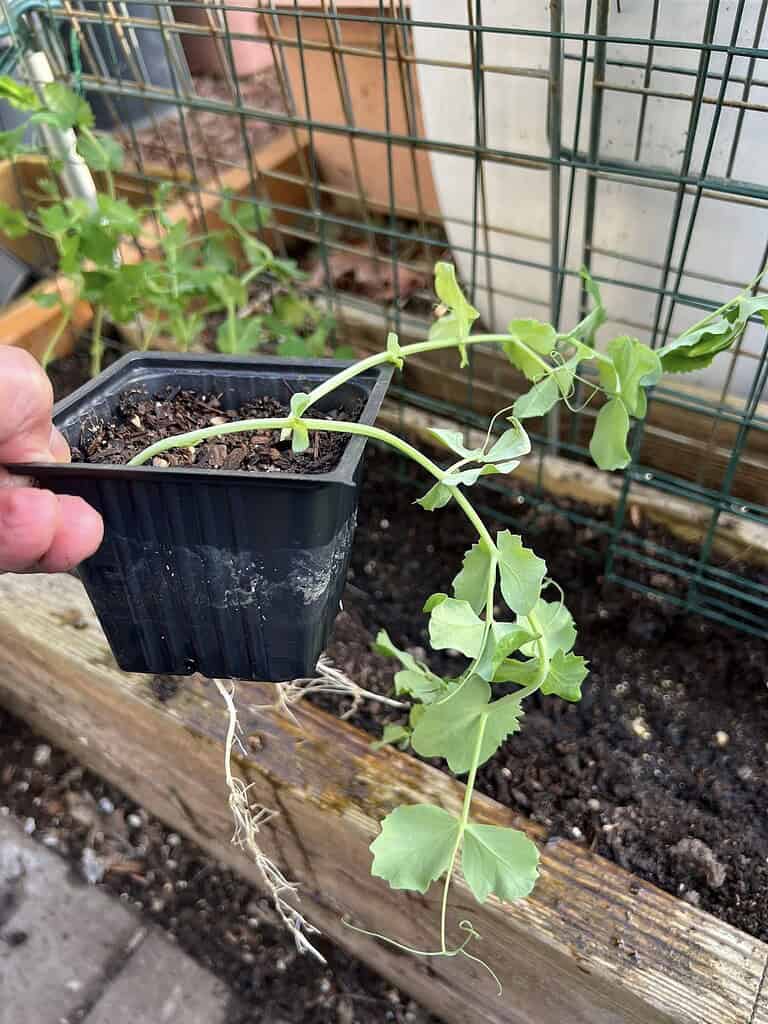
While growing from seed can be rewarding, seedlings give beginners a head start.
Transplants are already established and can begin producing sooner, making them ideal for new gardeners focused on early success.
Use Mulch to Protect and Feed Plants
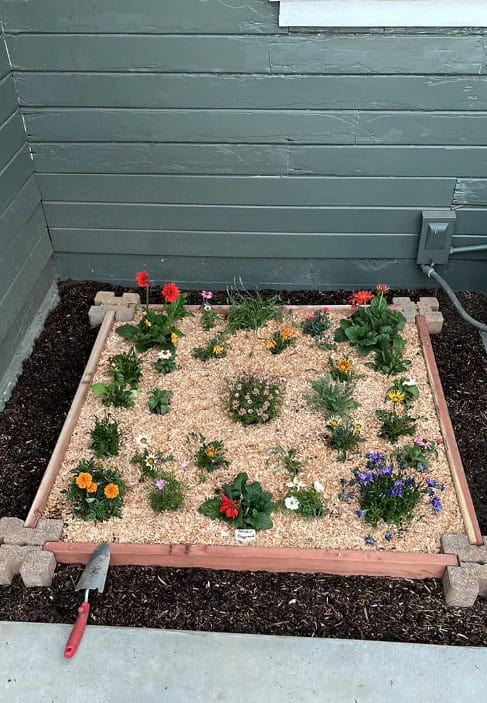
Mulch helps retain moisture, regulate soil temperature, and reduce weeds.
Organic mulch like straw, shredded leaves, or grass clippings slowly breaks down and improves soil health – something homesteaders value long-term.
Give Plants Enough Space
Crowded plants compete for sunlight, nutrients, and airflow. Spacing plants correctly allows them to grow faster and reduces disease.
It’s tempting to plant more, but fewer healthy plants will always outperform crowded ones.
Feed Plants Lightly but Consistently
Healthy soil does most of the work, but occasional feeding helps boost growth.
Compost tea, diluted fish emulsion, or other gentle organic fertilizers support steady growth without overwhelming plants.
Observe Your Garden Daily
One of the best homestead habits is daily observation. Checking your plants each day helps you catch pests, nutrient deficiencies, or watering issues early – before they slow growth.
Common Gardening Mistakes Beginners Make
Every gardener makes mistakes – especially at the beginning. Learning from small missteps early prevents bigger problems later.
Understanding these common beginner mistakes can save time, money, and frustration.
Overwatering Plants
Overwatering is one of the most frequent issues new gardeners face. Too much water suffocates roots and leads to weak, unhealthy plants.
Always check the soil before watering instead of following a strict schedule.
Planting Too Much Too Soon
It’s easy to get excited and plant more than you can manage. Starting with a smaller garden allows you to learn plant care, watering, and harvesting without feeling overwhelmed.
Expansion can always come later.
Ignoring Sunlight Needs
Placing plants in the wrong light slows growth and reduces yields. Vegetables that need full sun won’t thrive in shaded areas.
Matching plants to available sunlight is a simple step that makes a big difference.
Expecting Perfect Results
Gardening is a learning process. Not every plant will thrive, and that’s normal. Homesteading is about progress, not perfection.
Each season brings new lessons that make the next one easier.
Simple Maintenance and Care Routine
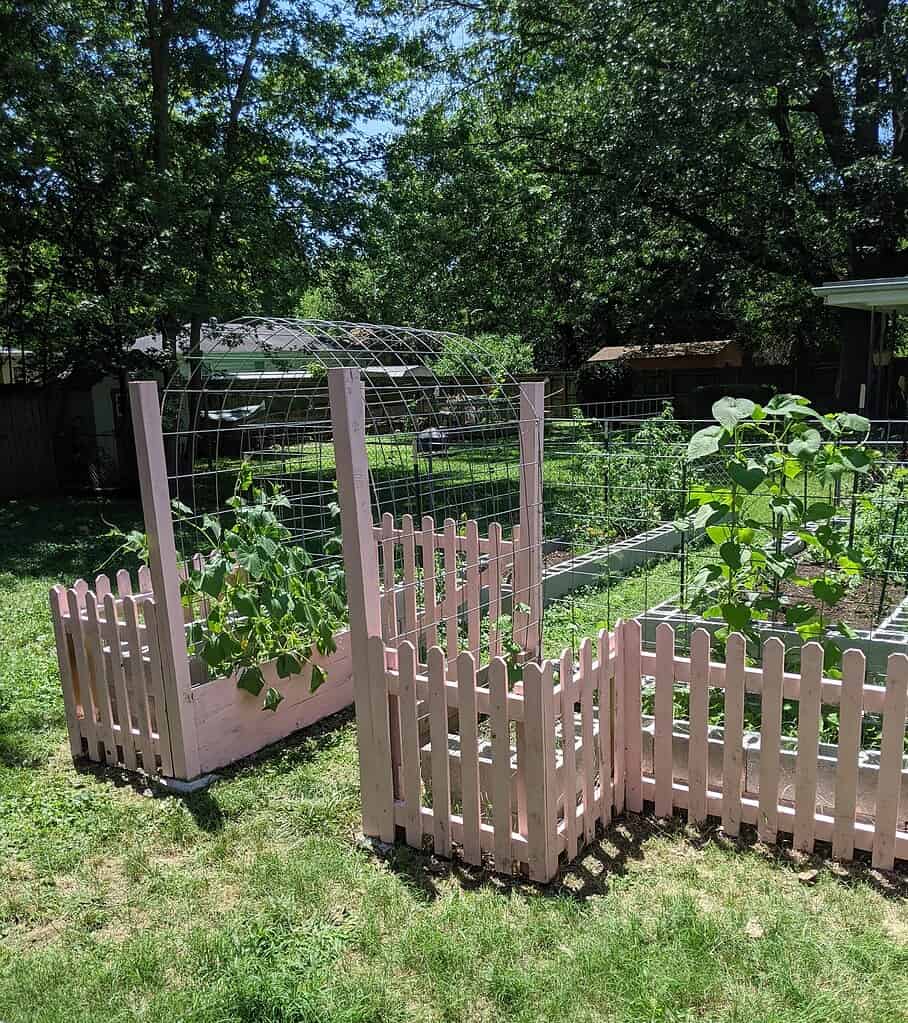
A successful garden doesn’t require constant work, but it does benefit from regular attention.
Developing a simple maintenance routine helps plants stay healthy and productive while keeping gardening enjoyable rather than overwhelming.
Weekly Garden Checklist
- Check soil moisture and water as needed
- Look for signs of pests or disease
- Remove weeds while they’re small
- Harvest mature vegetables and herbs
Spending just a few minutes each week prevents small issues from becoming bigger problems.
Spotting Problems Early
Yellow leaves, holes in foliage, or slow growth often signal early trouble. Catching these signs quickly allows you to correct watering, improve soil, or address pests before plants suffer.
When to Prune or Trim
Pruning encourages airflow and healthy growth. Remove dead or damaged leaves regularly, and trim herbs often to promote bushier plants and continuous harvests.
Check out our tutorials on how to prune tomato plants, how to prune cucumbers, how to prune basil, and how to prune rosemary to keep your garden thriving.
When and How to Harvest Your First Crops
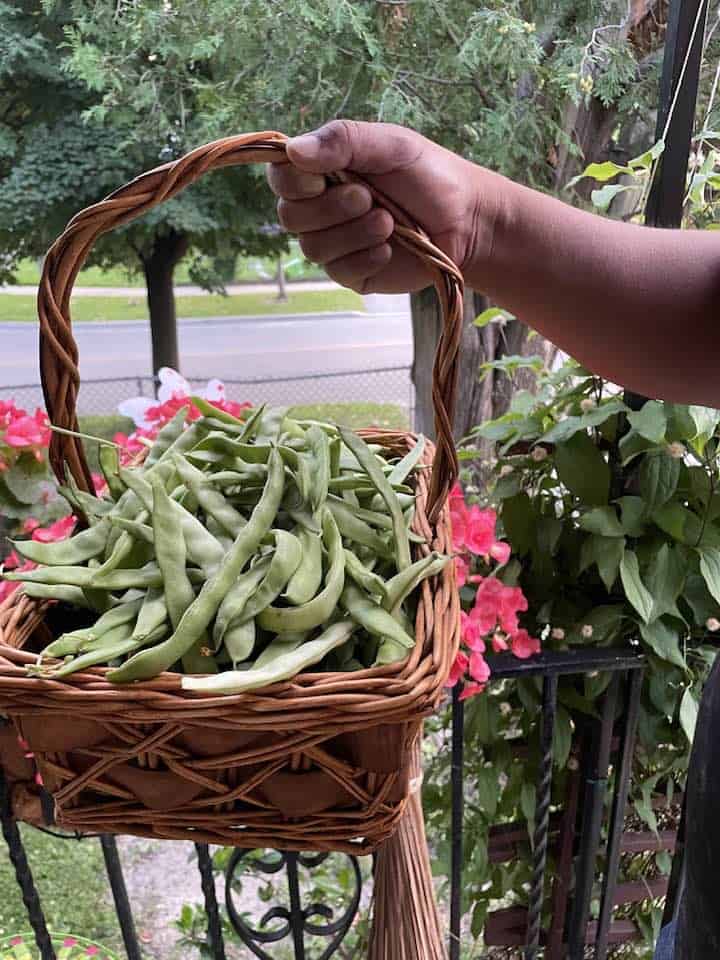
Harvesting is one of the most rewarding parts of gardening.
Knowing when to harvest ensures better flavor, continued production, and healthier plants.
Signs Plants Are Ready to Harvest
- Leafy greens are large enough to eat but still tender
- Herbs are full and fragrant
- Vegetables reach their expected size and color
Harvesting early and often encourages many plants to keep producing.
How Harvesting Encourages Growth
Regular harvesting signals plants to produce more.
Cutting herbs, picking beans, and harvesting leafy greens helps extend the growing season and increase yields.
Beginner Harvesting Mistakes
- Waiting too long to harvest
- Pulling entire plants instead of cutting
- Harvesting during the heat of the day
Early morning harvesting provides the best flavor and freshness.
Start Your Gardening Journey Today and Grow Toward Self-Sufficiency
Starting a garden is one of the most practical steps you can take toward a more self-sufficient lifestyle. You don’t need to know everything, and you don’t need to do it all at once.
By starting small, choosing easy plants, and building simple habits, you can create a garden that produces real food and real confidence.
Gardening teaches valuable homestead skills – patience, observation, and resilience. Each season brings improvement, and every harvest is proof that small efforts add up.
Whether you’re growing a few herbs or planning your first full vegetable bed, the most important step is simply getting started.
What are you planning to grow first, or what’s holding you back from starting? Comment down below and join the conversation – we’d love to hear about your gardening goals.
FAQs
How much time does gardening take each week?
Most beginner gardens only require 1–2 hours per week. Small, consistent check-ins are more effective than long, occasional work sessions.
Can I start gardening if my soil is poor?
Yes. Raised beds and containers allow you to control soil quality completely. Many gardeners successfully grow food without ever planting directly in the ground.
Do I need fertilizer in my first year of gardening?
Not always. If you start with quality soil and compost, plants often get everything they need. Light feeding can be added later if growth slows.
What should I do if pests start eating my plants?
Start by identifying the pest and removing them by hand if possible. Many issues can be managed early without chemicals by using natural methods and regular monitoring.
Is it better to start gardening in spring or fall?
Both can work. Spring is ideal for warm-season crops, while fall is excellent for leafy greens and root vegetables. Starting in either season helps beginners gain experience.