
Orchids are among the most elegant and rewarding plants you can grow at home.
Their delicate petals, vibrant colors, and long-lasting blooms make them a favorite for gardeners and indoor plant lovers alike.
However, many people struggle to get their orchids to bloom again after the first flowering.
If you've ever wondered how to grow orchid flowers that bloom beautifully every year, the secret lies in understanding their natural growing conditions and providing consistent care. Unlike many houseplants, orchids have unique requirements for light, water, humidity, and nutrients.
In this article, you'll learn practical and proven methods to help your orchids thrive and produce stunning blooms year after year.
Understanding Orchids: Why Proper Care Matters
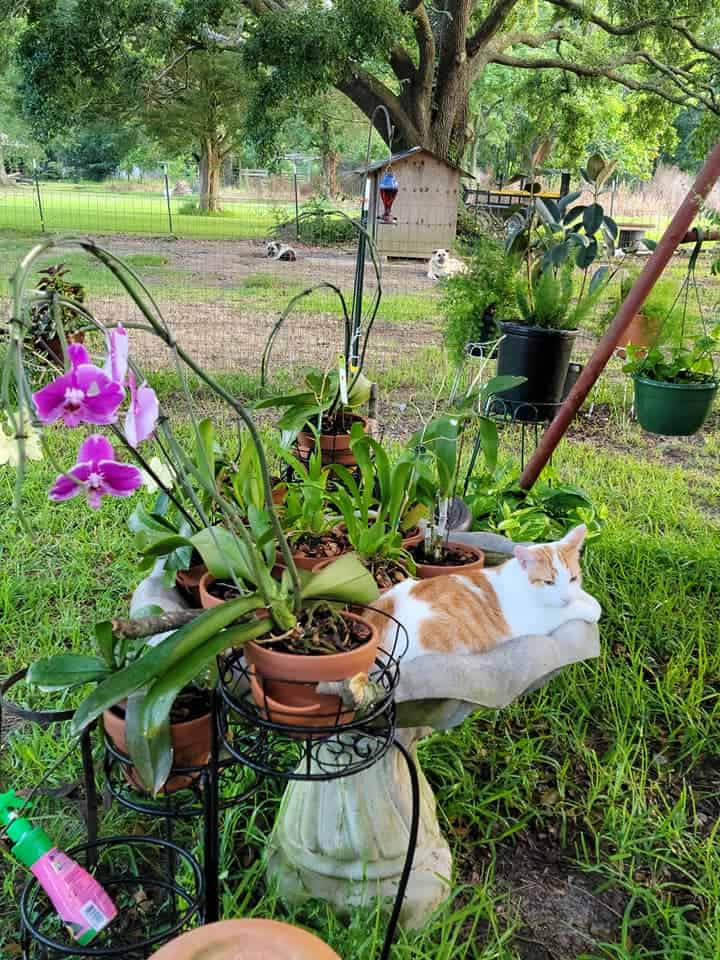
Orchids belong to one of the largest plant families in the world, with more than 25,000 species and over 100,000 hybrids.
The most common orchid grown indoors is the Phalaenopsis (moth orchid), known for its graceful arching flowers.
In nature, many orchids grow as epiphytes, meaning they attach themselves to trees rather than growing in soil. Their roots absorb moisture and nutrients from the air and surrounding environment.
Because of this unique growth habit, orchids require a slightly different approach compared to typical houseplants.
When you replicate their natural environment – adequate light, good air circulation, and proper watering – you greatly increase the chances of seeing them bloom every year.
If you're just getting started with orchids, you may also enjoy our guide on must-know orchid care tips, which covers the basic care habits every orchid grower should understand.
Choosing the Right Orchid Variety for Your Home
If you're a beginner, selecting the right orchid species makes orchid care significantly easier.
Some orchid types are more forgiving and bloom regularly with minimal maintenance.
Beginner-Friendly Orchids
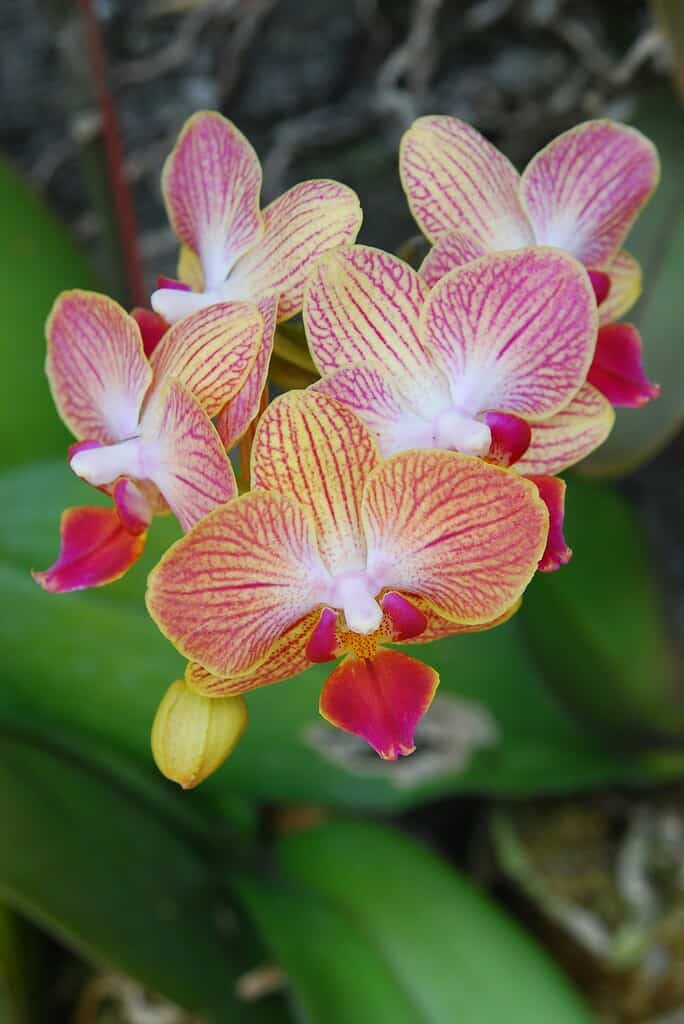
Phalaenopsis (Moth Orchid)
- Easiest orchid for beginners
- Blooms last up to 3 months
- Thrives in indoor conditions
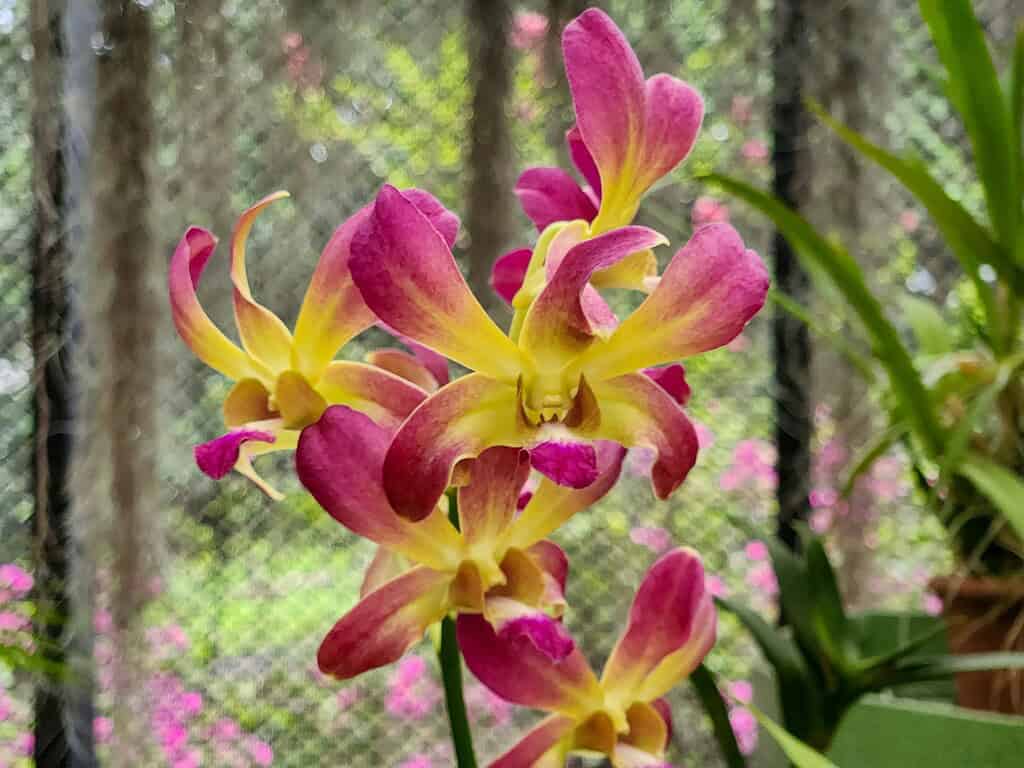
Dendrobium Orchids
- Known for tall stems with clusters of flowers
- Require bright light and seasonal rest
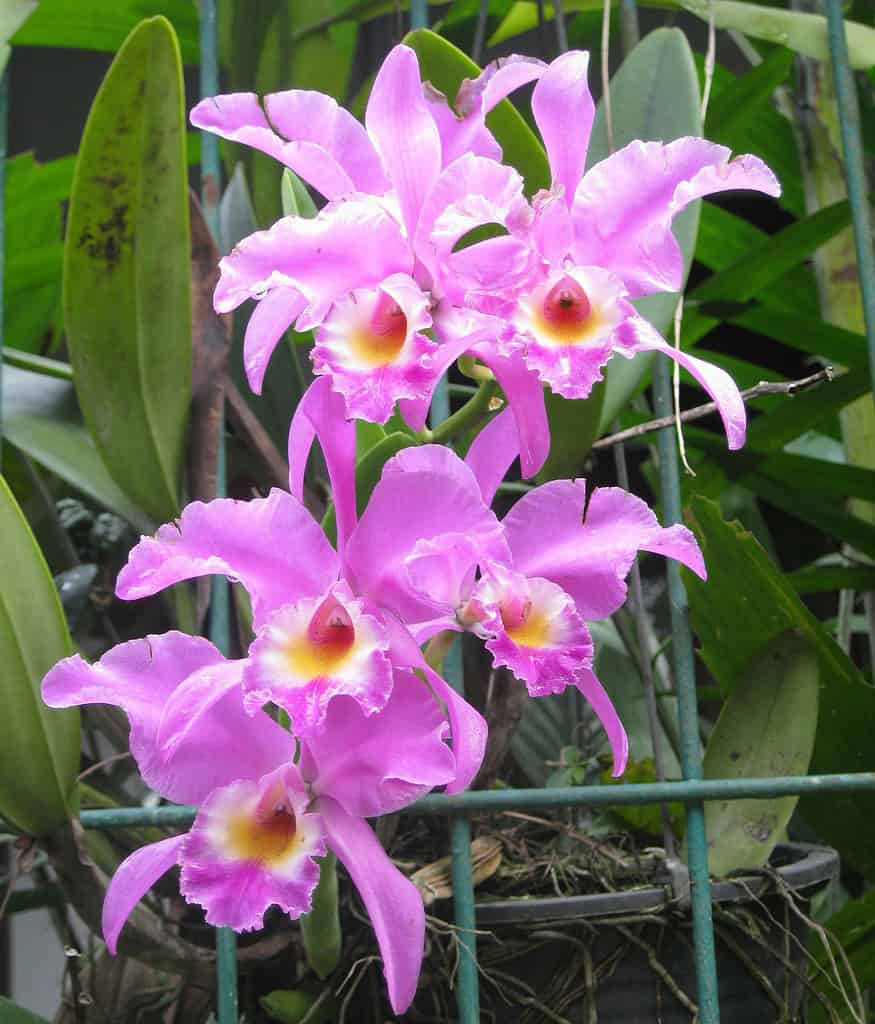
Cattleya Orchids
- Famous for large, fragrant blooms
- Ideal for growers with brighter indoor spaces
Starting with the right orchid increases your chances of success and encourages consistent blooming.
If you're interested in exploring other stunning plants beyond orchids, you might enjoy discovering some exotic tropical flowers that bring color and drama to indoor spaces.
Providing the Right Light for Orchid Growth
Light is one of the most important factors influencing orchid blooming.
Too little light prevents orchids from flowering, while too much light can burn the leaves.
Ideal Light Conditions
Most orchids prefer bright, indirect sunlight.
The best placement is near:
- East-facing windows
- South-facing windows with sheer curtains
- Bright rooms with filtered sunlight
Signs Your Orchid Is Getting the Right Light
Healthy orchids typically have light green leaves.
- Dark green leaves → not enough light
- Yellow or reddish leaves → too much light
Adjusting light exposure often solves the problem when orchids fail to bloom.
How to Water Orchids Properly
Overwatering is one of the most common reasons orchids die.
Unlike regular houseplants, orchids do not like constantly wet roots.
The Best Watering Method
Water orchids once every 7–10 days depending on humidity and climate.
Use the following method:
- Take the orchid to the sink.
- Run room-temperature water through the pot for about 15–20 seconds.
- Allow excess water to drain completely.
Never let orchids sit in standing water, as this can cause root rot.
How to Know When to Water
A simple way to check is to feel the potting medium.
Water only when it feels dry to the touch.
Clear orchid pots also allow you to observe root color:
- Green roots: hydrated
- Silvery roots: ready for watering
If watering indoor plants feels confusing, you may find our guide on how to water plants indoors especially helpful for learning proper watering habits.
Maintaining Proper Humidity Levels
Most orchids thrive in environments with 40–70% humidity.
Since indoor air can be dry, especially with air conditioning or heating, increasing humidity helps orchids stay healthy and bloom reliably.
Easy Ways to Increase Humidity
You can maintain humidity with simple methods:
- Use a humidity tray filled with pebbles and water
- Place orchids near other plants
- Use a small room humidifier
- Mist lightly in the morning
Good humidity encourages strong root growth and improves flower production.
If you're fascinated by unusual and striking plant varieties, you might also enjoy exploring some extraordinary rare flowers from around the world.
Feeding Orchids the Right Fertilizer
Orchids benefit from regular feeding during their active growth phase.
A balanced fertilizer provides essential nutrients needed for healthy leaves, roots, and blooms.
Best Fertilizer for Orchids
Use a balanced orchid fertilizer (20-20-20) or a fertilizer specifically labeled for orchids.
Apply fertilizer:
- Once every 2 weeks during active growth
- Once per month during winter
A helpful rule many growers follow is “weakly, weekly.”
This means using a diluted fertilizer solution regularly instead of strong doses occasionally.
Expanding your indoor plant collection? Learning how to grow cyclamen can also be a rewarding way to enjoy winter blooms indoors.
Repotting Orchids for Healthy Growth
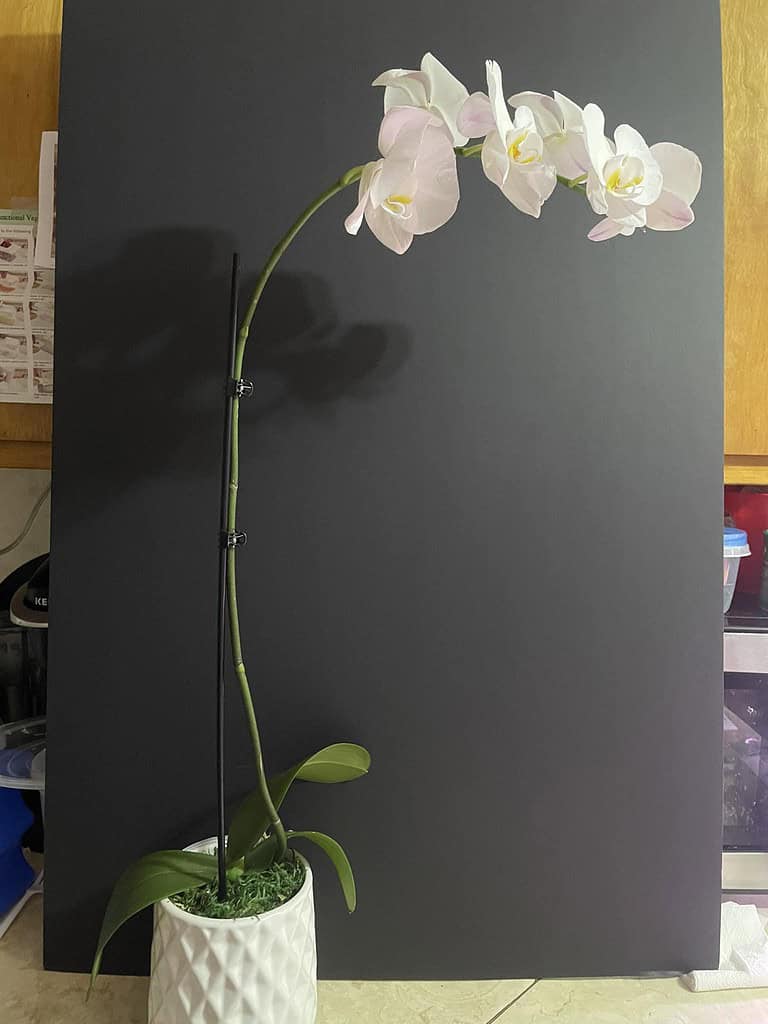
Orchids should be repotted every 1–2 years.
Over time, orchid bark breaks down and prevents proper airflow around the roots.
Repotting refreshes the growing medium and prevents root problems.
Signs Your Orchid Needs Repotting
Look for these indicators:
- Roots growing outside the pot
- Potting mix becoming compact or soggy
- Reduced blooming
Steps to Repot an Orchid
- Gently remove the orchid from its pot.
- Trim dead or mushy roots with sterile scissors.
- Place the plant in a slightly larger pot.
- Fill with fresh orchid bark mix.
Proper repotting supports healthier roots and encourages stronger blooms.
Encouraging Orchids to Rebloom
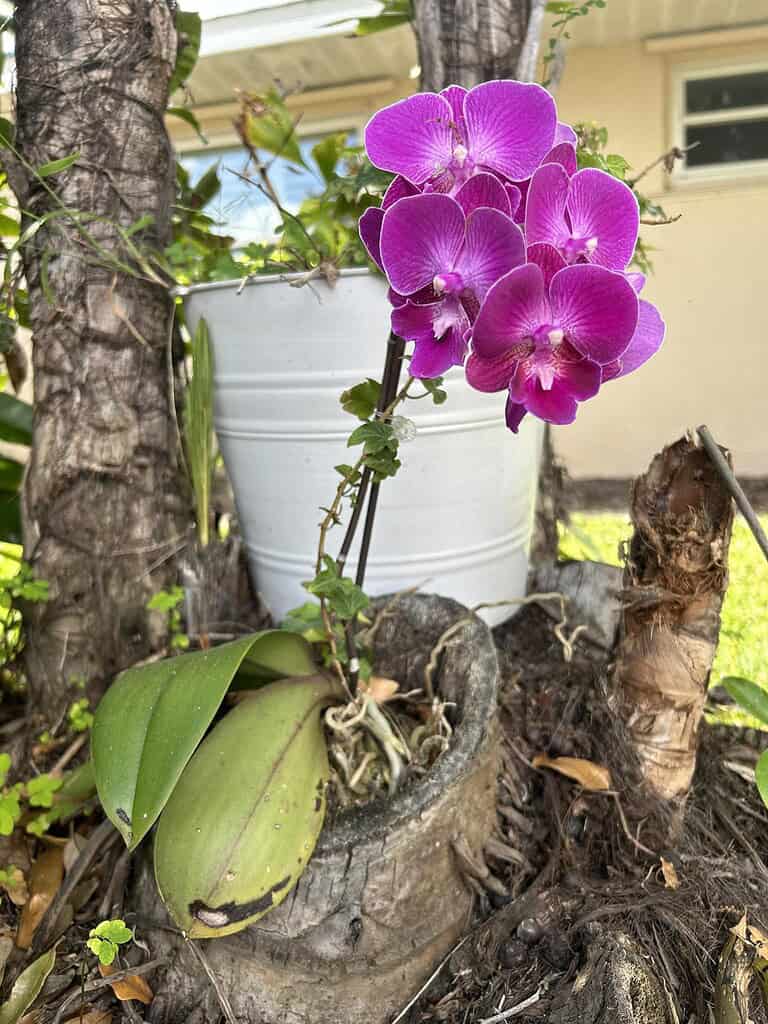
Many orchid owners worry when their plant stops flowering after the first bloom cycle.
Fortunately, orchids naturally bloom once or twice per year, but they need the right conditions to trigger flowering.
Tips to Trigger Orchid Blooming
To encourage reblooming:
- Provide slightly cooler nighttime temperatures
- Ensure adequate light exposure
- Continue fertilizing during growth periods
- Maintain consistent watering
A 10–15°F temperature difference between day and night often stimulates flower spikes.
Patience is key – orchids sometimes take several months before producing new blooms.
Preventing Common Orchid Problems
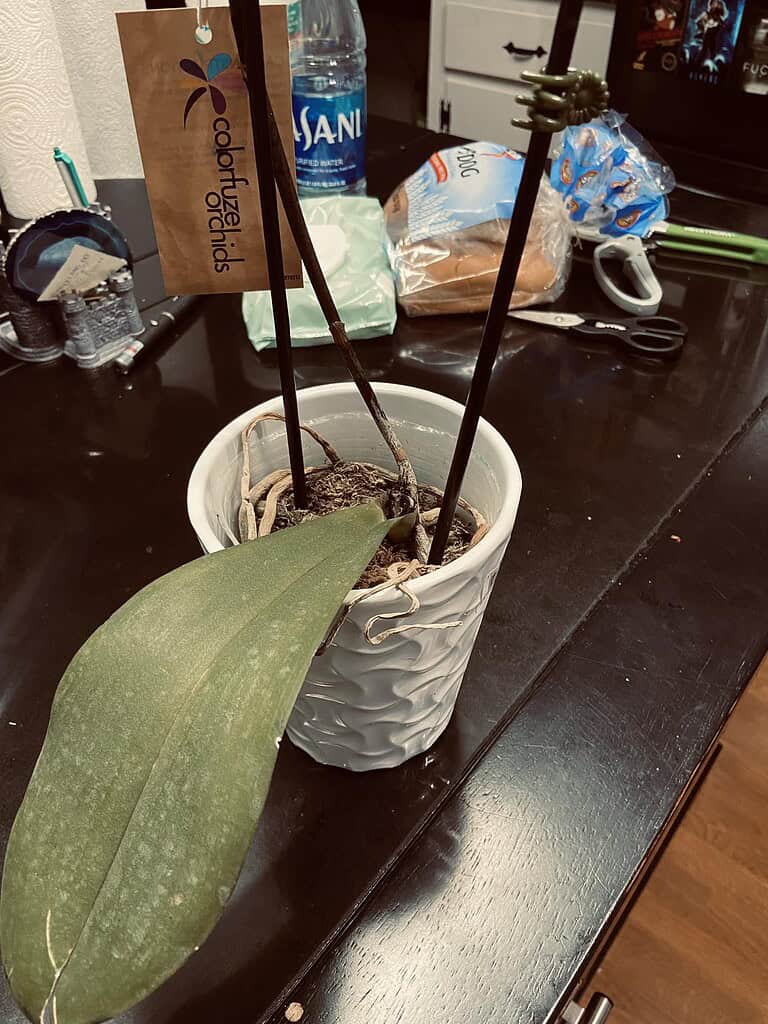
Even with proper care, orchids may occasionally encounter issues.
Recognizing problems early helps prevent damage.
Common Orchid Issues
- Root Rot. Caused by overwatering or poor drainage.
- Leaf Yellowing. Often due to too much sunlight or watering stress.
- Bud Drop. Occurs when orchids experience sudden environmental changes.
Prevention Tips
- Keep orchids in stable environments
- Avoid cold drafts or sudden temperature shifts
- Ensure proper air circulation
Healthy orchids are resilient and can recover quickly when conditions improve.
Seasonal Orchid Care Tips
Adjusting care routines throughout the year helps orchids maintain their natural growth cycle.
Spring and Summer
- Active growth period
- Increase watering and fertilizing
- Ensure adequate sunlight
Fall
- Reduce fertilizing slightly
- Watch for new flower spikes
Winter
- Water less frequently
- Maintain stable temperatures
- Provide bright indirect light
Following seasonal care patterns supports reliable yearly blooming.
Create the Perfect Environment for Yearly Orchid Blooms
Growing orchids that bloom beautifully every year doesn't require expert skills – it simply requires consistent care and the right environment.
By providing proper lighting, balanced watering, adequate humidity, and occasional fertilization, you can transform your orchids into thriving, flowering plants that reward you with spectacular blooms season after season.
Remember that orchids grow slowly and respond best to gentle, consistent care rather than frequent adjustments.
With patience and attention, your orchids will reward you with stunning flowers year after year.
Start Growing Healthier Orchids Today
If you follow the tips shared in this guide, you'll be well on your way to enjoying orchids that bloom beautifully every year.
Have you tried growing orchids at home?
Share your experience, tips, or questions in the comments below – we’d love to hear from you!
Plan Your Garden With Confidence!

Ever start planting… and then realize halfway through that things feel a little scattered?
A simple plan changes everything.
When you sketch your layout first, you can see what fits, what flows, and what actually makes sense for your space. It saves time, money, and a whole lot of second-guessing later.
Our free Garden Planner helps you map out beds, organize plant spacing, rotate crops, and keep track of seasonal tasks – all in a clean, printable format you can actually use.
Whether you’re designing a low maintenance front yard or planning your full homestead garden, this gives you a clear starting point.
Less chaos. More clarity. A garden that works.
FAQs
How long does it usually take for an orchid to rebloom?
Most orchids rebloom every 6 to 12 months. After the flowers fall, the plant enters a resting phase before producing a new flower spike.
Proper light, temperature differences, and consistent care significantly influence how quickly the next bloom appears.
Can orchids grow outdoors in tropical climates?
Yes, orchids can thrive outdoors in warm tropical or subtropical climates as long as they are protected from direct sunlight and heavy rain.
Many gardeners grow orchids on trees, hanging baskets, or shaded patios where airflow and humidity are naturally higher.
Should I trim orchid roots during repotting?
You should only trim dead, mushy, or hollow roots. Healthy roots are firm and usually green or white.
Removing damaged roots helps prevent disease and encourages new root growth.
Do orchids prefer small pots or large pots?
Orchids actually prefer slightly snug pots. A pot that is too large retains excess moisture and increases the risk of root rot.
Repot orchids into a container only 1–2 inches larger than the current root system.
Why does my orchid grow leaves but no flowers?
When orchids grow healthy leaves but fail to bloom, the most common reason is insufficient light.
Other factors may include:
- Lack of temperature variation
- Excess nitrogen fertilizer
- Poor seasonal care
Increasing light exposure is often the fastest way to trigger flowering.